Here is the blunt buying truth: structured baseball caps Lead Time and MOQ are usually decided before the artwork is approved. Construction, fabric, decoration, closure, packaging, and freight control the schedule. The logo file matters, but it is not running the whole show.
A structured cap is not a bargain-bin hat with a logo slapped on the front. It has a reinforced crown, a set shape, sewing tolerances, decoration limits, and fit expectations. That is why a real quote needs more than “Can you do 250 caps by Friday?” Sometimes a rush order is possible, but only when blank inventory, decoration capacity, artwork quality, approvals, and freight all line up.
This guide explains the typical lead time, MOQ, cost drivers, packaging details, and quality checks that matter when ordering structured baseball caps in bulk. The goal is to help buyers request a quote with enough detail to get a realistic answer instead of a vague estimate that changes later.
Structured Baseball Caps Lead Time and MOQ Basics
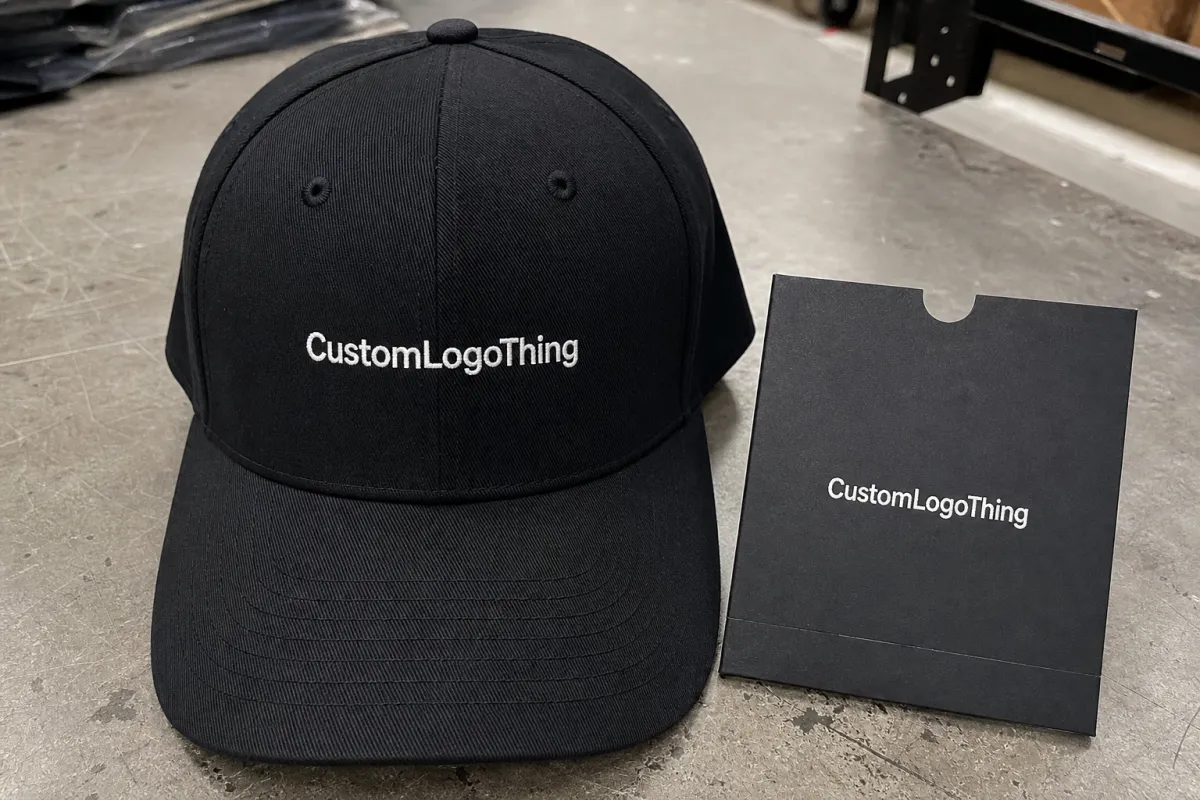
Lead Time and MOQ depend first on the order path: decorating existing blank caps or manufacturing the cap from scratch. Stock structured caps can move faster because the blank already exists. Fully custom caps need material sourcing, cutting, sewing, decoration, labels, inspection, packing, and freight. That is not a two-email project.
For decorated stock caps, common minimums often start around 48 to 144 pieces, depending on the blank, decoration method, and supplier setup. For fully custom manufactured caps, realistic minimums often start around 300 to 500 pieces per design or colorway. The number can climb when the order includes custom-dyed fabric, fitted sizing, branded sweatbands, retail labels, multiple cap colors, specialty closures, or custom packaging.
Timelines follow the same logic. A stock cap with a clean front embroidery file may fit a shorter production window if inventory is available and approvals move quickly. A fully custom structured baseball cap needs more steps, and every step creates a place where delays can happen. For many standard stock decoration programs, buyers commonly see production ranges of about 7 to 15 business days after approval. For fully custom production, a more realistic planning range is often 45 to 90 days, depending on sampling, material availability, production queue, decoration method, inspection requirements, and freight mode.
Buying rule: lead time starts after specs, artwork, pricing, proof, and production details are approved. It does not start when someone says, “We are interested.”
Most buyers are working around a launch, dealership promo, golf outing, staff uniform program, retail drop, brewery release, sports event, or employee apparel rollout. They need a production answer, not a foggy “2 to 3 weeks maybe” reply. The faster you define the cap style, fabric, decoration, quantity, delivery address, and in-hands date, the faster the quoting process can produce a useful answer.
If you are still gathering order details, review general ordering questions through the FAQ. It can help clarify common approval, artwork, and production expectations before a quote request becomes urgent.
What Makes a Structured Cap Different From a Basic Promo Hat
A structured baseball cap holds its shape because the front panels use buckram or another stiffener. That reinforced crown gives the cap a cleaner retail look, but it also demands more precise sewing, shaping, and decoration alignment. Soft dad hats are forgiving. Structured caps are less forgiving. That is part of the appeal.
Crown profile changes the entire feel of the cap. Mid-profile caps are usually the safest choice for bulk company orders because they fit a broad range of people without looking too flat or too tall. Low-profile caps feel more casual and relaxed. High-profile caps work better for streetwear, sports teams, breweries, and brands that want the logo to sit high and loud.
Brim style matters too. Pre-curved brims are the default for corporate uniforms, construction teams, service businesses, schools, and event orders. Flat brims need a more deliberate style direction. Sandwich brims add a color stripe between brim layers, which can look sharp, but they may increase production complexity on custom runs. Rope details across the front of the brim are also common for golf, resort, outdoor, and lifestyle programs, but they should be planned early because they affect the front panel look and sewing sequence.
Closures affect price, MOQ, and sizing risk. Snapbacks are common and adjustable. Metal buckles feel cleaner and more retail. Hook-and-loop closures are practical for workwear and event staffing. Fitted caps look sharp but punish bad size planning. Stretch-fit caps reduce some sizing pain, but they still require better forecasting than a basic adjustable cap.
Decoration zones include front embroidery, side embroidery, rear embroidery, woven patches, leather patches, rubber patches, printed taping, and interior labels. Not every logo belongs on every surface. Tiny taglines on a curved front panel can turn into thread soup. A woven patch may hold detail better than direct embroidery, while 3D puff embroidery needs bold shapes and enough spacing to stay clean.
Structured caps are a strong fit for uniforms, retail-style merchandise, sports organizations, automotive brands, construction companies, breweries, and promotional programs with shelf life. If people are expected to wear the cap for months, not just grab it from a trade show table, structure matters.
Cap Specifications Buyers Should Decide Before Quoting
A quote is only as accurate as the specifications behind it. If the request says “black cap with logo,” the price range will be wide because the unknowns are doing all the work. For a useful quote, send the cap style, panel count, crown height, fabric, brim type, closure, colorway, logo method, logo size, quantity, delivery address, and deadline.
Panel construction is one of the first choices. A 5-panel cap gives a clean front decoration area with no center seam cutting through the logo. A 6-panel cap is the classic baseball cap structure. A trucker cap uses mesh back panels for breathability and usually keeps structured front panels for logo placement. Mesh back caps can be faster when common colors are in stock, but custom mesh colors may require longer sourcing.
Fabric choice changes feel, price, and production timing. Cotton twill is reliable, familiar, and cost-effective for many company orders. Polyester handles performance needs better, especially for outdoor crews, sports programs, and warm-weather events. Wool blends feel more premium. Canvas looks rugged and works well for outdoor or workwear brands. Recycled fabrics can work when sustainability matters, but availability and color choices may be narrower. If responsible sourcing is part of the program, buyers can review broader certification context through FSC for paper-based packaging and labeling components.
Color planning is where many buyers get surprised. Standard black, navy, white, gray, khaki, and red are usually faster and cheaper. Custom-dyed fabric requires higher MOQ and longer lead time. Matching a brand color exactly is possible in many cases, but factories do not bend physics because someone attached a Pantone number. Fabric, thread, patch material, and printed labels all reflect color differently.
Logo preparation matters. Embroidery needs digitizing. Small text should be simplified. Gradients do not translate cleanly into thread. Patch artwork needs decisions on border style, backing, edge finish, material, and placement. A 2.25-inch tall embroidered mark behaves differently from a 3.5-inch wide patch, especially on a curved crown.
Packaging specs should be decided early. Bulk polybags keep the cost per piece lower. Individual polybags add handling cost but help with kitting, retail sales, and fulfillment. Hang tags, barcode labels, size stickers, and carton marks are useful for resale or distribution, but they add setup charges and time. If the caps are going into stores, event kits, employee welcome boxes, or e-commerce orders, the packaging plan should be treated as part of the product specification, not as an afterthought.
- Minimum useful quote details: quantity, cap color, logo file, decoration method, delivery zip code, and in-hands date.
- Better quote details: crown profile, panel count, closure, packaging, label needs, and whether reorders are expected.
- Best quote details: reference photos, brand guidelines, Pantone targets, retail requirements, and acceptable substitutes.
Pricing, MOQ, and Unit Cost Drivers for Bulk Cap Orders
MOQ is not a punishment. It is the point where setup, sourcing, cutting, sewing, decoration, inspection, and packing stop being financially unrealistic. Below that point, the unit cost gets ugly because fixed work is spread across too few caps.
Decorated stock structured caps often start around 48 to 144 pieces. Fully custom caps often start around 300 to 500 pieces per design or colorway. If the program includes custom-dyed fabric, multiple cap colors, fitted sizing, specialty closures, or custom labels, the minimum can increase quickly.
Cost drivers include quantity, cap construction, fabric, number of logo colors, decoration method, stitch count, patch type, closure hardware, packaging, labels, freight method, and delivery location. Rush fees, air freight, and last-minute artwork changes can wreck a budget faster than choosing a nicer fabric.
| Order Path | Typical MOQ | Common Unit Range | Best For | Main Tradeoff |
|---|---|---|---|---|
| Stock cap with flat embroidery | 48-144 pieces | $8-$16 per cap | Events, uniforms, small promos | Limited cap colors and styles |
| Stock cap with woven or leather patch | 72-144 pieces | $10-$20 per cap | Retail-style merch, breweries, clubs | Patch setup and approval time |
| Fully custom structured cap | 300-500 pieces | $6-$14 per cap at higher volumes | Private label, repeat programs, exact specs | Longer lead time and higher planning load |
| Custom cap with premium trims | 500+ pieces | $9-$22+ per cap | Retail drops, brand merchandise, specialty programs | More approvals, more components, more risk |
These ranges are typical planning ranges, not guarantees. A simple 500-piece structured cap with one front embroidery can price very differently from a 500-piece cap with custom fabric, raised embroidery, side logo, woven interior label, branded sweatband, hang tag, individual bag, and barcode sticker.
When buyers ask about structured baseball caps Lead Time and MOQ, the best answer usually starts with the use case. If the caps are for a one-day event, stock decoration may be smarter. If the cap will be sold as branded merchandise or repeated season after season, fully custom manufacturing can make sense because the design control and reorder consistency may justify the longer schedule.
Production Timeline From Artwork to Delivered Caps
A typical stock decoration order starts with artwork review. The logo is checked for size, thread detail, color count, and placement. If embroidery is used, the file usually needs digitizing before production. A digital proof or sew-out may be provided depending on the order type, supplier process, and buyer requirements.
After approval, the blank caps are allocated and decoration begins. For embroidery, the production team sets thread colors, hooping, placement, and machine run sequence. For patches, the patch may be produced separately first, then sewn, heat-applied, or otherwise attached to the cap. Patch production can add time, especially if the patch is woven, leatherette, PVC, sublimated, or custom-shaped.
For fully custom cap manufacturing, the process is longer. It usually includes spec confirmation, material sourcing, sample development, sample review, bulk material ordering, cutting, sewing, decoration, trim attachment, finishing, inspection, packing, and freight. Sampling alone can take one to several weeks depending on complexity and revision count. If a buyer changes crown height, brim shape, fabric, closure, or decoration after the sample, the schedule may reset or stretch.
| Step | Stock Decorated Caps | Fully Custom Caps | Common Delay Risk |
|---|---|---|---|
| Spec and artwork review | 1-3 business days | 2-5 business days | Missing logo files, unclear placement, incomplete quantity split |
| Proof or sample approval | 1-5 business days | 1-3+ weeks | Slow feedback, redesigns, color disagreements |
| Bulk production | 7-15 business days typical | 30-60+ days typical | Material availability, decoration queue, complex trims |
| Inspection and packing | 1-3 business days | 3-7 business days | Rework, carton label errors, packaging changes |
| Freight and delivery | Depends on shipping method | Depends on shipping method | Rush freight cost, customs review, missed delivery windows |
Approvals are one of the easiest places to save time. A buyer who approves a clean proof the same day may keep the order moving. A buyer who circulates the proof to six people, waits a week, then requests a new logo size should expect the timeline to change. That is not a supplier being difficult; it is production reality.
Packaging, Labeling, and Carton Planning for Cap Orders
Packaging affects cost, lead time, freight, and presentation. For a simple employee giveaway, bulk-packed caps in master cartons may be enough. For retail, e-commerce, influencer kits, team stores, or subscription boxes, packaging needs more planning. The cap may need an individual polybag, hang tag, UPC or SKU label, size sticker, warning label, insert card, or carton label by style and color.
Structured caps should be packed so the crown is not crushed. A common packing approach is to nest caps in rows, protect the front panels, and avoid over-compressing the carton. The exact case pack depends on crown height, brim shape, fabric stiffness, and packaging method, but common ranges often fall around 24 to 72 caps per carton. High-profile caps, flat brims, patch decorations, and individual bags may reduce the number of caps per carton.
Individual polybags are useful when caps will be distributed one at a time, shipped to multiple offices, or stored before use. However, they add labor and material cost. Retail tags and barcode labels are useful when inventory needs to be scanned, counted, or sold through a point-of-sale system. If a buyer needs carton labels showing PO number, item number, color, quantity, or destination, those details should be provided before packing starts.
For mixed orders, carton planning matters. If black caps, navy caps, and gray caps are all packed together without clear labels, receiving teams can waste time sorting. If caps are going to multiple locations, it is often better to plan carton splits early rather than repack finished goods later. Repacking can add handling charges and can increase the risk of bent brims, scuffed patches, or mismatched counts.
Buyers should also consider how packaging affects freight. A larger carton may reduce handling count but increase dimensional weight. Smaller cartons may be easier to move and store but can increase the number of labels and packages. There is usually a balance between protecting the cap shape and avoiding unnecessary freight cost.
Quality Checks That Prevent Cheap-Looking Structured Caps
The fastest way to make a structured cap look cheap is to ignore the details that buyers notice immediately: crooked logos, puckered embroidery, flimsy crowns, uneven brims, loose threads, poor color matching, weak closures, and crushed packing. A cap can use decent materials and still look bad if finishing is sloppy.
For embroidery, quality checks should include placement, stitch density, thread color, edge cleanliness, and readability. A logo centered on a flat proof may not look centered on a curved crown if the production setup is not adjusted correctly. High stitch counts can make a logo feel premium, but too much thread in a small area can cause puckering or stiffness.
For patches, check edge finish, attachment strength, placement, and surface consistency. Woven patches are usually better for fine detail. Embroidered patches have more texture. Leatherette patches often work well for outdoor, beverage, and lifestyle brands, but very fine details may need to be simplified. PVC or rubber patches can look modern, though they may require higher minimums and more sample review.
Cap construction checks should include crown symmetry, panel seams, brim curve, sweatband sewing, closure function, and overall fit. A structured crown should stand cleanly without looking collapsed or warped. The brim should not twist. The closure should adjust smoothly. If the order includes multiple sizes or colors, each version should be checked because one approved sample does not automatically prove every variation is correct.
Packaging inspection matters too. Caps should be counted, sorted, bagged if specified, and packed according to the approved carton plan. Carton labels should match the contents. If the cap is going to retail, barcode placement and scan readability should be checked before the order ships. Buyers with special receiving requirements should provide them early, not after cartons are sealed.
- Artwork check: confirm size, placement, thread colors, patch material, and logo simplification.
- Construction check: review crown shape, brim curve, seam alignment, sweatband, and closure quality.
- Packaging check: confirm bagging, hang tags, carton counts, carton labels, and destination splits.
- Shipping check: confirm delivery address, required arrival date, freight method, and contact details.
When to Use Stock Caps Versus Fully Custom Manufacturing
Stock structured caps are usually the better choice when time is tight, quantities are modest, or the buyer can accept available styles. They are common for employee uniforms, golf outings, school events, construction crews, service teams, and short-run promotions. The tradeoff is limited control. You choose from existing cap colors, fabrics, profiles, closures, and sizes.
Fully custom caps make sense when the cap itself is part of the brand experience. If you need a specific crown height, exact fabric, custom lining, branded taping, private label, unusual color blocking, special patch, or repeat retail program, custom manufacturing may be worth the longer timeline and higher MOQ. It also helps when reorders are expected and consistency matters across seasons.
A hybrid approach is also common. A buyer may use a stock cap with a premium patch, custom hang tag, and individual packaging to get a retail-style result without committing to a fully custom manufacturing run. This can be a practical middle ground for brands that want better presentation but cannot support a 500-piece custom minimum or a longer development calendar.
The safest decision comes from matching the order path to the business need. If missing the event date would be a disaster, do not choose a complex custom cap unless there is enough calendar. If the cap will sit on a retail shelf or represent a premium membership program, do not choose the cheapest available blank just to save a small amount per piece.
Next Steps Before You Request a Cap Quote
Before requesting a quote, gather the information that controls price and timing. At minimum, provide quantity, cap color, logo file, preferred decoration method, delivery zip code, and required in-hands date. If you already know the crown profile, panel count, closure, packaging method, and label requirements, include those too.
It is also useful to explain the purpose of the order. A staff uniform cap has different priorities than a retail merch cap. A one-day event cap has different risk tolerance than a product launch with photography, packaging, and warehouse receiving requirements. The more context the supplier has, the easier it is to recommend a practical route.
If the structured baseball caps Lead Time and MOQ are the main concern, say so clearly. A supplier may be able to suggest a stock blank, simplified embroidery, alternate patch method, standard color, or adjusted packaging plan to keep the order inside the calendar. Small specification changes can sometimes save days or reduce the minimum order quantity.
For general ordering, approval, and production questions, the FAQ is a useful starting point before finalizing artwork and order details.
FAQ
What is the typical MOQ for structured baseball caps?
For decorated stock structured caps, a common MOQ is often around 48 to 144 pieces. For fully custom structured caps, typical minimums often begin around 300 to 500 pieces per design or colorway. Specialty materials, custom colors, fitted sizing, and premium trims can increase the minimum.
How long do structured baseball caps usually take?
Stock decorated caps commonly take about 7 to 15 business days after final approval, depending on inventory and decoration capacity. Fully custom caps often require 45 to 90 days because they involve sourcing, sampling, production, inspection, packing, and freight. Rush options depend on the order details and are not always available.
Does embroidery or patch decoration take longer?
It depends on the design. Simple direct embroidery can be faster when the blank cap is available and the logo is production-ready. Custom woven, leather, PVC, or embroidered patches can add time because the patch must usually be produced and approved before attachment. Complex patch shapes or multiple colors may extend the schedule.
Can I order below the MOQ?
Sometimes, but the unit cost may increase significantly or the order may need to use stock caps and standard decoration methods. Fully custom manufacturing below the normal MOQ is often not practical because setup, sourcing, and production labor cannot be spread across enough units.
What packaging is best for bulk cap orders?
Bulk packing is usually the most economical choice for giveaways and internal use. Individual polybags, hang tags, barcode labels, and carton-specific labels are common for retail, fulfillment, kitting, and multi-location distribution. Structured caps should be packed carefully so the crown and brim are not crushed during storage or transit.
How can I reduce lead time?
Choose an in-stock cap, use a standard color, simplify artwork, approve proofs quickly, avoid custom-dyed materials, and decide packaging before production starts. If the in-hands date is fixed, share it at the beginning so the quote can be built around a realistic production and freight plan.

