Buyer Fit Snapshot
| Best fit | Biodegradable Soap Sleeves Printed for Sustainable Brands projects where brand print, material claims, artwork control, MOQ, and repeat-order consistency need to be specified before quoting. |
|---|---|
| Quote inputs | Share finished size, material target, print colors, finish, packing count, annual reorder estimate, ship-to region, and any compliance wording. |
| Proofing check | Approve dieline scale, logo placement, barcode or warning zones, color tolerance, closure strength, and carton packing before bulk production. |
| Main risk | Vague material claims, crowded artwork, missing packing details, or unclear freight terms can make a low unit price expensive after revisions. |
Fast answer: Biodegradable Soap Sleeves Printed for Sustainable Brands should be specified like a repeatable production item. The safest quote records material, print method, finish, artwork proof, packing count, and reorder notes in one written spec.
Production checks before approval
Compare the actual filled-product size with the drawing, then confirm tolerance on folds, seals, hang holes, label areas, and retail display edges. Reserve space for logos, QR codes, warning copy, and material claims before decorative graphics fill the panel.
Quote comparison points
Review material grade, print process, finish, sampling route, tooling charges, carton quantity, and freight assumptions side by side. A quote is only useful when the supplier can repeat the same color, closure quality, and packing count on the next order.
Biodegradable Soap Sleeves Printed for Sustainable Brands
A soap bar can smell like cedar, look hand-poured, and still get overlooked if the sleeve curls, flares at the corners, or reads like an afterthought. Shelf behavior is brutal that way. Most shoppers give a package only a few seconds, and sometimes less, before deciding whether it feels credible enough to pick up. That is why biodegradable soap sleeves printed matter so much: they do the quiet work of selling while keeping material use lighter than a full folding carton. The sleeve is usually the first face a buyer sees and the first thing a clerk handles, so it has to stay crisp, communicate fast, and survive normal handling without looking tired.
For brands that track waste as carefully as they track fragrance load or bar weight, biodegradable soap sleeves printed sit in a practical middle lane. They give you a front panel for the logo, scent, ingredients, net weight, and barcode without the extra board, extra glue, and extra freight of a more structural box. That makes the format useful for handmade soap, private label bath products, spa retail, gift sets, and refill-friendly lines that want to feel intentional rather than overbuilt. A sleeve can be modest and still carry a strong point of view.
The sustainability claim deserves scrutiny from the start. Biodegradable soap sleeves printed is not just a design preference; it is a material system made up of fiber source, inks, coatings, and adhesive. A sleeve can be paper-based and still miss the mark if a synthetic glue dot, a non-compatible coating, or a lamination gets added without checking the full stack. I have seen brands approve a beautiful sample and then discover that one tiny closure detail undercut the whole claim. That part is kinda annoying, but it happens more than people think.
Biodegradability is not created by the art file. It comes from the whole build, and the sleeve only earns the claim when the substrate, print method, finish, and closure all support it.
What biodegradable soap sleeves printed are and why they sell
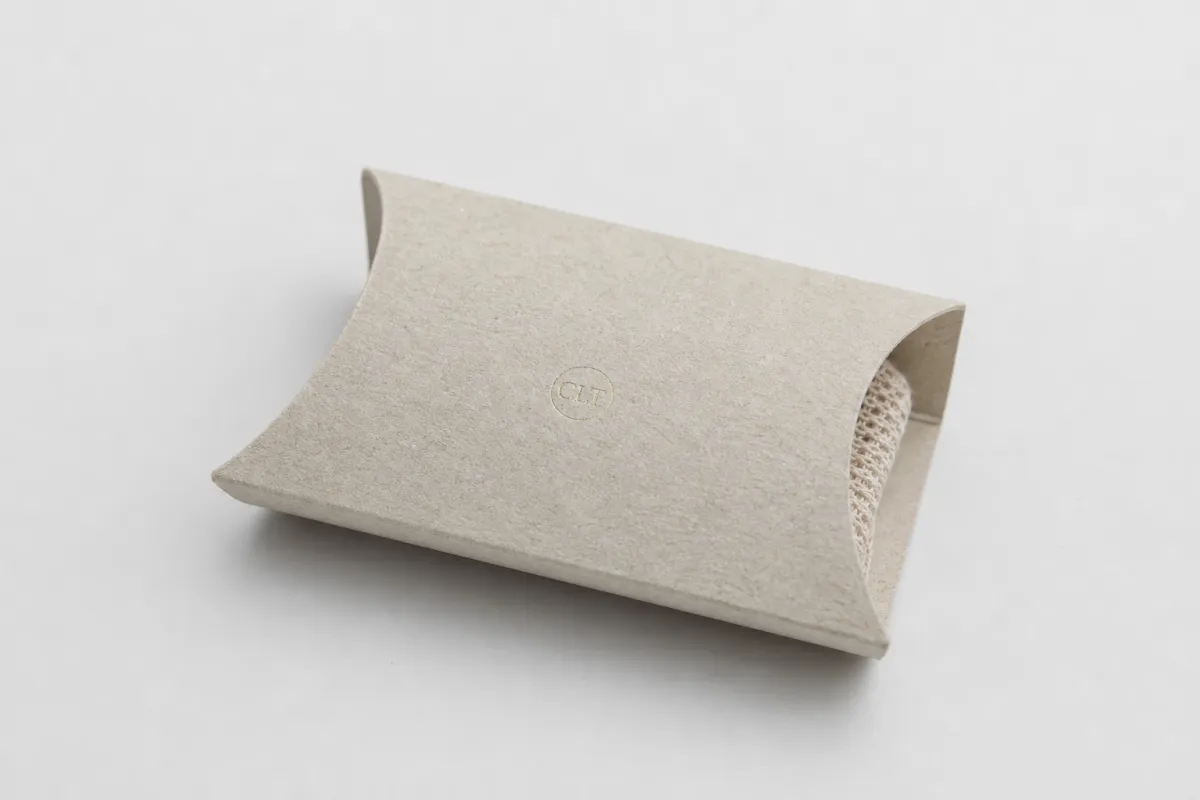
Biodegradable soap sleeves printed are slim outer wraps made from fiber-based or break-down-friendly materials that carry brand information without turning the package into a plastic-heavy container. In the simplest format, the sleeve wraps directly around the soap bar. In a more protected format, it wraps an inner carton or tray and adds shelf graphics while leaving structural support to another piece. That distinction matters more than many buyers expect, because a seller may ask for a sleeve when the product really needs a sleeve plus an inner pack to protect a soft or freshly cured bar.
The retail logic is easy to see. Handmade soap has personality, but it is also vulnerable to corner crush, scuffing, and visual clutter when the branding is loose or unfinished. A clean sleeve gives the product a stable shelf face. Stability sells. Packaging research keeps showing the same pattern: shoppers read order as quality. A bar that looks deliberate usually gets more trust than one that looks temporary. Biodegradable soap sleeves printed help a soap line look composed without adding much material weight.
Three formats come up repeatedly. A sleeve wraps around the product and usually stays open on one side or uses a simple tuck. A belly band is thinner, more like a label band that keeps the bar or carton together while carrying the brand mark. A full carton gives the most protection and print area, but it also adds board, folding steps, and cost. For low-waste soap lines, biodegradable soap sleeves printed often land in the best compromise zone: enough structure for retail, not so much material that the pack feels bloated.
Seasonal runs and SKU families benefit from the format too. One soap can carry lavender, another tea tree, another unscented, and the sleeve can separate those variants instantly while the bar itself stays the same. That makes biodegradable soap sleeves printed especially useful for short product ladders and private label programs where the design needs to work hard across several scents or sizes. The sleeve becomes the variable layer, which keeps the production system simpler than changing the soap itself.
The word biodegradable still needs care. In packaging terms, the claim should match the substrate and the disposal pathway. Paper can break down under the right conditions, but a buyer storing packs in humid rooms or shipping them through damp climates needs to know whether the sleeve resists curl, whether the ink remains legible, and whether the material keeps its shape long enough to perform in retail. Good biodegradable soap sleeves printed are designed for shelf life first, then end-of-life behavior. The order matters.
There is also a broader industry reason this format keeps showing up. The U.S. EPA has long listed paper and paperboard among the most recycled packaging materials in the municipal stream, which is one reason fiber-based sleeves have become a default starting point for many natural brands. That does not make every paper sleeve automatically biodegradable, recyclable, or compostable. It just means the substrate often sits closer to the sustainability story brands want to tell.
How biodegradable soap sleeves printed work on the line
On the production floor, biodegradable soap sleeves printed usually begin as sheet-fed or roll-fed stock that is printed, converted, cut, and scored before final assembly. Depending on run size and supplier equipment, the sleeve may be produced on offset, digital, or flexographic systems, then die cut and delivered flat for kitting or pre-glued for faster application. That workflow matters because a sleeve that looks great on a sample board can still become a bottleneck if the line cannot apply it at a sensible pace.
Three physical details influence line performance more than most buyers predict: fold direction, seam placement, and panel width. A seam on the front face interrupts branding. A crease that is too sharp for the stock can crack on a hard fold or whiten a dark printed area. A panel that is too narrow can bow once the soap pushes outward. Good biodegradable soap sleeves printed are designed with those realities built in, not patched on after the artwork is approved.
The sleeve's job is functional before it is decorative. It carries the logo, scent name, ingredient highlights, barcode, net weight, and short compliance copy while still allowing the soap itself to remain visible. That visibility is not a side issue. Soap is tactile and visual, and people want to see swirls, botanicals, oat flecks, or color variation before they buy. A well-planned sleeve supports that instinct instead of hiding the product. That is one reason biodegradable soap sleeves printed work so well for artisanal and spa brands.
Substrate choice changes the whole feel of the package. Uncoated kraft gives a natural matte look and usually creates a softer printed edge. Coated paper delivers sharper graphics, though it may sit less comfortably inside a low-impact story if the brand wants the pack to feel genuinely low waste. Plant-fiber blends add texture and a stronger sustainability narrative, but they often need more testing for fold behavior and ink adhesion. Every version of biodegradable soap sleeves printed behaves differently under humidity, pressure, and handling.
Line speed depends on how the sleeve is applied. Hand-applied sleeves are flexible and inexpensive to start, yet they slow down once volume rises. Semi-automated lines reduce that friction. Fully integrated packaging lines move faster still, but they usually demand tighter tolerances and more consistency. A simple sleeve with a straight fold and clean seam can move quickly. A sleeve with a cutout window, specialty varnish, or several scent versions forces more sorting and inspection. The best biodegradable soap sleeves printed are the ones that stay forgiving on the packing bench while still looking sharp on the shelf.
For brands that want standards-based references, two useful places to start are the Forest Stewardship Council at fsc.org for fiber sourcing and ista.org for transit-testing thinking that helps you judge package durability during shipping and distribution.
Key factors that shape biodegradable soap sleeves printed
Substrate is usually the biggest decision. Paper weight, fiber source, surface texture, and claim support drive both appearance and performance. A 16pt recycled stock behaves differently from a 24pt kraft board or a molded fiber wrap, and those differences show up in stiffness, crease quality, print contrast, and the way the sleeve survives a humid stockroom. When buyers ask for biodegradable soap sleeves printed, the first question should not be cost. It should be what the bar needs to do in real use, on real shelves, in real weather.
Inks and finishes come next. Water-based, soy-based, and low-migration systems are common choices, but each one trades off against rub resistance, color saturation, and drying time. A dense black or deep navy can look rich in a mockup and softer on a natural stock in production. Matte varnish can help with handling, though a buyer with a narrow sustainability claim needs to confirm that the finish does not interfere with compostability or fiber recovery. With biodegradable soap sleeves printed, the finish should support the claim rather than muddy it.
Adhesive choice gets overlooked more often than it should. A compostable sleeve can be compromised by a synthetic glue dot, a pressure-sensitive closure, or a tape strip that belongs to a different material system. That does not mean every closure needs to be unusual; it means the closure belongs in the spec, not as an afterthought. If the sleeve is meant to be home compostable, industrial compostable, recyclable, or simply lower impact, the adhesive system has to match that story. A clean spec sheet can save days of sample corrections when ordering biodegradable soap sleeves printed.
Design can go sideways in subtle ways. Thin rules, tiny type, delicate botanical line art, and low-contrast copy can look elegant on screen and disappointing on absorbent stock. Barcode contrast has to stay readable, especially if the sleeve needs retail scanning. Print gain, crease positions, and the way dark solids behave on warm paper all matter. The best biodegradable soap sleeves printed pieces are visually calm. They do not need to shout from every panel.
Claims review deserves real discipline. Words like biodegradable, compostable, recyclable, and plastic-free should match the build and the market where the product is sold. A paper-based sleeve may still fail a claim if it carries a coated layer or a closure system that breaks the logic of the packaging. Any serious buyer should ask for a material stack breakdown before approving the art. That approach is safer for biodegradable soap sleeves printed, and it protects the brand if a retailer or auditor asks questions later.
One more layer of trust: law and standards vary by jurisdiction. A package that can be described one way in one market may need different wording elsewhere, especially if the sleeve is sold across states, provinces, or countries with different labeling rules. That is not a reason to be timid. It is a reason to be precise.
If the claim is louder than the material stack, trouble follows. The cleanest result is the one where the sleeve, the ink, the finish, and the adhesive all tell the same story.
Biodegradable soap sleeves printed process, timeline, and lead time
The process is simple to describe and easy to derail. Measure the bar, decide whether the sleeve wraps a bare bar or an inner carton, request a dieline, place the artwork, review a proof, approve samples, then move into print, cutting, and packing. Straightforward on paper. In practice, the front-end details are where biodegradable soap sleeves printed most often lose time. Fuzzy dimensions, late copy changes, and vague sustainability targets can stall the job while everyone waits on confirmation.
Sizing causes one of the most common delays. Handmade soap bars are rarely identical from batch to batch, and they often change slightly as they continue to cure or shed moisture. A sleeve that looks fine in a digital mockup may be too tight in real life, which leads to bulging corners or wrinkling at the seam. Experienced buyers ask for finished dimensions after cure time rather than mold size alone. For biodegradable soap sleeves printed, a few millimeters can decide whether the pack slips on neatly or tears during assembly.
Lead time depends on complexity, although a simple project usually moves faster than a full carton. After proof approval, a straightforward run may finish in roughly 12-15 business days. A more complex sleeve with specialty stock, several SKUs, or exacting brand-color work may need 18-25 business days or longer. Sample approval can add a few days if the brand wants a physical mockup on the exact stock. For biodegradable soap sleeves printed, the safest schedule includes material sourcing, not just press time.
Quantity changes the production path as well. A small digital run can be ideal for a launch, a seasonal scent, or a market test. Larger runs often work better on conventional presses, especially if the brand wants lower unit cost and can accept a longer setup window. The real question is whether the sleeve is supporting a pilot or a steady shelf presence. That decision affects how quickly biodegradable soap sleeves printed can be delivered and how the vendor plans the print and cut sequence.
Precise information on the front end shortens the whole process. If the supplier receives the right bar dimensions, print count, finish choice, barcode data, disposal claim, and sleeve structure up front, the project moves with less back-and-forth. The actual lead time starts before the order is placed. Better information means fewer surprises, and fewer surprises make biodegradable soap sleeves printed much easier to manage.
Biodegradable soap sleeves printed cost, pricing, MOQ, and quotes
Pricing usually comes down to five variables: substrate, print coverage, sleeve size, finishing complexity, and quantity. A plain kraft sleeve with a single color of print almost always costs less than a full-color sleeve on specialty fiber stock with a soft-touch finish and a complex fold. Suppliers may also add die setup, plate charges, sample fees, or freight. Buyers should read the quote closely. For biodegradable soap sleeves printed, the lowest unit price is not automatically the best value if the material quality is weak or the claim support is unclear.
MOQ, or minimum order quantity, has a real budget effect. Lower quantities usually carry a higher unit price because setup work is spread across fewer sleeves. Larger orders lower the per-sleeve cost, but they require more cash up front and more storage space. That tradeoff matters for smaller soap makers who are still learning which scent profiles, bar sizes, and channels will actually move. A brand launching biodegradable soap sleeves printed needs to balance unit economics against the risk of sitting on too much inventory.
Quotes can vary dramatically between suppliers even when the outside look seems similar. One vendor may quote only print and conversion. Another may include proofing, dieline support, and final packing. One may assume digital printing, another offset. One may include standard uncoated paper, another a premium compostable stock. The clean comparison is always apples to apples: same size, same quantity, same finish, same print count, same claim wording, same shipping assumptions. Otherwise, biodegradable soap sleeves printed quotes can look cheaper or more expensive for reasons that have nothing to do with the actual package.
| Material option | Typical use | Approx. unit cost at 5,000 pieces | What to watch |
|---|---|---|---|
| Recycled kraft paper | Natural-looking sleeves for handmade soap | $0.10-$0.18 | Soft color reproduction, visible fiber texture |
| Uncoated white paperboard | Cleaner graphics with a simpler feel | $0.12-$0.20 | Less rustic, but often easier for small text |
| Plant-fiber specialty stock | Premium low-waste branding | $0.22-$0.38 | Sample carefully for fold quality and availability |
| Coated paper with compatible finish | Sharper print and stronger shelf contrast | $0.16-$0.28 | Check whether coating fits the sustainability claim |
Those ranges are directional, not promises. Size and print coverage move them quickly. A sleeve for a small 3 oz bar usually costs less than one for a larger gift bar, and a one-color design usually costs less than a dense four-color graphic with botanicals and detailed copy. Even so, the table gives buyers a practical frame for thinking about biodegradable soap sleeves printed before they request proposals.
Budget should include the brand value of the pack as well. A stronger sleeve can make a soap line look more trustworthy, more giftable, and more aligned with a low-waste shelf story. That can support a higher retail price or better placement in a boutique setting. From a packaging buyer's point of view, the right biodegradable soap sleeves printed choice is not only about unit cost. It is about what the package helps the product earn on shelf.
Common mistakes with biodegradable soap sleeves printed
The first mistake is buying on the sustainability label alone. A sleeve can sound green and still fail in a humid stockroom, wrinkle around a soft bar, or tear during assembly if the stock is too light. Handmade soap makes the risk worse because the bars may be freshly cured, slightly irregular, or still losing moisture. A good biodegradable soap sleeves printed spec has to survive handling, not just a marketing conversation.
The second mistake is sizing too tightly. Soap bars are rarely machine-perfect, and handmade bars can vary a few millimeters between batches. If the sleeve leaves almost no tolerance, the pack may bow at the corners, crush the print at the fold, or become awkward to apply on the line. I have seen buyers blame print quality when the real problem was the dieline. For biodegradable soap sleeves printed, a little extra breathing room is usually safer than a beautiful fit that turns into waste.
The third mistake is overdesigning the artwork. Dense solids, tiny lines, and too many message points can make the sleeve feel crowded and can also raise production risk. Small type can disappear on natural stock, and dark coverage may print unevenly on absorbent paper. A cleaner design usually looks more premium, especially on craft soap. The strongest biodegradable soap sleeves printed examples often leave room for the material to do some of the work.
The fourth mistake is mixing claims without checking the build. A seller may want to say biodegradable, compostable, recyclable, and plastic-free all at once, but those words do not mean the same thing, and they do not all fit every material stack. If the sleeve uses a non-compatible coating or a closure system that breaks the claim, the brand has a problem. Good biodegradable soap sleeves printed work because the wording on the pack matches the materials in the pack.
The fifth mistake is approving proofs too quickly. A missed barcode zone, a fold line in the wrong place, or copy that sits too close to the seam can create waste across the full order. That is expensive and preventable. A careful proof review on biodegradable soap sleeves printed should check the dieline, final dimensions, SKU names, barcode contrast, and claim language line by line.
One more trap is skipping real samples. A screen proof can look polished while the actual printed stock feels too rough, too yellow, too soft, or too thin. If the bar belongs in a premium spa line, the tactile feel of the sleeve matters almost as much as the graphics. That is why sample approval on the real material is one of the best ways to protect a project built around biodegradable soap sleeves printed.
Expert tips for better biodegradable soap sleeves printed
Start with shelf behavior, not decoration. If the soap bar has a strong swirl, bold herb flecks, or a rich natural color, the sleeve should frame that visual instead of competing with it. A restrained layout, one clear logo placement, and generous spacing can feel more premium than a crowded pack. In my experience, the best biodegradable soap sleeves printed pieces often look almost calm, which lets the product feel honest and easy to trust.
Use the material as part of the visual language. Kraft tones, visible fiber, and matte surfaces work well for herbal, zero-waste, or handmade brands. A smoother white stock may fit a cleaner spa aesthetic or a private label line with more color coding. The point is not to chase a single "eco" look. The point is to make the material choice and the artwork agree. That is what gives biodegradable soap sleeves printed a deliberate feel.
Ask for physical samples on the actual stock whenever possible. Ink color shifts, fold behavior, and paper tone are much easier to judge in hand than on a monitor. That matters especially when the brand cares about soft neutrals, botanical greens, or black text on a natural surface. A small sample run can also show whether the barcode scans cleanly and whether the seam lands where expected. Few steps improve biodegradable soap sleeves printed decisions as much as real sample review.
Build in dimension tolerance, especially for handmade or slow-cured bars. Soap can change over time, and small shifts in moisture can change how a sleeve fits. A smart dieline has enough room to slide on without wobble, while still feeling tidy on shelf. That detail sounds minor until it becomes the first thing a shopper notices in person. A sleeve that is easy to handle feels better, and biodegradable soap sleeves printed that are easy to handle usually sell better.
Choose claims carefully and keep them precise. If the build is paper-based with a compatible ink system and adhesive, say that. If the sleeve is compostable only under certain conditions, say that clearly. Buyers trust exact language more than broad claims that cannot be supported. The best packages tell the truth in plain terms, and that is especially true for biodegradable soap sleeves printed.
A few habits consistently pay off:
- Confirm finished bar dimensions after cure time, not just mold size.
- Ask for the dieline before finalizing artwork.
- Check barcode contrast on the chosen stock.
- Review the full material stack, including adhesive and finish.
- Approve one physical sample before the full production run.
Those steps may look basic, but they separate a sleeve that merely looks promising online from one that actually performs in retail. For brands building a serious line, biodegradable soap sleeves printed should be treated as part of the product itself, not a decorative afterthought.
What to do before you request a quote
Start with measurement. Measure the soap bar accurately after cure time and write down the finished length, width, and thickness. If the sleeve will wrap a bare bar, note whether the bar has rounded corners, bevels, or uneven edges. If the sleeve will wrap an inner carton, measure the carton instead and specify the relationship between the two. That one step prevents a lot of friction later, because biodegradable soap sleeves printed can only fit correctly when the dimensions are real.
Next, list your must-haves in plain language. Decide whether you want recycled kraft, white board, or a specialty fiber stock. Decide whether the pack must be compostable, recyclable, or simply lower impact. Decide whether the print is one color or full color, matte or gloss, and whether you need a barcode, ingredients panel, or regulatory text. When a supplier gets that brief, the quote for biodegradable soap sleeves printed becomes much more useful.
Then ask for the supplier's process. How do they handle proofs? Do they provide a digital mockup first, then a physical sample? What is the expected lead time after approval? What part of the quote covers setup, and what part covers the sleeve itself? Those are not awkward questions. They are the questions that keep a project honest. A clear vendor answer tells you whether their version of biodegradable soap sleeves printed fits your launch calendar and your budget.
It also helps to think about claim review before the design gets too polished. If the brand wants to say biodegradable, compostable, or plastic-free, the copy should match the material stack and the market rules where the soap will be sold. Some claims are straightforward, while others need careful wording because the coating or adhesive changes the picture. Asking those questions early cuts the risk of a costly revision. That is especially true for biodegradable soap sleeves printed, where the paper can look right while the supporting materials tell a different story.
Once the technical brief is clear, request samples and test them on the actual soap. Check the fit, the fold lines, the ink rub, the shelf look, and the way the sleeve behaves in a humid room or under store lighting. If the bar feels premium and the sleeve supports that feeling, you are close. If not, change the dieline or the stock before you approve the run. That is the practical path for biodegradable soap sleeves printed, and it saves time, money, and frustration.
For a brand that wants less waste and a cleaner shelf story, the right sleeve is rarely the most complicated one. It is the one that fits the bar, prints clearly, respects the material claim, and shows up on time. Build the brief carefully, and biodegradable soap sleeves printed can become one of the simplest ways to make a soap line feel credible and ready for retail.
Do biodegradable soap sleeves printed protect soap from moisture?
They give light surface protection and help reduce dust, scuffing, and handling marks, but they are not a full moisture barrier like a sealed plastic film. If humidity is a concern, the stock, finish, and storage conditions matter as much as the printed design. For very soft or freshly cured bars, biodegradable soap sleeves printed should be part of a packaging plan that matches the soap's real drying behavior.
What material is best for biodegradable soap sleeves printed?
The best material depends on your brand goals, but many soap makers start with kraft-style or other fiber-based stocks because they feel natural and print well. If compostability matters, check the full material stack, including inks, coatings, and adhesive, not just the paper. A sample run on the intended stock is the safest way to judge fold quality, print contrast, and shelf appearance for biodegradable soap sleeves printed.
How much do biodegradable soap sleeves printed usually cost?
Pricing depends on size, quantity, print complexity, substrate, finish, and whether the order includes special folding or cutting. Lower quantities usually carry a higher unit cost because setup and conversion costs are spread across fewer sleeves. To get a fair quote, make sure every supplier is quoting the same dimensions, artwork assumptions, and sustainability requirements for biodegradable soap sleeves printed.
What is a normal turnaround for biodegradable soap sleeves printed?
Turnaround varies with quantity, proofing speed, and material availability, but simple sleeves generally move faster than more structured packaging. The biggest delays usually come from artwork revisions, unclear specs, or waiting on sample approval. Sharing a complete brief early is the best way to keep production lead time predictable for biodegradable soap sleeves printed.
Do biodegradable soap sleeves printed need special inks or coatings?
Often yes, especially if the brand wants a lower-impact build or a compostability claim that can stand up to review. Water-based or low-migration ink systems are common choices, but the right option depends on the material and the print finish. Any coating should be checked for compatibility with the sustainability claim and the sleeve's real-world handling needs, which is why biodegradable soap sleeves printed should always be reviewed as a full system rather than a single material choice.
Related packaging resources
Use these related guides to compare specs, costs, quality checks, and buyer decisions before making the final call.