Buyer Fit Snapshot
| Best fit | Biodegradable Zip Pouches Cost projects where brand print, material claims, artwork control, MOQ, and repeat-order consistency need to be specified before quoting. |
|---|---|
| Quote inputs | Share finished size, material target, print colors, finish, packing count, annual reorder estimate, ship-to region, and any compliance wording. |
| Proofing check | Approve dieline scale, logo placement, barcode or warning zones, color tolerance, closure strength, and carton packing before bulk production. |
| Main risk | Vague material claims, crowded artwork, missing packing details, or unclear freight terms can make a low unit price expensive after revisions. |
Fast answer: Biodegradable Zip Pouches Cost: Film, Print, MOQ, and Carton Packing should be specified like a repeatable production item. The safest quote records material, print method, finish, artwork proof, packing count, and reorder notes in one written spec.
Production checks before approval
Compare the actual filled-product size with the drawing, then confirm tolerance on folds, seals, hang holes, label areas, and retail display edges. Reserve space for logos, QR codes, warning copy, and material claims before decorative graphics fill the panel.
Quote comparison points
Review material grade, print process, finish, sampling route, tooling charges, carton quantity, and freight assumptions side by side. A quote is only useful when the supplier can repeat the same color, closure quality, and packing count on the next order.
Biodegradable Zip Pouches Cost: Why Buyers Often Misread the Price
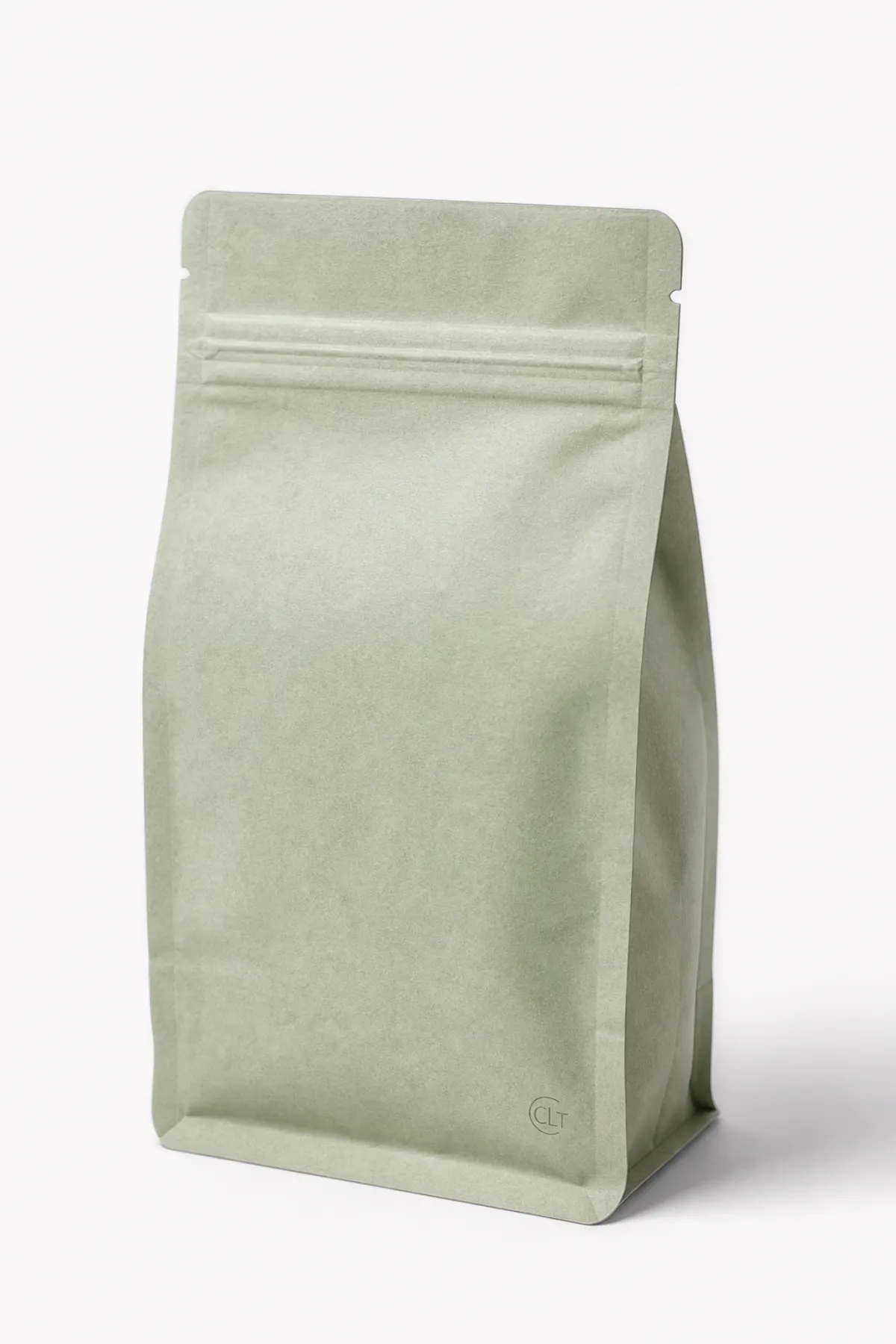
A buyer asks for a quote on a new snack pouch and assumes the material name will tell the whole story. It usually does not. Biodegradable zip pouches cost is shaped by zipper style, film gauge, print coverage, surface finish, order volume, and even the way the pouch will be packed for shipment. That is where the confusion starts, and it explains why two samples that look almost identical can land at very different cost per piece numbers.
From a packaging buyer’s point of view, the price is really a stack of decisions. A plain natural-look pouch with a standard zipper, one-color print, and no special finish may sit near the lower end of the market. Add a heavier gauge for puncture resistance, a matte face, a tear notch, and full-bleed artwork, and biodegradable zip pouches cost rises pretty quickly. None of those charges are hidden. They are simply easy to overlook if the conversation starts with “green material” instead of the actual performance targets.
The business case deserves a practical view. Better shelf appearance can help with retail approval. Lower damage rates can reduce write-offs in transit. A pouch that seals consistently and survives handling is often worth more than a cheaper option that creates returns, customer complaints, or rework. I have seen that tradeoff show up again and again in packaging reviews: the cheaper quote is not always the cheaper outcome. Measured that way, biodegradable zip pouches cost should be judged against usable output, not just the lowest line on the quote.
The cleanest way to think about the number is simple: the quote pays for barrier, appearance, compliance, and manufacturing effort. Buyers who separate those buckets get useful answers faster. Buyers who ask only for “the cheapest biodegradable zip pouch” usually get a number that cannot be compared properly because the specification is too thin to support a real decision. That part is kinda where the real cost starts showing up.
If a supplier cannot explain exactly what is included in the quote, the final number is usually not the real number.
The rest of this page breaks down what moves biodegradable zip pouches cost, where the cost pressure comes from, and how to request a quote that is actually comparable across vendors. If you are trying to protect margin, reduce launch risk, or plan bulk pricing with fewer surprises, the details matter more than the headline.
Biodegradable Zip Pouches Cost vs. Material Choices
Material is the first place most buyers look, and that instinct makes sense. The catch is that “biodegradable” covers more than one construction. Some pouches use films intended for industrial composting facilities. Others rely on bio-based content blended with conventional layers. A few are marketed in ways that sound similar but behave very differently in storage, sealing, and end-of-life handling. That is why biodegradable zip pouches cost can vary even before a logo is printed.
There are several common families. PLA-based films often give a clean look and familiar converting behavior, but they may have narrower heat tolerance and different moisture behavior than standard polyethylene laminations. Starch blends can feel softer and may suit light-duty applications, yet they can struggle with barrier demands if the product is oily or moisture sensitive. Cellulose-based structures can deliver a natural appearance, but barrier and seal windows need careful testing. Each choice affects shelf life, machinability, and the final unit cost.
That matters because not every pouch should be built the same way. A coffee substitute, loose tea, dried fruit, protein powder, bath salts, and a face mask kit all carry different risks. Moisture resistance matters more for powders and dried foods. Oxygen barrier becomes more important for flavor retention. Puncture protection matters if the contents have sharp edges or dense fills. If the pouch is overbuilt, biodegradable zip pouches cost rises with no useful benefit. If it is underbuilt, the product may fail in distribution.
In buying terms, the cheapest construction is not always the best purchase. Many teams compare biodegradable options against standard plastic pouches and focus only on the raw material premium. That comparison misses the real question: how much protection does the product need, and what failure would cost more than the pouch itself? A pouch that prevents one damaged carton or one returned shipment can justify a higher bulk pricing tier very quickly.
Common material tradeoffs
A short rule of thumb helps here. If your product has low moisture sensitivity and a modest shelf-life target, you may not need the most expensive high-barrier structure. If your product is premium, fragile, or export-bound, under-specifying the material to save a few cents can become expensive later. Biodegradable zip pouches cost should always match the application, not the slogan.
There is also a claims issue that buyers should not gloss over. Biodegradable does not mean the pouch will disappear in a backyard pile, and it does not automatically mean the full structure is compostable. If a supplier says the pouch is compostable, ask which standard applies and whether the zipper, inks, and adhesive layers are included in that claim. ASTM D6400 and ASTM D6868 are common references for compostability claims, while local disposal rules may differ. Clear documentation matters more than marketing language, because vague wording can create problems with retailers and regulators later on.
| Material family | Typical strengths | Typical limitations | Cost impact |
|---|---|---|---|
| PLA-based films | Clean look, familiar converting behavior, good for lighter-duty packs | Lower heat tolerance, moisture sensitivity can be an issue | Moderate; rises with barrier and print demand |
| Starch blends | Often lower material burden, flexible for simple uses | Barrier and puncture resistance may be limited | Often lower at scale, but specs drive variation |
| Cellulose-based structures | Natural appearance, clear sustainability story | Seal window and moisture resistance need testing | Frequently mid to higher range |
| Bio-based multilayer laminations | Better balance of barrier, durability, and print quality | More layers can increase complexity and setup charges | Usually higher, especially at lower MOQ |
That is another reason biodegradable zip pouches cost needs a careful comparison. A low quote that depends on vague claim wording is not the same as a higher quote backed by clearer test data or better documentation. Buyers in food, supplement, and personal care categories should treat the material story as both a performance issue and a claims issue.
Specifications That Change Performance and Price
Specification details are where biodegradable zip pouches cost shifts most often. A quote is only as accurate as the input sheet. If one buyer says “medium pouch” and another sends a full spec with dimensions, film thickness, zipper style, print coverage, and finish, the pricing will not be comparable. The second buyer will usually get the better answer.
The first factor is size. A 120 mm by 180 mm pouch uses less film than a 180 mm by 260 mm pouch, so the unit cost changes immediately. Thickness matters next. A 70-micron structure behaves differently from a 100-micron structure, and that difference may show up in puncture resistance, seal integrity, and shelf feel. For fragile products, a thinner pouch can mean more complaints; for lightweight products, extra thickness can be unnecessary spend. That balance sits at the heart of biodegradable zip pouches cost.
Zipper style is another real variable. A single-track zipper may be enough for one-time closure and light reuse. A more substantial double-track closure can improve user experience and perceived quality, but it also adds cost and sometimes requires tighter converting control. Add a tear notch, hang hole, rounded corners, or a bottom gusset, and the conversion process becomes more involved. Every added feature has a price, even when it looks small on paper.
Print method matters too. A simple one- or two-color layout is easier to produce than a full-bleed design with heavy coverage. Metallic effects, tactile coatings, and special matte or soft-touch finishes can lift the pack, but they add setup charges and can push the first run higher than expected. Buyers often think the artwork is already finished, then get surprised by tooling fees, plate charges, or color-matching costs. That is not a material problem. It is a specification problem.
Performance requirements deserve equal attention. If a pouch needs a certain seal strength, needs to travel through a distribution chain, or must survive compression in a carton, the testing burden rises. If the product is sensitive to oxygen or moisture, the film structure may need better barrier layers. That pushes biodegradable zip pouches cost upward, but it can also prevent product loss. Packaging that fails in storage is never cheap, even if the quote looked tidy on day one.
A simple quote checklist
A buyer can reduce confusion with one concise spec sheet. Include dimensions, fill weight, zipper type, desired thickness, finish, print colors, whether you need windows, and the intended product category. Add target shelf life, storage conditions, and any required claim language. When those details are missing, suppliers have to assume, and assumptions are where biodegradable zip pouches cost often drifts upward after the first quote.
For buyers comparing suppliers, the most useful question is not “What is your price?” It is “What exactly is your price for?” A quote should identify the pouch dimensions, material construction, print coverage, closure type, packaging format, and the number of units in the run. That makes it possible to compare cost per piece without accidentally comparing two different products.
For buyers working on regulated or export-bound packs, test standards can also matter. Shipping performance may need verification through vibration, drop, or compression testing. The ISTA framework is a useful reference point for distribution risk, especially if the pouch is going into cartons, kits, or stacked retail cases. Test expectations do not always add direct material cost, but they can affect how the pouch is built and, by extension, how biodegradable zip pouches cost is calculated.
Biodegradable Zip Pouches Cost: Pricing, MOQ, and Quote Factors
The fastest way to understand biodegradable zip pouches cost is to split it into buckets. Material is one bucket. Converting is another. Printing, packaging, freight, documentation, and setup charges all sit in separate places. If a buyer treats the final number as one lump sum, the quote becomes difficult to challenge or optimize.
Typical pricing for custom printed biodegradable zip pouches can land in very different ranges depending on quantity and complexity. As a broad buying reference, a simpler pouch at around 5,000 pieces may land in the neighborhood of $0.18-$0.35 per unit, while a more complex or higher-barrier version can move toward $0.30-$0.55 per unit or higher. That range is not a promise. It is a realistic starting point for discussions around biodegradable zip pouches cost, especially if print coverage, zipper type, and testing are still being finalized.
MOQ changes the math quickly. A supplier may spread setup charges and tooling fees across a larger run, which reduces the visible unit cost. A smaller launch order, by contrast, can carry a higher cost per piece because the same plates, machine setup, and QC steps are being paid by fewer pouches. That is why the low-volume price can feel surprisingly high. The pouch is not necessarily overpriced; the order is simply not large enough to absorb the fixed costs efficiently.
Artwork setup is one of the most common surprises. Some jobs require separate color separations, revised dielines, or plate work for flexographic printing. Others need special color matching and proofing. If the artwork changes after the quote, the first order can grow more expensive than the buyer planned. This is why first-run and repeat-run pricing should be reviewed separately. The repeat order often has a lower effective unit cost because setup charges are already sunk.
Freight also belongs in the discussion. A quote that looks competitive at the factory gate may not stay competitive once shipping, duties, and local delivery are added. For many buyers, the right number is landed cost, not ex-factory cost. That includes transport, import handling if applicable, and any special packaging required for safe shipment. Biodegradable zip pouches cost looks different once those lines are included.
What usually drives the first quote higher
- Small MOQ that cannot spread setup charges efficiently
- Full-coverage graphics with multiple colors
- Matte, soft-touch, or specialty surface finishes
- Custom zipper styles, hang holes, or gusseted shapes
- Testing, documentation, or claim support
That list explains why two buyers may order similar-looking pouches and get very different pricing. One buyer is really buying a simple pouch. The other is buying a set of production decisions, each one carrying a cost. A good supplier will separate those items so the buyer can see what is driving biodegradable zip pouches cost and where savings are possible.
There is also a useful way to compare options: ask for pricing at three tiers. For example, request quotes at 5,000, 10,000, and 20,000 pieces. That reveals the break points in bulk pricing and shows how quickly the unit cost drops as fixed charges are spread across more units. In many cases, the largest improvement in biodegradable zip pouches cost comes from moving just one order tier higher, not from changing the material itself.
A straightforward pricing breakdown can help buyers compare proposals without guessing. The table below shows how a supplier might structure the components of a custom order.
| Quote component | What it covers | Typical buyer question | Cost impact |
|---|---|---|---|
| Material | Biodegradable film or laminate structure | Does this construction fit the product? | Moderate to high, depending on barrier |
| Printing | Artwork colors, coverage, and finish | How much of the pouch is printed? | High if coverage is full bleed or multi-color |
| Converting | Size, zipper, gusset, notch, hole punching | Which features are actually necessary? | Moderate, but can rise with complexity |
| Setup charges | Machine setup, proofing, plate work | Is this a first run or repeat run? | High on the first order, lower later |
| Tooling fees | Custom dies or special manufacturing tools | Are we paying for a unique structure? | Can be significant for custom shapes |
| Freight | Packing, shipping, and delivery | What is the landed cost? | Varies by volume, route, and timing |
Buyers often ask whether there is a standard price for biodegradable pouches. There usually is not. The best suppliers quote by spec, not by category label. That is how biodegradable zip pouches cost stays tied to actual requirements instead of vague marketing language. A clean quote should let you see the price of the pouch, the price of the print, and the price of the first-order setup.
Process and Timeline: From Spec Sheet to Shipment
The ordering process matters because timing affects cost. If the artwork is late, the proof cycle stretches. If the material specification is unclear, the supplier may need to re-quote. If the production queue is full, lead time changes even when the quote is already approved. That means biodegradable zip pouches cost is not just a unit-price question; it is also a schedule question.
The typical workflow starts with inquiry and spec review. The buyer shares dimensions, quantity, product type, print files or artwork guidance, and target delivery date. The supplier then checks material availability, confirms whether the requested construction is realistic, and returns a quote. If the quote is approved, samples or digital proofs are reviewed before production begins. After that come conversion, inspection, packing, and shipment. Each step can affect the final unit cost if revisions are needed.
Lead time varies more than many buyers expect. A simple reorder with no artwork changes may move faster than a first-time custom run. A new design with special finishes or claim-sensitive language may need extra approval cycles. A realistic planning window is usually easier to manage than a compressed one. In many packaging programs, the fastest route is to provide one complete brief up front instead of sending information in fragments. That shortens quoting, reduces rework, and keeps biodegradable zip pouches cost from creeping upward due to avoidable changes.
There are a few delay points that show up repeatedly. Artwork files may not match the dieline. The requested zipper style may not be compatible with the chosen film structure. A buyer may ask for a finish that needs a different setup. Or the order may be waiting on approval for a sustainability claim. When feedback comes in one consolidated round, the job usually moves faster than when revisions are sent one at a time. Fewer turns mean fewer hidden setup charges.
A complete spec sheet is not paperwork for its own sake. It is the quickest way to make biodegradable zip pouches cost predictable.
For buyers working on regulated packaging or shipping-sensitive products, testing should be discussed early. Distribution testing can affect construction choices, and construction choices affect price. If a pouch needs to survive drop tests, compression, or extended storage, the pouch may need a stronger seal area or heavier film. That increases biodegradable zip pouches cost, but it also lowers the risk of failure after shipment. Nobody wants a low quote that turns into returns and scrap two weeks later.
Why Choose Us for Biodegradable Zip Pouches
Buyers rarely need more buzzwords. They need clearer quotes, clearer claims, and fewer surprises. That is where a good packaging partner earns trust. At Custom Logo Things, the goal is straightforward: keep biodegradable zip pouches cost understandable by separating what is included from what is not.
That starts with spec clarity. A useful quote should identify the pouch size, material construction, zipper style, print coverage, finish, and quantity. If there are special requirements, those should be stated directly. If a claim needs supporting documentation, that should be discussed before the order moves ahead. The buyer should not have to guess whether testing, proofing, or packaging for shipment is included in the number. Clear itemization helps keep biodegradable zip pouches cost from becoming a moving target.
Production control matters as well. A lot can happen between sample approval and the full run. Slight changes in seal behavior, film consistency, or print registration can affect the final result. Buyers care about consistency because inconsistency creates waste. A pouch line that holds steady from first sample to production run protects both brand presentation and margin. That is especially true when the order depends on a specific cost per piece to hit the launch budget.
Compared with broker-only sourcing or marketplace listings, direct packaging support is usually easier to verify. That does not mean every direct supplier is perfect. It does mean the buyer has a clearer line of sight into lead time, materials, and production questions. In practice, that makes biodegradable zip pouches cost easier to defend internally because the quote can be explained in terms the finance team and the operations team both understand.
There is also a sustainability documentation angle. If a customer or retail partner asks what the pouch is made of, the response should be precise. Is it industrially compostable? Is it bio-based? Is there a third-party test or certification path involved? Those answers matter. The biodegradable zip pouches cost conversation becomes much easier when the sustainability claim is supported by documentation rather than optimistic language.
Our view is simple: buyers should not pay for uncertainty. If a supplier can recommend a lower-risk sample, suggest a better zipper style, or trim unnecessary print complexity, that is useful. If the supplier cannot say what is driving the number, the quote is not ready. That is the practical standard we think every buyer should apply to biodegradable zip pouches cost.
Next Steps to Lock in Your Biodegradable Zip Pouches Cost
If you want a cleaner quote, send a complete brief. Include pouch dimensions, product weight, zipper preference, thickness target, print artwork, quantity, and delivery date. Add whether the pack needs a matte or gloss finish, whether you want a window, and whether the pouch must support a specific sustainability claim. The more specific the brief, the easier it is to pin down biodegradable zip pouches cost without back-and-forth.
A smart buying process usually has two steps. First, request a baseline quote for the exact spec you think you want. Then ask for one or two variations: a lower-MOQ option, a different zipper, or a different film structure. That makes it possible to compare bulk pricing against real product needs. Sometimes the best commercial decision is not the cheapest version; it is the version that lowers waste, fits the product better, and still stays inside target margin.
Ask for a sample and a timeline at the same time. Sample approval affects launch timing, and launch timing affects how much supply risk you are willing to take. If the order has a fixed retail date or a sales event tied to it, the schedule matters almost as much as the quote. The right question is not only “What is biodegradable zip pouches cost?” It is also “What does that price buy me, how long will it take, and what do I need to approve before production starts?”
For many buyers, the cleanest path is to compare three factors together: material, MOQ, and lead time. That combination tells you more than any single number on a quote sheet. Once you see the tradeoff clearly, you can make a decision that holds up in procurement, operations, and sales. That is how biodegradable zip pouches cost becomes a planning tool instead of a surprise.
If you are ready to move, send your spec sheet and ask for a quote with line-item detail. A good supplier should be able to show where the cost comes from, where the break points are, and which changes affect the final number most. That is the fastest route from pricing review to order confirmation, and it is the most reliable way to control biodegradable zip pouches cost.
FAQ
What affects biodegradable zip pouches cost the most?
The biggest drivers are pouch size, film construction, barrier level, zipper style, and print coverage. MOQ and first-run setup charges can change the effective unit price more than the base material does. Freight, testing, and special compliance needs can also move the final landed cost. In practice, biodegradable zip pouches cost is a mix of material and production complexity, not just one line item.
How does MOQ change biodegradable zip pouches pricing?
Higher MOQs usually reduce the unit price because setup and conversion costs are spread across more pouches. Lower MOQs are useful for launches, but they often carry a higher per-unit cost and fewer customization options. Ask for pricing at two or three volume tiers so you can see the break-even point and understand how biodegradable zip pouches cost changes with order size.
Are biodegradable zip pouches more expensive than standard plastic pouches?
Sometimes, although the gap depends on the exact material and performance requirements. A simple biodegradable structure may be close to conventional pricing at scale, while high-barrier or heavily printed versions cost more. The best comparison is landed cost per usable pouch, not just raw unit price. That is the most honest way to judge biodegradable zip pouches cost.
What details do I need for an accurate quote on biodegradable zip pouches?
Provide size, quantity, product type, zipper preference, thickness target, and whether you need windows or special finishes. Share artwork files or at least color count and coverage expectations so setup charges are accurate. Include your target delivery date because lead time can affect cost and material selection. A better brief usually means a tighter answer on biodegradable zip pouches cost.
How long does it take to produce biodegradable zip pouches?
Timing depends on sample approval, artwork readiness, material availability, and the production queue. A complete spec sheet speeds up quoting and usually shortens the overall process. If the order needs custom printing or special compliance checks, plan for more time before shipment. The schedule can influence biodegradable zip pouches cost, especially if rush handling or extra revisions are involved.
Are biodegradable and compostable pouches the same thing?
No, and this is where a lot of buyers get tripped up. Biodegradable is a broad term, while compostable usually means the pouch has been tested to break down under specific conditions and within defined timeframes. The zipper, ink, and adhesive layers matter too. If you need claim support, ask the supplier what standard applies and what part of the structure is actually covered, because that can affect both compliance and biodegradable zip pouches cost.
Related packaging resources
Use these related guides to compare specs, costs, quality checks, and buyer decisions before making the final call.

