Why Skincare Logo Patch Beanies Work Harder Than Standard Giveaways
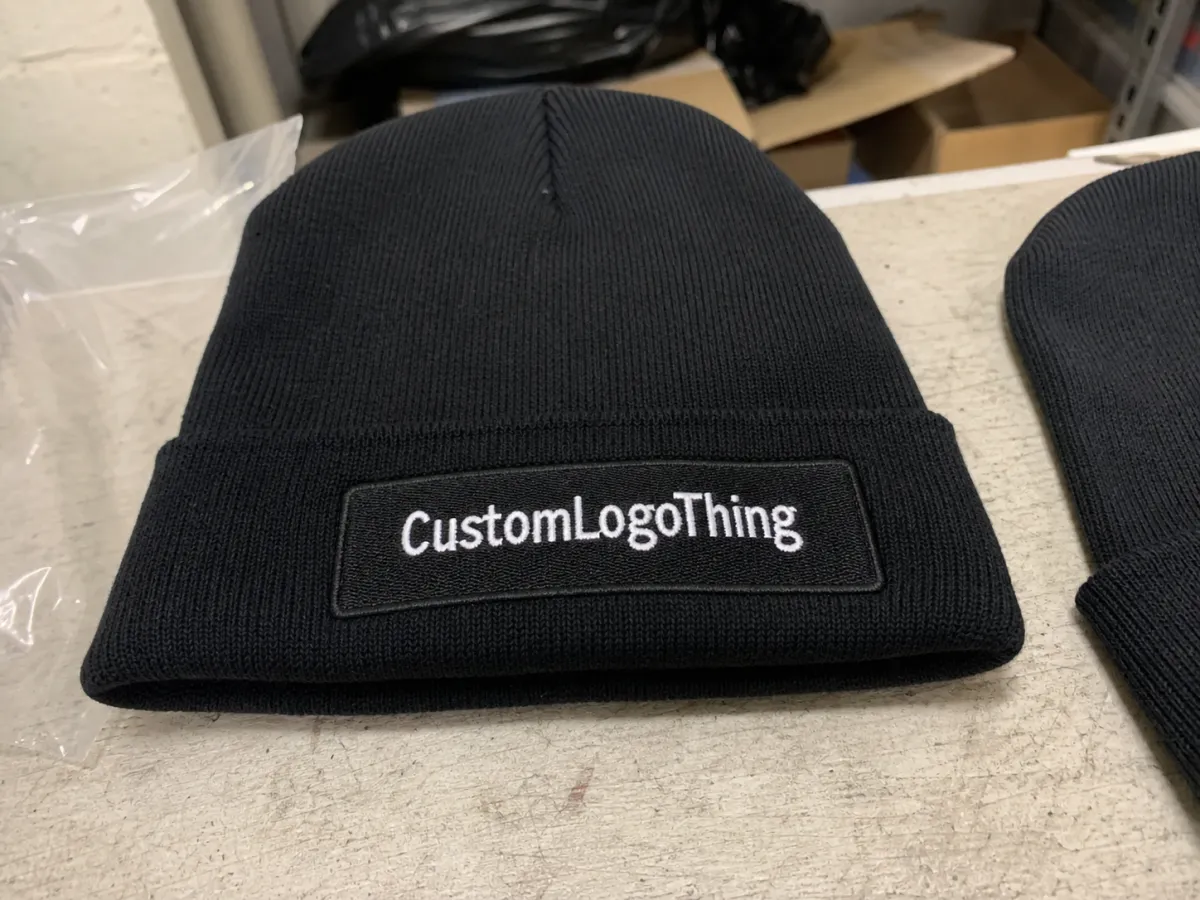
A skincare brand can spend $2.40 on a sample sachet bundle, $3.75 on a rigid mailer, and much more on a polished product-seeding kit, then find that the longest-lasting impression comes from the soft branded item customers keep by the door. That is why skincare Logo Patch Beanies Bulk Order planning deserves the same attention as carton specs, insert sizing, fulfillment rules, and gift-with-purchase math.
Most beauty packaging is built for a short moment of attention. A serum carton is opened, a sample card is tested, and a mailer is flattened. A beanie can keep working for months in mirror selfies, gym bags, treatment rooms, spa reception areas, staff wardrobes, and cold-weather retail displays. It is a small item with repeated exposure, which makes small production decisions matter more than they first appear.
From a packaging buyer's point of view, the best beanies behave like wearable packaging. The patch material should sit comfortably beside the brand's shelf language. A clean clinical line may suit a rubber patch on soft black knit. A botanical moisturizer launch may look more natural with a woven patch on oatmeal, sage, or clay. A premium spa brand may lean toward leatherette with tonal stitching and restrained logo scale.
The use cases are broad, but they are not interchangeable. A gift-with-purchase beanie needs perceived value, reliable folding, and carton-friendly packing. A dermatologist office retail item needs comfort and conservative branding. An influencer mailer insert needs camera-friendly contrast and predictable pack-out dimensions. Staff apparel for estheticians needs durability after repeated wear, especially around the cuff where makeup, hair products, and daily handling show up quickly.
Practical rule: if the beanie will appear beside primary skincare packaging, decide the knit color, patch scale, and fold height before chasing the lowest unit price. A visual mismatch can cost more than a slightly better blank.
Bulk planning controls the variables that usually become urgent later: dye-lot consistency, logo placement, decoration method, carton volume, shipping route, and approval timing. None of that is glamorous. It is the difference between a campaign asset and a box of almost-right merchandise.
Patch, Knit, and Finish Details Buyers Should Lock Before Quoting
Quoting gets cleaner when the physical product is defined early. Start with the beanie structure: cuffed or uncuffed, rib knit density, adult sizing, pom or no pom, acrylic or cotton blend, and the number of body colors. A standard cuffed acrylic beanie often gives the best balance of price, warmth, stretch, and decoration area. Cotton blends can feel softer and more premium, but they may cost more, recover differently after stretching, and vary more noticeably from one batch to the next.
Skincare brands usually perform best with restrained color palettes. Oatmeal, soft black, heather gray, charcoal, sage, clay, cream, and muted blush tend to photograph better than loud seasonal colors. There are exceptions. A bright barrier-repair launch or Gen Z-focused drop can justify cobalt, citrus, or tomato red, but for replenishment and longer retail use, neutrals reduce risk.
Patch Types and Best-Fit Brand Styles
Woven patches are often the safest choice for fine skincare typography, small botanical marks, and narrow letterforms. They can hold detail better than direct embroidery at small sizes, especially around 2 to 2.5 inches wide. Embroidered patches add texture and a more traditional merchandise feel, though thin serifs and tiny ingredient icons can close up. Leatherette patches suit premium apothecary, spa, and clean-luxury positioning. Rubber patches feel modern and clinical, with a crisp surface that can suit dermatologist-led brands. Sublimated patches help with gradients, water textures, ingredient illustrations, or soft color fields that cannot be achieved cleanly with thread.
The common mistake is shrinking retail packaging art onto a patch. Carton artwork may include a thin wordmark, certification marks, ingredient claims, a botanical line drawing, and a pale background. On a 2-inch patch, that turns into visual noise. Simplify the mark, keep one clear contrast relationship, and leave enough negative space for stitch tolerance.
Placement and Finishing Choices
Front cuff center is the classic retail placement because it reads quickly on display and in photographs. Side placement is quieter and works well for spa uniforms, staff apparel, and brands that prefer a less promotional look. Placement must account for the folded cuff. If the fold height changes after decoration, the patch can tilt, curl, or sit too close to the edge.
Finish details influence perceived quality more than many buyers expect. Patch edge type, thread match, backing method, stitch count, fold height, hangtag pairing, and packaging all affect the final impression. Individual polybags protect beanies during fulfillment and reduce lint transfer. Kraft bands feel more retail-ready and can pair nicely with natural skincare positioning. Custom hangtags add cost, but they can carry product-care notes, launch messaging, QR codes, or gift-set language without forcing that information onto the patch itself.
Technical Specifications That Prevent Logo and Color Surprises
Before requesting production, prepare the details a decorator actually needs: vector logo file, Pantone references, patch dimensions, beanie color, quantity by color, packaging preference, delivery ZIP code, required in-hands date, and any kitting instructions. If the order supports a product launch, include the launch date and the latest acceptable delivery date. Those are not always the same, especially if a fulfillment center needs time to receive, count, and insert the beanies into kits.
Vector artwork matters because beanie patches are physical objects, not screens. A PNG pulled from a website can look acceptable at 800 pixels wide and still fail when translated into woven thread, embroidery, rubber, or debossed leatherette. Thin serifs, droplet icons, and delicate botanical marks need production decisions. Sometimes that means thickening a line by 0.25 mm. Sometimes it means removing a secondary tagline so the primary mark can breathe.
Patch size should serve the brand, not ego. Smaller patches, such as 1.75 to 2.25 inches wide, can feel premium and subtle, but they limit copy. Larger patches, such as 2.5 to 3.25 inches wide, improve legibility yet may overpower minimalist skincare branding. A tall stacked logo also behaves differently from a horizontal wordmark. Ask for a proof at actual size, not only a large mockup on a screen.
Color is another trap. A cream beanie and beige patch may look beautiful in a controlled render, then lose contrast under warm retail lighting. Soft black can make a clinical brand feel more elevated. Sage can signal botanical ingredients without becoming too sweet. Oatmeal reads natural and calm. Clay brings warmth, especially for barrier repair, mineral SPF, or earthy product stories. Charcoal is practical for staff wear because it hides lint and makeup transfer better than cream.
Textile color will not match coated paper, glass, foil, or plastic exactly. Pantone references help, but knit surfaces absorb and scatter light in a different way. If exact brand color is critical, discuss closest-match expectations before proof approval and consider whether the patch or the beanie body carries the color better. A small woven patch can often control brand color more reliably than a full custom-dyed knit, while a neutral beanie body keeps the project easier to replenish.
Comfort matters because the product sits against hair, ears, and skin. Avoid scratchy patch backing, loose stitches, harsh interior labels, and bulky seams. If the skincare brand promise is softness, the accessory cannot feel abrasive. For packaging-adjacent sustainability claims, keep the language tied to actual materials and documentation. The Forest Stewardship Council is relevant for paper bands and hangtags, while plastic bag reduction claims should be checked against the real packing method used for shipping and fulfillment.
For higher-volume or launch-critical work, approve a physical pre-production sample before the full run. Digital proofs are useful for checking size, placement, and spelling, but they do not show knit handfeel, patch stiffness, edge thickness, or real-world contrast. For simple repeat orders, a digital proof may be enough if the same logo, patch, blank, and packaging have already been validated.
Pricing, MOQ, and Unit Cost Drivers for Bulk Beanie Orders
Unit cost is not controlled by quantity alone. The largest drivers are blank quality, patch type, number of patch colors, patch size, attachment method, packaging, freight method, and sampling requirements. A basic cuffed beanie with a single woven patch prices very differently from a custom-dyed knit with leatherette patches, hangtags, kraft bands, and split shipments to three fulfillment centers.
For skincare logo patch Beanies Bulk Order Planning, MOQ should be treated as a planning tool rather than a nuisance. Lower minimums help clinics, spas, regional launches, and pilot influencer programs test demand without tying up too much cash. Higher quantities usually improve unit economics for national retail promotions, multi-location groups, subscription box inserts, and seasonal gift sets.
| Order Profile | Typical Fit | Common Specs | Budget Behavior |
|---|---|---|---|
| Pilot or clinic test | Small spa, esthetician team, local launch | In-stock cuffed beanie, woven or embroidered patch, 1 color | Higher unit cost, lower inventory risk |
| Influencer or mailer program | Product seeding, PR kits, subscription upgrade | Camera-friendly color, individual polybag or kraft band, clear patch contrast | Packaging and kitting can matter as much as the beanie |
| Retail gift-with-purchase | Holiday bundle, online threshold gift, pop-up promotion | Consistent fold, premium patch, carton-ready packing | Price breaks improve, but deadlines become stricter |
| Premium brand program | Luxury spa, apothecary, executive gifting | Leatherette or woven patch, hangtag, upgraded blank, tighter QC | Higher unit cost, stronger perceived value |
A realistic quote comparison might show one option at a lower minimum with an in-stock blank and standard patch, another at a better price break for a larger quantity, and a third built for premium retail presentation. As a broad planning range, simple in-stock cuffed beanies with a standard patch often sit in promotional territory, while upgraded blanks, specialty patches, custom packaging, or rush freight push the total higher. Exact pricing depends on supplier inventory, decoration complexity, carton count, freight distance, and how many hands touch the product before it reaches the final destination.
Request price breaks at multiple quantities instead of asking for one number. Comparing 250, 500, 1,000, and 2,500 pieces can reveal whether the next break justifies extra inventory. Sometimes the jump from 500 to 1,000 pieces lowers the unit cost enough to support future staff use or replenishment. Other times, storage limits and cash flow make the smaller run smarter.
Hidden budget lines deserve attention. Setup fees, sample fees, rush charges, custom labels, split shipments, kitting labor, carton labeling, and freight to fulfillment centers can distort the final cost. Freight is easy to underestimate because beanies are soft but not weightless, and individual packaging increases carton volume. For testing protocols on packaged goods in transit, the International Safe Transit Association offers useful context for how packaging performance is evaluated.
The best quote is not always the cheapest one. If the event deadline is tight, an in-stock beanie with a clean woven patch may beat a more elaborate concept that cannot arrive on time. If the beanie is part of a premium holiday kit, the upgraded patch, hangtag, or kraft band may be worth the added cost because the item will be judged beside full-price skincare packaging.
Process and Timeline From Artwork Review to Final Delivery
A good order process is linear, but buyer decisions often are not. The usual path starts with project intake, artwork review, beanie and patch recommendations, formal quote, proof creation, proof approval, optional sample, bulk production, quality check, packing, and shipping. Miss one decision early and the calendar compresses quickly.
Timeline risk usually enters through four doors: unclear artwork, delayed approvals, custom material choices, and freight assumptions. A buyer with final vector files, Pantone targets, chosen beanie colors, and a confirmed delivery address will move faster than a buyer still collecting feedback from marketing, retail, and operations. That may sound obvious, but approval drift is one of the most common causes of rush fees.
Proofing deserves careful attention. Check logo spelling, patch size, thread or material color, beanie color, placement, folding direction, and packaging notes before approval. If a hangtag or kraft band is included, confirm hole placement, barcode needs, QR code destination, and any required country-of-origin or fiber-content language with the internal compliance team.
Sampling strategy depends on risk. A physical sample takes longer, but it is valuable for premium gift sets, retail launches, executive approval, or any program where the beanie will sit beside primary packaging. A digital proof may be enough for simple event giveaways, repeat orders, or flexible deadlines. Neither route is automatically right; the right choice depends on what would be expensive to discover after production.
Rush orders can be possible with in-stock blanks and standard patches. Custom-dyed yarn, unusual patch materials, special packaging, or multi-location shipping can limit acceleration. If the beanies need to arrive at a fulfillment center before a kit build, treat the fulfillment date as the true in-hands date. The retail team cannot pack what has not cleared receiving.
Build the schedule backward. Allow time for internal approval, proof revision, sample review if needed, bulk production, quality control, packing, freight, and receiving. In practical skincare Logo Patch Beanies bulk order planning, production time is only one line on the calendar. Approval time and shipping time are just as real.
Common Planning Mistakes That Raise Cost or Delay Delivery
The most expensive mistake is asking for pricing before defining the use case. A retail gift-with-purchase, spa uniform piece, and influencer mailer insert may all be called custom beanies, but they have different requirements. Retail needs presentation. Uniforms need comfort and durability. Influencer kits need camera impact and efficient pack-out.
A second mistake is choosing the patch style only from a screen mockup. Fine skincare typography can look crisp in a PDF and then lose legibility in thread, woven detail, or debossed leatherette. Scale changes everything. So does contrast. A 2-inch tonal logo may look elegant in theory and nearly invisible in a dim treatment room.
Under-ordering creates its own cost. Reorders may not perfectly match the first run if blank inventory, dye lots, or material batches shift. That matters when beanies are part of a visible campaign set or staff uniform. If the program may expand, ask about replenishment risk before choosing a color or blank with limited availability.
Color drift between skincare packaging and apparel is common. A soft pink carton, metallic cap, translucent serum label, or pearlescent tube does not translate directly onto knitwear. Pantone references help, but textile surfaces reflect light differently from coated paper, foil, plastic, and glass. Approve closest-match expectations early, and do not assume the beanie can behave like a printed carton.
Operational misses are less interesting but often more damaging: missing ship-to details, leaving out individual packaging, approving proofs without checking spelling, forgetting carton labeling, or waiting too long to involve fulfillment teams. If the beanies are going into mailer kits, packaging dimensions and pack sequence should be part of the quote request.
Quality-control expectations should be written down as well. Common checks include patch placement within an agreed tolerance, straight stitching, clean edges, correct fold height, consistent body color within normal textile limits, correct packaging count, and carton labeling that matches the receiving plan. A few minutes spent defining those checks can prevent arguments after the order lands.
The fix is simple: create a one-page order brief before quoting. Include campaign goal, quantity, logo files, preferred colors, deadline, packaging, ship-to ZIP code, and budget range. Add must-have and flexible items. Then send the brief to Custom Logo Things through the Wholesale Programs path if the order supports a larger campaign or repeat purchasing plan.
Action Plan for Ordering Skincare Beanies With Fewer Surprises
Start with the facts. Gather vector logo files, choose two or three beanie colors, identify the patch look, estimate order quantity, confirm the delivery date, and decide whether sampling is required. If a launch kit, retail bundle, or staff rollout is tied to the order, write that down. Use case drives specification.
- Collect artwork: AI, EPS, or editable PDF files are preferred; include Pantone references if brand color matters.
- Choose body colors: narrow the list to two or three options such as oatmeal, sage, charcoal, soft black, or clay.
- Select patch direction: woven for detail, leatherette for premium warmth, rubber for clinical modernity, embroidered for texture.
- Estimate quantity: request breaks at several levels so the quote shows the cost curve, not just one unit price.
- Confirm logistics: include ship-to ZIP code, in-hands date, packaging needs, carton labeling, and fulfillment center rules.
- Decide on sampling: use physical samples for premium, high-volume, or launch-critical programs.
A decision matrix keeps the project honest. Create one column for must-haves, one for nice-to-haves, and one for items that can flex if budget or timeline becomes tight. Must-haves might include delivery date, logo legibility, and individual packaging. Nice-to-haves might include custom hangtags, specialty patches, or upgraded paper bands. Flexible items might include exact knit shade, alternate neutral colors, or upgraded carton labeling.
For a faster quote, send Custom Logo Things the artwork, desired quantity, patch type if known, beanie style, packaging instructions, ship-to ZIP code, and in-hands date. If the patch type is still open, describe the brand style instead: clinical, spa, natural, dermatologist-led, luxury, color-driven, or minimalist. A clear style target can prevent three rounds of irrelevant mockups.
Ask for quote options rather than one configuration. A useful comparison might include a best-value option, a premium retail option, and a rush-friendly option. That structure gives procurement, marketing, and operations the same facts: cost, appearance, timing, and risk. If questions remain, the FAQ page can help with common ordering basics before the final spec is locked.
Skincare Logo Patch Beanies bulk order planning works best when the buyer treats decoration, packaging, cost, and delivery as connected decisions from the start. The goal is not more merch. The goal is a wearable brand asset that arrives correctly, matches the skincare aesthetic, and fits the campaign budget without creating avoidable stress for the teams handling launch, fulfillment, and customer experience.
FAQ
What details do I need before requesting a skincare logo patch beanies bulk quote?
Send vector logo files, desired quantity, beanie color preferences, patch material preference, delivery ZIP code, required in-hands date, and any packaging or kitting requirements. If you are unsure about patch type, provide the brand style goal so the supplier can recommend woven, embroidered, leatherette, rubber, or sublimated options.
What is the best patch type for skincare brand beanies?
Woven patches work well for small text and refined skincare logos, while leatherette patches suit premium spa or apothecary positioning. Embroidered patches add texture, but they may not be ideal for very thin typography or tiny botanical details. Rubber patches can suit clinical or modern brands that want a sharper technical look.
How does MOQ affect skincare logo beanie pricing?
Higher quantities usually reduce unit cost by spreading setup and production costs across more pieces. MOQ also depends on the beanie blank, patch type, custom colors, packaging, sampling needs, and rush handling. Compare several quantity breaks before choosing the final run size so the budget reflects inventory risk as well as unit cost.
How long should I allow for custom skincare beanie production?
Timeline depends on artwork readiness, proof approval speed, sample needs, inventory availability, decoration complexity, and shipping method. Build the schedule backward from the delivery date and leave room for proof revisions, receiving, and freight, not just production. Launch-critical orders should carry more buffer than simple event giveaways.
Can skincare logo patch beanies be packaged for gift sets or influencer mailers?
Yes. Common options include individual polybags, kraft bands, custom hangtags, size labels, and preparation for insertion into gift boxes or mailer kits. Packaging requirements should be included in the quote request because they can affect labor, unit cost, carton count, and timeline.


