A book trucker caps Unit Cost Review usually turns on details that look minor until the order is in production. A thicker foam front, a different mesh weight, a cleaner stitch path, a custom closure, or a decoration method with higher setup demand can move the price more than a small quantity increase. On paper, two caps can read like cousins. In the factory, they can behave like different products.
That matters because buyers rarely purchase trucker caps as a standalone commodity. They are buying a use case: event giveaways, staff uniforms, retail merchandise, or a branded drop that has to look consistent in photos and on the shelf. A cap that is acceptable for a handout bin may fail retail expectations for crown shape, logo registration, or packaging. The cost review has to account for that gap, or the quote becomes a false comparison.
The useful way to read pricing is not to ask which cap is cheapest in isolation. Ask which build fits the artwork, the calendar, the receiving rules, and the finish level the market will actually see. That question exposes more real savings than shaving a few cents from the wrong component.
Why small spec changes swing trucker cap pricing
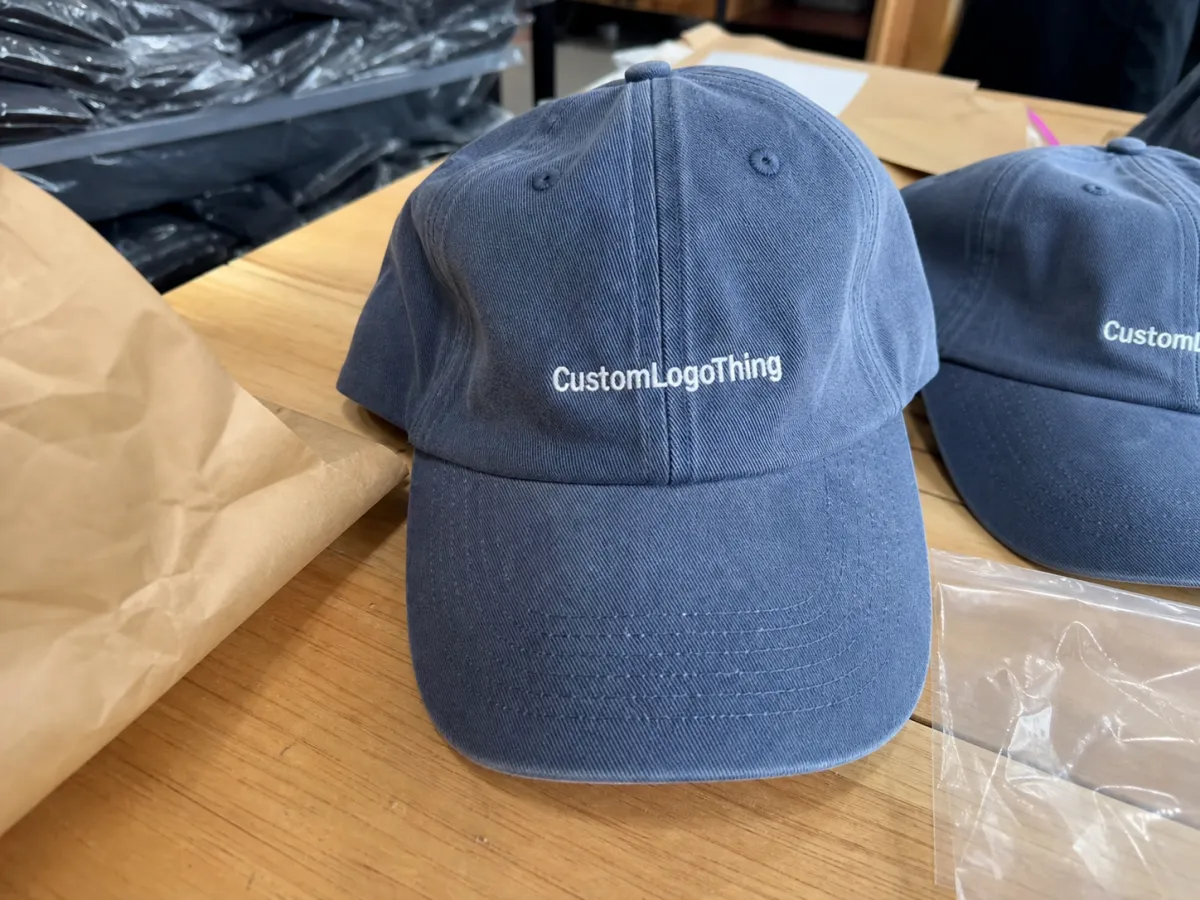
Trucker caps are simple only from a distance. Panel count, front structure, mesh density, visor build, sweatband quality, and closure style all affect labor and material use. A 5-panel foam-front cap often offers a cleaner surface for large logos and can be quicker to assemble. A 6-panel structured cap may feel more traditional and hold its shape better, but it usually asks for more precision in sewing and alignment.
Material choice matters more than most buyers expect. A standard polyester front is not the same as brushed cotton twill or a heavier brushed canvas. Mesh can be lightweight, stiff, or closer to air mesh depending on the look and shipping tolerance you need. Thin foam reduces cost up front, but it dents more easily during packing and transit. That can create returns or rework that never appears on the first quote.
Decoration also changes the economics. A straightforward embroidered logo is usually economical when the artwork is simple and the stitch count is controlled. A woven patch gives cleaner edges for fine text. PVC patches add raised texture and a premium feel, but they come with tooling and mold cost. Printed logos can be efficient for some designs, yet they still require the right ink method, curing time, and substrate. The cheapest decoration on the quote sheet is not always the cheapest finished cap.
A cap quote is a bundle of assumptions: fabric, trim, labor, decoration, packing, and acceptable quality. If one assumption changes, the unit cost changes with it.
There is also a hidden cost in tolerance. A giveaway cap can survive broader variation in color match, seam placement, and crown shape. A retail cap cannot. Tighter tolerance requires more inspection, more careful trimming, and a higher rejection rate for out-of-spec pieces. Buyers who ignore that difference often compare a promo build against a retail build and treat the numbers as if they belong in the same bucket.
What goes into a trucker cap quote
A useful quote begins with the body of the cap. The supplier needs the front fabric, mesh type, panel count, brim style, closure, sweatband preference, and any interior labeling requirements. If the front is foam, the thickness should be stated. If the brim is pre-curved, that should be obvious before sampling. If the cap uses a plastic snapback rather than a strap or buckle, the closure choice needs to be fixed early because it affects assembly time and finish.
Decoration is the next major line item. A logo in embroidery, woven patch, PVC patch, or print does not behave the same way in production. The quote should reflect whether the artwork is simple or dense, whether it spans a seam, and whether it needs multiple placements. A 3-inch one-color logo is a very different production task from a multi-color brand mark with small text and precise spacing. The more complex the art, the more the supplier has to manage digitizing, sampling, and rejection risk.
- Embroidery: practical for clean logos; digitizing fees often fall around $25-$75 depending on stitch count and complexity.
- Woven patch: useful for fine detail and crisp edges; setup is often about $40-$100.
- PVC patch: gives a raised premium look; tooling often lands around $80-$250 because a mold is involved.
- Printed logo: can reduce decoration labor on some designs, but ink method and curing still affect cost and lead time.
Packaging and labeling belong in the quote too. Polybags, hangtags, barcode stickers, size stickers, custom inserts, and carton markings all take labor. Bulk-packed caps are easier and cheaper to prepare. Retail-ready cartons with individual bags and labeled units cost more because every piece has to be handled one more time. That extra handling is often invisible on a spreadsheet and very visible at packing.
Good quote hygiene also means clear artwork files, placement dimensions, and color references. A supplier can work faster with vector art and exact size instructions than with a screenshot and a vague note that says “make it larger.” The more ambiguous the brief, the more likely the buyer ends up paying for another proof cycle.
Specs to lock before sampling or booking
Before sampling starts, lock the choices that control pattern making, sewing, and packing. The first is panel count: 5-panel or 6-panel. A 5-panel cap usually gives a flatter front and more space for a centered graphic. A 6-panel cap has a more traditional structure and often looks stronger in profile. Both can work. They just serve different brand stories and decoration layouts.
Next, decide whether the front is structured or unstructured. Structured fronts use internal support and hold shape better for retail display. Unstructured fronts feel softer and may suit casual programs, but they do not always photograph as cleanly. If the cap is expected to sit on shelves or in ecommerce product images, that difference can matter more than the decorative method.
Mesh type and visor style should be confirmed early as well. Standard mesh, heavy mesh, and air mesh do not cut or sew the same way. A flat bill packs differently from a pre-curved bill, and the visual effect can shift the entire look of the cap. Closure style is another pricing point: snapback, Velcro, fabric strap, and metal buckle all bring different costs and different tolerance for assembly variation.
- Construction: 5-panel or 6-panel, structured or unstructured.
- Front finish: foam front, cotton twill, brushed canvas, or polyester blend.
- Visor: flat, pre-curved, or lightly shaped.
- Closure: snapback, strap, Velcro, or buckle.
- Branding: centered, offset, repeat placement, or logo plus text.
Exact decoration dimensions should be part of the spec, not an afterthought. “Large front logo” is too vague for production. A supplier needs width, height, placement relative to seams, and whether the logo must clear the bill line. If the art repeats across panels or includes a side hit, that needs to be on the first version of the mockup, not introduced after sample approval.
Secondary requirements add cost faster than many buyers predict. Individual polybags, barcode labels, custom hangtags, retail inserts, split shipments, and carton labeling rules all create extra steps. None of these is dramatic on its own. Together, they can turn a clean quote into a very different landed cost.
Incomplete specs usually trigger a second round of quoting and slow the schedule before the order is even placed. That is not just annoying. It makes supplier comparison unreliable because each quote may be built on a different assumption set.
Book trucker caps unit cost review: unit cost, pricing tiers, and MOQ
This is the part buyers read twice. In a book trucker Caps Unit Cost Review, the unit price usually falls as quantity rises, but the curve depends on setup charges, decoration type, and packing requirements. A 500-piece order with a simple embroidered mark can sometimes sit close to a 1,000-piece order with more complex packaging or patch work if the latter carries heavier tooling and handling cost.
MOQ is not fixed across all builds. A standard cap with basic embroidery may be viable at lower quantities. A cap with a custom patch, custom closure, or color-matched components may require a higher MOQ because the supplier has to commit materials, cutting time, and decoration prep before the run is worth starting. Buyers should ask for MOQ tied to the exact spec, not just the silhouette name.
| Build type | Typical unit cost | Common MOQ | Best fit | Notes |
|---|---|---|---|---|
| Basic promo trucker cap | $1.80-$3.00 | 100-300 pcs | Mass giveaway, events, field campaigns | Usually simpler embroidery or print, lighter finishing, lower setup |
| Structured mid-tier cap | $2.60-$4.25 | 100-250 pcs | Staff wear, brand merch, smaller retail programs | Better shape retention, cleaner front panel, often woven patch or refined embroidery |
| Retail-ready cap with patch and labeling | $3.25-$5.75 | 300-500 pcs | Merchandise shelves, ecommerce bundles, gift-with-purchase | May include woven label, interior branding, polybagging, barcode sticker, or hangtag |
| Premium custom build | $4.00-$6.80+ | 300-1,000 pcs | Higher-end brand drops, limited retail, premium promotions | Often uses mixed decoration, custom closures, PVC patch, or stronger packaging requirements |
Those ranges are directional, not universal. A lower quote can hide a weaker body, a simpler decoration method, or packing that is not included. A fair quote should show whether product cost, decoration, sampling, packaging, domestic freight, and special handling are in scope. If those pieces are missing, the buyer is not comparing like with like.
The most common pricing mistake is mixing unlike quotes side by side. One supplier may quote embroidery, interior labeling, and individual bagging. Another may quote the same cap body only, with no packaging and no sample. The second number looks better until the missing items are added back in. Matched quotes matter more than fast quotes.
A lower unit price only means something if the body, decoration, packing, and delivery terms are the same.
For budget control, the cleanest savings usually come from simplifying decoration, keeping the build consistent, and avoiding late changes. Reducing material quality is a blunt move. Tightening the spec is usually the better one.
Process and timeline: from approved art to dock-ready cartons
The production path should be visible before the order is placed. A normal run moves through quote, spec confirmation, art check, mockup, sample approval, bulk production, packing, and shipment. Each step can hold the schedule if the buyer moves too quickly or changes direction after materials have already been ordered.
Timeline pressure usually comes from four places: material availability, decoration method, quantity, and buyer response time. Simple embroidered orders may move in about 12-15 business days after proof approval. Custom patches, special closures, or retail packaging can extend that to 15-25 business days or more. Freight time sits on top of production time, not inside it.
Most delays are predictable. Missing vector art slows mockup work. Unclear color references create extra proof rounds. Late changes to patch size or closure type send the order back to planning. If the delivery address has strict receiving rules or a narrow dock window, that needs to be known early. The final cartons may be ready, but the shipment can still miss its window if the receiving details are incomplete.
Packaging deserves real attention because caps travel poorly when carton performance is weak. A soft foam front can dent, a pre-curved bill can deform, and loose packing can create pressure marks. Buyers who want fewer damaged cartons should think about the entire transit chain, not just the look of the cap itself. The current methods from ISTA are a useful reference for buyers who need packaging that survives distribution without crushed corners or collapsed stacks.
Paper inserts and hangtags add another layer. If the order requires documented sourcing for paper stock, FSC-certified material is a straightforward option, and the standard is described at FSC. That is not required for every order, but it can matter in retail programs where sourcing claims are audited.
The fastest schedule is usually the least complicated one. If the proof is clean, the spec is fixed, and the shipment instructions are clear, the factory can stay on task. If any of those pieces keep moving, the lead time moves with them.
How a reliable supplier protects your margin and schedule
Reliable suppliers do not just quote quickly. They control the order. That means they ask for the missing dimensions, confirm the decoration method before sampling, and flag weak assumptions before bulk production begins. The best ones save money by stopping preventable errors, not by offering a prettier headline price.
Quality control is visible in small things. Stitch tension should stay even across the crown. Patch placement should repeat from unit to unit. Color should stay within the approved range, especially on large runs where dye lots can drift. Closures should work cleanly, without rough edges or weak snaps. Trims should be trimmed, not left to chance. These checks sound basic because they are basic, and that is exactly why they matter.
Inspection also has to match the product. A giveaway cap can tolerate a broader range of acceptable variation than a retail cap. A premium build with patch detail and labeled packing needs tighter inspection because the buyer is paying for presentation as much as function. If a supplier treats every build the same, the buyer ends up carrying the risk that should have been removed earlier.
There is a practical margin issue here. A lower quote can become the most expensive order on the table if it triggers rework, replacement, late freight, or missed promotional windows. A supplier that catches problems before the bulk run is often the better financial choice, even when the unit price is slightly higher. The savings show up in lower disruption, fewer chargebacks, and fewer emergency decisions.
Good supply is not dramatic. It is controlled spec, visible timelines, and finished cartons that arrive the way the buyer expected them to.
One simple test is whether the supplier explains the build in terms of material, labor, decoration, and packing. If the answer is only a total number, the buyer is left to guess what is included. If the supplier can break down the quote, the comparison becomes much more useful.
What to send for a fast, accurate quote
The quickest way to get a clean quote is to send the full brief up front. That means quantity, style, artwork, logo dimensions, color references, packaging needs, delivery destination, and the date the order must arrive. Without those details, the quote is only an estimate. With them, it becomes a buying tool.
- Quantity: exact piece count and whether the order is split across locations.
- Style: 5-panel or 6-panel, structured or unstructured, visor shape, and closure preference.
- Artwork: vector file if available, plus size intent and placement notes.
- Color: Pantone references or clear visual references if PMS is not available.
- Packaging: bulk pack, polybag, retail hangtag, barcode label, or insert card.
- Timing: approval date, delivery date, and whether samples are required before bulk production.
Ask for matched options if you want to see where cost shifts most. Compare the same cap body with embroidery, woven patch, and PVC patch. Compare bulk packing with individual polybagging. Compare standard closure hardware with a premium closure. That gives a real view of cost per piece instead of a guess based on partial data.
If pre-production sign-off matters, say so early. If carton markings or receiving instructions are non-negotiable, include them before the quote is issued. If a buyer waits to add those conditions after sampling, the order often pays for a second round of work. Clear input at the start is cheaper than correction at the end.
For a book Trucker Caps Unit Cost Review that actually helps decision-making, send a complete spec sheet and ask for like-for-like pricing. That is the shortest path to a reliable number, a realistic lead time, and a cap build that matches the job instead of merely looking close on paper.
What changes most in a trucker cap unit cost review?
Decoration method usually moves the price faster than the cap body itself. Panel structure, closure type, patch style, packaging, and inspection level also matter because they change labor, material use, and approval steps.
How does MOQ affect custom trucker cap pricing?
Lower quantities usually carry a higher unit cost because setup is spread across fewer pieces. Special trims, custom closures, or premium decoration can raise the MOQ because the supplier needs enough volume to justify the tooling and prep work.
Should I request samples before booking a trucker cap order?
Yes, if logo placement, patch finish, or color match needs approval before bulk production. A sample confirms fit, build quality, and decoration accuracy before the full run starts.
What details should be in a trucker cap quote?
The quote should state quantity, cap style, decoration method, packaging, and delivery terms. It should also show what is excluded, such as freight, sample charges, or special labeling, so pricing can be compared fairly.
How can I reduce price without downgrading the cap?
Simplify the decoration method, keep the spec consistent, and avoid late artwork changes. Matched quotes and early approval usually save more than cutting materials too aggressively.

