Coffee Roaster Trucker Caps Unit Cost Review for Bulk Orders
For coffee roasters, headwear sits in a strange but useful spot. It has to function as staff gear, shelf merch, event giveaway stock, and sometimes a low-risk add-on in a subscription box. A coffee roaster trucker caps Unit Cost Review needs to account for all of that, because the cheapest cap on paper is not always the best purchase once decoration, packaging, and freight enter the picture.
Trucker caps keep showing up in coffee because the format solves a practical problem. The mesh back keeps wearers cooler during long shifts. The front panel gives a clear field for a logo that needs to read well across a tasting room, farmers market stall, or retail shelf. The style is familiar, which helps. Customers do not need to learn how to wear it or be convinced that it counts as real merch.
The buying challenge is not whether trucker caps work. They do. The real question is how to order them in a way that keeps unit cost under control without making the cap feel disposable. That balance depends on build quality, order size, decoration method, and how disciplined the spec sheet is before the first quote goes out.
Why Trucker Caps Fit Coffee Roaster Merch and Staff Use
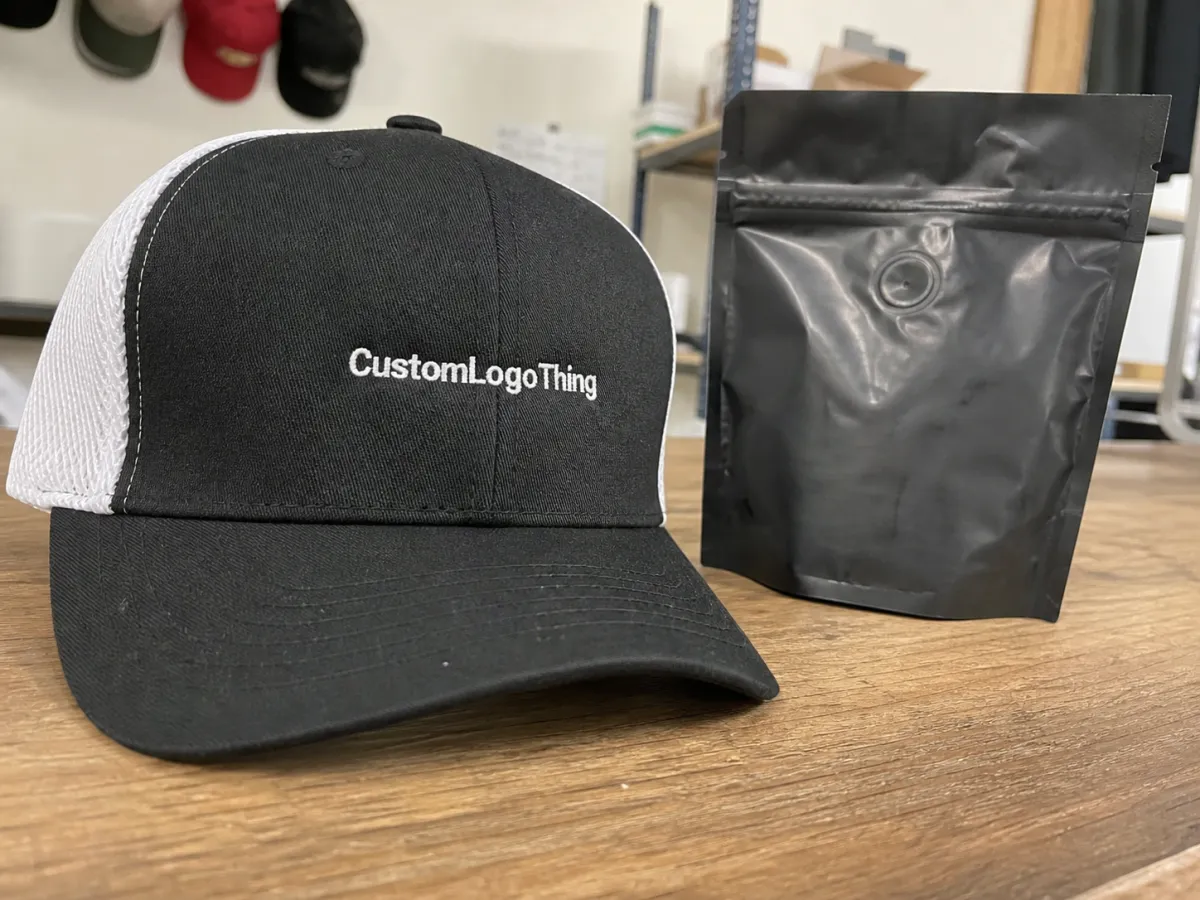
Coffee brands tend to live in warm, busy environments. Roasteries run hot. Bar areas get crowded. Outdoor events can turn a simple shift into a long stretch in the sun. A trucker cap answers those conditions better than a heavy structured dad cap or a fashion-forward silhouette that looks good on a rack but wears poorly in service.
The format also has one commercial advantage that is easy to overlook: it is easy to sell across multiple channels. A roastery can use the same cap for staff, retail, wholesale gifts, launch events, and customer bundles. That reduces the number of SKUs a team has to manage and makes reordering much less complicated. If the spec is tight, one approved cap can do a lot of work.
That does not mean every trucker cap is equal. A cap that feels fine in a catalog can still fail in practice if the front panel collapses, the mesh feels scratchy, or the crown sits too high. Buyers who handle bulk orders know the difference between a cap that photographs well and one that stays in rotation after the novelty wears off. The first is cheap marketing. The second is merch with staying power.
There is also a retail factor. A trucker cap with a clean logo and decent shape looks deliberate next to coffee bags, brew gear, and apparel. A flimsy cap does the opposite. It can make an entire merch table feel less considered, even if the rest of the assortment is solid. That is why the Unit Cost Review has to start with what the cap is supposed to do, not just what it costs to produce.
- Staff use: Breathability, fit, and sweatband comfort matter most.
- Retail merch: Shape retention, logo clarity, and color consistency matter most.
- Event stock: Visibility, low damage risk, and packing efficiency matter most.
- Bundle items: Perceived value matters more than the lowest possible base price.
The cheapest option is often tempting when the order is large. The catch is that a cap that saves a dollar on unit cost can create three dollars of frustration later if it fits badly, ships inconsistently, or needs a rushed reorder. Bulk buyers usually feel those tradeoffs faster than they expect.
Build Details That Change Comfort, Retail Appeal, and Price
The front panel structure changes the whole feel of the cap. A structured front holds the crown upright, keeps embroidery visible, and tends to look better on a retail wall or in photos. An unstructured front can feel softer and more casual, but it also collapses more easily. If the cap is meant to be a visible brand item, structured usually wins unless the whole line is intentionally worn-in.
Material choice matters just as much. Foam-front trucker caps often land at a lower price and carry a classic promotional look. Fabric-front versions usually feel more premium and can tolerate more detailed decoration without looking flat. Mesh also varies. A looser mesh reads more casual and breathes well. Tighter mesh looks cleaner and typically photographs better, especially under bright retail lighting.
Fit is not a side issue. It is one of the first things staff notice and one of the last things buyers want to hear complaints about. Ask for crown depth, closure range, sweatband construction, and general head fit before approving a run. A cap that rides too high can look awkward on a broad range of wearers. A rough interior band gets left in drawers. If the same cap has to work for employees and customers, the fit needs to be forgiving.
Decoration is where appearance and cost start to pull apart. Embroidery is usually the safest choice for a coffee logo because it is durable, familiar, and easy to read. Patches add texture and a more workwear tone. Woven labels work well for smaller details. Print can be useful for fine lines or gradient-heavy art, but it tends to feel less premium on a trucker cap unless the artwork is very deliberate.
For roasters that use the cap as part of a broader branded system, the little details matter. Matching underbill color, stitch thread, and closure hardware can make a mid-priced cap feel finished. Mismatched details do the opposite. They make the cap look assembled rather than designed.
A practical way to think about the build is to separate comfort from shelf appeal:
- Lighter builds wear better for long shifts and hot environments.
- Heavier builds hold shape better and usually sell better on shelf.
- Foam fronts can keep unit cost down, but sometimes read too promotional.
- Fabric fronts usually cost more, but they give the logo a stronger presentation.
If the cap has to do more than one job, do not choose the spec that only looks cheapest in a quote. The order will be repeated later, and the second run is where weak decisions become obvious.
Specs to Lock Before Requesting Quotes
Quote comparisons only work when the spec is locked. If one supplier is quoting a foam-front cap with basic embroidery and another is pricing a fabric-front cap with a sewn patch and custom inside label, the numbers are not comparable. That sounds obvious. It still gets overlooked all the time.
Start with the cap body. Confirm crown shape, panel count, mesh color, front material, closure style, and stitching color. Then decide whether the order needs a woven label, printed label, private-label tag, or standard interior branding. If any of those points stay vague, the price spreads will be misleading.
Color needs the same discipline. Coffee brands often choose black, cream, brown, stone, olive, or washed neutrals because those tones work with the rest of the product line. Good choices, but only if the color is controlled. Dye variation can make a reorder look slightly off even when the product is technically within range. A Pantone reference or approved color standard helps reduce that risk.
Packaging should be decided early too. Some buyers only think about the cap itself, then realize later they need inserts, hang tags, branded boxes, barcodes, or polybags. Those details change both cost and timeline. If the cap will be sold in a retail channel, the packaging needs to be part of the first quote, not an afterthought.
Before the sample is approved, review the things that tend to create hidden cost later:
- Logo size and exact placement on the front panel.
- Patch dimensions if the decoration is sewn or woven.
- Thread count or stitch density for embroidery.
- Inside label requirements for private branding.
- Carton marks and pack-out instructions for shipping.
A physical sample still earns its place. Digital mockups are useful for layout, but they do not tell you how the brim feels, whether the structure holds, or whether the logo size looks right at real-world distance. A cap that looks balanced on screen can appear oversized in hand. That is not a minor issue for merch that has to sit beside premium coffee.
If you are setting up packaging with paper-based cartons or inserts, check FSC standards early rather than late. It is easier to align print and material choices before approval than to rebuild the package spec after production has started. Transit testing matters too. A cap that leaves the factory in good shape can still arrive crushed if the carton structure is weak or the packing density is poor.
Coffee Roaster Trucker Caps Unit Cost Review: Pricing, MOQ, and Volume Breaks
This is where the math gets real. A coffee roaster trucker caps Unit Cost Review should show the full landed picture, not just a decorative factory price. Buyers often focus on the base cap and miss the charges that actually move the total: setup, sample revisions, labeling, packaging, and freight. Those extras can matter more than a small change in the shell price.
Most branded trucker cap programs have a minimum order quantity somewhere around 100 to 300 pieces, depending on the build and decoration. Lower MOQs can make sense for a new product launch or a limited run, but the unit cost rises because setup is spread across fewer pieces. Higher quantities usually unlock better pricing and a more efficient production run.
Typical pricing for a straightforward coffee-roaster cap can look like this:
| Order Tier | Typical MOQ | Decoration | Estimated Cost per Piece | Notes |
|---|---|---|---|---|
| 100 pieces | 100 | Flat embroidery | $6.20-$8.50 | Good for testing; setup is felt more heavily |
| 300 pieces | 200-300 | Embroidery or small woven patch | $4.30-$6.10 | Better balance between price and flexibility |
| 500 pieces | 300-500 | Patch, embroidery, or private-label tag | $3.60-$5.20 | Often better for retail programs and repeat orders |
Those ranges are directional, not guaranteed. A larger patch, more complex thread work, custom tape, or added label operations can push the price up quickly. A simpler cap body with standard embroidery can stay at the lower end. The point is not to chase the cheapest number. The point is to see which quote is cheapest for the same spec.
Setup fees are another place where buyers get tripped up. Embroidery digitizing, patch tooling, and private-label tags may each carry separate charges. Sample charges can also apply, especially if the buyer requests multiple revisions. In many programs, setup lands somewhere in the $45 to $120 range per decorated element, while sample fees often sit around $25 to $80 depending on complexity. None of those numbers is dramatic by itself. Together, they can make an apparently low quote look very different.
Freight can change the total more than people expect. Air shipping may make sense for a small, urgent order, but it can quickly erase margin on lower-priced merch. Sea freight is usually easier on the budget, but it adds time and needs better planning. If a quote does not separate product cost from shipping assumptions, it is not safe to compare with other bids.
Another practical point: buyers should ask whether the supplier is quoting the same carton count, the same pack-out, and the same decoration size across every offer. A cheaper quote that uses a smaller patch or a thinner build is not a fair win. It is a different product.
Inspection also belongs in the unit cost review. Ask how the factory checks logo placement, stitching quality, closure function, and carton counts before shipment. A low return rate starts with simple checks: thread ends trimmed, panels aligned, mesh clean, and front logo centered. Those are basic controls, but they matter more than a polished sales pitch.
Timeline From Artwork to Delivery
The order process should be straightforward. Inquiry, quote, artwork review, sample or digital proof, approval, production, inspection, packing, shipment. That is the normal sequence. Problems usually start when the buyer changes something after approval or the quote was too vague to begin with.
For a simple decorated cap, the production window can be relatively short after final approval. A basic embroidered order often ships in about 12 to 15 business days, depending on the factory schedule. Custom patch work, private labels, and more complex packaging can stretch that to 15 to 25 business days. If the caps are moving by ocean, transit may add another 25 to 35 days. Air is faster, but it is expensive enough to change the economics of a small order.
Delays rarely come from one dramatic mistake. They come from small ones stacked together. A logo file is the wrong format. The panel color was approved verbally but not in writing. Someone asks for a second sample after the first was already approved. The carton mark changes. The closure type gets adjusted late. Each of those is manageable alone. Together, they can wreck the schedule.
A buyer who needs the caps by a fixed date should lock the following early:
- Quantity and whether a reorder is likely.
- Artwork and exact size on the front panel.
- Cap color and mesh color.
- Decoration method and patch dimensions if used.
- Shipping method and delivery destination.
Those five decisions control most of the schedule. Everything else is secondary until the order is moving.
Quality Control Steps That Protect Repeat Orders
Repeat orders are where a cap program proves itself. A clean first run is useful. A third or fourth run that looks identical is far more valuable. That only happens if the spec is written tightly enough for a supplier to follow it without guessing.
Good quality control starts before production. The proof should confirm logo placement, logo size, thread color, patch position, and closure type. If the crown shape matters to the brand, that needs to be on the record too. Buyers sometimes assume a supplier will remember all of that from a past order. They usually will not unless the spec is documented well.
Once the caps are in production, a practical inspection checklist should cover the obvious but easy-to-miss issues: stitching tension, panel symmetry, clean edges on the patch or embroidery, consistent mesh color, and closures that function properly. Caps can fail in quiet ways. A slightly off-center logo, a rough sweatband, or a weak stitch line may not be visible in a product photo, but it becomes obvious when the cap is worn.
For coffee roasters, consistency also affects brand perception in a way that is easy to underestimate. The cap sits next to coffee bags, tasting notes, and retail displays. If it looks uneven, the merch table feels less polished. That matters even when customers cannot explain why they reacted differently. They just do.
Documenting the approved spec helps with reorder economics too. If the same build can be repeated without new tooling, the next run should be faster and easier to quote. Standard patch sizing, repeatable embroidery settings, and stable packaging reduce friction. That is the difference between an order that behaves like a system and one that has to be rebuilt every time.
There is also a margin benefit. Tight specs reduce the number of surprises that lead to rush fees or replacement stock. A few careful checks at the start are cheaper than a second shipment because the first one missed the mark.
What to Send for a Clean Quote
If the goal is a useful quote, send the full spec in one message. Include the logo file, target quantity, cap color, decoration method, closure style, packaging needs, shipping destination, and the date the goods need to arrive. A sparse request usually returns a sparse answer. That is not a vendor problem so much as an input problem.
To compare offers properly, ask each supplier to show the same pieces of information:
- Sample cost and whether it is refundable.
- Setup charges for embroidery, patches, or labels.
- Unit price across quantity tiers.
- Lead time broken into sample, production, and transit.
- Freight terms so there is no confusion over what is included.
Before approval, recheck the proof against the quote. The most common problems are simple: the logo is the wrong size, the decoration method changed, the patch position drifted, or the quote used a different build than the one discussed. Catching those differences after production starts is expensive. Catching them on the proof is not.
If the caps will be sold retail, bundle-ready, or shipped with inserts, approve those details now. Carton marks, barcode labels, hang tags, and retail packaging should all be part of the landed cost from the beginning. Otherwise the unit cost review is incomplete.
Used this way, a coffee roaster Trucker Caps Unit Cost Review becomes a practical buying tool rather than a pricing exercise. The goal is not to find the cheapest cap in the market. It is to buy a cap that fits the brand, survives real use, and can be reordered without starting from zero.
FAQ
What affects coffee roaster trucker cap unit cost the most?
Quantity is usually the biggest driver because setup costs are spread across more or fewer units. Decoration method, patch complexity, packaging, and freight can also move the total quickly. Small changes in cap structure or label requirements can shift pricing more than many buyers expect.
What MOQ should I expect for coffee roaster trucker caps?
Many factories land in the 100 to 300 piece range for branded trucker caps. Lower quantities are possible, but the unit cost usually rises because setup and labor are spread over fewer caps. If you expect a repeat order, ask for tiered pricing at 100, 300, and 500 pieces.
Which decoration method works best for a coffee roaster logo?
Embroidery is usually the most reliable choice for durability and retail presentation. Patches work well if the brand wants more texture or a workwear feel. Print can work for detailed art, but it often reads less premium on a trucker cap than embroidery or a sewn patch.
How long does production usually take after artwork approval?
Simple embroidered orders can often ship in about 12 to 15 business days after final approval. More complex patch or private-label orders can take 15 to 25 business days. Shipping time adds on top of that, especially if the order moves by sea freight.
What should I compare between quotes to avoid hidden charges?
Compare setup fees, sample fees, unit price at each quantity tier, freight terms, packaging, and decoration size. Make sure every quote uses the same cap build. A lower price on a different spec is not a real comparison.


