Retail embroidered baseball caps Unit Cost Review for Buyers usually gets distorted by stitch count, not by the blank cap price. That is the part most quote sheets hide behind a tidy number, and it is why two caps that look nearly identical can land in very different cost bands.
The useful question is not “What is the cheapest cap?” It is “What does the retail-ready unit cost look like once the cap body, embroidery, setup, packaging, and freight are all counted honestly?” That answer is less glamorous than a sales page, but a lot more useful for margin planning.
Retail embroidered baseball caps unit cost review: what really moves the number
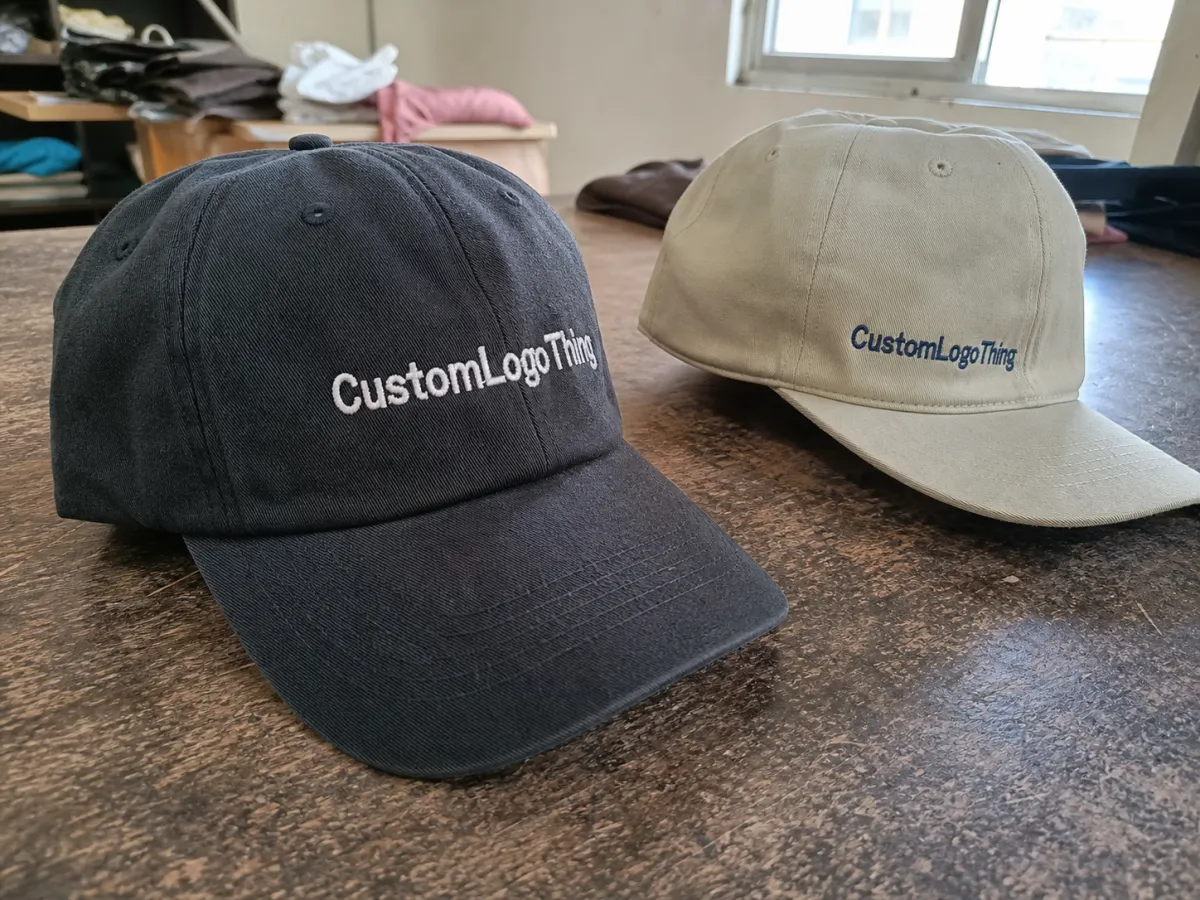
The biggest mistake in a retail embroidered baseball caps Unit Cost Review is treating embroidery like a minor add-on. It is not. Stitch count, logo size, and placement usually move the price more than the blank cap itself. A clean 3,500-stitch front logo on a standard six-panel cap can sit in a very different cost band than a dense 9,000-stitch design that wraps into a seam or follows the crown curve. Same cap body. Different economics.
A retail quote is really a bundle of separate costs. The blank cap is only one layer. Decoration, proofing, packaging, and freight can quietly overtake it, especially on smaller runs. On a 100-piece order, fixed charges are heavy. On a 1,000-piece order, they soften. That is why a buyer who only compares the headline price is often comparing the wrong thing.
Here is the practical split:
- Blank cap - the body, closure, crown shape, and fabric.
- Embroidery - stitch time, thread usage, placement, and machine handling.
- Digitizing - converting artwork into a stitch file.
- Setup charges - machine prep, thread matching, and sample setup.
- Packaging - polybags, stickers, inserts, carton labeling, retail packs.
- Freight - carton count, shipping method, destination, and timing.
That split matters because a quote that bundles everything into one neat line usually hides the weak spot. I have seen buyers chase a low headline number, only to find the cap needed a second proof, a special stitch program, and extra packaging. The “cheap” price stopped being cheap the moment the missing pieces were added back in.
A useful quote is specific. If the supplier cannot separate blank cap cost from decoration and freight, the number is not ready for a retail decision.
One more practical point: a quick quote without logo size, placement, and quantity is not a quote so much as a placeholder. For a real purchase decision, the supplier needs the cap style, artwork, stitch count or a clear logo file, and the delivery ZIP. Anything less is guesswork with nicer formatting.
Baseball cap construction details that change the quote
The cap body matters more than many buyers expect. A structured cap holds its front panel shape, which helps embroidery sit flatter and look sharper. An unstructured cap feels softer and can read as more premium in some retail lines, but it also changes how the logo lands on the front panel. If the fabric caves in, the logo can look tired before the customer even tries it on.
Five-panel and six-panel caps behave differently too. A five-panel style gives a cleaner front canvas for oversized logos, while a six-panel cap usually feels more traditional and is easier to source in mainstream retail programs. Low profile and mid profile crowns also change the visual balance. Low profile sits closer to the head and reads modern. Mid profile gives more room for embroidery and usually tolerates larger artwork better.
Closure choice affects more than comfort. Snapback styles are common, easy to size, and usually efficient for bulk pricing. Strapback and hook-and-loop closures can work for retail assortments that need a softer feel or a more adjustable fit. Fitted caps can raise the MOQ because sizing gets complicated fast. More SKUs, more cartons, more room for error.
Fabric is another quiet price lever. Cotton twill gives a classic finish and usually embroiders cleanly. Washed cotton has a broken-in look, but the surface can vary more from panel to panel. Polyester is common for sports styling and can hold shape well, though some blends need tighter testing on thread tension and backing choice. If the cap fabric is too thin or too stretchy, the logo will show it immediately.
Blank cap prices are not fixed either. A basic cotton twill body may sit in a lower range, while heavier brushed cotton, brushed twill, corduroy, or technical blends can add cost before decoration even starts. The blank can be the cheapest part of the order, but it still sets the ceiling for finish quality. If the fabric looks flimsy, no amount of neat stitching will rescue it.
Bill shape, crown height, and panel seams matter when the logo sits near a curve or crosses a seam. Cheap-looking caps usually fail here, not in the blank cap itself. A logo placed too close to a seam can pucker. A stiff bill can distort a side mark. A high crown can make the logo feel smaller than it looked on screen. Lock the cap style before you ask for pricing, or every quote will drift when samples begin.
Embroidery specifications buyers should lock before sampling
Stitch count is the biggest spec lever in embroidery pricing. A small logo with heavy fill can cost more than a larger logo with cleaner satin stitch work and more open space. That is why two front logos of similar physical size can quote very differently. The machine does not care how tidy the presentation deck looks. It cares how many stitches it has to run.
Placement changes the labor profile. Front panel embroidery is usually the baseline. Side panel marks, back arch logos, and sandwich bill embroidery all add machine time and positioning risk. Multi-location decoration also increases the chance of alignment problems, which means more proofing and a longer approval cycle. That is why a side hit and front logo often cost more than buyers expect, even on a simple cap body.
Before sampling, lock these items:
- Artwork file - send vector art, not a screenshot.
- Color reference - Pantone values or brand-approved thread names.
- Logo size - width and height in inches or millimeters.
- Placement - front, side, back arch, or bill.
- Decoration style - flat embroidery or 3D puff.
3D puff is where some retail programs get expensive fast. It looks strong on the shelf, but it needs denser foam, more machine control, and tighter art rules. Thin strokes, tiny counters, and fine details can fail or look muddy. If the logo was built for a flat patch and then forced into puff embroidery, the sample will show the problem right away.
Digitizing quality matters as much as the artwork itself. Poor digitizing creates loose edges, uneven fill, and ugly pull on curves. Good digitizing keeps the stitch direction clean and reduces rework. That is why setup charges are not just a fee. They are part of the risk control. A skipped proof is how retail programs end up with off-brand caps nobody wants to reorder.
For retail buyers, a sample should answer three questions: does the logo sit straight, does the stitch density hold up at close range, and does the cap still look right after shaping? If the sample only looks good from arm’s length, it is not a finished answer. Shelf view matters, but close inspection matters too, because customers handle caps.
If the order needs retail packaging, say so early. Individual polybags, size stickers, carton labels, and insert cards all affect the approval timeline and the final cost per piece. If you care about paper-based inserts or hangtags, FSC-certified material is easy to specify: FSC.
Pricing, MOQ, and unit cost ranges for retail orders
Bulk pricing follows a simple rule: as quantity rises, the unit cost drops because setup, digitizing, and handling get spread across more pieces. The first tier break matters most. A run of 100 caps can look expensive next to 1,000 caps, but that is because the fixed fees are sitting on a small base. Small-order math is rude like that.
For standard retail embroidered caps, the blank cap itself is often only part of the story. Basic cotton twill bodies may start in the low single digits before decoration, while higher-grade materials, structured five-panels, washed finishes, or specialty closures can move the base up quickly. The decoration then adds the real swing.
Here is a practical range for retail embroidered caps with a standard front logo. These numbers are not gospel. They move with cap body quality, stitch count, closure type, and shipping method. Still, they are a better starting point than blind optimism.
| Quantity | Typical cost per piece | What it usually means | Buyer note |
|---|---|---|---|
| 100-249 | $4.25-$7.25 | Higher setup share, standard embroidery, basic packaging | Best for testing a design or a small retail drop |
| 250-499 | $3.35-$5.90 | Better spread on digitizing and setup charges | Often the first workable MOQ for simple logos |
| 500-999 | $2.95-$4.85 | Better bulk pricing and more stable production rhythm | Good zone for retail launch programs |
| 1,000+ | $2.40-$4.10 | Lowest per-piece spread on fixed costs | Best for repeatable retail assortments |
For one-time fees, a realistic range is often $20-$60 for digitizing per logo, $25-$75 for sample handling if a physical preproduction sample is required, and small packaging upgrades that can add a few cents to around $0.35 per unit depending on what the retailer needs. If the design uses puff embroidery, multiple placements, or special thread matching, those fees can rise.
Freight is the part that gets underestimated most often. The cap itself may be inexpensive, but packed volume can be awkward. A flat-packed carton profile helps, yet polybags, inserts, and display-ready packaging all add space and weight. Air freight can erase a favorable decoration rate in a hurry. Ocean freight lowers landed cost, but only if the calendar allows it. Unit cost should always be checked against the landed number, not the ex-factory number alone.
MOQ is not just a factory preference. It is tied to blank cap availability and decoration complexity. A one-location front logo on a standard snapback can often start lower. Add back embroidery, puff, special closures, or mixed colors, and the MOQ rises. That is normal. It is also why a buyer should request a line-item quote instead of a glossy total. A low quote that excludes freight, proofing, or rework is not a real quote. It is bait.
Here is the quote structure I trust:
- Cap style - exact body, fabric, and closure.
- Quantity tiers - 100, 250, 500, 1,000, and any realistic break points.
- Decoration spec - placement, stitch count, puff or flat, thread colors.
- Packaging - bulk pack or individual retail pack.
- Delivery - ship-to ZIP and timing window.
Buyers who ask for that setup get cleaner numbers and fewer surprises. Buyers who ask for “price on embroidered caps” get a number that belongs in a mystery novel.
Production steps and timeline from art file to delivery
The cleanest way to think about the process is this: artwork review, digitizing, proof approval, sample if needed, bulk embroidery, finishing, packing, and shipping. That is the full pipeline. If a supplier cannot explain where your order sits inside that sequence, expect delays later. Mystery timelines are usually just unspoken delays wearing a smile.
For a simple retail run, a realistic lead time is often 12-18 business days after proof approval if the cap body is in stock and the embroidery is straightforward. A more complex order with puff embroidery, multiple placements, or special packaging can stretch to 18-25 business days. Rush work can be possible, but it comes with tradeoffs: fewer cap color options, tighter freight windows, and less room for error. Fast does not mean free.
The delays usually come from the buyer side, not the machine side. Missing vector art slows digitizing. Unclear thread colors force back-and-forth. Changing logo size after the sample is approved resets the schedule. Late address changes can turn a finished order into a shipping problem. Most timeline pain is self-inflicted. That is the part nobody likes to hear.
Production discipline matters because embroidery is less forgiving than a printed sticker. A logo that is slightly off-center, too dense, or stitched with weak backing stands out quickly. It may pass in a digital mockup and fail under retail lighting. That is why a sample photo is not the same thing as a real inspection. Ask for front, side, and close-up views if the logo sits near a seam or includes small text.
For retail packaging, build in time for carton labeling, case pack confirmation, and transit testing if the caps are going into shelf-ready cartons. If you ship long distances or use display packaging, basic transit testing aligned with ISTA methods can save a lot of crushed bills and bent closures later. Caps are not fragile glass, but they do get damaged if someone packs them like socks.
Expect a sample checkpoint before bulk release if the logo is new, oversized, or built with unusual threads. Sample approval is not a formality. It is the moment to catch stitch pull, color mismatch, and seam interference. Skipping that step saves a day and can cost an entire order.
If the launch date is fixed, work backward. Build in proof time, sample review, and freight buffer. A realistic schedule beats a fantasy promise because retail calendars do not care what the quote email said. They care whether the cartons arrive on time and look right on shelf.
What a dependable cap supplier shows before you place the order
A dependable supplier does not hide the math. You should see the blank cap cost, embroidery cost, digitizing fees if they apply, packaging, and shipping. If the supplier will only give one total number, they are protecting margin, not helping you buy well. That is their choice. It should not be your problem.
Look for consistency proof, not just polished product photos. Sample shots with close-up stitch detail matter more than a pretty catalog image. You want to see whether the thread tension is even, whether the logo sits cleanly across the panel, and whether repeat orders match the first run. Retail buyers need repeatability. One nice sample does not build a program.
Quality control should include alignment checks, seam placement review, color verification, and carton inspection. These are not exotic requests. They are the basics. Good suppliers also keep digital files and approval notes so reorders are faster and less risky. That matters if you run the same cap style through multiple colorways across the season.
Packaging flexibility also counts. Some retail programs need individual polybags. Some need size stickers. Some need hangtags or insert cards. A supplier who can handle those details without confusion is worth more than a cheaper quote that forces you to fix packaging in-house. If you need sustainable paper components, a supplier should at least understand FSC options and standard retail carton labeling.
There is also a simple trust test: does the supplier answer directly? Clear answers to lead time, MOQ, setup charges, and reorders usually mean they have done this before. Vague answers usually mean your project will become their learning exercise.
Another useful sign is whether they flag risks before production starts. If a logo is too detailed for puff embroidery, a careful supplier should say so. If a closure choice complicates packing, that should come up early. The best vendors are not the ones who say yes to everything. They are the ones who tell you where the quote is fragile.
What to send now for a quote that matches retail reality
If you want a quote that maps to real retail numbers, send the exact cap style, target quantity, logo file, placement, and preferred ship date first. Do not start with “what is your best price?” That question only makes sense after the spec is fixed. Otherwise every supplier is quoting a different product and pretending the numbers are comparable.
Ask for a tiered quote. You want to see where the unit cost drops, not just the cheapest single line. A good quote should include:
- Cap body and closure type.
- Embroidery placement and estimated stitch count.
- Digitizing and other setup charges.
- Packaging and carton assumptions.
- Freight or at least a shipping estimate to your ZIP.
Then compare at least two suppliers using the same spec sheet. If the numbers differ, check the inputs before you blame the factory. A cap with a 4,000-stitch logo is not the same order as one with a 10,000-stitch puff mark, even if both emails say “Embroidered Baseball Cap.” Buyers lose money when they compare different products as if they were identical.
For retail programs, confirm the sample approval path, the re-order file policy, and whether the supplier can hold your artwork and color specs for the next run. That is worth real money later. It also keeps the next quote from starting at square one.
My advice is plain: approve only after the retail Embroidered Baseball Caps Unit Cost Review matches the launch budget, the margin plan, and the delivery window. If any one of those three is off, the quote is not ready yet.
What affects retail embroidered baseball cap unit cost the most?
Stitch count and embroidery placement usually affect price more than the blank cap color. Small orders also pay a bigger share of digitizing and setup charges, so the first quantity tier matters most. Freight and packaging can also move the final landed number more than buyers expect.
What MOQ should I expect for custom embroidered baseball caps?
MOQ depends on the blank cap availability and whether the design is simple or multi-location. One-location logos can often start lower; puff embroidery, special closures, or mixed colors usually raise the minimum. If a supplier offers a very low MOQ, check whether the price quietly assumes basic packaging and a simple stitch file.
Can I lower the unit cost without changing the design?
Yes. Keep one embroidery location, reduce thread colors, and use a standard cap body. Combining quantities across one style and one colorway can also unlock better bulk pricing. Choosing a cap body that already exists in stock is another easy way to avoid slow, expensive customization.
How long does the quote and production process usually take?
Quotes are usually fast if the artwork and specs are clear, but digitizing and proof approval add time. Bulk production and delivery depend on quantity, seasonality, and whether the order needs a sample first. A straightforward run can move in two to three weeks after approval; more complex orders take longer.
What should I include when requesting a cap quote?
Send a vector logo, cap style, quantity, placement, thread colors, delivery ZIP, and deadline. Ask for a line-item breakdown so blank cost, decoration, setup, packaging, and freight are all visible. If you already know the retail pack format, include that too, because it changes both labor and carton count.


