If you need to book Unstructured Dad Hats material sample guide support for a new cap order, start with the fabric, not the logo. Two hats can look nearly identical on a screen and feel completely different in hand. One collapses softly and wears like a favorite from day one. Another has the same color and stitching count but feels stiff, hot, or oddly shallow once it is on a head. That gap is why sample approval matters.
Unstructured Dad Hats are deceptively simple products. They skip the rigid front panel, so the fabric, seam construction, sweatband, visor curve, and decoration all carry more weight. A sample tells you whether the cap has a relaxed shape that still holds together, or whether it just looks unfinished. The difference is subtle in a photo and obvious in real life.
For merch drops, retail programs, and promotional orders, the sample stage is where expensive mistakes get caught while the order is still small. It is also where buyers learn the practical limits of a given fabric. A 250 gsm cotton twill cap behaves differently from a washed canvas cap in the same weight class, and a brushed finish will accept embroidery differently from a crisp one. That is the point of the process: fewer assumptions, fewer surprises.
Why Unstructured Dad Hat Samples Save Bad Orders
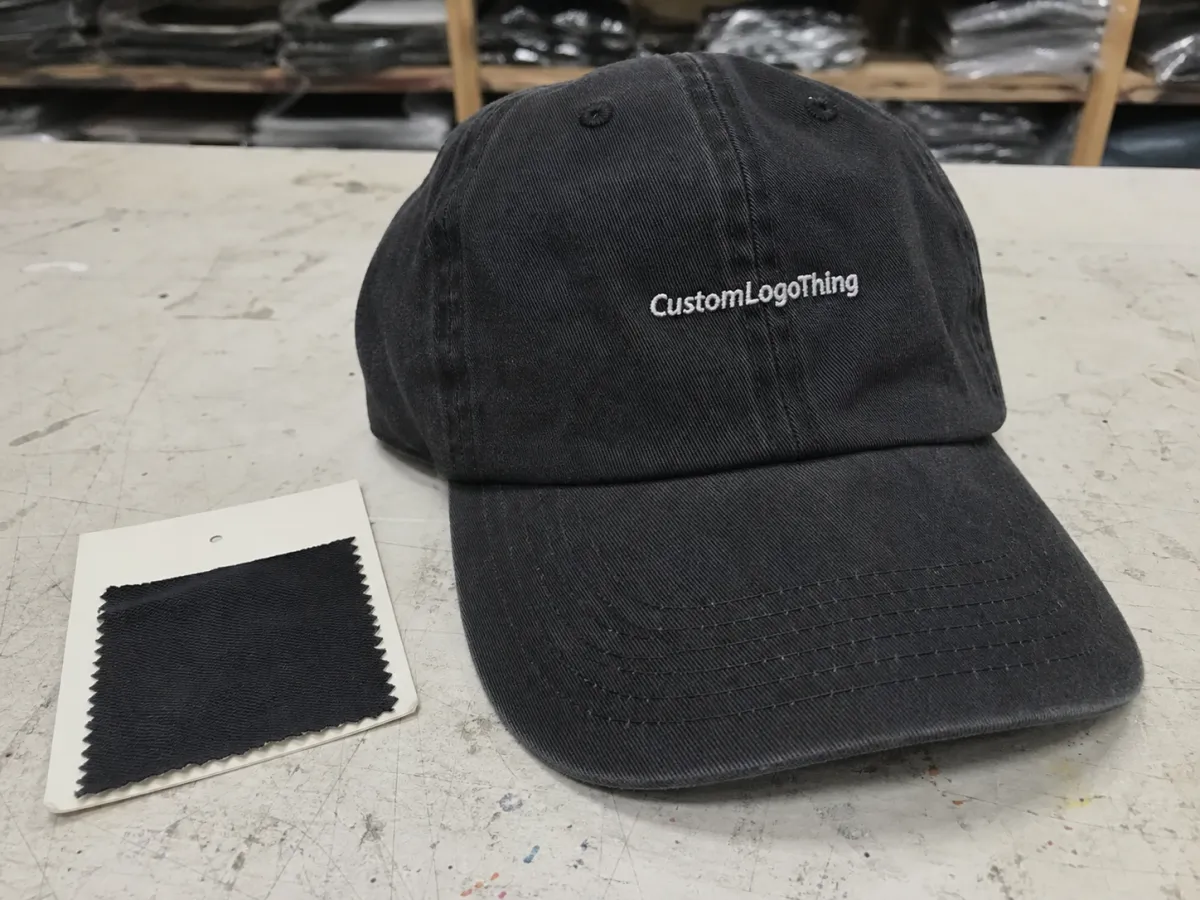
Unstructured hats live or die by handfeel. The crown should collapse naturally, not cave in unevenly. The fabric should feel soft enough for casual wear but stable enough that the front panel does not twist after a few minutes on head. If you are only judging by product photos, you miss the part that customers notice first: comfort and shape retention.
Photography is a useful liar. Lighting makes texture look smoother, seam puckering disappear, and color more controlled than it usually is. A cap that appears relaxed online can arrive with a visor that is too flat, a sweatband that rubs, or a crown that collapses like wet paper. None of those issues are dramatic in isolation. Together, they are the reason orders get returned, discounted, or quietly abandoned in a warehouse.
A sample protects against another common problem: the fabric and decoration do not always cooperate. Dense embroidery on a very soft cloth can cause the front panel to ripple. A patch that looks crisp on a sturdy twill may lift at the edges on a heavily washed material. Even the closure matters. A brass buckle can feel premium, while a lightweight plastic slide may be fine for a promo run but less convincing for retail.
A sample costs far less than reworking a bulk order that misses the brief.
That is especially true if the order needs consistency across multiple drops. Natural fibers shift from lot to lot, and washed finishes can vary more than buyers expect. One run may come out slightly deeper in shade than the next because the dye penetrated differently. A sample reveals that kind of variation before it spreads across thousands of units.
What A Material Sample Actually Shows You
Not every sample answers the same question. A fabric swatch only tells you how the cloth feels, how it reflects light, and whether the color is close to the target. A blank cap sample shows the full build: crown depth, panel softness, visor shape, and closure comfort. A decorated pre-production sample shows the complete package, including how the logo behaves on the actual fabric.
That distinction matters because buyers often treat a swatch as if it were a finished product. It is not. A swatch cannot reveal whether the front panel collapses too far, whether the seam line sits cleanly, or whether the logo sits where the eye expects it to. For a dad hat, those details are the product.
On a proper sample, check the following in order:
- Fabric handfeel - soft, crisp, brushed, washed, or overly stiff.
- Crown behavior - relaxed and natural versus weak or lopsided.
- Seam quality - straight stitching, tight topstitching, and clean joins.
- Sweatband comfort - smooth against skin, not scratchy or bulky.
- Visor shape - flat, lightly curved, or too aggressively pre-bent.
- Closure finish - clean hardware, neat strap edges, no rough spots.
Material choice changes the whole personality of the cap. Cotton twill in the 240-280 gsm range usually gives a clean, familiar feel. Brushed cotton feels softer and a little more premium, but it can show wear faster. Washed canvas reads more vintage and relaxed, though it may come in darker or more uneven than the approved color chip. Nylon blends and performance fabrics can help with breathability, but they also change sheen and drape enough to shift the look away from a classic dad hat.
Packaging deserves a quick check too. A great sample can arrive crushed if it is packed badly, and that can distort the review. If the supplier uses corrugated cardboard, ask about board strength and whether the material is FSC certified. If there is kraft paper or insert paper in the carton, confirm it is doing actual protective work and not just adding bulk. For programs that care about freight presentation, it is reasonable to ask whether recycled materials or biodegradable packaging are available. Just do not let packaging language distract from the hat itself.
Cost, Pricing, MOQ, and Sample Fees
Sample pricing is usually straightforward once the supplier separates the pieces. Ask for the sample fee, shipping, and any decoration setup charge as separate lines. If everything is bundled into one number, it becomes harder to compare offers and easier for hidden costs to slip in later.
For reference, these are common ranges for a custom cap program:
| Sample Type | Typical Cost | Best For | Notes |
|---|---|---|---|
| Fabric swatch | $5-$20 | Color and handfeel checks | Useful early, but not enough for fit or decoration review |
| Blank cap sample | $35-$90 | Structure, softness, and visor shape | Usually the best first sample for unstructured dad hats |
| Decorated sample | $75-$180 | Embroidery, patch, or print approval | Rises with stitch count, custom fabric, and revision rounds |
| Rush sample | +20% to +50% | Tight launch dates | Fast work usually means extra labor and priority handling |
MOQ and sample rules are not the same thing. A supplier might make one blank sample easily, then require 100 to 300 pieces for production because that is where the cutting, sewing, and fabric purchasing become economical. That is normal. If a sample price looks unusually low, check the production quote before you get too comfortable. Some factories recover margin later through the bulk order, not the sample.
Ask for price breaks at 100, 300, 500, and 1,000 units if you are still deciding on volume. A difference of even fifty cents per unit can change the whole margin structure once decoration and freight are added. For embroidered hats, stitch count matters more than many buyers expect. A small wordmark is not priced like a dense front-panel logo with multiple thread colors, tight underlay, and frequent needle stops.
One practical caution: custom-dyed fabric can make sampling more expensive and slower. If the cap needs a specific wash or pigment finish, the first sample may be close rather than exact. That is still useful. Close is often enough to tell you whether the program is moving in the right direction or needs a reset.
Process and Timeline for Booking Samples
The sample workflow should be simple enough to track without guesswork. Inquiry, style selection, fabric confirmation, payment, production, shipment. If any of those steps is vague, the timeline usually slips.
Typical timing looks like this:
- Fabric swatch only - about 3-7 business days, plus transit.
- Blank cap sample - about 7-14 business days.
- Decorated sample - about 10-20 business days, depending on artwork and approval rounds.
- International shipping - add several days to two weeks, depending on route and customs.
The delays are usually predictable. Fabric may be out of stock. Artwork may need revisions because the logo looked right on a computer but too crowded on the front panel. Payment approval may stall everything for a week. None of that is unusual; it is just how sample work behaves when the brief is loose.
If you want a cleaner timeline, send the supplier four things up front: the cap style you want, the exact decoration method, logo files, and the end use. Retail, promo, and teamwear do not want the same thing from a dad hat. A retail buyer usually wants cleaner finishing and tighter color control. A promotional buyer may accept a slightly softer build if the price is better. That information changes the sample recommendation immediately.
Shipping deserves a small amount of suspicion. A sample that arrives folded too tightly can look worse than it is, and a crushed carton can make a perfectly good hat look flat and cheap. Ask how the crown is protected in transit. Insert cards, tissue, and properly sized cartons are not glamorous, but they preserve the shape that you are trying to evaluate. If the supplier can use kraft paper or corrugated board with reasonable protection, good. If not, the sample may need to be repacked before anyone can judge it fairly.
How To Compare Fabrics, Fit, and Decoration Behavior
This is the part that separates a cautious buyer from a lucky one. The sample needs to be judged like a product someone will actually wear, not like a static object under studio lighting. Cotton, brushed cotton, chino twill, washed canvas, and polyester blends all behave differently. They do not simply look different. They age differently, hold shape differently, and accept decoration differently.
Start with fit. Put the cap on and leave it there for ten minutes. Check the depth, the way the crown collapses, and whether the front panel sits relaxed without looking weak. A low-profile unstructured hat should feel easy, not flimsy. The sweatband should sit flat against the forehead. The closure should adjust without scraping or pinching. These are small details until they are worn by hundreds of people who will not give the product a second chance.
Then look at decoration behavior. Embroidery is the main trouble spot. Soft fabrics can pucker under dense stitching, especially if the logo is large or the underlay is heavy. Patches behave better on more stable cloth, but edge lift can still show up on washed materials. Prints can look sharp on smoother twills and muddier on heavily textured or very soft fabrics. None of these problems are theoretical. They show up in the first sample if you look closely enough.
For material comparison, keep a basic scorecard:
- Comfort - how it feels after repeated wear.
- Shape - whether the crown relaxes naturally without collapsing.
- Decoration quality - stitch clarity, patch edge finish, or print sharpness.
- Color accuracy - how close the actual cap is to your approved reference.
- Price fit - whether the sample supports a viable production cost.
A small but useful test is to take the sample outside. Indoor light can hide problems that daylight makes obvious. If the brim shape looks strange in sun, or the color shifts more than expected, that matters. Another practical test: fold the cap into a bag, then reshape it. Some fabrics recover cleanly. Others stay creased or crushed, which is bad news for ecommerce fulfillment and any customer who travels with the cap.
For buyers comparing multiple samples, the right choice is rarely the softest or the cheapest. It is the cap that matches the use case. A relaxed retail line can handle a little more wash and variation. A premium brand drop usually needs tighter stitching, better finish on the closure, and more controlled color. The sample tells you which side of that line you are on.
Common Mistakes Buyers Make With Cap Samples
The first mistake is approving by photo alone. That sounds obvious, yet it happens because the timeline is tight and everyone wants to move quickly. The problem is that texture, stiffness, and depth do not compress well into an image. A hat that looks rich online can arrive flat. A hat that looks basic in a photo can turn out to be the strongest option in hand.
The second mistake is changing too many variables at once. If the feedback round includes crown height, closure type, logo size, and thread color, the review loses focus. One round should answer one main question. Otherwise the sample stops being a review tool and turns into a slow redesign.
The third mistake is ignoring seams and reinforcement because the fabric feels nice. A soft cap with poor stitching still looks cheap. Check the front-panel seams, topstitch consistency, and bar tacks around the closure. A clean sweatband and a neat rear finish matter more than most buyers admit, because that is where the buyer handles the product first.
The fourth mistake is treating sample cost as the main cost. It is not. The expensive part is the bulk order that misses target price by a wide margin. A low sample fee can be comforting, but it does nothing if the final quote breaks the margin or forces a weaker decoration method than the brand intended.
Packaging gets overlooked too. A cap shipped in a loose polybag and a battered carton may look damaged even if the sewing is fine. If presentation matters, ask for insert cards, tissue, and a carton spec that protects the crown. If sustainability is part of the brief, ask whether the supplier can use recycled materials in the carton or FSC-certified paper where relevant. That is useful only if the cap itself is still being judged honestly.
Expert Tips Before You Place the Order
If the sample is close but not quite right, ask for one alternate fabric before asking for a full redesign. A move from brushed cotton to chino twill, or from a heavier canvas to a lighter twill, can solve the feel problem without changing the whole product identity. That is usually faster and cheaper than rebuilding the cap from scratch.
Ask for the actual fabric spec instead of a generic label. “Cotton” is not enough. A buyer needs fiber content, weight, weave, and finish. Something like 100% cotton twill at 250-280 gsm with a washed finish tells you far more than a broad marketing description. If the supplier cannot give you that level of detail, expect more variation in bulk.
Keep the artwork disciplined until the structure is approved. Unstructured caps rarely improve with overly dense decoration. Clean wordmarks, small embroidery, and one- or two-color patches usually sit better than detailed graphics that fight the softness of the crown. A relaxed hat needs a little visual breathing room.
Lock the approval in writing. Email the supplier with the sample details: fabric, closure, color, logo size, placement, and any exceptions. This is not busywork. It is how you avoid arguments later about what was “understood” versus what was actually approved. Production memory is not a contract.
If you are trying to book Unstructured Dad Hats Material Sample guide support for a launch, treat the sample like a prototype with commercial consequences. It should answer three questions cleanly: does it look right, does it feel right, and can it be made consistently at the target cost?
What To Do Next After You Approve the Sample
Once the sample is approved, move through the boring details before production starts. Confirm the final spec sheet, lock the decoration method, verify the pricing tier, and recheck the shipping address. A surprising number of delays come from stale contact details or a missing consignee name, not from manufacturing itself.
Then verify the parts that tend to drift between sample and bulk:
- Color - confirm the fabric shade and thread match.
- Logo placement - check height, width, and centering.
- Closure type - buckle, strap, slide, or snap.
- Packaging - polybag, tissue, insert card, or carton spec.
- Quantity - confirm size breakdown and any overrun rules.
If the order is tied to a retail launch or seasonal drop, a small pre-production run can be worth the extra cost. Even 20 to 50 units can reveal problems with embroidery registration, color variation, or packaging presentation before the full order is cut. That is far cheaper than discovering the issue at 1,000 units.
This is also the point to check whether the supplier can keep the packaging consistent. If the sample arrived with kraft paper protection, ask whether the same approach can be used in production cartons. If the program needs recycled materials in the shipper or FSC-certified paper for the insert, lock that in now. Secondary details still matter when the buyer sees them as part of the product experience.
Do the review early enough to leave room for one more round if needed. That is the quiet benefit of a sample process done well: it gives you time to make a better decision instead of forcing a rushed approval that everyone regrets later.
How do I book unstructured dad hats material sample guide options for my brand?
Start by specifying the cap style, fabric, closure, and decoration method so the supplier can send a sample that reflects the final order. Ask for separate pricing on the sample, shipping, and decoration setup, then send artwork and use case details early so the review is based on the right version.
What is the difference between a material swatch and a finished dad hat sample?
A swatch shows only the fabric. A finished sample shows the full cap: crown depth, seam quality, visor shape, closure comfort, and how embroidery or patches behave on the actual material. For fit and decoration, the finished sample matters much more.
How much should unstructured dad hat samples cost?
Fabric swatches are the least expensive, blank cap samples usually sit in the middle, and decorated samples cost more because they require setup and labor. Final pricing changes with fabric choice, decoration complexity, and rush timing, so ask for a production quote before approving the sample.
How long does the sample process usually take?
Simple blank samples are usually faster than custom-dyed or decorated versions. Lead time depends on fabric stock, artwork revisions, and freight. A realistic plan is more useful than a promised rush date that leaves no room for correction.
What should I check before approving the final hat sample?
Check the fabric feel, crown softness, stitch quality, brim shape, closure comfort, logo placement, and overall color under normal light. Wear the cap, not just inspect it on a table. Approve only after it matches your target look, fit, and price range.