Retail packaging can make a launch feel polished or careless before the customer even touches the product, and that is why the Retail Launch Custom Poly Mailer bags production quality checklist matters. A mailer that arrives scuffed, prints off-center, or feels flimsy does more damage to package branding than most teams expect, because the outer bag is often the first physical proof of the brand promise.
Custom Poly Mailer Bags are lightweight polyethylene shipping bags built to protect apparel, accessories, soft goods, and small retail orders from moisture, abrasion, and handling damage. The best ones do more than move product from warehouse to porch; they support retail packaging, reduce claims, and give the launch a clean first impression from the outside in.
Why mailer bags can make or break a retail launch
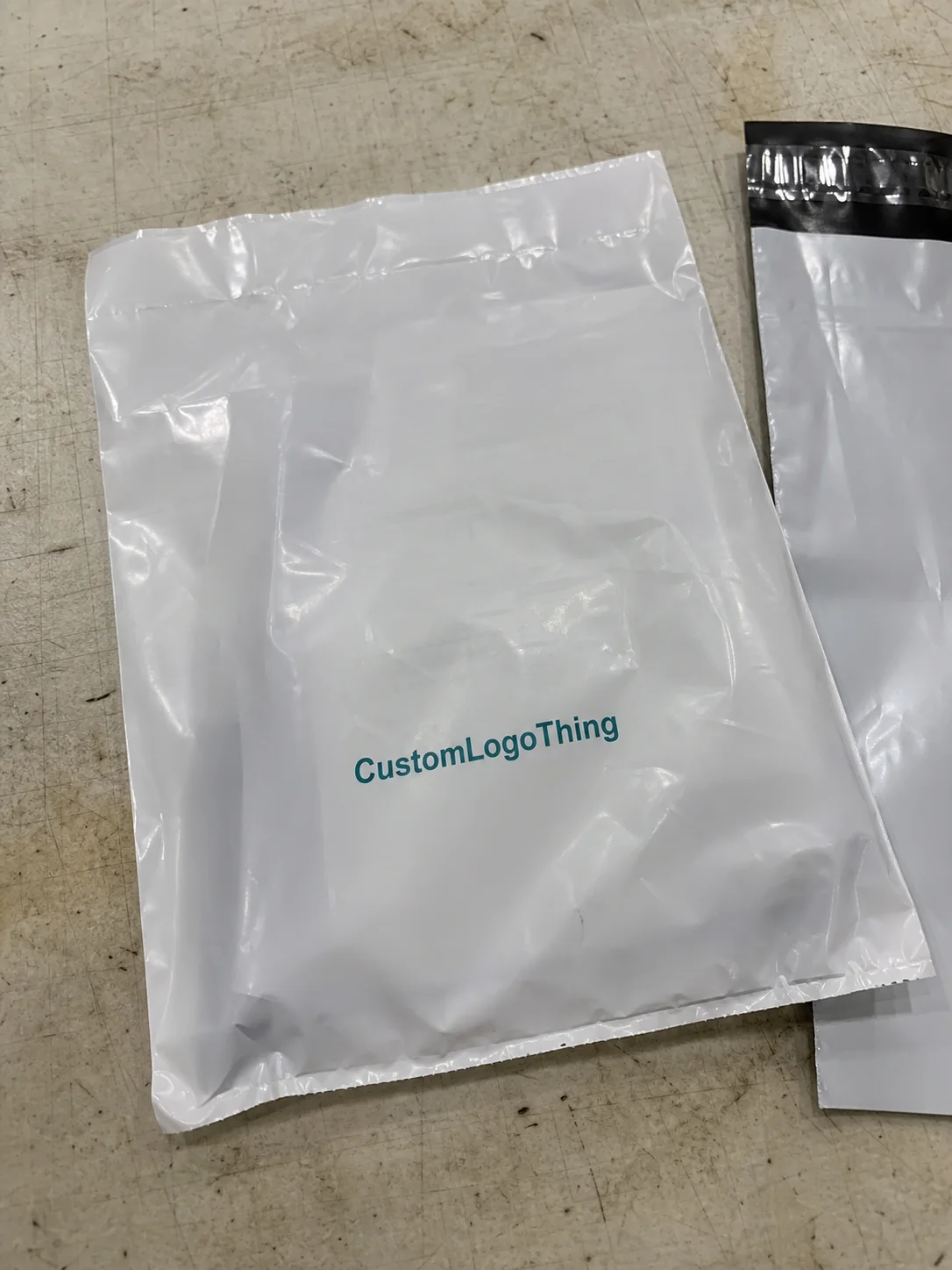
Teams usually spend weeks tightening product packaging, finalizing packaging design, and checking inserts, then they approve the mailer in a rush because it seems like a simple shipping accessory. That is a mistake. The mailer is not just a sack; it is a branded surface, a handling layer, and a logistics component at the same time.
In practice, a strong launch can still feel cheap if the bag arrives with weak seals, low-opacity film, or artwork that shifts after the fold line. If the mailer tears in a fulfillment cart or creases badly on a conveyor, the customer experiences the problem before they ever see the product. A launch package has to work in photos, in packing, and in transit. Miss one of those environments and the whole presentation slips.
From a buyer's point of view, the bag has to satisfy three separate audiences:
- The brand team, which cares about color, logo placement, and the feel of the finish.
- The warehouse team, which cares about opening speed, seal reliability, and packing consistency.
- The carrier or end customer, which cares about durability through sorting, stacking, and delivery.
If one of those groups is ignored, the launch usually pays for it later through reprints, service tickets, or product returns. I have seen teams save a few cents per unit on the wrong spec, then spend far more fixing damaged orders and emergency replenishment. The cheapest mailer is not cheap if it causes a launch delay.
For broader packaging standards and materials context, two references are worth keeping on hand: the ISTA test standards for transit performance and the Association for Packaging and Processing Technologies for industry guidance.
How custom poly mailers are built and printed
A mailer looks simple from the outside, but the construction has more variables than many buyers realize. Film gauge, resin blend, seal design, and ink method all affect how the bag performs and how it presents on shelf or at the doorstep. For a retail launch, those details matter because the outer pack becomes part of the brand story.
Most Custom Poly Mailers use coextruded polyethylene film. That layered construction can improve toughness, puncture resistance, and moisture resistance while keeping the bag light. Typical film thickness ranges from about 2.5 mil to 4.0 mil for many retail programs, though heavier goods or premium presentation sometimes call for more. The closure may be a self-seal strip, a tamper-evident flap, or a dual-seal structure, depending on how the bag will be packed and opened.
Printing is where retail presentation either comes together or falls apart. Flexographic printing is common for efficient repeat runs, while gravure can support high detail and large coverage, depending on the project setup. What matters most is not the label on the press method; it is whether registration stays tight, ink density stays even, and the bag holds good opacity across the printed and unprinted areas.
There are also design constraints that catch teams off guard. Logos can distort near seams, busy patterns can shift around gussets or folds, and small legal text can become hard to read if it is placed too close to the edge. Safe zones, bleed allowances, and seam allowances need to be built into the artwork file before proofing. If the design was created for a flat carton or a rigid sleeve, it may not translate well to a flexible film surface.
For brands that also use Custom Packaging Products across cartons, inserts, and retail shipper kits, it helps to treat the mailer as part of the same visual system rather than an afterthought. A branded shipping bag should feel like it belongs to the rest of the package branding.
The production quality checklist that actually catches problems
This is the heart of the retail launch custom Poly Mailer Bags production quality checklist. Before you approve a run, the sample has to prove that the bag fits, seals, prints, and ships the way your launch needs it to. A pretty proof is not enough. A good sample has to survive real handling.
Size and fit
Test the actual product, any tissue or inserts, and the final packing method. A mailer that is too tight can slow the line and stress the seal; a bag that is too large can make the order look sloppy and increase shipping waste. The right fit should leave just enough room for the item to slide in without overhang or awkward bunching. If your SKU mix is broad, check the largest and smallest expected packs, not just the hero product.
Film strength and seal performance
Ask for film gauge and check how the bag behaves under handling. Tear resistance, puncture resistance, and seal integrity are the real protective measures here. A self-seal strip should close cleanly and stay closed after being pressed down once, not require repeated effort. For transit-sensitive launches, it is reasonable to request a simple handling test or drop test based on the product weight and route risk, and to compare the result with ISTA procedures.
Print quality
Look at print registration, sharpness, opacity, and color consistency across multiple samples. One attractive bag is not enough; you need to see how the run behaves as a set. Spot colors should sit within a tolerable range of the approved proof, and fine type should remain legible at the smallest size you plan to print. If the graphic sits near a fold or the seal edge, check it under real packing conditions rather than on a flat art mockup.
Function and handling
Does the bag open easily with gloved hands? Does the closure grab cleanly? Does the film feel too slick for fast packing, or too stiff to fold? These details are not cosmetic. They affect throughput and consistency on the warehouse floor. A bag that feels elegant in a photo may be irritating at scale if it slows pickers down by even a few seconds per order.
Compliance and logistics
If the bag uses recyclable claims, clarify what those claims actually mean and whether the structure matches local rules and your market expectations. If sustainability is part of the launch story, make sure the material language is accurate and supportable. The EPA has useful guidance on packaging and waste reduction at epa.gov, and FSC certification may be relevant if the launch also includes paper-based components through fsc.org. Even though poly mailers are plastic film, the larger packaging system should still be checked for claims accuracy and disposal guidance.
| Mailer Option | Typical Use | Approx. Unit Price | Quality Risk |
|---|---|---|---|
| Stock-style custom print, one color | Simple retail launch test | $0.18-$0.28 at 5,000 pieces | Lower visual risk, moderate strength |
| Midweight branded mailer, 2-4 colors | Mainstream DTC and retail ship programs | $0.24-$0.42 at 5,000 pieces | Balanced cost and presentation |
| Premium full-coverage mailer | High-visibility launch or giftable retail pack | $0.38-$0.68 at 5,000 pieces | Higher print and setup sensitivity |
The numbers above are directional, not fixed. Film thickness, print coverage, bag size, and closure style can move pricing quickly. Still, they are useful because they force the discussion away from vague budget talk and toward the real tradeoffs that affect retail packaging quality.
Production steps and timeline from proof to delivery
Good launches do not happen by accident. They move through a disciplined chain: brief, dieline review, artwork setup, proofing, sample approval, production, inspection, packing, and shipment. If one stage is compressed too much, the next one inherits the risk.
The most common delay points are easy to predict. Artwork changes after the proof is already prepared. Pantone references are missing or approximate. Structural tweaks arrive after the plates or cylinders are already underway. Then a revised sample is requested, which pushes the calendar again. None of that is unusual, but it does mean a launch team should protect enough time for corrections.
For a straightforward custom mailer with limited colors and stable dimensions, lead times often run around 12 to 15 business days after proof approval, plus freight. More customized projects, such as full-coverage prints or special finishes, may need more time. Add extra cushion if the launch depends on a tight retail date, because receiving, kitting, and internal inspection usually take longer than people estimate on the first pass.
Here is the sequence I would want a buyer to follow:
- Confirm the final dimensions and product fit.
- Approve the artwork only after it is checked against the dieline.
- Review a digital proof and, when possible, a physical sample.
- Run a pilot pack through the actual fulfillment flow.
- Approve full production only after the sample and process test pass.
That sequence may sound cautious, but it saves real money. A launch bag is not just a printed object; it is a scheduled input to your warehouse and distribution plan. If your team expects 8,000 bags to arrive, be inspected, and be ready for kitting in a narrow window, the supplier's timeline has to match that reality. The retail launch Custom Poly Mailer Bags production quality checklist should therefore include dates, not just specs.
Cost, pricing, and MOQ decisions that affect launch quality
Price is always part of the conversation, but it should be handled as a total landed cost problem, not a unit-cost obsession. A bag that costs less per piece can still become the most expensive choice if it tears, prints poorly, or causes returns. That is especially true for retail launches where the outer pack is visible in content, unboxing, and social sharing.
MOQ decisions have a direct effect on both quality and risk. Lower minimums let you test a new design or product line without overcommitting inventory, while larger runs can bring the unit cost down enough to justify stronger film, better print coverage, or a more premium closure. The right answer depends on how proven the launch is and how much variability your forecast carries.
There are also hidden costs that buyers sometimes leave out of the first quote comparison:
- Plate or cylinder setup fees.
- Freight and import charges.
- Extra samples for internal sign-off.
- Palletizing, carton labeling, and special packing instructions.
- Overage for spoilage, testing, and launch-day backup.
A small overage is usually worth budgeting. If a launch needs 5,000 bags, ordering a modest extra quantity can prevent a panic reorder if a few cartons fail receiving or if the first packing run reveals a fit issue. That kind of buffer is boring, but it is the kind of boring that protects a launch.
From a procurement point of view, compare quotes like this: bag size, gauge, print colors, closure style, artwork coverage, and approval support. Those variables explain more than the headline price does. If a supplier can show tighter QC and clearer proofing, that may be a better deal than a lower quote from a rushed production path. The same thinking applies whether you are buying one shipping format or coordinating across Custom Poly Mailers and other branded packaging SKUs.
| Cost Driver | What It Changes | Why It Matters |
|---|---|---|
| Film gauge | Durability and feel | Thicker film usually improves puncture resistance |
| Print colors | Setup and run cost | More colors can increase plate and press complexity |
| Mailer size | Material usage and freight | Larger bags cost more to make and ship |
| Closure style | Conversion and handling | Self-seal, tamper-evident, and specialty closures change performance |
Common mistakes that create defects or delays
The same defects show up again and again, and most of them are preventable. The first is using artwork made for a rigid box or a flat label and expecting it to behave on flexible film. Poly bags move, stretch, and fold. Artwork that ignores that movement can end up looking distorted or crowded.
The second mistake is approving color from a screen only. Monitors are useful, but they do not replace a printed proof under the lighting conditions your receiving team will actually use. Brand color on retail packaging should be checked in real light, because even small shifts can make the launch feel inconsistent with your core brand assets.
The third issue is neglecting the seal and puncture tests. If the seal opens too easily or the film weakens at a corner, the mailer may fail during packing, stack pressure, or final delivery. A bag that splits on a conveyor can create more labor damage than a whole carton of missing inserts.
The fourth issue is warehouse friction. Static cling, slippery film, awkward opening, and unclear pack instructions can all slow the line. People think of packaging as a design problem, but at scale it is also a labor problem. If the pack is annoying to use, the warehouse will find a way to remind you.
“If the sample works only when handled gently on a desk, it is not ready for a launch line. The bag has to survive the pace of the warehouse, not just the approval meeting.”
Last, there is the timeline reset problem. Once specs change after approval, the project often has to cycle through proofing and production again. That can force a tighter freight choice, which costs more and increases receiving risk. If your retail packaging calendar is already narrow, one late change can ripple across the whole launch.
Practical tips for a cleaner first run
Start with a production sample or press proof and compare it against the final artwork using the same lighting, packing method, and product weight expected in the launch. That sounds basic, but it catches a lot of issues that digital proofs never will. If the bag is supposed to feel premium, inspect the finish with the actual product inside, not empty on a table.
Ask the manufacturer for a simple QC sheet. I would want dimensions, seal integrity, print registration, opacity, closure performance, and pack count listed plainly. Good suppliers usually have this information ready; if they do not, you should ask anyway because it tells you how seriously they manage the run.
Run a small pilot batch through your real workflow. You do not need a full warehouse rehearsal, but you do need enough units to see how the bag behaves under speed, stacking, and handling. A trial of a few hundred pieces can reveal whether the opening is too slow, the seal strips too aggressive, or the print vulnerable to scuffing.
Keep files tight. Use one approved dieline, one approved artwork version, and one color reference set. Revision control is not glamorous, but it prevents the wrong file from reaching production. The more people touch packaging design, the more discipline you need around file naming and approval history.
If the launch date is tight, choose functional consistency over decorative complexity. A dependable mailer usually protects the brand better than an overdesigned one that fails in packing. That does not mean your branded packaging should be plain; it means the basic structure, finish, and print quality should win the argument before extras do.
For teams building a coordinated launch across multiple formats, it helps to keep the outer shipper, inserts, and mailer aligned in tone and material logic. The more your retail packaging family looks like one system, the stronger the brand feels across the unboxing path.
Final approval check before you release the order
Before you sign off, build a one-page approval sheet that lists dimensions, film gauge, print specs, closure style, pack quantity, acceptable color variation, and timeline milestones. If you prefer to manage the process through the retail launch custom Poly Mailer Bags production quality checklist, that sheet becomes your final gate before production starts.
Then do a hands-on check with the product inside. Photograph any issue clearly, note where it appears, and tie the note to a specific fix. Vague feedback slows suppliers down; precise feedback moves production forward. If the fit is off by even a few millimeters, say so. If the seal needs more pressure than your staff can realistically apply, say that too.
After that, confirm the freight method and receiving requirements. A bag that arrives on time but cannot be inspected, counted, or kitted is not really on time. Retail launches depend on more than factory output; they depend on warehouse readiness, distribution timing, and enough buffer for a clean receiving process.
One more point buyers often miss: define your reorder trigger based on sell-through, not fear. Waiting until the inventory is nearly gone puts pressure on every production variable, and pressure is where quality usually slips. A planned reorder gives you time to repeat the same approved specs instead of improvising under deadline.
Used correctly, the retail launch Custom Poly Mailer bags production quality checklist protects the launch from avoidable mistakes in print, seal, size, and transit behavior. It also makes the conversation with suppliers more concrete, which is usually the fastest route to better results. If the sample, spec sheet, and timeline all agree, the order is ready.
What should be on a retail launch custom poly mailer bags production quality checklist?
Include dimensions, film gauge, closure strength, print registration, color accuracy, logo clarity, puncture resistance, seal integrity, and approval of the artwork and timeline before production starts.
How do I check if custom poly mailer bags are strong enough for shipping?
Test the filled bag with the actual product weight, check seams and seals, and simulate the handling it will see in packing, stacking, and carrier transit. Ask for material specs and sample verification before approval.
What affects pricing for retail custom poly mailer bags most?
Bag size, film thickness, print complexity, order quantity, and added features like specialty closures or finishes are the main drivers. Freight, sampling, and setup fees can change the total landed cost too.
How long does production usually take for custom poly mailer bags?
Timing depends on artwork readiness, sample approval, and print method. Simpler runs often move faster, while full-coverage or highly customized mailers usually need more time for proofing, production, and freight.
What are the most common mistakes in custom poly mailer production?
The biggest mistakes are approving artwork without checking the actual bag size, skipping color proof review under real lighting, ignoring packing workflow issues, and changing specs after approval.