Rainy Deliveries Make Packaging a Cost Decision
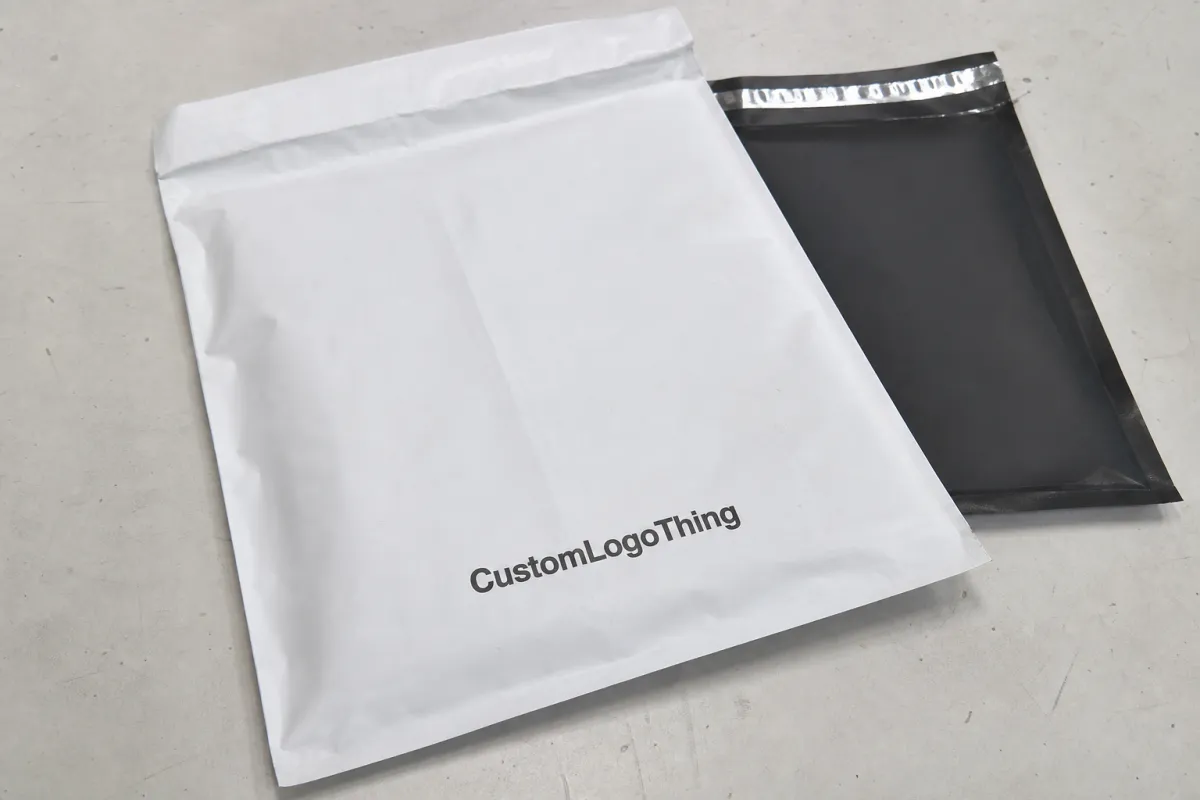
A cotton hoodie lands on a porch during heavy rain. The customer opens it dry, clean, and ready to wear. That small win is the reason buyers look for a waterproof apparel mailers Unit Cost Breakdown. They are not only chasing the cheapest bag. They are trying to see which film, thickness, print, adhesive, and order quantity protect both the shipment and the margin behind it.
One weak seam can turn a low-cost package into a return, a replacement order, a support ticket, and a public complaint. A few cents saved on the wrong mailer disappears fast if the bag splits in a carrier hub or the adhesive strip peels open after sitting in a cold truck overnight. Packaging math gets ugly quickly. No spreadsheet likes damaged goods.
Waterproof poly mailers are a sensible fit for apparel because they reduce carton use, control dimensional weight, keep garments clean during normal parcel handling, and give customers a branded first impression without overbuilding the package. They work especially well for T-shirts, hoodies, leggings, socks, uniforms, accessories, and other soft goods that do not need rigid crush protection.
Plain definition: in this category, “waterproof” usually means the polyethylene film resists rain, splashes, damp sorting belts, and typical delivery exposure. It does not mean the mailer is a submersible dry bag. It is not long-term outdoor storage. If a package sits in standing water, all bets are off.
A good apparel mailer does not need to be fancy. It needs to be sized right, sealed right, printed cleanly, and strong enough for the route your product actually travels.
The useful cost map separates material, print, closure, size, order volume, freight, and quality checks so purchasing teams can compare quotes line by line. If those parts are hidden inside one flat number, the buyer has very little control over the final decision.
Product Details That Affect Mailer Performance
Custom Waterproof Apparel Mailers are flexible polyethylene shipping bags made for soft products. Most are produced from LDPE, co-extruded PE, recycled-content PE where available, or opaque film structures that keep the garment hidden during transit. Buyers often start with logo placement and color. Fair enough. But real performance comes from film structure, seal strength, and closure quality.
Thickness matters, but not in isolation. A leaner film may be fine for one lightweight shirt, especially on a domestic route where the mailer is not stuffed tight. Bulky fleece, denim, multi-item orders, and subscription bundles usually need more puncture resistance, stronger side seals, and a closure that does not lift when the bag is compressed under other parcels.
The adhesive strip is both a labor factor and a cost factor. A clean peel-and-seal closure helps packers move quickly because they do not need tape, glue, or extra handling. Stronger adhesive, wider release liners, tamper-evident layouts, and dual-strip return closures can raise the unit price, but they may reduce repacks and customer complaints. That tradeoff is often worth pricing both ways instead of guessing.
Brand presentation can stay practical. One-color logos are usually more economical than full-coverage artwork. Flood prints, matte or gloss effects, QR codes, return instructions, suffocation statements, and barcode zones can all be added, but each choice needs to match the print method and the flexibility of the film. Poly moves. Ink has limits. Registration tolerances are not decorative fine print.
Operational fit is just as real as the artwork. A bag that is too large uses extra resin, costs more to ship in bulk, looks loose in the customer’s hands, and can waste carton or bin space in the fulfillment area. A bag that is too tight creates seam stress and slows packing. For buyers comparing Custom Poly Mailers, the best starting point is the folded garment stack, not the flat garment measurement.
A useful quote should show how these product details change the final price. Film type, opacity, gauge, closure style, and print coverage should be named clearly. “Custom Printed Mailer” is not a specification. It is a placeholder.
Specifications to Lock Before Requesting a Quote
Accurate pricing starts with accurate specifications. Before asking for bulk pricing, lock the finished width, finished length, lip size, film thickness, material color, opacity target, adhesive style, print colors, artwork coverage, and packed quantity per carton. Missing details create soft quotes. Soft quotes usually change later, right when nobody wants them to.
Size selection deserves real measuring. Garment thickness after folding matters more than the flat dimensions of the shirt or hoodie. Measure the packed stack, allow enough room for insertion, and avoid adding two extra inches “just to be safe” unless the packing team truly needs it. Extra film is not free. It increases resin use, carton volume, storage space, and sometimes freight.
Film thickness is usually discussed in mils or microns, depending on the supplier’s format. Lightweight apparel may work in a leaner gauge. Denim, hoodies, outerwear, and multiple garments per order often justify a heavier structure. Many buyers choose thickness by feel alone, which is risky. A bag can feel substantial on a desk and still fail if the side seal is weak or the fill is too tight.
Side seals need enough strength to survive automated sorting, compression, corner stress, and twisting through conveyor turns. Ask how seals are checked. Basic seal pull tests, dimension checks, and adhesive tack checks give more confidence than a pretty proof alone.
Print specifications also change cost. A simple spot-color logo usually prices differently from heavy ink coverage, flood coats, gradients, or tight color matching against a Pantone standard. Poly film stretches slightly under tension, so registration tolerances should be realistic, especially on large repeat patterns or artwork that wraps close to the seal.
Compliance copy should be settled before proof approval. Suffocation warnings, recycling marks, country-specific language, barcode readability, and marketplace packaging rules can affect layout. Buyers shipping through larger retail or marketplace channels should review those requirements early. For broader packaging performance references, groups such as the Packaging Machinery Manufacturers Institute and testing bodies such as ISTA are useful starting points.
Waterproof Apparel Mailers Unit Cost Breakdown: MOQ, Materials, and Quote Variables
A practical Waterproof Apparel Mailers Unit Cost Breakdown is built from film weight, converting labor, printing setup, ink coverage, adhesive, cartons, packing labor, quality inspection, and freight. The exact price depends on the project, but the logic behind the quote should be visible.
Bag size is usually the first driver. A larger mailer consumes more resin, takes more room in cartons, and can increase shipping weight. Film thickness comes next. Moving up in gauge may improve puncture resistance and seam performance, but it also increases material use. Print adds another layer: more colors, heavier coverage, tighter registration, and special finishes can increase setup charges or production time.
MOQ matters because custom production needs enough volume to justify material setup, press time, converting setup, and packing. A very small custom run spreads fixed costs across fewer pieces, so the unit cost rises. Stock-size programs, simplified artwork, or one-color print options may be more practical for first orders.
| Cost Driver | Typical Buyer Choice | How It Affects Cost Per Piece | Practical Guidance |
|---|---|---|---|
| Bag size | 10 x 13 in, 12 x 15.5 in, 14.5 x 19 in | Larger sizes use more film and increase carton volume | Measure the folded product stack before selecting size |
| Film thickness | Lean, standard, or heavy-duty gauge | Thicker film raises resin weight and freight weight | Match gauge to garment weight and route risk |
| Print coverage | One-color logo to full-coverage artwork | More ink and setup can raise unit cost | Use strong placement instead of unnecessary flood coverage |
| Closure | Single peel-and-seal or dual return strip | More complex closures can add material and labor | Choose return strips only if they support the customer flow |
| Quantity | Small custom run to larger reorder volume | Higher quantity spreads setup charges across more units | Compare MOQ, reorder timing, and warehouse space together |
As a planning reference, simple custom poly apparel mailers often land in the low cents to mid-teens per piece at higher volumes, while larger bags, heavier film, complex print, return strips, or lower quantities can push the number higher. That is a range, not a promise. Resin pricing, freight, exchange rates, duties, and production availability can move the final quote.
The lowest unit price is not always the lowest delivered cost. Oversized mailers, weak adhesive, high defect rates, or expensive freight can erase savings quickly. A $0.02 difference per bag sounds meaningful on a spreadsheet, and at volume it is. Then one damaged hoodie replacement consumes the savings from hundreds of under-specified mailers. Annoying, but true.
Ask whether pricing includes artwork proofing, plates or setup, sampling, inner packing, cartons, quality inspection, duties where applicable, and delivery to the warehouse. Ex-factory pricing and delivered pricing are not the same thing. A quote that looks cheap before freight may not survive landed-cost comparison.
Custom Logo Things can help adjust size, film gauge, print coverage, and order quantity to reach a target cost without quietly removing the features that protect the shipment. That is the value of a proper breakdown: the savings are visible, and so are the tradeoffs.
Production Process and Lead Time
The production path is straightforward when the specifications are complete. It usually moves through spec confirmation, artwork review, dieline or layout preparation, digital proof, material planning, printing, coating or lamination if used, bag converting, adhesive application, quality checks, packing, and shipment.
Artwork review is more than placing a logo on a rectangle. Vector files are checked for clean edges. Pantone references are reviewed if color matching is requested. Bleed, safety zones, barcode placement, warning text, and print direction are confirmed before production begins. A small missed detail at proof stage can become a large problem once thousands of bags are converted.
Sampling depends on risk. A digital proof is fast and may be enough for a repeat order or a simple one-color logo. A pre-production sample gives more confidence for color, film feel, closure placement, opacity, and finished size. Physical sampling is worth considering when a new brand standard, premium garment, or high-volume launch depends on the package looking and performing exactly as expected.
Lead time depends on order quantity, print complexity, material availability, proof approval speed, sampling requirements, and shipping method. A simple run can move faster than a full-coverage printed bag with a custom size and special closure. Buyers should also account for internal approval time. Many delays happen before production release, not on the converting floor.
Common slowdowns include late artwork changes, unclear size specifications, missing compliance copy, unapproved color standards, and destination changes after cartons are packed. Finalize the specification sheet internally before giving release. Even a small change to thickness, print coverage, or adhesive style can require a revised quote and a new proof.
For cost planning, lead time is not separate from price. Rush freight, rework, delayed launch inventory, and last-minute substitutions all affect the real economics of a packaging order.
Quality Checks That Protect Apparel and Margin
Water resistance is only one part of quality. The mailer also needs to seal properly, resist tearing, maintain print legibility, and run smoothly at the packing station. A bag can look fine flat on a conference table and still split when stuffed with a fleece hoodie.
Useful inspection points include film gauge consistency, finished dimensions, side-seal strength, adhesive tack, release liner removal, print registration, ink adhesion, opacity, carton count, and packed orientation. If cartons arrive with inconsistent bundle counts or bags facing different directions, fulfillment teams lose time during seasonal spikes. That kind of small operational mess becomes expensive when order volume jumps.
Adhesive performance deserves special attention. Some strips behave well in a warm office and poorly in cold storage. Others seal fine at first but lift when the package is compressed. For apparel mailers, the closure should be tested with the actual fill level, not only on an empty bag. Empty-bag testing is easy. It is also not how the package ships.
Print expectations should be realistic. Flexible poly can move slightly during printing and converting, so color matching, registration, and ink coverage need tolerances. Heavy ink coverage may look strong, but ink adhesion still has to be right for the film surface. Rub tests and tape tests can help flag weak ink bonding before cartons ship.
Opacity is another practical check. Thin or lightly colored film may show garment color, invoice sheets, or return labels through the bag. That may not matter for some brands. For others, it creates privacy concerns or a cheaper presentation than intended. Opaque white, gray, or black interior layers can improve concealment, but they affect material structure and price.
Quality has a direct link to cost. Spending slightly more on the right gauge, seal, and adhesive can prevent returns, repacks, support tickets, and damaged brand perception. A cheap untested bag is not the same product as a controlled production run. Pretending they are equal is how packaging budgets get ambushed later.
What to Expect From a Practical Mailer Supplier
A practical apparel mailer supplier should ask more than “What size and logo?” The better conversation covers garment type, order volume, artwork, fulfillment conditions, delivery route, return process, and budget target. Those details decide whether the mailer can be manufactured consistently and packed efficiently.
Instead of quoting one default bag and calling it done, the supplier should be able to compare size, gauge, print coverage, closure, and quantity options. Buyers need to see where each cost change comes from. That helps an emerging apparel brand control its first custom run, and it helps an established ecommerce team plan repeat orders with better carton efficiency and tighter brand standards.
Manufacturing awareness matters. Film behavior, sealing, printing limits, adhesive placement, carton packing, and freight all affect the finished package. A custom mailer has to work on the packing table and in the parcel stream, not just in a mockup.
Custom Logo Things supports apparel mailer projects by helping buyers turn practical shipping needs into clear specifications. The goal is not to oversell the thickest or flashiest bag. The goal is to match the mailer to the garment, shipping risk, budget, and reorder plan. Related formats are available through Custom Packaging Products if a shipment needs tissue, insert cards, labels, cartons, or other brand elements around the mailer.
Clear quote details, proof review, specification confirmation, and practical artwork guidance reduce back-and-forth before production. That saves time. In packaging buying, saved time often prevents rush charges and ugly freight decisions.
Details to Prepare Before Ordering
Start with the package you actually ship. Confirm garment types, folded product dimensions, average item count per package, desired bag size, target film thickness, print colors, artwork files, delivery location, and requested in-hand date.
Prepare two or three scenarios if budget is still open. A lean option can work for lightweight shirts. A standard option may be better for mixed apparel orders. A heavier option can be reserved for bulky, higher-value, or rougher-route shipments. Comparing those scenarios keeps the unit cost tied to real protection instead of vague preference.
- Send quantity: Include the first order quantity and expected reorder volume so MOQ and bulk pricing can be reviewed together.
- Send size details: Provide the current mailer size or folded garment measurements, including thickness after folding.
- Send artwork: Vector logo files, Pantone references, print direction, and QR or barcode requirements speed up proofing.
- Send closure needs: State whether the order needs a single seal, dual return strip, tamper-evident feature, or marketplace packaging requirement.
- Send delivery details: ZIP code or destination country helps calculate delivered cost, not only factory unit price.
Ask for delivered cost, not only unit price. Freight, carton count, dimensional efficiency, duties, and packing configuration can change the true landed cost of the order. A complete quote should make those assumptions clear enough for purchasing, operations, and finance to review the same numbers.
For a line-by-line waterproof apparel mailers Unit Cost Breakdown, send Custom Logo Things the current mailer size or folded garment measurements, target order quantity, logo artwork, preferred closure, and delivery ZIP or country. Then ask the team to show Material, Print, MOQ, setup charges, quality assumptions, and freight separately. That is the cleanest way to compare options without confusing cheap with cost-effective.
FAQs
What is included in a waterproof apparel mailer unit cost breakdown?
A useful breakdown separates film material, bag size, thickness, printing, setup or plate costs, adhesive closure, packing, quality inspection, freight, and any duties or delivery charges that affect landed cost. Ask whether the quoted unit price is ex-factory, delivered to port, or delivered to your warehouse. Those are different numbers, and purchasing should not have to guess.
What MOQ should I expect for custom waterproof apparel mailers?
MOQ depends on size, print method, artwork coverage, and material selection because custom production requires setup time for film, printing, converting, and packing. If the first order is small, ask about stock sizes with custom print options or a simplified one-color design to keep setup costs under control.
How does film thickness change waterproof apparel mailer pricing?
Thicker film uses more resin and increases shipping weight, so it usually raises unit cost. It can also improve puncture resistance and seam performance for bulky apparel. The right gauge should be based on garment weight, package fullness, handling risk, and brand expectations rather than choosing the thickest film by default.
Can printed apparel mailers still be waterproof?
Yes. Printed polyethylene mailers can maintain water resistance when the film, ink system, seals, and adhesive closure are specified correctly. Heavy ink coverage, poor ink adhesion, or weak side seals can create performance issues, so proofing and quality checks matter as much as the base material.
How can I lower the unit cost of waterproof clothing mailers without hurting quality?
Start by right-sizing the bag, simplifying print coverage, confirming a practical film gauge, and ordering enough quantity to spread setup costs across more units. Do not cut cost by undersizing the mailer, weakening the adhesive, or removing necessary thickness for heavy garments. Those choices can create returns and repacking costs that wipe out the savings.


