Buyer Fit Snapshot
| Best fit | Branded Carton Inserts Wholesale for Custom Packaging projects where brand print, material claims, artwork control, MOQ, and repeat-order consistency need to be specified before quoting. |
|---|---|
| Quote inputs | Share finished size, material target, print colors, finish, packing count, annual reorder estimate, ship-to region, and any compliance wording. |
| Proofing check | Approve dieline scale, logo placement, barcode or warning zones, color tolerance, closure strength, and carton packing before bulk production. |
| Main risk | Vague material claims, crowded artwork, missing packing details, or unclear freight terms can make a low unit price expensive after revisions. |
Fast answer: Branded Carton Inserts Wholesale for Custom Packaging should be specified like a repeatable production item. The safest quote records material, print method, finish, artwork proof, packing count, and reorder notes in one written spec.
Production checks before approval
Compare the actual filled-product size with the drawing, then confirm tolerance on folds, seals, hang holes, label areas, and retail display edges. Reserve space for logos, QR codes, warning copy, and material claims before decorative graphics fill the panel.
Quote comparison points
Review material grade, print process, finish, sampling route, tooling charges, carton quantity, and freight assumptions side by side. A quote is only useful when the supplier can repeat the same color, closure quality, and packing count on the next order.
Branded carton inserts wholesale solves two problems that usually show up together: products move around in transit, and the carton opens like nobody cared how the inside looked. A well-built insert handles both. It keeps the product in place, protects the corners, cuts down on loose filler, and makes the package feel intentional the second the customer opens it. That sounds simple. It is not. One insert can affect damage rates, pack speed, and perceived value all at once.
From a buyer's point of view, the math is brutally practical. Dead space costs money. Damage claims cost money. Extra void fill costs money. So does time spent re-packing orders because a part arrived crooked, scuffed, or broken. The right insert design can reduce all of that while also making the product look more finished on a retail shelf, in a subscription box, or at the end of a direct-to-consumer shipment. If you are comparing options across multiple SKUs, our Wholesale Programs page is a useful starting point, and our Case Studies show how different insert formats perform in actual packaging programs.
This page is a practical look at formats, materials, pricing, production timing, and the buying steps that keep a project moving without the usual back-and-forth. If you are evaluating branded carton inserts wholesale for the first time, the goal is not to build the fanciest insert in the building. The goal is to choose the simplest structure that protects the product, fits the carton, and makes the brand look like it planned ahead.
Why branded carton inserts wholesale changes the unboxing math
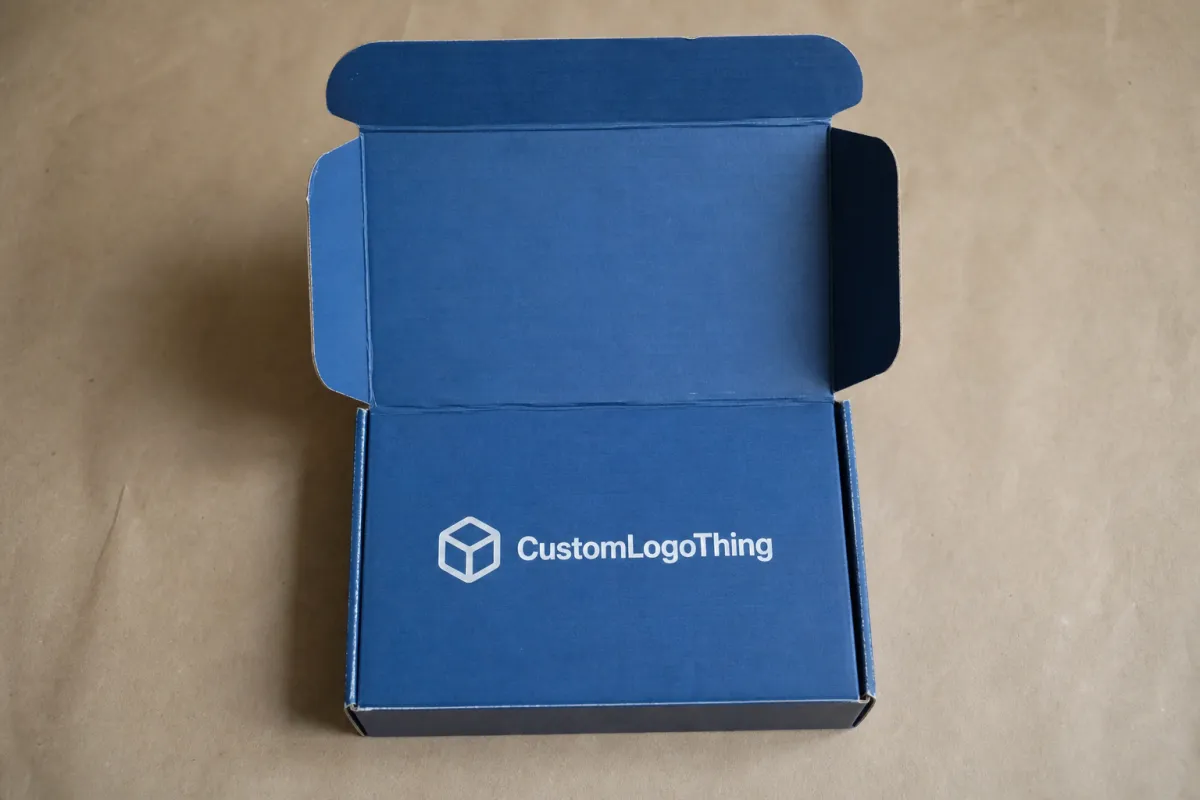
Picture a fragile item arriving in a carton that is technically the right size but badly organized inside. The product may survive. It may even arrive without a scratch. It can still feel cheap if the item rattles, the corners are bruised, or the opening looks like it was assembled in a hurry. That is where a good insert earns its keep. It changes how the carton behaves during shipping, and it changes how the customer judges the package before the product even comes out.
Buyers sometimes think inserts are only about stopping movement. That is too narrow. A well-designed insert can reduce the need for void fill, keep the product centered, speed up packing, and make the carton look tighter instead of bloated. For brands trying to make a smaller box feel premium, those details matter. The customer sees a controlled reveal, a tidy opening sequence, and packaging that feels designed instead of improvised.
Branded carton inserts wholesale becomes especially useful when one structure has to do more than one job. Some teams need the same insert across a family of products. Others need one design that works across different shipping lanes, warehouse conditions, or accessory combinations. A thoughtful insert can handle those variations without forcing a different box for every minor change. Nobody needs that headache, and the warehouse definitely does not.
There is a direct operational benefit too. Fewer damaged corners and fewer product shifts usually mean fewer replacements, fewer support tickets, and less time spent fixing the pack-out process. That is not decorative branding. That is cleaner fulfillment. It is also the difference between a carton that merely holds a product and a carton that does its job all the way through delivery.
"If the insert is doing its job, the carton feels calm in hand. The product does not rattle, the opening looks deliberate, and the packing line does not have to compensate with extra filler."
That balance between protection and presentation is the whole point. Branded inserts do not need ornate shapes or a pile of finishes to work. They need to match the product, the shipping environment, and the budget. When those three line up, the carton gets easier to ship, easier to pack, and a lot more convincing to open.
What branded carton inserts wholesale includes
At a basic level, branded carton inserts wholesale covers a few structural families, and the right choice depends on what the product needs inside the carton. A tuck-style paperboard insert is common for lighter items because it prints well, die-cuts cleanly, and usually stays economical at scale. Die-cut corrugated supports bring more stiffness and make sense when the product needs stronger structure. Molded paper pulp can be a strong option when recycled content and cushioning both matter. For kits or multi-piece packs, compartment structures and partition inserts keep each component in its own lane.
Most buyers look at the appearance first, but the structure is what controls movement. Tabs, folds, locks, friction-fit edges, partition walls, and product nests all affect whether the item stays centered or drifts during shipping. A good insert keeps the load from shifting under vibration, which matters on longer lanes and on routes where the carton gets handled more than once. If the product is sensitive to surface wear, the contact points need to be planned carefully so the insert supports the item without scuffing it.
Branding can show up in several ways without turning the insert into a billboard. A logo on the top panel may be enough for a luxury accessory. A repeating pattern can add texture to a simple tray. Handling cues, QR codes, recycling instructions, or a short product story can also be printed directly on the insert, as long as they do not fight with the product itself. Clear communication beats clutter.
For some packages, the insert works alongside an outer carton and does not need to carry the full visual load. For others, especially direct-to-consumer shipments, the insert is visible as soon as the box opens and becomes part of the first impression. In that case, panel orientation and print placement matter more than people expect. A logo that shows up only after the customer flips the insert over is weaker than one that lands naturally in the opening sequence.
The right format depends on the weight of the item, how fragile it is, how many pieces sit in one carton, and how much of the unboxing experience the brand wants to control. A glass bottle, a phone accessory kit, and a folded apparel set all have different needs. The insert should reflect those differences instead of forcing one structure to do everything. That is usually where bad packaging starts: one overconfident design trying to solve three unrelated problems.
Common insert formats to compare
- Paperboard inserts for lighter products, cosmetic kits, apparel accessories, and retail-ready presentation.
- Corrugated inserts for stronger support, stacked items, and shipping programs where stiffness matters more than decoration.
- Molded pulp inserts for protection, recycled content, and a more natural material story.
- Partitioned layouts for multi-part kits, bottles, jars, and components that must not touch each other in transit.
If you are unsure which structure fits the product, start with the item itself instead of the carton artwork. The insert should be designed around the real dimensions, the real weight, and the real handling conditions, not a rough guess pulled from the outer box size alone. That one decision saves more revisions than people usually admit.
Specifications that affect fit, print, and durability
The most common mistake in insert buying is treating it like a decorative add-on. It is not. A carton insert is a precision piece of packaging, and the specifications behind it influence every result that follows. Internal carton size, product tolerance, item weight, closure clearance, and the space needed for labels or accessories all affect how the insert performs once production begins.
Fit starts with measurement discipline. A carton that is nominally the right size may still be a poor match if the actual internal dimensions are off by a few millimeters, if a closure flap steals space, or if the product has a protruding feature that never made it into the brief. That is why a sample product, CAD file, or exact dimension drawing saves time later. The more the insert is built around the actual object, the less likely it is to shift, crush, or force the carton to bulge.
Material choice is the next big decision. Paperboard caliper matters because it affects both appearance and stiffness. Corrugated flute selection matters because different flutes compress differently. Recycled content can support sustainability goals, but the substrate still has to handle the product's weight and the shipping method. A coated surface can sharpen print detail, while an uncoated surface may fit a natural or minimalist brand story better. None of those choices is automatically right or wrong. They just need to fit the job.
Print requirements should be discussed early, not after the dieline is approved. CMYK artwork with heavy flood coverage behaves differently from crisp line art. Spot colors may be needed for brand consistency. Fine typography, small registration marks, and dense photographic areas all affect press setup and cost. If the insert is mostly hidden, a lighter print approach may be smarter than a fully inked panel. If the insert is visible the second the customer opens the box, print quality and surface finish deserve more attention.
Finishing can also change both cost and feel. Matte coatings usually read as quieter and more refined. Gloss can make color pop but may be too reflective for some brands. Aqueous protection is often a practical middle ground. Embossing, debossing, and foil accents can add texture or emphasis, although they are not always worth the expense on a component the customer sees for three seconds and then tosses aside. The hidden part of packaging should still look good, but it does not need the same finish budget as the outer carton.
Durability testing is where the design gets proven. Compression resistance, vibration behavior, and drop performance matter because the insert has to survive actual shipping stress, not just look nice on a proof. Standards such as ISTA testing protocols and common packaging lab practices based on ASTM methods help buyers make a more objective decision. For fiber-based materials and sourcing considerations, the FSC system is another useful reference point when recycled or responsibly sourced paper is part of the brief.
Packaging teams that work with sustainability targets often also check source reduction and material efficiency guidance from the EPA. That is not only an environmental exercise. It can also reduce shipping weight and lower the amount of material moving through the warehouse. Less material usually means less waste to handle, and warehouse teams notice that immediately.
Specification checklist buyers should request
- Internal carton dimensions and product dimensions, both in millimeters or inches, with tolerances noted.
- Product weight, accessory count, and any fragile zones that need support.
- Material type, caliper, flute style, and recycled content target.
- Print method, color references, and coverage expectations.
- Finish type, assembly style, and any special fold or lock points.
- Testing requirement, such as drop, vibration, or compression validation.
The better these details are defined, the fewer surprises show up during sampling and the fewer revisions are needed once artwork and structure are tied together. That is the part most teams want to skip. It is also the part that saves the most money.
Cost, pricing, and MOQ for branded carton inserts wholesale
Pricing is usually shaped by a small set of variables: material grade, print coverage, structural complexity, tooling, finishing, and quantity. Once those are known, a supplier can usually tell whether the project belongs in a budget lane, a mid-range lane, or a more premium engineered lane. The useful comparison is not just unit cost. It is the value created by lower damage, faster packing, and better presentation.
MOQ tends to follow production efficiency. A simple flat insert with one die can often support a lower minimum than a complex multi-panel insert with several folds, partitions, or specialty finishes. That said, a slightly higher quantity can reduce unit cost in a meaningful way because setup work gets spread across more pieces and the layout can be optimized around sheet yield. Buyers sometimes ask for the smallest possible number, then later discover that a modest increase would have dropped the per-unit price enough to matter.
To get a reliable quote, ask for unit pricing, tooling or die charges, proofing costs, shipping method, lead time, and any storage or split-ship options. If the project includes multiple SKUs, ask whether pricing changes by variant or whether one shared structure can handle several products. That detail matters in wholesale packaging because one insert family can often do the work of two or three separate versions if the tolerances are planned carefully.
| Option | Typical build | Indicative unit price | Best fit | Main tradeoff |
|---|---|---|---|---|
| Budget paperboard insert | Uncoated or lightly printed, simple die-cut form | $0.12-$0.22 at 5,000+ units | Lightweight products, accessory packs, clean presentation | Less stiffness and less impact protection |
| Mid-range corrugated insert | Printed or branded, stronger support panels, custom slots | $0.22-$0.48 at 5,000+ units | Retail shippers, mixed-component kits, moderate fragility | More material and slightly higher box fill volume |
| Premium custom insert | Multi-panel structure, finish options, tight tolerances | $0.48-$1.10+ depending on complexity | Giftable packs, fragile products, high-value presentation | Higher tooling, longer setup, more sample approval steps |
| Molded pulp tray | Formed fiber cavity with protective contours | $0.30-$0.80 depending on tool and size | Protection plus recycled-content story | Tooling investment and more shape constraints |
Those ranges are directional, not fixed. A small insert with heavy ink coverage can cost more than a larger plain insert if the print setup is complex or if the sheet yield is poor. Likewise, a premium-looking insert is not always expensive if it is designed efficiently and the carton dimensions make sense. Waste in the layout often costs more than the branding itself.
Buyers should also separate the cost of the insert from the cost of the whole pack-out system. If a stronger insert eliminates void fill, reduces labor, and lowers damage claims, its true cost may be lower than a cheap option that creates problems downstream. That is why price should be judged against pack speed and protection performance, not just the invoice line. Cheap can be expensive. Usually is, eventually.
If you are building a larger rollout or reviewing multiple product families, our Wholesale Programs page can help you compare order structures and reordering logic before you lock the design.
Where cost usually rises
- More print coverage, especially on both sides.
- Tighter tolerances for fragile or odd-shaped products.
- Partitioning or multi-piece inserts.
- Special finishes like foil, embossing, or soft-touch coatings.
- Multiple SKUs that need separate dielines or artwork versions.
Process, timeline, and production steps
A well-run insert project usually follows a predictable path, and the cleaner the brief, the faster it moves. First comes the product review: dimensions, weight, fragility, and carton size. Then the supplier builds or adjusts the dieline, checks the fit, and aligns the structure with the print layout. After that comes artwork review, proof approval, production, finishing, and final packing for shipment.
Delays show up for familiar reasons. Measurements arrive incomplete. Artwork keeps changing after the dieline is already set. Color references are vague. A structural sample gets requested late. None of that is exotic, but each one burns time. In packaging, precision is faster than guessing.
Turnaround changes with complexity. A straightforward insert with simple print and no specialty finish may move faster than a multi-panel pack with coatings or detailed internal structures. If a physical sample is required before the full run, add that time up front instead of pretending it can be skipped. For buyers managing launches, that distinction matters because sampling can be the difference between a controlled rollout and a rushed one.
The cleanest way to keep the schedule moving is to provide final artwork early, send a sample product or detailed drawing, and state the delivery window before the quote is finalized. When everyone is working from the same measurements and the same expectations, the production team can focus on solving the packaging instead of chasing missing details.
For custom inserts, the fastest timeline is usually the one that starts with the best brief. Clear dimensions, a final product sample, and a realistic quantity give the production team room to make the package fit correctly the first time.
It also helps to remember that custom inserts are not generic carton accessories. They are built around the product, the carton, and the shipping environment. That is why planning ahead pays off. When buyers allow enough time for proofing and structure checks, they usually end up with better fit, cleaner graphics, and a more stable wholesale order.
A simple production sequence
- Gather product dimensions, carton size, and quantity targets.
- Select substrate and print approach.
- Build or revise the dieline and cavity layout.
- Review artwork and structural proof separately.
- Approve sample or prototype if needed.
- Produce, finish, inspect, and pack for shipment.
Why choose us for branded carton inserts wholesale
What matters most in a packaging partner is not how polished the proposal sounds. It is whether the insert fits the product, protects it during shipping, and supports the packing operation without creating extra work. That is the standard we apply to branded carton inserts wholesale. The conversation should start with function, then move to print, finish, and volume efficiency.
We pay close attention to custom sizing, prepress communication, and structural guidance because those are the details that save buyers time. A good insert should assemble cleanly, hold the product securely, and match the brand tone without being overdesigned. That approach is especially useful for teams balancing multiple product categories, such as fragile retail items, subscription kits, accessory packs, and mixed-SKU shipping programs where the internal structure matters as much as the outside carton.
There is also practical value in straightforward buying support. Wholesale packaging programs work best when lead times are realistic, repeat orders are easy to manage, and the proofing process is clear enough that the customer can approve structure and artwork separately. That cuts confusion and helps the team scale the same insert design without reworking the pack every time the order grows.
For buyers who need a packaging recommendation rather than a sales pitch, that is often the difference between a decent supplier and a useful one. The goal is not to make the insert more complicated than it needs to be. The goal is to make the carton behave the right way, at the right cost, with the least friction in production.
Good packaging support should also be honest about tradeoffs. A paperboard insert may be the best choice for presentation, but corrugated may win for stiffness. Molded pulp may be the better answer if recycled content and protective shaping are both important. There is no universal winner. The best choice is the one that fits the product and the distribution route.
If you want to review how this thinking shows up in real packaging programs, our Case Studies page is a useful reference point. It helps show how structural choices influence the way a pack looks, feels, and performs once it leaves the warehouse.
Next steps to order branded carton inserts wholesale
If you are ready to move forward, start with the facts that define the insert. Send the product dimensions, item weight, carton size, target quantity, print goals, and any hard deadline or shipping constraint. If the product has an unusual shape, include a sample or a detailed drawing so the insert can be designed around the real item instead of a rough estimate.
Next, ask for at least two options. That comparison helps separate what is necessary from what is optional. One version might use paperboard and a simple print treatment. Another might use corrugated or molded fiber with a stronger protective profile. Seeing the options side by side makes the tradeoffs easier to judge, especially if you are balancing presentation against budget.
Review the structural proof and the artwork proof as two different decisions. Fit is not the same as print quality, and both have to work. A box can look excellent on screen while still failing in real assembly if the insert is too tight, too loose, or too hard to fold efficiently. Likewise, a perfect cavity layout can still disappoint if the print reference is off or the finish does not match the brand position.
From there, lock the dimensions early. The sooner the carton size and insert spec are fixed, the easier it is to manage production, shipping, and reorders. That is the simplest way to keep branded carton inserts wholesale efficient: define the real product, Choose the Right structure, approve the sample, and then let production do what it is supposed to do.
FAQ
What is the minimum order for branded carton inserts wholesale?
MOQ depends on size, material, and print complexity because die-cutting and setup costs have to be spread across the run. Smaller, simpler inserts usually support lower minimums than multi-panel or heavily printed designs. If you need more than one size or artwork version, ask for MOQ by variant so you can see where each layout sits.
Can branded carton inserts wholesale be customized for odd-shaped products?
Yes. Custom dielines can be built around unusual forms, accessory sets, or multi-piece kits. The most useful input is a sample product or exact measurement set, because that lets the insert control movement without overstuffing the carton. For fragile items, the structure may include locks, partitions, or reinforced support points.
Which material is best for branded carton inserts wholesale?
Paperboard works well for lighter products and clean presentation. Corrugated is better when extra stiffness or shock resistance is needed. Molded pulp is a practical option when protection and recycled content are both priorities. The best choice depends on the product weight, the shipping route, and how visible the insert will be to the customer.
How long does production usually take?
Timeline depends on artwork readiness, sample approval, material availability, and finishing requirements. Simple runs can move faster than highly customized inserts with multiple revisions or specialty coatings. A clear brief and final measurements usually shorten the overall schedule more than anything else.
How do I get an accurate quote for branded carton inserts wholesale?
Share product dimensions, quantity, shipping destination, print requirements, and preferred material. Include whether you need structural samples, artwork support, or multiple SKUs in one order. The more complete the brief, the more precise the Pricing and Lead time will be.
Done right, branded carton inserts wholesale gives you a practical way to protect the product, improve the unboxing experience, and keep unit economics under control without overbuilding the package. If you are comparing options for a launch or a reorder, the best next move is to lock the measurements, request a structural sample, and choose the version that fits the product cleanly while staying true to the brand.

