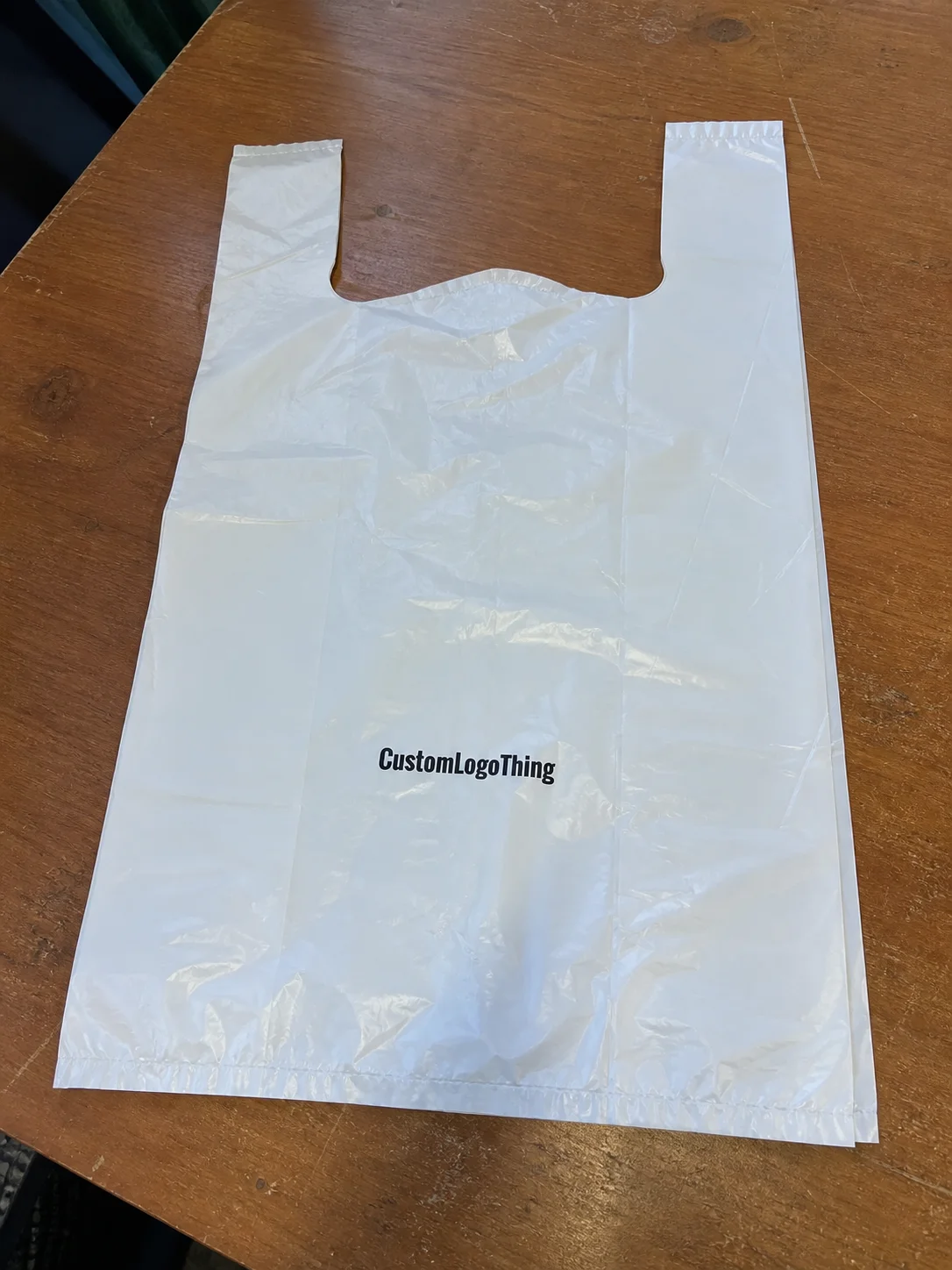
Buyer Fit Snapshot
| Best fit | Branded Flat Pouches Bulk Order projects where brand print, material claims, artwork control, MOQ, and repeat-order consistency need to be specified before quoting. |
|---|---|
| Quote inputs | Share finished size, material target, print colors, finish, packing count, annual reorder estimate, ship-to region, and any compliance wording. |
| Proofing check | Approve dieline scale, logo placement, barcode or warning zones, color tolerance, closure strength, and carton packing before bulk production. |
| Main risk | Vague material claims, crowded artwork, missing packing details, or unclear freight terms can make a low unit price expensive after revisions. |
Fast answer: Branded Flat Pouches Bulk Order: Pricing, MOQ, Timing should be specified like a repeatable production item. The safest quote records material, print method, finish, artwork proof, packing count, and reorder notes in one written spec.
Production checks before approval
Compare the actual filled-product size with the drawing, then confirm tolerance on folds, seals, hang holes, label areas, and retail display edges. Reserve space for logos, QR codes, warning copy, and material claims before decorative graphics fill the panel.
Quote comparison points
Review material grade, print process, finish, sampling route, tooling charges, carton quantity, and freight assumptions side by side. A quote is only useful when the supplier can repeat the same color, closure quality, and packing count on the next order.
Branded flat pouches Bulk Order: Pricing, MOQ, timing. The cheapest pouch quote is usually the one that costs more later. A branded flat pouches bulk order only cuts spend if the material, print build, freight path, and order structure actually match the product. If one supplier is quoting a thin substitute while another is quoting the real spec, the lower number is a trap with better punctuation.
I have sat through enough packaging reviews to know how this goes. Someone circles the lowest bid, everyone feels clever for about ten minutes, and then the reprint, freight bump, or seal failure shows up and eats the savings whole. A branded flat pouches bulk order should be judged on landed cost, usable shelf life, and the rework it prevents downstream. Anything less is kinda fake math.
That is where buyers get burned. They compare one “pouch price” against another “pouch price” and ignore film stack, print coverage, closure style, and shipping terms. Once those details diverge, the comparison stops being useful. It is no longer a clean procurement decision. A branded flat pouches bulk order should be measured by landed cost, usable shelf life, and the amount of rework it prevents downstream.
Why a branded flat pouches bulk order saves money fast
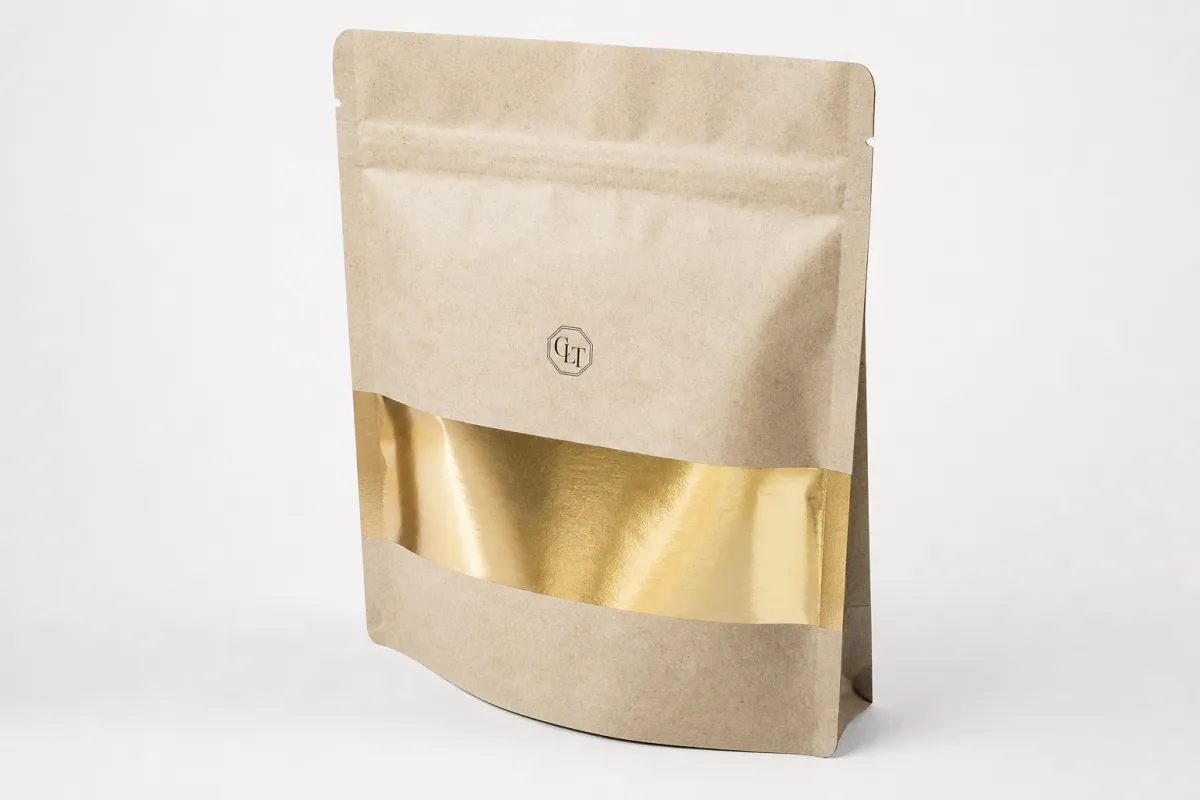
From a packaging buyer’s point of view, the cheapest quote is often the most expensive mistake. A branded flat pouches bulk order spreads setup, print prep, freight, and inspection across more units, so the unit cost drops once the volume is steady. That matters most for repeat SKUs, not for products that are still changing every other week.
The math is plain. A short run looks lighter on cash because the total order is smaller, yet the per-unit price carries more overhead. Tooling or plate charges show up. Prepress work shows up. Packing and shipping show up. So do the hidden costs that arrive when the first batch is too small and a reorder has to be rushed before demand settles. A branded flat pouches bulk order is not only a procurement move. It is a cash-flow choice with inventory consequences.
Brands that split volume into scattered small orders usually pay more in freight, customer service interruptions, and emergency replenishment than they planned for. A planned branded flat pouches bulk order lets you map demand, reserve inventory, and avoid the awkward middle ground where the order is too small to win pricing and too frequent to keep operations calm. That middle ground is kinda expensive. It also wastes attention, which is harder to track and just as real.
Compare quotes by landed unit cost, not by the number next to the pouch. Freight, waste, and reorders turn a cheap-looking quote into a bad purchase faster than most buyers expect.
Bulk buying helps on the packaging side too. Stable SKUs let teams standardize size, film structure, and print layout. That trims design churn and shortens approval cycles. If the product line is predictable, a branded flat pouches bulk order can hold better economics for months instead of forcing the team to reopen the same file every few weeks. There is a quiet efficiency in that kind of repetition.
None of this means every brand should place a giant order on day one. The order size still has to fit the sales forecast, shelf-life window, and storage space. A branded flat pouches bulk order works best when the product is moving steadily enough that the savings outweigh the carrying cost. No drama. Just honest arithmetic and a shelf that does not overflow.
Branded flat pouches bulk order product details that matter
A flat pouch is a three-side sealed format in most custom builds: two side seals, one bottom seal, and an open top for filling. It works well when the product is light, sample-sized, or needs a clean shelf profile. For a branded flat pouches bulk order, that simplicity is an advantage because there is less material than in a gusseted or stand-up format, and less material usually means a lower unit cost.
Flat pouches are common for snacks, supplements, coffee samples, dry powders, cosmetic refills, sample kits, and small non-food items. They are also useful when the brand wants a premium front panel without paying for more structure than the product actually needs. If the item does not need to stand on a shelf, a branded flat pouches bulk order can deliver a cleaner package for less money. If it does need shelf presence, that is a signal to compare this format against a stand-up pouch before committing.
What buyers should confirm first
Before you request a branded flat pouches bulk order quote, lock down the basics. If the supplier has to guess, the quote will be padded or wrong. Neither helps.
- Fill weight: the actual product load, not the marketing estimate.
- Pouch size: width, length, and seal area, with enough headspace for the fill method.
- Barrier need: moisture, oxygen, aroma, light, or simple dust protection.
- Closure style: heat seal only, tear notch, zipper, or hang hole.
- Print finish: matte, gloss, or a mixed surface if the artwork needs contrast.
That checklist sounds basic, but it is where many branded flat pouches bulk order projects drift off course. Buyers often start with artwork before they finish the actual dimensions. That is backwards. The pouch size drives the dieline, the dieline drives the print file, and the print file drives the proof. Reverse the sequence and the schedule starts leaking time.
The real tradeoff is visual impact versus functional protection. A pouch that looks sharp but fails in transit is a waste of money. A pouch that protects well but prints poorly is also a waste of money. A good branded flat pouches bulk order balances both. Not glamorous. Just effective.
Materials, sizes, and print specs for branded flat pouches
Material choice is where a branded flat pouches bulk order either stays economical or gets expensive quickly. The common structures are not mysterious, but they do carry tradeoffs. A basic PET/PE structure is lighter and usually cheaper. A PET/VMPET/PE build gives stronger moisture and light barrier. A foil laminate pushes protection higher again, but it also raises cost and can make recycling claims harder to defend.
If the brand wants a lower-impact story, mono-PE or mostly-PE structures may be worth a look, but those are not magic. Barrier performance, seal strength, and shelf appearance still need to be checked. A recyclable claim only helps if the package fits the collection rules where the product is sold. If you want a reality check on recycling language, the EPA’s guidance on recycling and waste reduction is worth reviewing at epa.gov/recycle.
For paper-based labels, cartons, or inserts that sit with the pouch in a kit, FSC-certified fiber can support a cleaner sourcing story. The chain-of-custody rules at FSC matter if your customer base actually reads sustainability claims instead of just skimming past them. That happens more often than people admit.
Size selection should be based on fill weight, product density, and seal allowance. A pouch that is too small will force a sloppy fill line and stress the seal. A pouch that is too large wastes film and raises the unit price. For a branded flat pouches bulk order, the ideal size usually leaves enough room for product movement, a clean top seal, and a tear notch that does not cut into the artwork. In practice, the seal area should keep a clean margin of roughly 5-8 mm on critical edges, though the exact allowance depends on the machine, the product, and the supplier’s converting setup.
Printing is another place where buyers get surprised. CMYK is common for full-color art, but spot colors matter when the brand needs tighter color control or a strong logo panel. Matte lamination gives a softer, more premium feel. Gloss creates more punch and can make certain colors look brighter. A branded flat pouches bulk order with full bleed art also needs bleed, safe zone, and barcode placement checked before proof approval. No, the printer cannot “just move it a little” after production starts.
It helps to think about common print and material options side by side. The table below is not a fantasy catalog. It is the sort of comparison buyers should ask for before they lock a branded flat pouches bulk order.
| Option | Typical unit price at 5,000 pieces | Best for | Barrier level | Main tradeoff |
|---|---|---|---|---|
| PET/PE with basic print | $0.16-$0.28 | Dry goods, samples, lightweight items | Light to moderate | Lower protection than premium laminates |
| PET/VMPET/PE with matte finish | $0.22-$0.38 | Coffee, supplements, cosmetic refills | Moderate to high | Higher cost, stronger shelf appeal |
| Foil laminate with full coverage print | $0.30-$0.55 | Aroma-sensitive or moisture-sensitive products | High | Less flexible on sustainability claims |
| Mono-PE recyclable structure | $0.24-$0.42 | Brands prioritizing recyclability claims | Moderate | Must verify local collection rules and performance |
Those numbers are not fixed. They move with size, artwork coverage, finishing, and quantity. They still give a buyer a grounded range before anyone starts dressing up a quote. A branded flat pouches bulk order should never be negotiated in the dark.
Before production starts, final specs need to be locked. That means dieline approval, artwork files in the correct format, and any compliance documents already requested. If the pouch will touch food or other sensitive products, ask for food-contact documentation, migration testing where appropriate, or the relevant test summary up front. A supplier who cannot show basic compliance paperwork is not saving you money. They are storing up a later problem and handing you the bill.
For general packaging language and material basics, the Packaging Education Forum at packaging.org is a decent reference point. It will not run your order for you, but it will help your team stop using vague terms that force the quote to be rewritten three times.
Branded flat pouches bulk order pricing, MOQ, and quote factors
Pricing for a branded flat pouches bulk order is driven by a small group of variables that matter far more than most sales decks admit. Material type, pouch size, print coverage, number of colors, surface finish, and order quantity all affect the final number. If the quote only shows one price without explaining those inputs, it is not a strong quote. It is a guess with a logo on it.
The MOQ question is where buyers usually get stuck. For many custom flat pouch programs, the practical minimum order sits around 3,000 to 10,000 pieces per design, depending on the material and print method. Digital printing may support lower runs, while flexographic or gravure builds usually need higher quantities to make sense. Specialty finishes or more complex builds can push the minimum higher. A branded flat pouches bulk order below the real MOQ usually carries a painful unit price because setup costs get spread over too few bags.
There is also a difference between quote price and landed price. Tooling, plates, cylinders, prepress work, freight, customs, carton packing, and inspection can all change the total. A buyer who only looks at the unit number on the first line of the quote is missing half the story. A branded flat pouches bulk order should be compared on the full delivered cost, not on a headline number designed to win attention.
Ask for pricing at more than one volume. That is one of the fastest ways to see where the real breakpoints sit. A quote at 3,000, 5,000, 10,000, and 25,000 units will usually show whether the order benefits from scale or just gets less painful at higher quantities. If the difference between tiers is tiny, the supplier may be hiding setup costs elsewhere. If the difference is large, the order is probably ready for a larger run. Either way, a branded flat pouches bulk order deserves that level of comparison.
Here is a practical range buyers often see at mid-volume levels:
- 3,000 pieces: higher unit price, useful for launch tests or seasonal products.
- 5,000 pieces: common entry point for stable SKUs with controlled artwork.
- 10,000 pieces: better pricing curve if the product has repeat demand.
- 25,000 pieces: strongest unit economics when storage and cash flow allow it.
One more thing: compare quotes using the same spec sheet. Same film, same finish, same size, same closure, same shipping terms. Otherwise you are not comparing suppliers. You are comparing a real quote to a fantasy quote. A branded flat pouches bulk order needs discipline here, or the savings disappear under vague line items.
Ask the supplier to break out the quote into material, print, finishing, packing, and shipping. That makes it much easier to spot padded estimates and hidden charges. If freight is not included, ask for the shipping method and incoterms. If the supplier cannot explain the math clearly, the quote is not ready for approval. No drama. Just move on.
Good pricing is not the cheapest number. Good pricing is the number that survives freight, inspection, and the second order.
Branded flat pouches bulk order process and timeline
A clean branded flat pouches bulk order follows a predictable sequence. Inquiry, quote, artwork review, proof, approval, production, inspection, shipment. That is the short version. The real version is messier because every stage has a chance to stall if the buyer changes a dimension or sends art that does not match the dieline.
- Inquiry: send product weight, target size, artwork, and quantity.
- Quote: supplier returns pricing, MOQ, material options, and timing.
- Proof: the dieline and artwork placement are reviewed.
- Approval: specs are confirmed and production is released.
- Production: print, laminate, convert, seal, and pack.
- Inspection: color, seal integrity, size, and finish are checked.
- Shipment: cartons move by air or ocean, depending on urgency and budget.
For standard custom orders, production often takes about 12-18 business days after final proof approval. More complex artwork, special finishes, or lower-capacity schedules can push that higher. If the order is a repeat run with the same file and structure, a branded flat pouches bulk order can sometimes move faster because the supplier is not rebuilding the setup from scratch.
The proof stage is where most delays happen. Artwork arrives with the wrong bleed, the wrong color references, or a logo that sits too close to the edge. Then the proof gets bounced back and the clock resets. That is annoying, but it is also avoidable. A branded flat pouches bulk order moves faster when the file package is complete before the first email goes out.
Where schedules slip
Schedules usually slip for boring reasons. The buyer has not finalized the fill weight. The pouch size changes after the quote. The branding team wants one more color adjustment. Shipping instructions are unclear. None of that is dramatic, but each issue can add days. For a branded flat pouches bulk order, speed comes from decisions, not from wishful thinking.
Sampling is worth considering if the pouch is product-critical. A pre-production sample helps verify fit, feel, seal behavior, and color balance before the full run. That matters more for moisture-sensitive, aroma-sensitive, or premium retail products. If the package will travel through rough handling, ask whether transit testing is needed. The shipping test framework from ISTA is a useful reference for parcel and distribution planning.
Rush orders can happen, but only if the specs are already locked and the production slot exists. If you need a rush, ask directly what can be accelerated and what cannot. Sometimes print can be rushed but finishing cannot. Sometimes production can move, but freight cannot. A sensible branded flat pouches bulk order is planned so the rush is a backup plan, not the main plan.
One practical habit helps a lot: decide the size first, then the film structure, then the artwork finalization, then the shipment method. If you reverse that sequence, you usually end up paying to redo one of the earlier steps. A branded flat pouches bulk order rewards buyers who lock the boring details before they get excited about the mockup.
What a dependable supplier should do for a branded flat pouches bulk order
A dependable supplier does not just toss out a low number and hope nobody asks questions. They quote against a real spec, flag risks before approval, and explain where the cost moves if the structure changes. That is the baseline, not a bonus.
In practice, the best packaging teams behave a little like auditors. They confirm the dieline before art goes live, check whether the seal window will survive the fill method, and ask for proof of compliance rather than trusting a casual promise. That is the level of care a branded flat pouches bulk order deserves. If a supplier can’t show that habit early, the odds of surprise charges later go up fast.
At Custom Logo Things, the goal is to keep that process grounded in production reality. Clear specs, honest pricing, and repeat-run consistency matter more than glossy language. On a branded flat pouches bulk order, a bad seal or a color shift can spoil the whole lot, which is why quality checks have to come before marketing polish.
There is also a simple reality buyers appreciate: not every supplier tells you when a spec will raise the price. A supplier who flags the problem early is more useful than one who smiles, quotes low, and then starts adding surprise charges after the file is approved. That is the difference between a real partner and a quote machine. For a branded flat pouches bulk order, buyers usually need the first one.
If your team needs packaging guidance that stays grounded in actual production behavior, this is where the process gets easier. Not magical. Just cleaner. And cleaner is what keeps a branded flat pouches bulk order profitable.
What to do next before your branded flat pouches bulk order
Before you request a branded flat pouches bulk order quote, gather the facts. Better input produces better pricing. That sounds obvious, yet plenty of quotes are delayed because the buyer sent a logo and a feeling instead of a usable spec list.
- Confirm the product weight: actual fill weight and density, not a rough estimate.
- Choose the pouch size: width, height, and seal area with room for filling.
- Pick the material: basic, high-barrier, or recyclable structure.
- Decide the print coverage: simple branding or full-coverage artwork.
- Set the target quantity: request pricing at two or three volume tiers.
- Prepare the files: editable art, logo files, dieline, and brand color references.
If the product is food, supplement, cosmetic, or otherwise sensitive, ask for the relevant compliance documents before you commit. If the product will move through ecommerce parcels or retail cartons, think about drop handling, compression, and storage conditions too. A branded flat pouches bulk order should be selected for use, not just appearance.
Ask for side-by-side pricing at multiple quantities. Ask for a sample if the application is new. Ask for a clear production timeline after proof approval. Those three steps remove most of the confusion around a branded flat pouches bulk order and make supplier comparison far less painful.
One last practical point: do not change the size after the proof unless you enjoy restarting the whole process. It sounds dramatic because it is. A stable branded flat pouches bulk order starts with locked specs, clean artwork, and a buyer who knows what the product actually needs.
What is the minimum order for a branded flat pouches bulk order?
MOQ depends on size, print method, and material, so ask for the breakpoint instead of guessing. For many programs, a branded flat pouches bulk order starts to make sense somewhere around 3,000 to 10,000 pieces, but specialty structures can push that higher. If the run sits below MOQ, unit cost rises fast because setup and prep get spread over fewer bags. For very small launches, compare the cost of a test run with the cost of waiting until demand is more stable.
How much do branded flat pouches cost in bulk?
Price is driven by size, film structure, print coverage, finish, and total quantity. A branded flat pouches bulk order can sit around $0.16-$0.55 per unit at mid-volume, depending on the spec, while smaller runs often cost more per piece. The quote that matters is the landed unit cost after freight, duties, and setup fees are included. Ask for pricing at multiple volume tiers so you can see the real savings curve instead of one number that hides the tradeoffs.
What files do you need for a branded flat pouches bulk order?
Send editable artwork, dieline files, logo files, and brand color references if available. A branded flat pouches bulk order moves faster when bleed, safe area, and text size are already checked before approval. If the pouch is for food or personal care, include any compliance notes the supplier needs. The cleaner the file package, the fewer revisions you will need before production starts, which saves time and avoids dumb errors.
How long does production take after approval?
Standard production usually starts after final proof approval and payment confirmation, so delays often come from the buyer side. For a branded flat pouches bulk order, lead time depends on order size, print complexity, finishing, and shipping method. Simple repeat runs are often faster than first-time custom jobs. If the timeline is tight, ask what can be accelerated and what cannot without risking quality. That question is better than pretending the deadline does not exist.
Can I get samples before placing a branded flat pouches bulk order?
Yes, sample options are useful for checking size, seal performance, finish, and print look before committing. A pre-production sample is best when the product is heavy, moisture-sensitive, or visually brand-critical. Use the sample to confirm fit and usability, not just how the pouch looks on a screen. If it passes that test, move into the branded flat pouches bulk order with the spec locked so the full run does not inherit avoidable mistakes.
The practical takeaway
If you are setting up a branded flat pouches bulk order, lock the fill weight, pouch size, barrier need, print coverage, and shipping terms before you ask for final pricing. Then compare three things side by side: unit cost, landed cost, and the lead time after proof approval. That sequence catches the bad quotes, protects the schedule, and keeps the order from becoming a very expensive learning experience.
Related packaging resources
Use these related guides to compare specs, costs, quality checks, and buyer decisions before making the final call.