Buyer Fit Snapshot
Use this page when a retailer or gift brand needs shopping bags that feel premium and carry weight without handle failure.
| Decision point | What to specify before quoting |
|---|---|
| Material and construction | Substrate, thickness, coating, print coverage, finish, and tolerance requirements. |
| Order economics | MOQ, unit tiers, sample run, lead time, packing method, and freight assumptions. |
| Production control | Dieline, artwork proof, barcode or warning copy, QC checks, carton marks, and reorder plan. |
Branded Gift Bags with Logo: Smart Packaging Basics
Branded gift Bags with Logo do more than move a product from one place to another. They keep a brand visible after the handoff, which changes the economics of packaging in a way many teams underestimate. I have seen this play out on retail floors, in conference halls, at hotel check-ins, and in corporate mailrooms: a bag leaves the counter, lands on a desk, gets reused for lunch, and turns up again in a car or at another event. The item inside may be gone in minutes. The bag can keep working for weeks. That is the odd advantage of branded gift bags with logo. They are packaging, yes, but they also behave like portable signage.
The best versions are designed with intent. Paper Shopping Bags, rigid presentation bags, boutique carriers, and reusable totes can all qualify as branded gift bags with logo if the identity is built into the structure rather than tacked on at the end. A good bag feels like part of the brand system. A weak one feels like stock with a logo on it. That difference shows up quickly in how customers handle it, and in whether they keep it.
Good buyers think in use cases, not just aesthetics. What is the bag carrying? How many times will it be seen? Will it need to survive a train ride, a trade show floor, or a holiday handoff in bad weather? Those questions matter more than the temptation to make the bag look pretty in a mockup. Branded gift bags with logo perform best when the spec matches the weight of the contents, the visibility of the venue, and the budget that is actually available.
The most useful way to judge branded gift bags with logo is as a repeat-exposure tool. A cosmetics launch, a charity gala, and a corporate onboarding kit all want something different, even if the logo is the same. The right build turns one moment of gifting into several moments of brand recall. That is not theory. It is simply how people move through a space, carrying things they like to show off.
If you want to see how those choices play out after production, the Case Studies page shows the difference between a clever concept and a bag that actually performs in the wild. That gap is where branded gift bags with logo either pay off or quietly underdeliver.
A gift bag is not just packaging. It is a carrier for the product, the brand, and the memory of the handoff.
Branded gift bags with logo: why they outperform plain packaging
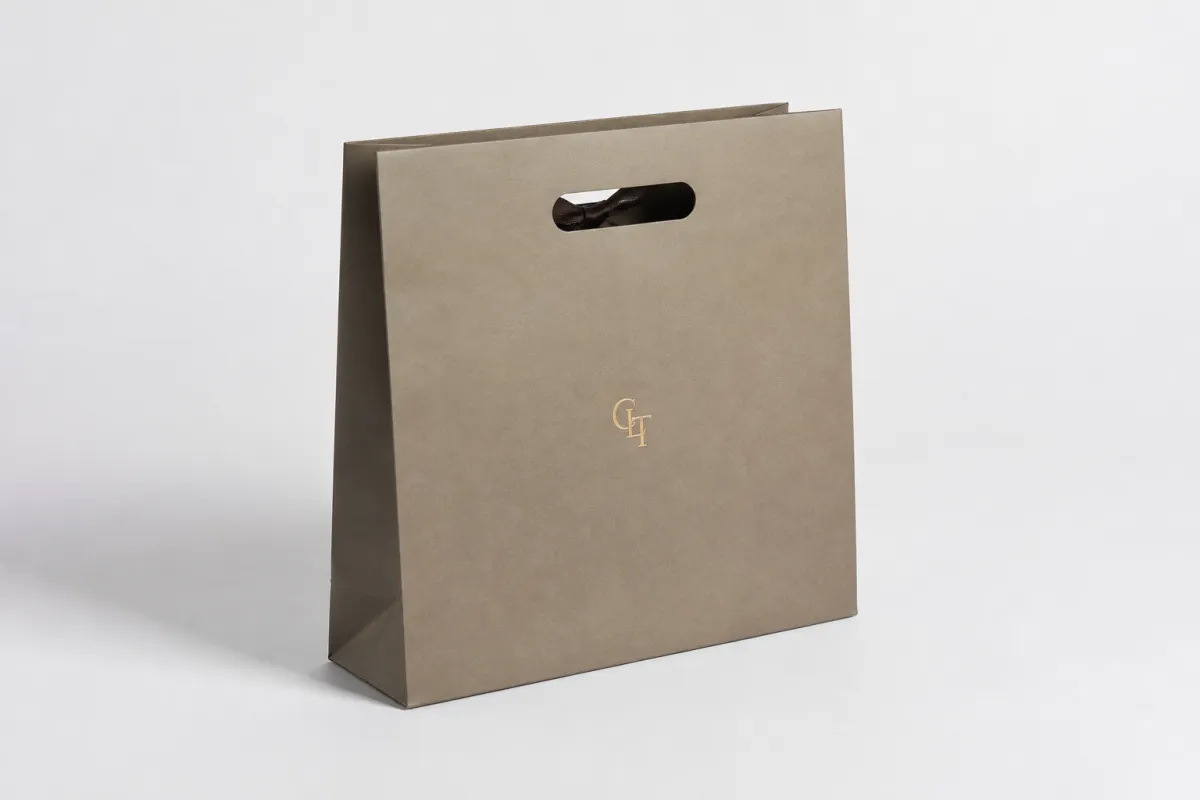
Plain packaging disappears fast. Branded gift bags with logo do the opposite. They create a visible surface that keeps moving after checkout, after the booth closes, and after the staff member says thank you. Packaging is often the last physical touchpoint a customer experiences, which is why it deserves more respect than it usually gets. Last impressions stick. In one common retail scenario, a shopper may see the bag dozens of times in the week after purchase, even if the product itself is already shelved or worn.
The psychological effect is not subtle. A plain carrier says, "This is functional." Branded gift bags with logo say, "This was prepared for you." The difference sounds small on paper and feels large in person. A standard giveaway can look generic in a plain bag. The same item inside a well-made branded carrier often reads as deliberate, premium, and worth keeping. Hospitality teams understand this instinctively. So do luxury retailers. Presentation shifts perceived value before anyone touches the product.
There is also a practical visibility advantage. A customer carrying branded gift bags with logo through a mall, an airport, or a convention center is carrying a moving signboard. That is not branding poetry; it is simple exposure math. If a reusable tote stays in circulation for six months and gets seen even twice a week, the impression count can add up quickly. The bag often outlives the item inside it, which is a rare reversal in packaging. Most packaging disappears. A good branded bag lingers.
Buyers make a mistake when they judge a bag only by the sample table. A beautiful sample can still be wrong for the use case. A boutique carrier with ribbon handles may suit a press event and fail a high-volume retail run. A kraft paper carrier may look modest on a desk and perfect for a fast-moving promotion. The same logo behaves differently depending on the stock, the handle, the finish, and the bag proportions. Branded gift bags with logo are not one product category. They are a set of trade-offs.
The better framework starts with three questions: what does the bag carry, where will it be seen, and how long should it stay in use? If the contents weigh 3 lb, the handle and base matter more than decoration. If the bag will be photographed, contrast and print placement matter more than a subtle texture. If the bag is meant to circulate beyond the event, durability becomes part of the branding itself. That is why branded gift bags with logo should be treated as a packaging spec rather than a decorative afterthought.
There is a broader commercial pattern here. Branded gift bags with logo tend to work best when they feel like a natural extension of the brand system. A minimalist skincare line usually benefits from restraint, fine typography, and tactile stock. A youth-oriented event brand may need stronger color and a louder visual hit. Same format, different message. The logo is only one element. Size, palette, handle style, and finish do just as much work.
For a simple comparison, place a product in a plain bag, then place the same product in branded gift bags with logo. The contents may not change at all. The perceived care usually does. That perceived care is one of the highest-return packaging upgrades a brand can make, especially when the item itself is not expensive enough to justify elaborate product packaging.
Industry groups and packaging researchers keep circling the same drivers: presentation, usability, and repeat visibility. Buyers keep reaching the same conclusion in the field. If the bag works hard, the brand gets more from every order.
How branded gift bags with logo work from file to finished bag
Branded gift bags with logo follow a production path that looks straightforward until a file goes wrong. The usual sequence is bag style selection, artwork submission, proof review, approval, printing, assembly, and quality checking. Each step can change the final result more than buyers expect. A logo that looks crisp on a screen can blur on textured stock. A beautiful gradient can flatten on kraft. A thin line can disappear once it hits a substrate with grain.
Structure comes first. The bag system includes stock weight, handle style, gusset depth, print area, finish, and any extras such as tissue, inserts, or closures. Those decisions shape both the appearance and the cost of branded gift bags with logo. A wide front panel gives the mark space to breathe. A narrow panel can make the same artwork feel compressed. A deep gusset may improve capacity, but it also changes how the graphics sit on the face of the bag. Geometry affects branding more than most people notice.
Print method changes the character of the bag. One-color printing can look sharp on smooth white paper and softer on kraft or recycled stock. Heavy ink coverage can create a rich visual block, but it can crack if the fold lines are aggressive or the coating is too stiff. Foil, embossing, and spot UV can add depth and contrast, yet they need room to be seen. Branded gift bags with logo usually look strongest when the print system matches the material rather than fighting it.
Logo placement deserves more attention than it gets. A centered mark on a narrow boutique carrier can look elegant and controlled. Put the same mark on a large, wide bag and it may disappear unless the scale shifts or a secondary graphic supports it. Mockups help, but they can hide proportion problems. Branded gift bags with logo should be designed with the dieline in mind, not just the brand guide.
Artwork, proofing, and print-ready files
Artwork is where many branded gift bags with logo projects either stay clean or become expensive. Print-ready files should be set at the correct size, in CMYK, and at the right resolution for the chosen process. Vector artwork is usually safest for logos because it scales cleanly. Raster elements should be sharp enough for the smallest details to survive the press. Bleed, safety margins, and color expectations should be confirmed before the order moves forward.
The proof is the guardrail. If the supplier sends a digital proof, check logo size, placement, handle clearance, seam position, and any notes about color or finish. If a physical sample or pre-production proof is available, inspect alignment, coverage, and surface feel. That step protects branded gift bags with logo from costly surprises. A logo shifted by a few millimeters can make a bag feel off-center. A color that misses the brand palette can dilute the whole impression.
The strongest files give the printer fewer chances to guess. Simple layouts, outlined vector shapes, and clear fonts tend to survive production better than crowded graphics or tiny copy. If the design relies on delicate detail, ask how that detail will reproduce on the selected stock. That question can save a reprint, and reprints are where budgets start to bleed.
Distance is a useful test. Can the logo be read from 6 to 10 feet away? Does it hold up under event lighting? Should the back panel carry a secondary message or stay quiet? Those questions make branded gift bags with logo more useful in real settings, where the bag has to work outside the designer's monitor. I have watched perfectly decent artwork fail simply because it was designed for a screen, not for a person walking across a lobby.
Branded gift bags with logo cost, pricing, and MOQ basics
Cost is where branded gift bags with logo often get misunderstood. Buyers sometimes compare only the unit price, which tells only part of the story. Real pricing depends on material weight, bag style, handle type, print coverage, finish, and assembly complexity. A simple kraft carrier with one-color printing sits in a very different cost band from a rigid boutique bag with lamination and foil. Branded gift bags with logo are not a single commodity; they are a stack of decisions.
Small spec changes can move the number more than expected. Heavier paper stock adds stability and a better hand feel. Thicker board and rigid construction push the quote up faster. Add double-sided print, metallic foil, or embossed details and the price climbs again. If the goal is to keep branded gift bags with logo inside budget, the design has to be built for the chosen production method. Decoration cannot rescue a weak spec forever.
MOQ, or minimum order quantity, matters too. Suppliers often price branded gift bags with logo more efficiently at higher quantities because setup costs get spread across more units. That does not automatically make the largest order the smartest one. It means the buyer should compare the upfront spend with the unit price at scale and the likelihood of reorders. A recurring event calendar can justify a larger run. A new format being tested for the first time may deserve a smaller run even if the unit cost is less flattering.
Hidden costs deserve a seat at the table. Artwork setup, printing plates or screens, sampling, freight, storage, and rush fees can change the final bill quickly. In some orders, the bag price is only a slice of the full spend. Logistics quietly fills in the rest. Branded gift bags with logo should be reviewed on total landed cost, not on the factory line alone.
| Bag type | Typical look | Indicative MOQ | Rough unit price at 5,000 pcs | Best use case |
|---|---|---|---|---|
| Paper shopping bag | Practical, clean, high-volume friendly | 1,000-5,000 | $0.28-$0.65 | Retail, events, promotions |
| Boutique rigid bag | Stiff walls, premium presentation | 500-3,000 | $1.10-$2.80 | Luxury gifts, VIP kits, launches |
| Reusable tote | Durable, carry-friendly, long lifespan | 300-2,000 | $1.25-$3.50 | Trade shows, retail resale, repeated use |
The figures above are directional. They move with quantity, decoration, and construction. A one-color paper bag may sit near the lower end of the range, while a foil-stamped rigid bag with custom lining will push upward fast. The point is not to chase the cheapest branded gift bags with logo. The point is to buy the version that gives the best balance of appearance, durability, and repeat exposure.
A useful pricing exercise is to ask for the same design in two or three spec tiers. Compare standard, premium, and reusable versions. The jump from "acceptable" to "strong" is often smaller than buyers expect, and the improvement in perceived value can be large. That comparison matters most for branded gift bags with logo used in launches, seasonal gifting, and high-visibility events.
If sustainability is part of the buying conversation, ask whether the stock is FSC-certified and whether coatings or mixed materials affect recyclability. The FSC site explains certification basics clearly enough to help separate documentation from marketing language. Branded gift bags with logo can be premium and more responsible, but only if the materials are documented instead of assumed.
Production process and lead time for branded gift bags with logo
Production starts with the brief, not the press. For branded gift bags with logo, the supplier needs to know the intended use, target quantity, dimensions, material preference, finish, and the event date or launch window. Those details decide whether the order is a standard paper run or a more custom build. Vague briefs produce vague quotes. That is true in packaging as often as it is anywhere else.
Spec selection and artwork prep come next. This is the point to confirm exact size, handle style, print area, and color expectations. Once the files are locked, proofing begins. Timing matters here because branded gift bags with logo are often scheduled tightly around approved artwork and available stock. A one-day delay in approval can turn into several days of delay in shipping, especially when imported materials or specialty finishes are involved.
Production usually includes printing, drying or curing, die-cutting, gluing, handle attachment, packing, and a final quality check. Standard paper runs can move quickly. Specialty finishes add time. Soft-touch lamination, foil, embossing, and custom closures create extra handling steps, and each step introduces a chance for delay. The more custom the build, the more the timeline stretches for branded gift bags with logo.
In practice, simpler paper bags can often land around 12 to 15 business days after proof approval, while premium builds usually need more time, especially when freight and seasonal demand enter the picture. That is not a guarantee. It is a planning anchor. If the bags matter to a launch, conference, or holiday campaign, the safest approach is to work backward from the event date and leave buffer time for revisions, transit, and the occasional reprint.
Rush orders versus standard schedules
Rush orders can work, but they come with trade-offs. Artwork approval, scheduling, and freight can be compressed. Material sourcing, curing time, and careful quality checks cannot always be compressed without consequence. That is why branded gift bags with logo on a rush schedule should be simplified rather than overloaded. A one-color print on a standard stock in a common size is easier to move quickly than a rigid bag with multiple finishing steps.
Standard schedules leave space for sampling, comparison, and proper proof review. If the project affects brand perception, the slower lane usually pays for itself. It lowers the odds of avoidable mistakes: a logo that sits too close to a fold, the wrong handle color, or carton counts that do not match the receiving plan.
If shipping is part of the order, ask how the bags are packed and palletized. Bags compressed too tightly can crease. Bags packed too loosely can inflate freight volume. For orders that need to travel far or survive repeated handling, transit testing standards such as those published by ISTA are worth reviewing. For heavier gift kits, that kind of validation reduces the odds that branded gift bags with logo arrive looking tired before they ever reach a customer.
Choosing materials, sizes, and finishes for branded gift bags
Material choice should follow the contents. Lightweight paper works well for small retail items, folded apparel, and simple giveaways. Heavier stock or rigid construction works better for premium gifts, glass items, or sets that need structure. Branded gift bags with logo should feel aligned with what they carry. If the contents are delicate or expensive, the bag should reinforce that impression rather than contradict it.
Size matters just as much. Many buyers start with the outside dimensions they want, but the better method is to measure the product first, then add room for tissue, inserts, and easy closing. A bag that is too tight looks strained and tears more easily. A bag that is too large makes the contents look underwhelming. Branded gift bags with logo work best when the proportions feel right the first time someone sees them.
Handle choice affects both comfort and perceived quality. Twisted paper handles are practical and cost-effective. Rope and ribbon handles usually feel more elevated. Die-cut handles can look clean and contemporary, though they need the board and cutout to support the load. Cotton handles suggest durability and repeated use. For branded gift bags with logo, the handle is not just a way to carry the bag. It is part of the brand signal.
Finishes change the mood before the logo is even read. Matte paper feels quieter and more modern. Gloss adds brightness and reflection. Soft-touch lamination gives the surface a velvety feel that many buyers associate with premium packaging. Foil can make a logo pop. Embossing adds depth. Spot UV works best when it creates contrast instead of covering every surface. The right finish helps branded gift bags with logo feel deliberate instead of decorative for the sake of decoration.
Sustainability needs specifics, not vague claims. Recycled content, FSC-certified paper, water-based inks, and minimal coatings can support a stronger environmental story if the supplier can document the inputs. Mixed materials, heavy lamination, and certain handle attachments complicate disposal. If the brand wants branded gift bags with logo to support an eco-friendly message, the supply chain has to back that message with evidence.
One useful rule holds up across categories: the most premium bag is not always the most expensive one. It is the one that best matches the product, the audience, and the use case. A restrained kraft carrier with a sharp logo can outperform a flashy bag that feels off-brand. Branded gift bags with logo are as much a design decision as a procurement decision.
Packaging case studies can help separate fashionable choices from practical ones. The Case Studies archive shows how different materials and finishes behave in actual orders, not just in renderings. That context makes branded gift bags with logo easier to judge when the stakes are real.
Common mistakes with branded gift bags with logo
The first mistake is shrinking the logo until it disappears at arm's length. A beautiful mark that cannot be read does not earn its keep. Branded gift bags with logo need visibility, and visibility depends on size, contrast, and placement. When a logo is made tiny in the name of elegance, the result often reads as timid rather than refined.
The second mistake is a sizing mismatch. A bag that is too small looks cheap, strains the seams, and can fail under weight. A bag that is too large makes the contents look sparse. That problem is obvious in retail and even more obvious in gifting, where presentation carries emotional weight. Branded gift bags with logo should frame the contents, not swallow them or squeeze them.
Artwork placed too close to seams, folds, or handles often warps the logo and makes the bag feel rushed. Narrow fronts and deep gussets amplify the problem. Once the structure changes, the layout has to change with it. If the supplier does not show a proper dieline, ask for one before approving branded gift bags with logo. That one document can prevent a lot of confusion.
Color is also frequently misunderstood on screen. A monitor can hide how kraft stock dulls pale tones or how matte coating shifts saturation. Screen checks help, but they are not enough. When color matters, ask for a physical sample, a press proof, or at least a rendering matched to the selected stock. That step matters even more for branded gift bags with logo that use light typography, pastel branding, or metallic accents.
Planning mistakes do just as much damage as design mistakes. Under-ordering extras leads to rushed reorders and inconsistent inventory. Ignoring lead times leaves a brand without bags at the exact moment they are needed. Failing to lock the spec makes reorders messy because nobody remembers whether the last run used 200gsm or 250gsm stock, matte or gloss, rope or twisted paper handles. Branded gift bags with logo should have a written spec sheet from the start.
There is another mistake that shows up in procurement teams under pressure: choosing the cheapest quote without checking the use case. A lower unit price can look clever until the bag tears, arrives late, or looks flimsy beside the product. Then the savings disappear. Branded gift bags with logo are a packaging decision, and they are a brand-risk decision too.
One habit prevents a lot of that pain: keep one approved sample with the spec sheet and use both for every reorder. The bag becomes repeatable. Repeatability is where packaging gets manageable, and it saves a surprising amount of back-and-forth when the next run rolls around.
Expert tips and next steps for branded gift bags with logo
Design for reuse, not only for the first handoff. A bag that feels sturdy and attractive often stays in circulation, which extends brand impressions without extra spend. That is one of the smartest reasons to invest in branded gift bags with logo. If the bag is worth keeping, the cost per impression drops fast.
Build a simple spec sheet once the bag is approved. Include dimensions, material, handle style, print method, finish, and packing notes. Future orders move faster when the details are already locked. That is especially useful for branded gift bags with logo that will be reordered around events or seasonal campaigns. A good spec sheet shortens supplier conversations and cuts down on errors.
Sample before you scale. For branded gift bags with logo, a sample or prototype is worth the extra time when color accuracy, handle strength, or finish quality matters. A single physical sample can reveal a lot: whether the bag stands upright, whether the print is sharp, whether the handles sit comfortably, and whether the size fits the product properly. That is much cheaper than discovering the problem after a full run ships.
A two-tier strategy usually works well. Keep one standard bag for everyday use and one premium version for launches, VIP gifts, or seasonal campaigns. The standard version controls cost. The premium version raises perceived value when it matters most. Used together, branded gift bags with logo become more flexible, not just more polished.
Set a reorder threshold before inventory gets thin. If the next event needs 1,000 bags, do not wait until the shelf is empty to start the next run. Put a trigger point in place and reorder early enough to absorb proof changes and freight time. That small bit of planning keeps branded gift bags with logo ready before demand spikes.
Compare two or three quotes on the same spec, not just on the same idea. Ask for a proof, confirm the material, and standardize the bag once the right version is approved. If you need examples of how brands balance appearance, durability, and cost, the Case Studies page can speed up the comparison. A cleaner buying process makes branded gift bags with logo easier to manage and more effective in use.
Choose one use case, compare a few quotes, request a proof, and set a reorder threshold before stock runs low. That is the most reliable way to keep branded gift bags with logo working for the next event instead of scrambling in the middle of it.
Frequently asked questions
What size should branded gift bags with logo be for retail gifts?
Measure the product first, then add room for tissue, inserts, and easy closing so the bag does not look cramped. Width and gusset depth matter as much as height because the footprint shapes presentation. If the item is unusual, ask for a sample or dieline before bulk ordering branded gift bags with logo.
What is the cheapest way to order branded gift bags with logo?
Use a single-color logo, standard stock, and a common size to keep setup and production simpler. Increase quantity if storage allows, since higher runs usually reduce unit cost. Avoid specialty finishes unless they add clear value, because foil, embossing, and lamination can push pricing up quickly for branded gift bags with logo.
How far in advance should I order branded gift bags with logo?
Plan backward from the event date and leave room for artwork approval, production, shipping, and a possible revision. If the bags are tied to a launch or holiday period, add extra buffer because lead times often stretch when demand spikes. Rush orders can work, but they usually cost more and leave less room for quality checks on branded gift bags with logo.
Which materials make branded gift bags with logo look the most premium?
Heavier paper stock or rigid construction usually looks more upscale than thin carrier bags. Rope or ribbon handles, matte or soft-touch finishes, and restrained foil details often create a premium feel. The most premium option is the one that matches the contents, because luxury and durability should reinforce each other in branded gift bags with logo.
Can branded gift bags with logo be eco-friendly?
Yes, if you choose recycled or FSC-certified paper, water-based inks, and minimal coatings. Ask whether handles, laminations, and finishes are recyclable in your target market, since mixed materials can change disposal rules. Avoid vague sustainability claims and request documentation so the packaging story is credible for branded gift bags with logo.
The practical move is simple: lock the bag spec, approve one physical sample, and keep a written reorder file with dimensions, stock, finish, and handle details. Do that once and branded gift bags with logo stop being a one-off purchase; they become a repeatable brand asset that can be ordered again without guesswork.


