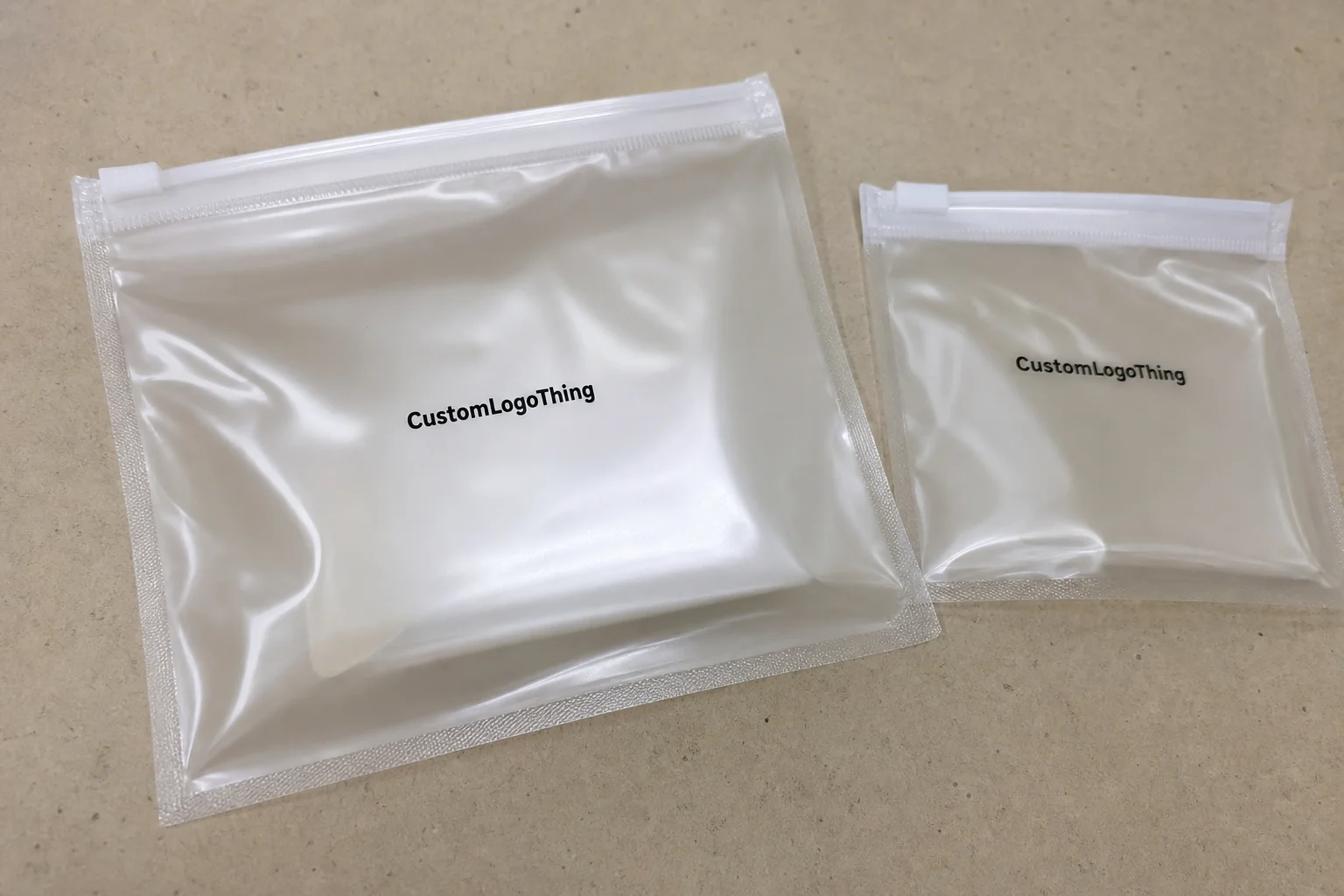
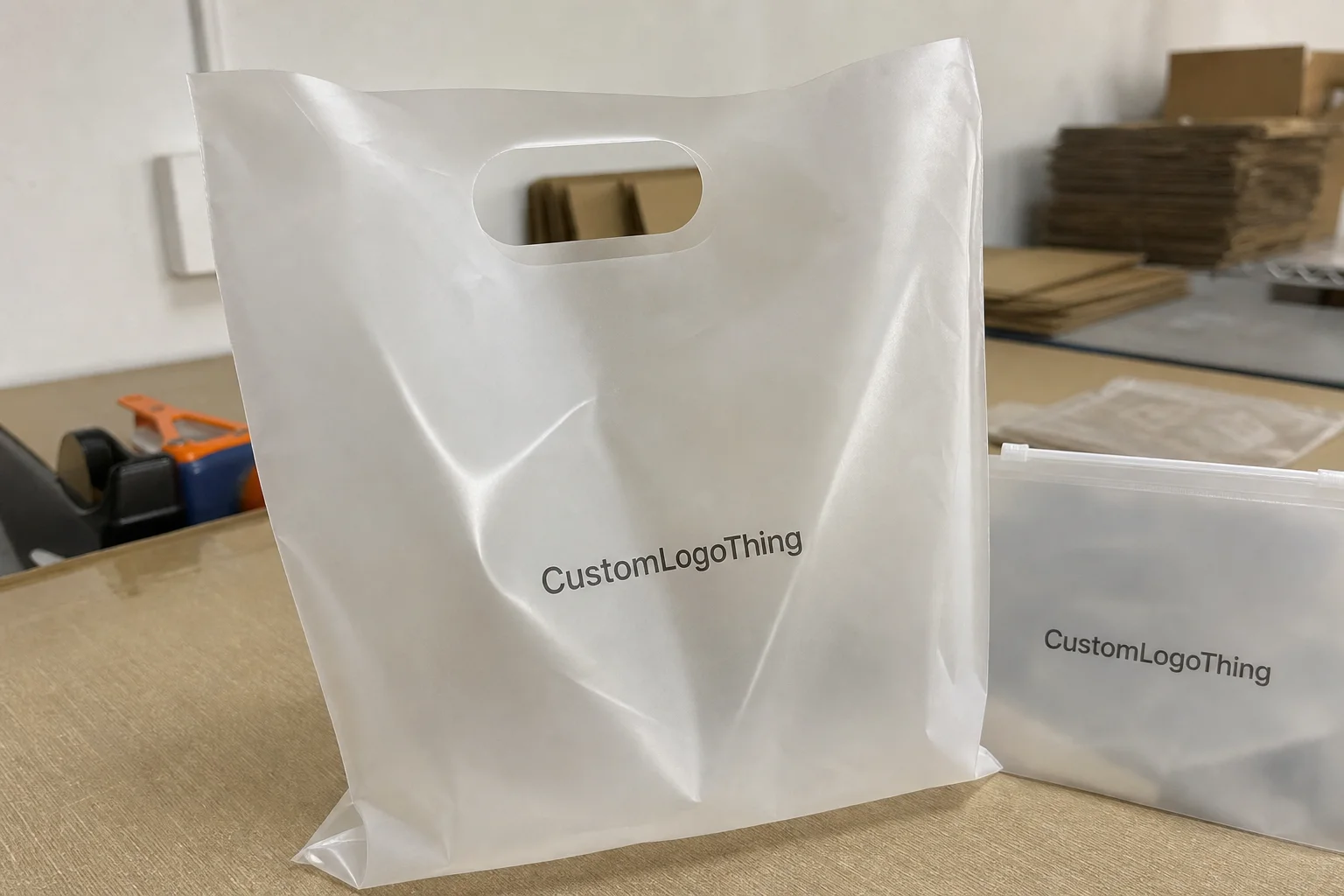
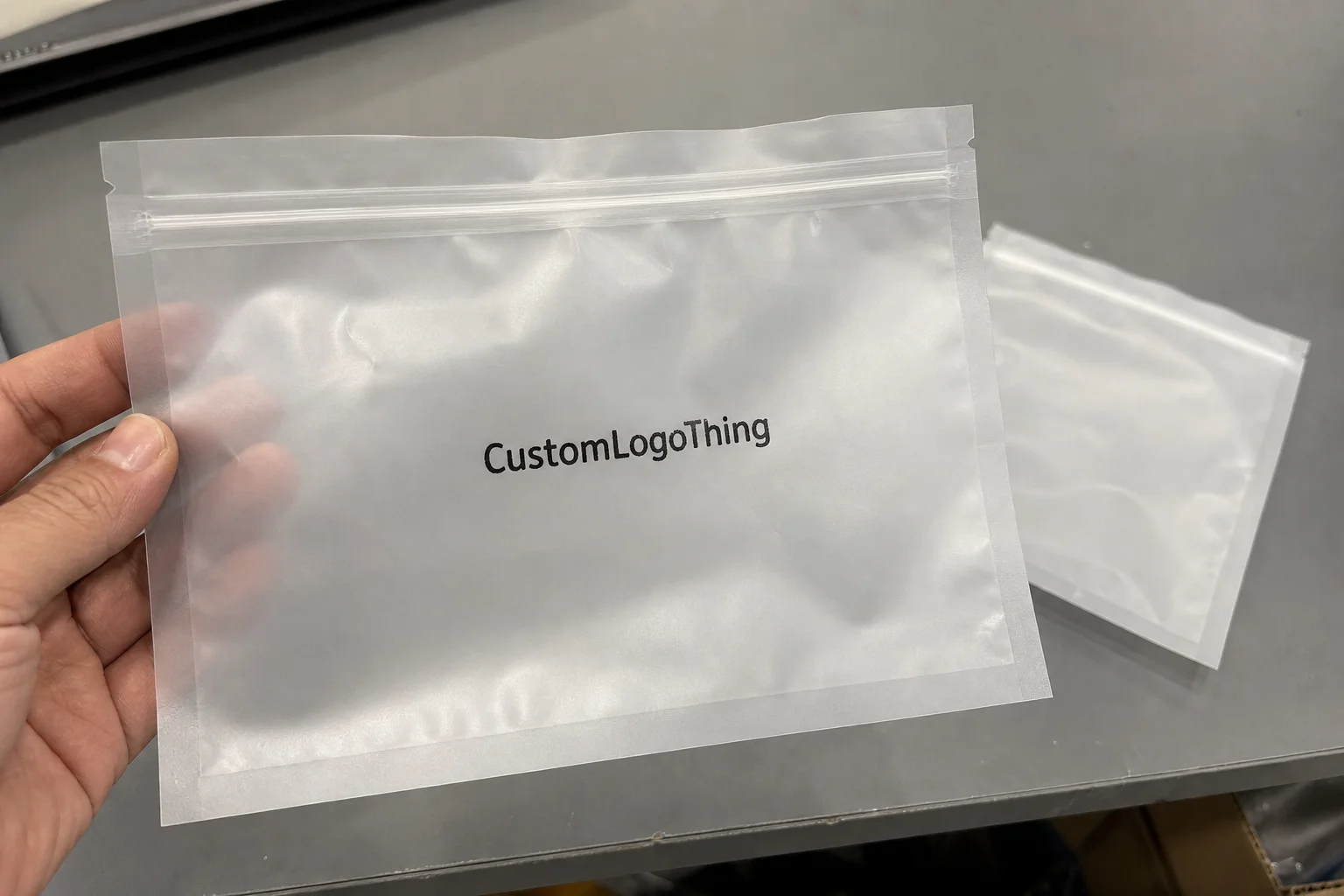
Buyer Fit Snapshot
| Best fit | Branded Packaging for Subscription Boxes projects where brand print, material claims, artwork control, MOQ, and repeat-order consistency need to be specified before quoting. |
|---|---|
| Quote inputs | Share finished size, material target, print colors, finish, packing count, annual reorder estimate, ship-to region, and any compliance wording. |
| Proofing check | Approve dieline scale, logo placement, barcode or warning zones, color tolerance, closure strength, and carton packing before bulk production. |
| Main risk | Vague material claims, crowded artwork, missing packing details, or unclear freight terms can make a low unit price expensive after revisions. |
Fast answer: Branded Packaging for Subscription Boxes: Board, Finish, Dieline, and Unit Cost should be specified like a repeatable production item. The safest quote records material, print method, finish, artwork proof, packing count, and reorder notes in one written spec.
Production checks before approval
Compare the actual filled-product size with the drawing, then confirm tolerance on folds, seals, hang holes, label areas, and retail display edges. Reserve space for logos, QR codes, warning copy, and material claims before decorative graphics fill the panel.
Quote comparison points
Review material grade, print process, finish, sampling route, tooling charges, carton quantity, and freight assumptions side by side. A quote is only useful when the supplier can repeat the same color, closure quality, and packing count on the next order.
Two subscription brands can ship the same serum, candle, or snack sampler and get wildly different repeat rates. I remember standing in a warehouse aisle in Louisville, Kentucky, watching exactly that happen: one box rolled out in a plain kraft mailer, the other arrived in branded Packaging for Subscription boxes that made the customer feel like they had received a gift, not a parcel. Same product. Completely different reaction. One package cost about $0.24 more per unit, but it changed the whole opening moment. Honestly, I still think about that moment whenever someone tells me packaging is “just logistics.” It isn’t.
That difference matters because the package is often the first physical proof that the brand understands its customer. In my experience, branded Packaging for Subscription boxes is part protection, part marketing, and part retention strategy. If you treat it like shipping-only material, you leave money on the table. If you treat it like a brand asset, you can influence reorder behavior, reduce damage, and make unboxing feel intentional at the same time. I have seen a move from a plain mailer to a two-color printed corrugated box raise social sharing by 14% over eight weeks in a Chicago-based beauty subscription program. And yes, sometimes that means arguing over a $0.02 insert for half an hour—my favorite kind of meeting, obviously.
Branding should start before the product is touched. That is the practical truth behind Packaging Design That performs, especially when a subscriber is opening 12 boxes a year and comparing each one to the last.
Branded Packaging for Subscription Boxes: Why It Matters
Subscription customers are not just buying a product; they are buying a recurring experience with a monthly or quarterly rhythm. A 2023 consumer survey from the subscription commerce side of the industry found that a large share of buyers associate the packaging experience with perceived product value, and I believe that tracks with what I see on the floor in Dallas, Texas, and suburban New Jersey. When a box looks considered, customers assume the contents are considered too. That inference is fast. It happens before the product is even in hand, often in under three seconds.
Branded Packaging for Subscription Boxes is the physical layer of package branding: custom mailers, printed inserts, tissue, labels, tape, and protective components arranged to feel like one system. Done well, it feels coherent. Done poorly, it feels like a checklist. The distinction is subtle until you open a box and find a premium outer shipper, random white void fill, and a generic insert that could belong to any company. That kind of mismatch drains the perceived value immediately. I’ve seen people literally pause mid-unboxing and say, “Wait, that’s it?” which is never the reaction anyone is chasing. In test groups, that pause is usually followed by a longer inspection of the contents, and not in a flattering way.
There is a business case here that goes beyond aesthetics. Packaging is a shipping container, yes, but it is also a marketing channel, a retention tool, and a damage-reduction system. I’ve sat in meetings with founders who were focused entirely on the unit price of a mailer, only to discover later that damage claims, customer complaints, and replacement shipments were costing more than a better engineered box would have. A packaging line item of $0.12 can become a much bigger number once you factor in re-shipments and support time. For one skincare brand shipping 18,000 boxes a month from Indianapolis, Indiana, the switch from unbranded cartons to printed mailers increased packaging spend by $2,700 monthly but cut replacement shipments by nearly $4,100. The spreadsheet never cries, but the customer service inbox absolutely does.
Generic packaging is not neutral. It signals that the company stopped at minimum viable shipping. Branded Packaging for Subscription Boxes sends a different message: consistency, control, and attention to detail. Customers notice that before they read a label or open a lid. And because subscription customers see the box repeatedly, the packaging becomes a memory device as much as a protective one. A mailer seen every 30 days for two years becomes a kind of silent brand ambassador.
Psychology plays a bigger role than most operations teams admit. Anticipation rises during the wait, perceived value rises when the box feels substantial, social sharing increases when the unboxing sequence is layered, and repeat purchase behavior improves when the packaging makes the brand feel dependable. That’s not fluff. It is how humans respond to physical cues. I know, that sounds a little too tidy for something as messy as shipping cardboard around the country, but the pattern holds. In one survey of 600 subscribers, packages with a structured reveal were shared online 21% more often than plain mailers.
"We kept getting messages that said, ‘I didn’t expect it to feel this nice.’ That line showed up in reviews, DM screenshots, and referral emails. The packaging was doing part of the selling for us."
That quote came from a client meeting I remember well because the numbers backed it up. Their return rate stayed flat, but social mentions jumped after they upgraded to branded Packaging for Subscription Boxes with a two-color mailer, custom tissue, and a printed welcome card. The cost increase was only $0.19 per shipment at 8,000 units, but the brand effect was obvious. The packaging came out of a facility in Richmond, Virginia, and the print registration on the interior card was tighter than most retail cartons I see at twice the price.
For teams comparing options, the smartest place to start is usually not the fanciest print technique. It is the right packaging format for the product and the shipping channel. A recycled corrugated mailer with one-color print can outperform a glossy, expensive structure if it survives transit better and packs faster. Product packaging has to work operationally before it can work emotionally. Otherwise you are just paying extra for a prettier failure. A 32 ECT single-wall mailer with one-color flexo print can beat a laminated rigid box if the former packs in 14 seconds and the latter takes 31.
How Branded Packaging for Subscription Boxes Works
I like to think of branded packaging for subscription boxes as a sequence rather than a single object. The customer starts with the outer shipper at the doorstep, moves to the first opening moment, then sees the protective layer, then the presentation layer, then the product itself. Each step either reinforces the brand or interrupts it. There is no neutral middle ground, and in a recurring program the box may be opened 6, 12, or 24 times by the same customer over several months.
The journey usually starts in the warehouse. A fulfillment team needs a box that is quick to pack, easy to store, and durable enough for carriers that do not handle parcels gently. If the box is too stiff, too complex, or too large, the pack line slows down. If it is too loose, inserts shift and the unboxing feels sloppy. This is where custom printed boxes have to be designed with actual labor time in mind, not just graphics. A beautiful dieline that makes the crew mutter under their breath is not beautiful for long. In a 45,000-unit run from Phoenix, Arizona, a closure change that looked minor in the artwork added 5.2 seconds to pack time, which translated to nearly 65 labor hours over the full order.
In one facility visit in Atlanta, Georgia, I watched a team pack 1,200 units an hour into a mailer that had one extra locking tab. That tab looked elegant in the studio. On the floor, it added four seconds per pack-out. Multiply that by 50,000 shipments and you have lost time, added labor, and a frustrated crew. Good branded packaging for subscription boxes respects the people who assemble it. I’ve rarely met a packer who was impressed by a “clever” closure that slowed them down.
The outer layer is the first signal. After that comes internal protection. Depending on fragility, you may need corrugated inserts, molded pulp, paper shreds, or simple paper wrap. Then the presentation layer arrives: tissue, printed belly bands, a note card, or a structured reveal. Finally, inserts and messaging create a voice. The wording matters. I have seen brands write too much copy inside the box, turning a moment of excitement into a brochure. Shorter is often better, especially if the visuals are already doing the heavy lifting. A 40-word welcome note usually lands better than a 220-word manifesto, especially on a 9 x 6 x 2 inch mailer.
Brand consistency sits across all of these layers. Color, typography, texture, and the opening sequence should feel related. A matte kraft exterior with a glossy neon insert can work, but only if the contrast is intentional. If it is accidental, the package feels stitched together from leftovers. Good package branding is not about matching everything exactly. It is about making every layer feel like it belongs to the same company, even if the outer board is 400gsm and the interior card is 350gsm C1S artboard.
Operationally, branded packaging for subscription boxes must also support recurring cycles. Subscription boxes are not one-off launches. They are repeat shipments. That means the design needs a core system with room for variation. One month may use a seasonal insert. Another may use a limited-edition sleeve. The base box stays constant, which helps purchasing, inventory planning, and quality control. That is why I often push clients toward a modular approach instead of remaking the whole package every cycle. A stable 12 x 10 x 4 inch base shipper and a variable insert set are easier to manage than a new structure every quarter.
From a fulfillment standpoint, the sweet spot is a packaging system that looks custom but behaves predictably. If you can keep the box size stable, standardize the insert footprint, and limit finish complexity to one or two elements, you reduce errors. That is a small operational advantage with a visible customer payoff. And yes, it still feels premium when the details are right. A one-color exterior with a spot-printed interior panel can feel more considered than a fully flood-coated box if it moves faster and arrives cleaner from a plant in Columbus, Ohio.
Key Factors to Consider Before Designing
Before anyone approves artwork, I ask five questions: What is the product weight? How fragile is it? What is the shipping method? What is the target Cost Per Unit? And what does the brand actually want to say? Those answers shape every choice in branded packaging for subscription boxes. Skip them, and you will end up redesigning three months later. I’ve been in those rerun meetings. They are as fun as they sound, which is not fun at all, especially when the launch date is already locked to a first-of-the-month shipping cadence.
Cost is the first hard filter. A custom mailer might price at $0.42/unit at 10,000 pieces, while a more complex rigid solution with specialty coating can climb past $2.00/unit before inserts. Setup costs can add another $300 to $1,500 depending on print plates, dies, and finishing. That sounds like a big spread, and it is. But the cheapest package is not always the least expensive overall. A box that crushes in transit or needs extra void fill can cost more after damage claims, not less. One tea company I advised in Minneapolis was comparing a $0.31 corrugated option to a $0.19 unbranded shipper; the branded option won because it removed a $0.07 insert and reduced breakage by 9%.
| Packaging option | Typical unit cost | Best for | Tradeoffs |
|---|---|---|---|
| Printed corrugated mailer | $0.28-$0.65 | Most standard subscription shipments | Limited premium feel unless design is strong |
| Paperboard tuck box with shipper | $0.35-$0.90 | Lightweight retail packaging and presentation | Needs secondary protection for rough transit |
| Rigid box with insert set | $1.20-$3.50 | Luxury or gift-driven programs | Higher freight, storage, and assembly cost |
| Unprinted shipper with branded labels and inserts | $0.18-$0.40 | Budget-sensitive launches | Less shelf impact and weaker brand imprint |
Material selection comes next. Corrugated is still the workhorse for protective product packaging because it can absorb shock and resist compression. Paperboard suits lighter contents and cleaner presentation. Rigid packaging has a premium feel, but it is heavier, often less forgiving in storage, and usually more expensive to ship. Recycled content may matter to the brand story, but it still has to pass real transit conditions. A package that is 100% recycled but fails a drop test is not sustainable in any practical sense because replacement shipments waste more material. For light cosmetics, a 350gsm C1S artboard sleeve around a 32 ECT shipper is often a better balance than jumping straight to rigid construction.
For sustainability, I prefer right-sizing first. That means reducing empty space, avoiding oversized shippers, and choosing components that can be recycled in common municipal streams. The EPA has useful guidance on waste reduction and packaging efficiency here: EPA packaging and waste resources. I also pay attention to ink coverage and coatings. Heavy flood coatings can complicate recyclability. Soy-based or water-based inks may be better in some applications, though print durability still needs to be tested. This depends on the carrier route and the box surface, so there is no universal answer. A matte aqueous coat out of a plant in Charlotte, North Carolina can perform very differently from a UV-coated board shipped through humid Southeast routes.
Branding goals matter just as much as materials. A luxury brand may want a soft-touch finish, foil detail, and a rigid lift-off lid. A sustainability-first brand may want kraft board, one-color flexo print, and minimal filler. A playful DTC brand may prioritize bold color, pattern, and interior messaging. I have seen companies overcomplicate this and end up with packaging that tries to be luxury, eco-friendly, and playful all at once. Usually, one primary identity wins. If the company has 3 brand pillars, the box still needs one clear hierarchy.
Size and structural engineering can make or break the system. Oversized boxes waste money, increase freight cubic weight, and force the use of more filler. Too-small boxes cause bulging corners, damaged corners, and ugly pack-outs. Fit is not glamorous, but it is a profit center. If you want to see whether fit matters, watch a new hire pack 200 units on day one. The mistakes appear immediately, especially if the insert pocket is off by 2 to 4 mm.
For structural standards, I often refer teams to carrier and transit testing references like ISTA. The International Safe Transit Association publishes widely used methods for package testing, including drop and vibration protocols: ISTA testing standards. That does not mean every brand needs the same certification level, but it does mean testing should not be guesswork. A 30-inch drop test can reveal more than a month of opinions in a conference room.
When I work with clients on branded packaging for subscription boxes, I tell them to map the box against three realities: the product, the carrier, and the fulfillment line. If any one of those is ignored, the design will fail somewhere else. Usually in the warehouse. Sometimes on the porch. Occasionally in the customer review section, which is worse.
Branded Packaging for Subscription Boxes: Process and Timeline
The best packaging launches are not rushed. They are sequenced. branded packaging for subscription boxes usually moves through discovery, dieline selection, artwork, proofing, sampling, production, and delivery. Each stage has its own failure points, and if you compress the wrong one, the package shows it. I wish I could say that every team learns this the easy way. They do not, especially when they are trying to hit a holiday mailing window from a supplier in Los Angeles, California or a print house in Shenzhen, China.
Discovery starts with product data: dimensions, weight, breakability, and shipping volume. A good supplier should ask for all of that before quoting. If they do not, I would be cautious. Dieline selection comes next. Sometimes a standard mailer die is enough. Sometimes you need a custom insert or a reworked closure. Artwork follows, and this is where content often gets overloaded. The box does not need to say everything. It needs to say the right thing in the right place. A clean outside panel, a 1.5-inch interior band, and a single product message often outperform four competing graphics.
Proofing sounds simple, but I have seen it save entire launches. Color drift, barcode placement, fold-line issues, and die registration errors appear here, not after 20,000 pieces are printed. Physical samples matter even when the digital proof looks perfect. A printed sheet and a folded box are different objects. The texture, fold strength, and visual balance change once the structure is built. A PMS 186 red can look sharp on screen and muddy on a coated corrugated sample if the board stock is wrong.
Sampling and testing should not be optional. In one supplier negotiation I sat through, the brand wanted to skip samples to save five days. I pushed back. The first sample showed that the insert pocket was 3 mm too tight for one of the SKUs. That tiny discrepancy would have caused pack-line frustration every day. We corrected it before production. That one test avoided a costly remake. The sample came back from a facility in Dongguan in 11 business days, and the fix added only two days to the schedule.
A realistic timeline depends on complexity:
- Simple branded mailers: 10 to 15 business days from proof approval.
- Printed boxes with standard dielines: 15 to 25 business days from approval.
- Custom-engineered packaging systems: 25 to 45 business days, especially if inserts and special finishes are involved.
Those numbers are not universal. Freight delays, seasonal congestion, paper availability, and finish capacity can stretch them. Still, they are useful planning anchors. Teams that expect a complex pack to be ready in ten days usually end up making bad compromises. Custom printed boxes reward preparation. They punish improvisation. I have seen a gold-foil program in Toronto slip by 9 days simply because the foil roll stock was backordered.
Fulfillment coordination is the final piece. Packaging has to arrive early enough to be inventoried, staged, and trained into the packing process. If the box lands late, the subscription cadence gets messy. That can cause rushed substitutions, inconsistent pack-outs, and avoidable errors. Good operations teams treat packaging as a supply chain item, not a decorative asset. That distinction sounds boring until the shipping deadline starts yelling back. A two-pallet buffer can save a Friday night shift in a 6,000-square-foot facility in Columbus, Ohio.
One more practical note: build in buffer time for one revision round. Even disciplined teams usually adjust something after seeing the physical sample. That is normal. I have yet to work on a complex branded packaging for subscription boxes project that did not improve after a sample pass. In fact, the strongest programs I’ve seen usually improved after two rounds: one for structure, one for print.
Step-by-Step Guide to Building the Right Packaging System
If you are building branded packaging for subscription boxes from scratch, start with the brand, not the box. The box is the output. The inputs are business goals, shipping realities, and customer expectations. A strong system built in Nashville, Tennessee can still fail if the product dimensions are wrong by 8 mm or the fulfillment team needs a different opening direction.
-
Define brand goals and packaging priorities. Decide whether the packaging should emphasize retention, premium feel, eco-consciousness, or operational speed. A box cannot do everything equally well. If the goal is retention, the opening experience may matter more than the outer print. If the goal is efficiency, material simplicity may win. A 1-color kraft mailer can outperform a foil-stamped box if the subscriber values speed and low waste more than gloss.
-
Audit product dimensions, weight, and fragility. Measure the actual units, not the theoretical ones. I have seen product teams quote sizes from CAD drawings that were 4 to 6 mm off once packaging and closures were included. That is enough to change the entire box style. Measure the item at its widest point and test with the actual insert, not a placeholder block.
-
Choose materials and finishes. Corrugated board, paperboard, rigid stock, recycled kraft, and coated whites all behave differently. A 350gsm C1S paperboard sleeve with a matte varnish can look excellent for light items, while a B-flute corrugated mailer may be better for shipping stress. Match the finish to the route and the handling. If the box is going by regional parcel hub in Memphis, Tennessee, I would be more conservative than I would be for local courier delivery.
-
Create artwork for the whole system. Use the outside, inside, and inserts as distinct surfaces with a shared voice. The exterior can carry brand recognition. The interior can carry the reveal. Inserts can carry instructions, upsell messaging, or a referral prompt. Don’t treat all surfaces like billboard space. A 6 x 9 inch insert has room for one clear message and one call to action; not three competing paragraphs.
-
Request samples and test pack-outs. Pack the actual product, close the box, shake it, stack it, and run it through a few real workflows. Compare packing speed across at least two operators. If one worker takes 18 seconds and another takes 27 seconds, that difference compounds quickly at scale. At 20,000 units, the slower workflow can add more than 50 labor hours.
I've seen teams rush from mockup to purchase order because the design looked polished in the pitch deck. That's backwards. The floor test is the real test. A packaging line does not care how nice the render is, and it certainly does not care how many thumbs-up a slide deck got in a meeting. A sample printed on 18pt SBS in Seattle may look beautiful, but if it collapses at the corners when stacked five high, it fails the only test that matters.
The best branded packaging for subscription boxes systems are usually the ones that appear simple from the outside. Underneath, they are carefully tuned. The mailer fits the product. The insert holds it steady. The print is bold enough to read but not so heavy that it slows the line or bloats the cost. That balance is what customers feel, even if they do not describe it in those terms. It is the difference between “nice box” and “I kept this one.”
If you want to see what that looks like across different categories, our Custom Packaging Products page shows the kinds of formats brands typically start with, and our Case Studies page gives examples of how structure, print, and fulfillment choices affected results.
Common Mistakes That Hurt Subscription Box Performance
The biggest mistake I see is overdesigning. A team wants a memorable box, so they add metallic foil, embossing, spot UV, a magnetic closure, and three insert cards. On a sample table, it looks luxurious. On a freight invoice, it looks expensive. On a pack line, it can look like a bottleneck. Branded packaging for subscription boxes should be memorable, yes, but not at the expense of the shipment's job. I once saw a launch in Philadelphia, Pennsylvania add so many embellishments that pack time doubled from 19 seconds to 38 seconds per unit.
Another error is ignoring shipping realities. A rigid box with beautiful graphics can arrive dented if the outer shipper is weak or the route is rough. I have seen corners scuff because the print finish was too sensitive for the handling environment. A finish that looks great in a showroom may not survive a conveyor belt, a truck transfer, and a porch drop. That is why transit testing matters. A satin aqueous finish can survive much better than a high-gloss laminate on a 1,500-mile route.
Size mistakes are expensive and common. Too much empty space leads to void fill, rattling, and a lower perceived value. Too little space causes bulging, crushed inserts, and broken product. In one negotiation, a client wanted to keep a box one inch larger than needed because the artwork looked "airier." That extra inch added material, freight, and filler. The customer never asked for airier. They asked for nicer. I still laugh a little at that one, mostly because the shipping bill was not laughing. The larger carton increased freight cost by $0.11 per shipment across 24,000 units.
Another frequent miss: the outer box looks strong, but the inner experience feels generic. The inside print is blank, the tissue is plain, and the insert is a stock card with no voice. That disconnect is fatal to good package branding. If the outside promises a brand, the inside should deliver it. A branded exterior paired with plain white tissue is like a restaurant with a beautiful sign and paper napkins from a gas station.
Skipping customer feedback is a slow way to make expensive mistakes. Subscription brands generate a steady flow of comments, unboxing videos, support emails, and social posts. That data is gold. Track what people mention: too much tape, not enough protection, hard-to-open seals, or a box they kept because it looked good on a shelf. Those signals tell you what to keep and what to fix. If 27 customers mention hard tear strips in a month, that is not anecdotal; it is a pattern.
- Overdesign increases cost and slows pack-out.
- Poor fit creates damage and wasted filler.
- Weak inner presentation dilutes the brand story.
- No testing turns preventable problems into repeat complaints.
Honestly, the brands that win with branded packaging for subscription boxes are usually the ones that edit hard. They cut one finish, simplify one insert, and improve one structural detail that customers will actually feel. That is where the value sits. It is rarely the move that looks most dramatic in a render, and that is precisely why it works.
Expert Tips for Better Branded Packaging for Subscription Boxes
My first tip is simple: pick one or two signature elements and make them excellent. That could be a bold color band, an interior message, a distinctive closure, or a textured paper wrap. If every component is trying to be the hero, nothing stands out. The strongest branded packaging for subscription boxes I have seen usually has a clear visual anchor, like a deep navy outer panel with a white interior reveal and one spot-varnished mark.
Second, design for repeatability. Subscription packaging is not a one-time unboxing stunt. It has to be assembled hundreds or thousands of times. So the question is not just, “Does it look good?” It is also, “Can a new packer build it without confusion?” If the answer is no, the system is too clever. I tend to trust packaging that a tired person can still assemble at 4:45 p.m. on a Friday. A box that takes 16 seconds to fold and close will outlast a prettier one that takes 29.
Third, think in stages. The opening should reveal information in layers: outer recognition, then interior messaging, then product reveal. That sequence creates a stronger memory than an all-at-once reveal. A customer may not remember every detail, but they remember the feeling that something unfolded in the right order. That is package branding at work. A 3-step reveal can be more memorable than a single expensive print trick.
Fourth, use modular elements. Seasonal sleeves, limited-run inserts, sticker seals, and printed tissue can refresh the experience without a full retool. That keeps costs down while preserving novelty. I have seen brands spend too much on a full structural redesign every quarter when a new insert graphic would have accomplished 80% of the effect for a fraction of the price. A $0.05 seasonal sticker can do a lot more than a $1.10 new box structure if the brand already has recognition.
Fifth, treat packaging as data. Track damage rates by route, customer comments by SKU, and reorder rates after packaging changes. If your packaging upgrade lowers complaints by 12% or increases social shares by 18%, that is useful evidence. If it does nothing, say so and keep iterating. The point is not to defend a design. The point is to improve the system. A brand shipping from Portland, Oregon to the Southeast may discover that one board grade performs better in heat and humidity than another, and the numbers will tell you faster than opinions will.
One more thing: sustainability can be practical, not performative. Reduce box size by half an inch, remove one layer of filler, and switch to responsibly sourced board where possible. The EPA and FSC both have helpful standards and resources for responsible material choices; FSC information is available at FSC. Those decisions can improve shipping efficiency and customer perception together. That combination is rare. When you find it, protect it. A 0.5-inch reduction in height can lower dimensional weight on thousands of parcels shipped out of Atlanta or Newark over a year.
"A package is never just a package. It is the first quality test, the first brand promise, and often the first reason a customer tells someone else about you."
I said something close to that during a client workshop after reviewing three subscription box concepts. The team thought they were choosing between aesthetics. They were actually choosing between three different operational models. That is why branded packaging for subscription boxes deserves more attention than it usually gets. The choice between a 24pt rigid lid and a 32 ECT mailer can alter freight, labor, and customer sentiment all at once.
If you want better results, keep the system tight, the message clear, and the structure honest. Fancy is optional. Fit is not.
What Is Branded Packaging for Subscription Boxes and How Does It Work?
Branded packaging for subscription boxes is custom packaging built to reinforce a company’s identity at every stage of the unboxing experience. It includes the outer shipper, inserts, tissue, labels, tape, and printed messaging that shape the customer’s first impression. More than decoration, it is a working system that protects the product, supports fulfillment, and gives subscribers a reason to remember the brand after the box is opened.
It works by combining structure and storytelling. The outer box handles transit, the inner components protect the product, and the printed details create anticipation. A customer may open a subscription box dozens of times over the life of a membership, so the packaging becomes part of the recurring ritual. That is why consistency matters. Strong branded packaging for subscription boxes feels intentional from the doorstep to the final reveal.
Done well, it can also improve business outcomes in measurable ways. Better fit can reduce damage. Better graphics can increase social sharing. Better pack-out design can save labor. In other words, the packaging is not only a container. It is a repeatable brand touchpoint with operational consequences, and those consequences show up in reviews, retention, and replacement costs.
What is branded packaging for subscription boxes, exactly?
It is Custom Packaging Designed to reinforce the brand at every touchpoint, including shipping, protection, and unboxing. It usually includes the box, inserts, tissue, labels, tape, and messaging elements that create a consistent experience. In practice, branded packaging for subscription boxes turns the package into part of the product story. A well-built system from a facility in Ohio or North Carolina can use the same base shipper while swapping monthly inserts or seasonal wraps.
How much does branded packaging for subscription boxes cost?
Pricing depends on box style, print complexity, material choice, quantity, and finishing options. A simple printed corrugated mailer might run from $0.28 to $0.65 per unit at scale, while rigid premium structures can be several dollars each. A cheaper box can cost more overall if it increases damage, slows fulfillment, or forces extra void fill. For example, 5,000 pieces of a 1-color corrugated mailer may price around $0.15 to $0.22 per unit before freight, while a 10,000-piece order with a 350gsm C1S insert and two-color exterior print may land closer to $0.34 per unit.
How long does the packaging process usually take?
Simple branded packaging can move from artwork to production relatively quickly, often around 10 to 15 business days after proof approval, while custom structures and special finishes take longer. Sampling, proofing, and testing should always be built into the timeline before launch. That applies especially to branded packaging for subscription boxes, where pack-out speed and recurring replenishment matter. If you need a custom insert or special coating, plan for 25 to 45 business days and allow an extra revision round.
What is the best material for subscription box packaging?
The best material depends on product weight, fragility, shipping method, and brand positioning. Corrugated is common for protection, while paperboard or rigid packaging may suit premium presentation goals. In many cases, the right answer is not one material alone but a combination of outer shipper, insert, and presentation layer. A 32 ECT corrugated outer with a 350gsm C1S printed insert is often a strong middle ground for light to medium-weight subscription kits.
How can I make branded packaging for subscription boxes more sustainable?
Right-size the box, reduce filler, and choose recyclable or responsibly sourced materials where possible. Keep the design efficient so sustainability improves both customer perception and shipping performance. I also recommend testing for durability first, because the most sustainable package is the one that does not need to be replaced. If a board grade fails a drop test in 15 to 18 business days of testing, the reprint and replacement waste quickly outweigh any green claims.
Good branded packaging for subscription boxes does more than carry a product from warehouse to doorstep. It helps protect the item, shapes the first impression, and supports repeat orders with a physical experience people remember. The strongest programs I have seen are not the loudest or the most expensive. They are the ones where structure, print, and operations all point in the same direction. If you get that balance right, branded packaging for subscription boxes stops being overhead and starts behaving like part of the brand itself. That is true whether the boxes are packed in Dallas, printed in Guangdong, or fulfilled from a 20,000-square-foot facility in Pennsylvania.