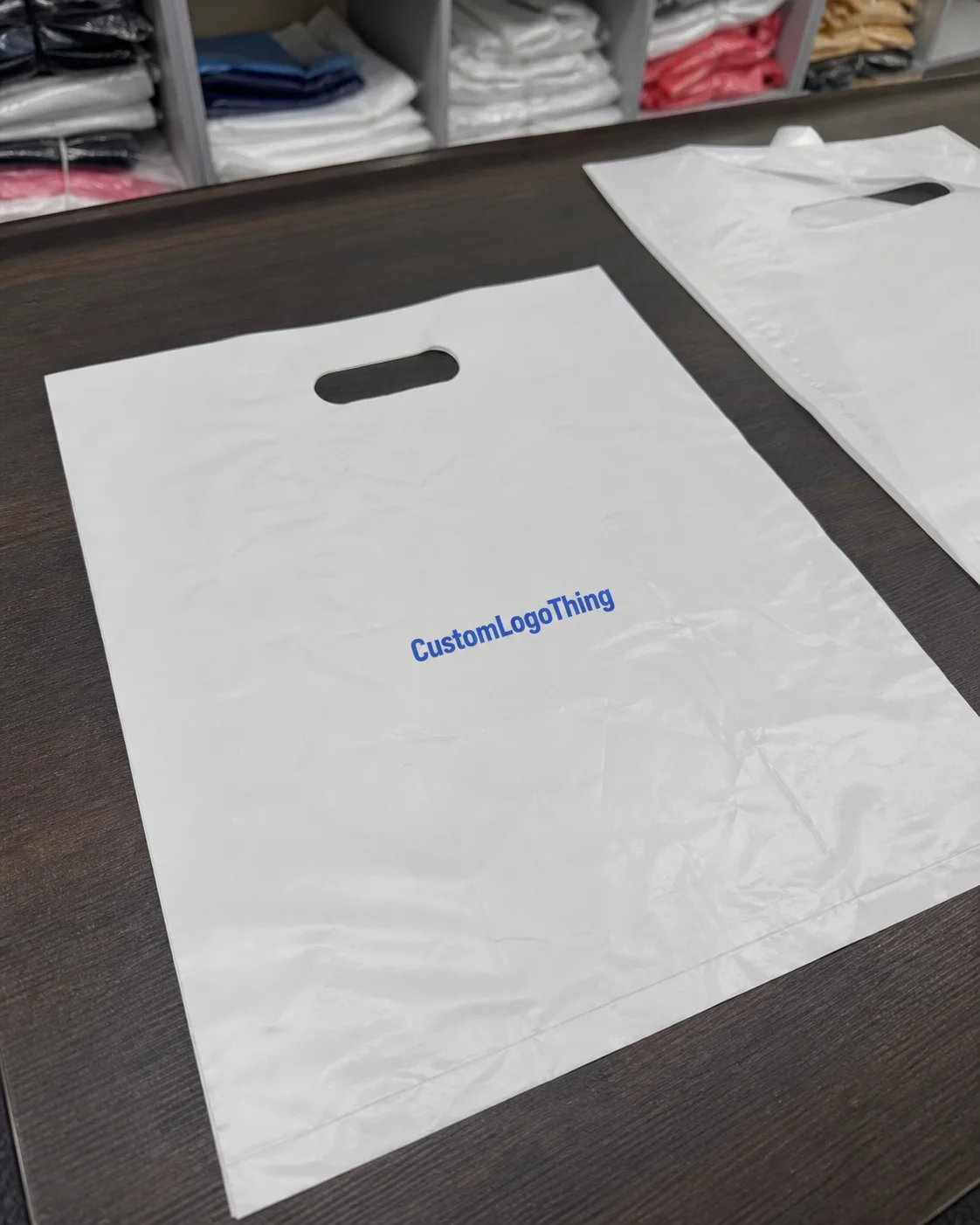
Buyer Fit Snapshot
| Best fit | Branded Padded Mailers for Coffee Roasters Shipping projects where brand print, material claims, artwork control, MOQ, and repeat-order consistency need to be specified before quoting. |
|---|---|
| Quote inputs | Share finished size, material target, print colors, finish, packing count, annual reorder estimate, ship-to region, and any compliance wording. |
| Proofing check | Approve dieline scale, logo placement, barcode or warning zones, color tolerance, closure strength, and carton packing before bulk production. |
| Main risk | Vague material claims, crowded artwork, missing packing details, or unclear freight terms can make a low unit price expensive after revisions. |
Fast answer: Branded Padded Mailers for Coffee Roasters Shipping should be specified like a repeatable production item. The safest quote records material, print method, finish, artwork proof, packing count, and reorder notes in one written spec.
Production checks before approval
Compare the actual filled-product size with the drawing, then confirm tolerance on folds, seals, hang holes, label areas, and retail display edges. Reserve space for logos, QR codes, warning copy, and material claims before decorative graphics fill the panel.
Quote comparison points
Review material grade, print process, finish, sampling route, tooling charges, carton quantity, and freight assumptions side by side. A quote is only useful when the supplier can repeat the same color, closure quality, and packing count on the next order.
Branded Padded Mailers for Coffee roasters shipping durability checklist is a mouthful, and it points to a very ordinary failure mode: the package looks polished in the proof, then shows up scuffed, damp, or split at the seam. Nice branding does not help much if the outer shell gives up before the customer opens it. The fix is usually not fancy. It is a better spec, a real test, and a buyer who asks boring questions before the first order lands.
Coffee roasters feel that more than most brands because the package is part of the promise. Roast date, aroma, seal integrity, and shelf appeal all begin before the bag gets opened. A mailer that survives the route but arrives bruised still sends the wrong message. Ecommerce shipping is not just delivery. It is part of the product experience, whether the supply chain likes that or not.
The better Branded Padded Mailers do three jobs at once. They protect flat items through order fulfillment, they give you a clean surface for logo and label placement, and they keep the parcel from getting mangled by sorters, bins, and overfilled delivery bags. For roasters shipping sample packs, gift cards, merch, filters, books, or small accessories, that balance usually makes sense. For bulk bean bags, glass jars, or heavy tins, the mailer is the wrong tool and pretending otherwise just burns money.
A package can arrive intact and still fail. If the face is scuffed, the closure is wrinkled, or the seam looks stressed, the customer sees cheap before they ever smell the coffee.
The rest of this piece turns that into something usable. You will see where damage usually starts, how mailer structure affects package protection, why pricing gets weird once freight and dimensional weight enter the picture, and how a shipping durability checklist keeps you from buying packaging on vibes alone.
Branded padded mailers for coffee roasters: where failures start
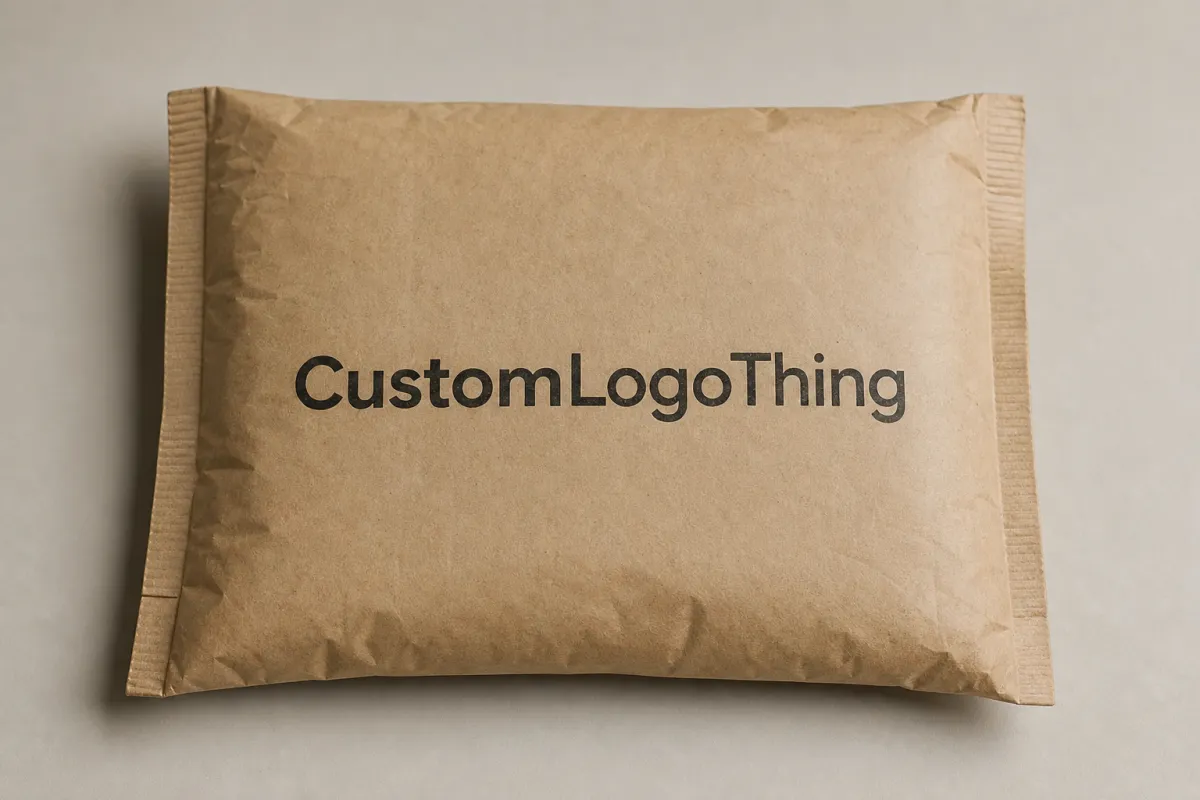
Most coffee-shipping damage is not a dramatic crush. It is smaller and more annoying. A corner gets rubbed raw. An adhesive strip opens after a few bends. A label crosses a fold and curls up at the edge. Moisture sneaks into the outer layer and turns a crisp branded surface into something that looks tired by lunch. The product may still be fine, but the presentation already took a hit.
That matters because the outer package carries the brand promise. A customer who pays for a single-origin box, a subscription sample, or a merch bundle expects the mailer to look intentional. When the shell looks cheap, people start making quiet little leaps. If the packaging was handled carelessly, was the coffee handled carefully too? That question is poison for premium pricing.
The failure points are predictable enough to plan around:
- Seams that split when the parcel gets compressed or bent.
- Edges that crush when orders are stacked in carts, sacks, or bins.
- Print surfaces that scuff, streak, or crack after friction.
- Moisture exposure from damp trucks, wet floors, or humid transit lanes.
- Closure systems that peel back when the adhesive is too weak or the contents are too full.
Coffee roasters care because a damaged mailer can undermine the freshness story. Once trust slips, customers read everything else with a harder eye. Roast date claims feel less convincing. Premium pricing feels inflated. A good cup can still start with a bad assumption, and that is a stupid place to lose a customer.
There is also a cost angle. Coffee businesses usually live in the narrow gap between product cost and shipping cost, so packaging has to support both appearance and efficiency. The right padded mailer keeps small, flat items moving through ecommerce shipping without adding a box, void fill, or extra packing labor. The wrong one creates reships, customer service tickets, and refund pressure that erase the savings you thought you had.
Use cases matter more than people admit. Branded Padded Mailers usually fit:
- Sample packs and tasting kits.
- Gift cards and seasonal inserts.
- Stickers, shirts, hats, and other merch.
- Small books, zines, or brewing guides.
- Filters, scoops, tamp mats, and accessory bundles.
They are usually a bad fit for heavier, rigid, or oddly shaped items. A glass jar, a hard tin, or a multi-piece starter kit can create point pressure that a mailer was never built to handle. That is the moment for internal inserts, a combo pack, or a move into Custom Shipping Boxes.
How branded padded mailers protect coffee shipments
A good padded mailer is simple at a glance and layered in reality. There is an exterior face, usually poly or kraft. There is an inner cushioning layer, often bubble or fiber padding. There is a seal that closes the opening. There is a print area that carries the logo, product message, or shipping label. Every layer does a different job, and the weak link is usually the one people skip during approval because it looks boring.
The outer surface is the first line of defense. Poly faces resist moisture and surface grime better than paper alone, which helps in humid lanes and rough warehouse handling. Kraft faces feel more tactile and retail-friendly, which suits a coffee brand leaning into a natural look. Bubble-style padding adds impact absorption. Denser fiber or quilted padding feels more substantial in the hand. None of those choices is automatically best. They solve different problems.
Inside the parcel network, the mailer is fighting small stresses, not disaster-movie crashes. It absorbs minor drops, reduces rubbing against sortation equipment, and keeps a flat accessory or sample pack from shifting into one corner and loading a seam too hard. That movement control matters more than people think. A loose item creates point pressure, and point pressure is how decent packaging turns into a split seam after a few ugly handoffs.
Printing quality affects durability more than most buyers expect. A clean logo can survive the trip and still look premium if the ink holds, the finish resists scratching, and the seal line stays flat. If the print cracks at the fold or rubs off near the closure, the package reads as unreliable even when the contents are fine. Branding and transit packaging are not separate problems. They are the same object with two jobs.
For coffee roasters, one overlooked advantage is the low-profile format itself. Padded mailers keep a package flatter than a box, which can help with dimensional weight on light but bulky shipments. A parcel that stays under the next size band may cost less to move than a box with the same contents. That difference can pay for a better print finish or a thicker padding layer without wrecking the margin.
Here is a useful comparison of common mailer structures:
| Mailer type | Typical use | Indicative unit cost at 5,000 units | Durability strengths | Tradeoffs |
|---|---|---|---|---|
| Poly padded mailer | Accessory packs, merch, sample kits | about $0.15-$0.24 per unit for 5,000 pieces, depending on size and print coverage | Good moisture resistance, light weight, cleaner sealing | Less tactile, more plastic-forward presentation |
| Kraft padded mailer | Retail-facing coffee brands, paper-forward messaging | about $0.18-$0.30 per unit for 5,000 pieces, depending on size and print coverage | Natural look, good shelf appeal, easy label contrast | More sensitive to moisture and scuffing than poly |
| Bubble-style premium mailer | Higher-value kits, fragile accessories, subscription packs | about $0.22-$0.38 per unit for 5,000 pieces | Stronger impact absorption, better for rougher lanes | Can cost more, and some formats add bulk quickly |
| Hybrid branded mailer with reinforced seal | Orders that need speed plus presentation | about $0.24-$0.42 per unit for 5,000 pieces | Better closure integrity, better print control | Higher MOQ pressure, longer lead time |
If you want to compare formats beyond mailers, the broader Custom Packaging Products page is a good place to start. For flatter kits and accessory-heavy orders, Custom Poly Mailers may be the closer match. If you need a rigid insert inside the mailer, a common spec is 350gsm C1S artboard for a postcard, instruction sheet, or promo card that needs to stay flat in transit.
If your coffee brand talks about responsible sourcing, the material story should stay honest too. A kraft mailer or paper component can support that message, but only if the paper is actually certified. FSC certification at fsc.org is a practical reference point. It does not make weak construction okay, and it does not improve package protection by magic. It just keeps the story from wandering off in a different direction than the materials.
Transport testing deserves the same level of respect. The International Safe Transit Association method family is useful because it reflects the drops, vibration, and compression that show up in parcel networks. You do not need a lab coat for every order, but an ISTA-inspired baseline keeps "looks fine" from driving decisions that should be evidence-based. Packaging fails plenty of real shipping routes while looking perfectly respectable on a conference table.
Cost, pricing, and MOQ tradeoffs
Price is rarely the whole story with custom mailers. Material choice matters, sure. So do padding density, print coverage, number of colors, finish, size, and closure style. A plain-looking mailer with a better seal can cost more than a flashy one that falls apart early. Buyers who only stare at the headline quote miss the extra costs that show up after the first shipment cycle and then act surprised when the spreadsheet bites back.
The most common mistake is treating unit price as the final number. Total landed cost usually includes freight, sample charges, proofing, dieline adjustments, and the cost of rework if artwork changes late. On smaller runs, freight can move the real per-unit cost enough to make two quotes look closer than they first appeared. On larger runs, the gap may shrink, but inventory risk rises because the roaster has cash parked in packaging stock that may sit around longer than expected.
MOQ matters because packaging is both a production decision and a storage decision. A 1,000-piece run lowers inventory exposure, which helps for seasonal launches or test campaigns. A 5,000-piece run usually lowers unit cost and improves consistency across reorders, but it asks for a clearer forecast. If you sell through ecommerce shipping, wholesale, and tasting events at different speeds, the wrong MOQ can leave you with dead stock before the design gets old.
There is a quiet relationship between size and cost too. Standard dimensions usually beat custom dimensions because tooling and conversion are simpler. Standardizing on two or three mailer sizes often makes more sense than designing a special size for every SKU. That is especially true if your order fulfillment team packs high volume. Saving five seconds per pack and a few cents per unit can matter more than squeezing in one more design flourish that most customers will never notice.
Here is a practical way to think about pricing pressure across common decision points:
- Material: poly often costs less than specialty kraft or reinforced hybrids, but the finish may not match the brand.
- Padding density: thicker padding protects better, but it can increase thickness, bulk, and freight.
- Print coverage: full-bleed branding looks polished, yet it adds ink coverage and can raise the quote.
- Colors: one or two-color artwork is usually more economical than complex multi-color graphics.
- Custom dimensions: tailored sizing can reduce wasted space, but setup costs are higher.
- Closure: stronger adhesives and dual-seal options are often worth the extra money if returns or reuses are common.
For roasters, the best buying move is usually not the cheapest quote. It is the quote that gives you a defensible balance of package protection, shelf appeal, and packing speed. If two suppliers are not comparing the same assumptions, their numbers are not truly comparable. Ask both to use the same print method, same finish, same dimensions, same shipping method, and same MOQ before you decide one is cheaper.
Three price bands help more than one lonely quote. Ask for a stock-size mailer with simple print, a custom-size mailer with standard padding, and a premium version with a reinforced seal or heavier print coverage. Seeing those side by side makes the tradeoffs obvious and keeps the conversation from drifting into vague opinions about what "looks premium."
Process and timeline: from quote to delivery
A clean process saves more frustration than a clever design ever will. The path usually starts with a brief, then a quote, then dieline review, then artwork prep, then proof or sample approval, followed by production, quality review, and shipment. That sounds tidy on paper. It gets messier fast once the measurements are wrong or the artwork file shows up in the wrong format and everyone pretends that is normal.
In a typical custom packaging workflow, the longest delays come from avoidable inputs. Missing dimensions. A logo supplied only as a low-resolution JPEG. Color notes that read like a shrug. A sample approved in a phone call but never confirmed in writing. Each one adds another round of back-and-forth, and that is how a two-week job turns into a six-week one while everyone stares at the calendar.
Timing usually scales with complexity rather than wishful thinking. A stock-based branded mailer with light customization can move fast. A fully custom size with heavy print coverage, special surface treatment, or a new closure system takes longer because there is more to check before production starts. If you are launching a seasonal blend or a wholesale account with a fixed ship date, build in a buffer that assumes at least one revision cycle. Packaging timelines love eating optimism for breakfast.
Reasonable timing expectations often look like this:
- Quote and initial spec review: 1-3 business days.
- Dieline and artwork prep: 2-5 business days, longer if files need cleanup.
- Proof or sample approval: 3-7 business days, depending on feedback speed.
- Production: often 12-15 business days from proof approval for standard custom runs, longer for special finishes, custom sizes, or heavier print coverage.
- Freight: can be 2-7 business days domestically, longer for cross-border or consolidated shipments.
Packaging teams sometimes underestimate the time needed to align packaging with the actual shipping lane. A mailer that looks sturdy on a bench may behave differently if it sits in a hot trailer, gets stacked under other parcels, or passes through humid regions. If your product ships through multiple carriers or warehouse nodes, ask how the structure behaves under compression, abrasion, and moisture exposure instead of relying on a mockup and a hopeful nod.
That request is not overkill. It is basic procurement discipline. Suppliers should be able to tell you when proofing happens, when samples leave the facility, when production is scheduled, and what freight window is realistic. A good packaging partner makes that process visible instead of hiding it behind vague promises and polished adjectives.
Branded padded mailers for coffee roasters shipping durability checklist
This is the part that keeps the buying process grounded. The goal is not to turn packaging into a theory paper. The goal is to avoid buying a mailer that fails in the exact lane your coffee uses most. A shipping durability checklist gives you a repeatable way to judge package protection, using the same product, the same route assumptions, and the same visual standards each time.
Start with the product profile. Measure the item in its final packed form, not just the object by itself. Include inserts, labels, tear strips, samples, or bonus items that change thickness. Record the weight too. A mailer that handles a 3-ounce flat pack may behave very differently with a 12-ounce merch bundle or a sleeve of printed cards. The weight and shape matter as much as the pretty render.
Then test the real risks. The biggest problems show up in compression, flexing, moisture, abrasion, and drop behavior. If your route includes long warehouse holds or damp climates, simulate that. If your fulfillment team uses tight totes or mechanical sorters, include rubbing and repeated bending. A good-looking prototype that survives one tabletop drop proves very little. Packaging does not live on a tabletop.
Match structure to use case. Heavier accessories need more cushioning. Moisture-prone lanes need better surface resistance. Customer-facing mailers need print that stays readable and clean after handling. If branding is part of the purchase experience, ask what happens to the surface after it rubs against another parcel for a few minutes. Cheap shipping materials usually start telling the truth right there.
Review the branding requirements before approval. Logo placement should not interfere with sealing. Barcode visibility should stay clear after packing. Roast-date labels or compliance text should still be easy to read. If the design pushes important information across a fold or seal line, change the layout before production, not after complaints start rolling in.
Run a pack-out trial. Use the exact contents, the exact closure method, and the exact pack-out process you expect in production. Then score the result for fit, seal strength, appearance, and opening experience. If your order fulfillment team can pack 200 orders a day, even a small gain in assembly speed matters. A self-seal closure that saves 4-6 seconds per unit is not trivial over a month of shipments. Tiny time savings become real money very quickly once volume shows up.
Ask for construction details in writing. A durable spec should call out face material, inner padding type, closure style, print method, and any reinforcement at the flap. If the mailer includes a window, a double-seal strip, or a tear notch, get those details on paper too. A lot of packaging problems begin as missing details, not bad intentions.
You can use the following simple scoring framework as a practical screen:
- Fit: no excessive movement, no overstuffing, no warped corners.
- Seal strength: closure holds after flexing and light compression.
- Appearance: print stays intact, corners stay presentable, labels remain legible.
- Transit resilience: no edge blowouts, no seam splits, no moisture bleed-through.
- Opening experience: customer can open it without tearing the contents or damaging the branding.
Keeping the test honest helps too. Compare the new mailer against a known baseline. If you already ship in a plain unbranded poly mailer, measure how the branded version performs beside it. If you also have a box option, compare the two on cost, pack time, and visible damage. That comparison usually shows whether the premium mailer is actually improving the shipment or just looking better on a desk.
Standards help here more than people expect. A roaster does not need to recreate a full certification lab, but an ISTA-inspired drop and compression routine can reveal whether the mailer fits the lane. If a package passes only when people handle it gently, it is probably not strong enough for the parcel network it will face. Shipping networks are not known for their tenderness.
Common mistakes coffee roasters make with padded mailers
The most common mistake is choosing by appearance alone. A mailer can look premium in a mockup and still perform badly once it gets flattened in a trailer, stacked under other parcels, or bent through sortation. Surface aesthetics matter, but they are not a substitute for structure.
Overbranding is another trap. Large solid blocks of ink or busy artwork can look impressive, yet they sometimes raise cost, scuff faster, or make the closure area harder to keep clean. A crowded design also leaves less room for clear logistics labels and barcodes. If the package has to move through ecommerce shipping systems without drama, visual ambition has to share space with practical labeling.
Testing only one sample is risky. A single prototype can be excellent and still hide variation that shows up across a larger run. Material tolerance, adhesive consistency, print registration, and seal quality all shift a little from batch to batch. Sample approval should be a checkpoint, not the entire decision. Anyone who has watched a good proof turn into a mediocre production run knows this already.
Cost-only buying is another familiar mistake. The cheapest option may seem smart until reships, replacement items, and customer support time pile up. A damaged sample kit can cost more than the item itself because it erodes trust, and trust is expensive to rebuild. Cheap packaging has a way of sending the invoice later, with interest.
Carrier diversity gets ignored too often. A mailer that holds up on one route may fail on another because the handling system, climate, or transit duration is different. What works in a short regional lane may not survive a cross-country or cross-border route. Route-specific testing matters because shipping networks do not all abuse packages the same way.
Closure spec is the last easy thing people miss. A weak seal turns a decent mailer into a liability. If a customer can press the edge and open the package with almost no resistance, the mailer is not protecting the contents nearly as well as it should. The seal is not the glamorous part. It is usually the part deciding whether the rest of the design matters at all.
Next steps for branded padded mailers that ship well
Once you know what the mailer needs to do, turn that into a one-page spec sheet. Include exact dimensions, product type, target MOQ, preferred print style, closure method, and the shipping conditions you expect to face. That document makes supplier conversations cleaner and cuts down on accidental substitutions later.
Then request samples from at least two suppliers and test them against the same checklist. Compare not only price, but also fit, opening feel, seal behavior, and how the brand looks after handling. A slightly higher unit price can still be the better buy if it saves packing time or reduces damage on the far end. Cheap is not a virtue if the package falls apart in transit.
After that, pilot the winner on a small batch. Track damage rate, customer feedback, packing speed, and any complaints about presentation. Even a short pilot can expose weak points that would get expensive fast after a full rollout. If the mailer is for a subscription program, a holiday launch, or a wholesale account, that pilot is cheap insurance.
Document the final standard carefully. Save the approved artwork files, confirm the material spec, note the closure type, and set a reorder trigger so the next purchase matches the first one. In packaging, consistency is part of quality. A mailer that changes slightly on the second order can create the kind of subtle brand drift customers notice even when they cannot name it.
If you need to compare options across formats, start with Custom Packaging Products, then narrow to the structure that fits your products. Some roasters will find Custom Poly Mailers are the best fit for light accessory packs, while others will move into boxes once the kit gets heavier or more fragile. If you want to see how different builds behave in practice, our Case Studies page is a useful reference.
The short version is simple. Branded Padded Mailers for Coffee roasters work when they protect the product, preserve the presentation, and keep the shipping lane efficient. A solid spec, a real test, and a disciplined supplier comparison will tell you whether that balance is actually there. If it is, the mailer earns its place. If it is not, choose another format before the first damaged shipment starts teaching you the lesson the hard way.
What should coffee roasters look for in branded padded mailers for coffee roasters?
Check the full build, not just the print. Padding strength, seam quality, closure reliability, and surface resistance all matter. Match the mailer to the product weight and shape so the contents do not shift or punch through during transit. Ask for a sample and run a real shipping test before placing a larger order. If you use inserts, a 350gsm C1S artboard card is a common choice for keeping the message flat and readable.
Are branded padded mailers for coffee roasters better than boxes?
They usually work better for flat, lightweight, or lower-fragility items where cost and packing speed matter. Boxes still win for rigid jars, heavier kits, and products that need more internal void fill or corner protection. The best choice depends on the product, the route, and the unboxing experience you want to create.
How do you test shipping durability for coffee roaster mailers?
Run drop, compression, and abrasion checks using the exact contents you plan to ship. Include humidity or moisture exposure if the mailers will move through damp climates or long transit times. Score results for both protection and presentation, because a scuffed premium mailer still creates a bad impression. If you are sourcing samples, ask for production-like units, not a hand-finished prototype that hides the weak spots.
What affects the pricing of branded padded mailers for coffee roasters?
Material choice, padding density, print coverage, and custom sizing usually drive the biggest cost swings. MOQ and freight can change the real per-unit cost more than the headline quote suggests. Simplifying artwork and standardizing sizes often lowers cost without hurting durability. For a 5,000-piece run, a simple branded poly padded mailer may land around $0.15-$0.24 per unit, while more complex builds can sit higher.
How long does the process and timeline usually take for custom padded mailers?
Simple orders can move quickly, but custom sizes, special finishes, and multiple proof rounds add time. Artwork approval, sample review, and production scheduling are the most common bottlenecks. A standard custom run often takes 12-15 business days from proof approval to production completion, then freight adds its own window. Build a buffer into the timeline if the mailers must arrive before a launch, seasonal promo, or wholesale shift.