Buyer Fit Snapshot
| Best fit | Branded Padded Mailers for Cosmetics Finish Comparison projects where brand print, material claims, artwork control, MOQ, and repeat-order consistency need to be specified before quoting. |
|---|---|
| Quote inputs | Share finished size, material target, print colors, finish, packing count, annual reorder estimate, ship-to region, and any compliance wording. |
| Proofing check | Approve dieline scale, logo placement, barcode or warning zones, color tolerance, closure strength, and carton packing before bulk production. |
| Main risk | Vague material claims, crowded artwork, missing packing details, or unclear freight terms can make a low unit price expensive after revisions. |
Fast answer: Branded Padded Mailers for Cosmetics Finish Comparison should be specified like a repeatable production item. The safest quote records material, print method, finish, artwork proof, packing count, and reorder notes in one written spec.
Production checks before approval
Compare the actual filled-product size with the drawing, then confirm tolerance on folds, seals, hang holes, label areas, and retail display edges. Reserve space for logos, QR codes, warning copy, and material claims before decorative graphics fill the panel.
Quote comparison points
Review material grade, print process, finish, sampling route, tooling charges, carton quantity, and freight assumptions side by side. A quote is only useful when the supplier can repeat the same color, closure quality, and packing count on the next order.
Branded Padded Mailers for Cosmetics brands print finish comparison sounds hyper-specific right up until a customer judges the shipment in two seconds flat. Two orders can contain nearly identical formulas, yet the one that arrives in a scuffed, dull, poorly printed mailer feels cheaper before anyone gets near the serum or lipstick. That reaction is not irrational. Beauty buyers read cleanliness, quality, and legitimacy from packaging almost immediately, so finish selection is a brand decision, not decoration.
Branded Padded Mailers are shipping envelopes with built-in cushioning and custom printed exteriors. Cosmetics brands ask a lot from them. They need to protect cartons, pumps, jars, vials, compacts, and droppers. They need to carry the brand voice clearly. They also need to survive fulfillment tables, conveyor friction, truck movement, and doorstep handling without looking like they were dragged there behind the van.
The real comparison is not which mailer looks nicest in a polished mockup. It is which finish delivers the right mix of perceived quality, scuff resistance, print clarity, tactile feel, and cost control after actual shipping abuse. That is the question packaging buyers should be asking.
Most brands do not make this decision in isolation. If you already use Custom Packaging Products or ship some orders in Custom Poly Mailers, the outer pack still needs to feel related. Customers notice that consistency even if they cannot explain it. A coherent exterior makes the business look deliberate. A random one makes it look patched together.
Branded Padded Mailers for Cosmetics Brands Print Finish Comparison: Why the Outer Pack Changes the Product Story
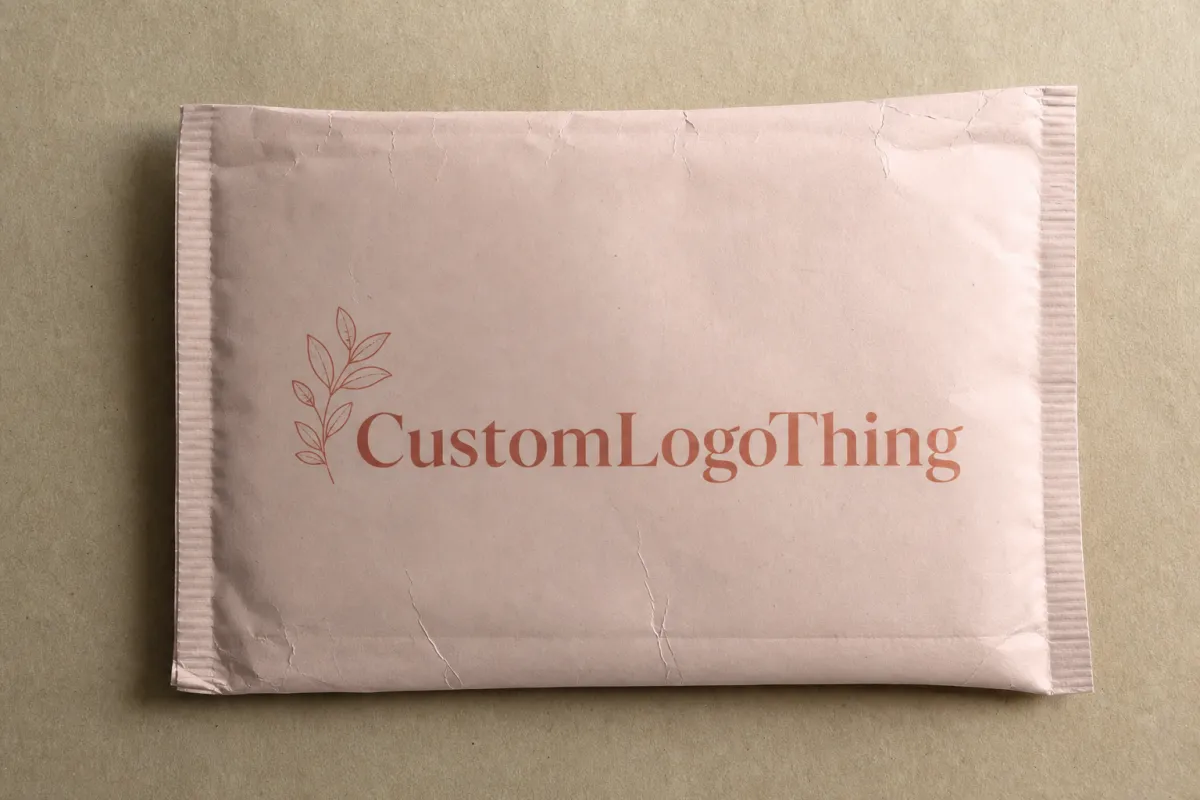
Picture two cosmetics orders leaving the same warehouse on the same day. One shows up in a matte mailer with clean logo contrast and a surface that still looks composed after transit. The other arrives with visible rub marks, weak color, and a finish that already looks tired. The product formulas may be identical. The customer still starts assigning value before the tear strip is pulled.
Beauty is a category built on perception as much as performance. People buy results, obviously, but they also buy trust, ritual, and visual order. A cleanser, fragrance sample, treatment serum, or lipstick can be practical and still carry emotional weight. That is why a real branded Padded Mailers for Cosmetics brands print finish comparison deserves more attention than a rushed procurement checkbox.
For packaging buyers, the mailer is part shield and part sales surface. It helps prevent abrasion, reduces minor crushing, and gives the brand one more chance to say something coherent. A clinical skincare line may need restraint. A bright makeup brand may need punch. A premium sample kit may need control rather than noise. Finish changes how each version reads, sometimes more than the artwork itself.
Cosmetics teams also operate under a higher standard than a lot of general ecommerce sellers. Orders often include glass components, decorated cartons, foil details, small labels, and leak-sensitive closures. Customers already expect these products to feel premium. If the outer package looks cheap, damaged, or sloppy, the brand has made its first apology before the formula gets a chance to do anything useful.
A customer often decides whether a beauty brand feels credible before the first tear strip opens. The mailer does not need to be expensive, but it does need to look deliberate.
That is the lens that actually helps. Forget trend-chasing. The better question is which finish earns its place once brand image, shipping abuse, warehouse reality, and budget pressure all hit at the same time.
What Branded Padded Mailers Are and How Print Finishes Actually Work
A padded mailer usually combines an exterior film or paper face, printed graphics, an adhesive closure, and an interior cushioning layer. Some use bubble lining. Some use paper-based padding. Some pair a thin outer shell with a more protective inner structure. Finish behavior depends mostly on the outer surface because that is where the branding lives and where the visual judgment happens.
Printing and finishing get lumped together constantly, and they are not the same thing. Printing applies the artwork, logo, typography, and color. Finishing changes how that printed surface reflects light, feels in the hand, and reacts to fingerprints, scuffs, and handling. It also changes how color reads in real conditions. A rich shade in a proof can look flatter, harsher, or more reflective once the finish is locked in.
Cosmetics brands usually compare a short list of finish directions:
- Matte for a quieter, more controlled look.
- Gloss for stronger contrast and more visual energy.
- Satin for moderate sheen without going fully matte or fully shiny.
- Soft-touch for a velvety feel and a more upscale first impression.
- Spot effects such as spot gloss to create contrast on selected areas.
- Standard film for speed, simplicity, and lower cost.
The print method matters just as much as the finish. Digital printing works well for shorter runs, artwork versioning, and lower setup friction. Flexographic printing is common once quantities rise and repeatability matters more. Offset can produce excellent detail in the right setup, although it is less common for some flexible mailer formats than for folding cartons. CMYK handles many full-color designs. Spot colors help when a brand shade cannot drift without somebody in marketing losing patience.
Finish sits on top of that whole print system, so these choices need to be made together. A logo can look great on screen and then lose authority once it lands on a flexible material, gets folded, and rubs against other parcels for two days. Gloss may boost saturation but also show fingerprints. Matte may reduce glare but slightly mute bright colors. Soft-touch can feel expensive and then scuff faster than expected if the coating quality or handling conditions are wrong. None of that is theoretical. It shows up in real orders all the time.
Brands that want wider packaging context can review material and production guidance from the Packaging Machinery Manufacturers Institute. Teams thinking about transport abuse should also look at the International Safe Transit Association. Neither source will choose your finish for you. They do reinforce a useful truth: appearance only matters if the package still looks good after distribution does what distribution always does.
Key Factors to Compare in Cosmetics Mailer Print Finishes
Finish choice gets easier once you stop judging it from product renders alone. A mailer can look expensive under soft studio lighting and then look greasy, flat, or overdone under warehouse fluorescents. It can photograph beautifully for launch content and still come back from pick-and-pack already marked up. Real comparison means testing aesthetics against actual use.
Light reveals problems fast. Gloss often looks lively because it reflects more light and pushes saturated colors forward. It also has a habit of exposing fingerprints and scratches, especially on dark artwork and solid flood coats. Matte can feel more refined and usually reduces glare, which helps with readability and calmer palettes. Dark matte surfaces, though, can show rub or haze if the coating is weak or the pack-out conditions are rough.
Soft-touch is where a lot of teams get seduced. It photographs well. It signals premium. It also needs the hardest testing, because a beautiful day-one sample does not guarantee a good day-four delivery after conveyor contact and parcel stacking.
Touch matters more in beauty than plenty of packaging buyers want to admit. Customers connect surface feel to product quality even when the package is only the shipping layer. That is why smooth matte and soft-touch often work so well for skincare, fragrance-adjacent lines, and brands built on ritual or restraint. A louder makeup line may need the opposite. Strong color blocks, metallic accents, and high-contrast typography usually keep their energy better in gloss or satin.
Durability is the other half of the conversation. Ask blunt questions before approving anything:
- Will the finish show scuffs after rubbing against other shipments?
- How obvious are fingerprints on dark or solid coverage areas?
- Does the surface tolerate light moisture or condensation in transit?
- Will scratches create bright marks that ruin the design from a distance?
- Does the mailer still look credible after automated handling and last-mile delivery?
Brand fit shifts the answer every time. A clinical skincare line usually wants calm, sharp, low-drama packaging. A playful indie makeup label may need louder color and stronger contrast. Luxury fragrance sample sets often benefit from restraint and deliberate spacing. Natural beauty brands typically lean toward muted surfaces and a less synthetic feel, which makes matte or subtle satin a stronger match than high shine.
Sustainability claims need discipline here. A finish can influence how recyclable or paper-like a mailer feels, but perception is not performance. If the full structure is not recyclable in the actual waste stream your customer uses, the finish did not magically fix that. Stick to what the spec supports. If chain-of-custody or responsible sourcing matters for paper components, the FSC framework is worth understanding before anyone starts writing ambitious marketing copy.
MOQ, color tolerance, and artwork complexity often decide the winner long before teams admit it. A finish that looks excellent in a pilot can become harder to hold consistently at scale. Fine pale text on a dark ground may look elegant in a concept deck and then become a legibility problem across production lots. That is why the smartest Branded Padded Mailers for Cosmetics brands print finish comparison asks which finish stays true to the brand after real handling, not which one wins in a static render.
| Finish | Best For | Strengths | Watch-Outs | Relative Cost |
|---|---|---|---|---|
| Matte | Skincare, minimalist beauty, clinical lines | Premium restraint, reduced glare, strong readability | Can show rub on dark colors if coating is weak | Moderate |
| Gloss | Color cosmetics, bold graphics, promo kits | High color pop, lively presentation, strong delivery impact | Fingerprints and scratches can show quickly | Low to moderate |
| Satin | Brands wanting balance | Middle-ground sheen, adaptable across palettes | May feel less distinctive than a strong matte or gloss | Moderate |
| Soft-touch | Luxury skincare, premium samples | Velvety feel, strong perceived value | Costlier and needs testing for scuffing | Higher |
| Spot gloss / accent effects | Hero logos, premium campaigns | Creates contrast and visual hierarchy | More setup complexity, not ideal for every design | Higher |
Process and Timeline: From Artwork Approval to Production Steps
The production path for padded mailers looks straightforward until the details start misbehaving. First lock the shipping requirements. Then define size, cushioning level, and finish. After that comes artwork prep, proof review, sample approval, and production scheduling. Skip a step and it usually reappears later as a color issue, a sizing problem, or a launch date that suddenly starts sliding.
Flexible mailers need smarter artwork setup than many buyers expect. Bleed has to be right. Seam placement has to be considered early. Logos that appear centered in a flat PDF can shift visually once the mailer is formed and sealed. Curved edges and folded areas can distort fine rules, thin type, QR codes, and legal copy that was already flirting with unreadable.
Good prepress work is not glamorous. It saves people from preventable embarrassment.
Proofing should not be treated like a box to tick. A digital proof is useful for checking layout, copy, and basic composition. A physical sample tells you far more about finish behavior, contrast, hand feel, ink laydown, and real-world presence. For cosmetics brands, a preproduction sample is usually worth it if the order matters, the design is dense, or the finish is new. Yes, it adds time. It also prevents the kind of full-run mistake that everybody remembers for the wrong reason.
Timeline pressure usually builds from the same variables:
- Print method: digital usually moves faster for shorter runs; flexographic suits volume better.
- Finish complexity: matte or gloss tends to be simpler than soft-touch or accent effects.
- Order volume: bigger runs demand tighter scheduling and coordination.
- Custom sizing: non-standard formats add setup and sourcing time.
- Factory queue: a perfect spec still waits its turn.
- Freight route: regional transport may be faster than international shipping, but not always cheaper.
Beauty brands run into the same bottlenecks again and again. Legal copy changes after artwork is already moving. Launch dates for retail drops or influencer kits shift, while packaging lead times stay stubborn. Inventory also arrives out of sequence more often than most teams like to admit, leaving finished mailers ready to go while the actual product stock is still somewhere else.
A planning buffer is not pessimism. It is competence. Simpler mailers may run in roughly 12 to 15 business days after proof approval, depending on factory conditions, volume, and print method. More customized projects can run longer, especially if the finish is specialty, the dimensions are unusual, or the job requires a color target that cannot drift.
Build in room for revisions and color checks. Assuming the first proof will be perfect is optimistic in the dumbest possible way.
Teams that want to see how spec changes affect final packaging can also review the Case Studies page. Small technical choices often matter more than the grand branding language in the pitch deck.
Cost, Pricing, and MOQ: What Changes the Unit Cost of Cosmetic Mailers
Unit cost is shaped by more than finish, but finish is one of the fastest ways to move a quote up or down. Material thickness, cushioning type, dimensions, print coverage, color count, finish choice, quantity, and shipping distance all affect the final number. A buyer comparing prices should ask for a breakdown rather than a vague total, because the expensive part is often buried inside the spec.
Low quantities usually produce a painful per-unit price because setup costs get spread over fewer pieces. That can still make sense for a pilot run, a seasonal drop, a PR send, or a new product launch where demand is uncertain. Higher volume usually lowers unit cost, but the cash commitment climbs at the same time. Everybody likes the lower piece price until the invoice lands.
Finish pricing follows pretty predictable logic. Standard matte or gloss is usually more accessible than soft-touch or controlled accent effects. If the design needs exact color matching, metallic elements, repeat-order consistency, or strict spot color control, setup complexity and pricing tend to rise. That does not mean the premium version is wrong. It means the team should be honest about what the visual upgrade is actually costing them.
MOQ shapes design decisions more than creative teams expect. One universal mailer can be cheaper and easier to manage than separate SKUs for skincare, makeup, gifts, and subscription shipments. Some brands genuinely benefit from one exterior language across every order. Others really do need separate formats because each line tells a different story or requires different protection levels. If every sub-line gets its own mailer, compare the inventory burden against the brand value without romanticizing it.
Hidden costs show up in places buyers often underweight:
- Spoilage from print defects or finish inconsistency.
- Sample rounds that add time but lower launch risk.
- Warehousing space for bulky inventory.
- Damage reduction if a better structure prevents replacements.
- Returns and complaints caused by weak protection or a scuffed presentation.
The better way to compare quotes is cost per protected shipment and cost per customer impression that still holds up on arrival. A mailer that saves five cents and creates more complaints is not saving money. A slightly more expensive finish may support better unboxing photos, fewer replacement requests, stronger brand consistency, and less internal frustration during reorders. Not always. Often enough that it deserves measurement instead of guesswork.
Here is a practical frame for reviewing cosmetic mailer quotes:
| Scenario | Likely Price Pressure | Decision Note |
|---|---|---|
| Small test run with full artwork coverage | Higher unit cost | Useful for launch validation, not ideal for long-term economics |
| Mid-volume reorder with simple matte print | Moderate | Often the best balance between image and efficiency |
| Premium soft-touch with accent effects | Higher | Works best when the finish directly supports brand positioning |
| Single mailer size used across multiple SKUs | Lower complexity | Good for inventory discipline and faster fulfillment |
How to Choose the Right Finish for Your Cosmetics Brand Step by Step
Start with the shipment itself, not the mood board. A glass dropper bottle, a slim lipstick, a skincare bundle, and a sample card set all create different shipping demands. Fragile cartons usually need more protection and a cleaner visual signal. Lightweight orders may rely more heavily on exterior appearance because the package is doing more of the perceived-value work.
Then match the finish to the brand personality. A simple framework usually helps:
- Clinical: matte, low-glare, controlled typography, minimal accents.
- Playful: gloss or satin, strong color blocks, high contrast.
- Luxe: soft-touch or refined matte, disciplined white space, restrained shine.
- Eco-minimal: muted surfaces, understated print, careful sustainability language.
- Mass-premium: satin or gloss for stronger visibility at the doorstep.
Once that identity is clear, test readability where it actually matters. A logo that looks sharp in a design file may lose definition on a dark matte surface under packing-station lights or in a doorstep photo. Return details, handling icons, batch marks, and legal text need to stay readable after production, not just inside the mockup.
That matters even more when the mailer is doing double duty as both shipping tool and brand surface. For example, a direct-to-consumer skincare brand shipping one hero serum in a decorated carton may prefer a calm matte mailer because the product box is already doing most of the visual storytelling. A makeup brand sending limited-edition kits to creators may choose gloss or satin because impact on camera matters more and the audience expects bolder color.
Competitor benchmarking helps, but only if you use it with some skepticism. Copying another beauty brand's finish because it looks expensive is lazy and risky. Ask whether that finish helps them stand out or just makes the whole category look interchangeable. If five brands in the same niche all use the same pale matte mailer with tiny type, nobody is building memory. They are building a very tasteful blur.
A simple scorecard makes the decision less emotional. Rate each finish from 1 to 5 for visual impact, tactile quality, durability, MOQ friendliness, cost, speed to market, and ease of reordering. Then compare the scores against what the business actually needs. A direct-to-consumer skincare startup may care more about feel and restraint than chasing the absolute lowest price. A fast-growing makeup brand with frequent drops may care more about turnaround, consistency, and easier reprints across multiple campaigns.
One rule keeps operations from getting messy: choose one hero finish for core mailers and one cleaner backup for rush replenishment or seasonal volume spikes. That gives the brand a premium default without making the supply chain fragile. The backup should still look intentional. It just should not depend on the most complicated setup in the building.
Common Mistakes, Expert Tips, and the Next Steps to Get Better Mailer Results
The most common mistake is choosing a finish from a screen and then acting surprised later. Close behind that is the assumption that glossy always means premium. It does not. In some beauty categories, gloss feels energetic and fresh. In others, it reads promotional, loud, or oddly cheap once it starts showing scratches.
Other mistakes show up constantly: overly complicated artwork, no scuff testing, mailers sized too large for the order, and very little awareness of how flexible packaging shifts once it is folded, sealed, and stacked. Cosmetics brands also tend to underprice the damage caused by a weak first impression. Sometimes a slightly better finish fixes more than the quote suggests. Sometimes it just adds cost. The only sensible answer is testing.
Operationally, a few habits pay back fast:
- Request packed drop testing with the real product inside.
- Review samples in natural light and warehouse light.
- Photograph the finish before and after handling.
- Check seam placement, logo alignment, and color consistency.
- Compare the final mailer against the primary product packaging, not just a render.
Beauty-specific mistakes deserve extra attention. Some finishes make leaked residue more obvious, which is a terrible pairing for products prone to minor seepage. Some coatings make ingredient claims harder to read if the surface catches light the wrong way. Some exterior systems clash with the primary carton badly enough that the shipment looks like it came from a different company. That kind of disconnect weakens the whole packaging structure.
Before placing an order, pull the shipment data. Which sizes move most often? Which products break or leak? Where are damage claims coming from? How often do you reorder? Then rank the priorities: premium appearance, durability, cost control, launch speed, or sustainability communication. That ranking tells you which finish deserves testing first instead of turning the process into a taste debate dressed up as strategy.
From there, narrow the list to two or three options, request physical samples, compare quotes, and set a reorder timing plan. Do not stop at the first sample that looks good in a conference room. Check whether the finish survives handling and whether the mailer still feels on-brand after sitting in a warehouse stack for a week. That gap between approval day and real use catches a lot of teams.
Document the final packaging spec sheet before anyone moves on. Include dimensions, substrate, cushioning type, finish, adhesive performance, print method, approved tolerances, color references, and any pass-fail notes from transit testing. Reorders get much easier when a new team member steps in or when a rush restock needs to match the original closely. It is one of the simplest ways to protect consistency without rebuilding the project every quarter.
The actionable takeaway is simple. Run a real branded padded mailers for cosmetics brands print finish comparison with your top two or three finishes using packed samples, not just design files. Score each option for brand fit, readability, scuff resistance, fulfillment practicality, and unit economics. Then approve the finish that still looks credible after handling, fits the product position, and can be reordered without drama. Pretty samples are easy. Repeatable results are the job.
FAQ
Which print finish is best for branded padded mailers for cosmetics brands?
There is no universal winner. Matte often suits skincare, minimalist beauty, and premium clinical positioning. Gloss can work better for bold color cosmetics, high-contrast graphics, and promotional mailers that need more energy. Soft-touch can raise perceived luxury, but it should be tested for scuffing, fingerprints, and cost before scaling.
Do glossy or matte cosmetic mailers hold up better during shipping?
Durability depends on the full construction and coating quality, not the finish name alone. Gloss may make color look stronger but can reveal scratches differently. Matte may hide some marks while still showing rub on dark backgrounds. The only reliable way to judge is with abrasion and transit testing using packed samples that match the real order.
How much do branded padded mailers for cosmetics brands usually cost?
Pricing shifts with size, thickness, cushioning, print coverage, finish complexity, order volume, and freight. Low MOQs usually mean a higher unit cost. Larger runs lower the per-piece price but increase inventory commitment. A serious comparison should also include damage reduction, reorder efficiency, and customer perception instead of staring at the quote alone.
What is the typical lead time for custom padded mailers with cosmetic branding?
Lead time depends on artwork readiness, proof approval, production queue, finish selection, shipping method, and whether the size is standard or custom. Specialty finishes and unusual dimensions usually add time compared with simpler programs. Brands launching new products should leave room for proofing, color checks, and at least one revision round if the artwork is detailed.
Can branded padded mailers for cosmetics brands be both premium-looking and practical?
Yes, if the finish is chosen alongside the structure, size, cushioning, and fulfillment workflow. A premium result comes from the full system: readable branding, reliable sealing, controlled scuffing, good arrival photos, and protection that matches the product inside. The smartest approach is to test one or two finish options with real shipments before committing to a larger run.