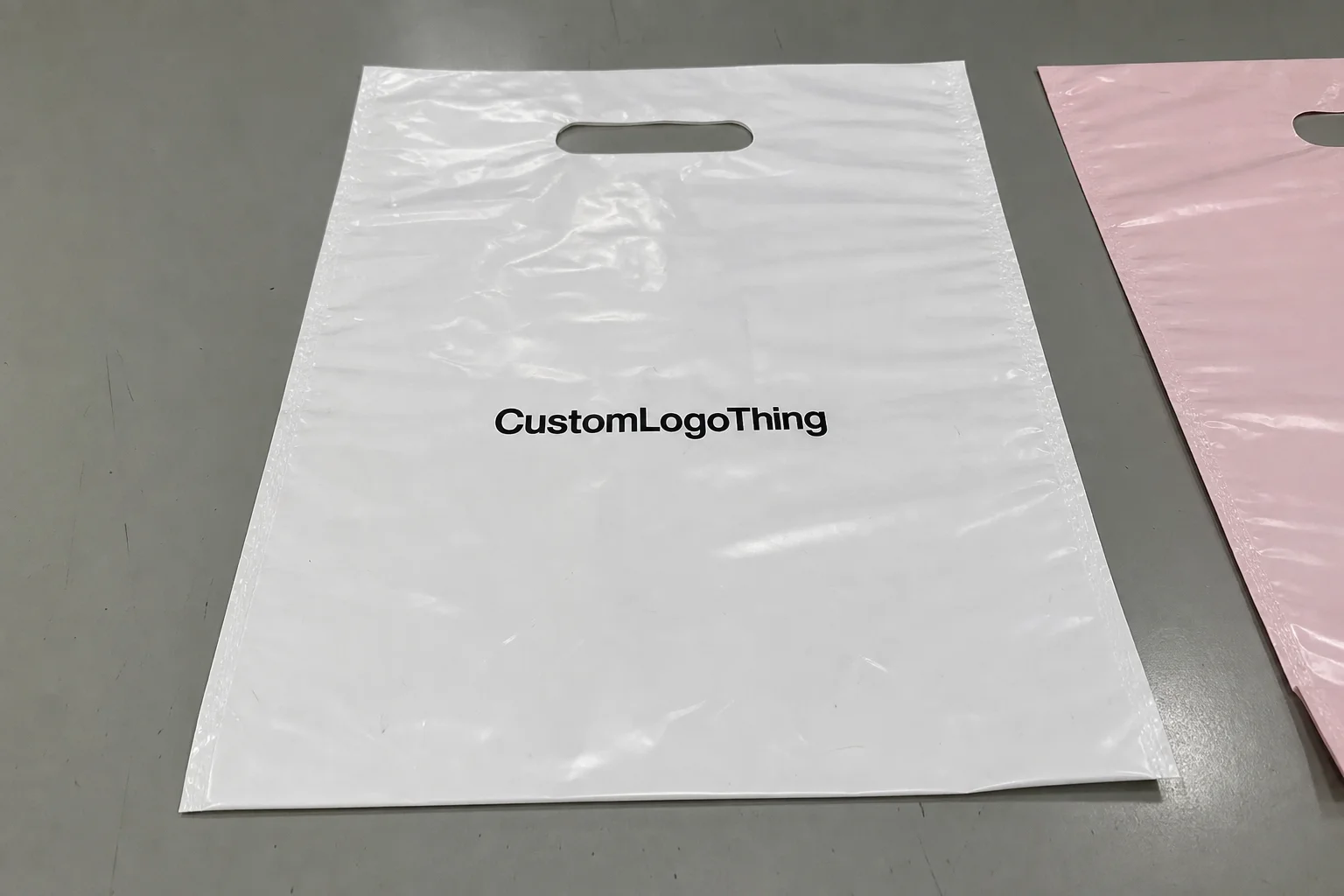
Buyer Fit Snapshot
| Best fit | Branded Padded Mailers for Cosmetics Sample Approval projects where brand print, material claims, artwork control, MOQ, and repeat-order consistency need to be specified before quoting. |
|---|---|
| Quote inputs | Share finished size, material target, print colors, finish, packing count, annual reorder estimate, ship-to region, and any compliance wording. |
| Proofing check | Approve dieline scale, logo placement, barcode or warning zones, color tolerance, closure strength, and carton packing before bulk production. |
| Main risk | Vague material claims, crowded artwork, missing packing details, or unclear freight terms can make a low unit price expensive after revisions. |
Fast answer: Branded Padded Mailers for Cosmetics Sample Approval should be specified like a repeatable production item. The safest quote records material, print method, finish, artwork proof, packing count, and reorder notes in one written spec.
Production checks before approval
Compare the actual filled-product size with the drawing, then confirm tolerance on folds, seals, hang holes, label areas, and retail display edges. Reserve space for logos, QR codes, warning copy, and material claims before decorative graphics fill the panel.
Quote comparison points
Review material grade, print process, finish, sampling route, tooling charges, carton quantity, and freight assumptions side by side. A quote is only useful when the supplier can repeat the same color, closure quality, and packing count on the next order.
A cosmetics launch can look flawless on a screen and still unravel the moment the first parcel hits a sorting belt. That is why branded Padded Mailers for Cosmetics brands prototype sample approval deserves far more attention than most teams give it. One approved sample can affect breakage rates, influencer first impressions, replacement costs, and the way customers judge product quality before they even touch the bottle inside.
The usual failure is not bad-looking packaging. It is packaging that photographs beautifully and performs badly in transit. The outer graphics look sharp, the logo prints cleanly, the finish feels premium in a meeting, and everybody relaxes too early. Then a test shipment arrives with corner scuffs, a dented serum carton, a crushed compact edge, or an oily mark near the seal because the closure was reviewed for appearance instead of packing stress. Packaging gets judged in seconds. Approval decisions keep showing up for months in reships, support tickets, marketplace reviews, and launch postmortems.
For beauty and skincare brands, padded mailers sit in a useful middle ground. A plain poly mailer is light and cheap, but it offers almost no cushioning. A rigid carton can protect product well, yet it usually costs more in materials, freight, and storage. A generic bubble envelope adds some shock absorption, though it often falls short on print quality, finish control, and structural consistency for a branded cosmetics shipment. A custom padded mailer can combine protection, branding, and shipping efficiency in one format. That is why so many direct-to-consumer brands start there for trial kits, PR sends, subscription inserts, discovery sets, and limited drops.
Cosmetics puts unusual pressure on packaging. Glass droppers, pressed powder compacts, travel jars, pumps that twist in transit, oily residue, fragrance migration, regulatory inserts, batch cards, and luxury unboxing expectations push the mailer well beyond a basic fit check. A skincare sample kit weighing only 0.6-0.9 lb can still create puncture pressure at sharp cap edges. A lip oil vial may be light, but one small leak can stain the interior lining and kill the premium feel immediately.
You need a practical approval process, not another vague packaging discussion. The sections below break down how approval works, what to test, where timelines slip, which specifications matter, how costs are built, and how small mistakes turn expensive once 5,000 or 25,000 units are already in production. If you are reviewing options across Custom Packaging Products, looking for a softer alternative to folding cartons, or deciding whether a mailer can outperform Custom Poly Mailers for a fragile beauty shipment, the details here will help you make that call with less guesswork and fewer expensive assumptions.
Why branded padded mailers matter before a cosmetics launch
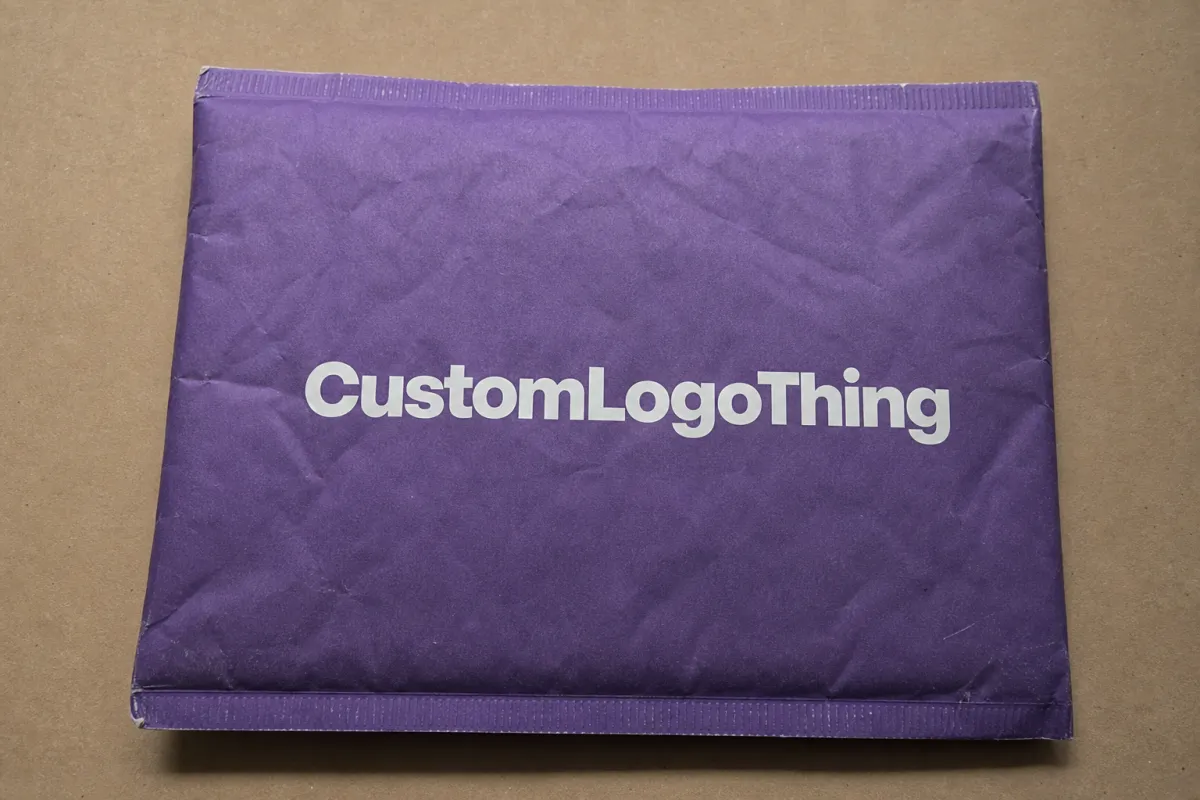
Sample approval happens early. The consequences arrive later. That is the trap.
A Branded Padded Mailer is not just an outer shell with a logo on it. For cosmetics brands, it acts as a shipping layer, a presentation layer, and a risk-control layer all at once. If the sample stage misses structural weaknesses, the first real warning usually appears as customer complaints, damaged PR kits, warehouse slowdowns, or a launch delay caused by emergency repacking.
From a packaging buyer’s point of view, the mailer usually has to do three jobs at the same time:
- Protect fragile or leak-prone beauty products during parcel handling
- Carry a printed identity that matches the product’s market position
- Support fast warehouse packing without adding too many separate components
That mix explains why padded mailers matter before a launch rather than after it. A prototype sample gives the brand a relatively low-cost chance to find out whether the format can survive real distribution. In practice, that means asking tougher questions than “Does the color look right?” Better questions are operational. Does the seal hold under repeated pressure? Does the interior padding leave enough usable space after the product, insert card, and promo piece are packed? Does the exterior scuff under stacked handling? Does the package still feel premium after a three-zone shipment and a few conveyor impacts?
The cosmetics category makes those questions sharper. Mailing a cotton T-shirt is not the same as mailing a trial skincare set. The shirt flexes. A 30 ml dropper bottle does not. A compact case can crack at the hinge. A pump top can press into the sidewall. A tiny amount of leaked oil can make a high-end package feel defective even if the product still works perfectly. Perception changes fast, and customers do not care whether the issue started with the formula, the insert, or the outer mailer.
There is also a financial link that gets ignored far too often. If a custom padded mailer costs $0.24-$0.46 per unit at 5,000 pieces, depending on print coverage, size, and material, the first instinct may be to shave cost by thinning the substrate or dropping a finish treatment. Sometimes that choice works. Sometimes it saves $0.04 and creates a replacement problem that is ten times more expensive. One damaged influencer kit might be a single package on paper, but if that send was tied to launch timing, retailer interest, or paid creator content, the loss can easily outweigh the packaging savings.
Plain poly mailers still make sense in the right use case. They work for flexible refill pouches, low-fragility items, or products already protected by strong inner cartons. Rigid boxes also earn their place. They are often better for heavier glass sets, stacked gift bundles, or higher-value kits where edge crush resistance matters more than shipping efficiency. The advantage of padded mailers sits between those two extremes: more cushioning than a standard poly mailer, better shipping economy than many rigid formats, and far more branding potential than a generic bubble envelope.
Important: Prototype approval is not a design ceremony. It is a controlled test that confirms whether the chosen mailer protects the product, supports the brand image, and performs in the shipping environment you actually use.
If that sounds strict, good. Once approval is given, tooling is confirmed, artwork is locked, purchase orders move, and lead times start ticking. Any avoidable mistake found after mass production usually costs more to fix because it hits inventory, launch timing, freight, and internal labor all at once. Experienced teams treat mailer approval like a checkpoint with consequences, not a feel-good formality.
What branded padded mailers for cosmetics brands prototype sample approval actually means
The phrase is long. Each part still matters.
Branded means the mailer carries your visual identity: logo, colors, graphics, typography, maybe a matte or gloss finish, and sometimes a printed message under the flap. Padded mailers are flexible shipping envelopes with cushioning built into the structure, often bubble-lined, fiber-padded, or foam-based depending on the specification. Cosmetics brands signals a use case with fragile, leak-sensitive, presentation-driven products. Prototype means an early version made for evaluation. Sample refers to the physical piece the team can handle and test. Approval is the signoff that moves the project into production.
Teams get into trouble when they treat every sample type as interchangeable. They are not, and that confusion wastes both time and money.
Different sample stages, different decisions
A digital mockup is useful for layout review, but it cannot confirm material feel, seal strength, padding recovery, or real print behavior. A blank structural sample helps with fit testing and dimensional review, especially if you need to see whether a 6 x 9 inch mailer actually fits a carton plus insert without stressing the seam. A printed prototype shows artwork, finish, and branding. A pre-production sample should match the actual materials and production method closely enough to support final signoff. Then there is the mass-production approval sample, which many procurement teams use as the locked reference for future quality checks.
Approving graphics on a structural blank is risky. Approving structure from a rendered image is worse. The decision has to match the sample in front of you, otherwise the approval is mostly theater.
Who usually approves what
Cosmetics packaging approval almost never belongs to one department, even if one person owns the project. Marketing reviews logo sharpness, color match, finish, and overall feel. Operations checks how quickly the product packs out, whether the opening is wide enough, whether labels apply cleanly, and whether the seal slows down the line. Procurement reviews cost, MOQ, freight, and revision impact. Quality assurance looks at seam integrity, material consistency, print registration, adhesive performance, and whether the package matches the approved specification.
That split matters because it explains why approval often stalls. Marketing may love a soft-touch coating that adds perceived value. Operations may hate it because it marks too easily under warehouse handling. Procurement may reject a material upgrade that pushes unit cost past target. QA may flag closure performance after drop testing. None of those people are being difficult. They are measuring different kinds of risk, and somebody still has to decide which risk matters most.
Handled properly, prototype sample approval acts as a gate between concept and purchase order. It reduces uncertainty around:
- Print accuracy and color consistency
- Closure strength and peel performance
- Cushioning thickness and usable internal volume
- Surface scuffing and finish durability
- Compatibility with inserts, compliance cards, and labels
- Overall user experience during unboxing
One approved sample can stop a bad chain reaction before it starts. Reprints are the obvious cost. Delayed launches are usually worse. So are damaged influencer mailings, stock that cannot be used because a barcode area is too dark for scanning, or product reviews complaining about “cheap packaging” even when the formula itself is excellent. The mailer can quietly support the launch. It can also become the first visible failure.
If you want outside reference points for material claims and sourcing, review guidance from organizations such as FSC for responsible fiber sourcing and the EPA for broader packaging and recycling context. Those references will not choose your specification for you, and no trade body can substitute for real transit testing. They do, however, shape the trust signals many beauty shoppers and retail partners now expect to see.
How the process and timeline usually work from prototype to approval
Most packaging delays are boring. They pile up anyway. One missing dieline note, one unclear Pantone reference, one late insert revision, one bottle update nobody shared with packaging, and suddenly a “quick sample” has eaten two extra weeks.
A typical approval path for Branded Padded Mailers moves through these stages:
- Brief submission: product dimensions, weight, fragility, artwork goals, quantity, shipping method, and delivery timeline are shared.
- Artwork setup: the supplier places graphics on the dieline and marks bleeds, safe zones, closure area, and label zones.
- Dieline confirmation: the team confirms structural size, flap style, seal location, and any gusset or expansion need.
- Material selection: outer film or paper, padding type, thickness, recycled content, and finish are chosen.
- Prototype request: blank sample, printed sample, or both are produced.
- Internal review: marketing, operations, procurement, and QA review the sample against defined criteria.
- Revisions: size, print, finish, or structure changes are made if needed.
- Approval signoff: the final version is documented and accepted.
- Production release: purchase order is placed and manufacturing begins.
For a fairly straightforward padded mailer, a blank structural sample may arrive in roughly 3-7 business days after the specification is confirmed, depending on the supplier and transit distance. A printed prototype often takes 7-12 business days. A pre-production sample can take 10-15 business days if custom print plates, material sourcing, or specialty finish treatments are involved. Then add transit time to the review team. If the sample crosses borders, customs can add its own brand of chaos.
Real projects tend to stretch in the same predictable places. Artwork files arrive in RGB instead of CMYK. The brand asks for a color match without a Pantone reference. Insert card thickness changes after regulatory copy expands. Product dimensions were taken from an early bottle version, not the final filled pack. None of this is unusual. All of it can trigger another revision cycle, and those cycles are rarely free even when the invoice does not spell it out.
Where testing fits inside the schedule
Transit testing and product-fit testing belong inside the timeline, not after it. For cosmetic mailers, that means using real units whenever possible: filled dropper bottles, actual compact cases, genuine inserts, and the same labels used in fulfillment. A placeholder object that weighs 20% less than the final pack can create false confidence. A different cap profile can completely change puncture behavior at the corners.
Many teams use a simple sequence:
- Plain sample for fit testing
- Printed sample for visual review
- Pre-production sample for final transit and signoff testing
Not every SKU needs every step. If the structure is standard and only graphics are changing, fewer rounds may work. If you are shipping glass bottles, bundled trial kits, or anything with leakage risk, skipping a stage can get expensive quickly. One failed drop test during sampling is annoying. One failed structure after 10,000 pieces are delivered is a much bigger problem.
How to build a realistic internal schedule
Build revision time into the plan from day one. That sounds cautious because it is cautious, but it is also more honest than pretending the first sample will be approved immediately. A practical internal schedule might reserve:
- 2-3 business days to finalize the brief
- 3-5 business days for artwork and dieline confirmation
- 1-2 weeks for the first sample depending on complexity
- 2-4 business days for internal review
- 1 week for revisions and a second sample if needed
- 2-4 weeks for production after final approval, sometimes longer for high volume or specialty materials
Decision checkpoints keep the project moving. If the structure is obviously wrong, escalate that immediately instead of arguing over finish details. If a minor color shift is visible only under harsh office lighting and the supplier is still inside a reasonable tolerance, it may be acceptable. If the mailer fails fit, closure performance, or transit protection, stop the process and change the spec. The wrong format does not magically become the right format because everybody wants the deadline to survive.
Fast approvals usually come from a simple discipline: one owner gathers all comments, one checklist defines pass-fail criteria, and one version-controlled record confirms what was approved.
That discipline makes later audits easier too. If a production batch arrives with a thinner feel, weaker seal, or muddier print than expected, the approved sample and signoff notes give you a reference point. Without that record, it becomes much harder to tell whether the issue is a true quality miss, a tolerable production variation, or just a team memory problem. That is not glamorous work. It is still the work that saves arguments later.
If you want real examples of how packaging decisions show up in launch results, browsing brand projects and Case Studies can help. The pattern repeats itself: the smoothest launches usually come from teams that test early, write everything down, and do not confuse speed with control.
Key factors to evaluate: protection, print, materials, and compliance
A mailer can look expensive and still perform badly. That gap is where a lot of approval mistakes happen.
Protection comes first
Start with structure. For cosmetics, review padding type, puncture resistance, seam strength, closure reliability, and dimensional tolerance. Bubble-lined interiors can work well for lightweight kits and individually boxed beauty items. Fiber-padded constructions may support stronger sustainability messaging and a different tactile feel, but the cushioning behavior is not the same. Film thickness and internal padding both matter. A thin outer layer paired with generous padding can still scuff badly, while a thicker exterior with minimal padding may protect surfaces but fail to absorb impact well.
Study the weak points on the product itself. Caps and droppers create concentrated stress points. Pump tops can press upward under compression. Mini jars may look sturdy until they knock against each other in a two-piece sample set. On paper, a mailer may seem roomy. In reality, once you add a 2 mm insert, a sample sachet, and a return card, the fit can turn tight fast. Tolerance matters more than teams think, especially once actual fill levels and final retail cartons are involved.
If your parcels move through standard courier networks, basic drop and compression checks are worth doing even on small runs. Plenty of brands use informal in-house testing, and that can catch obvious failures. Recognized transit standards from ISTA give you a more disciplined benchmark, especially for fragile or higher-value items. They are not mandatory for every cosmetics mailer, but they are useful when the product is expensive, glass-heavy, or headed into a retail program that expects documented validation.
Print and finish shape perceived value
Cosmetics buyers read packaging like a signal system. Matte can feel understated and premium. Gloss can add contrast and color lift. Soft-touch finishes often feel elevated, but they also tend to show rub marks on dark backgrounds. Heavy-coverage black with a velvety coating may look great at approval and tired after fulfillment handling if the substrate and coating are a bad match.
Logo placement deserves careful review around folds, seals, and label zones. A centered logo sitting too close to the flap crease can distort slightly. A beautiful all-over print can leave too little clean space for shipping labels, which then affects barcode readability and scan success. Smudging matters too. Ink behavior changes with material and finish, and what looks crisp on a proof can soften on the final substrate.
There is also a practical truth buyers learn quickly: premium print effects are only premium if they survive contact. If your warehouse team can mark the surface with one pass of a corrugated case, the finish is not premium. It is fragile.
Materials affect more than durability
Poly blends, paper-based exteriors, recycled-content options, and layered padded interiors all bring tradeoffs in cost, weight, sustainability messaging, and print result. A 100% paper look may align perfectly with a natural skincare brand, but the construction still has to survive moisture exposure and handling. A higher recycled-content claim may support the brand story, yet the material still has to deliver the visual consistency the team expects.
Weight matters too. A heavier mailer can improve confidence and protection, but even small weight increases can affect large shipment programs or parcel postage thresholds. Saving 8-12 grams per unit may not sound dramatic. Across 20,000 mailers, it becomes very noticeable in freight and handling cost. That is why the “lightest possible” option and the “best-looking” option are often different samples.
Buyers should also be honest about sustainability language. A recyclable component does not make the entire pack universally recyclable in every curbside system. A fiber-based padded mailer may improve recovery potential in some markets, while mixed-material constructions can complicate disposal. Claims should match the exact build, local waste infrastructure, and any certification being referenced. Beauty shoppers have become very good at spotting fuzzy eco language. Retail compliance teams are usually even less forgiving.
Compliance and operations are not side issues
Shipping label visibility, warning statements, recycling claims, scannable barcodes, and warehouse packing speed all belong in sample review. A luxury finish that slows label adhesion is a real problem. So is a dark pattern under a barcode zone. If your mailer carries claims about recyclability or sourced fiber, those claims need to match the actual material and the standards behind them.
The smartest move is testing the sample in the fulfillment environment, not just at a meeting table. Let the packing team insert the real product, close the seal while wearing gloves if that is part of the process, stack several units, label them, and move them through the same motions used in live operations. Conference-room favorites lose their charm fast in a warehouse. That is useful information, not bad news.
Keep this pattern in mind: the mailer that feels most luxurious in hand is not automatically the one that gives customers the best experience. Sometimes the slightly less flashy option performs better in transit, causes fewer reships, and protects margin more effectively. Packaging can be vain. Shipping never is.
Cost, pricing, MOQ, and unit cost for branded padded mailers
Packaging quotes look simple until the hidden costs start crawling out. With branded padded mailers, the real number usually comes from a mix of structure, print, setup, and quantity rather than one obvious factor.
The main cost drivers are:
- Overall size and custom dimensions
- Outer material thickness and interior padding type
- Number of print colors or full-coverage artwork
- Finish treatments such as matte, gloss, or soft-touch
- Order quantity and MOQ
- Freight, setup charges, and revision cycles
Prototype sample costs are often much higher per unit than production costs, and that is normal. A single printed sample may cost anywhere from $40 to $150 or more depending on complexity because the supplier is absorbing setup time across almost no volume. That number is not useful for estimating production unit economics, so do not let it distort the larger decision. If a supplier offers a very cheap sample, check what you are actually getting. Sometimes it is a visual stand-in, not a production-faithful test piece.
For production, a simple custom padded mailer for beauty sampling might land around $0.18-$0.28 per unit at 10,000 pieces if the size is standard, print coverage is moderate, and the material specification is straightforward. Move to a thicker construction, heavier branding, specialty finishes, or lower quantities and the unit cost may climb to $0.32-$0.55. At 2,500 pieces, per-unit pricing usually rises fast because setup gets spread across fewer units and customization options often narrow.
| Mailer Type | Typical MOQ | Approx. Unit Cost | Best Use Case | Key Tradeoff |
|---|---|---|---|---|
| Standard printed poly mailer | 3,000-5,000 | $0.10-$0.20 | Flexible refills, low-fragility items | Minimal cushioning |
| Branded padded mailer | 3,000-10,000 | $0.18-$0.46 | Sample kits, PR sends, light glass with inner protection | Higher cost than plain mailers |
| Rigid carton shipper | 1,000-3,000 | $0.60-$1.50+ | Luxury kits, heavier or more fragile sets | More storage volume and freight weight |
MOQ reality matters. Lower quantities can help with pilot runs or limited launches, but they usually push up unit cost and sometimes restrict print methods or finish choices. A supplier may offer a custom size at 5,000 units but require 10,000 units for specialty coating or inside print. That is why quote comparisons should never focus only on the headline unit price.
Freight and setup charges can shift the real quote more than buyers expect. Plate or cylinder charges, sample fees, tooling adjustments, and expedited production all add up. If the brand asks for three rounds of visual revisions because the original brief was thin, those extra cycles may cost more in time than in direct fees. The business impact lands either way. International production can also introduce duty, customs brokerage, and transit volatility, which means the cheapest unit cost is not always the lowest landed cost.
A better budgeting question is this: what does the added mailer cost prevent? If a stronger padded structure cuts replacement shipments by even 1-2% on fragile beauty kits, the upgrade can pay for itself surprisingly fast. The same logic applies to PR and influencer sends, where package condition shapes perceived value before product performance gets any chance to speak.
Not every upgrade deserves the money. Extra cushioning often has measurable shipping value. A cleaner barcode area absolutely has operational value. A more premium finish may have brand value, though not always shipping value. Those are different decisions. Treat them that way instead of stuffing them into one vague “premium packaging” bucket.
When requesting a quote, provide exact dimensions, product weight, pack-out configuration, fragility notes, print coverage, finish preferences, target quantity tiers, and delivery destination. Ask for pricing at multiple volumes such as 3,000, 5,000, and 10,000 pieces. Ask whether the quote assumes domestic or export packing, and whether the sample fee is credited back against production. That is usually the fastest way to see the real tradeoffs without getting fooled by a tidy-looking first number.
Step-by-step guide to approving the right mailer sample
Approval works best when it turns into a repeatable checklist instead of an opinion contest.
Step 1: Document the product set clearly
List the exact dimensions, filled weight, fragility level, leakage risk, and whether each item ships loose, in a tray, or inside an inner carton. Include insert cards, compliance leaflets, sample sachets, promotional extras, tamper stickers, and any tissue or protective wrap. A 4 x 6 inch mailer may sound generous until a folded insert adds bulk and shifts the closure line.
Step 2: Request the correct sample type
Match the sample to the decision. Need to confirm fit? Request a structural sample. Need to confirm graphics and finish? Request a printed prototype. Need final signoff after revisions? Ask for a pre-production sample. Teams waste time when they approve visuals from a blank sample or structure from a digital rendering.
Step 3: Review branding under real conditions
Check print and finish in normal office light, warehouse light, and camera conditions if the package will appear in social content or influencer mailings. Colors can shift. Metallic effects can photograph differently than they look in hand. A finish that feels elegant indoors may show scratches immediately under stronger lighting. If your brand palette includes soft neutrals or heavy black coverage, review both because those tones often expose print issues quickly.
Step 4: Perform fit, pack-out, and drop tests with real contents
Use the actual product, not placeholders with different weight or shape. Add the true inserts. Apply the real label. Seal the package the way the fulfillment team will seal it. Then test it. A simple internal routine often includes several waist-height drops, edge pressure checks, seal checks after 24 hours, and short-duration stacked compression. If the product is glass, repeat the test more than once. One lucky pass is not enough data.
Step 5: Capture feedback in one approval checklist
Keep one document with pass-fail criteria for dimensions, cushioning, seal strength, finish, logo clarity, barcode zone, insert fit, and overall brand match. That prevents scattered comments from turning into conflicting instructions. It also gives procurement and QA something concrete to reference later. If somebody objects, make them tie the objection to a criterion. “I just do not love it” is not a useful production note.
Step 6: Lock version control and signoff
Name every sample clearly. Include version numbers, date received, material notes, and any approved tolerances. If V2 is approved but production receives V1 artwork, the problem is not only the supplier. It is a version control failure. Boring administrative habits prevent expensive confusion. That is the unglamorous truth.
Step 7: Request final confirmation if anything changed
If material, dimensions, or print treatment changed after the prototype stage, request a final pre-production check. This matters even more for dark colorways, upgraded padding, revised flap construction, altered seal adhesives, or revised inner pack-out. Small specification changes can create outsized performance differences, especially with beauty items that carry oils, fragrance, or glass components.
The strongest approval habit is simple: test the package you plan to buy, not the package you hope it behaves like.
One more practical point deserves attention. If the mailer sits inside a broader branded shipping strategy, compare it against your other outer packaging formats. A beauty brand already using shippers, cartons, and flexible mailers across categories should aim for consistency in print language, finish quality, and material messaging where it makes sense. That does not mean every package needs to look identical. It means the system should look intentional instead of patched together.
Common mistakes, expert tips, and the next steps to take
The most common approval mistakes are not deeply technical. They are judgment mistakes, and they are incredibly consistent from brand to brand.
One classic error is approving based on looks alone. Another is skipping transit tests because the sample “feels strong enough.” Brands also underestimate insert thickness, give vague color direction, forget to define the label zone, or invite too many people to comment without naming a final decision-maker. Those issues sound minor. They stop sounding minor once production starts.
Boardroom reviews create perfect conditions. Cosmetics shipments do not travel in perfect conditions. They deal with compression in stacked parcels, friction on conveyor systems, moisture exposure near entry points, and rough handling during last-mile delivery. A package that survives a polished internal review can still fail in distribution, where nobody cares how expensive the finish looked at signoff.
Three expert tips make a real difference:
- Ask for tolerance ranges on dimensions, padding thickness, and print variation so approval is tied to measurable standards.
- Request side-by-side material comparisons if you are choosing between recycled-content options, outer finishes, or padding constructions.
- Document non-negotiables versus nice-to-haves before revisions begin. Protection and seal performance usually belong in the first group. Specialty finish preferences often belong in the second.
It also helps to decide early whether the mailer’s main job is cost control, premium presentation, or damage reduction. It can support all three to some degree, but one priority usually leads the rest. Knowing that upfront makes tradeoffs much easier during review.
A useful next-step checklist looks like this:
- Finalize product dimensions, filled weights, and insert stack
- Prepare print-ready artwork with clear color references
- Define pass-fail approval criteria before samples are requested
- Request the right sample tier for each decision stage
- Test with real contents in the actual fulfillment workflow
- Lock approval in writing with version control and supplier confirmation
That may feel procedural for something as simple as a mailer. It is procedural, and that is the point. The brands that treat sample approval casually are usually the same ones paying for emergency fixes later. Packaging mistakes rarely stay isolated. They spill into operations, customer perception, and margin.
The actionable takeaway is simple. Branded Padded Mailers for Cosmetics brands prototype sample approval should be handled like an operations decision with design consequences, not a design decision with optional operations review. Build an internal approval sheet. Pack test with real product. Compare at least two material constructions side by side. Confirm acceptable tolerances in writing before the PO is placed. That sequence cuts down expensive surprises and gives the team something much better than optimism: evidence.
FAQ
How many samples should a cosmetics brand review before approving branded padded mailers?
Most brands should review at least one structural sample and one printed sample. If major revisions were made, or if the shipment includes glass, oily products, or multi-item kits with inserts, a pre-production sample is usually worth requesting. The goal is not to collect endless rounds. The goal is to confirm fit, protection, print quality, and packing workflow before production starts.
What should be included in a quote for branded padded mailers for cosmetics brands?
Include exact dimensions, product weight, fragility notes, pack-out configuration, artwork coverage, finish preferences, order quantity, and delivery destination. Ask whether setup charges, sample fees, freight, and revision costs are included. It also helps to request MOQ, unit cost at multiple volumes, expected lead time, and whether the quoted material is the same one that will be used for the approval sample.
How long does branded padded mailers prototype sample approval take for cosmetics packaging?
The timing depends on sample type, print complexity, revision count, and shipping transit to the review team. A blank structural sample may move in under a week, while a printed or pre-production sample can take 1-3 weeks depending on the specification. Approval usually slows down when artwork is incomplete, dimensions change midstream, or multiple departments send separate feedback instead of working through one owner and one checklist.
Are padded mailers a good choice for shipping cosmetic samples and small beauty products?
Yes, often. They work well for lightweight products, sample kits, PR sends, and items that need more protection than a standard poly mailer. They are less suitable for very heavy, highly fragile, or leak-prone products unless paired with secure inner packaging. The best choice depends on product shape, breakage risk, presentation goals, shipping method, and whether the product already has a protective inner carton.
What are the biggest mistakes during cosmetics mailer sample approval?
The biggest mistakes are approving from a digital proof alone, skipping real pack-out testing with inserts and actual product weight, and failing to define acceptable tolerance for color, size, padding thickness, and seal performance before review. Another common problem is treating sustainability claims as marketing copy instead of material-specific claims that need verification. Those gaps create confusion during production and make quality disputes much harder to resolve later.