Buyer Fit Snapshot
| Best fit | Custom Padded Mailers for Cosmetics Prototype Approval projects where brand print, material claims, artwork control, MOQ, and repeat-order consistency need to be specified before quoting. |
|---|---|
| Quote inputs | Share finished size, material target, print colors, finish, packing count, annual reorder estimate, ship-to region, and any compliance wording. |
| Proofing check | Approve dieline scale, logo placement, barcode or warning zones, color tolerance, closure strength, and carton packing before bulk production. |
| Main risk | Vague material claims, crowded artwork, missing packing details, or unclear freight terms can make a low unit price expensive after revisions. |
Fast answer: Custom Padded Mailers for Cosmetics Prototype Approval should be specified like a repeatable production item. The safest quote records material, print method, finish, artwork proof, packing count, and reorder notes in one written spec.
Production checks before approval
Compare the actual filled-product size with the drawing, then confirm tolerance on folds, seals, hang holes, label areas, and retail display edges. Reserve space for logos, QR codes, warning copy, and material claims before decorative graphics fill the panel.
Quote comparison points
Review material grade, print process, finish, sampling route, tooling charges, carton quantity, and freight assumptions side by side. A quote is only useful when the supplier can repeat the same color, closure quality, and packing count on the next order.
Custom Padded Mailers for cosmetics brands prototype sample approval sounds painfully specific until a shipment lands with cracked droppers, scuffed compacts, or a leaking serum that soaks the insert card and the packing slip. Then it stops sounding tedious. It starts sounding expensive.
Cosmetics get judged twice: first in transit, then during unboxing. Sometimes those two moments are only a few minutes apart. If the outer package looks weak, dented, greasy, overstuffed, or cheap, the product inside has already lost ground before the customer twists off the cap.
From a packaging buyer’s angle, a padded mailer is doing three jobs at once. It protects the item, carries brand presentation, and controls shipping cost. If it fails, the brand pays for replacements, customer service time, bad reviews, and avoidable waste. If it works, nobody talks about it. That is usually the point.
Why custom padded mailers can make or break a cosmetics launch
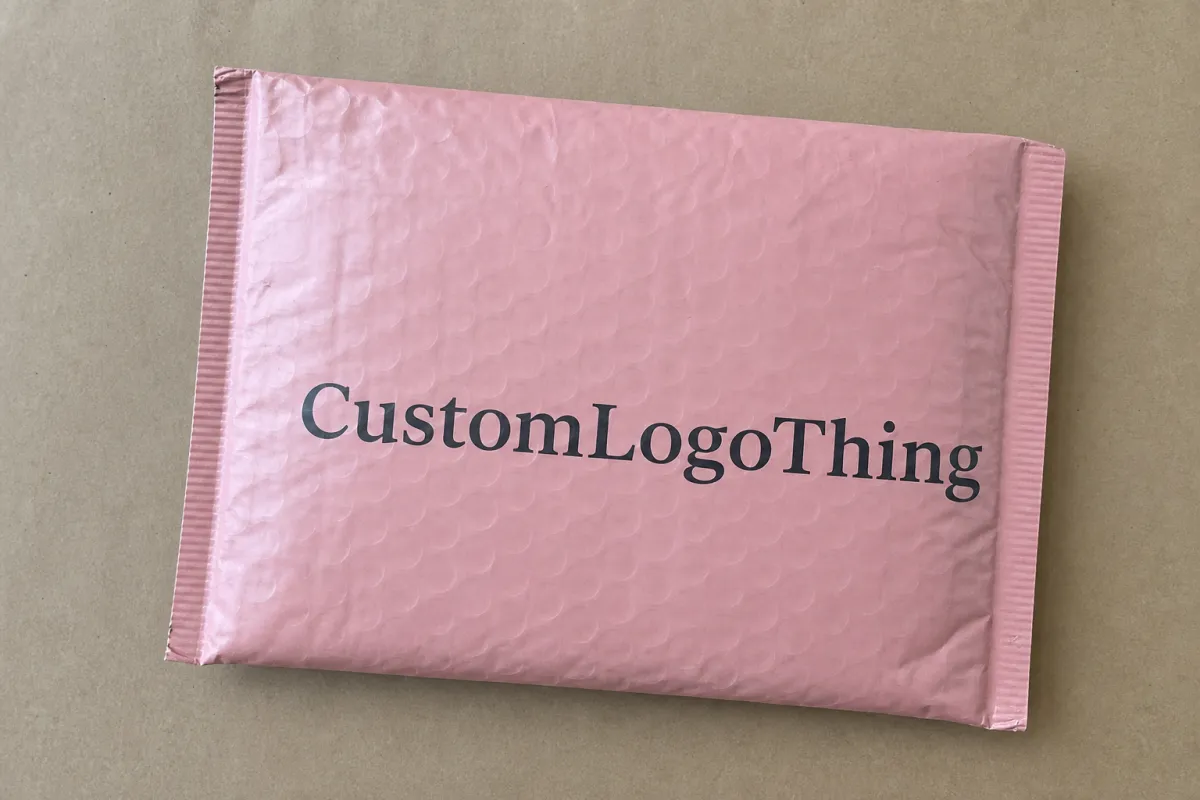
A cosmetics launch can look polished in a campaign deck and still fall apart at the doorstep. A glass serum bottle in a weak mailer with thin padding and a poor seal does not fail quietly. It rattles, dents, leaks, or cracks, and the customer does not blame the carrier first. They blame the brand. Fair or not, that is how packaging works.
Mailers for beauty products have an annoying job description. They need to protect fragile units, survive handling, hold labels, support branding, and still feel clean enough for a camera roll or a PR unboxing video. That combination is why Custom Padded Mailers for cosmetics brands prototype sample approval matters more than people expect. A sample that only looks nice on a conference table is not much use.
Custom Padded Mailers are commonly used for:
- glass bottles and droppers
- compacts and palettes
- jars with screw caps or loose lids
- sample kits, discovery sets, and PR mailers
- lip products, pumps, and formulas that can leak under pressure
The approval stage is where a buyer answers the real questions. Does the mailer hold the packed product securely? Does the adhesive seal stay closed under normal parcel handling? Does the substrate resist puncture and scuffing? Does the print still look sharp after moving through a warehouse, a courier network, and a front porch drop?
That is a less glamorous conversation than choosing a finish from a mood board. It is also the one that saves money.
Practical rule: if the sample looks good on a desk but fails after a basic transit simulation, it is not approved. It is just a nicer-looking problem.
Brands that treat sample approval like a formality usually pay for that shortcut later. Brands that treat it like a real production checkpoint tend to avoid reprints, reduce damage claims, and launch with fewer surprises. If you want to compare formats, see how Custom Packaging Products are typically structured across different use cases.
What custom padded mailers for cosmetics brands prototype sample approval actually means
Put simply, custom Padded Mailers for Cosmetics brands prototype sample approval means reviewing a physical sample before bulk production starts and approving it only if it meets requirements for size, print, protection, pack-out, and shipping performance. Straightforward in theory. Easy to get wrong in practice.
A lot of teams blur different sample stages together, which causes trouble fast. A digital mockup is not a structural sample. A blank sample is not a printed prototype. A printed prototype is not always the same thing as a final pre-production approval sample. Each one answers a different question, and skipping that distinction usually creates false confidence.
| Sample Type | What It Shows | Best Use | Main Risk If You Skip It |
|---|---|---|---|
| Digital mockup | Artwork layout, logo placement, general visual direction | Early design review | Approving a design that later fits badly or prints awkwardly |
| Blank structural sample | Size, padding feel, closure, product fit | Testing dimensions and protection | Mailers that look right on screen but pack poorly in real life |
| Printed prototype | Artwork, color, finish, and structure together | Brand and function review | Unexpected color shift, finish issues, or print defects |
| Pre-production approval sample | Near-final build intended to match the bulk run | Final sign-off | Full-run errors repeated across thousands of units |
That distinction matters because teams often approve artwork and assume packaging is basically done. It is not. A mailer can look excellent in a PDF and still be too small for the packed set, too weak at the seams, too slippery for shipping labels, or too stiff for fast hand-packing. The sample stage is where those problems get exposed before they become a warehouse argument.
Material choice matters too. Most padded mailers are built from some combination of outer film or paper, an internal cushioning layer such as bubble or fiber, and a self-seal adhesive strip. Surface finish, film gauge, paper weight, padding thickness, and closure construction all affect performance. A lightweight lip balm mailer and a glass-dropper mailer should not be built the same way, even if the printed design system is identical.
That is why experienced buyers test with the real packed product, not an estimated size from a product brief and not a half-empty sample bottle someone grabbed from marketing. Fill weight, cap height, insert count, and secondary wrap all change the fit. Small misses at this stage create very obvious failures once fulfillment starts packing hundreds of orders a day.
For brands coordinating multiple packaging formats, this checkpoint also keeps the shipping mailer aligned with custom printed boxes, inserts, tissue, sleeves, and promotional cards. The target is not just visual consistency. The target is a shipping format that supports the whole packaging system without slowing fulfillment or creating damage risk.
How the process, timeline, and lead time usually work
The usual path starts with a quote request and ends with production, but the middle is where schedules go off the rails. A clean process generally looks like this:
- Request a quote with dimensions, product weight, artwork, and target quantity.
- Review the proposed structure, dieline, or construction spec.
- Select the right sample type for the decision you need to make.
- Review the sample, mark revisions, and retest if needed.
- Lock the artwork and final production specification.
- Approve the bulk run.
- Receive, inspect, and compare the first cartons against the approved sample.
Lead times vary by supplier, print method, material availability, and shipping route, but the rough ranges below are realistic for many projects:
- Artwork prep: 1-3 business days if files are production-ready
- Sample making: often 3-10 business days depending on structure and print requirements
- Sample transit: 2-7 business days depending on shipping method and destination
- Bulk production: commonly 12-25 business days after final approval
- Freight: from a few days to several weeks depending on route, mode, and customs timing
One thing buyers underestimate all the time: a fast sample does not guarantee a fast production order. Sample work and mass production run on different schedules. A prototype can be turned quickly while the full run gets delayed by print queue capacity, material shortages, factory booking, or freight congestion.
Delays usually come from a handful of repeat offenders:
- missing product dimensions or packed dimensions
- unclear product weight or fill weight
- artwork revisions after proof approval
- size changes after the first sample is already made
- too many internal approvers giving conflicting feedback
If you are planning a PR drop, influencer launch, limited edition release, or retail rollout, build buffer into the schedule. Leave room for at least one revision cycle, internal review, and actual handling tests. Assuming the packaging timeline will politely adjust itself to the marketing calendar is optimistic bordering on reckless.
For brands comparing padded formats with lighter shipping options, it can also help to review Custom Poly Mailers and check whether a simpler structure can do the same job at a lower cost. Sometimes it can. Sometimes it absolutely cannot.
Key factors to evaluate before you approve a prototype
A strong prototype review is not a beauty contest. It is a functional audit with brand consequences. That means looking at performance, pack-out, print, and practicality at the same time.
Fit and sizing
The mailer should be snug enough to control movement but not so tight that packers have to force the product inside or crush corners during sealing. This is where cosmetics teams often miscalculate. They measure the primary container and forget the insert card, tissue, sample sachet, shrink band, void fill, or protective wrap. Always test the fully packed configuration, not the naked product.
If the SKU is sold in more than one bundle format, test those too. A mailer that works for a single item may fail the moment you add a promo insert or a second unit for a campaign set.
Protection level
Padding thickness, seal strength, puncture resistance, edge durability, and compression behavior all matter. A soft-feeling mailer is not automatically a protective one. Some structures feel substantial in hand but split at the seams under parcel stress. Others resist impact well but scuff so badly that they arrive looking tired.
For liquids, leak control matters as much as impact protection. A padded mailer will not fix a badly closed cap or a weak pump, but it should not make matters worse. If the contents include glass, heavy jars, or pumps, run at least a basic drop and handling review with the real packed set inside.
Print accuracy
Check logo sharpness, text clarity, color consistency, registration, coverage, and how the artwork sits on the actual material. Large dark solids can print unevenly on the wrong substrate. Pastels can drift. White ink can appear crisp on one structure and muddy on another. A screen proof is useful, but it does not settle the matter.
If brand color is tightly controlled, ask what print process is being used and whether there are tolerances you should expect on that material. Good suppliers will be honest about what can and cannot be matched cleanly.
Customer experience
The opening feel matters more in beauty than some teams admit. The tear line, the first visible logo placement, the stiffness of the material, and the overall tactile quality all affect how the package is perceived. If the mailer feels flimsy, noisy, sticky, or overstuffed, the product starts with a credibility problem.
That does not mean every cosmetics mailer needs luxury-level finishes. It means the experience should match the promise of the brand and the price point of the SKU.
Operational compatibility
Test how the mailer behaves on the packing line or at the fulfillment table. Can the team load it quickly? Does the opening stay accessible while packing? Do shipping labels adhere consistently? Does the barcode scan without glare or wrinkling? Does the mailer store flat enough to avoid turning the prep area into a mess?
These questions are not glamorous. They are the ones that determine whether your fulfillment labor stays reasonable or gets quietly more expensive.
Compliance and sustainability claims
If you plan to print recycled content claims, recyclable messaging, or certification marks, verify every claim before sign-off. Sustainability language is not decoration. It has to be accurate, supportable, and appropriate for the actual material construction and disposal route.
Two useful starting points are the ISTA packaging test standards for transit testing references and the EPA recycling guidance for consumer-facing recycling context. Those sources do not replace supplier documentation, but they are a good sanity check.
Brands that want a cleaner packaging profile often pair padded mailers with FSC-certified inserts, paper collateral, or reduced-plastic secondary components. That can work well, but only if the claims line up with reality. If the mailer has mixed materials or limited curbside recyclability in many markets, say so clearly rather than printing a feel-good claim that creates confusion later.
Cost, pricing, MOQ, and unit cost for custom padded mailers
Custom padded mailer pricing depends on far more than dimensions. Material structure, padding type, print coverage, finish, order volume, destination, and freight terms all change the quote. For cosmetics brands, the most common pricing mistake is assuming the lowest unit price is the best option. Usually it is not. Sometimes the “cheaper” mailer drives up parcel cost, damage claims, or packing time and ends up costing more overall.
Here are the main cost drivers:
- Size: larger mailers use more material and can increase freight and parcel volume charges
- Padding type: bubble, fiber, or specialty cushioning changes both protection and cost
- Material construction: outer film or paper quality, gauge, and finish affect price
- Print coverage: full-bleed artwork usually costs more than a simpler logo treatment
- Number of colors: more complex printing can raise setup and production cost
- Finish: matte, gloss, soft-touch, or special coatings add cost and can affect scuffing
- MOQ: lower quantities spread setup charges across fewer units
For many projects, sample charges are separate from bulk production pricing. A basic structural sample may be relatively modest. A near-final printed prototype will usually cost more because it is closer to the real production process. That extra sample cost is often money well spent. Paying for the right sample is much cheaper than paying for a full run of mailers you cannot use.
Typical buying patterns look something like this:
| Order Type | Typical Cost Pattern | What Affects It Most |
|---|---|---|
| Basic sample | Lowest entry cost | Size, structure, and whether printing is included |
| Printed prototype | Higher than a blank sample | Artwork complexity, print method, and finish |
| Low MOQ production run | Highest unit cost | Setup charges spread over fewer pieces |
| Mid-volume run | Better unit economics | Quantity tiers and freight efficiency |
| Higher-volume run | Lower unit cost | Material yield, production scale, and shipping efficiency |
Ask for a quote that breaks out the numbers cleanly: sample fees, revision limits, MOQ, unit cost by quantity tier, production lead time, and freight terms. If those details are vague, the comparison is not complete. A clean quote makes it easier to see whether you are paying for meaningful protection or just paying extra for cosmetic upgrades.
Also watch parcel economics. A mailer that is too large for the product can increase not only packaging cost but also outbound shipping cost if it pushes the order into a less efficient parcel profile. That happens more often than buyers like to admit. Oversized packaging with pretty artwork is still oversized packaging.
For broader branded packaging programs, it helps to compare padded mailers against custom printed boxes and other shipping formats. Sometimes a mailer is the smartest answer. Sometimes a box is safer for heavier glass, premium gift sets, or multi-item assortments. The right choice depends on the product, the route, and the customer experience you are actually trying to deliver.
Step-by-step guide to approving the right prototype sample
If you want a clean approval process, start with the real shipping configuration. Not the idealized version. Not the stripped-down sample version. Use the actual product unit, insert, tissue, promo card, label, tamper seal, and wrap that fulfillment will really use. Measure the packed dimensions and weigh the full set. Then review the sample against that exact configuration.
- Assemble the real packing set. Use the actual SKU build, including inserts and protective materials.
- Measure packed dimensions. Account for cap height, wrap thickness, cards, and any secondary components.
- Choose the correct sample type. Blank for fit testing, printed for brand review, pre-production for final sign-off.
- Run transit-style checks. Review drop resistance, seal integrity, scuffing, and leak risk.
- Check fulfillment speed. Have the packing team run a small timed batch if possible.
- Document comments clearly. One owner, one consolidated feedback file, no committee fog.
A practical approval checklist usually includes:
- Size: no excessive movement and no forced packing
- Protection: no obvious stress points after handling or short drop testing
- Print: artwork is sharp, consistent, and aligned with the approved design
- Seal: closure holds under normal shipping abuse and does not peel unexpectedly
- Labeling: barcode and address area stay flat and usable
- Presentation: the mailer still feels appropriate for the brand at opening
Test with the real item inside. A compact behaves differently from a jar. A pump bottle behaves differently from a dropper. A palette has flat pressure points that can crack or scuff if the fit is too tight. A discovery set with multiple minis can shift in ways a single-SKU sample never reveals. Cosmetics sample approval should always be product-specific, because generic packaging advice only gets you so far.
One practical move that helps with fragile or premium-priced products: request at least two size options or two protection levels before locking the final spec. A slightly roomier mailer with better internal cushioning can reduce pressure on the product, speed packing, and improve the unboxing feel. The lower-price option is not always the better value once labor, shipping damage, and presentation are factored in.
Another smart habit is keeping one approved control sample. Label it clearly, store it with the production specification, and use it for reorders or incoming inspection. That prevents the familiar argument over whether a later batch “looks close enough.” Close enough is where avoidable reprints tend to start.
If you want to see how brands work through packaging choices across launches and product categories, the archive of Case Studies is useful for comparing specs, fulfillment realities, and outcome tradeoffs.
Common mistakes, expert tips, and next steps after approval
The biggest mistake is still the most common one: approving from a PDF and treating the job as finished. A flat proof cannot show seal strength, puncture resistance, packer ease, scuffing, or how the mailer behaves with real weight inside. It shows design intent. That is valuable. It is not enough.
Other mistakes show up constantly:
- choosing size based on product dimensions instead of packed dimensions
- ignoring seal quality because the sample looked fine in hand
- underestimating the handling stress parcels take during shipping
- over-designing the print when a simpler layout would improve consistency and reduce cost
- forgetting that fulfillment speed matters just as much as presentation
There is also a predictable habit of filling every available print area just because it exists. That is not automatically good packaging. Cleaner layouts often print more consistently, keep brand messaging readable, and reduce the risk of coverage issues. Strong design and busy design are not the same thing.
A few practical habits tend to save money and prevent headaches:
- test at least two size options before the final sign-off
- ask for quantity breaks early so you understand the real unit-cost curve
- review how white ink, dark fills, and fine logos reproduce on the actual substrate
- check whether the mailer stacks, stores, and dispenses cleanly in the packing area
- confirm that the approved spec still works if you add sample sachets, inserts, or seasonal cards
After approval, the work is less exciting and more important. Lock the artwork files. Confirm the specification sheet. Save the approved control sample. Record the material callout, dimensions, finish, padding structure, and seal details. Brief fulfillment on the approved pack-out. Set reorder thresholds based on actual usage, not guesswork.
If the mailer is part of a larger branded packaging system, make sure the same visual rules carry across retail packaging, inserts, and shipping materials. The goal is a brand that feels coordinated, not one that looks like three departments made separate decisions and stopped speaking to each other.
Brands that ship regularly should also monitor seasonality. Reorders that look routine can still slow down if factories are at capacity, raw material pricing shifts, or freight tightens up. A little safety stock on a core mailer size is usually cheaper than scrambling after inventory runs dry during a launch window.
The smartest way to handle custom Padded Mailers for Cosmetics brands prototype sample approval is to treat it as a decision checkpoint, not a paperwork step. That protects margin, keeps presentation consistent, and lowers the odds of finding out the spec was wrong after thousands of units are already on the floor.
FAQ
How many samples should I review for custom padded mailers for cosmetics prototype approval?
For most cosmetics projects, review at least one structural fit sample and one printed prototype. If the product is fragile, liquid-filled, or premium-priced, review multiple size options or material constructions before final sign-off. Keep one approved control sample on file so reorders can be checked against a real reference, not memory.
What is the typical lead time for custom padded mailers sample approval and production?
Sample timing and mass-production timing are different, and teams mix them up constantly. Prototype samples may move in a few days, while bulk production can take several weeks depending on print scheduling, material availability, and freight. Build in time for internal review, transit testing, and at least one revision round if the launch matters.
How much does a prototype sample cost for custom cosmetic padded mailers?
Prototype cost depends on size, print coverage, material construction, and whether you need a simple structural sample or a near-final printed approval sample. A cheap sample is not a bargain if it skips the risk you actually need to test. Ask for sample fees, revision terms, MOQ, unit-cost tiers, and freight in one quote so you can compare the real landed cost.
What should cosmetics brands test before approving a padded mailer sample?
Test packed fit, seal strength, print quality, puncture resistance, scuffing, and label adhesion. Run a basic drop or transit simulation with the actual product inside, especially for glass bottles, pumps, compacts, and multi-piece kits. Also check whether the mailer still feels appropriate for the brand when opened, not just whether it survives shipping.
Can custom padded mailers replace boxes for cosmetics shipping?
Sometimes, yes. They can work well for lighter or less fragile items that still need branded presentation and cushioning. For heavier glass, premium gift kits, or complex assortments, a box or a box-plus-mailer setup may still be the safer option. The right answer depends on fragility, packed dimensions, shipping route, and the unboxing standard the brand needs to hit.
For brands weighing packaging formats, material choices, and launch risk, custom padded mailers for cosmetics brands prototype sample approval is one of the clearest ways to avoid preventable mistakes before they hit the warehouse. Approve the sample against the real packed product, document the spec properly, and keep a control sample on hand. That is the practical takeaway. It is not flashy, but it is how good packaging decisions hold up in the real world.

