Buyer Fit Snapshot
| Best fit | Branded Poly Mailers for Retail Orders Faster projects where brand print, material claims, artwork control, MOQ, and repeat-order consistency need to be specified before quoting. |
|---|---|
| Quote inputs | Share finished size, material target, print colors, finish, packing count, annual reorder estimate, ship-to region, and any compliance wording. |
| Proofing check | Approve dieline scale, logo placement, barcode or warning zones, color tolerance, closure strength, and carton packing before bulk production. |
| Main risk | Vague material claims, crowded artwork, missing packing details, or unclear freight terms can make a low unit price expensive after revisions. |
Fast answer: Branded Poly Mailers for Retail Orders Faster: Film, Print, MOQ, and Carton Packing should be specified like a repeatable production item. The safest quote records material, print method, finish, artwork proof, packing count, and reorder notes in one written spec.
Production checks before approval
Compare the actual filled-product size with the drawing, then confirm tolerance on folds, seals, hang holes, label areas, and retail display edges. Reserve space for logos, QR codes, warning copy, and material claims before decorative graphics fill the panel.
Quote comparison points
Review material grade, print process, finish, sampling route, tooling charges, carton quantity, and freight assumptions side by side. A quote is only useful when the supplier can repeat the same color, closure quality, and packing count on the next order.
Branded Poly Mailers for Retail Orders That Convert Faster
Branded Poly Mailers for retail orders are often the first physical proof that a purchase was real. A customer may spot the outer bag before they touch the item, and that first look quietly shapes the mood of the whole delivery. Careful. Premium. Forgettable. The mailer decides which one arrives first.
A plain mailer can make a premium item look generic. A printed outer bag can make a low-cost shipment feel deliberate, retail-ready, and worth remembering. Packaging does more than move a product from one place to another; it influences repeat purchases, social posts, and whether the parcel is opened with curiosity or brushed aside as just another delivery on the floor.
For Custom Logo Things, the practical question stays simple: do Branded Poly Mailers for retail orders help a brand present better, ship efficiently, and stay inside budget? The answer depends on size, film thickness, closure type, print coverage, and how the bags fit the rest of the fulfillment process. In the packaging audits I have done, those four variables usually explain most of the headache, not the artwork itself.
“Packaging is not decoration first. It is proof of care, proof of identity, and proof that the order was handled deliberately.”
If the outer package feels careless, the product inside has to work harder. If the mailer feels branded and consistent, the whole experience starts with fewer doubts. That is why branded poly mailers for retail orders are not a cosmetic upgrade. They are a packaging decision with operational consequences.
And yes, a clean outer bag can do more than make the parcel look nice. It can reduce sorting mistakes in the stockroom, help the team move faster at the packing bench, and make the order easier for the customer to recognize on a shared porch. That is a small thing, kinda, until it isn't.
Branded Poly Mailers for Retail Orders: Why They Change the Shelf-to-Ship Experience
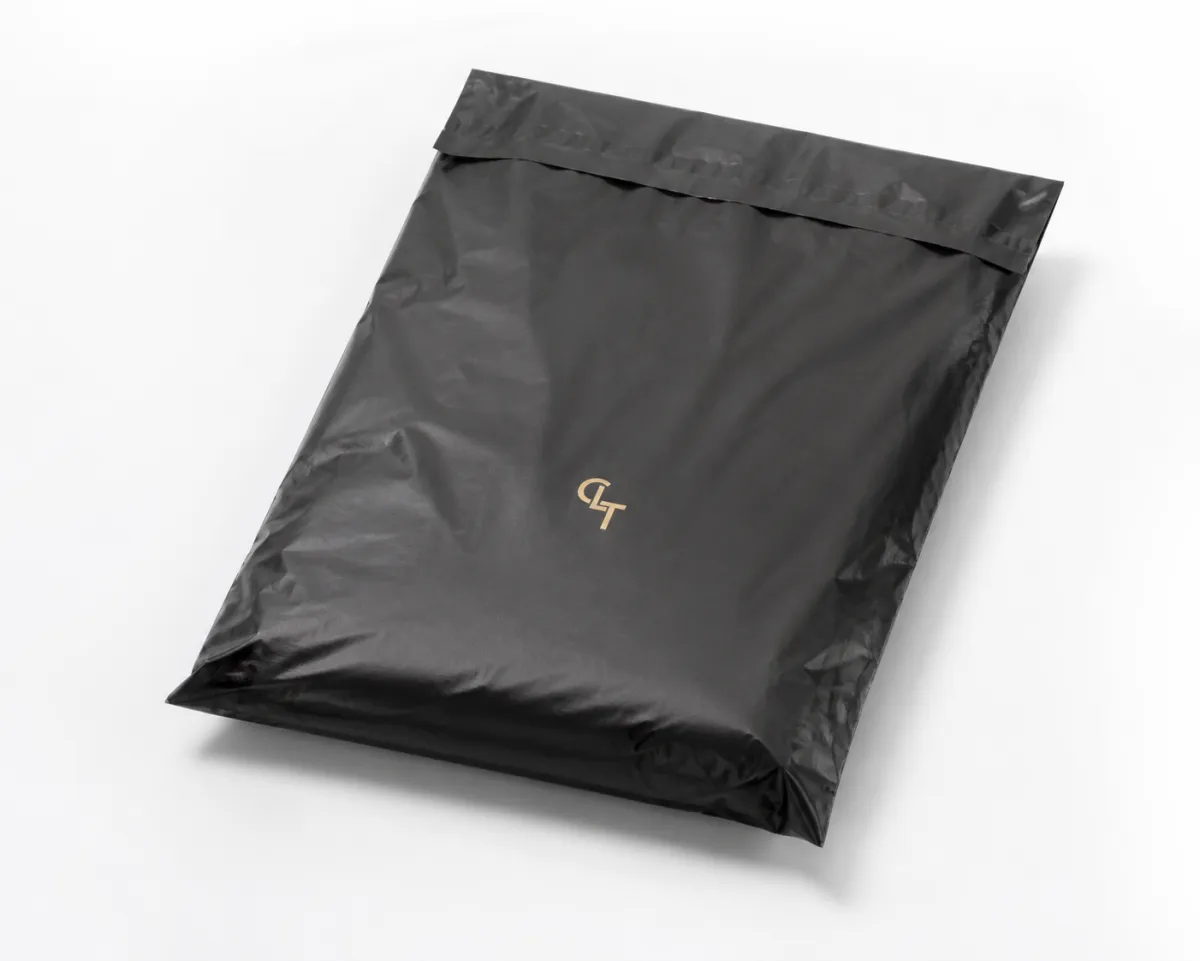
Retail buyers do not compare a shipper to a warehouse carton in isolation. They compare it to every package that has felt polished, easy to open, and worth keeping. Branded poly mailers for retail orders close the gap between a product page and a physical delivery by carrying the brand identity all the way to the doorstep.
That shift matters more than many teams realize. A shirt sold at a strong margin can still feel cheap if it arrives in an unmarked bag. A lower-priced accessory can feel more premium if the presentation looks intentional. In practice, branded poly mailers for retail orders help a brand control the first five seconds after delivery, and those five seconds influence how customers describe the purchase later.
There is a practical retail effect, too. Customers who receive branded poly mailers for retail orders are more likely to recognize the parcel as expected mail, not random shipping debris. That sounds minor, yet it reduces friction. It makes the package easier to sort, easier to identify on a shared porch, and more likely to be opened with care instead of tossed into a drawer.
Presentation also affects repeat purchase behavior. Fulfillment depends on consistency. A brand that ships in branded poly mailers for retail orders creates a repeatable outer experience across standard orders, promotional drops, and seasonal launches. The customer should not feel as if the outer packaging changed by accident every time the SKU changes.
There is an unexpected comparison worth making. A plain mailer does not merely look plain; it can make a carefully developed product feel untested. A branded bag can do the opposite. It can make a modest item feel more deliberate, and that is often enough to shift the buyer’s impression from “shipped” to “finished.” That is the real reason branded poly mailers for retail orders work so well. They create a shelf-to-ship experience that feels like one brand made one decision, not a string of disconnected ones.
Packaging buyers also care about what happens after the first order. Branded poly mailers for retail orders support reorders because the outer look is easy to standardize. The artwork does not need to change every time a style changes. The logo can stay consistent while the contents evolve. That helps larger teams, but it also helps smaller brands that want to look more established than their volume suggests.
I've watched brands spend weeks polishing product photography, then ship in a plain poly bag and wonder why the post-purchase experience felt flat. The contrast is rough. If the goal is a cleaner customer journey, the outer package is not optional. It belongs to the product story. A good mailer does not shout. It simply tells the customer that the brand paid attention.
Branded Poly Mailers for Retail Orders: Product Details That Matter
At the most basic level, branded poly mailers for retail orders are lightweight polyethylene mailers printed with a logo, pattern, tagline, or full-surface design for direct-to-consumer and retail fulfillment. They are built for flexible goods, not rigid protection. That makes them a strong fit for apparel, accessories, soft goods, subscription add-ons, and promotional kits that do not need a carton.
The strongest use cases are usually the simplest. A folded T-shirt. A pair of socks. A beauty accessory. A knit item that does not crush easily. Branded poly mailers for retail orders work well here because they add presentation without adding much freight weight or pack-out time. For many teams, that is the sweet spot: more brand impact, little overhead.
Print options vary by supplier, but the main decisions remain familiar. One-color branding is often the most economical. Multiple print colors can sharpen the design if the logo depends on contrast or a specific palette. Full-coverage graphics help the outer bag act like a moving brand panel. Some programs use matte finishes to reduce glare; others choose glossy surfaces for a brighter, retail-display look. Inside print can be a pleasant surprise, while outside print handles the visibility that matters most in transit.
What matters operationally is not just how the mailer looks in a mockup. It is how branded poly mailers for retail orders behave at the packing station. A clearly printed bag is easier to grab, easier to identify, and easier to separate by SKU or campaign. That saves time. It also reduces mix-ups in multi-item queues where several packaging formats may be moving through the same bench.
Not every product belongs in a mailer, and that honesty matters. Branded poly mailers for retail orders are a strong fit for flexible goods and relatively short to medium transit paths. They are less suitable for fragile items, heavily rigid products, or goods that need a hard outer shell unless the inner packaging is doing extra work. Moisture-sensitive products may also require a secondary barrier or a different outer format depending on the route and climate.
For teams that want a broader packaging mix, it helps to look at the entire system rather than one bag in isolation. A brand can pair mailers with inserts, labels, or retail-ready cartons from the rest of the packaging stack, including Custom Packaging Products and Custom Poly Mailers. That approach keeps the outer presentation consistent while giving each product the right level of protection.
There is also a standards angle. If the shipment needs transit validation, packaging professionals often think in terms of ISTA methods, not guesses. The ISTA framework is useful for understanding drop, vibration, and distribution testing expectations. And if your larger packaging program includes paper-based components, the FSC certification system can help teams verify responsible fiber sourcing for those parts of the packout.
That blend of brand, function, and standards is why branded poly mailers for retail orders are more than a print job. They are a material choice, a presentation choice, and a fulfillment choice all at once.
Specifications to Compare Before You Order
The fastest way to waste money on branded poly mailers for retail orders is to approve a design before the spec is clear. Size, thickness, seal strength, and opacity all affect both cost and performance. If the bag is too big, the order looks loose and wasteful. If it is too tight, packing slows down and the risk of damage rises.
Start with dimensions. The useful number is not only the outside size on the quote; it is the usable interior size after the adhesive flap is accounted for. A mailer that feels roomy in a sample may become annoying once folded garments, tissue, or inserts are included. For apparel, many teams standardize around a handful of sizes rather than chasing a perfect fit for every SKU. That keeps branded poly mailers for retail orders easier to forecast and reorder.
Film thickness matters more than most buyers expect. Lighter gauges can work well for simple garment shipments that do not face much abrasion. Heavier gauges are better when the package will travel longer distances, pass through rough handling, or carry more than one item. In many retail programs, a useful range sits around 2.5 to 4 mil for standard apparel and 4.5 to 6 mil when the team wants more protection. Thicker is not automatically better; if the bag is oversized, the extra film still does not fix the fit problem.
Seal quality is another detail that deserves close attention. A peel-and-seal adhesive strip should close cleanly, resist accidental opening, and hold up under storage conditions that can vary from cool warehouses to warm delivery routes. Resealable options can be useful for return-heavy categories, but they are not always necessary. The right choice depends on whether the mailer is serving one-way fulfillment or a more return-sensitive retail category.
Opacity and tear resistance also deserve a real review. If a brand wants privacy, the bag should not reveal silhouettes, label placement, or inner inserts under bright light. Tear resistance matters because corners and seams fail first when a package is dragged across a belt or squeezed into a bin. A professional supplier should be able to speak to tensile performance, and in more technical programs, buyers may ask for ASTM D882-related film data or comparable testing references.
A good spec checklist for branded poly mailers for retail orders usually includes:
- product weight and folded dimensions
- bag size and usable interior measurement
- film thickness in mils
- seal type and adhesive width
- opacity requirement and print side
- brand color targets, including PMS references if needed
- storage conditions and expected transit environment
- number of artwork versions or seasonal variants
- whether the order needs recycled content or virgin film
Material choice is another area where simple answers can mislead. Standard poly is often the most economical. Recycled-content film can be a better fit for brands with sustainability targets, but the film may need more careful color control and sampling. For some retail teams, a 30% to 50% PCR blend is a practical middle ground. For others, the priority is consistency at volume, which may favor a standard film with predictable print performance.
The best ordering process is usually the boring one: clear product weights, standard sizes, reliable artwork, and one agreed definition of what “good” looks like. Branded poly mailers for retail orders reward teams that are precise. Vague briefs cost money.
Branded Poly Mailers for Retail Orders: Cost, Pricing, and MOQ
Pricing for branded poly mailers for retail orders is driven by a few levers, and the quote changes fast when one of them moves. Size matters. Film thickness matters. Print coverage matters. The number of colors matters. Quantity matters. If the supplier needs plates, tooling, or a custom setup, that matters too.
MOQ is the first place buyers feel the trade-off. Lower quantities usually carry higher unit cost because setup is spread across fewer bags. Larger runs reduce the per-piece number because the fixed work gets diluted. That is why a 3,000-unit run and a 10,000-unit run can look completely different on paper even when the artwork is identical.
For planning purposes, it helps to think in ranges rather than fantasy pricing. The numbers below are illustrative, not quotes, but they reflect the way branded poly mailers for retail orders are commonly priced at commercial quantity levels.
| Option | Typical MOQ | Indicative Unit Range | Best For | Main Cost Driver |
|---|---|---|---|---|
| Standard mailer with one-color logo print | 3,000-5,000 pcs | $0.14-$0.24 | Apparel basics, stable SKUs, repeat reorders | Bag size and print coverage |
| Full-coverage custom print | 5,000-10,000 pcs | $0.22-$0.45 | Seasonal retail drops, premium presentation, stronger shelf-to-ship impact | Artwork complexity and number of colors |
| Recycled-content custom mailer | 5,000 pcs+ | $0.18-$0.38 | Brands with PCR targets or sustainability reporting needs | Film source, consistency, and print calibration |
| Oversized or heavy-duty custom mailer | 5,000 pcs+ | $0.20-$0.48 | Multi-item apparel orders or longer distribution routes | Thicker film, larger dimensions, and freight volume |
Those ranges shift with print method and market conditions, but the pattern stays familiar. A simpler design is usually cheaper than a full-coverage bag. A standard size usually prices better than a custom dimension. And a larger run almost always gives you more room to control unit cost, especially if the design will be reused across multiple retail seasons.
One practical mistake is comparing quotes that are not actually comparable. A supplier may quote a different thickness, a slightly larger bag, or a different print setup. That can make a lower price look better even when the spec is weaker. If you want a clean comparison for branded poly mailers for retail orders, request the same size, same gauge, same print coverage, and same quantity from every vendor.
Another budget question is how many SKUs really need their own mailer. Some brands order one custom design for all apparel and use labels or inserts to identify a sub-line. Others want a separate bag for each major collection. The right answer depends on order mix and launch cadence. If a design is going to be used only once, short-run custom may make sense. If the same outer look will be reused for months, the economics improve quickly.
It also pays to ask what is included in the quote. Setup, plate fees, proof charges, freight, and packaging labor can all change the real cost. A quote that looks cheap on unit price may not be cheap after transport. That is why branded poly mailers for retail orders should be evaluated as a landed packaging cost, not just a factory number.
For buyers managing multiple lines, wholesale pricing matters too. A repeat program through Wholesale Programs can stabilize costs, especially when the same branded poly mailers for retail orders are replenished on a predictable schedule. The goal is not only to pay less. The goal is to make the cost structure easy to forecast.
There is a small but important discipline here: price the packaging the way a fulfillment manager would, not the way a design team would. A prettier mockup is nice, but the finance team is gonna care about freight, overage, and how many bags sit on the shelf after the season ends.
Process, Timeline, and Production Steps
A clean production process saves more time than a rush fee ever will. For branded poly mailers for retail orders, the path from idea to delivery usually moves through a predictable sequence: brief, artwork review, spec confirmation, proofing, production, quality inspection, packing, and shipment.
The first delay usually comes from the brief. If the logo file is low-resolution, the PMS targets are unclear, or the bag size is only described as “medium,” the job slows down immediately. Good suppliers can work through messy inputs, but every extra clarification adds friction. A buyer who knows the folded product size, the target quantity, and the preferred print area will get a faster, more accurate quote.
Proofing is the next gate. Most branded poly mailers for retail orders should be approved from a digital proof or mockup before production starts. That proof should confirm logo scale, print placement, color direction, and copy. It is the right moment to catch a typo, a bad crop, or a logo that looks fine on a screen but too small on a real bag. Once the run starts, the cost of a mistake climbs quickly.
Lead time depends on quantity and complexity. Standard orders with fixed specs and final artwork can move relatively quickly, often around 12-15 business days from proof approval for straightforward runs. Larger quantities, multi-color artwork, recycled-content materials, or custom dimensions can extend that window. Add freight time, and the order should be planned well before the launch date, not on top of it.
Here is a practical timeline pattern many retail teams use for branded poly mailers for retail orders:
- Day 1-2: submit specs, product dimensions, logo files, and quantity target
- Day 2-4: review quote, adjust options, and confirm the best spec
- Day 4-6: approve digital proof and lock print placement
- Day 7-15+: move into production depending on order size and complexity
- Final step: inspect freight timing, receiving space, and internal stocking before rollout
That schedule sounds orderly because it should be. The best packaging runs are rarely dramatic. They are built on clean information and a realistic buffer. When buyers give themselves time to absorb shipping delays, internal receiving, or a proof revision, branded poly mailers for retail orders arrive before the retail push starts instead of becoming a launch-week problem.
If you are comparing suppliers, ask how they handle quality checks. A vendor with a disciplined inspection process is less likely to send a run with weak seals, off-color logos, or inconsistent bag cuts. That matters because a mailer failure is not just a packaging issue; it can become a customer service issue, a replacement issue, and a brand trust issue.
It helps to think like a distributor, not just a designer. The question is not “does the mockup look good?” The question is “will the approved packaging still look good after pallets, carts, bins, and parcel sorting?” Branded poly mailers for retail orders need to survive the route, not just the render.
Why Choose Us for Retail Packaging Programs
Retail packaging buyers do not need more uncertainty. They need a partner that can make branded poly mailers for retail orders easier to spec, easier to price, and easier to replenish. That is the standard Custom Logo Things should be judged against: consistent print quality, responsive quoting, and packaging that supports both brand standards and fulfillment speed.
Experience matters here because it prevents expensive overbuying. Many teams overspec thickness because they think thicker always means safer. Others order too much color coverage because the artwork looks better in a presentation deck than on a shipping budget. A practical packaging partner will talk through those trade-offs before the order is locked. That kind of guidance is especially valuable when a brand is moving from a test run to a repeat program.
Support during production matters too. The right team should help with proof checks, artwork placement, size recommendations, and print adjustments before the bags enter production. If timing changes, they should say so clearly. If the spec needs to shift, they should say why. That is how branded poly mailers for retail orders stay predictable instead of turning into a string of surprises.
Multi-location retail teams need a different kind of reliability. They need reorder records, stable brand colors, and a packaging format that does not drift from one campaign to the next. That is where a consistent packaging partner becomes valuable. A second order should not feel like a new project. It should feel like a replenishment.
For a sense of how the right packaging decision shows up in the real world, review some of the outcomes in our Case Studies. Teams usually see the same pattern: once the outer presentation is standardized, packing becomes cleaner, the brand looks more deliberate, and reorder decisions get simpler.
“We did not need fancier packaging. We needed packaging that could be repeated without drama.”
That line comes up often in retail packaging conversations because it is true. The best vendor relationship is not one that creates excitement every week. It is one that removes friction. If branded poly mailers for retail orders are part of your standard packout, the supplier should make it straightforward to restock, update artwork, and keep the same quality level across runs.
If you need a broader product mix, our Custom Packaging Products page is a useful starting point, and our FAQ covers common questions about artwork, minimums, and ordering. The goal is simple: make the packaging decision fast enough for operations and precise enough for the brand.
That is what a serious packaging partner does. It reduces the number of unknowns. It protects margin. It keeps branded poly mailers for retail orders from becoming a design problem when they should be a repeatable part of the fulfillment system.
Next Steps for Ordering Branded Poly Mailers for Retail Orders
If the goal is to move quickly, start with the basics. Gather the folded product size, the estimated monthly volume, the product category, the logo files, and any brand color requirements. If the order will be used across several SKUs, decide whether one mailer size can cover them all or whether two standardized sizes will make more sense. That single decision can save a surprising amount of time later.
Then request quotes using the same spec across each vendor. Do not compare a 3 mil bag to a 4 mil bag and call it a price check. Do not compare one-color print to full-coverage artwork and assume the lower number is the better buy. For branded poly mailers for retail orders, apples-to-apples comparisons are the only ones worth making.
For teams testing a new concept, a pilot run is usually the smartest move. Start with one design and one or two core sizes. Watch how the mailers pack, how fast the team moves at the bench, and how customers respond to the presentation. If the feedback is good, expand the run. If the fit needs adjustment, fix the spec before scaling it.
Timing should be checked before approval, not after. Confirm stock levels, seasonal peaks, and launch dates before artwork is locked. If the retail push is tied to a campaign, build enough cushion for proof revisions, freight delays, and internal receiving. Branded poly mailers for retail orders are most useful when they arrive before the work begins, not after it is already overdue.
If you want a fast path to a practical quote, the smartest next step is to focus on one package type, one clear size, and one agreed print direction. That is how the numbers become useful and the project becomes manageable.
Branded poly mailers for retail orders are not a luxury item for brands that want to look polished. They are a functional packaging choice that supports presentation, protection, and repeat ordering when the specs are right. Get the size right. Get the thickness right. Get the print right. Do that, and the mailer starts doing real work for the brand.
The most useful takeaway is simple: audit your current packout against the folded product size, seal type, film gauge, and print coverage before placing the next reorder. If those four pieces line up, branded poly mailers for retail orders can cut friction at the bench, sharpen the customer’s first impression, and make replenishment easier the next time around.
What size branded poly mailers for retail orders should I choose?
Match the mailer to the folded product size, not just the product's flat dimensions. Leave enough room for clean insertion and sealing without excess empty space. For multi-SKU retail programs, standardize on a few sizes so branded poly mailers for retail orders stay easier to pack and forecast.
How much do branded poly mailers for retail orders cost?
Cost depends on size, film thickness, print coverage, color count, and quantity. Higher quantities usually lower unit cost because setup is spread across more bags. Ask for matched specs if you want a fair comparison of branded poly mailers for retail orders.
What is the MOQ for custom branded poly mailers?
MOQ varies by supplier and print method. Smaller runs are possible, but they usually carry a higher unit price. If you are testing a new design, start with the lowest quantity that still supports your launch volume for branded poly mailers for retail orders.
How long does production take for branded poly mailers for retail orders?
Timeline depends on artwork readiness, proof approval, order size, and the current production queue. Final specs approved quickly usually shorten the schedule. Build in extra time for shipping, receiving, and any artwork revisions when planning branded poly mailers for retail orders.
Are branded poly mailers for retail orders strong enough for apparel and soft goods?
Yes, they are commonly used for apparel, accessories, and other flexible products. Choose the Right thickness and seal strength for the weight and transit conditions. Fragile or rigid items may need extra internal protection or a different outer package, but branded poly mailers for retail orders are a strong fit for most soft-goods programs.


