Buyer Fit Snapshot
| Best fit | Branded Product Packaging Inserts projects where brand print, material claims, artwork control, MOQ, and repeat-order consistency need to be specified before quoting. |
|---|---|
| Quote inputs | Share finished size, material target, print colors, finish, packing count, annual reorder estimate, ship-to region, and any compliance wording. |
| Proofing check | Approve dieline scale, logo placement, barcode or warning zones, color tolerance, closure strength, and carton packing before bulk production. |
| Main risk | Vague material claims, crowded artwork, missing packing details, or unclear freight terms can make a low unit price expensive after revisions. |
Fast answer: Branded Product Packaging Inserts: Strategy & ROI should be specified like a repeatable production item. The safest quote records material, print method, finish, artwork proof, packing count, and reorder notes in one written spec.
Production checks before approval
Compare the actual filled-product size with the drawing, then confirm tolerance on folds, seals, hang holes, label areas, and retail display edges. Reserve space for logos, QR codes, warning copy, and material claims before decorative graphics fill the panel.
Quote comparison points
Review material grade, print process, finish, sampling route, tooling charges, carton quantity, and freight assumptions side by side. A quote is only useful when the supplier can repeat the same color, closure quality, and packing count on the next order.
Branded Product Packaging Inserts: Strategy, Protection, and ROI is less about decoration than most teams first assume. It sits at the point where protection, labor, and presentation all meet inside the carton, which is why the details matter more than the marketing copy. Branded product packaging inserts can steady a product in transit, shorten pack-out steps, and give the first opening moment a little more care and intention.
That first tactile layer matters. Long before a customer sees the item itself, they have already handled the box tape, lifted the lid, and felt the fit of what is inside. From a packaging buyer's point of view, branded product packaging inserts live in a useful middle ground: they are functional enough to hold a SKU in place, yet visible enough to carry care notes, package branding, and a cleaner reveal. In plenty of cases, a well-built insert does more for perceived value than a heavier outer carton, especially if it prevents movement and keeps the contents centered. And yes, that first impression can be kinda sticky in the customer's memory.
The business case is quieter, but just as strong. Branded product packaging inserts can limit scuffed finishes, reduce returns, and remove the need for loose instruction sheets or extra parts floating around in the box. Less clutter at the pack station usually means fewer errors, faster fulfillment, and a tidier handoff to the customer. If the outer box is the billboard, the insert is the part of the set that keeps the scene looking right. I have watched plenty of teams spend extra on outer graphics while the real damage came from movement inside the carton.
What Branded Product Packaging Inserts Actually Do
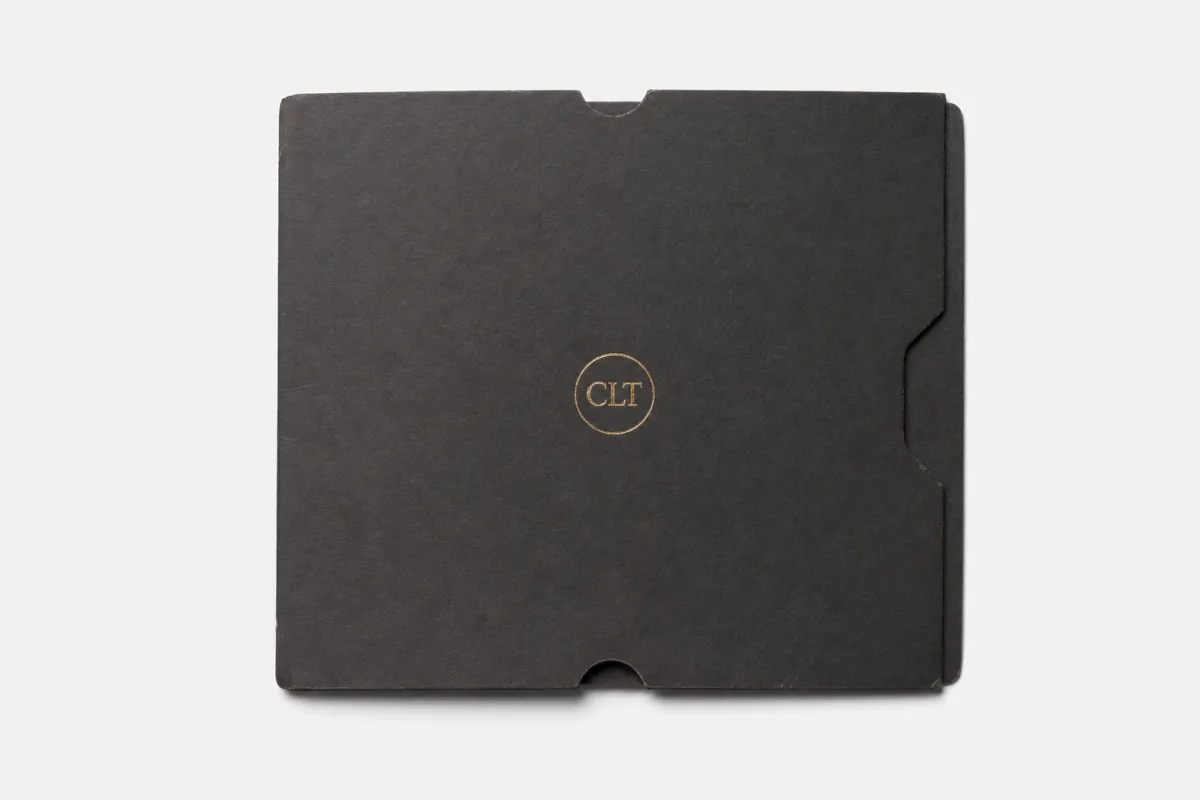
Branded product packaging inserts carry two responsibilities at once. On the logistics side, they hold products in place, separate components, and keep fragile surfaces from grinding against each other. On the brand side, they shape the way the opening feels. A sharp fold, a precise fit, or a subtle texture can make product packaging feel deliberate rather than improvised.
The insert usually appears at the exact moment customers begin forming an opinion. After the shipping label and tape are gone, the insert is often the first thing they touch. That means it is doing more than filling void space. It is setting the tone. A flat, loose insert with no real fit can make even Custom Printed Boxes look ordinary. A well-designed insert can make a modest product feel cared for.
Most formats are familiar, yet each one solves a different packing problem. Divider inserts keep surfaces apart, trays cradle a single product, sleeves wrap a component or document set, folded cards carry instructions, molded pulp absorbs impact, corrugated supports add stiffness, and multi-part kits combine several jobs in one structure. Branded product packaging inserts can use one of these forms, or a mix of them when the product needs both protection and presentation.
- Divider inserts are useful when surfaces must not touch.
- Trays work well for centered presentation and repeatable pack-out.
- Molded pulp gives a stronger eco-forward story, especially in retail packaging.
- Folded cards are ideal for messaging, quick-start notes, or warranty details.
- Multi-part kits can combine product support, branding, and documentation in one build.
A low-cost insert can improve perception more than a thicker outer carton because stability is memorable. Buyers rarely praise empty space. They do notice when a bottle shifts, a compact rattles, or a lid rubs against a hard wall. Branded product packaging inserts often deliver more value than simply increasing board caliper on the box.
For teams comparing formats, the Custom Packaging Products page is a useful place to start, especially if the same SKU may need different solutions for e-commerce, retail packaging, and gift sets.
Good inserts are not decoration first. They are a fit problem, a handling problem, and a brand memory problem. Solve those three, and branded product packaging inserts usually start paying for themselves in fewer returns and fewer complaints.
How Branded Product Packaging Inserts Work in Transit
Transit is where branded product packaging inserts earn their keep. A product does not stay still between warehouse and doorstep. It gets lifted, tilted, stacked, dropped onto rollers, compressed in cartons, and shaken by vibration for hours at a time. The insert’s job is to absorb that movement before it reaches the product. That means controlling side-to-side motion, keeping edges from colliding, and reducing the small repeated hits that can wear on a finish even when the package arrives in one piece.
The mechanics are simple, but the failure modes are not. A glass bottle, a cosmetics set, and an electronics accessory break down in different ways. Glass needs shock resistance and spacing. Cosmetics need surface protection so pumps, caps, and printed labels do not rub. Electronics accessories often need compartmentalization so cords, adapters, or batteries stay sorted instead of tangling. Branded product packaging inserts need to reflect the product’s behavior, not just its dimensions on a spec sheet.
That is why the strongest insert design usually starts with function and works outward. Cushioning matters, though separation, locking, labeling, and instruction matter too. In some packs, the insert also carries QR codes, setup notes, care instructions, or returns information, which cuts down on extra paper pieces. That helps branded packaging programs where every added sheet, sticker, or card means more handling and more room for error.
If transport testing is part of your approval process, the most practical reference points are ISTA testing methods and common ASTM distribution profiles. A desk sample can look perfect and still fail after a 36-inch drop, a corner impact, or a week of vibration in mixed freight. The language does not need to be fancy. The test plan needs to be real.
One detail many teams miss: branded product packaging inserts can also protect the perception of cleanliness. A product that arrives centered, unmarked, and easy to lift out feels better than one buried under loose paper. That matters for package branding as much as protection does. The opening should feel controlled, not improvised.
For paper-based programs, sourcing matters too. If sustainability claims carry weight in your category, FSC-certified board is easier to defend than vague “eco-friendly” language. The Forest Stewardship Council gives buyers a clear chain-of-custody framework, and that specificity often lands better than broad promises.
Branded product packaging inserts also cut friction in multi-item packs by replacing loose components with one organized structure. That is especially useful when a brand wants a premium reveal but does not want the cost or complexity of a more elaborate outer carton.
There is a practical side here that gets missed in design reviews: if the insert keeps pieces from migrating, warehouse teams spend less time reworking damaged goods, and the customer is less likely to open a box full of rattling parts. That is not glamorous, but it is real value.
Key Factors for Branded Product Packaging Inserts
Product behavior sets the starting point. Weight, fragility, surface finish, center of gravity, and the way an item shifts during handling all shape the right insert structure. A lightweight candle in a retail box does not need the same support as a glass serum set or a metal accessory kit. Branded product packaging inserts should be built around where pressure lands, how the item moves, and which kind of damage would hurt enough to trigger a return.
Material choice comes next, and it is rarely a straight-line decision. Paperboard gives sharp print quality and relatively simple setup. Corrugated structures add strength without a huge leap in cost. Molded pulp brings a strong sustainability story and holds items well, though the finish reads more industrial. Foam still appears in high-protection use cases, but many brands are moving away from it because of perception, recycling concerns, or internal sustainability goals. The right answer depends on the product, the channel, and the brand’s priorities.
Branding decisions matter just as much as structure. Color, messaging, finish, and shape can push the insert toward premium, utilitarian, eco-forward, or highly technical. Branded product packaging inserts used for luxury skincare usually look very different from inserts used in industrial accessories. One may rely on a soft-touch printed card and crisp folds. The other may need plain support with clear labeling. Both can be correct if they fit the job.
Operational constraints are the part teams tend to underestimate. An elegant insert that takes 40 seconds to assemble can quietly become expensive across thousands of orders. Storage space matters too. Flat-pack paperboard inserts are easier to stage than bulky molded parts, and warehouse labor often decides whether a design is truly scalable. The strongest packaging design is not the most ornate one. It is the one that still works on a busy line at 4:30 p.m. when the pack team is moving fast.
- Fit: the insert must hold the item snugly without forcing stress into corners or seams.
- Protection: the material should absorb or redirect the type of abuse the product is most likely to face.
- Brand fit: the finish should match the wider branded packaging system.
- Labor impact: if assembly slows the line, the design may cost more than it saves.
- Storage: bulkier systems need more warehouse room and more planning.
Presentation still matters. In retail packaging, the insert can create a centered face and a cleaner shelf story. In ecommerce, the insert can make the unboxing feel orderly even if the outer carton is plain. That is why branded product packaging inserts often sit at the intersection of product packaging and package branding rather than inside one discipline alone.
One honest caveat: not every brand needs a custom insert from day one. If a product ships safely in a standard internal tray or fold, forcing a special structure can add cost without adding value. The better move is to match the insert to the damage risk, not to the mood board.
Branded Product Packaging Inserts: Process and Timeline
The process starts with a brief that says more than product dimensions. Good briefs describe the item’s weight, surface finish, handling risks, shipping method, and whether the insert must also carry brand information or instructions. That extra context saves time later because a design built for shelf display is not always the same design built for parcel shipping. Branded product packaging inserts should be developed with the full journey in mind.
Sampling is where the real answers show up. A clean-looking drawing can hide trouble until the product is actually placed inside. During proofing, teams should test fit, fold lines, print accuracy, closure strength, and the amount of effort needed to pack the item repeatedly. If an insert needs two hands and a small prayer to assemble, it probably needs another round of revision. This stage is where the most expensive mistakes are still cheap to fix.
Production usually follows a familiar path: dieline creation, print setup, cutting or die-cutting, assembly, inspection, and final packing. For branded product packaging inserts, each step affects cost. A simple flat paperboard insert may move quickly. A molded or multi-component system may need tooling, longer approvals, or more careful nesting for shipment. Simple does not always mean better, though it often means faster.
- Brief: define product, channel, handling risks, and brand goals.
- Dieline: map the exact cut and fold geometry.
- Sample: test fit, protection, and assembly speed.
- Approval: confirm print, finish, and pack-out behavior.
- Production: run the order, inspect, and ship.
Turnaround depends on complexity. A straightforward paperboard insert can often move in 12-15 business days from proof approval, while custom molded or multi-part systems may take longer because tooling, drying, or added approvals enter the schedule. That does not make the slower option wrong. It means branded product packaging inserts need realistic lead times, not wishful ones.
If your team is comparing formats across a portfolio, past Case Studies can be a useful reality check. They show how different product types handle space, protection, and assembly pressure, which is often more useful than a polished spec sheet.
The other practical reason to respect process is consistency. Once branded product packaging inserts go live, even a small change to a fold line can ripple into inventory, warehouse training, and replenishment. The sample table is not only a creative checkpoint. It is a business checkpoint.
Branded Product Packaging Inserts: Cost and Pricing Factors
Pricing becomes easier to read once it is split into parts buyers can actually control. Setup fees, tooling, materials, print complexity, finishing, labor, and freight all affect the final quote. A low unit price can hide a high setup charge. A more expensive material can be offset by lower assembly time. Branded product packaging inserts are one of those categories where the invoice rarely tells the full story.
MOQ and unit cost should be discussed together. A supplier may offer a lower price at 10,000 units, but if your launch only needs 3,000, that advantage disappears. On the other side, a lower minimum order can make testing a new SKU easier, even if the per-piece cost is a little higher. The point is not to buy the cheapest insert. The point is to buy the one that fits the order pattern and the budget structure.
Here is a practical comparison for common options. The numbers are broad, because print coverage, material thickness, and assembly complexity can move them significantly. Still, this is the kind of range buyers use when they need to compare options quickly.
| Insert Type | Typical Use | Approx. Unit Cost at 5,000 Units | Strengths | Tradeoffs |
|---|---|---|---|---|
| Paperboard folded insert | Cosmetics, accessories, light retail packaging | $0.12-$0.28 | High print quality, fast setup, clean branding | Lower crush protection than heavier structures |
| Corrugated die-cut tray | Small appliances, heavier accessories, ecommerce kits | $0.18-$0.45 | Better rigidity, strong holding power | Bulkier than folded board |
| Molded pulp insert | Eco-focused brands, fragile components | $0.22-$0.60 | Good protection, clear sustainability story | Less refined surface finish, tooling may be needed |
| Foam insert | High-protection, sensitive, or high-value items | $0.35-$0.90 | Strong cushioning, predictable fit | Weaker environmental perception, harder to recycle in some programs |
ROI becomes visible once returns are part of the equation. A $0.24 insert that prevents even a small number of damaged shipments can pay back quickly. A return can cost far more than the insert once freight, repacking, replacement stock, and customer service time are added in. For some brands, the break-even point is only a few avoided damages per hundred orders. Branded product packaging inserts should be evaluated as cost control, not only as packaging spend.
There is a labor savings angle too. A well-structured insert can reduce pack-out time by giving workers a clear placement guide. That matters when a fulfillment team is packing hundreds or thousands of orders a day. If the insert removes one step, or makes component orientation obvious, the savings add up fast. Custom printed boxes get attention, but a good insert often decides whether the whole system feels efficient.
Pricing also shifts with finish choices. Spot UV, foil, embossing, and soft-touch lamination can raise the quote quickly. Those effects may help premium package branding, but they still need to earn their place. A fancy finish is not useful if the insert disappears inside the product cavity and adds nothing to the unboxing experience. That is a clean example of design spend that looks strong on paper and weak in practice.
My own rule here is simple: if the insert is invisible after it does its job, the cost has to be justified by protection or labor savings, not by aesthetics alone. That keeps the conversation honest.
Common Mistakes When Using Packaging Inserts
The biggest mistake is overdesigning the insert. Extra folds, thick materials, and decorative effects can create waste without improving performance. I see this most often when teams try to make the insert feel premium by adding more material instead of better structure. Branded product packaging inserts do not need to be elaborate to work. They need to fit correctly and protect the item under the conditions it will actually face.
The most expensive blind spot is skipping real-world testing. A desk sample can look perfect and still fail after a drop, a vibration run, or a rough handoff at the warehouse. Product packaging should be tested with the actual product weight and as close to actual shipment conditions as possible. If the insert survives the sample room but not the parcel network, it is not ready. That sounds obvious, yet it remains one of the most common failures in packaging programs.
Brand consistency is another trap. If the outer carton carries a crisp visual system but the insert looks unrelated, the experience can feel fractured. That does not mean every surface needs decoration. It means the insert should feel like part of the same branded packaging family. Color, typography, icon style, and tone all matter. A premium cosmetic line should not open to an Insert That Feels borrowed from a warehouse shelf label.
Assembly friction is the last problem that tends to show up too late. If the insert is hard to fold, confusing to place, or too large to store efficiently, the warehouse pays the price. Those issues often surface after launch, when changing the design is more expensive and more disruptive. A short pilot run can catch them early. That is usually cheaper than discovering them through customer complaints.
- Do not add thickness unless it improves protection.
- Do not approve a sample without abuse testing.
- Do not let the insert drift away from the rest of the package branding.
- Do not ignore pack-out time or storage footprint.
Brands also get tripped up by mismatched expectations. A product team may want an insert that feels luxurious, while operations wants something that packs in under ten seconds. Branded product packaging inserts can satisfy both sides, though only if the design process is honest about the trade-offs. The best choice is rarely the one that makes everyone fully happy. It is the one that keeps damage low, labor manageable, and the customer experience clean.
There is also a trust issue here. If a supplier promises dramatic damage reduction without showing test conditions, sample history, or assumptions about shipping lanes, treat that claim carefully. Packaging performance depends on the product, the carrier, the carton, and the handling environment all working together.
Expert Tips and Next Steps for Launching Inserts
Start with one SKU, not the whole catalog. A pilot run gives you real numbers on damage rate, pack-out time, and customer feedback before the system scales. That is especially useful if the brand has a mix of products, because one insert design rarely fits every item well. Branded product packaging inserts should prove themselves in one use case before they roll out everywhere else.
Ask suppliers for dielines, sample options, material comparisons, and realistic lead times before you sign off on the final format. Those deliverables tell you more than a polished mockup does. If the supplier cannot explain the structure, the print tolerances, or the likely assembly time, that is a signal to slow down. Strong packaging partners are usually comfortable discussing protection, presentation, and production constraints in the same conversation.
A simple scorecard keeps the decision grounded. Track protection, presentation, labor time, and cost per order. That gives branded product packaging inserts a fair review across the full business case, not just the design side. A system that costs slightly more but cuts returns and saves labor may still be the better buy. A cheap insert that creates friction in fulfillment is not cheap for long.
- Protection: Did the insert reduce damage and movement?
- Presentation: Did it make the unboxing feel deliberate?
- Labor: Did it slow down pack-out or simplify it?
- Cost: What is the all-in cost per order, not just the unit price?
If you are comparing branded product packaging inserts against other packaging upgrades, think in layers. The outer carton carries the shipping load. The insert manages fit and presentation. The printed sleeve or card carries messaging. That division of labor is what makes product packaging feel coherent. It also keeps teams from asking one component to do too much.
From a packaging buyer's point of view, the healthiest approach is iterative. Test, measure, revise, and then scale. Branded product packaging inserts improve when the team treats them as a system component rather than a decorative afterthought. The payoff shows up in fewer damages, smoother warehouse work, and a stronger first impression. Branded product packaging inserts are worth the budget when they protect the product, support the brand, and make operations easier at the same time.
One practical takeaway to keep in mind: choose the insert based on the product’s real shipping risk, not the prettiest sample on the table. If the structure fits the item, survives transit testing, and does not slow the pack line, you are probably looking at the right solution.
What are branded product packaging inserts used for?
They keep products from shifting in transit, which reduces scuffs, breakage, and returns. They also add structure for unboxing, instructions, and brand messaging without needing separate materials. In many programs, branded product packaging inserts do the work of both protection and presentation.
Which materials work best for branded product packaging inserts?
Paperboard and corrugated inserts work well for lighter products, especially when print quality matters. Molded pulp is a strong option for eco-focused brands, while foam is usually reserved for high-protection use cases. The right choice depends on product weight, shipping risk, and the look you want from branded product packaging inserts.
How do I estimate the cost of branded packaging inserts?
Ask for quotes that separate setup, tooling, material, finishing, and shipping so you can compare options clearly. Use unit cost and MOQ together, because a lower per-piece price may require a larger order than your team needs. That is the quickest way to see the real economics of branded product packaging inserts.
How long does it take to produce custom packaging inserts?
The timeline depends on design complexity, proof approvals, and whether custom tooling is needed. Simple flat inserts usually move faster than molded or multi-part systems, especially when sample testing is required. Branded product packaging inserts can be quick, but only if the design stays straightforward and approvals stay tight.
How do I know if branded product packaging inserts are worth it?
Measure damage rate, return volume, and pack-out speed before and after the insert launch. If the insert improves protection and makes the product feel more intentional, it is usually paying for itself in more than one way. The strongest branded product packaging inserts are the ones that improve operations and customer perception at the same time.
Branded product packaging inserts carry a small footprint and a large amount of work. If they protect better, pack faster, and reinforce the brand story, they are one of the smarter places to spend packaging budget.


