Buyer Fit Snapshot
| Best fit | Branded Subscription Mailer Boxes projects where brand print, material claims, artwork control, MOQ, and repeat-order consistency need to be specified before quoting. |
|---|---|
| Quote inputs | Share finished size, material target, print colors, finish, packing count, annual reorder estimate, ship-to region, and any compliance wording. |
| Proofing check | Approve dieline scale, logo placement, barcode or warning zones, color tolerance, closure strength, and carton packing before bulk production. |
| Main risk | Vague material claims, crowded artwork, missing packing details, or unclear freight terms can make a low unit price expensive after revisions. |
Fast answer: Branded Subscription Mailer Boxes: Design, Cost, and Fit should be specified like a repeatable production item. The safest quote records material, print method, finish, artwork proof, packing count, and reorder notes in one written spec.
Production checks before approval
Compare the actual filled-product size with the drawing, then confirm tolerance on folds, seals, hang holes, label areas, and retail display edges. Reserve space for logos, QR codes, warning copy, and material claims before decorative graphics fill the panel.
Quote comparison points
Review material grade, print process, finish, sampling route, tooling charges, carton quantity, and freight assumptions side by side. A quote is only useful when the supplier can repeat the same color, closure quality, and packing count on the next order.
Branded Subscription Mailer Boxes: Design, Cost, and Fit
Branded Subscription Mailer Boxes do more than protect a monthly shipment. They shape the first impression before the product is even visible, and that first contact can decide whether the experience feels deliberate or disposable. Because the package arrives first, it becomes part of the product itself. In a recurring program, it also teaches customers what the brand stands for every time the renewal lands on a doorstep.
For packaging buyers, the box deserves real planning. The structure has to protect the contents, the print has to support the brand story, and the assembly has to keep pace with fulfillment without slowing the line. A beauty subscription, a curated snack box, and a quarterly apparel drop may all use a similar mailer format, but the weight, packout, and handling risk are not the same. That is why sample reviews and supplier quotes should be tied to the actual kit, not just to a rough size estimate.
If you want to compare how packaging choices affect the customer experience across different formats, our Case Studies page is a useful place to review real-world approaches, and our Custom Packaging Products catalog can help you narrow down the structural options before you request quotes.
A subscription box fails quietly when it looks great on a proof but slows packing, crushes corners, or forces extra dunnage. Good packaging has to protect, present, and pack fast.
Why branded subscription mailer boxes matter at first touch
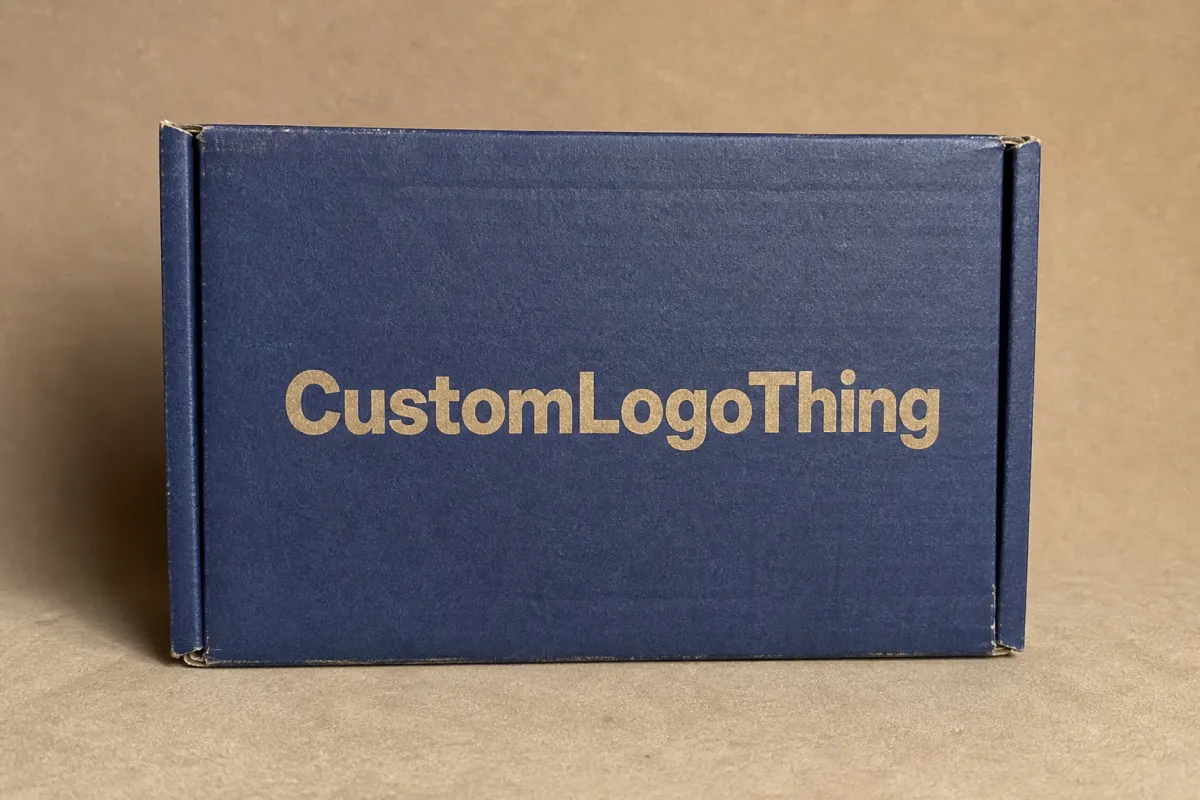
Branded subscription Mailer Boxes often influence opinion before the customer sees the product. The box lands on the table, the tape is cut, and for a few seconds the packaging carries the full emotional weight of the purchase. If the exterior looks clean, the structure opens neatly, and the inside feels organized, the brand appears more reliable and more premium, even if the item inside is modest in size or price.
That matters even more in subscription programs because the package is not a one-time event. It repeats. Repetition builds familiarity, and familiarity builds trust. A well-made subscription box can create anticipation, reinforce recognition, and lift perceived value without changing the product formula at all.
Retention often hides inside that experience. When the unboxing feels intentional, customers are more likely to open future shipments with the same expectation instead of treating the service like a commodity. The outer graphics, the interior message, and the way the product sits in the cavity all become part of the brand memory. That memory returns with every renewal.
Box style, print coverage, inserts, and finishing choices usually set the tone early. A simple white mailer with one-color branding can still look sharp if the typography and fit are disciplined. A fully printed box with a custom insert can feel more gift-like, but it also raises cost and production complexity. The right answer depends on how often you ship, how fragile the contents are, and how much presentation matters to the audience.
For teams comparing subscription packaging against other shipper formats, it helps to think in terms of experience and duty cycle. A Branded Mailer Box is not just a container; it is a recurring touchpoint. Tiny decisions such as inside print placement or the depth of the lid lock can have a real effect on repeat satisfaction, even if they barely register on a mockup.
There is also a timing effect that buyers sometimes underestimate. If the first few shipments look polished and the next few arrive crushed, open too roughly, or with inconsistent graphics, the customer does not separate those experiences into neat categories. They simply conclude the brand is inconsistent. Packaging quality is one of the few parts of a subscription model that must hold steady every month.
How branded subscription mailer boxes work in fulfillment
Fulfillment is where a beautiful concept either proves itself or falls apart. The box has to move from inventory to packing bench to carrier network without causing extra labor, damaged corners, or inconsistent presentation. In practice, branded subscription mailer boxes need to solve three problems at once: protect the product, keep the packout efficient, and still look polished when the customer opens the shipment.
The most common structures include self-locking mailers, roll-end tuck styles, and one-piece corrugated mailers with dust flaps or built-in tabs that improve closure strength. Self-locking styles are popular because they reduce the need for tape on the pack line and usually open with a tidy front panel, which is ideal for unboxing. Roll-end tuck designs can feel more premium and hold their shape well, while heavier kits sometimes benefit from extra flaps or inserts that keep the contents from shifting during transit.
Material choice matters just as much as the format. Many subscription boxes use single-wall corrugated board, often with E-flute for lighter items and better print detail, or B-flute when the contents need more crush resistance. For heavier programs, the board specification should be chosen around the full shipment weight, how the kit is stacked in storage, and how much abuse the carrier lane is likely to introduce. A light beauty refill pack and a dense home goods kit should not be built to the same standard.
Interior print can do brand work too. It is a smart place for welcome copy, a QR code, reorder instructions, or simple product education. The outer panel makes the first impression, but the inside panel carries the conversation forward. A short note, a usage tip, or a reorder prompt can extend the experience without adding much material cost, especially if it is planned early in the artwork stage.
The fit has to be right. A cavity that is too tight slows packing and can scuff or crush the product. A cavity that is too loose lets contents rattle, makes the presentation look sloppy, and can force extra void fill. Fit tolerance, compression resistance, and closure strength should be checked together, not separately. A box that works on a desk sample may still fail once it is stacked, shipped, and handled by multiple carriers.
For apparel, accessories, and other lightweight goods, some brands compare mailer boxes with a lightweight outer format such as Custom Poly Mailers. That comparison is useful, but the two formats serve different purposes. A poly mailer is efficient and lightweight; a mailer box gives more structure, a stronger reveal, and a clearer sense of occasion. Subscription brands that want repeat delight usually lean toward the box when the contents and budget support it.
For a cleaner fulfillment handoff, the best designs are the ones that look good while still being easy to pack. A box that requires extra folding steps, awkward tape placement, or constant orientation checks will cost more over time than the first quote suggests. The packaging has to match the pace of the line, not just the mood board.
One practical test helps a lot here: have the packing team assemble a short run using the actual contents, the real insert, and the same labels or outer cartons that will be used in production. That small exercise often reveals whether the box is fast, fussy, or deceptively easy. It also shows where gloves, tape, or filler are creeping into the process.
Process and timeline: from dieline to delivery
The earliest stage is discovery, and it should begin with product dimensions, packout count, shipping method, insert requirements, and any special handling risks. If the subscription includes multiple SKUs, the team needs to know which combination ships most often and which combination creates the heaviest kit. That information determines the structural size and tells the converter whether the project needs simple die-cutting or a more involved insert system.
Once the dimensions are known, the dieline turns those measurements into a working template. This step is easy to rush and hard to fix later, so it deserves careful review. The dieline shows folds, glue areas, tuck points, and print-safe zones, which means artwork can be placed without accidentally covering a score line or hiding a barcode location. After that, the team usually moves into prepress review and a sample or prototype approval so the box can be checked with real products inside, not just with measurements on a spreadsheet.
A practical production flow usually looks like this:
- Confirm product dimensions, weights, and packout.
- Approve the dieline and insert layout.
- Prepare artwork files and check image resolution, bleeds, and overprint settings.
- Review proofs for color, copy, and placement.
- Produce a structural sample or preproduction mockup if needed.
- Print, coat, die-cut, fold, glue, and inspect.
- Pack for freight or warehouse delivery.
That sequence can move quickly on a straightforward order, but timelines expand when specialty finishes, complex inserts, or heavy color matching are involved. In many packaging programs, a simple run can often move from proof approval to ship in about 10 to 15 business days, while more detailed jobs may need 20 to 30 business days or more. Freight time sits on top of that. If the launch date is fixed, the timeline should be planned backward from the first customer ship date rather than from the order date.
Transit testing deserves a place in the schedule too. The Institute of Packaging Professionals at packaging.org is a useful source of general packaging education, and the ISTA test methods are widely referenced for drop, vibration, and distribution simulation. For a subscription box, that kind of testing is not academic. It separates a package that looks nice on a sample table from one that still looks good after carrier handling, stacking, and route changes.
Schedule risk usually comes from the same few places: late artwork, missing product dimensions, changes to the contents after the dieline is approved, or approval cycles that stretch longer than expected. Custom finishes also add time because the press room may need extra setup and inspection. Metallic inks, embossing, spot UV, and unusual coatings all create more checkpoints than a plain printed mailer, so those choices should be made early, not during the final week before launch.
Production and design should stay on separate tracks, but they cannot drift apart. Design work includes structural decisions, copy, and artwork. Production includes printing, finishing, die-cutting, gluing, quality control, and freight. If those two tracks are not managed together, the box may be approved on paper while the subscription calendar keeps moving.
There is a quiet reason this stage matters so much: once a subscription program is live, the packaging becomes a recurring operational item, not a one-time creative project. The teams that manage it well usually document everything from board spec to packout photos, because the second order often arrives faster than the first one can be corrected.
Cost, pricing, and MOQ factors to budget for
The biggest cost drivers for branded subscription mailer boxes are board grade, box size, print coverage, number of colors, finishing choices, and whether the project needs separate inserts. MOQ matters because setup, tooling, and prepress costs are spread across fewer units when the order is small. That means the unit price on a 500-piece launch run can be very different from the unit price on a 5,000-piece replenishment order, even if the box looks nearly identical.
Quoted box price is only part of the bill. Freight, warehouse storage, line assembly, and occasional spoilage all affect the final number. A slightly larger box can cost more to ship because it takes up cubic space. A box that requires hand-inserted partitions can increase packing labor. A premium finish may look excellent in photos but create longer setup times in production. Those details are easy to miss if the team only compares price per thousand.
For planning purposes, these are useful reference ranges, not fixed quotes. Actual pricing depends on region, quantities, artwork, and material availability.
| Option | Typical Use | Planning Unit Cost | What It Usually Includes |
|---|---|---|---|
| Short-run digital mailer box | Launch tests, seasonal drops, smaller subscription volumes | $0.85-$1.75 each | Standard corrugated box, digital print, limited setup, no complex insert |
| Standard corrugated subscription mailer | Repeat monthly programs with steady volume | $0.55-$1.20 each | Custom size, exterior print, efficient structural design, basic finishing |
| Premium printed mailer with interior print | Gift-like unboxing, higher perceived value, brand-heavy programs | $1.10-$2.50 each | Fuller print coverage, inside messaging, upgraded finish, tighter prepress review |
| Mailer with custom insert system | Multi-item kits, fragile items, mixed SKU bundles | $1.35-$3.00 each | Printed box plus die-cut insert, more assembly, better item control in transit |
Those ranges reflect common planning realities, especially for programs where quantities are still modest. At small MOQs, setup costs can dominate the unit price. At larger volumes, the same design usually becomes more efficient because the press setup, die tooling, and finishing time get spread across more boxes. That is why a quote for 1,000 units and a quote for 10,000 units should never be compared line by line without looking at the total landed cost and the expected reorder pattern.
Short-run digital production often makes sense for launches, test programs, or brands still refining the subscription model. It keeps setup flexible and allows faster changes if the artwork or size needs a revision. Longer-run print methods tend to become more attractive once the design is locked and the reorder cadence is steady. If the program expects monthly volume with only small copy changes, the more efficient print method can lower the per-unit cost over time.
Cost control does not have to flatten the brand impression. A standard size usually costs less than a fully custom structural design. One strong focal color can still feel intentional if the layout is disciplined. Interior print can be limited to a message panel instead of full coverage. A simple insert with well-placed die cuts may be enough for product security, even if a more elaborate tray looks appealing on a mockup. Good buyers tend to ask where the money actually changes the customer experience and where it just adds complexity.
If the subscription program also includes a separate shipper or accessory pack, compare alternatives early. Some products work better in a box; some work better in a poly mailer, especially if the contents are soft goods and the presentation requirement is lighter. The right choice depends on the product, the audience, and the level of brand theater the shipment needs to carry.
One caution for smaller programs: the cheapest unit price is not always the cheapest program. If a lower-cost box slows packout, causes damage, or requires a rush reorder after the first shipment, the apparent savings disappear quickly. Buyers who track total landed cost usually make cleaner decisions than buyers who only chase the lowest print quote.
Design factors that make the box feel premium and practical
Structure should follow the product, not the other way around. Fragile items need restraint and cushioning. Soft goods need a clean fold and a restrained cavity so they do not look lost in the box. Mixed assortments need compartments or inserts to keep each item in its place. The best subscription packaging feels organized the moment the lid opens, because the contents are visually framed instead of thrown together.
Typography and color hierarchy do more work than many teams expect. A box has only a few seconds to communicate before the customer opens it, so the front panel should make the brand name clear, the hierarchy should guide the eye, and the side panels should support the story without competing for attention. If the box will sit on a porch, in a pickup locker, or in a retail-style mailroom, the design needs to read quickly from a distance. Clean type, strong contrast, and a clear focal point usually outperform crowded layouts.
Finish choices deserve practical scrutiny. Matte coatings, gloss, soft-touch lamination, embossing, and spot accents each create a different feel, but not every effect is right for every program. Soft-touch can add a premium hand feel, though it may not be the best fit for high-abrasion shipping lanes. Spot UV can add contrast, but it works best when there is enough printed area for the effect to stand out. Embossing can create a refined look, though it adds a production step that should be justified by the customer experience, not just by a trend board.
Inserts and void fill are not just protection tools. They also shape the unboxing rhythm. A product that sits in a neat tray looks more deliberate than a product that shifts around in loose paper fill. Compartment design helps the contents arrive in sequence, which is especially helpful in subscription kits with multiple items, samples, or add-ons. If the box contains a primary product plus supporting material, the insert can separate those layers so the reveal feels ordered rather than messy.
There is also a social layer to consider. Subscription shipments are often photographed, shared, or shown in short-form video, and packaging that looks deliberate on camera can extend the brand beyond the doorstep. That does not mean the box needs loud graphics everywhere. It means the reveal should be readable, the contents should stay put, and the brand marks should look consistent across the outer panel, the interior, and any included cards or inserts.
For teams that want to compare how different structures perform visually, a good habit is to review samples next to the product itself, not on a white table by themselves. A structure that looks premium empty can feel awkward when loaded. A structure that looks simple in a photo can feel perfect once the product is seated correctly. That is why mockups, physical samples, and packout trials are more useful than flat artwork alone.
Experience also matters with finishing. Some coatings look beautiful on press samples but show scuffing once they travel through a warehouse or pass through multiple hands. If the box will move through a high-volume fulfillment center, a less delicate finish may hold up better than a highly reflective or soft-touch surface. Choosing the finish based on handling, not just on appearance, often produces the better long-term result.
Common mistakes when ordering subscription mailer boxes
The first mistake is measuring only the product and forgetting about closures, inserts, protective clearance, and compression space. A box can fit on paper and still fail in use if the lid will not close without bulging or if the contents rub against the walls during transit. Always include the full packout, not just the item footprint.
The second mistake is designing without input from fulfillment. A layout may look polished on screen but create problems on the packing line if the barcode area is hidden, the opening direction is awkward, or the artwork makes it hard to orient the box quickly. If the warehouse team has to spend extra seconds figuring out which way the lid opens, that cost repeats on every order.
The third mistake is skipping transit testing. Subscription packaging has to survive drops, vibration, stacking pressure, and long carrier routes. It is not enough for the box to open cleanly in a marketing sample. For programs with heavier contents or fragile product, a transit test plan aligned with ISTA methods gives the team a far better read on real performance than a desk mockup ever will.
The fourth mistake is adding too many finish effects at once. Metallic ink, heavy coating contrast, embossing, and multiple specialty processes can make the package look expensive quickly, but they can also stretch the schedule and drive the price up before the box has proven itself. A cleaner solution often performs better if the shape, typography, and print placement are already strong.
The fifth mistake is ordering without a replenishment plan. Subscription programs do not work well when inventory runs tight. If a launch uses every box in the first wave and the reorder is still in artwork review, the next shipment may be delayed or forced into a rush order. It is wise to hold a small safety buffer, often 3% to 5% over expected need depending on spoilage risk, line setup, and forecast confidence.
Another common issue is ignoring the effect of outer carton packing. If finished mailer boxes are too bulky, fragile, or irregularly nested, they may ship less efficiently from the printer to the warehouse. That can raise freight cost and create damage risk before the boxes ever see a customer. Good box programs think about the whole chain, not only the final reveal.
Finally, some teams approve artwork before they have seen a real assembled sample. That is risky because a flat proof can hide a surprising number of practical problems. A score line might land across a logo, the insert might block a message, or the closure might feel tight once the product is inside. A physical sample usually catches those issues while they are still inexpensive to fix.
In many cases, the fix is simple: bring the operations team into the review early, request a real sample, and verify the box under the same conditions it will face in production. That one habit eliminates a surprising amount of avoidable waste.
Expert tips and next steps for a stronger box program
Start with a physical sample or prototype whenever the timeline allows. A real sample shows how the lid closes, how the corners hold, how the insert behaves, and whether the product sits too high or too deep in the cavity. It also gives marketing, operations, and customer service a shared reference point, which is far more useful than arguing over a flat mockup.
Build a one-page specification sheet before you request quotes. Include the outside dimensions, product count, insert details, finish choices, target quantity, shipping destination, and whether the box must work for automation or manual packout. If the program has multiple seasonal builds, note which build is the heaviest and which one ships most often. That makes supplier comparison much easier and keeps revisions from getting buried in email threads.
A simple quality checklist helps the receiving team catch issues quickly. The list does not need to be complicated. It should cover print consistency, score quality, glue integrity, box squareness, fit, label space, and outer-carton condition on arrival. If a box is going to be stored for months before use, it is worth checking how well it holds shape in a stacked pallet environment as well.
After the first shipment, gather feedback from fulfillment, marketing, and customer support. Packing speed tells you whether the structure is friendly to the line. Customer photos tell you whether the reveal feels premium. Support tickets can reveal whether inserts shift, lids pop open, or product placement causes confusion. Those signals are valuable because they show how the box performed under real conditions, not just how it looked in the sample room.
Teams that get the most out of branded subscription mailer boxes usually treat the first run as a baseline, not a final answer. They refine the fit, simplify where needed, and adjust print or insert details based on actual packout performance. That is often where the best savings show up: fewer minutes at the line, fewer damaged units, and fewer surprises at reorder time.
If you are preparing a quote request, bring the product dimensions, target quantity, finish preferences, and shipping method together before you talk to suppliers. Then compare sample feedback against the real needs of the program, not just against the mockup. The most reliable takeaway is simple: lock the packout, test one real sample, and confirm the box still looks clean after handling. That is the point where branded subscription mailer boxes stop being a design idea and start doing useful work month after month.
Frequently Asked Questions
What makes branded subscription mailer boxes different from standard mailers?
They are built for repeat unboxing, so the structure and graphics usually carry more brand storytelling than a plain shipping mailer. Many subscription boxes also include interior print, inserts, or special closures that support presentation and retention. The best versions still move quickly through fulfillment, which is where the real difference shows up.
What size should I choose for subscription mailer boxes?
Start with the product dimensions, then add space for inserts, closure folds, and shipping protection. A box that is barely large enough can crush contents or slow packing, while a box that is too large may require extra void fill. If you ship several kit combinations, choose the size that fits the most common build and use inserts to manage variation.
How much do branded subscription mailer boxes usually cost?
Cost depends on size, board type, print coverage, finishes, inserts, and order quantity. Small runs usually carry a higher unit cost because setup is spread over fewer boxes, while larger runs usually improve efficiency. A quote should also account for freight, storage, and assembly impact, not just the printed box itself.
How long does production take for custom subscription mailer boxes?
Timing depends on how quickly artwork, dielines, and samples are approved. Simple structures usually move faster than boxes with special coatings, inserts, or detailed proofing. It is smart to build extra room into launch planning so approvals, freight, and revisions do not disrupt the shipping schedule.
What should I prepare before requesting a quote for subscription mailer boxes?
Have product dimensions, target quantity, insert requirements, artwork status, and shipping method ready. It also helps to share whether the box must work for kitting, automation, or multiple product combinations. The clearer the brief, the easier it is to compare timing and pricing across suppliers.