Buyer Fit Snapshot
| Best fit | Branded Void Fill for Boxes projects where brand print, material claims, artwork control, MOQ, and repeat-order consistency need to be specified before quoting. |
|---|---|
| Quote inputs | Share finished size, material target, print colors, finish, packing count, annual reorder estimate, ship-to region, and any compliance wording. |
| Proofing check | Approve dieline scale, logo placement, barcode or warning zones, color tolerance, closure strength, and carton packing before bulk production. |
| Main risk | Vague material claims, crowded artwork, missing packing details, or unclear freight terms can make a low unit price expensive after revisions. |
Fast answer: Branded Void Fill for Boxes: Uses, Costs, and Setup should be specified like a repeatable production item. The safest quote records material, print method, finish, artwork proof, packing count, and reorder notes in one written spec.
Production checks before approval
Compare the actual filled-product size with the drawing, then confirm tolerance on folds, seals, hang holes, label areas, and retail display edges. Reserve space for logos, QR codes, warning copy, and material claims before decorative graphics fill the panel.
Quote comparison points
Review material grade, print process, finish, sampling route, tooling charges, carton quantity, and freight assumptions side by side. A quote is only useful when the supplier can repeat the same color, closure quality, and packing count on the next order.
Branded Void Fill for boxes is one of those packaging details that can look modest on a sample table and still shape the entire impression of an order once the carton is opened. Picture the tape line cut cleanly, the product lifted from the shipper, and the first thing the customer sees being a careful layer of printed tissue, branded paper, or shaped paper fill that makes the box feel considered from the inside out rather than assembled as an afterthought.
That is the real value of Branded Void Fill for boxes. It is not just dunnage, and it is not just decoration. It is the material that keeps a product from shifting while transit forces do their work, while also turning empty space into a visible brand moment. For many ecommerce and DTC shipments, the inside of the carton is the only place where the brand still controls the first tactile interaction before the product itself is seen, touched, or photographed.
Used well, branded void fill for boxes sits at the meeting point of protection and presentation. Used poorly, it becomes extra cost, extra labor, and a fill pattern that looks generic, flimsy, or forgotten. The strongest decisions in this space are never only about appearance. They have to survive handling, absorb movement, fit the pack line, and still look intentional when the customer pulls back the tissue or lifts the product from the carton.
“If the inside of the box feels considered, the whole order feels more valuable.” That sounds simple, yet packaging teams see it play out every day.
Branded Void Fill for Boxes: Why It Stands Out
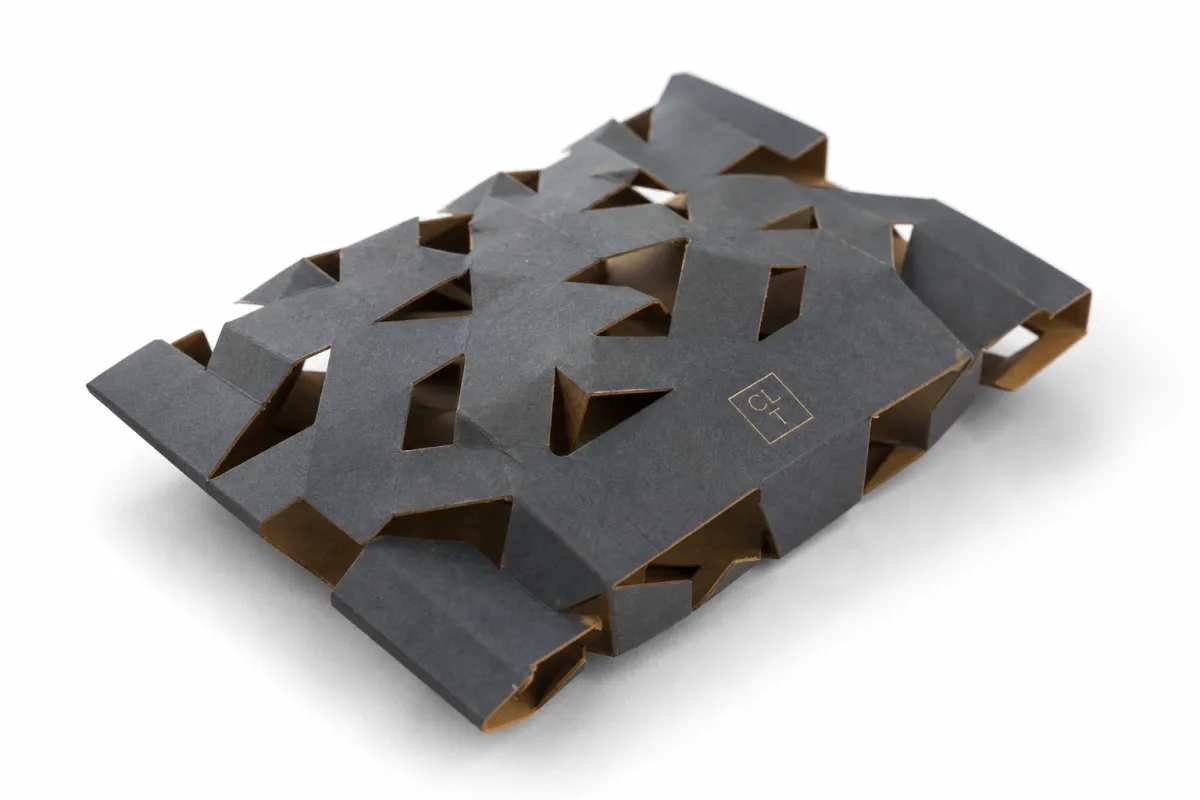
Most cartons carry some amount of empty space. That space is never neutral. If a product can rattle, lean, or drift into a side panel, the shipper gives up protection and presentation at the same time. Branded void fill for boxes addresses that by occupying the free volume inside the carton and visually signaling that the package was assembled with intent. Instead of a random lump of unPrinted Kraft Paper or plain filler, the buyer sees a material that reinforces the brand identity at the exact moment attention is highest.
In practical terms, void fill keeps the item centered and reduces the movement that leads to scuffed corners, crushed edges, cracked closures, or broken components. A lightweight skincare jar, a candle, a glass bottle, or a boxed accessory all benefit from having the internal void controlled. If the fill is branded, that same protection layer becomes part of the merchandising. Branded void fill for boxes can use logos, repeat patterns, a single accent color, or a short line of messaging to make the inside of the package feel finished instead of improvised.
The strongest use cases tend to be shipments where the unboxing moment matters almost as much as the product itself. Gift sets, subscription boxes, special launches, PR kits, and premium ecommerce shipments all gain something from a more deliberate internal presentation. There is a caution here: the visual layer has to stay subordinate to the physical job. If the fill does not stabilize the product, the branding is secondary. Good branded void fill for boxes respects that order of operations.
From a buyer’s point of view, this is where the topic becomes strategic. A box interior is often the only controlled surface left once the carton enters the carrier network. The outside may be covered in shipping labels, case marks, and tape. The product may sit inside a corrugated shipper that never gets photographed. The inside, though, is usually seen up close. That makes branded void fill for boxes one of the few low-square-inch packaging choices that can still create a strong impression.
Brands usually choose from a few broad visual directions:
- Printed kraft paper for a clean, recyclable, natural look.
- Branded tissue or crinkle paper for softer visual presentation and better reveal value.
- Corrugated inserts or wraps for products that need more structure and restraint.
- Molded or engineered paper forms for items that need predictable positioning in transit.
That mix is why branded void fill for boxes is not a niche add-on. It is a functional packaging layer that can support everything from fragility control to premium positioning, and it does so in a part of the shipper that customers actually notice.
How Branded Void Fill for Boxes Works in Transit
The physics are straightforward. A carton experiences vibration, compression, impact, and repeated handling. Any empty space gives the contents room to accelerate, then stop, then strike the board structure or another item inside the box. Branded void fill for boxes works by adding friction and bulk, which shortens that movement path and reduces the energy transferred into the product. That is the core protective function, whether the fill is shredded paper, folded tissue, a paper cushion, or a corrugated insert.
Different formats do that job in different ways. Paper-based fill can conform around irregular shapes, which helps with light to medium products and mixed-SKU kits. Corrugated structures create more defined restraint and can hold a bottle, box, or component in a more fixed position. Tissue offers a light, elegant reveal and is easy to tear or fold on the line. Crinkle paper adds volume quickly, though it can spring back if the pack design is not tuned correctly. The right version of branded void fill for boxes depends on the weight, fragility, carton size, and speed of the packing operation.
In a good transit setup, the filler does three jobs at once. It cushions the item, it immobilizes the product, and it fills the void so the carton feels complete in hand. That combination matters because product damage does not always come from a single dramatic drop. A lot of damage comes from small repeated movements over a long carrier journey. If the item is free to shift six or seven millimeters in every direction, the carton may arrive intact while the product inside has already taken abuse. Branded void fill for boxes helps prevent that quiet kind of failure.
Branding sits on top of that physical performance, not underneath it. A logo that disappears into folds, a pattern that vanishes once the material is compressed, or tiny text that only reads before packing are all signs that the design was driven by artwork first and use case second. Better practice is to make the brand cue large enough to survive compression, simple enough to repeat consistently, and strong enough to be recognized in a glance. In other words, branded void fill for boxes should look good in the carton, not just in the render.
For shippers validating protection, it helps to compare the pack-out against a known distribution profile. Packaging teams often reference ISTA testing standards when they want a common language for vibration, drop, and compression risk. That does not mean every package needs a formal lab program, but it does mean the filler should be chosen with real transit conditions in mind. If the item is fragile enough to need a protective shipper, branded void fill for boxes should be treated as part of the test plan, not just the artwork review.
There is also a sustainability angle, and buyers ask about it more often now than they used to. Paper-based branded void fill for boxes can support a lower-plastic presentation, especially when the material is chosen alongside recycled content, FSC-certified fiber, or clear recycling instructions. That only works if the rest of the system is aligned. A recyclable-looking filler inside a nonrecyclable laminate shipper creates confusion. Consistency matters, and the details have to line up.
Cost, Pricing, and MOQ for Branded Void Fill for Boxes
Cost is where a lot of teams get vague, and vague usually leads to bad comparisons. The price of branded void fill for boxes depends on substrate, print method, color count, size, pack format, order quantity, and whether the item needs custom tooling or special finishing. A single-color print on standard kraft paper is usually far more approachable than a multi-color premium fill with custom shapes, yet both can be sensible if the shipment profile and the brand experience justify them.
Minimum order quantity, or MOQ, changes the economics in a direct way. Setup, proofing, and press preparation have to be spread across the run, so small orders carry a higher unit cost. That is not a penalty; it is simply how print and converting work. If a buyer wants a pilot run of branded void fill for boxes, the unit price may feel high at first, but the real question is whether the pilot proves the concept and prevents a much more expensive mistake on a larger launch.
Here is a practical way many packaging buyers think about the cost stack:
- Substrate - paper, tissue, corrugated, molded paper, or mixed media.
- Print complexity - one color, two colors, full coverage, or repeated pattern work.
- Order quantity - the higher the quantity, the more setup gets spread out.
- Pack format - sheets, rolls, pre-cut pieces, or shaped inserts.
- Finishing - scoring, perforation, die cutting, or special coatings.
- Freight and palletization - often overlooked until the quote lands.
To make the comparison a little more concrete, the table below shows common pricing bands buyers may see for branded void fill for boxes. These are broad planning ranges, not promises, because board grade, design coverage, and order timing can move a quote up or down.
| Option | Best For | Typical Setup Complexity | Indicative Unit Cost at 5,000 Units |
|---|---|---|---|
| Single-color branded kraft paper | General ecommerce, apparel, accessories | Low | $0.12-$0.28 |
| Printed tissue or crinkle paper | Beauty, gifting, seasonal promotions | Low to moderate | $0.10-$0.32 |
| Corrugated inserts or paper cushions | Fragile goods, bottles, heavier products | Moderate | $0.20-$0.60 |
| Multi-color custom branded formats | Premium launches, limited editions, PR kits | Higher | $0.35-$0.90+ |
The cheapest option is not always the lowest total cost. If a filler slows the packing line by even a few seconds per carton, labor may erase the savings quickly. If it does not restrain the product well, damage claims and replacements can become the real cost driver. For that reason, branded void fill for boxes should be evaluated on landed cost, not just unit cost. The landed-cost view includes setup, freight assumptions, proof rounds, and the labor required to use the material properly.
As a rule of thumb, straightforward paper-based branded void fill for boxes can sometimes be quoted and approved on a relatively modest budget, while custom die-cut or premium multi-color formats require more planning. A buyer who comes to the table with carton dimensions, product weight, target quantity, and artwork in decent shape usually gets a much clearer quote than a buyer asking for “something branded” with no spec detail. Specifics save time and money, plain and simple.
If your team is comparing packaging ideas, it can help to review the broader range of Custom Packaging Products before locking the filler choice. Sometimes a better outer carton, a stronger insert, or a different internal format reduces the amount of branded fill needed, which changes both the price and the pack-out behavior.
Process and Timeline for Branded Void Fill for Boxes
The process is usually more orderly than people expect, but each handoff can add time if the spec is not clean. A typical branded void fill for boxes project moves through discovery, sizing, artwork prep, material selection, proofing, approval, production, packing, and shipment. That sounds obvious, yet most delays happen in the first half of the chain, not the last. Once a job is approved and scheduled, production tends to be fairly predictable if the material and print method are already defined.
Discovery is where the pack team decides what the fill has to do. Does it only need to keep the product from moving, or does it also need to create a premium reveal? Is the carton used for one product or ten SKUs? Does the line need a pre-cut format, or can operators tear, fold, or dispense material from a roll or stack? Those answers affect the right form of branded void fill for boxes and determine whether the project should be treated as a standard print job or a more customized converting run.
Artwork prep usually takes more time than brand teams expect. Logo placement, color matching, repeat pattern spacing, safe areas, and contrast all need to work on the actual substrate. Tissue behaves differently from kraft paper. Corrugated behaves differently from paper fill. What looks bold in a digital mockup can disappear once the material is folded, layered, or compressed. That is why a proof is not just a formality. It is where the pack team learns whether the branded void fill for boxes will read the way everyone imagined.
Here is a realistic timing frame for many standard jobs:
- Artwork and spec review: 1-3 business days if files are organized.
- Proofing: 2-5 business days, depending on color needs and sample requests.
- Production: often 10-15 business days after approval for straightforward runs.
- Custom formats or specialty finishes: 15-25 business days or longer, depending on complexity.
That timeline can move faster if everything arrives cleanly, and it can slow down quickly if the carton size changes midstream or the artwork needs another round of cleanup. For branded void fill for boxes, the best schedule protection is simple: finalize the carton dimensions early, decide on the substrate early, and approve proofs quickly. A lot of packaging delays are really decision delays.
Physical samples deserve special mention. If the fill needs to nest into a product cavity, fold in a certain way, or compress to a specific depth, a physical sample is worth far more than a flat render. The way paper springs back, tears, or settles inside the carton can change the entire pack-out. That is especially true on heavier or more irregular products. For that reason, many packaging teams prefer to sample branded void fill for boxes before they commit to a large production lot.
How to Specify Branded Void Fill for Boxes
Good specification is what separates a packaging idea from a packaging system. Start with the product, not the filler. Measure the item, identify fragile edges or pressure points, and calculate the amount of empty space in the carton. Once the real void volume is known, the team can choose the correct amount and style of branded void fill for boxes instead of guessing at a visually pleasing amount that may not protect anything.
Next, choose the format. Tissue creates a lighter, softer reveal. Shredded or crinkle paper gives more volume and is easy to dispense. Corrugated inserts offer more structure and better immobilization for heavier or more valuable products. Molded paper can be a strong option where shape retention matters and the pack-out has to be repeatable. Each one creates a different impression, and each one changes how branded void fill for boxes behaves under pressure.
A useful spec should answer at least these questions:
- What product is being packed, and what does it weigh?
- What carton size is being used, and how much void remains?
- What branding elements are allowed: logo, pattern, color block, or message?
- How visible should the branding be at first open?
- How fast does the line need to pack each carton?
- What recycling or disposal guidance should be included?
Brand rules matter more than many teams expect. If the outer carton is understated, the internal fill can carry a bolder graphic treatment. If the outer carton is already loud, the fill may need to stay more restrained so the whole package does not feel busy. Consistency is the goal. The strongest branded void fill for boxes usually repeats one or two cues instead of trying to tell every brand story at once.
Material sourcing should also be part of the spec. If the brand wants a paper-based route with documented fiber claims, it may make sense to ask for FSC-certified paper where appropriate. That does not fix every sustainability question by itself, but it gives the buyer a more concrete basis for fiber sourcing. The FSC program is a useful reference point for teams that need to align packaging materials with broader sourcing goals.
Operational details deserve equal weight. If the packing table is already crowded, a loose fill format may slow operators down or create housekeeping issues. If the line uses pre-bagged components, a sheet or insert format may fit the workflow better. If the fulfillment center has limited storage, bulk-packed rolls may be easier than large carton stacks. Good branded void fill for boxes works with the operation instead of fighting it.
For teams building a first spec, a one-page brief is often enough to get traction. It should list product dimensions, carton dimensions, target fill volume, preferred material, branding requirements, quantity estimate, and lead time target. Once that brief is clean, it becomes much easier to compare quotes, confirm feasibility, and move toward a sample. If there is already a larger packaging program in place, linking the filler decision to other branded components is usually smarter than treating it as a one-off. That is where a broader view of Case Studies can help shape expectations and show how a chosen format performs in a real pack-out.
Common Mistakes with Branded Void Fill for Boxes
The biggest mistake is treating the filler as decoration only. A pretty internal layer that does not hold the product still is not premium packaging; it is fragile packaging with a nicer surface. Branded void fill for boxes has to protect first. If the item breaks, tips over, or gets scuffed, the brand impression drops fast and the return cost is usually higher than the packaging upgrade ever was.
Another common issue is readability. Very fine lines, tiny taglines, or low-contrast artwork can disappear inside the box, especially after the material is crumpled or folded. The inside of a package is not a billboard. It is a constrained, partially compressed surface. Good branded void fill for boxes uses larger brand cues, simpler repetition, and enough contrast to stay visible after the material is handled on the line.
Material mismatch is another trap. Heavy bottles and rigid components usually need a more structured internal restraint than lightweight apparel accessories or small cosmetic kits. A soft tissue fill that works beautifully for one SKU may fail completely on another. That does not mean the first material was bad; it means the product load changed. A smarter buyer looks at each SKU family before selecting branded void fill for boxes, rather than forcing one format across every carton in the catalog.
Packing labor is often underestimated. If the filler springs back too much, takes two hands to place, or overfills the carton, the line slows down. That slowdown is real money. In a high-volume pack room, even a few extra seconds per carton can turn into a long shift of lost throughput. The best branded void fill for boxes is easy to grab, easy to place, and consistent enough that operators do not have to think about it each time.
There is also an environmental communication mistake that shows up more often than it should. Customers are more likely to trust packaging when they understand how to dispose of it. If the filler is paper-based, say so clearly. If it is recyclable only under certain conditions, say that clearly too. Confusion kills goodwill. A well-communicated branded void fill for boxes can support trust, but vague claims or mixed-material surprises usually have the opposite effect.
Finally, teams sometimes approve art before they have finished the physical pack-out. That order of operations is backwards. The size of the void, the density of the material, the compression behavior, and the product’s center of gravity all affect the final result. A design that looks elegant on screen may not protect the product once it is inside the actual carton. Good branded void fill for boxes is validated in the box, not just in the file.
In practice, most of these mistakes are avoidable with a short sample run, a realistic test carton, and a willingness to simplify the design if the line or the product calls for it.
Expert Tips for Branded Void Fill for Boxes
Design for the camera and the hand at the same time. A lot of shipments now get photographed, unboxed on video, or opened in a fulfillment receiving area before anyone sees the product in use. Branded void fill for boxes should read well in a quick overhead photo and still feel stable in a shopper’s hand. That does not require a dramatic graphic treatment. It requires good contrast, sensible repeat patterns, and material that holds up after movement.
Choose one or two brand cues and repeat them consistently. A logo, a color family, or a short line of text is usually enough. Too many messages make the box interior feel noisy, and noise is the enemy of a polished unboxing. The most effective branded void fill for boxes feels intentional because it knows what to leave out.
Test with real pack-out samples, not just mockups. A material that looks great flat may perform differently once it is folded, stuffed, layered, or compressed inside a production carton. The interaction between void fill and product shape is where many surprises show up. That is why a physical sample of branded void fill for boxes is usually worth the extra day or two it takes to prepare.
Coordinate the filler with the rest of the packaging stack. Outer cartons, tape, labels, inserts, and void fill should work together as one system. If the outer box is matte and minimal, the internal fill can carry a little more energy. If the outer box is already branded heavily, the fill may need to stay quieter. The cleanest results usually come from a package that feels like one design language instead of several competing ones.
Use the right amount of material, not the largest amount. Overfilling can make the carton hard to close and can create a bulky, inconsistent reveal. Underfilling leaves movement and weakens protection. The sweet spot is usually a measured pack-out that centers the product and holds it without crushing the contents. That balance is the whole point of branded void fill for boxes.
Think in terms of repeatability. A pilot box can be assembled carefully by a designer or buyer. A live fulfillment operation has to do the same thing hundreds or thousands of times with different operators and different shifts. If the process is not repeatable, the brand experience will drift. That is why the best branded void fill for boxes is not just attractive; it is easy to replicate across production.
My practical advice is to keep the spec short but specific: product dimensions, carton dimensions, chosen fill format, artwork rules, target quantity, and acceptable lead time. With that in hand, quoting and sampling get a lot simpler, and the path from concept to production is much cleaner. If the team has already defined the broader package architecture, it becomes easier to place the filler in context with the rest of the Custom Packaging Products being used. That usually saves a few rounds of back-and-forth, which everybody appreciates.
Branded void fill for boxes works best when it is treated as both a protective material and a brand signal. Get the mechanics right, keep the design legible, and specify the job clearly, and the inside of the box starts doing real work for the business instead of just occupying space.
What is branded void fill for boxes used for?
It fills empty space so products stay centered and protected during shipping, and it also adds a visible brand touch the moment the customer opens the carton. In the better implementations, branded void fill for boxes does both jobs at the same time without slowing the pack line.
Which materials work best for branded void fill for boxes?
Paper-based fills are common when recyclability and a clean branded look matter, while corrugated inserts work well when the product needs more structure and restraint. The right choice depends on product fragility, carton size, line speed, and the kind of reveal the brand wants from branded void fill for boxes.
How much does branded void fill for boxes usually cost?
Pricing depends on the material, print complexity, order size, and setup requirements. Smaller quantities usually cost more per unit because the setup is spread across fewer pieces, so it helps to ask for a quote that includes freight, proofing, and any tooling to understand the real landed cost of branded void fill for boxes.
What is a typical lead time for branded void fill for boxes?
Lead time depends on whether artwork is ready, proofs are approved quickly, and the material is standard or custom. Simple runs usually move faster than jobs that need specialty inks or unique formats, and the best way to avoid delay is to finalize dimensions and art before requesting production for branded void fill for boxes.
How do I decide the MOQ for branded void fill for boxes?
MOQ is usually tied to press setup, material minimums, and the economics of the print run. If you only need a small pilot run, expect higher unit cost but faster testing, and if you have multiple SKUs, combining them strategically can make branded void fill for boxes more efficient to produce and easier to justify financially.
Can branded void fill for boxes support sustainability goals?
Yes, if the material choice, sourcing, and disposal guidance all line up. Paper-based options, recycled content, and FSC-aligned fiber can help, but the message has to be honest and the rest of the packaging system has to support it. Done well, branded void fill for boxes can make the unboxing feel more considered while still keeping material choices practical.
If you are specifying branded void fill for boxes for the first time, start with the product weight, the carton dimensions, and a physical sample that proves the item stays put under handling. If the filler cannot protect the product and still read clearly when the box is opened, simplify the format before approving the run.