Buyer Fit Snapshot
| Best fit | branded void fill for ecommerce for packaging buyers comparing material specs, print proof, MOQ, unit cost, freight, and repeat-order risk where brand print, material, artwork control, and repeat-order consistency matter. |
|---|---|
| Quote inputs | Share finished size, material target, print colors, finish, packing count, annual reorder estimate, and delivery region. |
| Proofing check | Approve dieline scale, logo placement, barcode or warning zones, color tolerance, and any recyclable or compostable wording before bulk production. |
| Main risk | Vague material claims, crowded artwork, or missing packing details can create delays even when the unit price looks attractive. |
Fast answer: Branded Void Fill for Ecommerce: Strategy and Impact should be specified like a repeatable production item. The safest quote includes material, print method, finish, artwork proof, carton packing, and reorder notes in one written spec.
What to confirm before approving the packaging proof
Check the product dimensions against the actual filled item, not only the sales mockup. Ask for tolerance on folds, seals, hang holes, label areas, and retail display edges. If the package carries a logo, QR code, warning copy, or legal claim, reserve that space before decorative graphics fill the panel.
How to compare quotes without losing quality
Compare board or film grade, print process, finish, sampling route, tooling charges, carton quantity, and freight assumptions side by side. A lower quote is only useful if the supplier can repeat the same color, closure quality, and packing count on the next order.
Branded Void Fill for ecommerce looks minor until the box is opened. The carton may disappear into recycling within minutes, but the inside of the package stays in view long enough to shape the customer's first real judgment. It is the first surface they touch after the seal breaks and, in many cases, the last place a brand can control the tone of the reveal.
That matters for reasons that reach beyond appearance. Good void fill keeps products from sliding, colliding, and arriving chipped, while also making the shipment feel deliberate rather than improvised. For online brands, those two outcomes usually travel together: fewer damage claims, stronger perceived value. The best Branded Void Fill for ecommerce handles both without turning the box into clutter.
From a packaging buyer's angle, the question is rarely whether filler should look good. The sharper question is whether it protects the product, keeps the line moving, and still fits the brand system. Once those three pieces line up, void fill stops being filler and starts functioning like packaging strategy.
What Branded Void Fill for Ecommerce Really Does
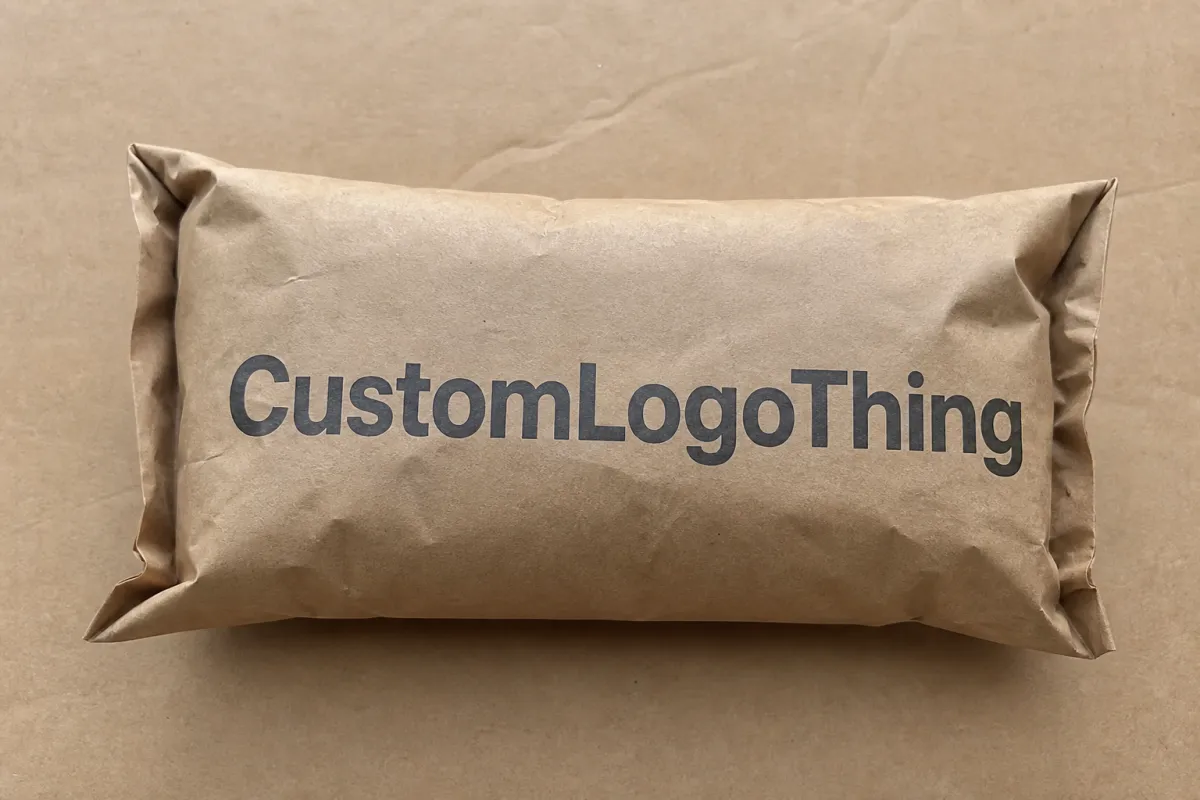
Void fill is the material placed around, above, or beside a product to stop empty space from becoming movement space. Empty space is a problem in transit. A rigid item can slam into a carton wall, a glass component can take a corner hit, and a premium kit can arrive feeling less premium simply because everything inside has been bouncing around. Branded Void Fill for ecommerce turns that empty space into a buffer.
It also works as a visual surface. Printed paper, colored crinkle, branded tissue, or a textured fiber-based filler can signal care before the customer reaches the product itself. That signal lands quickly. A shopper opening a subscription box, cosmetic kit, gift order, or accessory shipment often decides how much effort went into the order within seconds. Careful packing suggests the same attention went into product selection, fulfillment, and service.
There is a useful distinction here. Decorative filler exists mainly to look attractive. Protective void fill exists to stabilize the shipment first and look good second. Strong programs treat those goals as connected. A filler that is beautiful but allows movement fails. A filler that protects well but looks like generic scrap leaves brand value on the table.
The inside of the box deserves the same planning as the outer carton, label, and insert. Once the shipping box is gone, the interior often becomes the longest-lived branded surface the customer remembers. It is also one of the least expensive places to improve the unboxing experience, which makes the return on careful design unusually attractive.
For brands comparing packaging options, the most useful lens is not "Do we need filler?" Most ecommerce operations do. The better question is "What kind of void fill best supports the product, the shipping method, and the brand story?" A brand shipping ceramic mugs does not need the same solution as a brand shipping compact electronics or fragrance sets. Product fragility, box geometry, and line speed all shape the answer.
If you want to see how packaging choices translate into real operations, the Case Studies section is a helpful place to compare outcomes across different pack-out styles.
How Branded Void Fill Works Inside the Box
The job of void fill is simple: hold the product in place. The execution is not. A shipment gets handled, stacked, lifted, and dropped more than once before it reaches the customer. Even a short delivery path can create edge crush, vibration, and small impacts that add up. Void fill reduces that risk by limiting internal movement and helping the product stay centered.
The brand job comes next. Once the fill is visible, it can reinforce recognition through color, pattern, texture, or printed messaging. A clean logo repeat can feel premium. A subtle tone-on-tone pattern can feel restrained and careful. A bold graphic can feel playful, especially for consumer brands that want unboxing content to spread on social platforms. The right choice depends on brand tone, not just the logo file.
Pack-out sequence matters too. Add the fill too early and it gets in the way. Add it too late and the product may already be unstable. A typical workflow looks like this:
- Wrap or protect the product itself.
- Place the item in the carton with the heaviest face oriented for stability.
- Add branded void fill around the product so gaps are eliminated.
- Check for rattling by gently shifting the box.
- Seal and label only after the fit feels secure.
That sequence sounds obvious, yet it has direct labor implications. A filler that expands too much, sheds dust, or needs constant reshaping slows the packer down. A filler that sits neatly and behaves predictably can improve output without changing carton size. On a busy fulfillment line, a few seconds per order is not a small thing. At 2,000 orders a day, even a three-second delay adds up to hours of labor every week.
Different formats create different results. Printed paper can be neat and structural. Crinkle paper adds volume and a tactile feel. Tissue is light and elegant, though it often needs support from another layer if the product is heavy. Fiber-based fillers made from recycled content can support sustainability goals while still giving the box a more deliberate look than loose kraft scraps. The right format depends on the weight of the item, the shape of the carton, and how much visual volume the brand wants.
Product category changes the formula. A glass bottle needs more cushion and less shifting. A cosmetics set may need separation as much as presentation. A rigid accessory box might need only enough fill to keep it from sliding. One-size-fits-all solutions usually create waste, damage, or both. In packaging, both are expensive.
Callout: A filler that looks premium but fails to stabilize the product is not a brand upgrade. It is an expensive way to preserve the appearance of a damaged shipment.
Key Factors That Shape the Design and Experience
Material choice comes first. Paper weight, fiber content, dust level, tear resistance, and fold memory all affect how the filler behaves in the box. For ecommerce, the best option is usually the one that balances pack speed with reliability. Heavy paper may hold shape better, but it can raise material cost and feel more rigid. Lighter tissue may look better on the first reveal, but it may not offer enough structure for larger gaps.
Print choice follows. A single ink color may be enough if the brand already has a strong visual identity elsewhere on the package. High-coverage printing can create a more distinct inside-the-box reveal, but it can also raise cost and reduce recyclability if the ink load is too heavy. Color consistency matters as well. A pale green filler that looks right on a monitor but prints muddy in production will weaken the package impression.
There is a practical ceiling on how much design belongs on void fill. The surface area is small and partly hidden once the box is closed. That means the design should be readable at a glance. A logo, repeat pattern, or short message usually works better than dense copy. If the surface has to explain the brand, the product, the mission, and a promotion, the result will probably feel crowded.
Fit matters as much as appearance. A box that is too full looks wasteful and can make the customer work too hard to get the product out. A box that is underfilled can make the shipment feel loose, which undermines both protection and presentation. The best fit usually keeps the item centered, supports corners and edges, and still opens cleanly without loose material spilling everywhere.
Box geometry can change the whole approach. Narrow cartons create vertical pressure and often need compact fillers. Wider cartons may need broader coverage and a different fold pattern. Mixed-SKU orders, gift sets, and bundled kits are especially sensitive because one product can create a gap where another product shifts. In those cases, Branded Void Fill for ecommerce becomes part of pack engineering rather than decoration.
Sustainability and compliance should be treated as operational factors, not afterthoughts. Many brands want recyclable or fiber-based packaging, and many customers now look for disposal instructions right on the pack. The EPA recycling guidance is a useful reference point for general disposal education, while the FSC certification standards help brands evaluate responsible fiber sourcing. For transport performance, many teams also look at ISTA test methods to understand how packaging behaves under real shipping stress.
That testing point deserves attention. A design that looks strong in a mockup can still fail drop tests, vibration testing, or warehouse handling. The best packaging teams review the experience from several angles: product protection, visual presentation, material efficiency, and end-of-life disposal. One caution here: recyclable does not always mean recyclable everywhere. Local collection rules, coatings, inks, and fiber blends all affect what actually gets accepted. That is why brands should confirm disposal claims before printing them on the pack.
Process and Timeline for Launching Branded Void Fill
The fastest way to make a poor packaging decision is to start with artwork before reviewing damage data. A better path begins with a packaging audit. Review damaged orders, customer photos, pack-out speeds, filler usage, and recurring complaints about crushed corners, movement, or messy presentation. That evidence tells you whether the problem is too little fill, the wrong fill, or the wrong carton size.
Once the problem is clear, move into specification. That means defining the material, dimensions, color count, logo placement, volume per order, and any recycling or disposal message that needs to appear on the package. If the filler is part of a wider packaging family, the design should align with tape, tissue, inserts, and carton print so the unboxing feels connected rather than assembled from separate purchases.
Sampling and proofing should be treated as production, not ceremony. Digital mockups help with layout, but physical samples reveal the real story. Does the paper curl the way you expected? Does the ink show through? Does the filler shed dust or create static? Does it take too long for a packer to grab and place? Side-by-side testing against the current unbranded option is often the fastest way to separate nice ideas from useful ones.
A typical timing model looks like this:
- Stock-style materials: often move in about 7-12 business days, depending on inventory and shipping method.
- Custom printed runs: often take 12-20 business days after artwork approval and proof sign-off.
- Complex or high-volume programs: can run longer if color matching, converted formats, or special packing requirements are involved.
Those ranges are not fixed. A supplier with ready inventory can move quickly, while a custom program with multiple revision rounds can take longer than expected. The important part is to build approval time into the schedule so design, procurement, and fulfillment are not competing with each other at the last minute.
Rollout planning matters even more if the brand ships seasonally. A packaging change that lands right before peak volume can expose weak points in inventory planning, packer training, or replenishment logic. The safer move is to introduce the new fill during a manageable shipping window, then watch how it performs before scaling. That gives the team time to adjust carton counts, storage space, and reorder points.
For brands that want a structured rollout, a simple sequence works well:
- Audit current damage and pack-out performance.
- Define the specification and visual direction.
- Request physical samples from two or three suppliers.
- Test the chosen option in a limited SKU group.
- Measure damage, pack time, and customer feedback.
- Scale only after the numbers support it.
That measured approach lowers risk and keeps the project grounded in operations, not just design taste. It also gives the supplier cleaner feedback, which usually leads to a better final product.
Cost, Pricing, and MOQ Considerations
Cost is where packaging decisions become concrete. Branded void fill for ecommerce usually has three price layers: material, print or conversion, and logistics. Material choice is the obvious one. Heavier paper, premium texture, or higher recycled content can raise the price. Print complexity matters too. One-color repeats cost less to produce than multi-color designs with tight registration. Freight, storage, and any special packing format that affects how the material ships and is handled sit on top of that.
MOQ, or minimum order quantity, is another factor buyers need to translate into plain language. A supplier often needs a certain run size to make custom printing economical. That does not mean smaller brands are shut out, but it does mean that test runs can carry more setup pressure. Larger order volumes usually lower the unit cost. Smaller runs often pay more per unit because the setup work is spread across fewer pieces.
It helps to compare material cost against the hidden savings. A cheaper filler that fails more often may cost more in the end because of reships, customer service time, return shipping, and replacement goods. A branded fill that stabilizes products better can reduce those downstream costs while also improving the first impression. That is especially true for fragile products, premium gifting, and items with a high replacement value.
The table below gives a practical comparison of common options. These are broad working ranges, not quotes; real pricing depends on volume, artwork, and product weight.
| Option | Visual Effect | Best Fit | Typical Material Cost per Shipped Order | Notes |
|---|---|---|---|---|
| Plain kraft paper fill | Neutral, utilitarian | Everyday shipping, internal cushioning | $0.03-$0.08 | Strong for protection, weak for brand memory unless paired with other print elements. |
| One-color branded crinkle paper | Visible, playful, recognizable | Giftable orders, cosmetics, accessories | $0.06-$0.14 | Good balance of cost and presentation; usually easier to scale than high-coverage print. |
| Premium printed tissue or paper wrap | Refined, polished, gift-ready | Premium products, subscription boxes, luxury retail | $0.10-$0.25 | Can elevate the reveal, but may need additional fill if the item is heavy or irregular. |
| Custom recycled fiber filler | Natural, sturdy, eco-forward | Brands emphasizing material story and recyclability | $0.08-$0.18 | Often chosen for better structure and clearer sustainability messaging. |
Those numbers change quickly if the pack-out changes. A small jar needs less material than a wide accessory bundle. A cosmetic duo may use a thin layer of fill, while a breakable product may need a larger nest. That is why a vendor quote should be built around monthly ship volume, seasonal peaks, and the total landed cost of the material, not just a headline per-piece number.
Brands can still control spend. Limiting the color palette, standardizing on one or two filler sizes, and using the same visual treatment across multiple SKUs all reduce complexity. The easiest savings are often the least glamorous ones: fewer versions, fewer approvals, fewer surprises.
There is a second cost question that deserves attention: what does the packaging say about the brand? If the inside of the box looks cheap, sparse, or unplanned, the whole shipment feels cheaper. That does not mean every package needs luxury treatment. It means the cost should be judged against the role the shipment plays in the customer journey. A $0.12 branded filler can be a waste in a low-margin commodity order and a bargain in a premium gift set.
Common Mistakes That Weaken Branded Void Fill
The most common mistake is treating filler as decoration only. If the material does not stabilize the product, it is not doing the job. Brands sometimes approve a polished mockup and then discover the item still shifts in transit. The result is a nice-looking box with a damaged product inside, which is the opposite of a good packaging experience.
Poor material quality causes another set of problems. Dust shedding can make the unboxing feel messy. Thin paper that tears easily can leave customers picking bits out of the box. Materials that look fine in a sample but collapse under real handling can create a cheap impression very quickly. In ecommerce, customers notice mess. They may not know the technical reason, but they feel the result.
Overdesign is easy to spot. Too many colors, too much text, or too many graphic elements can make a small filler surface feel noisy. Premium packaging usually gets better results from restraint. One clear brand mark, one thoughtful color story, or one simple message can do more than a crowded pattern. The inside of the box is not a billboard.
Operational mistakes can be as damaging as design mistakes. If the filler takes too long to grab, expand, or place, the pack line slows down. If it comes in an awkward format, warehouse space fills up too quickly. If the replenishment schedule is unclear, the team may run out during a peak day. A beautiful material that creates fulfillment friction is a poor trade.
Testing is the final place where many programs slip. Real orders are not lab samples. They are oddly shaped, heavier than expected, packed by different team members, and shipped through different carriers. A filler that works in a controlled sample may fail with an awkwardly weighted item. That is why brands should test against the hardest case, not the easiest one.
Practical rule: If a filler survives the roughest SKU, fits the fastest pack-out, and still looks clean after transit, it is probably ready to scale.
Expert Tips and Next Steps for a Smarter Rollout
The strongest packaging programs tend to feel connected across every surface. Tape, tissue, inserts, carton print, and void fill should look like they belong to the same family. That does not mean every component needs the same artwork. It means the customer should feel one visual system, not a stack of unrelated choices. That consistency often does more for brand recall than a louder graphic on a single piece of packaging.
A pilot program is the safest way to move forward. Start with a narrow SKU group, preferably products that ship often enough to create meaningful data but are not so complex that they distort the test. Measure three things first: damage rate, pack time, and customer reaction. Reviews, unboxing photos, and support tickets are useful here because they show whether the customer is noticing the change in the way you hoped.
A simple scorecard helps the team stay objective. The best scorecards are short. They can include protection, presentation, speed, replenishment, and cost per shipped order. A package that scores well in every category is more valuable than one that wins on appearance alone. That is especially true as volumes rise and fulfillment margins get tighter.
Seasonal planning deserves its own playbook. Peak periods magnify every weakness: inventory shortages, print delays, storage limits, and training gaps. Brands that wait until the rush begins often end up choosing the fastest available option rather than the right one. A better plan is to lock artwork, quantities, and reorder timing before demand spikes. That gives the team room to adjust if freight or production changes.
For a practical next step, the sequence is straightforward:
- Audit your current damage rate and pack-out photos.
- Request two or three sample specifications from suppliers.
- Test those samples in a live fulfillment run.
- Compare the results against your current filler.
- Scale the winner only after the numbers and the customer response line up.
If the business ships fragile, premium, or giftable items, the upside can be real. Lower damage claims matter. Better unboxing matters. Faster pack-out matters. The most effective branded void fill for ecommerce does not try to be the loudest element in the box; it quietly makes the shipment feel more deliberate, and that is what customers tend to remember.
What is branded void fill for ecommerce used for?
It fills empty space so products do not shift, rattle, or collide in transit. It also creates a visible brand moment during unboxing through print, color, or texture, and it can support sustainability goals when the material is recyclable or fiber-based. The practical value is in reducing movement and making the package look considered rather than improvised.
How do I choose the right branded void fill for ecommerce products?
Match the material to product fragility, weight, and box size rather than choosing by appearance alone. Test how it behaves in packing speed, dust level, and customer-facing presentation, then pick a finish that fits the brand tone, from minimal and refined to bold and playful. For fragile or irregular items, ask for a sample that reflects the real SKU, not a simplified mockup.
How much does branded void fill for ecommerce usually cost?
Pricing depends on material, print complexity, order volume, and whether the run is custom or stock-based. Higher volumes usually lower the unit cost, while small runs carry more setup pressure, so ask for a quote that includes total landed cost, not just the per-piece price. It is also useful to compare that cost with damage reduction and labor time, since the cheapest material is not always the least expensive choice overall.
How long does branded void fill production take?
Standard or stock-like options can move quickly, while custom printed versions need proofing and approval time. Lead time also depends on artwork revisions, supplier capacity, and shipping method, so it is smart to build extra buffer before peak season and before any major launch. If the packaging is part of a seasonal program, lock artwork earlier than you think you need to.
Is branded void fill worth it for smaller ecommerce brands?
Yes, especially if you ship fragile, premium, or giftable products where presentation affects repeat sales. Start with a limited SKU or a simple one-color design to control risk and cost, then measure damage, returns, and unboxing feedback before expanding to the full catalog; that is often the most practical way to adopt branded void fill for ecommerce. A small test can show whether the packaging is improving both protection and perceived value before you commit to a larger run.
Actionable takeaway: begin with one representative SKU, ask suppliers for a physical sample that matches your actual pack-out, and judge branded void fill for ecommerce on three numbers only at first: damage rate, pack time, and landed cost per order. If all three improve, the design is earning its place.