Buyer Fit Snapshot
| Best fit | Branded Void Fill Paper Supplier projects where brand print, material claims, artwork control, MOQ, and repeat-order consistency need to be specified before quoting. |
|---|---|
| Quote inputs | Share finished size, material target, print colors, finish, packing count, annual reorder estimate, ship-to region, and any compliance wording. |
| Proofing check | Approve dieline scale, logo placement, barcode or warning zones, color tolerance, closure strength, and carton packing before bulk production. |
| Main risk | Vague material claims, crowded artwork, missing packing details, or unclear freight terms can make a low unit price expensive after revisions. |
Fast answer: Branded Void Fill Paper Supplier: Material, Print, Proofing, and Reorder Risk should be specified like a repeatable production item. The safest quote records material, print method, finish, artwork proof, packing count, and reorder notes in one written spec.
Production checks before approval
Compare the actual filled-product size with the drawing, then confirm tolerance on folds, seals, hang holes, label areas, and retail display edges. Reserve space for logos, QR codes, warning copy, and material claims before decorative graphics fill the panel.
Quote comparison points
Review material grade, print process, finish, sampling route, tooling charges, carton quantity, and freight assumptions side by side. A quote is only useful when the supplier can repeat the same color, closure quality, and packing count on the next order.
Branded Void Fill paper Supplier: What Buyers miss
A branded Void Fill Paper supplier can look like a small procurement decision on the surface, yet inside the carton it often carries more weight than buyers expect. Empty space is one of the few packaging surfaces customers actually see before they reach the product, which means the filler can work like a moving billboard, a protective layer, and a brand cue at the same time. That is why the right Branded Void Fill paper supplier is not simply selling paper; it is helping a brand shape the unboxing moment while keeping products from shifting in transit.
From a packaging buyer’s point of view, that dual role is the real story. Plain kraft void fill can protect, but a branded format can also make cosmetics feel more deliberate, make gift shipments feel more considered, and make apparel arrive with a little more theater. The catch is straightforward: a Branded Void Fill paper supplier has to understand print production and packout reality in equal measure, or the result ends up looking decorative instead of functional.
I have sat through enough packout tests to know how quickly this can go sideways. A sample that looks polished on a conference table can behave very differently once a packer is pulling it from a carton fifty times in a row. That is why the most useful suppliers talk about the material the way an operations lead would: how it feeds, how it folds, how much space it actually fills, and whether it is gonna slow the line down.
What a branded void fill paper supplier changes
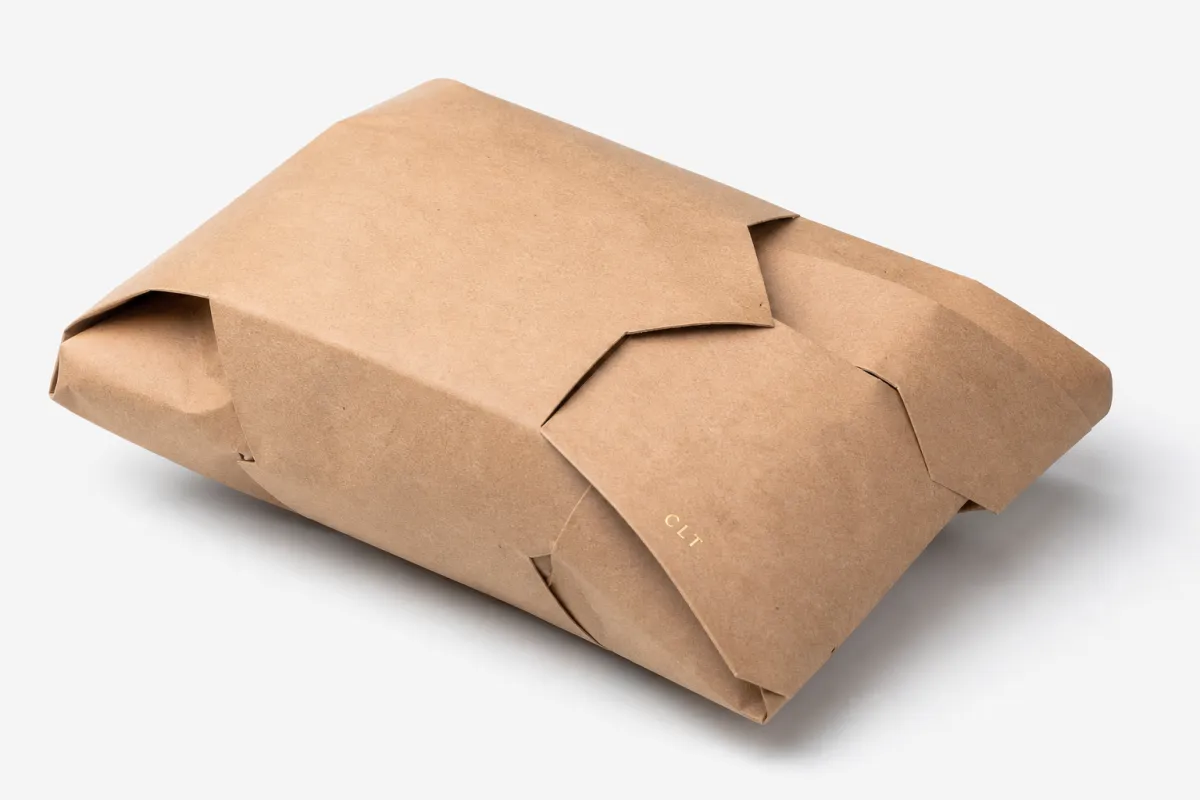
The most overlooked thing in secondary packaging is also the most visible one. When a customer opens a carton, they usually notice the top layer, the void fill, and the way the product sits before they register the item itself. That is where a branded void fill paper supplier changes more than material sourcing. It changes the first impression. It changes the perceived care in the shipment. It changes how well the contents stay fixed during handling if the spec is right.
Plain kraft filler, crinkle paper, and branded void fill sheets or rolls solve similar physical problems, but they create very different experiences. Plain kraft is usually chosen for bulk dunnage and straightforward cushioning. Crinkle paper adds volume and visual texture, which works well for gifts and retail-style presentation. Branded void fill sheets or rolls go one step further by turning the interior of the box into a repeatable brand surface. A good branded void fill paper supplier knows where each option fits, and just as important, where it does not.
That distinction matters because the same material can solve two problems at once. It can reduce movement in the carton and lift perceived value during unboxing. That combination is especially useful for cosmetics, candles, premium snacks, accessories, and apparel, where the customer often judges quality before touching the product. A branded sheet that fills dead space without looking overworked can make a $30 product feel like a much more considered purchase.
There is also a real operational detail hiding in plain sight: not every filler that looks “premium” performs well in a fulfillment center. Some papers tear too easily and create waste. Others are too slick, so they slide around instead of staying put. A branded void fill paper supplier should be able to explain those differences without talking in circles, because the warehouse team will feel the difference immediately.
I have seen teams underprice this effect more than once. They assume the insert or primary pack does the branding work, then treat void fill as filler in the literal sense. A branded void fill paper supplier is often supplying one of the few surfaces that appears at the exact moment of reveal. That is not a minor detail. It is one of the few packaging moments customers photograph without being prompted.
There is also an operations angle. Cartons with movement issues tend to create damage, returns, and waste, and those costs do not show up on the quote from a branded void fill paper supplier. If the material is too slick, too light, or too hard for packers to dispense, the line slows down and the box performance can get inconsistent. The sourcing decision is not branding versus protection. It is branding and protection, balanced against the realities of your fulfillment team.
For teams comparing packaging systems, it helps to think in terms of job function:
- Plain kraft filler stabilizes and cushions with minimal visual identity.
- Crinkle paper adds volume and presentation, but can be messy at high throughput.
- Branded void fill sheets or rolls create visual consistency and reinforce the brand story inside the carton.
That is why a branded void fill paper supplier should be evaluated like a packaging partner, not like a print vendor with one more SKU. If the material does not fit the box, the packout speed, and the brand’s promise, it is the wrong choice no matter how good the logo looks on a sample.
How a branded void fill paper supplier works
A well-run branded void fill paper supplier usually follows a standard production path. First comes creative intake: the brand sends logos, color references, dielines or size requirements, and sometimes examples of the carton and product. Then the supplier cleans up artwork, sets up the press or converting line, and issues a proof. After approval, the paper is printed, slit, folded, or converted into the final format the warehouse can actually use.
That sounds simple, yet the details are where projects succeed or wobble. A supplier may print on rolls, pre-cut sheets, interfolded stacks, or other formats depending on how the material is dispensed at packout. A branded void fill paper supplier that understands fulfillment workflows will ask questions about speed, box size, hand packing versus automated assist, and whether the team wants paper that tears easily or feeds in a more controlled way.
Printing method matters too. Flexographic printing is often chosen for repeated runs and predictable graphics, especially when a job needs consistent coverage at scale. Digital printing can be useful for shorter runs, seasonal artwork, or more frequent design changes. Converted paper formats, including slit rolls or folded stacks, affect how the material behaves in use and how much setup is required. A strong branded void fill paper supplier should explain the trade-offs in plain language, not bury them in production jargon.
Color consistency deserves attention because void fill often occupies a large visual area inside a carton. If the brand color is slightly off, the result can look muted, muddy, or cheap. That is especially true when the paper itself has a natural fiber tone. The supplier and the brand need to agree on paper weight, opacity, fold pattern, logo placement, and whether one-color or multi-color printing makes sense. In many cases, a clean one-color logo on a well-chosen paper stock looks more premium than a crowded design with too much ink.
A good branded void fill paper supplier also knows the difference between a design that looks good in a mockup and a design that performs in a real box. A logo centered on a flat proof may look polished, but if the sheets are folded or crumpled inside the carton, the mark might disappear or repeat in an awkward way. The better approach is to design for motion, not just for a flat artboard.
If you want a useful benchmark for how packaging vendors think about transport and damage prevention, the testing frameworks used across the industry are worth a look. Organizations such as ISTA publish transit test methods that help brands evaluate how packaging behaves under drop, vibration, and distribution stress. A branded void fill paper supplier does not need to run every test itself, but it should understand the language of transit performance and speak to it confidently.
One more point gets missed often: the best suppliers do not just sell branded paper. They help a customer convert a packaging idea into a format a warehouse can actually live with. That might mean changing the sheet size so the team uses fewer pulls per box, or adjusting the print repeat so the logo lands in a visible zone after crumpling. That is the difference between decorative packaging and packaging that works.
Cost, pricing, and MOQ for a branded void fill paper supplier
Cost is where the conversation gets practical. A branded void fill paper supplier usually prices around a few core variables: paper basis weight, printed coverage, number of colors, setup or tooling fees, order size, and how often the artwork changes. If the paper is heavier, the quote rises. If the design uses multiple colors or large ink coverage, the quote rises again. If the print format requires plates or a custom conversion setup, that cost has to be spread across the order.
MOQ, or minimum order quantity, is usually the next surprise. Smaller brands often pay more per unit because setup costs are spread across fewer sheets or rolls. Larger runs can unlock better pricing, but they create storage risk and the possibility of obsolescence if the artwork changes. A branded void fill paper supplier should be able to show how the unit cost moves as volume increases so the buyer can judge where the pricing curve starts to flatten.
As a rough planning guide, many custom programs land in a range where branded material costs noticeably more than plain kraft, but not enough to be a deal-breaker if the box is part of the brand story. In a moderate-volume program, the branded version might sit 15% to 45% above an unprinted equivalent once setup and print coverage are included. The exact number depends on format, paper weight, and freight assumptions, which is why comparing quotes line by line matters.
Here is the most useful habit I have seen buyers adopt: ask every branded void fill paper supplier for the same basis weight, the same sheet or roll dimensions, the same print method, the same freight term, and the same packaging format. If one quote is for interfolded sheets and another is for rolls, the unit math will mislead you. If one includes pallet delivery and the other does not, the landed cost is not comparable. Apples-to-apples discipline saves time and embarrassment.
Hidden costs are common. Sample charges can be small, but they add up if there are multiple revision rounds. Proof fees may apply. Plate costs can matter on repeat runs. Pallet shipping can be significant on lower-volume orders. Rush orders usually cost more. Internal labor can also rise if the changeover slows the pack line. A branded void fill paper supplier that is transparent about these line items is usually easier to work with than one that advertises a low sticker price and then pads the order later.
To make the comparison easier, here is a practical view of common options. These are illustrative ranges, not a universal price list, because paper grade, print coverage, and freight can swing the numbers quite a bit.
| Option | Typical MOQ | Approximate Price Behavior | Best Fit | Main Watchout |
|---|---|---|---|---|
| Plain kraft filler | Low to moderate | Lowest per unit, often $0.03-$0.08 per equivalent sheet at volume | High-volume protection-first shipments | No brand moment |
| Branded void fill paper | Moderate, often 5,000-20,000 sheet equivalents | Commonly $0.08-$0.22 per equivalent sheet before freight, depending on coverage | Premium e-commerce, gifts, cosmetics, apparel | Setup cost and color control |
| Branded crinkle paper | Moderate to higher | Often $0.12-$0.30 per equivalent unit, depending on volume and finish | Display-heavy unboxing and retail-style presentation | Can be bulkier and messier in fast packout |
There is a hidden value layer here that finance teams sometimes miss. The cheapest quote is not always the best if the supplier creates delays, print inconsistency, or a higher damage rate in transit. A branded void fill paper supplier should be judged on landed cost plus operational stability, not unit cost alone. One extra return cycle can erase a small savings on print.
For teams that care about sustainability claims, this is also the moment to ask whether the paper carries FSC chain-of-custody support, whether recycled content is documented, and whether the overall system fits the brand’s recycling story. The sector has plenty of loose language around eco-friendliness, so ask for specifics rather than slogans. The educational resources at Packaging.org are useful for grounding those conversations in real packaging terms.
One honest caveat: recyclability depends on local collection systems and how much ink, coating, or mixed material is on the paper. A supplier can help specify a more recovery-friendly format, but nobody should pretend there is one universal recycling answer. That honesty builds trust, and it keeps the packaging team out of trouble later.
Process and timeline: from artwork to first shipment
The shortest route from idea to packed product is rarely as short as the first sales conversation suggests. A branded void fill paper supplier usually needs time for creative intake, artwork cleanup, proof approval, sample creation, production scheduling, quality checks, and final delivery. If the project is moving quickly, the proof stage is where most delays happen. If the artwork is clean, the job tends to move faster. If the artwork is low-resolution, color references are vague, or the team changes the design after proofing, the timeline stretches.
For planning purposes, it is smart to assume that samples may arrive earlier than full production, but not instantly. A straightforward proof cycle can move in a few business days. Full production often takes longer, especially if the supplier is busy, the print method needs setup, or the order falls near a seasonal peak. A branded void fill paper supplier should be able to quote a realistic window rather than a wishful one.
In many programs, the useful timing range is something like this:
- Artwork cleanup and proofing: a few days to one week, depending on file quality.
- Sample or first article: often another few days once the proof is approved.
- Production and finishing: commonly 10-20 business days after approval, depending on print method and capacity.
- Freight and receiving: add more time if pallets are shipping to multiple warehouses.
Those numbers are not a promise. They are a practical planning frame. A branded void fill paper supplier can move faster when the job is standard, but custom work always benefits from margin in the schedule. That margin matters even more if the rollout touches several fulfillment centers, because staggered delivery and warehouse onboarding can create their own delays.
Bottlenecks usually come from a few familiar places. Low-resolution art can delay proofing. Late color changes can force a second proof. A short-run product outside normal specs may require extra setup. Multi-SKU programs can complicate inventory allocation. If one warehouse gets the new filler before another, the brand may have to run parallel packout instructions for a short period. A seasoned branded void fill paper supplier will help flag these issues before they become launch-day problems.
Packaging teams also need to think about testing. Even a simple internal review can reveal whether the filler dispenses too slowly, creates waste, or fails to cover void space consistently. If the shipment is fragile or the cartons are large, it is worth checking the system against transit expectations rather than assuming the visual result tells the whole story. The right supplier can recommend when to validate the packout in house and when to tighten the spec before scaling.
One practical rule saves a lot of stress: build buffer for sampling and a first article review before you lock a launch date or peak-season promotion. That buffer is the difference between a controlled rollout and a scramble. A branded void fill paper supplier can only work with the time it is given, and custom packaging almost always deserves more time than standard stock items.
How to choose the right branded void fill paper supplier
Choosing a branded void fill paper supplier is less about finding the lowest quote and more about finding the right balance of print quality, production discipline, and fulfillment understanding. Start with the sample. Ask for sample photos, physical samples, prior case examples, and color tolerance details before you compare personalities or promises. A supplier can talk well and still miss the basics if the output is inconsistent.
Then look at whether the team understands warehouse reality. Can they explain how the filler will behave at scale? Do they ask about packer speed, carton variety, storage limits, and the way the paper will be dispensed? A branded void fill paper supplier that speaks in practical terms is usually more helpful than one that treats the order like a static print job.
Sustainability evidence should be specific. Vague claims about being eco-friendly are cheap. Better evidence includes fiber sourcing, recyclability guidance, recycled content documentation, and whether the material supports the brand’s packaging narrative. If the supplier can show how the paper fits a broader responsible-packaging story, that is worth more than a buzzword on a spec sheet.
Service depth matters too. The best suppliers help improve artwork, suggest more efficient formats, and point out risks before the order slips. They know when a logo is too busy for folded paper, when a darker stock will absorb too much ink, or when a roll format may be easier for the fulfillment team than sheets. A strong branded void fill paper supplier is part print advisor, part process consultant, and part quality gate.
Another thing I look for is how a supplier handles imperfect inputs. Most buyers do not have pristine art files the first time around. A dependable partner can clean up a logo, suggest a better repeat, or nudge the artwork away from areas that disappear once the paper is folded. That kind of guidance is a signal they have actually worked through real jobs, not just quoted them.
"The prettiest sample is not always the best working sample. If the paper looks perfect on a desk but fights the pack line, the launch will feel that tension immediately."
That line comes up in packaging conversations for a reason. A beautiful sample can hide practical problems, especially when the carton size, packing motion, and shipment profile are more complex than the proof suggests. The right supplier tests for those conditions early, which saves time and avoids awkward surprises during rollout.
Common mistakes when sourcing branded void fill paper
One of the easiest mistakes is treating the filler like a decorative afterthought. That choice usually leads to artwork that is too detailed, paper that is too light, or a format that looks good in photography and performs poorly in the warehouse. A branded void fill paper supplier should be asked how the design will look after folding, crumpling, or dispensing, not just on a clean proof.
Another frequent miss is comparing quotes without matching the specification. A roll quote and a sheet quote can look close at first glance, then diverge once cutting, labor, and shipping are counted. If one proposal uses a different basis weight or includes pallet freight while another does not, the comparison is already distorted. The cleanest path is to request identical specs from every branded void fill paper supplier under consideration.
Teams also get tripped up by inventory planning. Custom packaging needs enough lead time and enough storage space to avoid panic reorders, yet too much inventory can leave the brand stuck with old artwork if the packaging changes later. That balance is easiest to handle when the supplier helps forecast realistic usage and reorder points rather than pushing the largest possible order.
Color control deserves more attention than it usually gets. A logo that is slightly off can make the whole inside of the box feel less intentional. Natural stock tones, recycled fibers, and ink absorption all affect the result. If the brand is exacting about color, the supplier should say so early and offer a proofing path that reflects the actual paper, not a generic simulation.
There is also a temptation to chase the most elaborate print treatment. More colors, more coverage, and more complexity do not always improve the package. In many cases, a single clean mark placed with care feels more premium than a busy interior graphic. A seasoned branded void fill paper supplier will know when restraint creates a stronger result.
Finally, some teams wait until the box is already in production to think about void fill. That timing makes the filler an afterthought instead of part of the system. The better approach is to include the branded void fill paper supplier in the packout conversation early, alongside carton size, product protection, and warehouse workflow. That is where the real gains show up.
Expert tips and next steps for your rollout
The most efficient rollout starts with a simple set of questions. How visible is the filler in the open carton? How often will the artwork change? How much space does the warehouse have? What matters more for the program, visual polish or speed? A branded void fill paper supplier can answer those questions better when the brand is clear about the job the material needs to do.
Keep the design as close to the use case as possible. If the paper will be folded tightly, the artwork should survive repeated creases. If the paper will be loosely crumpled, the mark should read well across irregular surfaces. If the material needs to run fast on a busy line, ask the supplier to prioritize feed consistency over decorative complexity. The smartest programs usually look simpler than the original concept board.
Build a small approval path around the physical sample, not only the digital proof. Printed packaging has a way of revealing details that art files never show: density, glare, fiber tone, fold behavior, and how the logo repeats when the material is handled. A physical sample from a branded void fill paper supplier tells you more in five minutes than a dozen email comments.
For brands with strong sustainability messaging, ask for documentation before the launch. Fiber sourcing, recycled content, and recyclability guidance should be clear enough to share internally without translation. That documentation helps marketing, operations, and procurement stay on the same page instead of improvising different versions of the story.
The best next step is usually a sample request tied to your real carton dimensions and your real product weight. That gives you a practical read on coverage, fold behavior, and packout speed. A branded void fill paper supplier can move quickly once the inputs are clean, and the approval process becomes much easier when everyone is looking at the same thing.
If your rollout is near peak season, add extra lead time and lock the spec earlier than you think you need to. Packaging work has a habit of exposing every shortcut. A little schedule margin, a well-checked proof, and a supplier that understands the warehouse side of the business will usually do more for the launch than an overly elaborate design ever could.
In practice, the cleanest rollout plan is pretty simple: define the carton, test the fold or crumple behavior in the actual box, and compare landed cost only after print method, freight, and inventory impact are all on the table. That keeps the branded void fill paper supplier conversation grounded in reality instead of in mockups that look nice and tell you almost nothing.
Decision checklist before ordering
- Measure the real product and confirm how it will be packed, displayed, stored, and shipped.
- Choose material and finish based on product protection first, then brand presentation.
- Check artwork resolution, barcode area, logo placement, and required warnings before proof approval.
- Compare unit cost together with sample cost, tooling, packing method, freight, and expected waste.
- Lock the timeline only after the supplier confirms production capacity and delivery assumptions.
FAQ
What does a branded void fill paper supplier actually provide?
A branded void fill paper supplier provides printed or converted paper used to fill empty space inside cartons while reinforcing the brand inside the box. The material can come as rolls, sheets, or interfolded stacks depending on the packout method.
Is branded void fill paper only for premium brands?
No. Premium brands use it often, but it also works for any shipment where unboxing matters or where the brand wants the inside of the carton to feel more intentional. Apparel, cosmetics, gifts, snacks, and direct-to-consumer products all use branded filler for different reasons.
How do I know if a branded void fill paper supplier is reliable?
Reliable suppliers talk about the real use case, not just the print. They should ask about carton size, pack line speed, artwork quality, lead time, freight, and storage. They should also be able to explain proofing, production, and the likely constraints before you place the order.
What should I ask before placing a first order?
Ask about MOQ, setup fees, paper weight, print method, color matching, freight terms, lead time, and whether the supplier can support samples or a first article review. It also helps to ask how the material behaves once it is folded or crumpled in a real carton.
Does branded void fill paper replace other protective packaging?
Sometimes it can, but not always. A branded void fill paper supplier can help tune the filler for protection, yet fragile products may still need inserts, dividers, or another cushioning layer. The right answer depends on the product, the carton, and the transit profile.
What is the biggest mistake buyers make?
The biggest mistake is judging the sample on appearance alone. A filler that looks good on a desk can slow down the pack line, hide the logo after folding, or fail to stabilize the product. The sample has to work in motion, not only in a photo.
What is the most practical takeaway?
Before you ask for quotes, lock three things: the exact carton dimensions, the way the filler will be used at packout, and the paper/color target on the real stock. Those three details make the difference between a branded void fill paper supplier quote that is useful and one that is just pretty on paper.