A brewery floor is a moving target. Guests arrive in waves, staff rotate between the bar, tables, patio, and event space, and the person pouring beers is not always the person answering questions. That is where custom Embroidered Baseball Caps for brewery staff uniforms earn their keep. A good cap does not just add another logo to the outfit. It makes the team easier to read in a noisy room, under mixed lighting, when everyone is busy.
The strongest uniform programs solve a practical problem first. They help guests identify staff quickly, reduce hesitation at the counter, and keep the team visually consistent even when shirts, aprons, and outerwear change by season. A cap sounds small. It is not. In a taproom, it can be the first thing a guest sees and the last detail that keeps the uniform from feeling half-finished.
That said, a cap can also become expensive clutter if the wrong body, closure, or decoration method is chosen. Brewery buyers tend to learn that after the first reorder, when sweat marks, fit complaints, or blurry embroidery reveal what looked good in the mockup and what actually survives service. The useful question is not whether to buy caps. It is how to spec them so they hold up through rushes, cleaning, and repeated wear without drifting into generic merch.
Why custom embroidered baseball caps for brewery staff uniforms stand out on the floor
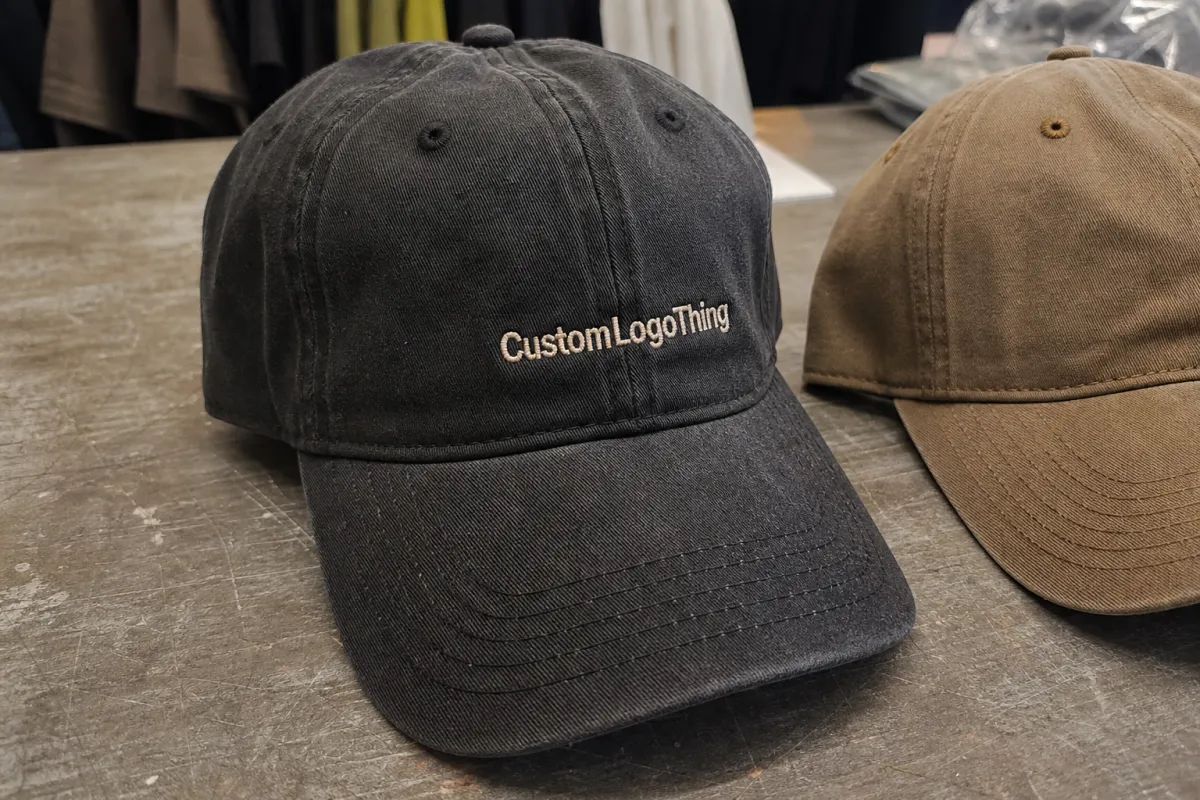
Walk into a crowded taproom on a Friday night and watch how people orient themselves. They do not read the room in order; they scan for clues. A cap, especially one with a consistent front panel and clear embroidery, gives that clue faster than a badge or a shirt logo buried under an apron. That is one reason custom Embroidered Baseball Caps for brewery staff uniforms are so effective. They create a visual shorthand that guests understand without thinking about it.
Embroidery also changes the tone of the item. A printed promotional hat says giveaway. A well-made embroidered cap says uniform. The difference matters because uniform pieces need to look intentional from a distance and durable up close. In a brewery, that means surviving not just a shift, but a cycle of long weekends, staff turnover, patio heat, cooler rooms, and the occasional sprint to help with a special release.
There is another operational benefit that gets overlooked. Crew roles shift fast in breweries. A host may jump behind the bar. A production employee may help on the floor during a release. Event staff may move between the entrance and the patio. If the cap system is consistent, guests still know who to approach, even when the work changes hands.
A good cap should solve a floor problem first. Brand polish matters, but the real test is whether guests can find the right person faster.
Think of the cap as part of the wider visual system. If your taproom uses coherent signage, labeled merchandise, or disciplined branded packaging for cans and retail kits, the uniform should speak the same language. The same logic that makes package branding feel credible also applies to staff apparel: consistency lowers friction. Guests notice the difference even if they cannot name it.
How cap style, fabric, and closure affect comfort and durability
Cap style is not cosmetic. It affects how the embroidery reads, how hot the cap feels, and how willing staff are to keep wearing it after the first week. Structured and unstructured caps behave very differently.
A structured six-panel cap has a firm front panel that supports embroidery well. Logos sit cleaner, type stays more upright, and the whole cap looks more uniform across a team. That makes it the safest choice for most brewery programs, especially when the logo includes a wordmark or icon that needs to remain readable at a glance.
Unstructured caps are softer and more relaxed. They can suit a neighborhood taproom with a casual brand voice, or a small brewery that wants the uniform to feel a little less formal. The tradeoff is that the front panel can collapse slightly, which makes stitch detail look less crisp. On some heads, that is a style choice. On others, it is a visibility issue.
Fabric choice matters just as much. Cotton twill remains common because it is stable, familiar, and easy to embroider. Brushed cotton feels softer, while poly/cotton blends keep shape better and dry faster. For kitchens, patios, and production-adjacent roles, performance fabric is worth a look because it handles sweat and humidity better than a traditional cotton-only cap. That can be the difference between a cap staff wear willingly and a cap they leave on the hook.
Closures shape both fit and reorder simplicity. Snapbacks are easy to size across a mixed crew. Strapbacks often look a little cleaner and can feel more polished. Velcro is quick, though it can wear out faster and catch lint. Fitted caps can look sharp, but they complicate inventory and replacements. Most brewery uniform programs lean toward adjustable closures because staff changes are constant and stocking every size creates avoidable waste.
Color is the last obvious variable and one of the easiest to mishandle. Dark navy, black, charcoal, and forest tend to hide stains, sunscreen, and wear better than pale colors. Light caps can work, but they demand more maintenance and show sweat lines quickly. A cap that looks perfect in a proof and tired after a week is a poor return.
- Structured six-panel for clean embroidery and a more consistent team look.
- Unstructured for a softer, casual appearance with less formal positioning.
- Cotton twill for dependable everyday wear and broad vendor availability.
- Poly/cotton or performance fabric for heat, moisture, and faster drying.
- Snapback or strapback for easier sizing across front-of-house and back-of-house staff.
Logo digitizing and embroidery decisions that protect brand clarity
Digitizing is the step that turns a logo file into stitch instructions. It is not a simple file conversion. The digitizer decides stitch direction, density, underlay, border treatment, and how much detail the cap can realistically carry. A clean vector file gives that process room to work. A low-resolution PNG with thin outlines and tiny gradients does not.
Cap embroidery rewards restraint. The front panel is small, and the fabric has texture. Logos that depend on hairline detail, tiny serif type, or multi-step shading often look better on a shirt than on a hat. For custom Embroidered Baseball Caps for brewery staff uniforms, the strongest results usually come from simple shapes, solid fills, and lettering that can still be read from several feet away.
There are practical limits worth respecting. A left-front logo on a cap often lands around 5,000 to 7,500 stitches for a straightforward design. Once a design climbs much beyond that, the panel can start to feel crowded unless the artwork is very simple. Small text under about 0.20 inch high is risky. Fine lines below roughly 1.5 mm can fill in or break visually, especially on textured cotton or low-profile crowns. These are not hard rules, but they are common production constraints that save time and rework.
Thread color choice should start with contrast, not exact brand matching. A brewery may want its logo red, blue, green, or gold, but the cap color determines what actually works. Dark thread on a dark cap disappears under bar lighting. In that case, an outline, border, or lighter thread often reads better than a strict brand-color match. That same tradeoff appears in retail packaging: the strongest design is the one people can see instantly, not the one that is theoretically most faithful in a color chart.
Placement changes the message too:
- Center-front gives the strongest brand presence and is easy for guests to spot.
- Left-front feels slightly more understated and works well when shirts or aprons already carry the main mark.
- Side placement can help identify roles or departments without making the cap visually busy.
For breweries that also sell merchandise or ship product, the cap should stay in the same visual family as labels, cartons, and inserts. A taproom that keeps its shelf presentation tight usually benefits from applying the same discipline to uniforms. That is where the connection to Custom Packaging Products and Custom Logo Things makes sense: different surfaces, same branding logic.
If you want a useful external reference point for consistency and material standards, the guidance at packaging.org is a reminder that legibility beats decoration for its own sake. Embroidery is not ink, but the principle holds. Thread has limits, and good production respects them.
Cost, pricing, MOQ, and unit cost drivers to watch
Pricing for custom embroidered baseball caps for brewery staff uniforms usually moves with five variables: cap quality, embroidery complexity, thread color count, artwork cleanup, and the order quantity. Add a sixth factor if the order includes multiple cap colors or role-specific versions. More versions mean more coordination, even when the logo stays the same.
The ranges below are realistic planning figures for many small and mid-sized brewery orders. Exact pricing shifts by vendor, stock availability, and location, but these numbers are useful for setting a budget before you request quotes.
| Cap option | Typical MOQ | Decorated unit price | Best fit | Watch-outs |
|---|---|---|---|---|
| Structured cotton twill, one-color embroidery | 48-100 | $7.50-$10.50 | Simple brewery uniforms, strong logo contrast | Can feel basic if the brand leans premium |
| Mid-profile poly/cotton blend, two-color embroidery | 72-144 | $9.25-$13.50 | Most taproom teams, balanced look and wear | Fine type can raise stitch count and cost |
| Performance fabric cap, three-color embroidery | 96-200 | $11.50-$16.50 | Hot kitchens, patio shifts, active crews | Higher price, but better sweat performance |
| Cap with woven patch or mixed decoration | 72-144 | $10.00-$15.50 | Brands wanting a more retail-like finish | Patch setup adds artwork review and proof time |
Setup fees often surprise buyers more than unit cost. Digitizing a clean logo may run about $35-$85. More intricate artwork can cost more because the stitch map takes longer to build and test. A sample or pre-production proof may add another $0-$25 depending on supplier policy. Shipping is usually manageable on cap-only orders, but bundling with shirts, aprons, or merch can increase carton count and transit cost.
There is a second budget issue that gets overlooked: replacement planning. Breweries lose caps the same way they lose bar towels and clipboards, only more slowly. Staff leave, caps wear out, and some never return from off-site events. If a location knows it will need 10 more units in a quarter, ordering them with the initial run often costs less than waiting for a rush reorder.
If the brewery is also sending out retail kits or boxed merchandise, ask whether packaging can be recyclable or FSC-certified. That does not change the embroidery, but it influences how the whole brand system feels on arrival. Buyers who care about package presentation usually care about this detail too.
Production process, timeline, and approval steps from mockup to delivery
The workflow is usually simple, but each step protects the order from avoidable mistakes. It begins with artwork review. Then digitizing. Then a digital proof. Some vendors also offer a sample or pre-production cap for approval. After that comes production, finishing, packing, and shipment. There is nothing glamorous about the sequence, which is exactly why it works.
Timelines depend on artwork readiness and inventory. If the cap body is in stock and the logo is clean, many orders move from proof approval to production in roughly 12-15 business days. Reorders can be faster. New logos, special fabrics, or heavy seasonal demand slow things down. Brewery launch windows, festival seasons, and new taproom openings all compress lead times more than people expect.
Proof approval is the point where small errors stop being small. Thread colors, placement, spelling, cap color, and logo size are all locked in here. If the brewery wants a different contrast outline or one more line of text, this is the time to ask. Once the file is in production, revisions become more expensive because machine setup and stitch files are already built.
One decision-maker should own approval. Multiple approvers create delay, and delay is expensive once a production slot is reserved.
Good rollout planning starts by working backward from the deadline. If uniforms need to be ready for an opening event, a festival, or a seasonal menu launch, the first order should include a buffer for proof revisions, shipping delays, and staff changes. Keep a short internal record with the cap style, closure type, thread colors, artwork version, and reorder quantity. That record saves time the next time the brewery needs the same item in a hurry.
The same planning habit helps when uniforms and merchandise are bundled with retail packaging. If you are also coordinating custom printed cartons, sleeves, or drink kits, align those timelines early. Splitting them into separate last-minute projects tends to create more freight cost, more status chasing, and more boxes sitting in the wrong place.
Common mistakes that trigger delays, rework, or weak branding
The biggest mistake is still the easiest to spot: a logo that is too detailed for embroidery. Thin outlines, gradients, tiny taglines, and ornate scripts can look fine on a screen and fail on a cap. Thread does not behave like ink. It cannot preserve every edge, especially on a small front panel.
Contrast is the second trap. A dark logo on a dark cap can look elegant in a mockup and disappear in real lighting. The same goes for light thread on a pale cap. A good supplier will usually flag this before production, not because they want to redesign the brand, but because they know which combinations survive a busy taproom.
Fit complaints are another quiet failure mode. If the cap is too stiff, too shallow, too hot, or simply not adjustable enough, staff stop wearing it. That problem is larger than it sounds. Embroidery can be perfect and still lose the room if the cap sits awkwardly or gets abandoned at the end of the shift. In uniform work, adoption matters as much as appearance.
Approval mistakes create the most avoidable costs. Rushed proofs, skipped sample reviews, and artwork changes after digitizing are where delays start. Small revisions are manageable before production. After the stitch file is locked, each change may require more setup time or a new proof cycle. That is why disciplined approval is not bureaucracy. It is cost control.
One practical check helps reduce those errors: compare the cap order against the rest of the visual system. If the brewery already uses disciplined branded packaging, signs, or retail displays, the cap should match that tone instead of inventing a second identity. The same applies to retail packaging and to any custom printed boxes used for gifts or merch kits. A brand that feels organized on shelves should feel organized on staff.
Next steps for rolling out brewery staff uniform caps smoothly
Start with a role count. Figure out who needs a cap, how many backups are sensible, and whether everyone gets the same style or different versions for front-of-house, events, and production support. A smaller brewery may need one cap body in one color. A larger operation may benefit from a subtle variation that helps guests identify roles without turning the uniform into costume.
Then gather the right inputs before asking for quotes. Use vector artwork if possible. Pick two or three acceptable cap colors. Decide whether the program should feel strict and uniform or slightly retail-like. That one choice affects cap body, logo size, thread selection, and the kind of closure that makes sense.
Ask for a proof, a realistic timeline, and a single approval path. The person approving the cap does not have to be the owner, but they should understand the brewery’s visual standards. The fastest orders usually have one reviewer, not a committee spread across inboxes and text threads.
Finally, plan the reorder before the first batch arrives. Keep the cap style, closure, thread colors, digitized file reference, supplier contact, and reorder notes in one place. If turnover is high, an extra 10-15% on the first run can prevent the awkward point where new staff are waiting for hats and the clean spares are already gone.
Uniforms, merchandise, and packaging work best as one visual program. That is true for shelves, shipping cartons, and taproom apparel alike. If custom embroidered baseball caps for brewery staff uniforms are going to do their job well, they need to be planned with the same discipline as the rest of the brand system, not treated as a one-off accessory.
How many custom embroidered caps for brewery staff uniforms should we order first?
Order enough for every active staff member plus a small buffer for new hires, damaged units, and seasonal coverage. A 10-15% overage usually keeps the uniform program from stalling when turnover or event staffing changes. If the brewery has multiple locations, count by role and site before you request pricing for custom embroidered baseball caps for brewery staff uniforms.
What cap style works best for brewery staff uniforms?
Structured six-panel caps usually hold embroidery more cleanly and create a more consistent team look. Unstructured caps can work for relaxed brands, but the front panel may not support the logo as crisply. The right answer depends on how formal the taproom feels and how much heat or motion staff deal with during a shift.
What affects the price of custom embroidered baseball caps for brewery staff uniforms?
Cap quality, embroidery complexity, thread color count, order size, and digitizing all affect the final cost. Smaller orders usually carry a higher per-unit price because setup is spread across fewer pieces. Shipping, samples, and extra logo placements can also change the total.
How long does the process take?
Simple orders can move quickly if artwork is ready and cap stock is available. New logos, proof revisions, or special fabric requests add time before production begins. Build a cushion into the schedule if the caps need to arrive before a launch, busy season, or event-heavy weekend.
Can we put a full-color brewery logo on embroidered staff caps?
Yes, but embroidery performs best with simplified shapes and solid thread colors rather than gradients or photo-like detail. Strong contrast and clear outlines usually make the mark easier to read on a cap. If the original artwork is too detailed, simplify the cap version and keep the full logo for labels, menus, merchandise, or custom printed boxes.

