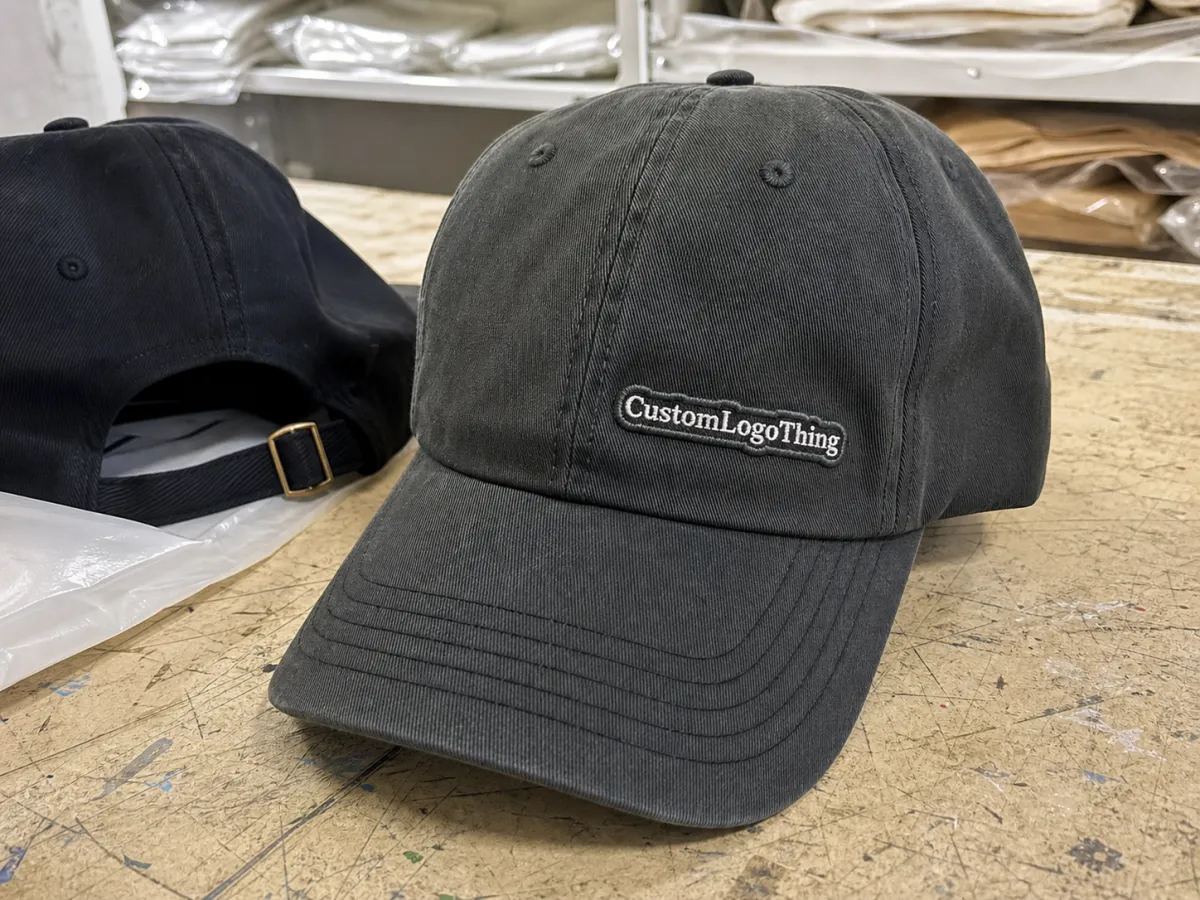
Embroidered Baseball Caps are one of the few campus products that keep selling after the first impression. They do not depend on fit ranges, they do not require much education at the register, and they hold up under the kind of daily use that quickly exposes weaker merchandise. That is why an embroidered baseball caps wholesale supplier for university bookstore buyers has to do more than decorate a blank cap. The real job is to support sell-through, protect margin, and make reorders predictable enough that the bookstore can keep a core style in stock without tying up too much cash.
From a buyer's perspective, caps have unusual staying power. Students wear them to class, to athletic events, across campus, and sometimes long after graduation. That makes the cap less like a novelty item and more like a slow-burn brand carrier. Embroidery helps because it reads as finished and durable under retail lighting, while also surviving repeated handling better than many print-only methods. A bookstore does not need a dramatic pitch here. It needs a cap that still looks good after a semester on the wall and a month in a backpack.
The best orders are the ones that are easy to repeat. For teams already building a larger campus assortment, caps often fit neatly alongside other controlled wholesale buys, including broader Wholesale Programs planning. The cap itself may be small, but the decision around it is not. It affects display, cash flow, and whether the buyer trusts the next reorder to behave like the first.
What an embroidered baseball caps wholesale supplier for university bookstore buyers should deliver
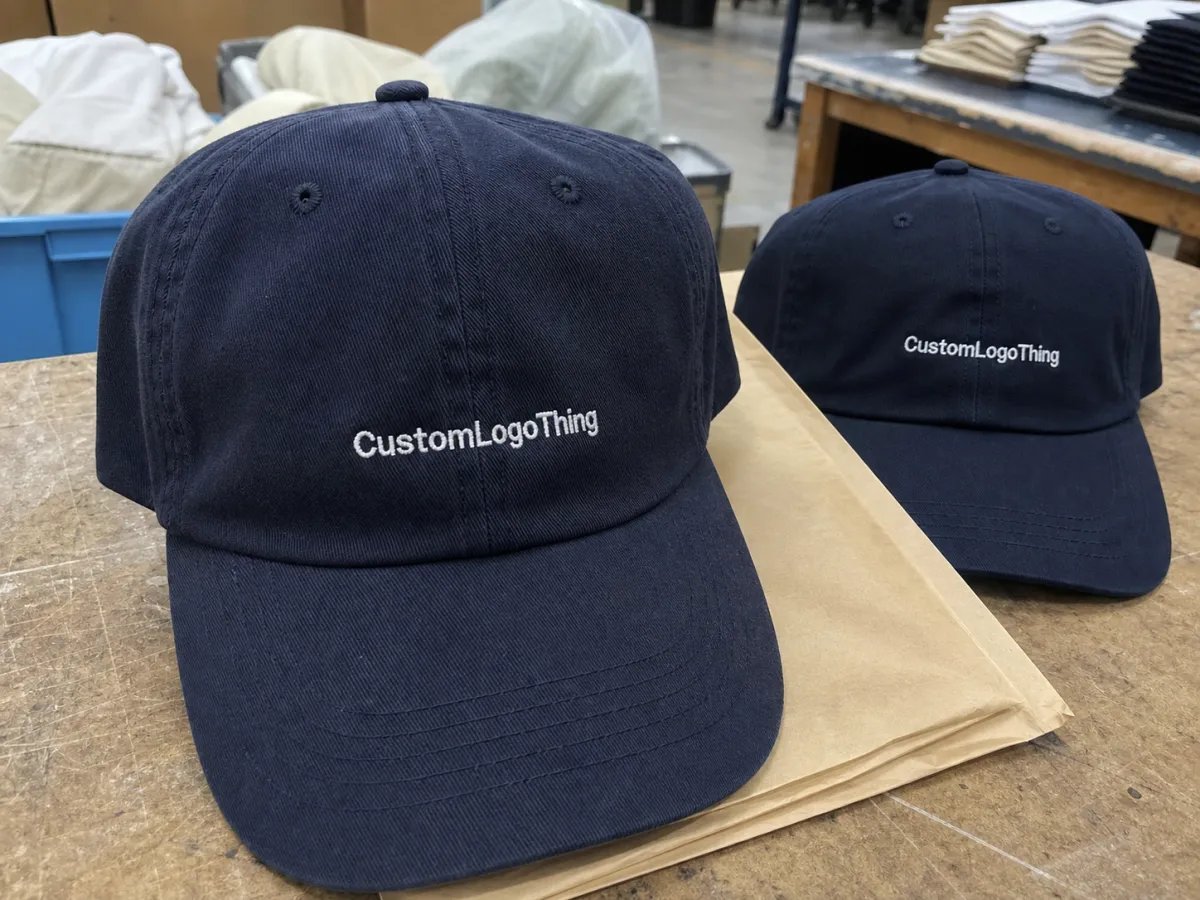
The first expectation is consistency. Not just in the logo, but in stitch density, placement, crown shape, visor curve, and color match from carton to carton. A bookstore buyer can live with a small amount of variation. What causes problems is drift. If the same item comes back six weeks later with a flatter crown, a deeper front panel, or thread that reads slightly off under store lighting, the program starts to lose credibility. The buyer notices it. The customer notices it faster.
A good supplier also understands that campus retail is not one-dimensional. Orientation stock, alumni gifts, game-day colorways, and everyday student wear all behave differently. A cap that sells at the bookstore counter during move-in week may not move the same way in February. The supplier should be able to help with practical reorder logic, not just quote a style and disappear. That means keeping original specs archived, keeping logo approvals organized, and knowing which details can change without altering the product identity.
Embroidery remains the preferred decoration method when the school mark needs to look durable rather than temporary. Heat transfer can work on some products, but on caps it often feels lighter and ages differently. Clean embroidery has depth and structure. It catches light without looking glossy, and it usually keeps its shape better when the cap is packed, stacked, and worn repeatedly. For bookstore teams trying to avoid a cheap souvenir look, that matters.
Strong wholesale support should include clear minimums, straightforward artwork rules, and an approval path that does not force the buyer to start from scratch on every reorder. If the supplier can handle school color standards, alternate logos, and location-specific assortments without creating confusion, the program becomes easier to manage. That kind of operational clarity is more valuable than a flashy promise of premium quality.
There is also a merchandising angle that gets overlooked. Caps are low friction compared with apparel. A sweatshirt needs size planning. A cap generally needs only style selection, color discipline, and one readable mark. That is why many bookstore buyers use caps as a test category: the risk is limited, but the signal on demand is useful.
Decoration, fabric, and closure options that hold up
Structure changes how a cap sells. An unstructured dad cap feels relaxed and familiar, which suits students who want something they can wear every day. A structured six-panel cap presents the logo more cleanly and usually looks stronger on a wall display. Mid-profile shapes sit between those two ends and are often the safest choice when a bookstore wants one style that can reach students, parents, and alumni without looking too trend-driven.
Fabric matters just as much as profile. Cotton twill remains a dependable default because it is easy to wear, easy to decorate, and easy to explain to retail staff. Brushed chino has a slightly smoother hand feel and can read a touch more polished. Polyester blends are useful when the store expects outdoor use or wants a little more shape retention. Mesh-back truckers can work well for summer or event-led buys, but they should be chosen on purpose. A trucker cap can skew younger, which is not always a problem, but it is a different retail signal than a classic dad cap.
Thread choice is another quiet detail with real impact. Polyester embroidery thread is usually preferred for campus retail because it handles color variation and wear better than softer alternatives. If the school logo uses a lot of tiny detail, the design may need simplification so the stitches do not blur together. Tiny type and thin outlines are where many first samples fail, not because the factory cannot sew, but because the artwork asked too much of the medium.
Closure selection should match the buyer's audience. Snapback styles are familiar and forgiving. Strapback versions feel a bit more refined. Hook-and-loop closures can be practical for broad student use, but they are not always the best fit for a premium presentation. Fitted caps usually require a more deliberate size plan and are harder to manage in a bookstore setting. For most campus programs, adjustable caps are the most reliable choice.
| Option | Typical buyer use | Approx. unit impact | Retail note |
|---|---|---|---|
| Unstructured cotton cap | Everyday student wear | Base pricing, usually the lowest | Easy impulse buy, relaxed look |
| Structured six-panel cap | Main bookstore assortment | + $0.50 to $1.50 depending on blank and stitch count | Cleaner branding, stronger wall presentation |
| Puff embroidered cap | Premium or limited edition | + $0.75 to $2.00 | Best for bold shapes, not dense detail |
| Patch cap | Heritage or event-driven drops | + $1.00 to $2.50 | Feels collectible, especially for alumni |
For university bookstore buyers comparing suppliers, the question is not which decoration looks most impressive on paper. It is which combination will still look clean after a semester of handling, trial wear, and repeated merchandising. The cap has to survive both the sales floor and the backpack.
Specs university bookstores should lock in before sampling
Sampling goes faster when the buyer settles the unglamorous details first. Crown profile, panel count, visor curve, fabric weight, closure type, and logo placement should all be fixed before the first sample is cut or embroidered. If those variables are still shifting, the sample becomes a moving target. That wastes time and can hide the real issue, because a poor result may come from unclear instructions rather than weak production.
Artwork rules deserve the same discipline. Buyers should confirm acceptable file formats, whether vector art is required, and how many thread colors the design can support before the mark becomes muddy. Pantone references help, but embroidery thread behaves differently from ink or fabric dye, so the supplier should provide thread color references as well. Schools with small type in their logo should be ready for an embroidery-friendly version. That is normal. A logo that looks great on a screen can become unreadable on a front panel if the details are too fine.
Actual-size proofing should happen under retail-like conditions. A screen mockup may look crisp on a laptop and muddy under fluorescent lighting. It helps to review the sample at arm's length, then again from three to five feet away, which is closer to how a customer sees the cap on a wall or counter. If possible, more than one person should review it. A buyer may focus on cost and placement, while a merchandising lead may notice the cap reads too flat or the logo sits too low on the crown.
Most bookstore assortments work best when they stay simple: one core school color, one neutral fashion color, and perhaps one alternate for a special program or event. If the store wants both a primary university mark and an athletics mark, those should be treated as separate production references. That sounds tedious, but it saves time later when a reorder needs to match the original run exactly.
The cleanest cap order is usually the one that looks almost dull on the production sheet, because that means the artwork was clear, the measurements were locked, and the carton labels match the shelf plan.
Buyers should also ask how the supplier stores original specs. A reorder that starts with archived measurements and approved color references is far less likely to drift. That detail matters especially when the same cap style needs to serve multiple campus locations or a shared university system.
Pricing, MOQ, and unit cost for larger campus orders
Price is not just the factory quote. It includes the blank cap, embroidery stitch count, any patch setup, labels, packaging, freight, and sometimes duties or special handling. A buyer comparing only headline pricing can miss a more expensive landed cost. For bookstore programs, that matters because margin is usually not large enough to absorb surprises.
MOQ influences the first order in a practical way. Smaller minimums are useful when the bookstore is testing a new logo application or a fresh silhouette. Higher quantities often reduce unit cost, but only if the style is likely to move. A wise buy plan matches quantity to confidence. If the cap is a core campus staple, a larger run can make sense. If it is a niche alumni piece or a limited event style, a lighter first order is safer.
Realistic wholesale pricing varies by decoration, but many campus programs see simple embroidered caps land in the high single digits to low teens per unit at wholesale, while denser embroidery, patch applications, or custom labeling can push them higher. That range still needs to be checked against freight and receiving costs. A cheaper unit price can vanish quickly once shipping, relabeling, or carton breakdown is added in.
Here is a practical way to think about the cost stack:
- Blank fabric: cotton twill, brushed chino, and performance blends do not price the same.
- Stitch density: dense front-panel embroidery adds machine time and labor.
- Placement count: one clean front logo is simpler than front-plus-side decoration.
- Packaging: polybagging, barcode labels, and custom inserts add cost, but can cut receiving time.
- Freight: ship-to-campus, distribution center, and warehouse delivery all change the landed number.
For buyers already working through a broader campus merchandise line, the cap order is useful as a quoting test. If the supplier explains landed cost clearly, the rest of the program is easier to trust. If the quote is vague, the buyer should expect the same vagueness later when replenishment becomes urgent.
| Buying path | Best for | Typical MOQ | Cost profile |
|---|---|---|---|
| Test run | New logo or new cap style | Low to moderate | Higher unit cost, lower risk |
| Core reorder | Established bestseller | Moderate | Balanced cost and margin |
| Season anchor | Orientation, homecoming, game week | Higher | Lowest unit cost if sell-through is strong |
Process and turnaround: from digital proof to shelf-ready cartons
A good order process should feel orderly, not opaque. Artwork review comes first, then the digital proof, then sample or pre-production approval if needed, then bulk production, quality check, packing, and shipment. If a supplier cannot explain those steps plainly, the buyer ends up managing every delay. That is avoidable and, for a campus retailer working against a move-in or game-day date, expensive.
Turnaround time depends on the details. Vector-ready artwork moves faster. Logos with multiple thread colors, several campus marks, or artwork that needs simplification take longer. Proof feedback speed matters too. A delayed approval often adds more time than the sewing itself. Buyers should ask for a proof schedule at the beginning, not after the quote is accepted. That simple step helps prevent the common problem where everyone agrees the product is urgent, but no one agrees on who is holding the clock.
At the proof stage, the bookstore should ask for a front-view mockup, placement dimensions, thread color callouts, and carton-label instructions. If the order includes more than one logo or more than one destination, each version should be shown clearly. This is also the point where packing instructions matter. If the bookstore wants cartons separated by SKU, location, or event, the supplier should confirm that before production starts. Receiving goes much faster when the labels are already aligned with the store's system.
For most campus orders, a standard embroidered cap run often takes about 12 to 15 business days after final proof approval, assuming materials are in hand and the decoration is straightforward. Dense embroidery, multiple logo versions, or special finishes can add time. Peak retail periods can add more. A cap that misses move-in week or homecoming does not just arrive late; it misses the best selling window.
Packaging and transit deserve their own check. It is reasonable to ask whether the cartons have been tested for normal shipping conditions and whether the caps are packed so the crown and visor hold their shape. Industry groups like ISTA publish transport test methods that help reduce damage in transit. That can sound like overkill for a cap, but crushed cartons, bent bills, and sloppy packing create receiving labor that a bookstore team does not need.
Quality control and brand consistency across multi-campus assortments
Brand consistency is where a cap program either looks controlled or looks assembled from whatever happened to be available. If the bookstore carries the same school mark across more than one location, the supplier needs to keep thread colors, stitch density, placement templates, and crown profile consistent. Small differences become obvious once the caps are displayed side by side. Customers rarely compare a single cap in isolation; they compare the row.
Multi-campus assortments add another layer. One university system may want the same core school mark in every store, plus location-specific versions for each campus. That can work well, but the product architecture needs discipline. A shared cap spec with a clean SKU naming convention helps more than a long email chain. Without that structure, reorders become messy and the buyer spends time decoding which version was approved for which store.
A basic QC checklist should cover embroidery alignment, panel symmetry, seam finish, closure function, thread tension, and label accuracy. The cap should not pull at the front panels, the visor should sit evenly, and the stitching should stay clean around curves. Loose threads, puckering, and mismatched labels are the obvious failures, but buyers should also look for less visible issues such as crooked sweatbands, inconsistent crown height, or a cap that loses shape too quickly after handling.
Some suppliers use formal inspection standards such as AQL sampling. That can help, but it should not replace a simple first-run review. A buyer can request photos of the first finished dozen off the line, which often catches problems sooner than waiting for a full carton to arrive. The goal is not perfection for its own sake. The goal is a cap that feels repeatable.
If the bookstore is sourcing hangtags, inserts, or carton components, FSC-certified paper can be a useful standard to request. The FSC system gives buyers a recognized framework for responsible fiber sourcing. That may not change whether a cap sells, but it can improve the quality of the retail story around the product.
Good suppliers do more than reproduce a logo once. They help preserve the school mark over time. That is a practical advantage, not a slogan. It affects trust, replenishment speed, and whether the next order is approved with confidence.
Merchandising formats that help caps move at the register
Display changes sell-through. Front-facing wall hooks work well when the bookstore has strong visual space and wants the logo to read immediately. Counter bins are better for impulse buys, especially during orientation, athletic weekends, and alumni events. A seasonal grouping by school color, rivalry week, or homecoming can also lift attention without changing the product at all. The cap is the same; the presentation is not.
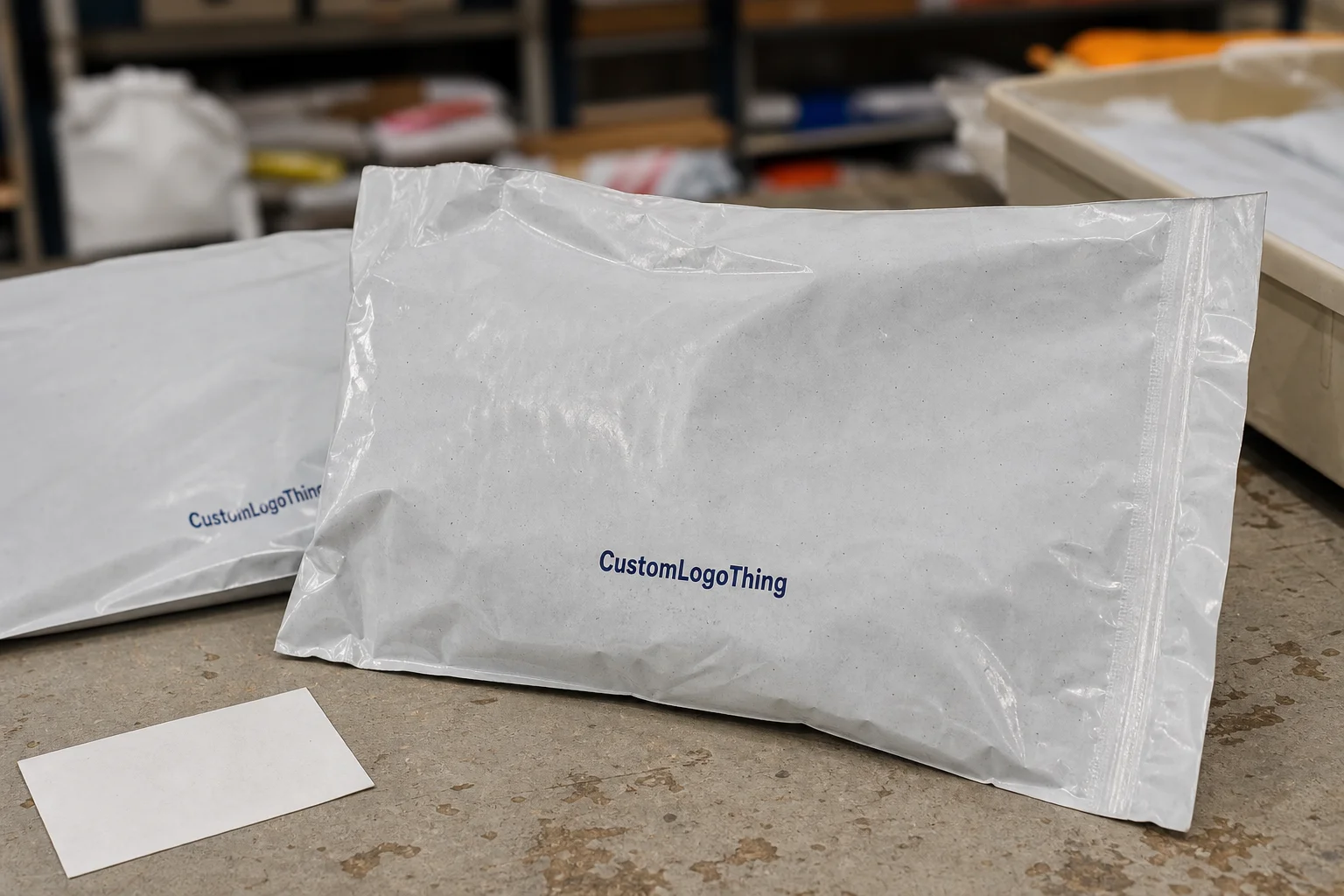
Packaging is part of the merchandising experience. A clean polybag, a tidy fold, and consistent sticker placement make receiving easier and make the product feel finished when it reaches the floor. Buyers sometimes focus so heavily on decoration that they forget the first retail signal is often the carton itself. If the boxes arrive tidy, the floor team gets a head start.
Assortment should follow audience behavior, not habit. A core logo cap can cover everyday student wear. A slightly more premium version can target alumni or gift shoppers. A limited event cap can create urgency around a launch or game weekend. Three clear tiers usually work better than a wall of near-duplicates. The goal is not variety for its own sake; it is making it easy for a customer to choose.
Retail storytelling helps too. A small shelf card or hangtag can explain the school mark, the cap profile, or the event it supports. That kind of context gives the cap a reason to exist beyond “another branded item.” It does not need a paragraph. It needs a readable point of view.
Pricing data should drive the next round. Watch which profile sells first. Watch whether a neutral color beats the official school color. Watch whether a low-20s price point moves more volume than a higher one. The pattern is often more useful than the first guess. A strong Embroidered Baseball Caps wholesale supplier for university bookstore buyers should help a buyer act on those patterns instead of guessing again every semester.
Next steps for a clean first order and fast reorder
The fastest way to get a useful quote is to send a complete brief. The buyer should gather the logo file, preferred cap style, color targets, estimated quantity, required delivery window, and any label or packaging requirements before requesting pricing. When those pieces are clear, the supplier can quote something useful instead of something approximate.
The bookstore team should also decide whether this is a test order or a season anchor. That choice changes MOQ, assortment width, and price strategy. A test order should stay tight enough to evaluate quickly. A season anchor should be built around proven demand and a realistic replenishment path. Mixing those two goals usually leads to a weak middle ground.
Reorder planning should happen before stock gets thin. Set a trigger based on sell-through or minimum on-hand count so the next order starts while the style is still moving. That protects the best cap from disappearing just when demand rises. In campus retail, the difference between a smooth reorder and a rushed one is often a matter of a few weeks.
Proof approval should be done like a retail decision, not a screen-only approval. Check logo readability, placement, and color under the same kind of light the product will face on the floor. If the cap passes that test, bulk production can move with fewer changes and fewer surprises.
For university bookstores, the strongest cap program is usually the one that behaves like a repeatable retail item instead of a one-off decoration. That is how an Embroidered Baseball Caps wholesale supplier for university bookstore buyers becomes useful over time. Clear specs, honest timelines, controlled decoration, and a realistic price structure do more for sell-through than a flashy presentation ever will.
What should university bookstore buyers check before ordering embroidered baseball caps wholesale?
Confirm the cap style, closure type, logo placement, thread colors, and carton labeling before asking for a quote. Ask for an actual-size proof, not just a tiny mockup on a screen. Verify the minimum order, landed unit cost, and expected ship date before approval.
How many embroidered baseball caps does a campus bookstore usually need for the first run?
Start with the smallest quantity that still covers display, reserve stock, and likely early demand. A test order can be small if the design is new, while a proven bestseller can justify a larger run. Build in a reorder trigger so the style can be replenished before it sells out.
What drives the unit cost of embroidered caps for university bookstore programs?
Unit cost changes with quantity, stitch count, blank cap quality, number of placements, and packaging. Special closures, custom labels, patch applications, and freight can move the final number quickly. Compare landed cost, not just the factory quote, so margin math stays accurate.
How long does production usually take for a bookstore cap order?
Many standard orders take about 12 to 15 business days after final proof approval, assuming materials are ready and the decoration is straightforward. Multiple logo versions, dense embroidery, or special colors can add time. Freight and receiving should also be included in the timeline.
Can one embroidered cap order support multiple university bookstore locations?
Yes, if the supplier keeps thread colors, placement, and product specs consistent across all cartons. Use shared references for the core style and label cartons clearly by store or SKU. If different campuses need different marks, approve separate proofs before bulk production starts.