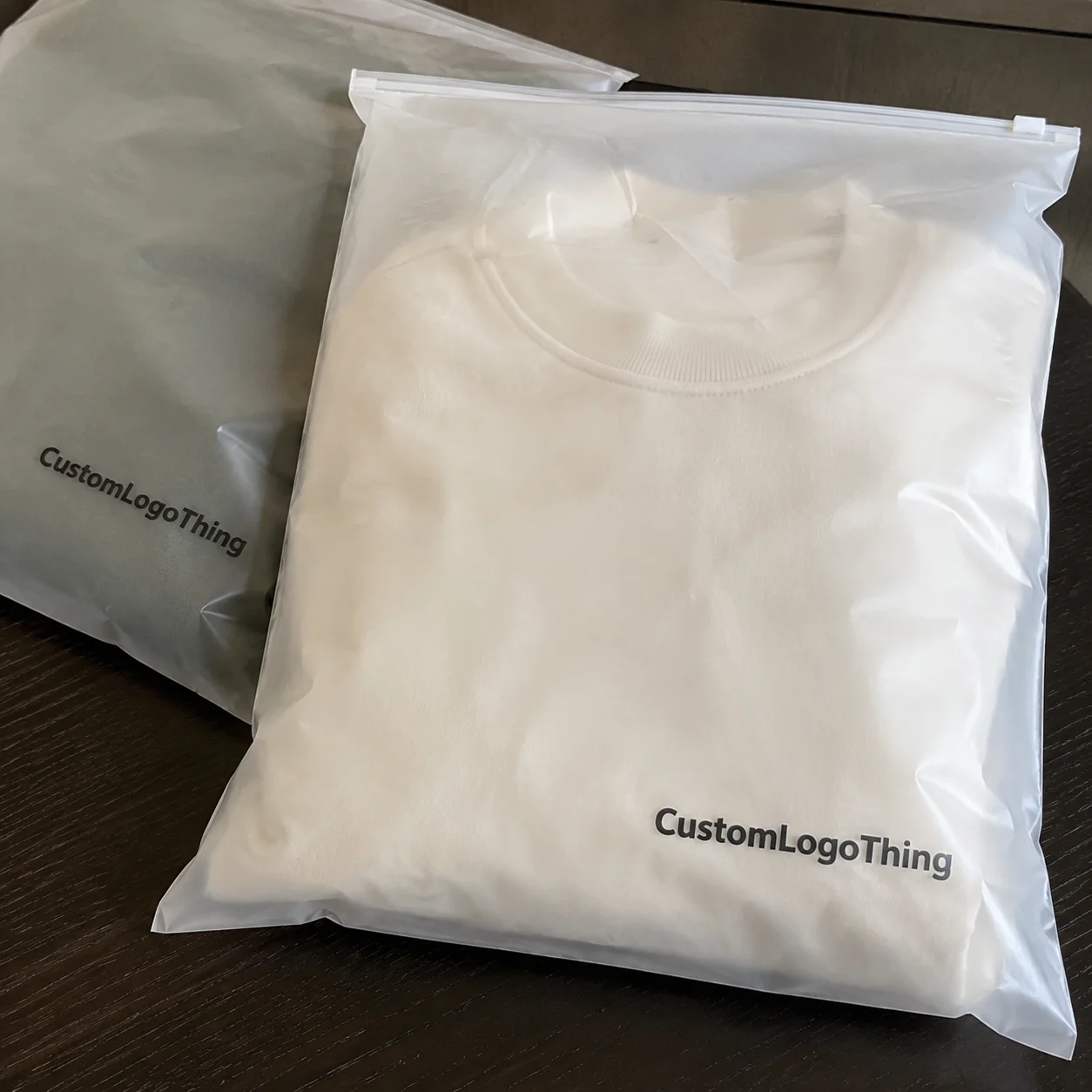
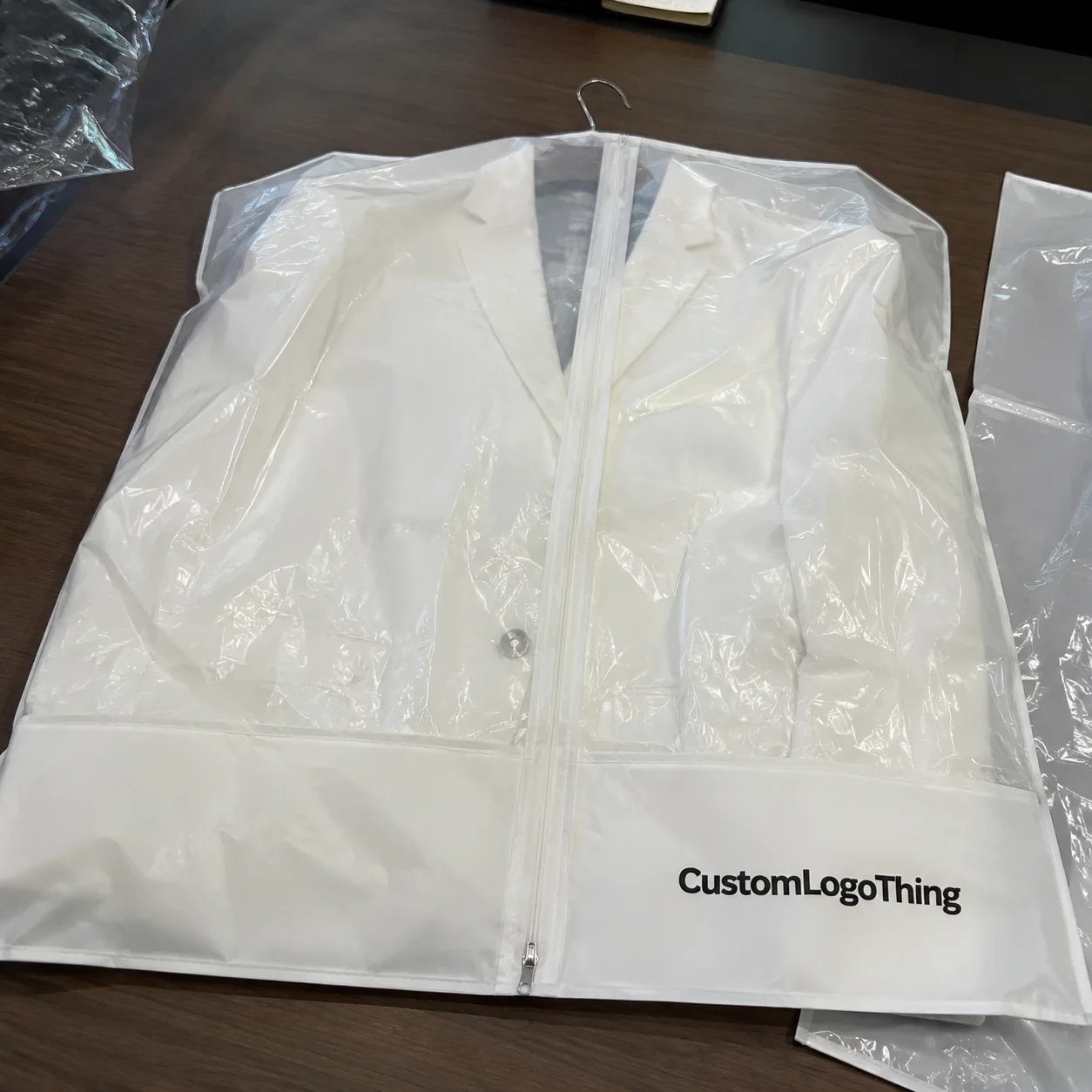
Bucket Hats for Retail resale work because they are easy to stock, easy to wear, and easy to understand on the shelf. That matters more than it sounds like it should. A product with a short decision cycle tends to move faster than one that needs a fit explanation, a size chart, or a styling lecture. Bucket hats do not ask much from the shopper, and retailers usually like products that behave that way.
For a buyer, the real job is not finding a hat that looks good in a sample photo. It is finding one that can survive a retail floor, a margin target, a return desk, and a buyer's calendar. If the shape is clean, the decoration is controlled, and the landed cost leaves room for markups, a bucket hat can become one of the quieter profit pieces in an assortment. Quiet is good. Quiet inventory sells.
Why bucket hats for retail resale move fast on shelves
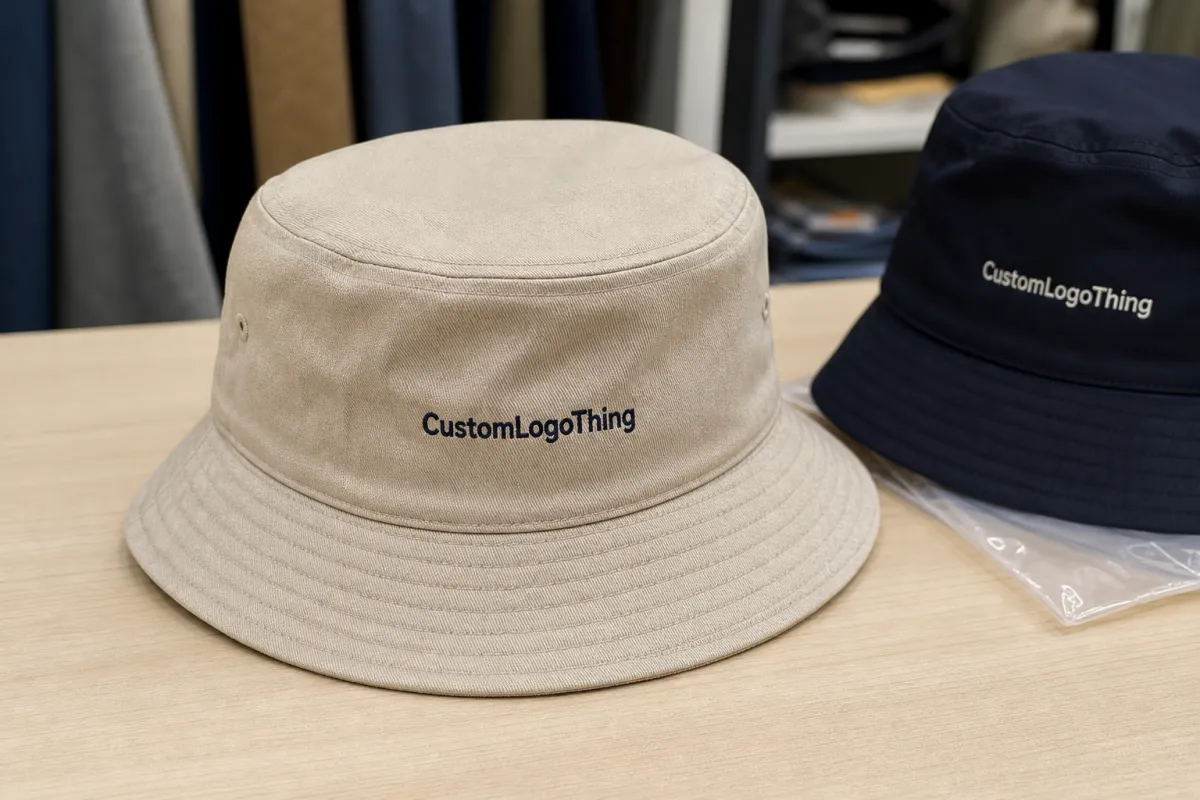
Bucket hats make sense in retail because the buying decision is simple. One size covers most customers. The silhouette is familiar. The item works as both utility and style, which makes it easy to place near apparel, accessories, gift items, and seasonal displays. A shopper can pick one up without feeling like they need to commit to a whole new wardrobe category.
They also fit a wide range of channels. Tourist shops like them because they are lightweight and easy to theme around a location or season. Campus stores can drop them into school colors without wrestling with size runs. Resort, festival, and museum stores use them because the format is friendly to quick-serve merchandising. Even core apparel programs use them as a lower-ticket add-on when caps start to feel overdone.
- Impulse-friendly: the price point often sits low enough for add-on purchase behavior.
- Low fit friction: one-size construction reduces the risk of size confusion.
- Easy display: a stack, wall peg, or table bin can do the job.
- Natural bundling: hats pair well with tees, hoodies, totes, and seasonal drops.
The first buy does not need to be large. A pilot in the 100 to 300 unit range is often enough to see whether the market prefers cotton twill, washed cotton, nylon, or a softer terry finish. It also shows whether the decoration should be embroidery, a patch, or a woven label. That early read is cheaper than learning after a big order lands and the wrong version sits untouched.
"The easiest bucket hat to sell is usually the one that feels normal at first glance and slightly better once picked up."
There is a margin story here too. A well-built hat with a landed cost around $4.00 to $6.50 can still support a retail price in the $18 to $28 range, depending on channel, decoration, and packaging. That spread is one reason Bucket Hats for Retail resale keep showing up in practical assortments rather than just trend reports. The product earns its place when the math is disciplined.
What a resale-ready bucket hat line actually includes
A resale-ready bucket hat is more than a crown and a brim. Buyers should look at crown depth, brim width, stitch density, seam finish, sweatband construction, and whether the hat holds its shape or collapses into something limp and forgettable. A brim that measures 2.25 inches and one that measures 2.75 inches are not the same product once they are hanging on a rack. They read differently, price differently, and fit differently.
Fabric choice shapes the whole line. Cotton twill is the most reliable core option because it feels familiar, takes embroidery cleanly, and works across many retail channels. Washed cotton brings a softer lifestyle look. Nylon is useful for sport, travel, and light weather protection. Terry leans summer and resort. Canvas adds weight and a sturdier hand. Recycled blends can be a good story if the paperwork is solid and the supplier can document the content correctly. If the claims are vague, the risk is yours, not theirs.
| Fabric | Typical use | Relative cost | Retail feel |
|---|---|---|---|
| Cotton twill | Core retail, campus, tourist, promotional | Low to mid | Clean, familiar, easy to decorate |
| Washed cotton | Lifestyle, softer-branded assortments | Mid | Relaxed and broken-in |
| Nylon | Sport, travel, rain-friendly programs | Low to mid | Lightweight and practical |
| Terry | Summer, resort, beach, youth drops | Mid | Texture-forward and seasonal |
| Recycled blend | Eco-positioned retail or branded programs | Mid to higher | Useful if claims and documentation are clean |
Decoration changes both the look and the economics. Embroidery feels premium and lasts well in retail use. Patches and woven labels create brand presence without pushing the cost structure too far. Screen printing is useful for bold graphics, but it can look thin if the artwork is too detailed. All-over prints can sell, yet they are less forgiving because a design that feels energetic on one sample can become visually loud across a full rack.
The retail basics matter more than people admit. Hang tags, size labels, fiber content, care instructions, barcodes, and carton marks all influence whether the product moves cleanly through a store or distribution center. Those details rarely get applause, but they are the difference between a line that is shelf-ready and one that keeps bouncing back for corrections.
Specs to lock before you request samples
Start with the customer and the shelf price, not with a factory catalog. A hat for a resort store should not be built the same way as a college launch or a workwear add-on. Target audience, expected price, and desired margin should be defined first. Then the spec can be built around that reality. If the process runs backward, you end up approving a sample that looks polished but sells slowly.
Fit is where many buyers get burned. Lock circumference, crown depth, brim stiffness, and overall silhouette before sampling moves too far. A shallow crown can look sharp in a photo and awkward on an actual head. A brim with too much softness may droop on display and read as low quality. A slightly firmer brim often helps the hat hold shape in retail presentation, especially when the product is stacked or pegged for weeks at a time.
Color strategy should be settled early as well. One strong hero color, one neutral, and one seasonal accent usually beats a scattered palette that looks like it was assembled by committee. If a broader range is needed, define a base family and keep the tone consistent. That makes reorders easier and keeps the wall from looking cluttered.
Branding placement should be intentional. A front patch says something different from side embroidery or a seam label. On smaller crowns, too much branding quickly feels crowded. On some programs, the best answer is one main logo and very little else. If paperboard tags or inserts are part of the packaging plan, specify the material early and confirm whether FSC-certified board is required through fsc.org.
Compliance needs to be written down before bulk production starts. Fiber content, origin labeling, care instructions, barcode format, and carton marking rules should all be reviewed with the buyer's retail requirements in mind. If cartons are going through a larger distribution network, transit testing standards matter too. The basic guidance at ista.org is worth a look before anyone assumes a carton will survive the trip just because it looked fine in a warehouse.
Sampling should be used to verify the details that quotes cannot fully explain. Ask for close-ups of stitch lines, seam finish, sweatband quality, embroidery backing, and logo placement. A hat can look acceptable from a distance and still carry problems that show up only under retail lighting. Uneven stitching, off-center patches, or loose thread tails are small defects that buyers notice fast, especially if the product is being compared against cleaner basics.
Process and turnaround: from quote to delivery
A good quote request saves time on both sides. Send reference images, target quantity, desired fabric, decoration method, packaging needs, and any retail labeling requirements. If those points are vague, the quote will be vague too. That makes comparison hard and usually leads to more sample rounds than anyone budgeted for.
The usual sample path has three stages: first sample, revision sample, and final approval. The first sample checks shape and material. The revision sample tightens the fit, finish, and decoration. Final approval should feel uneventful. If it still needs interpretation at that stage, the bulk order is not ready. Fast feedback during sampling usually saves more time than a rush fee ever does.
Production moves in a predictable sequence: fabric sourcing, cutting, sewing, decoration, quality control, packing, and carton labeling. The steps are ordinary, but every custom choice adds coordination. Custom dyeing, specialty prints, or nonstandard trims take longer than stock fabric and a simple logo. A basic custom bucket hat order often needs 7 to 14 days for sampling and 20 to 35 days for bulk, assuming the spec is clear and the changes stay limited. Special packaging or a large order can stretch that timeline.
Shipping buffers deserve real attention. An order can be finished on time and still miss a selling window because freight was booked late or approvals sat untouched. Adding at least one extra week for handoff is smart, and more is safer for overseas freight. Inventory arriving slightly early is a better problem than inventory arriving after the season has already turned.
Carton efficiency also matters. Bucket hats that pack flat and stack well are easier to ship and receive, which affects landed cost more than most people expect. Oversized cartons add cost without improving the shelf presentation. Retail buyers care about the final unit economics, not how impressive the freight line looked on a spreadsheet.
Cost and pricing: what changes unit cost most
MOQ changes the price first. Lower quantities usually carry higher unit costs because setup, cutting, embroidery digitizing, and packing labor get spread across fewer pieces. That is why bucket Hats for Retail resale tend to make more sense in 100, 300, or 500 unit breaks than in a tiny custom order that tries to do too much for too little money.
The biggest cost drivers are straightforward: fabric choice, embroidery density, print complexity, custom trims, lining, sweatband material, and packaging. A simple cotton twill hat with a small patch is a very different build from a custom-dyed style with all-over printing, woven labels, hang tags, and retail cartons. Those are not just cosmetic differences. They change production time, labor, and freight volume.
| Option | Typical landed cost at 500 units | Retail ticket range | Notes |
|---|---|---|---|
| Blank-style cotton twill | $2.80-$4.25 | $14-$20 | Simple, fast, easiest to test |
| Small embroidered logo | $3.60-$5.75 | $18-$26 | Strong core option for retail resale |
| Patch or woven label build | $4.10-$6.25 | $20-$28 | Better brand presence, still controlled cost |
| Custom-dyed or printed fashion style | $5.80-$9.50 | $24-$38 | More risk, more visual impact, more moving parts |
Always work from landed cost, not factory price alone. Freight, duties, cartons, barcode labels, inserts, and shrink wrap can quietly eat margin if they are ignored early. A hat that looks inexpensive on paper can stop being inexpensive once it is packed, shipped, and received. Buyers need a real spread, not a hopeful quote.
The shelf price should guide the build. If the wholesale target is $12 and the retail target is $24, the landed cost has very little room after packaging, freight, and occasional promo support. A healthier spread gives more flexibility, especially for stores that discount selectively or need room to clear seasonal leftovers. If the math is tight, simplify before sampling rather than after the order is already in motion.
One useful discipline is to define the product tier before development starts. Entry, mid-tier, and premium should have different specs, not just different labels. A low-cost option can work well if the fabric still feels decent and the decoration looks intentional. Cheap and flimsy are not the same thing, but shoppers often treat them as if they are.
Common mistakes that hurt sell-through and margin
Over-ordering colors is a common mistake. Buyers get excited about variety, then discover that one color carries the line while the others stall. Dead inventory usually begins with too many options and not enough data. If the account is new, start with one hero color, one neutral, and one seasonal accent. That gives you enough range without turning the display into clutter.
Fit errors are just as expensive. A sample can look good on a hook and still feel off on a real head. If the brim flips too much, the crown sits too high, or the hat feels flimsy, shoppers notice even if they cannot describe the problem in technical terms. The line then slows quietly, often through markdowns rather than complaints. That is a harder problem to diagnose after the fact.
Chasing the lowest quote can backfire if the missing cost shows up in weak fabric, sloppy sewing, poor embroidery density, or surprise freight. Saving a few cents on the purchase price can lead to far more than a few cents in markdown pressure later. Low quote, high regret is a familiar pattern in accessory buying.
Compliance mistakes create their own kind of delay. Missing barcodes, incorrect fiber content, wrong carton markings, or packaging that does not match retailer instructions can stop the receiving process. If a warehouse rejects the carton, sample approval does not matter. Retail operations care about processing, not intention.
Decoration is another place where buyers can overcomplicate a simple product. An embroidered logo, a printed graphic, a woven label, and a patch all communicate differently. Each one affects cost, lead time, and visual weight. If the decoration does not belong to the price point, the hat will feel mismatched even when the quality is technically fine.
Expert moves for better sell-through without discounting
Keep the color story tight. One strong black, navy, bone, olive, or tan option often does more work than a spread of six shades. A restrained palette helps the product look curated instead of overbuilt. That matters on a table or wall where the hat is competing with other small-ticket items for attention.
Use the hat as part of a simple outfit story. Tees, hoodies, tote bags, sunglasses, and lightweight outerwear all fit naturally with bucket hats. The product becomes easier to sell when it appears as part of a complete look rather than as a lone accessory waiting for a miracle. Staff can explain the set in one sentence, which is usually enough.
- Keep one hero SKU: make the best color and decoration easy to spot.
- Plan for reorderability: use fabric and trims that can be repeated without reengineering the line.
- Keep the story short: fabric, fit, care, and use case should fit on a simple tag or sign.
- Protect margin early: avoid features shoppers are unlikely to notice or reward.
Replenishment-friendly basics are often the smartest choice. If a style proves itself, the ability to reorder the same fabric, trim, and decoration method matters more than adding extra embellishment. Rebuilds slow down retail momentum. Repeatable specs keep the program moving.
Give stores clear merchandising language. They need to know what the hat is made of, how it fits, and why it belongs in the assortment. A buyer can sell a product more easily when the explanation is short and believable. Good bucket hats do not need a long pitch. They need a clear one.
The strongest assortments are usually the most restrained. A small line with tight specs, realistic pricing, and clean labeling tends to outperform a louder assortment that tries to cover every trend at once. That is the real reason bucket hats for retail resale remain useful: the format is flexible, but only if the build stays disciplined and the assortment stays honest.
FAQs
What fabric is best for bucket hats for retail resale?
Cotton twill is usually the safest choice. It feels familiar, holds embroidery well, and works across tourist shops, campus stores, and branded retail. Nylon fits sport or travel assortments, while terry and washed cotton lean more seasonal or lifestyle. Choose the fabric based on the buyer, climate, and price point, not only on how it looks in a photo.
What MOQ should I expect for bucket hat resale programs?
Simple stock-style runs can start lower, but custom fabrics, embroidery, and private labeling usually push MOQ higher. In practice, many programs get cleaner pricing at 100, 300, and 500 unit breaks. If the account is untested, a small pilot with a clear reorder path is often a safer choice than placing a large opening order.
How long does bucket hat production usually take?
Sample development often takes 7 to 14 days if the spec is clear and revisions stay limited. Bulk production often runs 20 to 35 days, though custom dyeing, specialty prints, and retail packaging can extend that. Shipping time should be added separately so the order lands before the season, not after it.
How should I price bucket hats for retail resale?
Start with landed cost, then work backward from the shelf price. Freight, duties, packaging, and labels all need room inside the margin or they will quietly cut into it. A healthy wholesale-to-retail spread should leave space for promos and slow movers. If the cost gets too high, simplify the fabric, decoration, or packaging before production begins.
What details help bucket hats sell better in stores?
Clean fit, core colors, and a simple branded label usually outperform complicated designs. Retail-ready packaging, barcodes, and easy care information reduce friction for store staff and shoppers. Products sell better when the story is obvious: what it is, why it feels good, and who should wear it.
For retail buyers, bucket hats work best when the program is treated like a controlled test rather than a trend gamble. Tight specs, honest pricing, clear labeling, and a restrained assortment usually beat guesswork. If the fit feels right and the line is easy to replenish, the reorder becomes much easier than the first buy.