Skincare Brands Poly Mailers bulk order decisions usually look simple until the first shipment lands with a crushed corner, a scuffed label, or a bag that feels too big for the product. Then the math gets real. A good mailer should protect the pack-out, keep postage under control, and still look like the brand thought about the customer experience instead of winging it.
That is why the best buyers do not start with artwork. They start with size, film thickness, and the actual product mix going into the bag. A refill pouch has different needs from a glass bottle. A sample kit has different needs from a five-piece set. If the spec is wrong, the rest of the order becomes an expensive lesson.
Why skincare shipments fail before the box is even opened
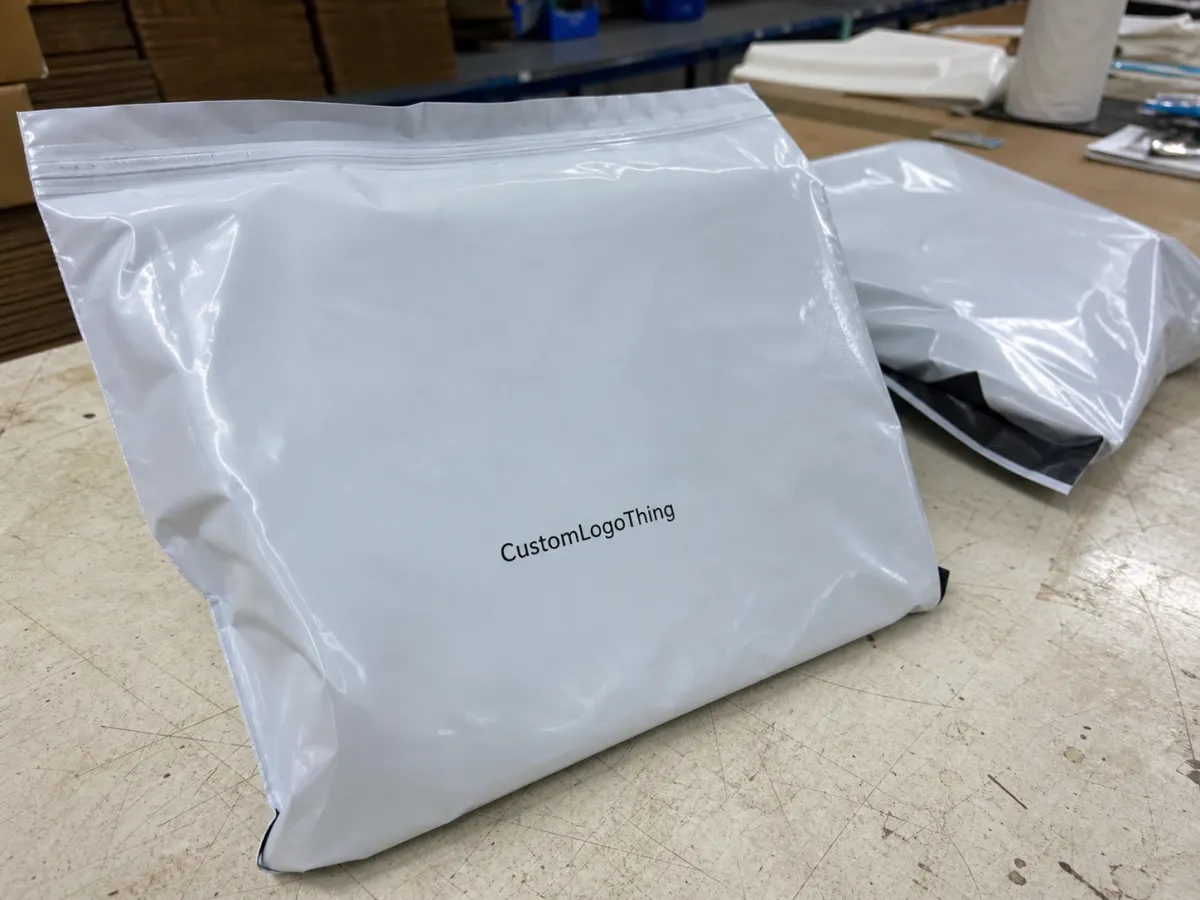
Most skincare shipments do not fail in the warehouse. They fail on the last mile. A carton can leave your building looking perfect and still arrive with damp edges, dented corners, or a label that looks like it lost a fight with a conveyor belt. That reflects on the brand, not on the carrier. Customers do not separate those things.
For light, low-friction products, a poly mailer is often the cleaner outer layer. It keeps the parcel slim, lowers dimensional weight, and speeds up pack-out because the team is not building a box with filler for something that does not need one. That matters if you are shipping sachets, sheet masks, accessory bundles, travel kits, or refill pouches that already have their own primary packaging.
There is also a practical margin point here. A smaller outer format can cut freight waste and reduce labor, but only if the bag actually fits. Oversized packaging looks sloppy and inflates shipping cost. Too-tight packaging can split seams or distort the seal. Neither option is clever.
A mailer does not need to be fancy. It needs to arrive flat, clean, and on brand. Everything else is decoration.
If your team is comparing options for a skincare brands Poly Mailers Bulk order, the real question is not “box or bag?” It is “what does the product actually need to arrive safely, cheaply, and in a way that still feels intentional?”
Film thickness, sizing, and seal options that actually fit skincare orders
Film choice usually starts with LDPE versus co-extruded film. LDPE is common because it is flexible, lightweight, and easy to print. Co-extruded film gives you more structure and often better tear resistance, which can help when a skincare order includes a bottle, a pump, or a bundle with edges that can catch.
Thickness matters, but more is not always better. Common ranges sit around 50 to 100 microns, or roughly 2 to 4 mil, depending on the market and the package load. A soft, flexible feel can be enough for flat items. Once you add awkward shapes or higher-value contents, the smarter move is usually a thicker spec rather than hoping a thin film will behave.
Sizing should follow the packed product, not the flat product photo. A bottle with a carton insert, a pouch with a sample card, or a kit with a folded leaflet takes more room than the SKU sheet suggests. For bundles and subscription refills, a gusseted format can help the bag sit better once filled without ballooning postage.
Seal choice affects both speed and trust. Self-seal adhesive strips are fast for fulfillment teams. Tamper-evident closures reassure customers that the parcel has not been opened. Double-seal options make sense for returns or reuse programs. If the contents are oddly shaped, a gusseted or expanded format usually performs better than forcing a standard flat bag to do an awkward job.
Opaque white, black, and custom-colored bags each solve a different problem. White hides most contents and prints cleanly. Black gives a sharper, more private look. Custom colors help the parcel read like part of the brand instead of a generic shipping bag. The tradeoff is simple: the more specialized the finish, the more carefully you should check the run cost and print visibility.
Print setup, branding finishes, and the details buyers forget
The best-looking mailers are usually the ones that do not try too hard. A one-color logo, a small repeat pattern, or a restrained full-wrap print can look more polished than a crowded design fighting the flexibility of the film. Heavy ink coverage adds cost, and flexible material can shift the artwork slightly once the bag is filled.
Finish matters too. Matte often reads more premium for skincare because it feels quieter and less promotional. Gloss can make color pop harder if the brand wants a bolder shelf impression at delivery. Neither is automatically better. The right choice depends on the product price point, the palette, and how much the company wants the outer mailer to do the selling.
Here is where buyers trip up: line weight, bleed, and safe zone. Fine text and delicate icons can disappear or blur on flexible film, especially on darker bags. A proof may look fine on screen and still fail on the finished material. That is why artwork should be checked on the exact bag size and print method, not on a generic mockup pulled from a folder.
Do not ignore the boring details. Recycle messaging, shipping labels, warning icons, and any required handling marks need space. If the design is crammed, the final bag looks cheap even if the print quality is fine. For packaging context and recycling basics, resources like EPA recycling guidance and The Packaging Association can help keep claims and terminology grounded.
If the order includes paper inserts or outer cartons, FSC claims should be checked carefully at fsc.org. Not every buyer needs that level of detail, but the ones selling into retail or subscription programs usually do.
Skincare brands poly mailers bulk order: cost, MOQ, and unit pricing
Unit price drops with volume, but not in a neat little line. That would be too easy. Size, film gauge, print colors, adhesive type, and whether the bag is stock or custom all move the number. A simple white mailer and a full-wrap printed custom bag are not comparable, even if they look similar in a quote box.
Typical pricing for custom poly mailers can sit anywhere from about $0.12 to $0.20 per unit for stock-style or lightly customized orders at higher volumes, then climb into the $0.18 to $0.45 range for custom sizes, heavier film, or more complex print coverage. If you need gussets, tamper-evident features, or specialty finishes, expect the top end to move higher. These are practical ranges, not a promise. The spec decides the final number.
| Option | Best for | Typical MOQ | Unit price range | Tradeoff |
|---|---|---|---|---|
| Stock white poly mailer | Fast launch, simple fulfillment | 500-1,000 | $0.12-$0.20 | Low cost, limited branding |
| One-color custom print | Logo-first skincare orders | 1,000-3,000 | $0.18-$0.32 | Good balance of cost and brand feel |
| Full-wrap custom print | Subscription kits, promo drops | 3,000-10,000 | $0.24-$0.45 | Higher setup cost, stronger visual impact |
| Gusseted or tamper-evident bag | Bulky refills, mixed bundles | 3,000+ | $0.28-$0.55 | Better fit, more material cost |
What drives the quote? Usually tooling for custom size, plate or setup charges, ink count, adhesive upgrades, carton configuration, and destination freight. That is why two suppliers can quote the same bag and still land in very different places. One may be selling the bag. The other may be selling the bag plus every extra line item they can justify.
MOQ deserves a blunt answer. Lower minimums help a launch test or a seasonal campaign. Larger runs make sense once the dimensions and print are proven. If the first run is going to sit in a warehouse for six months, do not chase a massive discount just because the per-unit price looks pretty. That is how brands end up buying inventory they did not need.
How the process and timeline work from artwork to delivery
The normal path is straightforward: brief, size confirmation, artwork review, digital proof, sample approval if needed, production, inspection, and shipment. The delays usually show up when a buyer sends a low-resolution logo, changes dimensions after the proof is out, or tries to approve the job while three people are still arguing about color.
For a typical custom run, samples may take about 5 to 10 business days depending on the spec. Bulk production often lands around 12 to 20 business days after proof approval. Add freight separately. Ocean, air, and domestic routes all behave differently, and a finished order can still be delayed by customs, route congestion, or delivery appointments. Production time and in-hand time are not the same thing.
If your product is fragile or expensive, ask whether similar packs have been tested under ISTA-style distribution checks. The International Safe Transit Association has useful guidance on transit simulation, and it is a better reference than guessing. ASTM references can also help frame expectations for film strength and impact, especially if the supplier is talking about performance without numbers.
Best practice is simple: get a working-back schedule before you pay. Lock the launch date, then count back through proofing, sampling, production, and freight. That is how you avoid last-minute panic and pointless express charges. For recurring programs, save the approved spec and print file so the next order does not restart from zero.
Specification checklist that prevents bad quotes and rework
If you want a clean quote, send the basics in one message. Bag width, length, film thickness, print colors, sealing type, quantity, and destination ZIP or port. That alone removes most of the back-and-forth. Add artwork as a vector file if possible, plus Pantone references if color matters more than “close enough.”
For skincare, fill dimensions matter more than flat dimensions. A 9 x 12 inch mailer may look right on paper and still fail once a glass bottle, leaflet, and insert card are inside. If the bag needs to fit a bottle, jar, sachet, or mixed bundle, send one sample product or exact packed measurements. Guessing is expensive. Measuring is boring. Measuring also works.
Ask for packaging specs too: inner pack count, carton quantity, pallet preference, and any retail labeling needs. If the order is going straight into fulfillment, say so. If it needs shelf-ready labeling or kitting, that changes the conversation. A clear brief usually saves more time than any rush fee can buy back.
Minimum quote inputs:
- Exact mailer size and fill depth
- Film thickness or desired feel
- Print method and number of colors
- Sealing style and tamper-evidence needs
- Quantity, delivery location, and target date
That is the difference between a usable quote and a vague number someone put together on a lunch break.
How to compare suppliers without paying for avoidable extras
The cheapest quote is often the most expensive order. I have seen that movie before, and it rarely has a happy ending. The supplier that saves you three cents on paper can cost you far more through color drift, weak seals, rework, or a delivery delay that pushes a launch date by two weeks.
Compare suppliers on the things that show up later: proof quality, response speed, consistency across repeat runs, packing standards, and honesty about lead time. If they are vague before the order, they are usually worse after the payment clears. A supplier who can reproduce the same size and print reliably is worth more than a one-off bargain that you cannot repeat.
Some upgrades are worth paying for. Premium matte film can improve perceived value. Stronger adhesive can reduce returns and transit openings. Higher-opacity film helps with sensitive contents. But do not buy every upgrade just because it is offered. Ask what problem each one solves.
Practical comparison rule: look at total landed cost, not factory price alone. Freight, sampling, damage risk, and repack labor all belong in the calculation. If you need recurring runs, check whether the supplier has a Wholesale Programs structure or the ability to match prior specs cleanly. For broader sourcing, our Custom Packaging Products and Custom Poly Mailers pages are a good place to compare formats side by side. You can also review Case Studies to see how spec choices affect the finished result.
Next steps for placing a bulk reorder without delays
Before you request pricing, gather five things: exact size, quantity, print concept, destination, and target in-hand date. That is enough to get a useful first quote without dragging the project through four rounds of clarification emails.
If the mailer will carry a fragile bottle, a refill pouch, or a kit with inserts, order a sample or proof first. A flat render is not a packing test. It tells you almost nothing about real-life fit. Repeat buyers should save the approved spec sheet, artwork file, carton count, and seal type so the next run matches the first one without rework.
Here is the clean buying sequence: confirm the spec, compare landed cost, review the sample, approve the timeline, then place the skincare brands Poly Mailers Bulk order. That order of operations is dull, but it saves money and keeps the packaging from becoming a brand problem.
What size poly mailers do skincare brands usually order in bulk?
Most brands choose based on the largest packed item, not the bottle alone. Single-sku sample packs often fit smaller mailers, while kits and bundles usually need a wider flat bag or a gusseted option. Ask for a recommendation using the actual product dimensions so inserts and padding do not force a last-minute reorder.
Can skincare brands poly mailers bulk order be printed with a logo and care message?
Yes. A short care line, logo, and website usually work better than cramming too much copy onto flexible film. If color accuracy matters, request a proof with the exact print method and film finish before production. Clean and simple usually ages better than busy.
What is a normal MOQ for custom skincare mailers?
MOQ depends on size, print complexity, and whether the bag is stock or custom-made. Lower MOQs help with launch testing, but larger runs usually produce a better unit cost once the format is locked in. If you need multiple sizes, compare each one separately because the MOQ can change by spec.
How long does production usually take after artwork approval?
Timing depends on whether you need a sample first, how many print colors are involved, and whether the supplier already has the right film in stock. Bulk production is faster when artwork is final and every spec is listed up front. Freight time is separate from production time, so confirm both before promising an in-hand date.
What should I send to get an accurate quote fast?
Send the bag dimensions, quantity, print colors, film thickness, sealing style, and shipping destination. Attach a vector logo or high-resolution artwork file plus any Pantone references if color matching matters. If the bag needs to fit a bottle, jar, or kit, include the packed product size so the quote is based on reality, not guesswork.


