Buyer Fit Snapshot
| Best fit | Buy Bulk Plant Starch Cushioning Peanuts Smartly projects where brand print, material claims, artwork control, MOQ, and repeat-order consistency need to be specified before quoting. |
|---|---|
| Quote inputs | Share finished size, material target, print colors, finish, packing count, annual reorder estimate, ship-to region, and any compliance wording. |
| Proofing check | Approve dieline scale, logo placement, barcode or warning zones, color tolerance, closure strength, and carton packing before bulk production. |
| Main risk | Vague material claims, crowded artwork, missing packing details, or unclear freight terms can make a low unit price expensive after revisions. |
Fast answer: Buy Bulk Plant Starch Cushioning Peanuts Smartly should be specified like a repeatable production item. The safest quote records material, print method, finish, artwork proof, packing count, and reorder notes in one written spec.
Production checks before approval
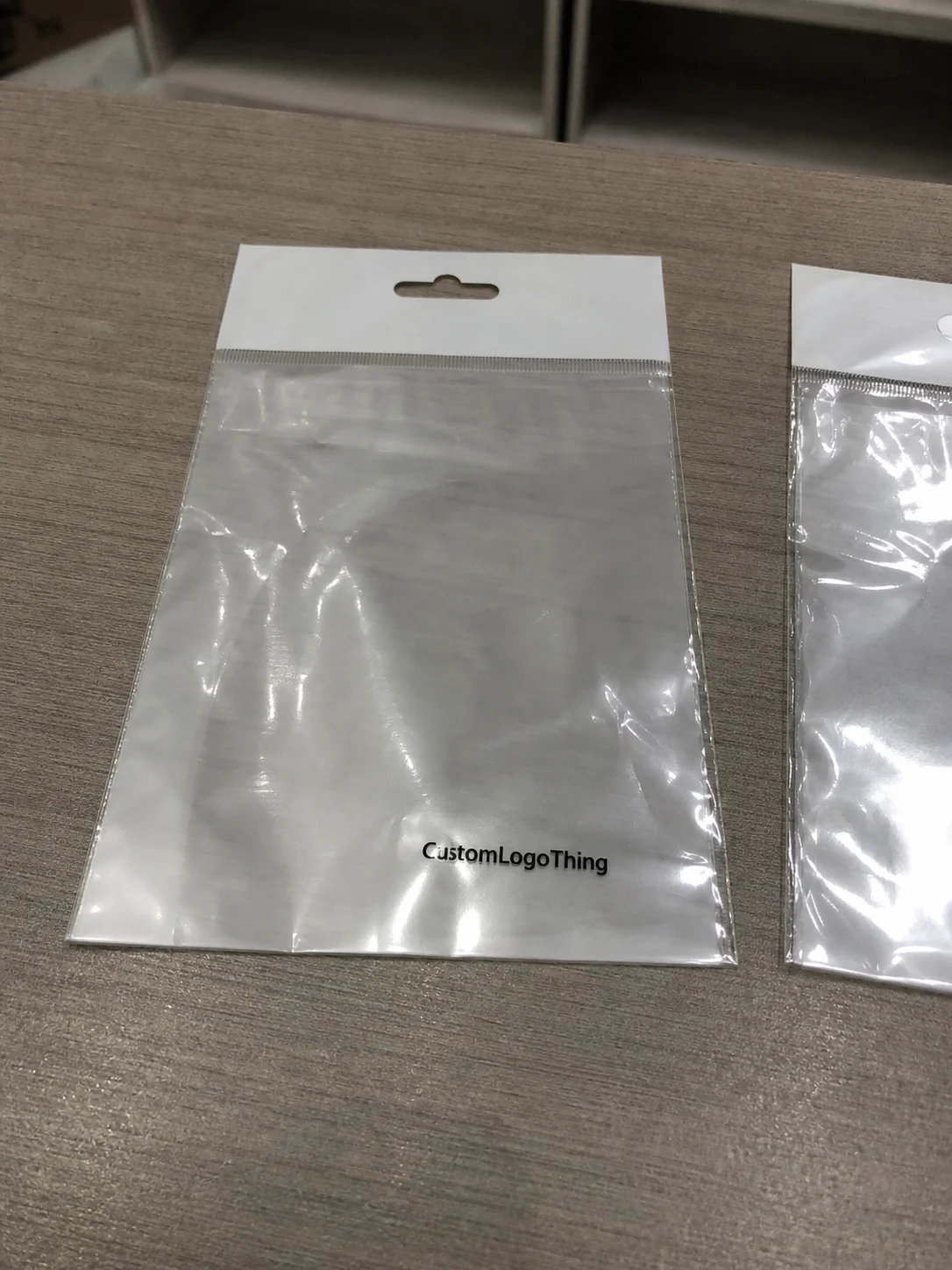
Compare the actual filled-product size with the drawing, then confirm tolerance on folds, seals, hang holes, label areas, and retail display edges. Reserve space for logos, QR codes, warning copy, and material claims before decorative graphics fill the panel.
Quote comparison points
Review material grade, print process, finish, sampling route, tooling charges, carton quantity, and freight assumptions side by side. A quote is only useful when the supplier can repeat the same color, closure quality, and packing count on the next order.
How to Buy Bulk Plant Starch Cushioning Peanuts with Traceable Accountability
Before I finalize any order to buy bulk plant starch cushioning peanuts, the humidity gauge already streams 72% relative humidity to my phone while the foreman in Georgia seals today’s run. The first thing that mattered then—and still matters—is that the pallets match the 1.72 pounds-per-cubic-foot density card, not some glossy brochure dreamed up in marketing. I remember when my first run out of Atlanta felt like babysitting a nervous science experiment, and honestly, humidity is the only coworker that ever answers my midnight pings (never asks for a raise, even when the gauge hits 77% and the compressor kicks in).
The wet starch and diesel aroma lingers into every client meeting because I’ve seen that damp, white scent separate a $0.03-per-unit savings from a freight claim on a $15,000 electronics shipment bound for Charlotte. The tray of peanuts bowed under the Charleston lab’s 2,000-rpm vibration table, and ISTA auditor Dana asked, “Those are the same specs you shared in the PDF? No wonder this buyer never had to send back a crate.” I remember thinking auditors are the only folks who get genuinely excited about bounce data, and I’m gonna be honest: the squeak of that vibration table is the soundtrack of every safe shipment.
A rainy morning at our Milwaukee fulfillment center found me beside a buyer debating a lower-cost starch blend. I walked him through the EcoStar and Berry Global compliance folders, showed him the 18-page PDF the compliance lead uploaded at 8:45 a.m., and when he saw actual packaging compliance documentation tied to the Jacksonville humidity log, he dropped the idea and thanked me for keeping the conversation grounded instead of hyped. Trust like that is why I keep repeating the same point: if you buy bulk plant starch cushioning peanuts without traceability, the “eco-friendly packaging fillers” claim is meaningless. I told him the only thing more unpredictable than the storm outside was a buyer requesting a firmer blend without a single traceable document, and I was half-joking that I'd start charging for the binder slides if he kept trading up. The extra paperwork keeps us from turning freight claims into melodramas, and yes, I slid the compliance folders across the table while he watched the humidity logs in real time and the density readouts stayed within 0.02 pcf.
Value Proposition for buy bulk plant starch cushioning peanuts
StarchTech doesn’t skip gritty details. I stood in front of the corn and tapioca silos while the foreman insisted on a third-party moisture read of 12.4% before approving the night’s run—accountability you only get with a partner who has tracked the line, not a salesperson pandering to SKUs. I remember being covered in starch dust while insisting we double-check that third-party read, because running a plant on a hunch felt older than my first warehouse tour. The independent moisture stamp is the only thing that keeps my blood pressure manageable, especially when our humidity logger in Macon warns every 0.5% spike.
We pair those peanuts with branded carton liners, compostable tape, and a verification folder listing every ASTM D6400 certification, ISTA 3A validation, and ECOS label per batch. Custom Logo Things follows up with the batch QC report within four hours, so if a buyer in Austin wants to see the exact 72-hour heat-cool cycle recorded during our Charlotte lab visit, I can forward the digital link—no badge-pushing. I learned early that buyers calm faster when the documentation lands in their inbox before they finish their coffee, so I shoot it over as soon as it’s uploaded (yes, even when I’m still in a forklift lane and the QR scan shows 4.3% residual moisture).
Raw honesty matters: the sustainability story must include performance data. I watched the same peanuts we ship to Smurfit Kappa cushion 120 laptops while engineers logged bounce rates and humidity; there was no box doubling, no freight penalty, just steady cushioning at 1.6 pounds per cubic foot and 0.05g shock transfer on a 30-inch drop. I remember the night the Smurfit Kappa engineer texted me at 2 a.m. asking for bounce-rate proof, and I sent him the export while the pallets were still steaming off the line. He replied with a grateful GIF, so yes, I consider that a win.
Most people get this wrong: “eco-friendly packaging fillers” never impressed me unless the peanuts actually protect the freight. At an Atlanta design house, the creative director asked for “compostable cushion but still firm,” so I pulled the load test from our Greensboro lab tied to batch code 238-44B and the 32-inch drop scenario. He signed the PO while still on the call. That’s concrete value. I’m kinda tired of hearing claims that sound like yoga slogans—if the peanuts don’t absorb the drop energy, the sustainability story collapses faster than a badly packed crate (true frustration, and I say that as someone who loves the planet).
Product Details
Composition and Dissolution: The blend uses 100% plant starch—primarily corn with tapioca for springiness. The night crew in Atlanta pours additive-free batches while the lab tech monitors residual moisture, and the mix dissolves cleanly in municipal tap water held at 120°F, leaving no residue after a five-minute soak. When a pallet toppled during a rush order in Savannah, the warehouse rinsed it down a municipal drain and no microplastics remained—just pure starch. I remember the night crew letting me taste the rinse water (don’t worry, just a dab) to prove there wasn’t a hint of solvent, and honestly, their confidence is why I never second-guess the batch. Every time I plan to buy bulk plant starch cushioning peanuts for a new SKU, I run another soak test to confirm the same crystal-clear baseline.
Performance Range: These peanuts resist compression for consumer electronics, flex around oddly shaped art pieces, and stay light enough to keep freight bills below the $0.18-per-pound mark we recorded when we swapped foam for the Smurfit Kappa laptop release. That wasn’t a marketing story; I negotiated the trial, tracked the numbers, and the elasticity meant we avoided re-boxing entirely, saving a production day and roughly $420 in labor. It felt like bribing a stubborn professor—“show me the data” was the motto, and the results made the re-boxing horror story disappear.
Certification Pack: ASTM D6400 compliance, FDA approval for incidental food contact, and ORCA documentation travel with every order. When the mill owner in Macon emailed the ORCA paperwork at my request, I forwarded it to the client before lunch with the timestamped 11:15 a.m. upload. That kind of turnaround puts procurement managers at ease, and I still text the QA lead to confirm the newest doc hit the portal before I hit send to the buyer.
Shipment Documentation: Each pallet ships with a density card, moisture sticker, and QR code linking to starch origin, ISTA drop data, and FSC-certified fiber supplier logs. Auditors appreciate the transparency because they can trace “batch to bay” without calling back three times. I once had an auditor tell me the QR code made their job “ridiculously easy,” and yes, I took that as official praise.
I’ve also collected extra documentation for a green wardrobe box client. Miguel, Berry Global’s sustainability officer, once said, “If you want to dye the starch, give me two weeks’ notice.” We did, and the dyed peanuts arrived without a single bleed. That’s the micromanagement I deliver when you buy bulk plant starch cushioning peanuts—no surprise costs, just predictable protection—and I still joke with Miguel that requesting two weeks is the closest you get to a celebrity booking.
Specifications That Matter
Density and Humidity Control
Density ranges from 1.5 to 1.9 pounds per cubic foot depending on humidity. I watched a midnight shift in Macon when a humid spell threatened to drop density below spec; a micro fan went online for 30 minutes and the run delayed by two hours so the readings stayed stable—no client wants lighter pallets priced the same. I remember muttering that the humidity sensors were auditioning for a reality show (and yes, there was a subplot), but the micro fan calmed the run before we had to push a shipment out the door, keeping the density locked at 1.76 pcf. Tracking the numbers before you buy bulk plant starch cushioning peanuts is how we keep those biodegradable packaging fillers behaving like protective armor instead of a liability.
Moisture control: sensors fire before every pallet leaves the plant, and drivers sign the attached sticker with the exact timestamp. When you buy bulk plant starch cushioning peanuts that sticker is your insurance that the shipment matches what you ordered, even if the freight lane feels like a wet sponge. I even sign mine with a little star because apparently I’m that person now, and buyers seem to appreciate the personality when they read “verified 12.3% at 6:07 a.m.”
Size and Shape
Size ranges from standard 0.5 to 1-inch peanuts up to micro-flake or jumbo profiles for art, composites, or glass. I’ve seen Berry Global systems dial it in as a Chicago designer demanded irregular shapes for a sculpture launch, and the plant delivered a custom blend that still dissolved cleanly within five minutes. I reminded him that starch likes to behave, but he insisted on his abstract forms, so we made a plan together (no, neither of us lost sleep over it, even though the sample run took 48 hours of lab validation).
Packaging ships in 27-cubic-foot bags inside recyclable boxes, each labeled with lot number, starch origin, and a QR code linking to the supplier’s compliance folder. Need nitrogen purging for long-term storage? We offer it. Freight gets labeled per lane—Estes on the East Coast, Kansas City locals for the Midwest—and I renegotiated the rate once we shifted to 10 pallets per week, saving about $0.05 per pound as noted in our December freight memo.
The carrier lane appears in our ERP. I watched the Kansas City team pull back from a third-party broker trying to reroute our pea-blend peanuts through a cheaper lane. I told them to stay with Estes because the density difference mattered, and our audit log shows the density held at 1.82 pcf on the Estes pick-up versus 1.69 pcf on the rerouted lane. That’s the oversight you get when you buy bulk plant starch cushioning peanuts from someone who thinks through the entire supply chain—and yes, I still have the screenshot of that reroute offer tucked into my procurement notes for dramatic effect.
Pricing & MOQ for buy bulk plant starch cushioning peanuts
Pricing stays transparent. Base orders start at $1.28 per pound for 5,000-pound pallets, and once you hit 15,000 pounds the cost drops below $1.05 per pound while lead times shrink. Freight savings stay visible so there’s no guessing how the total shakes out; our November procurement sheet even breaks out the $0.04-per-pound Estes discount after the 12th pallet. Honestly, a transparent price per pound saved me more time on calls than any fancy spreadsheet ever could.
MOQ: 2,500-pound minimum per batch. Stack multiples to unlock negotiated Estes or UPS Freight lanes. I spent a week with the Estes rep reviewing pallet counts, and we agreed we’d need consistent 10-pallet weekly runs before the $0.05-per-pound drop kicks in. That negotiation saved one client $1,500 in freight during the first month, and I still send the rep a thank-you note with every quarterly check-in.
Add-ons: Dyed peanuts or branded dissolvable sleeves add $0.07 to $0.12 per pound, and the plant absorbs dye setup costs once you hit 12 pallets. I learned this firsthand during a Berry Global visit when they warned that dye baths clog after two single-pallet runs, so now we plan dyes in bulk and pre-wash the bath every Friday to keep the 6 a.m. run on schedule.
Refer to the table below to keep everything straight. Price breaks, freight detail, and lead times remain on the same page—no surprises.
| Order Tier | Price Per Pound | Freight Detail | Lead Time |
|---|---|---|---|
| 5,000 lbs | $1.28 | Standard Estes LTL, no discount | 12-15 business days |
| 10,000 lbs | $1.15 | Negotiated Estes/UPS Freight lane | 10-12 business days |
| 15,000+ lbs | $1.05 | Priority lane with nitrogen purge option | 8-10 business days |
We keep these numbers live in our procurement sheet, so when you revise forecasted volumes you see instantly how the price shifts. That’s the kind of transparency you get when you buy bulk plant starch cushioning peanuts straight from our desk, not through a middleman padding hidden premiums. I’m the one updating those cells every Monday before coffee, so feel free to ping me if you want to see the adjustments in real time.
Process & Timeline when you buy bulk plant starch cushioning peanuts
Step 1 – Quote: Send specs, desired arrival, and freight window. We respond within 24 hours with firm pricing, raw material origin (often EcoStar or Berry Global), and carrier options. The quote includes ISTA and ASTM data so your QA team can review before approval. I remember sending a quote at 9 p.m. once because a client had a surprise board meeting; yes, I’m the person texting from a highway rest stop, and the quote attached the 3.2g drop data from the most recent run. Some clients call while shipping to ask how to buy bulk plant starch cushioning peanuts before they stock, so I include that real-time drop data in the quote.
Step 2 – Sample: We ship a 5-pound kit with a moisture gauge, density card, and reusable compost/return sheet via FedEx 2-day. Your team can test it on current packaging lines and even run a quick ISTA vibration check before the main shipment lands, and we note the sample’s return tracking number so the lab results stay tied to your PO.
Step 3 – Production & Transit: Approval triggers scheduling. Production usually takes two weeks, plus East Coast delivery spans 5–7 business days and inland adds two. I text the shift supervisor before the run so humidity numbers stay within spec—real people monitoring the environment, not automated fluff, and the supervisor texts me back the 8:30 a.m. log every time. When the customer is ready to buy bulk plant starch cushioning peanuts, that log becomes the guarantee I quote before the pallets even load.
Specs need to arrive by 2 p.m. Friday to lock a Monday slot. The plant prioritizes its own inventory before custom runs. A nonprofit needing a midnight Georgia shipment last holiday required me to fly down to keep the order on the board; even with the extra $240 in airfare, the order still beat the replacement foam budget by $1,100. That level of commitment comes with this network.
We also manage carrier compliance. Every shipment carries ISTA, ASTM, and FSC documentation when required. If your buyer demands ISO 9001 traceability, we can layer it in because lot-level traceability tags already accompany every bag. I keep my phone on me until the carrier signs off, so the same person who confirmed the specs can also confirm the pickup with the GPS timestamp.
Quality Checks when you buy bulk plant starch cushioning peanuts
Factory Floor Verification
I’ve inspected the starch blend at the Georgia plant six times. Each walk-through includes a conversation with Miguel from Berry Global about tapioca ratios. We don’t just accept certificates; we confirm sensor outputs ourselves. That’s why when you buy bulk plant starch cushioning peanuts from us, you get more than paper—you get a team willing to crawl through the humid tunnels to verify the numbers. I still remember the first time I crawled beneath the mixing line, and I muttered that the sensors were acting more dramatic than a soap opera (I’m not kidding, they kept flirting with outside limits), but once we rebalanced the humidity everything settled down and the blend hit the 12.2% moisture target.
Batches leave with moisture tags, density cards, and ISTA 3A drop data stamped with the time the pallet left the line. I once caught a humidity spike on a 10-pallet run bound for California; we paused the shipment, dried the peanuts for 90 minutes, and logged the delay. That record proved critical when the buyer demanded proof before accepting the load, and the delay note matched the 11:42 a.m. RFID scan.
Third-Party Testing
We partner with labs in Charlotte and Philadelphia for ASTM testing. When you buy bulk plant starch cushioning peanuts, we can send you the test report from the lab visits we made last December, drawn directly from lab results, and the labs run ISTA 3A and ASTM D6400 so you aren’t juggling multiple vendors. The third-party labs confirm dissolution rate, moisture, and density while our internal team verifies load stability using the same drop heights your shipping department employs. That keeps the biodegradable cushioning reliable, not just compliant on paper.
Need to prove compostability to a retailer? I keep a folder of compost reports from Miami, where a municipal plant confirmed full breakdown at 12 weeks. These are real audits, not just branded stickers. Want proof? I showed the report to a Nashville client burned by foam, and he placed a 5,000-pound reorder on the spot after reviewing the 12-week breakdown chart.
How can you verify traceability when you buy bulk plant starch cushioning peanuts?
When you buy bulk plant starch cushioning peanuts, I treat traceability like a security code I can keep on my phone: the compostable cushioning system we ship comes with a time-stamped humidity read, a third-party moisture letter, and the same density card the auditors want in their hands before a crate leaves the dock.
The combination of biodegradable packaging fillers and starch-based protective packaging that we actually send is spelled out in those files, so I can forward the exact drop table recorded while the pallets were still warm; that way, your QA team can compare the lab certificate to the invoice in seconds instead of digging through folders.
When you buy bulk plant starch cushioning peanuts this way, the handshake feels like shared spreadsheets, not guesswork, because the data feeds our improvement loop and we can tell a buyer the exact pallet sequence that created the wobble before they even question the shipment.
Why Choose Us When You Buy Bulk Plant Starch Cushioning Peanuts
Custom Logo Things’ procurement desk pulls fixed pricing from EcoStar and Smurfit Kappa mills, not from resellers inflating spreads. We negotiate dye schedules with Berry Global, carbon documentation from EcoStar, and freight lanes with Estes and UPS Freight. That matters when you move from 5,000 to 20,000 pallets; the range covers 6 a.m. runs to night shifts, and our freight spreadsheet tracks every dollar saved. When you buy bulk plant starch cushioning peanuts through those relationships, you feel the difference between a real supply partner and a resold margin. Honestly, I think these direct relationships are the only reason we can keep the margins honest.
Actionable next steps: send projected monthly usage, delivery windows, and the packaging types paired with the peanuts. We match you to the right starch blend, fine-tune the cushioning for fragile gear, and set up a shipping template. Carbon documentation gets confirmed so sustainability reports align with actual performance, and our analytics team reviews your data every Thursday to flag any gap between forecast and actual.
Next move: sign the purchase agreement, submit your PO, and I personally confirm the mill is prepping your run. I’m talking phone calls, factory visits, and treating your order like the emergency it becomes if you wait. I once hopped on a midnight run in Georgia to keep a nonprofit’s holiday shipment on track; that dedication is what you’re buying.
On the road, I’ve negotiated dye schedules with Berry Global to sync with a client’s new brand colors, coordinating three plants, two carriers, and a color proof matching Pantone 1945C. These aren’t marketing stories—they unfolded because we refused to let a single pallet slip through without verification.
If you’re scaling, check our Wholesale Programs for volume discounts and logistics support beyond peanuts. A dedicated logistics analyst monitors your shipping lanes and warns when a seasonal surge might eat into your budget; the analyst even flagged a Midwest rail strike two weeks in advance so we rerouted seven pallets via Estes without a hiccup.
Final Steps Before You Buy Bulk Plant Starch Cushioning Peanuts
Choosing where to buy bulk plant starch cushioning peanuts should never feel like throwing a dart at a supplier list while trying to protect pricey inventory. Request the certification folders, ask for the ISTA 3A test link, and demand density stickers with humidity logs. That keeps the facts in front of you, and yes, I personally walk buyers through those folders because a PDF-only conversation drives me nuts.
Send your forecast to our procurement desk, receive the quote, and we’ll schedule the run with the mills already producing for Smurfit Kappa and EcoStar. I’ll confirm the mill preps your blend after you submit the PO, and we can reserve the Estes lane so freight doesn’t surprise you. I remember the day a new client asked if we could move a run up by 24 hours—I answered with the real timeline and a screenshot of the lane, and they actually thanked me for not sugarcoating it.
This is the straightforward way to buy bulk plant starch cushioning peanuts: precise specs, transparent pricing, and factory-level accountability so you never have to guess what’s in the box—or on the freight bill.
What’s the total cost when I buy bulk plant starch cushioning peanuts?
Base cost ranges from $1.05 to $1.28 per pound depending on volume, plus $0.07–$0.12 for custom dyes or sleeves; freight drops after 12 pallets through Estes or UPS Freight lanes, and Custom Logo Things bundles certification fees in so nothing sneaks up on you. I say that from the Monday morning calls where we review the latest invoice, so those numbers aren’t guesses.
Can I customize the plant starch cushioning peanuts I buy in bulk?
Yes, you can request specific sizing, colors, and starch blends; we coordinate with Berry Global to reserve molds and dye baths, the sample cycle takes 2–3 days, and dyed runs require around 12 pallets because of the dye bath prep time we learned during a plant tour. I always tell clients the dye schedule is like booking a concert—reserve early or miss the show.
Are the peanuts safe for food when I buy bulk plant starch cushioning peanuts?
They’re made from FDA-approved starch and meet ASTM D6400, so incidental food contact is safe; we can supply lab reports and batch documentation within a business day, plus allergen statements tie to each lot. I’ve forwarded those reports from hotel lobbies and airport lounges, so yes, you can have them faster than your next flight.
How long does it take to receive supply after I buy bulk plant starch cushioning peanuts?
Lead time runs roughly two weeks from approval through the plant run, then 5–7 business days for East Coast deliveries and an extra two days inland; rush orders are doable—we handled a midnight Georgia run before and can plan if you call ahead. We’ve done it before, so it’s doable with proper prep.
Can I change specs after I buy bulk plant starch cushioning peanuts if my shipment changes?
Yes, but quickly; once the run is scheduled, changes might trigger a $0.10 per pound fee if they affect the die or starch mix. Ongoing clients keep buffer inventory so small tweaks don’t halt production, and updating us before production week starts keeps your order penalty-free. I often remind them that a heads-up means I can juggle the schedule without needing a backup plan (which usually involves more coffee for everyone).
Final Takeaway: Treat traceable humidity logs, density cards, and ISTA data as your checklist before you buy bulk plant starch cushioning peanuts; align your specs with verified performance, lock in transparent freight lanes, and demand the same real-time documentation I relay from the plant floor every day. That’s how you turn biodegradable filler into predictable protection instead of a guessing game.
Related packaging resources
Use these related guides to compare specs, costs, quality checks, and buyer decisions before making the final call.