A cap can do something most inserts cannot: it keeps showing up after the box is gone. That is why Custom Embroidered Baseball Caps for subscription boxes often feel more valuable than another disposable bonus item. Stitching adds texture, structure, and durability, so the subscriber opens the box, likes what they see, and keeps wearing it.
For buyers, the cap is not just merch. It is part of the kit system. Crown height, closure type, foldability, and carton depth all affect how the item ships and how polished it looks on arrival. A cap that works in a mockup but crushes the insert stack is a packaging problem, not a premium touch.
Why embroidered caps make a subscription box feel like a gift
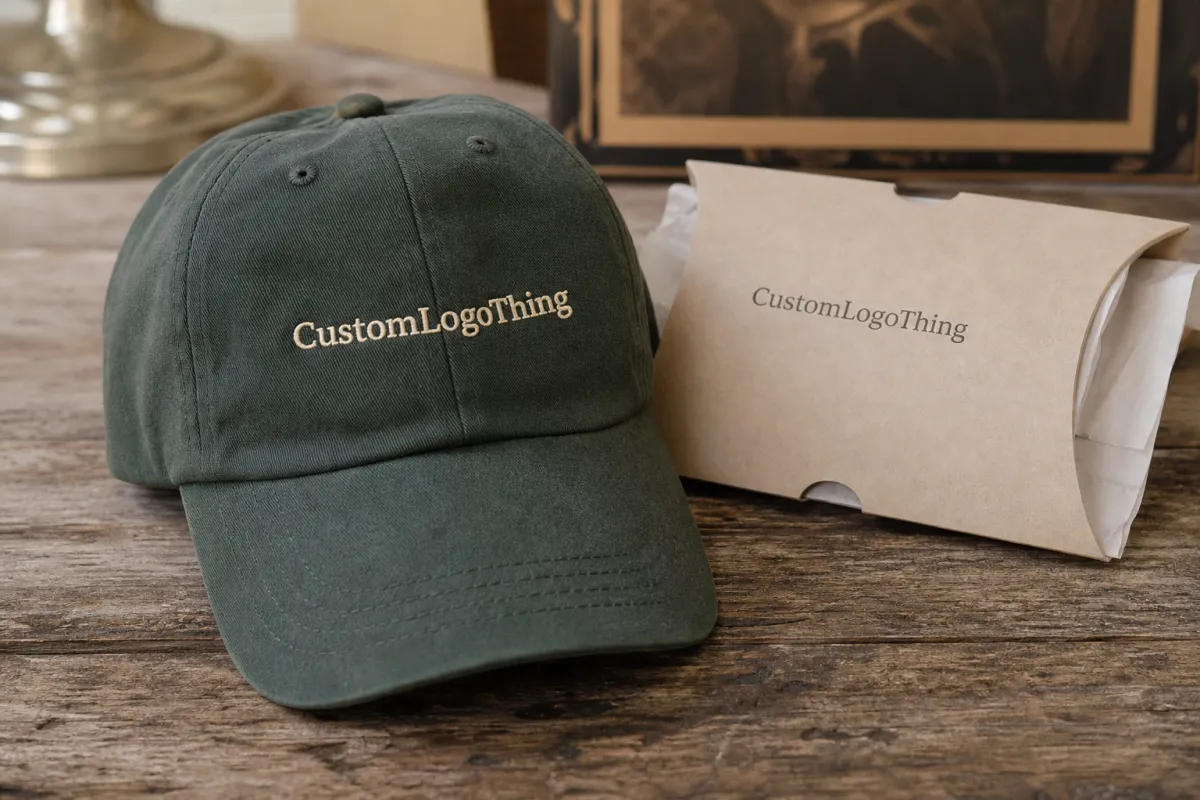
Throwaway extras are easy to ignore. A well-made cap is not. It gets repeated wear, which gives it more impressions than a flyer, sticker sheet, or one-time promo item. A logo on a hat can be seen on errands, while traveling, and during everyday use for months.
Embroidery also changes perceived value. Thread has depth, and a structured front panel gives the logo a cleaner edge. Even a simple one-color mark can look finished if the cap body, stitch count, and placement are handled well. That tactile difference matters in a subscription box because the item feels selected rather than filler.
Restraint usually works better than overdecorating. One strong placement, clean thread colors, and a silhouette that fits the audience often outperform a busy design with too many touches. The goal is a cap people actually wear, not one that only looks good in a deck.
How the production process and timeline usually work
Embroidery has a predictable flow: logo review, digitizing, proof or sample approval, bulk production, quality check, and packing. Clean artwork and standard stock styles move fastest. Revisions, small text, or multiple decoration points stretch the schedule.
Digitizing is the step first-time buyers often miss. An embroidery machine needs a stitch map, not just a logo file. That means vector art, clear placement notes, and realistic expectations about line thickness and small details. Thin lettering and crowded seals can look fine on screen and still fail on fabric.
A practical schedule usually looks like this:
- Mockup review: 1-2 business days
- Digitizing and thread matching: 1-3 business days
- Sample or proof approval: 3-7 business days, depending on revisions
- Bulk production: often 12-18 business days after approval
- Freight and fulfillment handoff: depends on destination, carton count, and service level
That timeline should be built backward from the kitting date, not the launch date. Subscription boxes often compress at the end, so the caps need room for inspection, count verification, and any rework. If the box is shipping on the 20th, ordering on the 15th is not a plan.
A cap only helps the box if it arrives on time, matches the approved sample, and still holds shape after transit.
Shipping protection matters too. A structured front panel can survive ordinary handling, but it still needs a carton layout that avoids hard pressure on the crown or brim. For teams that want a technical benchmark, ISTA methods and ASTM D4169 are useful references for vibration and compression testing.
Cost, pricing, and MOQ basics you should budget for
Pricing usually comes down to cap style, fabric, front-panel construction, stitch count, thread colors, closure type, and any extra decoration. Add side hits, woven labels, 3D puff, or custom body details and the quote moves up. Embroidery is setup-heavy work, so the first units carry more of the labor burden.
MOQ is the other piece buyers need early. Many stock-cap embroidery programs start around 48 to 100 pieces. More customized body programs can start at 144 or higher. Smaller orders usually cost more per cap because setup is spread across fewer units.
| Cap option | Typical MOQ | Common unit range | Best use |
|---|---|---|---|
| Stock structured cap, flat embroidery | 48-100 | $4.25-$7.50 | Simple logo, broad appeal, tighter timing |
| Unstructured cap with one-color embroidery | 48-100 | $4.75-$8.25 | Lifestyle box, softer look, casual wear |
| Performance blend cap with multiple placements | 100-300+ | $5.50-$9.50 | Active, travel, outdoor, higher utility |
| Premium body with patch or 3D puff | 100-300+ | $6.50-$12.00 | Higher-end kits and retail-style subscriptions |
Compare quotes on a landed basis, not just the unit price. Sample charges, freight, packing, and replacement allowance belong in the real number. For brands managing the hat alongside other kit components, the mix on Custom Packaging Products can help align the cap with the rest of the package.
A small contingency buffer is wise. For recurring subscription programs, 3-5 percent is often enough to cover spoilage, late replacements, or damaged units. If the line is moving multiple SKUs at once, that buffer matters even more.
Which cap styles, fabrics, and embroidery details hold up best
Structured caps usually give the cleanest embroidery result because the front panel has enough body to hold the design. Unstructured caps feel softer and more casual. That can be right for a lifestyle box, but the logo may not sit as crisply. The best choice depends on how the subscriber should wear it after unboxing.
Cotton twill remains a dependable default. It takes stitching well, breathes comfortably, and feels familiar to most wearers. Brushed cotton has a softer hand. Performance blends dry faster and handle sweat better, which makes them a better fit for outdoor or active audiences.
Decoration choice changes both appearance and packing behavior. Flat embroidery is versatile and low-profile. 3D puff creates stronger shelf presence, but it works best with larger letters and simpler shapes. Side hits, back embroidery, and small woven patches add detail, but each extra placement increases cost and makes the cap harder to pack neatly.
Fit and closure matter more than many buyers expect. Low-profile caps tuck into tight cartons more easily. Higher crowns can look more premium, but they need space. Snapback, buckle, and Velcro closures each create different wear and packing behavior, so a sample should confirm how the closure sits, not just how the logo looks.
Step-by-step plan for ordering caps that fit your box schedule
The cleanest ordering process is simple: define the audience, pick the cap body, confirm logo placement, request a sample or proof, approve the production details, and release the bulk order. That sequence cuts down on guessing and rework.
Subscription timelines work best when the cap is built around the kitting deadline. Leave time for approval, transit, count verification, and corrections. One week of cushion is useful. Two weeks is better when the program is new or the art is complex.
Before asking for a quote, gather the details that actually change production:
- Cap style and profile height
- Forecasted quantity and repeat order estimate
- Brand colors, Pantones, or thread references
- Logo placement, size, and number of decoration hits
- Preferred closure and fit range
- Ship-to address and kitting destination
- Carton size limits inside the box design
That last point is easy to miss. A cap that looks perfect in a presentation deck may still fail in the box if the brim crushes the insert stack or the crown pushes against the lid. The most efficient programs treat the hat, the insert, and the outer carton as one package.
Common mistakes that drive delays, extra charges, or mismatched inventory
One of the fastest ways to lose time is approving artwork before checking stitch limits. A logo can look balanced on a screen and still fail in embroidery because the letters are too small, the detail is too tight, or the stitch density is too high. If the supplier flags a risk, handle it early.
Skipping a physical sample is another common miss. Thread color shifts under different lighting. Crown depth looks different in person. A closure that seemed fine in a render may feel awkward on head. For subscription box inserts, those details matter because the item needs to satisfy the buyer and the end subscriber.
Inventory planning causes trouble too. Some brands underorder by a few dozen pieces and end up scrambling for replacements. Others overbuy before fit and packing are confirmed. A better approach is to confirm the sample, lock the forecast, and keep a small reserve for damages or mispacks.
Shipping geometry deserves attention as well. A cap that survives retail packing may arrive crushed in a thin mailer if the brim and crown are not protected. Good packaging design prevents most of that. If the packaging story includes lower-impact materials, FSC-certified board is worth considering for inserts and carriers.
Expert tips for kitting, packaging, and brand presentation
The strongest kits are designed around the cap instead of around whatever is easiest to source. A muted hat can sit well in a bright carton. A bold cap may need a quieter box so the whole package does not feel overloaded. Good Custom Embroidered Baseball Caps for subscription boxes should complement the rest of the kit, not compete with it.
Temporary shape support helps if the cap is premium or the shipper is tight. Some teams use tissue, a neat fold, or a small insert card to hold the crown. The goal is not to overstuff the box. It is to let the subscriber open it and see a clean shape immediately.
A short care note can improve the experience too. A line about reshaping the crown, spot-cleaning the fabric, or breaking in the fit gives the subscriber confidence. Restraint usually reads as quality, and a simple, coordinated system of materials makes the shipment feel considered instead of noisy.
Next steps for sampling, approval, and replenishment planning
Start with a short brief: cap body, target budget, logo placement, and monthly quantity. That is enough for a supplier to quote the right path without guessing. Then ask for a decorated sample or proof and check three things closely: embroidery quality, fit, and how the cap sits inside the box.
From there, build a replenishment plan. Subscription growth rarely stays flat, and seasonal spikes can arrive quickly if a box gains traction. A smart forecast includes the next refill window, replacement inventory, and a reserve for damaged or mispacked units.
Once the sample is approved and the box fit is confirmed, lock the final count before production is released. For brands that want the cap to feel like part of a larger retail packaging system rather than a loose add-on, this is the point to align it with the carton, the insert, and any other Custom Packaging Products in the kit.
Why are embroidered baseball caps a smart add-on for subscription boxes?
They feel more premium than many flat promotional items because embroidery adds texture and permanence. They also keep the brand visible long after the box is opened, which extends the value of each shipment. They work especially well for lifestyle, outdoor, sports, travel, and casual apparel boxes.
How many custom caps should a subscription box program order first?
Start with the launch quantity plus a small buffer for replacements, samples, and spoilage. If the program is new, avoid overbuying before fit, artwork, and packing performance are confirmed. For recurring programs, align the first order with the forecasted subscriber count and the next refill window.
What affects the price of embroidered caps for box inserts?
The biggest drivers are cap style, stitch count, number of thread colors, and any extra branding details. MOQ and order volume matter because setup costs are spread across more or fewer units. Freight, kitting prep, and sample approval should be included when you compare quotes.
How long does custom cap production usually take?
The schedule depends on digitizing, sample approval, bulk stitching, finishing, and shipping. Clean artwork and fast approvals can shorten the timeline, while revisions and rush requests can extend it. Subscription Box Brands should plan backward from their kitting deadline, not just the launch date.
Which cap styles travel best in mailed subscription kits?
Structured caps often hold their shape better, while lower-profile styles can pack more easily in tight spaces. Flat embroidery usually ships cleanly because it does not add as much bulk as puff or raised decoration. The best style balances presentation, comfort, and the box’s available interior height.

