Order Custom Embroidered Baseball Caps for Fitness Studios
Custom Embroidered Baseball Caps for fitness studios need to do two jobs at once: they have to look good on staff, and they have to survive real use. Embroidery is usually the safer choice because it holds up better than surface print when caps are handled daily, worn in heat, and packed with other gear.
That makes the cap a practical brand item, not just merch. Instructors, front-desk teams, event staff, and retail buyers all want something that fits well, reads clearly, and still looks presentable after repeated wear. The order gets easier to approve when the cap works for both uniforms and resale.
What They Are and Why They Work
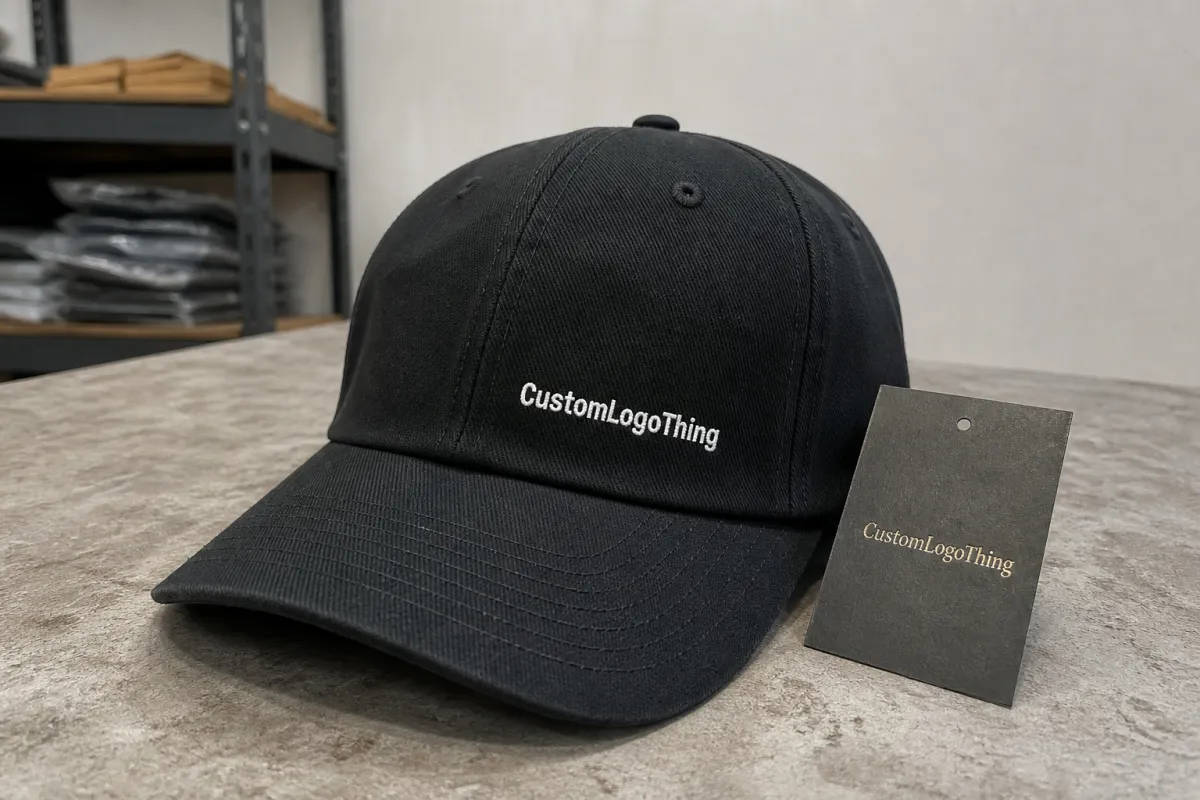
A Custom Embroidered Baseball cap uses stitched artwork instead of ink or film. The logo is usually placed on the front panel, but side or back placement can work when the main mark is too large or detailed. Compared with heat-applied graphics, embroidery gives more texture and better resistance to sun, sweat, snagging, and normal washing.
For fitness studios, the main advantage is durability with a clean look. A stitched logo reads as part of the cap itself, which helps staff appear coordinated without looking overly promotional. That matters in a setting where uniforms need to stay functional during classes, check-in, and outdoor events.
Caps also fit several buying goals. A studio can use them for staff uniforms, opening-week giveaways, retail sales, or event wear. If the same style can cover more than one use, the order is easier to justify and easier to reorder later.
The artwork still needs to be sized for the cap. Fine lines, tiny text, and crowded layouts often look good on screen but lose clarity on a curved crown. Cleaner shapes and stronger contrast usually produce better embroidery and fewer production problems.
How Embroidery Translates a Logo Into Wearable Branding
Embroidery begins with digitizing, the step where artwork becomes a stitch file the machine can read. The digitizer sets stitch direction, density, underlay, and pull compensation. If that file is weak, even a good cap can come out uneven or crowded.
Most simple studio logos stitch well at about 5,000 to 8,000 stitches on the front. More detailed badges or stacked text can go higher, but stitch count is less important than legibility. If the design gets too busy, the cap front can look stiff or compressed, especially near seams.
Flat embroidery is the most reliable option for most orders because it stays tidy and works with more logo styles. Three-dimensional puff embroidery can be effective for retail or bolder drops, but it needs larger letters and simple shapes. Small text and delicate icons rarely work well in puff.
Cap structure also matters. Structured fronts with buckram support keep the logo surface more stable, while unstructured caps can shift and distort larger designs. Polyester thread is often the better choice for fitness use because it handles light and wear well. Good hooping, stabilizer, trimming, and inspection still matter, because small prep errors can show up in the final box.
Materials, Fit, and Stitch Details That Change the Result
Fabric changes both the look and the wearability of the cap. Cotton twill is a dependable standard and usually takes embroidery cleanly. Polyester blends are better when the cap needs to hold shape or get worn during active use. Performance fabrics are useful for instructors because they breathe better and dry faster.
A structured mid-profile cap is usually the safest starting point. It gives the logo a flatter surface and fits a wide range of wearers without looking too stiff. Brushed or garment-washed caps feel more lifestyle-driven and can work well for retail, but they are less predictable for dense embroidery.
Fit affects whether the cap actually gets worn. Adjustable closures are important for mixed teams and retail buyers. Snapback, strapback, and hook-and-loop each have a place, but the broader the fit range, the easier the cap is to distribute across staff and members.
- Thread contrast: keep enough contrast between cap and logo for visibility from a few feet away.
- Logo size: too small and it disappears; too large and it crowds the seams.
- Stitch density: use enough coverage for clean fill without making the fabric too stiff.
- Panel shape: structured crowns handle detailed logos better than soft, slouchy styles.
- Ventilation: small comfort details matter when the cap is worn through classes or long shifts.
If the studio already uses a controlled palette on tees, towels, or packaging, keep the cap in the same lane. Matching thread colors and consistent placement usually matter more than adding extra decoration.
Cost, Pricing, and MOQ: What Drives the Quote
Pricing depends on the blank cap, stitch count, number of decorated locations, thread changes, and order size. A simple one-location logo on an in-stock structured cap is usually the lowest-cost route. Puff embroidery, special panels, extra thread colors, or a custom cap build can push the quote up quickly.
For a fitness studio ordering around 100 pieces, a realistic unit price for a standard embroidered cap often lands around $8 to $15. Premium blanks, brushed finishes, or more involved decoration can move that to about $12 to $22 or more. The cap spec and the amount of setup work are what change the final number.
Digitizing is often billed separately. For a straightforward front logo, that can run about $35 to $120 depending on complexity and cleanup time. Samples, rush fees, and special packaging can also appear as separate line items, so buyers should ask for a full breakdown before approving the quote.
| Cap option | Best use | Typical decoration | Typical unit price at 100 pcs | Notes |
|---|---|---|---|---|
| Structured cotton twill | Staff uniforms and everyday wear | Flat embroidery | $8-$13 | Strong value, clean surface, easy to reorder |
| Performance polyester meshback | Classes and outdoor events | Flat embroidery | $9-$15 | Breathable, practical in heat, good for active use |
| Premium brushed or garment-washed cap | Member retail | Flat embroidery or 3D puff | $12-$20 | Softer hand feel, more lifestyle appeal |
| 3D puff snapback | Bold merch drops | 3D puff embroidery | $13-$22 | Best with simple lettering and larger forms |
MOQ is often 24 to 48 pieces for decorated caps, though some suppliers will go lower for samples or higher for better pricing. Smaller runs cost more per piece because setup is spread across fewer units. If the studio expects to reorder, it is usually smarter to size the first order with replacement stock in mind.
If caps are shipping with inserts, sleeves, or other branded pieces, ask about carton quality and basic transit testing. For packaging that travels well, ISTA distribution testing standards are a useful reference. If the order includes paper inserts or retail sleeves, FSC chain-of-custody guidance helps buyers think clearly about sourcing.
Production Steps and Turnaround: From Art Approval to Delivery
A typical run follows the same sequence: artwork review, digitizing, proof approval, production, inspection, packing, and shipping. The proof stage matters because it confirms placement, sizing, and thread colors before the order gets locked in.
- Artwork review: send vector art if possible, ideally AI, EPS, or PDF.
- Digitizing: convert the logo into a stitch file with the right direction and density.
- Proof approval: confirm placement, size, and thread colors before bulk production starts.
- Bulk embroidery: sew the approved design onto the chosen cap body.
- Inspection and packing: check alignment, trim, crown shape, and finishing before shipment.
Turnaround often lands in the 12 to 15 business day range after proof approval if blanks are in stock and the design is straightforward. Faster schedules are possible, but they depend on quick feedback and limited revision. Complex logos, unusual proportions, or several thread colors usually add time in digitizing and proofing.
Most delays come from the same few issues: low-resolution files slow digitizing, unclear color references slow approval, and late logo changes slow everything. Buyers who need a hard launch date should ask for a timeline that breaks out each step instead of only a final ship date.
How a Fitness Studio Should Order Caps
Start by deciding what the cap needs to do. A staff uniform cap is different from a member retail cap, and both are different from a giveaway for an opening event. For classroom wear, prioritize breathability and fit. For retail, style and crown shape matter more. For promotions, price and consistency usually win.
Then gather the basics: logo file, brand colors, cap colors, estimated quantity, preferred closure, and any comfort requirements. If the studio already has a spec system for tees or towels, use the same color references here so the product line stays consistent.
Choose the cap and decoration together. Buyers often pick a blank they like, then find that the logo is too wide for the front panel or too small to carry enough presence. The better approach is to size the art for the actual cap shape, not force every logo version into one template.
Before approving the full run, review a digital proof or sample carefully. Check it from arm's length, confirm the logo sits straight, make sure the contrast holds up, and verify that the cap still feels comfortable enough for daily wear. If the order may repeat, record the exact cap style, fabric, color, closure, thread codes, logo file name, and approved placement.
Common Mistakes to Avoid
The first mistake is asking embroidery to handle too much detail. Thin lines, tiny copy, gradients, and packed symbols often look fine in a file and get messy on a cap. Embroidery needs space, so if the logo depends on micro-detail, simplify it for the cap version.
The second mistake is low contrast. A dark logo on a dark cap may look subtle online and disappear in real lighting. The same problem shows up when thread color sits too close to the fabric color. A sample usually reveals the issue quickly, while a screen proof can hide it.
The third mistake is skipping proof review because the order is small. Small orders still cost money, and bad proportions still look bad in a box of 24. A proof will not show every stitch at full scale, but it can catch placement, size, and color problems before production starts.
The fourth mistake is buying on price alone. A cap that fits poorly or feels hot will not stay in rotation. For fitness studios, wearability is part of the brand value, because the people wearing the cap are the people who decide whether it gets used.
Practical Tips for a Strong First Order
Test one cap on a real team member before ordering in volume. Have an instructor wear it through a class or let front-desk staff use it for a shift. That one test usually reveals more than a polished mockup ever will: fit, heat, logo visibility, and whether the crown shape suits the artwork.
Keep one spec sheet for future reorders. List the exact cap style, fabric, color, closure, thread colors, approved logo size, placement, and stitch file name. Reorders go much faster when nobody has to reconstruct the job from memory.
Order a few extras for replacements, new hires, or retail demand. If the caps are tied to a member kit or launch, keep the branding aligned across all components so the presentation feels planned rather than improvised.
For most studios, the best next step is straightforward: compare sample options, review a line-item quote, and confirm turnaround before placing the order. That keeps the cap purchase tied to fit, Cost, and Use instead of guesswork.
Frequently Asked Questions
What cap style works best for custom embroidered baseball caps for fitness studios?
A mid-profile structured cap is usually the safest choice because it gives the logo a flatter surface and keeps the front panel clean. If instructors wear the cap during classes, look for breathable fabric and an adjustable closure so the fit works across different head sizes and hairstyles.
How much do custom embroidered baseball caps for fitness studios usually cost?
Cost depends on the blank cap, stitch count, logo complexity, and order quantity. For many studio orders, standard embroidered caps land around $8 to $15 per piece at 100 units, while premium styles can run higher.
How long does production take after I approve the art?
Turnaround often depends on blank inventory and order size, but the schedule should include digitizing, proofing, production, inspection, and shipping. If you need a faster schedule, approve artwork quickly and choose a cap style that is already in stock.
Can I use different cap colors for staff and retail orders?
Yes. Many studios keep the same logo and thread colors while mixing cap colors for instructors, front desk staff, and member merchandise. The key is to keep the brand system consistent so the collection feels coordinated even when the cap colors change.
What files do I need to get started?
Vector artwork such as AI, EPS, or PDF is best because it gives the digitizer clean lines and scalable shapes. If you only have a PNG or JPG, send the highest-resolution version you have and be ready to confirm colors and any small text adjustments.
Should the logo always go on the front panel?
Not always. The front panel is the most common placement, but side embroidery can work well for a secondary mark or a cleaner retail look. If the front logo is already large or detailed, a smaller side placement may produce a better result.
What should I check on the sample before approving the full run?
Look at placement, thread color, stitch coverage, crown shape, and comfort. Make sure the logo reads from a few feet away and does not distort the front panel. A sample that looks fine on a desk can still fail once someone wears it.

