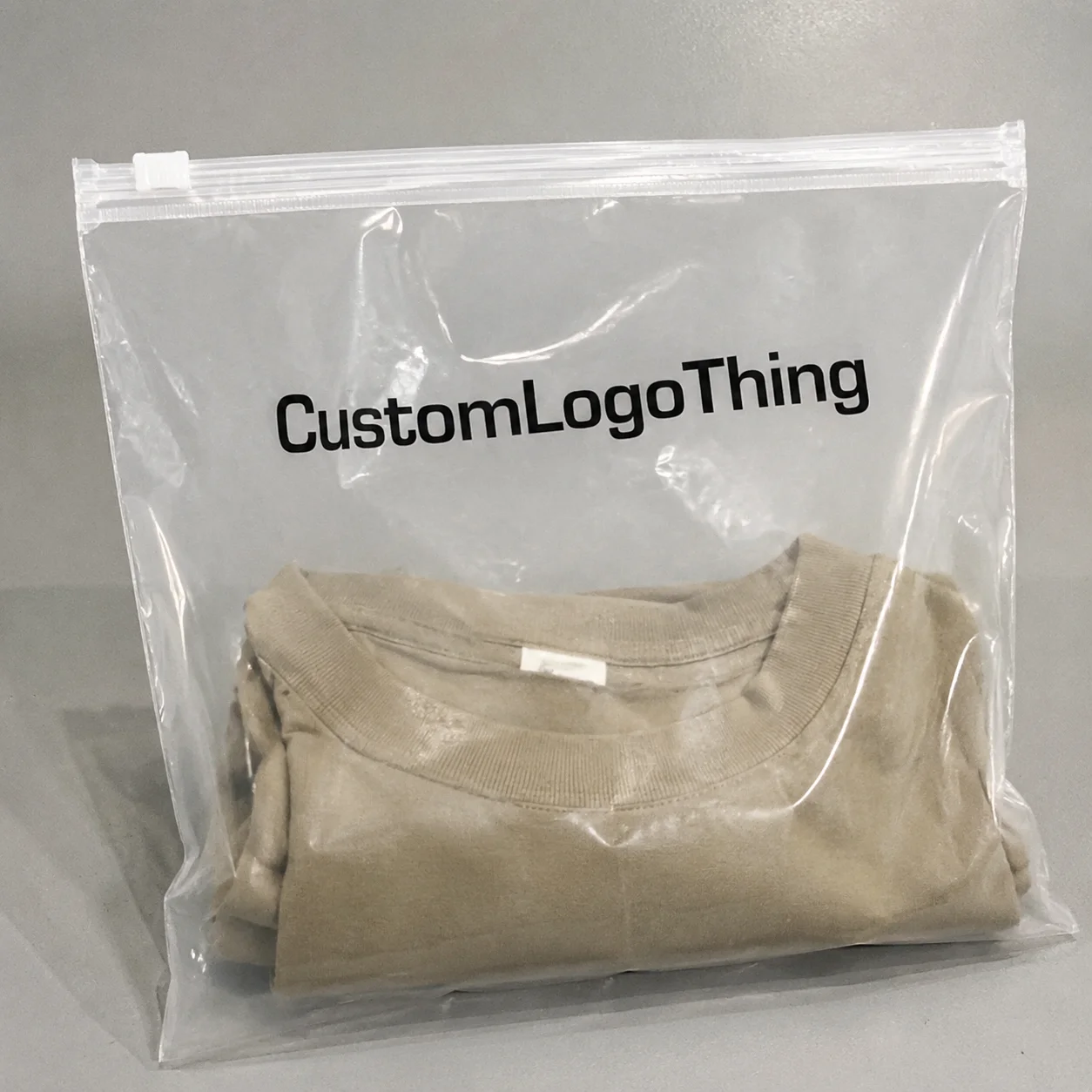
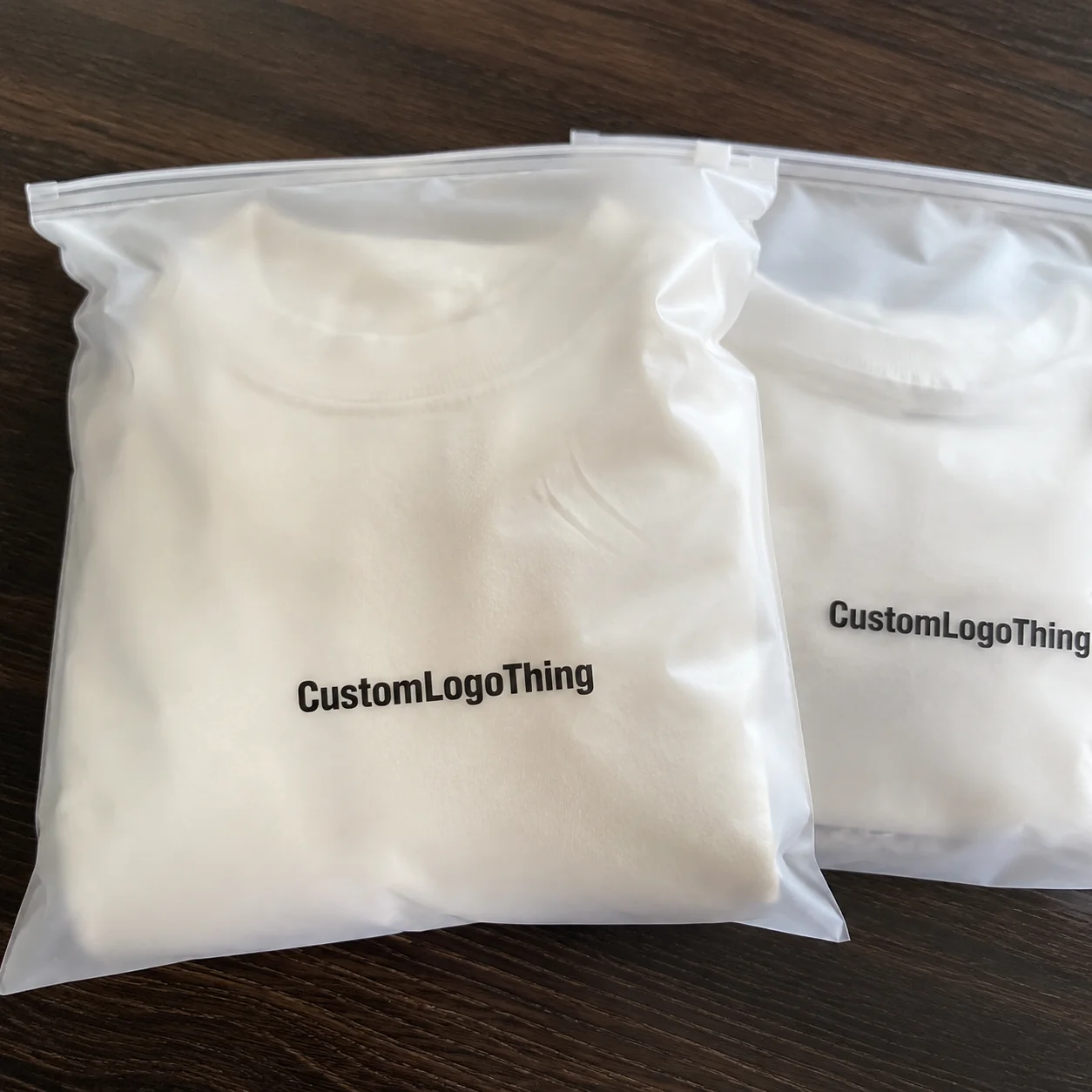
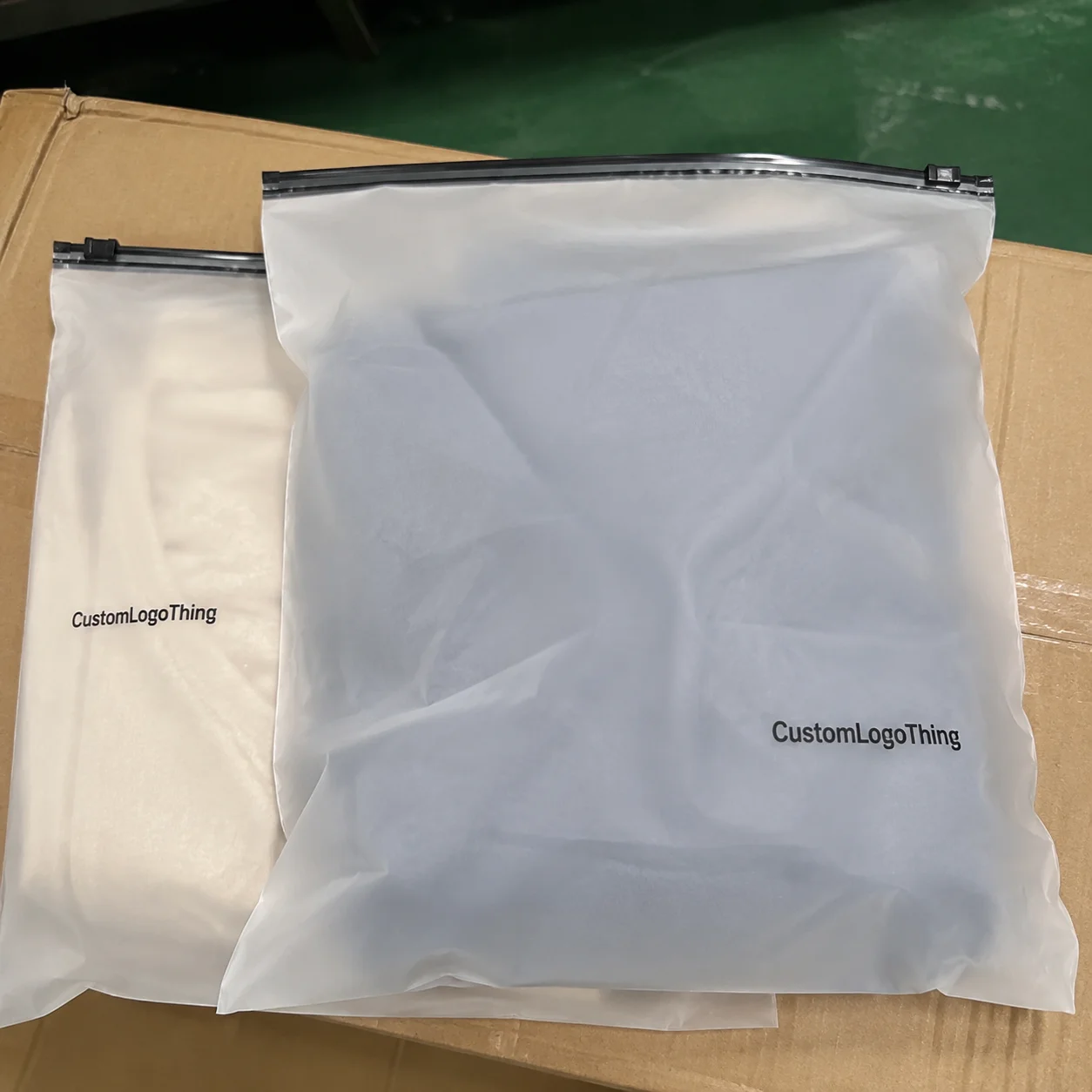
Buy Custom PVC Zipper Garment Bags for Apparel Brands
A premium coat can survive production, pressing, inspection, and folding perfectly, then look cheap the second it arrives in a cloudy, flimsy garment cover. That is why custom PVC Zipper Garment Bags for apparel brands deserve more attention than they usually get. Packaging does not fix a weak product, but it can absolutely make a strong product look worse. Annoying, but true.
Good garment packaging has a practical job. It protects the piece, presents the logo, keeps handling simple, and gives the buyer a quiet signal that the brand paid attention. Poor packaging does the opposite, usually while saving a few cents and creating several new problems for retail staff, warehouse teams, or customers at home.
What Custom PVC Zipper Garment Bags for Apparel Brands Actually Do
Custom PVC Zipper Garment Bags are reusable transparent or semi-transparent protective bags made from PVC film. Most include a zipper closure, hanger opening, and printed logo. Depending on the garment and sales channel, they may also include handles, gussets, snaps, document pockets, reinforced trim, colored zipper tape, or back-panel information printing.
The use cases are practical: showroom samples, retail-ready outerwear, bridal gowns, formalwear, uniforms, costumes, wholesale delivery, influencer gifting, rental apparel, and direct-to-consumer shipments for higher-value pieces. If the garment has structure, value, embellishment, or repeat handling, a thin disposable cover often feels underbuilt.
A basic PE or PP poly garment bag is still useful. It is cheaper, lighter, and often enough for dust protection, warehouse movement, and short-term coverage. PVC zipper garment bags are thicker, more structured, and usually better suited to retail packaging or premium presentation. They feel less like a dry-cleaner sleeve and more like part of the product experience.
From a packaging buyer’s point of view, the expected outcome is simple:
- The garment stays clean during storage, handling, and delivery.
- The customer or sales team can identify the product without opening the bag.
- The logo print looks crisp, centered, and properly cured.
- The zipper opens smoothly after repeated use.
- The bag does not split at the hanger opening, side seal, gusset, or bottom edge.
That last point matters. A zipper bag that fails during the first store handoff is not cost-effective. It is a tiny branded apology waiting to happen.
Buyer rule: if the garment sells at a premium price, the garment bag should not look like an afterthought bought with leftover budget.
The decisions that affect quality are not mysterious, but they are easy to rush: material thickness, zipper type, gusset design, artwork, MOQ, packing method, inspection standard, and timeline. Get those right early and the finished bags tend to behave. Leave them vague and the quote may look attractive while the actual product disappoints.
How PVC Garment Bags Work: Material, Zipper, Gusset, and Print
A PVC zipper garment bag is a straightforward construction: front and back PVC panels, sealed or stitched edges, a zipper track, a hanger slit or reinforced hanger hole, and sometimes a side or bottom gusset. Handles, snaps, card pockets, and edge binding can be added as needed. The details decide whether the bag feels polished or flimsy.
PVC thickness is usually measured in millimeters or microns. For apparel bags, common ranges look like this:
- 0.10–0.15 mm: light samples, shirts, blouses, and short-term dust protection.
- 0.18–0.25 mm: suits, jackets, dresses, uniforms, and better reusable retail bags.
- 0.28–0.40 mm: coats, gowns, bridalwear, formalwear, and repeated retail handling.
Thicker is not automatically better. A 0.40 mm bag can feel premium, but it adds weight, cost, and carton volume. For many apparel brands, 0.20–0.25 mm is the sensible middle: structured enough for reuse, not so heavy that freight gets rude.
Finish changes the presentation. Clear PVC shows the garment immediately, which helps warehouse picking, showroom work, and sample management. Frosted PVC hides small wrinkles and gives a softer visual finish. Tinted PVC can support package branding, but it may distort garment color slightly. That matters if the product is ivory, blush, navy, black, or any shade your creative team describes with unnecessary poetry.
Zippers deserve more attention than they usually receive. Standard nylon coil zippers are common because they are flexible and economical. Metal pullers feel more substantial than basic plastic pullers. Double sliders help on long bags, especially gowns and coats, because users do not have to drag one puller down a full-length track every time. If the bag will be reused, pay for better hardware before paying for decorative extras.
Gussets control usable capacity. A flat bag works for slim samples, shirts, and lightweight pieces. A side gusset helps jackets, suits, robes, and uniforms sit more naturally. A bottom gusset adds depth for bulky hems, coats, gowns, or multi-piece sets. Wider gussets cost more because they use more material and require more careful sealing or stitching, but they are often cheaper than dealing with crushed shoulders and wrinkled hems.
Logo printing usually relies on screen Printing for Bold marks, simple text, and one to three solid colors. Heat transfer or specialty printing can handle more detail, but flexible plastic is not the best surface for tiny type, thin hairlines, or delicate gradients. A clean one-color logo at 6–10 inches wide often looks better than a full-panel print trying too hard.
Real-world performance also includes ventilation holes, suffocation warnings, material labeling, odor control, and environmental claims. Be careful with broad “recyclable” language. PVC recycling depends on local programs and material streams, so claims that sound simple in a sales deck can become complicated in practice. For general guidance on packaging waste language and recycling considerations, the EPA recycling resources are a useful starting point.
Key Specs Apparel Brands Should Decide Before Ordering
Start with size. Not the flat product measurement. Not a size chart. Measure the finished garment on the intended hanger, because that is how the bag will actually be used.
Record full hanging length, shoulder width, garment depth, sleeve spread, and hem volume. A bag that is too tight slows packing, crushes sleeves, wrinkles fabric, and makes the garment look stuffed. Add room, but do not overcorrect into a bag so large that the jacket floats around like it borrowed packaging from a winter coat.
| Garment Type | Typical Bag Length Range | Common Build | Best Use |
|---|---|---|---|
| Shirts, blouses, light samples | 24–36 in | Light to mid PVC, flat or small gusset | Sample rooms, wholesale previews |
| Suits, jackets, uniforms | 36–48 in | Mid PVC, side gusset, front zipper | Retail, rental, corporate apparel |
| Dresses, robes, coats | 48–60 in | Mid to heavy PVC, full zipper, gusset | Premium delivery, showroom use |
| Gowns, bridal, formalwear | 60–72+ in | Heavy PVC, wide gusset, strong zipper | Luxury garment protection |
Closure style affects both packing speed and customer use. A top zipper is simple for shorter bags. A center zipper gives front access and strong presentation. A side zipper keeps the front panel cleaner for logo placement. A full-length zipper is best for long gowns and coats, especially if the garment will be removed and replaced often.
Handles are another easy place to overspend or underspec. A die-cut handle is economical but not very comfortable under weight. Sewn handles feel stronger and are better for retail carry-out. PVC handles can match the bag but may stretch if the garment is heavy. No handle is fine for warehouse-only bags. If a customer will walk out of a store carrying the garment bag, add a decent handle. If nobody carries it, do not pay for decoration pretending to be function.
Hanger openings should be sized and reinforced for the actual hanger. A narrow slit may work for thin plastic hangers, but wide wooden or padded hangers need more clearance. Bridal, formalwear, and outerwear bags often benefit from reinforcement near the hanger hole because that area takes repeated stress every time the bag is lifted or moved on a rack.
Logo placement should match the channel. Center-front logos create retail impact. A lower corner logo feels quieter and more premium. Repeated pattern prints can suit fashion brands with strong visual identity, as long as the print does not make the garment hard to see. Back panel printing can hold care instructions, return information, product identification, or a short brand message. Packaging design is not an excuse to fill every inch with ink.
Trim choices include zipper tape color, edge binding, snap color, puller style, and thread color if sewing is involved. These details can make Custom PVC Zipper Garment Bags look polished, but over-customizing gets expensive fast. Pick two or three brand cues that matter. Leave the rest alone.
Pricing, MOQ, and Unit Cost: What Drives the Quote
Pricing depends on size, PVC thickness, zipper quality, print colors, print coverage, gusset depth, handles, quantity, packing method, and freight volume. Anyone promising one universal price before seeing specs is guessing. Maybe confidently. Still guessing.
Small, simple bags can be economical. A short, one-color logo bag in light to mid-weight PVC may fit a moderate budget. Full-length heavy PVC garment bags with gussets, reinforced handles, double zippers, and multi-color printing can cost several times more per unit.
Use these ranges as planning numbers, not final quotes:
| Build Level | Typical Quantity | Estimated Unit Range | What Usually Drives the Cost |
|---|---|---|---|
| Budget sample bag | 1,000–5,000 units | $0.65–$1.40 | Smaller size, lighter PVC, one-color print, basic zipper |
| Standard retail bag | 1,000–5,000 units | $1.35–$2.80 | Mid PVC, front zipper, gusset, logo print, better puller |
| Premium formalwear bag | 500–2,500 units | $2.75–$6.50+ | Long length, heavy PVC, wide gusset, handles, multi-color print |
MOQ exists because setup exists. Material setup, cutting dies, printing screens, line setup, and packing all take time before the first sellable bag comes off production. Lower quantities are sometimes possible, but the unit cost usually climbs. For custom pvc zipper garment Bags for Apparel brands, quote tiers at 500, 1,000, 2,500, and 5,000 units are a practical starting point.
Print costs are fairly predictable. One-color logo prints are most efficient. Large ink coverage, multiple colors, metallic ink, tight Pantone matching, and double-sided printing increase cost. If the logo needs strict color control, provide Pantone values and ask how the supplier handles color tolerance on PVC. Plastic film is not paper; ink sits differently, and backlighting can change the way a color reads.
Freight deserves its own line in the budget. Garment bags are flat, but they are not weightless. Full-length bags also take carton space, especially with gussets, handles, or individual poly packing. Shipping can change landed cost enough to matter. A bag quoted at $1.90 can become less charming after freight, duties, storage, and internal handling are added.
Do not compare quotes unless the specs match. A cheaper bag may be thinner, smaller, cloudier, smellier, packed in larger cartons, or using a zipper that feels like it came off a carnival prize. Ask for material thickness, finished size, zipper spec, print method, carton quantity, carton dimensions, and packed weight. Then compare.
If you are comparing garment bags with other product packaging pieces, review related formats on the Custom Packaging Products page. Many apparel brands pair garment bags with custom printed boxes, tissue, mailers, or inserts to create a more complete branded packaging system.
Process and Timeline: From Artwork to Finished Garment Bags
The order process is straightforward if the buyer has specs ready: confirm the bag purpose, choose size and material, finalize the print design, request a quote, approve the digital proof, approve a physical sample if needed, move to bulk production, inspect, pack, and ship.
A supplier needs specific information before quoting:
- Finished bag width and length
- PVC thickness and finish: clear, frosted, tinted, or colored
- Zipper position, zipper color, and puller type
- Gusset depth and position
- Handle requirement and handle style
- Hanger opening style and reinforcement requirement
- Logo file, print size, print location, and print colors
- Quantity and delivery location
- Individual packing or bulk packing preference
- Deadline and freight preference
Artwork should be production-ready. Vector files such as AI, EPS, or editable PDF are best. Low-resolution PNGs pulled from a website are not production artwork. They are a cry for help. If brand color matters, include Pantone references. If tiny text must be printed, test it first. Flexible PVC is not kind to microscopic design drama.
Digital proofs confirm placement, scale, print colors, and specs. They do not confirm hand feel, zipper smoothness, odor, film clarity, edge strength, or how the bag hangs with a real garment inside. For premium launches, first-time orders, unusual gussets, bridal bags, formalwear bags, or retail carry-out use, a physical pre-production sample is usually worth the time.
Typical timing varies. A repeat order with existing artwork and standard materials may take around 12–20 business days after proof approval, depending on queue and quantity. First-time custom orders with physical sampling can add 7–15 business days before bulk production starts. Specialty materials, multiple print colors, reinforced construction, and complex packing add more time.
Freight and customs belong in the timeline from the beginning. A perfect garment bag sitting in a port is not helping a launch, wholesale delivery, or gifting campaign. If the bags are tied to a retail drop, build in buffer time for artwork revisions, sampling, production queues, inspection, shipping, and customs clearance.
For transport testing, brands shipping higher-value garments may also review distribution standards from ISTA. A garment bag alone is rarely the full shipping solution; it may need an outer carton, insert, tissue wrap, or protective layer depending on the route and carrier handling.
Quality-Control Checks Before You Approve or Ship
Quality control for PVC garment bags should be practical, not theatrical. Start with dimensions. Measure finished width, length, and gusset depth against the approved spec, allowing for the tolerance agreed before production. A small variation may be acceptable; a bag that no longer fits the garment is not.
Check film clarity and thickness. Clear PVC should not look milky unless a frosted finish was ordered. Thickness should match the approved sample or quoted specification. If the bag is meant for premium apparel, also check odor after the bags have been opened and aired briefly. PVC can have a noticeable smell, especially right after production, but a harsh odor that lingers may create a poor customer experience.
Inspect the zipper by opening and closing it several times, not once. Look for catching, wavy stitching, split tracks, weak pullers, and uneven zipper tape. Long garment bags deserve extra attention because small zipper issues become more obvious over a longer run.
Print inspection should cover color, placement, registration, adhesion, and smudging. Rub the print lightly after curing. Look for ink transfer onto fingers or adjacent bag surfaces. If the logo sits over a textured or frosted area, check whether the edges remain sharp enough for the brand standard.
Stress areas need a quick pull test: hanger opening, handle attachment, side seals, gusset corners, zipper ends, and bottom corners. These are the areas that fail first during real handling. A bag can look perfectly fine on a table and still split the first time a heavy coat is lifted by the hanger.
Common Mistakes That Make PVC Garment Bags Look Cheap
Mistake one: choosing the thinnest PVC because it saves money. Thin material can wrinkle, sag, tear at stress points, and make premium apparel look discounted before anyone opens the zipper. Saving $0.20 per bag is not impressive if it makes a $600 coat look like clearance stock.
Mistake two: ordering bags that are too tight. Garments need room at the shoulders and hem. Tight bags crush shape, wrinkle fabric, and slow packing teams. Add practical breathing room, often 1–2 inches across the shoulders and more for bulky garments.
Mistake three: ignoring zipper quality. A great logo does not matter if the zipper sticks, splits, or feels rough. For reusable garment bags, the zipper is not a minor detail. It is part of the product experience.
Mistake four: printing too much. Large solid ink areas on flexible PVC can scratch, crack, transfer, or make the bag feel stiff. Simple, bold branding usually looks better and lasts longer. One strong logo often beats a full-panel brand manifesto nobody asked for.
Mistake five: using one bag style for every sales channel. Wholesale delivery bags, retail carry-out bags, sample room bags, and luxury bridal garment bags should not all be the same spec. A sample room may need visibility and labeling. A retail bag may need polish and handles. A bridal bag may need structure, length, and a smooth full zipper.
Mistake six: skipping sample review for a first run. A digital proof cannot show hand feel, zipper smoothness, film clarity, odor, or hanging shape. If the first production run supports a product launch, resolve the physical details before bulk units are made.
Mistake seven: forgetting warnings or compliance language. Suffocation warnings, material labeling, and retail requirements are boring until they become a problem. Requirements vary by market, bag size, channel, and buyer. Do not copy random warning text from another bag and assume it covers your order.
Want to see how packaging choices affect brand perception across categories? The Case Studies page is useful for comparing how structure, print, and finish change the way buyers read a product before they touch it.
Build a Spec Sheet Before You Ask for a Quote
Start with the exact garments the bag must protect. Pull samples. Put them on the intended hanger. Measure the full hanging length, shoulder width, sleeve spread, garment depth, and hem volume. Guessing from a size chart is how brands end up with bags that almost fit, which is another way of saying they do not fit.
Build a simple spec sheet before asking for pricing:
- Bag width
- Bag length
- Gusset depth and location
- PVC thickness
- Clear, frosted, tinted, or colored finish
- Zipper position and zipper color
- Hanger opening style
- Handle type or no handle
- Logo location and print size
- Print colors and Pantone references
- Order quantity
- Individual packing or bulk packing
- Delivery location and deadline
Order by use case. Sample room bags can be simpler and lighter. Retail bags should look polished and handle repeated opening. Bridal and formalwear bags should be heavier, longer, and more structured. DTC shipments may need a garment bag inside an outer carton, especially if the package will move through parcel carriers.
Ask suppliers for two or three build options: budget, standard, and premium. That gives you real tradeoffs instead of one mysterious quote sitting in your inbox like a riddle. Compare thickness, zipper quality, print method, handle construction, packing method, and freight volume. The cheapest option is not always wrong, but it should be cheap for a reason you understand.
Prepare vector artwork before the quote stage if possible. Decide whether a physical sample is worth the time. For first orders, premium apparel, bridal, formalwear, coats, or any bag customers are expected to keep, it usually is.
Before ordering custom pvc zipper garment bags for apparel brands, lock the garment dimensions, target presentation level, logo artwork, and delivery date so the quote is based on reality, not wishful thinking.
FAQ
What size custom PVC garment bag should an apparel brand order?
Measure the garment on a hanger, including shoulder width, sleeve spread, garment depth, and full hanging length. Add enough room so the piece is not compressed, especially for coats, gowns, suits, and layered sets. Use a gusset for bulky items; flat bags are better for slim samples and lightweight apparel.
Are custom PVC zipper garment bags reusable?
Yes, they are usually designed for reuse, especially when made with mid-weight or heavy PVC and a reliable zipper. Reusable performance depends on film thickness, zipper quality, sealed edges, handle construction, and how much weight the bag carries. If customers will keep the bag, avoid the cheapest zipper option.
How much do custom PVC zipper garment bags cost?
Cost depends on bag size, PVC thickness, zipper style, gusset, handles, print colors, order quantity, and shipping volume. One-color logo bags in standard sizes cost less than full-length heavy PVC bags with multi-color printing and reinforced handles. Ask for quantity tiers so you can see where the unit cost drops enough to justify a larger run.
What artwork file is best for printing logos on PVC garment bags?
Vector files such as AI, EPS, or editable PDF are best for clean logo printing. Provide Pantone colors if brand color matching matters. Avoid tiny text, thin lines, and complex gradients because flexible PVC is not a forgiving surface for very fine design details.
How long does production take for custom zipper garment bags?
Timeline depends on sampling, material availability, order quantity, print complexity, and freight method. Repeat orders may move faster, while first-time custom orders usually take longer because artwork approval and sample review add steps. Build in extra time for revisions, quality inspection, shipping, and customs if importing.