Buy Custom PVC Zipper Garment Bags for Boutique Brands
A boutique can spend months choosing fabric, fit, trims, hang tags, and tissue, then lose the feeling of care at the last step by handing over a dress in packaging that looks temporary. Custom PVC Zipper Garment Bags for boutique brands close that gap. They protect apparel in transit and storage, keep the garment visible, and give customers a package that feels considered rather than improvised.
What Custom PVC Zipper Garment Bags for Boutique Brands Actually Do
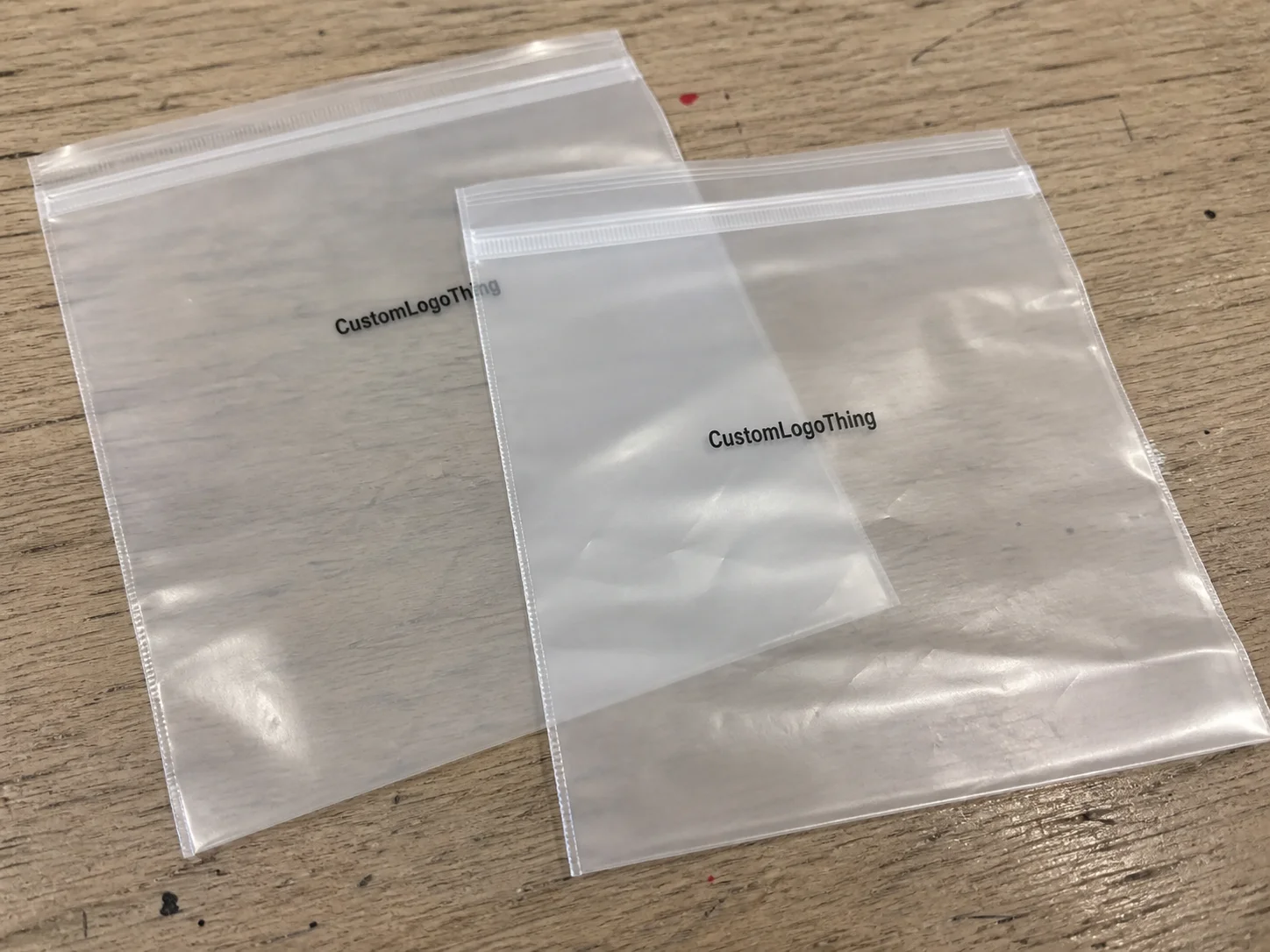
A reusable PVC zipper garment bag is a clear, frosted, or tinted apparel cover made from PVC panels, sealed edges, and a zipper opening. Most styles include a hanger hole at the top so the garment can stay on its hanger from stockroom to fitting room to customer handoff. Better versions use reinforced openings, stronger zipper tape, clean edge sealing, and print that stays bonded after repeated handling.
The basic job is simple: protect the garment while keeping it visible. That matters for boutique retail because staff can identify pieces quickly, customers can see what they bought, and the brand gets a packaging touchpoint that remains useful after tissue paper and ribbon are gone.
These bags are common for dresses, suits, gowns, bridal pieces, uniforms, influencer kits, showroom samples, formalwear, rental pieces, and seasonal capsule collections. They also make sense for appointment-based retail, where the presentation has to feel polished but still practical enough for staff to use under time pressure.
They are not dry-cleaning covers. They are not flimsy single-use poly bags. They are also not cotton dust bags, which hide the product and often cost more per unit. PVC Zipper Garment Bags sit in a useful middle: visible, protective, reusable, wipe-clean, and brandable.
Buyer reality: PVC bags look clean and structured only when the specs support the use case. Go too thin, choose a weak zipper, skip reinforcement, or print in a high-stress area, and the finished bag starts to feel like stockroom plastic with a logo on it.
For boutiques already investing in branded packaging, garment bags can support the same visual system as hang tags, tissue, mailers, ribbon, labels, and custom packaging products. The strongest designs are usually restrained. A small, well-placed logo often looks more premium than a large print that blocks the garment or fights with lace, beading, embroidery, or patterned fabric underneath.
How PVC Zipper Garment Bags Work for Retail, Shipping, and Storage
Most PVC zipper garment bags are built from two PVC panels sealed around the edges. The zipper may run down the front, along one side, or across part of a fold-over travel format. The top includes a hanger hole, slit, or shaped opening, and higher-grade bags may add reinforcement around that point because the weight of the garment naturally pulls there first.
PVC is used because it offers clarity, water resistance, structure, and easy wipe-down cleaning. Clear PVC shows the garment immediately, which is useful for stockrooms and customer pickup. Frosted PVC softens the look and hides small wrinkles without fully concealing the product. Tinted PVC can support brand color, but it reduces visibility, so it should be tested with the actual garments before a full run.
Zippers vary more than many buyers expect. A standard nylon zipper is usually enough for everyday apparel and most retail packaging. A metal-look puller can add a more finished feel without the weight and cost of full metal hardware. A two-way zipper is useful for long dresses, gowns, and wardrobe storage because the customer can open the bag from more than one point instead of dragging a zipper the full length every time.
Front zipper access works well for bridal appointments, showroom display, and customer take-home bags because the garment is easy to remove while hanging. Side zippers can be better for storage because they keep the front panel cleaner and leave more uninterrupted space for a logo or product view. The right choice depends on who handles the bag most often: store staff, the customer, a stylist, a warehouse team, or a courier who is not feeling delicate that day.
Common formats include flat garment bags, gusseted garment bags, short suit or jacket bags, long dress bags, and fold-over travel garment bags. Flat bags cost less, pack thinner in cartons, and work for lighter garments. Gusseted bags use more material and take more labor, but they protect structured pieces far better.
Printing options usually include one-color screen print, heat transfer, frosted print panels, safety warnings, size grids, care messages, and branded zipper pulls. One-color logos are the safest starting point for most boutique programs because they keep the cost under control and still support package branding. Multi-color artwork can work, but it requires tighter registration and can add time, especially on flexible clear material.
The bag has to function before it looks pretty. If the zipper catches fabric, the opening is too narrow, or the hanger hole tears after one use, the packaging becomes a complaint instead of a finishing detail.
Key Specs That Separate Boutique-Ready Bags from Cheap Covers
Before asking for a quote, define the core specs. Suppliers cannot quote accurately from “nice garment bags.” Nice is not a measurement. Use dimensions, thickness, zipper type, print area, color count, quantity, and packing method.
- Size: length, shoulder width, and garment thickness while hanging.
- PVC thickness: usually quoted in millimeters, microns, or gauge depending on supplier.
- Zipper type: standard nylon, premium puller, metal-look pull, or two-way zipper.
- Top opening: hanger hole, reinforced slit, or shaped opening.
- Gusset width: often 2-4 inches for bulkier garments, with wider options for specialty pieces.
- Print: logo size, ink color, placement, and method.
- Packing: flat-packed, folded, bulk carton, or individual packing.
Thickness is one of the clearest quality signals. Lighter PVC, around 0.10-0.12 mm, can work for short-term retail protection or low-touch stockroom use. Mid-range PVC, around 0.15-0.20 mm, fits most boutique take-home bags. Heavier PVC, around 0.25-0.30 mm, makes sense for bridal, formalwear, rentals, showroom samples, and pieces expected to be stored or handled repeatedly.
Clarity affects both presentation and inspection. Clear PVC shows color, silhouette, trims, and garment condition at a glance. Frosted PVC feels more refined and slightly hides wrinkles, but it can soften color accuracy. Tinted PVC may look sharp in a brand palette, though it can distort pale garments or make dark apparel look heavier than it is. A smoky gray bag may flatter a black blazer and look wrong on a pale pink gown.
Measure actual garments on hangers. Not product-page dimensions, not size labels, and not a guess from a folded sample. Real garments hang differently once gravity, shoulder width, sleeve shape, fabric weight, and embellishment are involved. Add practical clearance at the bottom so hems do not bunch, and add side clearance so staff can pack quickly during a busy sales day.
Short bags are usually used for shirts, jackets, blazers, and children’s garments. Medium lengths fit many dresses and coats. Long lengths are needed for gowns, bridal pieces, formalwear, and full-length outerwear. If one size supposedly fits everything, it probably fits nothing well.
Gussets matter for structured pieces. A flat bag is fine for slim dresses and light jackets, and it will usually be the lower-cost option. A gusseted bag gives the garment room, reduces crushing, and looks better for blazers, beaded dresses, layered skirts, and gowns with volume. For bulky garments, a gusset can do more for perceived quality than an extra print color.
Small reinforcement details change durability. Reinforced hanger holes reduce tearing. Stronger zipper tape prevents wavy closures. Rounded corners can reduce cracking. Better edge sealing keeps the bag from splitting under stress. These are not dramatic features, but they are the difference between reusable packaging and plastic sadness.
| Use Case | Typical Size Direction | Suggested PVC Thickness | Best Upgrade |
|---|---|---|---|
| Basic retail protection | Short or medium flat bag | 0.10-0.15 mm | Clean one-color logo |
| Boutique take-home packaging | Short plus long size system | 0.15-0.20 mm | Better zipper and reinforced hanger hole |
| Bridal or formalwear | Long gusseted bag | 0.20-0.30 mm | Two-way zipper and wider gusset |
| Showroom samples | Medium or long reusable bag | 0.20-0.25 mm | Size grid or label area |
Print placement should help the garment sell itself. Keep the logo visible while the bag is hanging, but avoid zipper stress areas, hard fold lines, and heavy bend points. Leave enough clear space so the product remains the focus. Boutique packaging should support the garment, not compete with it.
Cost, Pricing, and MOQ: What Actually Moves the Unit Cost
Pricing depends on material thickness, bag size, order quantity, print method, number of colors, zipper quality, gusseting, packing, inspection level, and freight. The quote changes because the specs change. That sounds obvious until three quotes arrive with three different thicknesses, two zipper types, and no one can tell which one is actually cheaper.
Small custom runs carry higher unit costs because setup, printing, labor, and carton packing are spread across fewer pieces. A simple standard-size printed bag may be workable at lower quantities, while a custom long gusseted bag with two-color printing and upgraded zipper hardware will usually need a higher minimum order quantity to make production sensible.
As a practical range, simple logo-Printed PVC Zipper Garment Bags may start around a few hundred pieces for limited customization, but many true custom projects become cleaner at 1,000-3,000 units. Larger programs often price better at 5,000 pieces and up. This depends on the supplier, size, material, and construction. There is no universal MOQ, and any quote should be judged against the actual spec, not a headline number.
Unit cost can vary widely. A small flat PVC bag with one-color print will land much lower than a long, thick, gusseted bridal bag. For planning, it is more useful to understand the cost behavior than to chase one fixed number.
| Bag Type | Typical Quantity Range | Relative Unit Cost | Main Cost Drivers |
|---|---|---|---|
| Standard flat bag with one-color logo | 500-3,000 units | Lower | Size, print setup, zipper quality |
| Mid-range boutique garment bag | 1,000-5,000 units | Moderate | Thickness, reinforced top, packing |
| Long gusseted dress or gown bag | 1,000-5,000+ units | Higher | More PVC, gusset labor, carton volume |
| Premium formalwear or bridal bag | 2,000-5,000+ units | Highest | Heavy PVC, two-way zipper, sample approval, freight |
One-color logo printing is usually the best value for custom PVC zipper garment bags for boutique brands. Multi-color artwork can look strong, but it adds setup, registration risk, and sometimes longer production time. Unless the bag is a major part of the customer experience, spend first on correct sizing, reliable zipper movement, and material weight.
Hidden costs deserve attention. Sampling may add cost. Artwork revisions can delay production. Freight can jump because garment bags are bulky even when flat-packed. Cartons can eat stockroom space faster than expected. A low unit price becomes less appealing if the finished bags arrive in oversized cartons and the back room is already full of seasonal inventory.
For environmental and disposal guidance, review resources from the EPA recycling program. PVC recycling access varies by region and waste stream, so do not make broad recyclability claims unless they match your market. For transport testing concepts, especially if bags ship with garments inside boxes or mailers, ISTA is a useful reference. A boutique order does not need to become a laboratory project, but basic packaging standards exist for good reasons.
Process, Timeline, and Production Steps from Artwork to Delivery
The process is predictable when the buyer gives complete information. Confirm the use case. Choose dimensions. Select PVC thickness. Decide zipper and hanger details. Prepare artwork. Review a proof. Approve a sample if the risk level justifies it. Production, inspection, packing, and shipping follow from there.
Stock-like sizes with simple one-color printing move faster. Custom sizes, heavier PVC, gussets, tinted material, specialty zipper pulls, and physical sampling add time. A typical custom order may require several business days for proofing, additional time for sample production if requested, and then production after final approval. Freight time depends on shipping method and destination.
Artwork should be vector-based whenever possible. Use AI, EPS, SVG, or clean PDF files. Print colors should be specified with references such as Pantone or clear brand color values, but exact matching on transparent PVC can shift slightly. Ink over clear or frosted plastic does not behave like ink on white paper, and a color that looks perfect on a box may appear cooler, darker, or more translucent on a garment bag.
Orientation matters. A logo that looks centered on a flat proof may sit too low once the bag is hanging with a garment inside. Place the logo where a customer will actually see it, often upper front, lower front corner, or near a frosted panel. If the bag folds for shipping or storage, keep key artwork off the fold line.
Digital proofs confirm placement, size, and color references. Physical samples confirm material feel, zipper function, print adhesion, hanger opening, odor level, and real dimensions. Sampling is especially useful for bridal, luxury apparel, rentals, wholesale showroom kits, or any program where the bag becomes part of the customer-facing product packaging.
Production quality checks should include seal strength, zipper movement, print curing, logo alignment, PVC clarity, odor, carton packing, and random size checks. PVC sealing and zipper attachment are not steps to rush. Weak seams and peeling logos usually show up after packing, which is exactly the wrong moment to discover that speed came at the expense of quality.
Plan before the launch panic starts. If a collection drops in three weeks and zipper colors are still being debated, the calendar is already tight. Build a spec sheet early, request pricing from the same information each time, and leave room for sampling if the bag will carry a high-value garment.
Common Mistakes Boutique Buyers Make with PVC Garment Packaging
Mistake one: ordering bags that are too short. Garments bunch at the bottom, hems wrinkle, and the presentation looks careless. Measure on a hanger with the garment naturally hanging, then add clearance.
Mistake two: choosing PVC that is too thin for reuse. Thin bags can work for temporary protection, but they look tired quickly if customers are expected to keep them. For reusable boutique packaging, mid-range PVC is usually the safer choice.
Mistake three: ignoring zipper quality. A pretty bag with a sticky zipper feels cheap immediately. Customers notice the part they touch. Staff notice it even faster because they handle the bag many times in one day.
Mistake four: printing too large. Oversized logos block product visibility, especially on clear bags. The garment should still do the selling. A clean logo, a care message, or a small reuse note can be more effective than billboard branding.
Mistake five: skipping ventilation or practical openings. Some garments need airflow after steaming, storage, or transport. Fully sealed plastic is not always ideal, particularly for delicate fabrics or pieces that move from warm workrooms into cooler storage. If moisture is a concern, discuss vent holes, storage conditions, and packing sequence before production.
Mistake six: assuming one size fits everything. A blazer, a sequin gown, and a children’s dress do not need the same bag. Build a small size system instead: short, medium, and long. If you sell formalwear, add a gusseted long option.
Mistake seven: buying only on the lowest quote. The cheapest option often cuts material thickness, zipper quality, inspection time, print adhesion, or carton packing. That savings disappears quickly if bags split during fulfillment or arrive looking wavy and underbuilt.
There is nothing wrong with controlling cost. Good buyers should. Just cut the right things. Reduce print colors before reducing zipper quality. Choose one strong size system before ordering five odd sizes. Prioritize clean retail packaging that improves handling and presentation before decorative extras that do little for the customer.
How to Spec and Order the Right Garment Bags
Start with the actual garment mix. Count how many short, medium, and long pieces are packaged each month. If most orders are dresses and only a small share are blazers, do not buy thousands of jacket bags just because the unit price looked friendly. Cheap inventory that does not fit the product is stockroom clutter with a logo.
Measure garments on hangers and record length, shoulder width, and hanging thickness. Add clearance so staff can insert items quickly without fighting the bag. For slim garments, 1-2 inches of side clearance may be enough. For structured gowns, blazers, embellished pieces, or layered skirts, allow more room and consider a 2-4 inch gusset.
Choose the performance tier before choosing decoration. Basic retail protection can use lighter PVC and a simple logo. Premium customer take-home packaging should use mid-range PVC, better zipper tape, reinforced hanger openings, and clean print placement. Bridal and formalwear storage should use heavier PVC, longer dimensions, stronger seams, and often a two-way zipper.
Decide what the customer should see first: the garment, the logo, the boutique name, the care message, or the reuse instruction. That answer drives print size and placement. Many boutiques do best with a small upper-front logo and a simple message near the bottom, leaving the center clear.
Prepare clean artwork. Use vector files, provide brand color references, specify print location, and include required text such as care notes, reuse messages, or safety warnings. If the broader packaging system includes custom printed boxes, tissue, mailers, and hang tags, keep the garment bag design consistent instead of creating a separate visual language for one item.
Request pricing in a way that makes comparison useful. Same size. Same PVC thickness. Same zipper. Same print colors. Same quantity. Same packing method. Same shipping terms. Otherwise, the comparison becomes apples to discounted confusion.
For brands building a full packaging system, it can help to review examples of finished work and buyer outcomes on the Case Studies page. Not every boutique needs a complex packaging program, but every boutique needs specs that match the product being sold.
Create a short spec sheet before requesting custom PVC zipper garment bags for boutique brands. Include size, quantity, thickness, zipper style, hanger opening, logo placement, print color, packing preference, deadline, and whether a physical sample is required. Better specs get better quotes. Vague specs get vague pricing, and then everyone has to spend more time untangling what was meant.
FAQ
What size custom PVC zipper garment bags do boutique brands usually need?
Most boutiques need at least two sizes: a shorter option for shirts, jackets, and blazers, plus a longer option for dresses, coats, or gowns. Measure garments while they are on hangers, then add clearance at the bottom and sides so staff can pack quickly without wrinkling the item. If you sell bridal, formalwear, or structured pieces, consider gusseted bags instead of flat bags.
Are PVC zipper garment bags better than regular poly garment bags?
PVC zipper bags are better when you want stronger presentation, reuse, visibility, and a more structured feel. Regular poly garment bags are cheaper and fine for basic protection, but they usually feel more disposable. For boutique take-home packaging or showroom storage, PVC generally looks more intentional.
How much do custom printed PVC garment bags cost?
Cost depends on size, PVC thickness, zipper quality, gusseting, print method, number of colors, order quantity, packing, and freight. Larger bags, thicker material, multi-color printing, and custom construction raise the unit cost. For best value, start with one-color logo printing, correct sizing, and a reliable zipper before adding decorative upgrades.
What is the typical MOQ for custom PVC zipper bags for boutiques?
MOQ varies by supplier, size, material, and customization level. Simple logo-printed bags in standard sizes usually have lower minimums than fully custom sizes, specialty colors, or upgraded zipper pulls. If you are testing a new packaging format, ask for tiered pricing so you can compare the unit cost at multiple quantities.
Can boutique PVC garment bags be made with custom logos and brand colors?
Yes. Logos can usually be screen printed, heat transferred, or applied with another print method depending on the artwork and material. One-color logos are the most cost-effective and often look the cleanest on clear PVC. Brand colors should be provided with references, but exact matching can vary slightly on transparent or frosted plastic.
Bottom line: custom PVC zipper garment bags are worth buying when they match the garment mix, handling needs, and brand presentation. Get the size right, spend on the zipper, choose the material weight honestly, keep the logo clean, and avoid bargain-bin specs that make good apparel look cheaper than it is.


