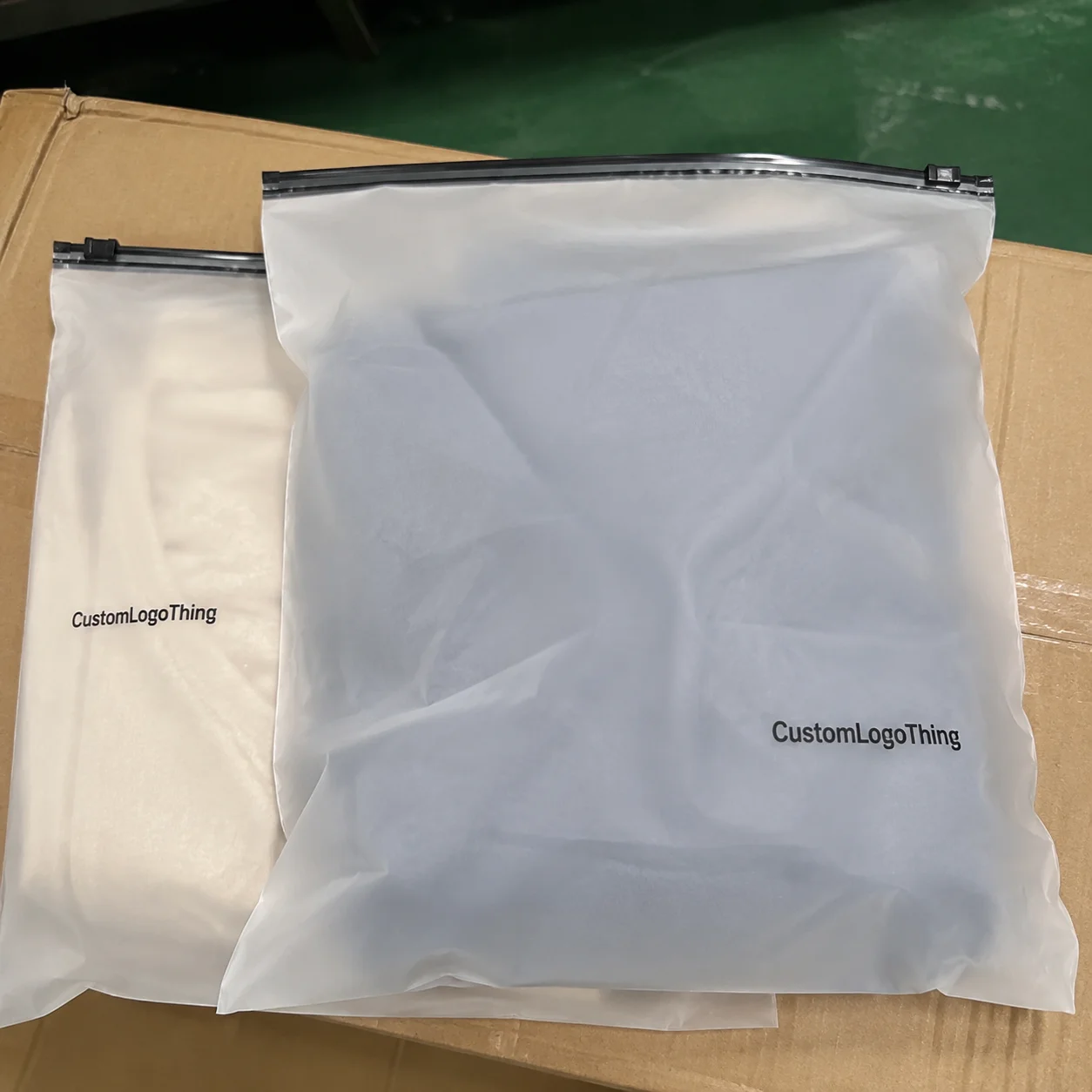
PVC Zipper Garment Bags unit cost for boutique buyers is not only a packaging line item. It is tied to how well higher-margin pieces survive storage, fitting-room handling, steaming, alterations, trunk shows, and the final customer handoff. One dusty shoulder seam on a black dress, a crushed embellished sleeve, or a hanger scuff on a bridal sample can cost more than upgrading the bag specification across a small production run.
Boutique garments tend to be handled in a different rhythm than standard apparel. They may be unpacked, steamed, displayed, tried on, returned to storage, moved to alterations, carried to appointments, and then prepared again for pickup. A thin open-bottom poly cover can keep off some dust, but it rarely gives the structure, reuse value, or finished presentation expected for dresses, gowns, tailored pieces, uniforms, and samples.
Why Boutique Garments Need Better Protection Than Standard Poly Bags
PVC Zipper Garment Bags make sense where the garment has enough value, delicacy, or presentation importance to justify a stronger cover. Common uses include bridal samples, eveningwear, tailored jackets, boutique dresses, dance costumes, showroom inventory, robes, formal uniforms, costume sets, and travel-ready garment combinations. These are not bulk T-shirts packed 100 pieces to a master carton. They are pieces that need to look right after repeated handling.
From a retail packaging standpoint, the bag performs several jobs at once. It protects the garment, helps staff organize inventory, keeps the piece visible, and gives the customer a more polished pickup experience. A dress handed over in a clear zippered bag with a clean logo print leaves a different impression than the same dress in a flimsy disposable sleeve with a loose opening at the bottom.
The zipper is more than a convenience feature. Staff can open and close the bag without tearing it, customers can reuse it at home, and the garment can go back into storage after fittings or alterations. A top hanger opening keeps the item hanging naturally. A properly sized gusset gives padded shoulders, layered skirts, and heavier fabrics enough room to sit without strain.
Practical callout: The cheapest bag is not always the lowest-cost bag. If it splits near the zipper, clouds badly, wrinkles the garment, or looks disposable at customer pickup, the savings disappear quickly.
The final unit cost depends on size, PVC thickness, zipper construction, print method, order quantity, and finishing details. Two quotes can look similar at first glance but perform very differently if one uses lighter film, a shorter zipper, no gusset, rougher sealing, or lower-grade packing. A useful quote starts with the garment use case, then works toward the price.
PVC Bag Materials, Zipper Styles, and Boutique-Ready Construction
PVC is a flexible clear plastic film used where visibility, moisture resistance, and durability matter. It has a more structured hand than many thin polyethylene garment covers, which is one reason boutiques use it for customer-facing storage bags. Clear PVC keeps the garment easy to identify in a stockroom or showroom, while frosted PVC softens the look and can feel more refined for certain retail brands.
Material appearance can be adjusted without changing the whole construction. Clear PVC is best for quick visual inventory checks. Frosted PVC hides minor handling scuffs better than crystal-clear film and gives the bag a softer retail finish. Tinted PVC can support brand styling, although darker colors reduce visibility. Mixed-material designs may include non-woven trim, reinforced panels, piping, bound edges, or fabric-style handles where more structure is needed.
Thickness is one of the first specifications to settle. Lighter PVC may work for short-term storage and simple retail pickup, especially for shirts, blouses, and lightweight dresses. Mid-weight film is often the better choice for reusable boutique handoff because it feels more substantial and handles repeated zipper use more confidently. Heavier PVC belongs on gowns, bridal samples, coats, uniforms, costumes, and travel bags where the zipper, hanger slit, handles, and bottom fold take more stress.
Suppliers may describe thickness in millimeters, microns, gauge, or general light/medium/heavy ranges, so do not rely on wording alone. Ask what thickness is being quoted and whether it changes between samples and bulk production. A bag that feels acceptable in a small flat sample may behave differently when cut into a 60-inch garment cover with a long zipper and a heavy dress inside.
Zipper style affects function and cost per piece. A standard nylon zipper is common for boutique garment bags and works well for most dresses, jackets, robes, and uniforms. A molded zipper can feel stronger, though it may add cost and bulk. Front vertical zippers are easy for customer use. Side zippers can suit certain suit and dress formats. A full-length center zipper gives the best access but uses more zipper tape and labor than a shorter opening.
Small construction details matter more than they appear to on a drawing. The top hanger opening should be reinforced or finished cleanly so it does not tear during repeated use. Handles help with carryout and travel, especially on folded garment bags. Gussets give extra room for bulky pieces. Snaps, bottom folds, piping, binding, and document pockets can all be useful, but each adds material, labor, or setup time.
Logo placement is usually straightforward. A one-color screen print is often the cleanest and most economical choice for boutique branding. Multi-color printing is possible on many builds, but it requires more setup work, more production control, and closer artwork review. If the brand artwork changes often by collection, a printed insert, hangtag, or removable label may be more practical than changing the bag print every run.
Specifications to Confirm Before Requesting a Quote
A good quote begins with clear specifications. Before contacting a manufacturer, prepare the finished width, finished height, garment type, hanger allowance, preferred thickness, zipper position, print colors, logo size, and quantity. Include the delivery date if the bags are needed for a store opening, collection launch, trunk show, or seasonal restock. A complete request moves faster than a general message asking for garment bag pricing.
Sizing requires real packaging logic. The bag cannot simply match the flat measurement of the dress or jacket. It must allow for shoulder width, hanger shape, garment length, fabric thickness, seam allowance, zipper path, and the way the item hangs under gravity. A tailored jacket with padded shoulders may need more width or gusset depth than a flat blouse. A gown with tulle, beading, or appliqué may need extra room through the lower body so the zipper does not press against the fabric.
Most boutique size planning falls into three groups. Shorter bags are used for shirts, blouses, children’s apparel, and jackets. Mid-length bags are common for dresses, coats, uniforms, robes, and boutique separates. Long garment bags are used for gowns, bridalwear, dance costumes, formalwear, and costume sets. If a boutique sells multiple categories, two well-chosen sizes are usually better than forcing every garment into one oversized bag.
Gusset depth deserves careful attention. A flat bag works for slim pieces, but bulky garments need space. Without enough gusset, the zipper strains, the garment wrinkles, and the bag bows outward. For layered dresses, structured coats, padded shoulders, or multiple items packed together, a gusset can be the difference between a bag that looks professional and one that fights the garment every time staff close it.
Artwork requirements should also be confirmed before pricing is finalized. Vector logo files such as AI, EPS, or clean PDF artwork are preferred because they allow accurate sizing and sharp edges. Pantone references help with spot-color printing. CMYK references may be used for process-style artwork depending on the print method. Fine reversed-out text should be avoided on frosted film or textured surfaces because tiny open areas can fill in during printing.
- Finished dimensions: width, height, and gusset depth if needed.
- Garment details: hanger width, fabric bulk, embellishments, shoulder structure, and packed quantity per bag.
- Material look: clear, frosted, tinted, or mixed-material construction.
- Print details: logo file, print color count, print location, and approximate logo size.
- Production details: quantity range, delivery destination, packing preference, and required delivery window.
There are compliance and handling details to consider as well. Some bags may need ventilation holes, warning text, barcode labels, or special carton packing depending on the product and destination. If the bags must arrive folded flat, say so. If creasing is a concern, ask about packing methods that reduce sharp fold marks, especially on clear PVC where a hard crease is more visible. For broader packaging education, resources from the Packaging Machinery Manufacturers Institute can help buyers understand how packaging choices connect to handling, machinery, and distribution.
PVC Zipper Garment Bags Unit Cost for Boutique Orders
PVC zipper garment bag pricing is built from film consumption, zipper length, labor time, printing setup, finishing complexity, packing method, and freight volume. The bag is not priced only by the plastic. A 60-inch clear PVC bag with a full zipper, gusset, logo print, hanger slit, and reinforced edge uses more material and handling time than a short flat jacket bag with a simple front zipper.
For many custom boutique orders, broad factory pricing can land anywhere from under a dollar per piece for simple higher-volume bags to several dollars per piece for heavier, larger, printed, gusseted, or handled designs. Small runs, specialty film, multi-color printing, and freight can push the delivered cost higher. Those ranges are not a substitute for a quote, but they help explain why one boutique bag may cost far more than another even when both are called “PVC zipper garment bags.”
The biggest cost driver is size. Larger dimensions use more film, increase cutting area, and take up more carton space. Thickness comes next. Heavier film costs more per square foot, adds weight, and may increase freight. Zipper length also matters because a long center zipper uses more component material and takes more application time. Gussets add converting steps. More print colors usually mean more screens, more setup control, and slower production checks.
Boutique orders often sit between low-MOQ custom work and larger wholesale runs. Smaller quantities carry more setup cost per bag because artwork review, screen preparation, material setup, cutting, printing, and sealing still have to happen even if the order is modest. Higher quantities spread those setup charges and any tooling fees across more units, which usually improves the unit cost.
Custom Printed PVC Zipper Garment Bags generally require an MOQ because film purchasing, zipper setup, cutting, printing, and heat sealing are not efficient one carton at a time. The exact minimum depends on bag size, material, print method, and construction. A simple one-color logo on a standard-size bag may support a lower starting quantity than a tinted PVC bag with multiple print locations, handles, reinforced trim, and specialty packing.
Ask for price breaks at several quantities. A boutique might compare a small trial run, a practical reorder quantity, and a larger seasonal buy. Even if the first order is conservative, seeing the bulk pricing curve helps determine whether it is better to buy only what is needed for an opening order or stock enough for a season.
| Specification Option | Best Use | Typical Cost Behavior | Buyer Notes |
|---|---|---|---|
| Light clear PVC, flat bag, one-color logo | Retail pickup, light dresses, shirts, jackets | Lowest custom cost per piece, especially at higher quantities | Good for simple handoff, not ideal for heavy gowns or travel use |
| Mid-weight clear or frosted PVC, zipper, hanger slit, optional gusset | Boutique dresses, showroom storage, reusable customer bag | Moderate unit cost with stronger presentation value | Often the best balance for boutique packaging |
| Heavy PVC with gusset, handles, reinforced opening, upgraded zipper | Bridalwear, costumes, coats, samples, travel sets | Higher unit cost due to material, components, and finishing labor | Worth considering when garment value and repeated use justify it |
| Multi-color print or specialty tinted construction | Brand-focused retail programs and seasonal launches | Higher setup charges and more production control | Best ordered with clear artwork and enough volume to spread setup costs |
Compare quotes line by line. Confirm thickness, finished size, print method, zipper type, packing, shipping terms, sample charges, and setup fees. If one quote is dramatically lower, ask what changed. It may be a lighter film, shorter zipper, no gusset, different carton packing, or freight excluded. The better comparison is the finished bag delivered to your door with the construction your garments actually need.
Production Process and Timeline from Artwork to Delivery
The production path is direct, but each step has to be handled in order. A typical custom order moves through specification review, quote confirmation, artwork check, digital proof, sample or pre-production approval when needed, material preparation, printing, cutting, zipper attachment, heat sealing or sewing, quality inspection, packing, and shipment. Weak early details usually create pressure later.
A digital proof checks logo size, placement, orientation, and color references. It does not prove the hand feel of the PVC, zipper smoothness, gusset depth, or how a specific garment fits inside the bag. A physical sample is more useful for high-value garments, unusual sizing, bridalwear, coats, or any bag expected to perform as a travel cover. Sampling adds time, but it can prevent an expensive production mistake.
As a practical planning range, a simple repeat order may move into production quickly after proof approval, while a first-time custom order with sampling often needs additional time before bulk manufacturing begins. Physical samples commonly require one to two weeks depending on materials and shipping method. Bulk production is often planned in a multi-week window after approval, with transit added afterward. Rush schedules are sometimes possible, but they narrow the room for revisions and may limit material choices.
Lead time depends on order quantity, material availability, print complexity, sampling requirements, and whether the boutique can use an established size. A repeat run with confirmed artwork and the same packing method usually moves faster than a first order with new dimensions and a new logo layout. Delayed artwork, unclear sizing, and last-minute color changes can slow the project more than the converting process itself.
Plan packaging before the merchandise arrives. For a new collection, trunk show, bridal appointment season, uniform launch, or store opening, garment bags should be sourced early enough to allow proofing, production, inspection, and transit. If the bags arrive after the garments are already in the store, staff may end up using temporary covers, which weakens the presentation plan and adds extra handling.
Quality inspection should focus on practical use, not only cosmetics. Check zipper movement, seal strength, hanger opening, print placement, film clarity, edge finish, carton count, and folded condition. Pull gently at stress points near the zipper top, hanger slit, handles, and bottom corners. Look for misaligned printing, cloudy film, sharp trimmed edges, skipped sealing, and zipper tape that does not sit flat.
For transit testing principles on packed goods, the International Safe Transit Association offers useful standards and testing references, especially for buyers thinking about shipping cartons and distribution handling. A garment bag may be soft packaging, but carton compression, moisture exposure, and rough handling can still affect how it arrives.
Once the first order is proven, build a reorder rhythm. Keep the approved size, artwork, material thickness, zipper position, carton packing, and shipping details on file. Repeat runs are cleaner when no one has to rebuild the specification from old emails, a phone photo, or a remaining sample pulled from the stockroom.
How to Avoid Overpaying or Under-Specifying Your Bags
There are two common mistakes. The first is buying too cheap and receiving bags that split, cloud, wrinkle, or feel disposable. The second is overbuilding the bag with heavy film, extra pockets, multiple print areas, handles, snaps, and decorative trim that the garment does not need. Both cost money, just in different ways.
Start with the use case. A short retail pickup bag can be simpler if the customer carries the garment home and stores it once. A customer keepsake bag needs better zipper feel, cleaner logo printing, and enough durability for reuse. A sample transport bag should prioritize strength, gusseting, hanger reinforcement, and possibly handles because it may be loaded into vehicles, carried to appointments, and opened repeatedly.
Print economy is often where boutiques can save without hurting presentation. A crisp one-color logo on clear or frosted PVC can look more premium than a complicated multi-color print that competes with the garment inside the bag. Screen printing a simple boutique mark in black, white, metallic-style ink, or a brand color can keep the design clean and controlled. Fine gradients, tiny text, and large flood coverage can increase setup work and quality-control requirements.
Add features only where they serve the job. Handles are useful for customer carryout, travel, and trunk show movement. Piping can improve edge appearance and give the bag more structure. Gussets protect bulky garments and reduce zipper strain. Reinforced hanger openings are sensible for heavier pieces. Extra snaps, large pockets, oversized print coverage, or decorative trims may raise the unit cost without improving the customer experience.
Testing actual garments is one of the best safeguards. Put the real dress, jacket, gown, coat, or costume into the proposed size before approving full production. Check shoulder fit, hem clearance, zipper path, hanger position, and how the film behaves after the bag is closed. Embellished pieces need extra care because beads, sequins, stones, and appliqué can catch or press into the film.
Also consider the storage environment. PVC can protect against light moisture and dust, but it is not a substitute for climate control, breathable long-term archival storage, or careful handling of delicate textiles. If garments will be stored for long periods, especially natural fibers, heavily embellished pieces, or bridal samples, ask whether ventilation holes, breathable panels, or an alternate material should be considered. A clear PVC bag is excellent for visibility and retail handling, but every material has limits.
Many buyers focus too hard on the lowest opening price and not enough on repeat use. If the bag will be seen by the customer, carried out of the boutique, and reused at home, it should feel intentional. The right specification matches bag construction to garment value, retail presentation, and order budget without adding decorative extras that do not serve the job.
Next Steps to Get an Accurate Boutique Garment Bag Quote
An accurate quote needs real inputs. Prepare the garment type, target bag dimensions, quantity range, logo file, preferred material look, zipper position, thickness preference, destination address, and required delivery date. If the size is uncertain, send garment photos or measurements. A flat garment measurement, hanger width, and total hanging length help prevent bags that are too tight at the shoulders or too short at the hem.
Instead of asking for one vague quote, request two or three specification options. For example, compare a basic retail handoff version, a reusable boutique version, and a heavier sample or travel version. That makes the tradeoffs visible. It also shows where the unit cost changes meaningfully: film thickness, gusset depth, zipper length, print method, carton packing, and order quantity.
A well-prepared quote should include recommended size, material thickness, print method, MOQ, unit pricing by quantity tier, setup details if applicable, estimated production timeline, packing method, and shipping estimate. If the design needs adjustment for production, that should be discussed before proof approval, not after materials are prepared.
- Measure the garment on its hanger, including shoulder width and total hanging length.
- Choose the intended use: pickup, storage, customer reuse, sample transport, or travel.
- Send the logo as vector artwork when available.
- Confirm print color count and preferred logo placement.
- Ask for quantity tiers so trial, reorder, and seasonal pricing can be compared.
- Review the proof carefully before approving production.
PVC zipper garment bags unit cost for boutique purchasing is most accurate when the quote is based on real dimensions, real artwork, and the way the customer will use the bag. Review logo placement, zipper direction, hanger opening, gusset depth, and garment fit before approving the proof. That early discipline usually does more to control cost than negotiating a few cents off a bag that was under-specified from the start.
FAQ
What affects pvc zipper garment bags unit cost for boutique orders the most?
The largest cost drivers are bag size, PVC thickness, zipper length and style, gusset depth, print colors, order quantity, packing method, and freight volume. A larger order usually lowers the per-bag cost because artwork setup, printing preparation, and production changeover are spread across more units. For an accurate comparison, make sure every quote uses the same dimensions, thickness, zipper position, print method, packing details, and shipping terms.
What MOQ should a boutique expect for custom PVC zipper garment bags?
MOQ depends on bag size, print requirements, material, and production setup. Custom Printed PVC Zipper Garment Bags generally require a minimum run to make printing, cutting, zipper application, and sealing efficient. Boutiques should ask for tiered pricing at a trial quantity and at one or two reorder quantities to see where the unit cost improves. A standard construction with a simple one-color logo usually gives more flexibility than a heavily customized bag.
Which PVC thickness is best for boutique garment bags?
Lighter PVC can work for short-term garment protection and retail pickup, while mid-weight PVC is usually better for reusable customer handoff and boutique storage. Heavier PVC is useful for bridalwear, samples, travel use, costumes, coats, or garments with embellishments and bulk. The right thickness should be chosen with garment weight, expected reuse, zipper stress, storage conditions, and desired presentation in mind.
Can boutique garment bags be printed with a custom logo?
Yes, PVC zipper garment bags can usually be printed with a boutique logo, brand mark, care message, or simple graphic depending on the material finish and print area. One-color printing is often the most cost-efficient and gives a clean retail look, while multi-color printing may require additional setup and closer color control. Vector artwork is preferred because it keeps the logo sharp and allows accurate sizing for production.
How long does production take for custom PVC zipper garment bags?
Production timing depends on specification approval, artwork readiness, material availability, quantity, printing complexity, and whether a physical sample is required. The process typically includes quote review, proof approval, material preparation, printing, cutting, zipper application, sealing or sewing, inspection, packing, and shipping. Boutiques should begin sourcing before a collection launch, store opening, trunk show, or seasonal restock so there is enough time for proofing, production, and delivery.