Buyer Fit Snapshot
| Best fit | Buy Eco Friendly Corrugated Boxes projects where brand print, material claims, artwork control, MOQ, and repeat-order consistency need to be specified before quoting. |
|---|---|
| Quote inputs | Share finished size, material target, print colors, finish, packing count, annual reorder estimate, ship-to region, and any compliance wording. |
| Proofing check | Approve dieline scale, logo placement, barcode or warning zones, color tolerance, closure strength, and carton packing before bulk production. |
| Main risk | Vague material claims, crowded artwork, missing packing details, or unclear freight terms can make a low unit price expensive after revisions. |
Fast answer: Buy Eco Friendly Corrugated Boxes: Specs, Pricing, Timeline should be specified like a repeatable production item. The safest quote records material, print method, finish, artwork proof, packing count, and reorder notes in one written spec.
Production checks before approval
Compare the actual filled-product size with the drawing, then confirm tolerance on folds, seals, hang holes, label areas, and retail display edges. Reserve space for logos, QR codes, warning copy, and material claims before decorative graphics fill the panel.
Quote comparison points
Review material grade, print process, finish, sampling route, tooling charges, carton quantity, and freight assumptions side by side. A quote is only useful when the supplier can repeat the same color, closure quality, and packing count on the next order.
Buy Eco Friendly Corrugated Boxes: Specs, Pricing, Timeline
Buy eco friendly corrugated boxes before shipping damage starts eating into margin. A carton that caves in during transit is never a tiny issue; it becomes refunds, repacks, labor, and a customer who remembers the bad arrival more clearly than the product inside.
That is the part many buyers miss. The real decision is not cheap box versus green box. It is total landed cost: board strength, damage rate, filler, freight, labor, returns, and the time your team spends answering complaints. If the goal is packaging that actually performs, buy eco friendly corrugated boxes that are recyclable, sized correctly, and strong enough for the route your parcels really travel.
Buy eco friendly corrugated boxes: what most buyers miss
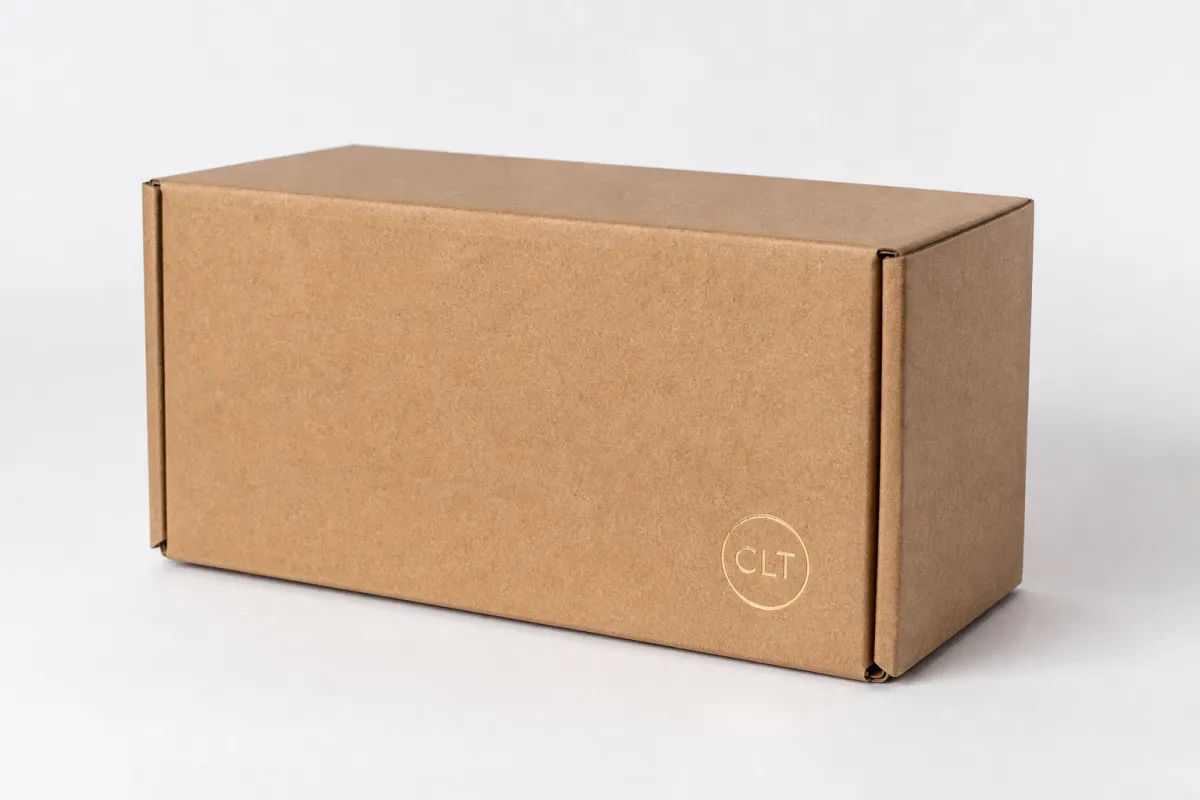
If you want to buy eco friendly corrugated boxes that genuinely cut waste, start with the shipping problem, not the marketing copy. A weak carton that needs extra void fill, extra tape, and a second shipment after a crush claim is not environmentally friendly just because the liner is recycled. It is expensive. It is frustrating. It is still waste.
From a packaging buyer’s point of view, the right carton does three jobs at once. It protects the product, keeps pack-out fast, and looks clean enough for retail shelves, subscription kits, or direct-to-consumer shipping. That is why buy eco friendly corrugated boxes should mean more than “brown paper and a green label.” It should mean recyclable fiber, right-sized dimensions, and inks and adhesives that do not create extra disposal headaches.
A lot of buyers still compare boxes by unit price alone. That is how they end up paying more. A carton that saves $0.03 but creates a 2% damage rate is not a bargain. On a run of 10,000 units, the cost shows up in labor, replacements, service tickets, and the extra corrugate used to fix the original mistake. The smarter move is to buy eco friendly corrugated boxes based on total landed cost.
“A cheap carton is expensive the moment the product arrives broken.”
Eco friendly should also mean fewer empty cubic inches moving through the system. Right-sized packaging reduces filler, lowers dimensional shipping waste, and can improve freight efficiency if you are palletizing mixed SKUs. That is not theory. In practice, the strongest sustainability gains usually come from using less material per shipment, not from chasing a thinner box that fails under load.
Here is the basic framework I use with buyers who want to buy eco friendly corrugated boxes without turning the order into a science project:
- Protect the product first. A recyclable box that crushes is a false win.
- Size the carton to the product. Less void space means less filler and less shipping waste.
- Match the board to the route. Local delivery, parcel shipping, and bulk storage are different jobs.
- Keep the print clean. Water-based inks and modest coverage usually work without complicating recycling.
- Think in reorders. The best box is the one you can repeat without surprises.
If you are also comparing broader packaging programs, start with our Custom Shipping Boxes page for shipping-focused builds or our Custom Packaging Products catalog if you need other components in the same order. Packaging decisions rarely live in isolation.
The rest of this post covers the practical issues buyers actually need: styles, Specs, Pricing, Lead Times, and the questions to ask before the order goes live. That is how you buy eco friendly corrugated boxes with fewer surprises and less expensive regret.
Buy eco friendly corrugated boxes: product details and box styles
If you want to buy eco friendly corrugated boxes for shipping, retail, or subscription fulfillment, the box style matters as much as the size. Different constructions solve different problems, and mixing them up is one of the fastest ways to waste money.
The main styles buyers see are straightforward. Regular slotted cartons, or RSCs, are the workhorse. They ship flat, assemble fast, and work well for standard freight or e-commerce. Mailer boxes are the nicer-looking option, usually die-cut and self-locking, so they suit presentation-heavy brands. Die-cut boxes are made to fit a product or set of products more tightly. Retail-ready display cartons need more thought because they have to survive transport and still open cleanly on a shelf.
For many brands, the trick is not buying the fanciest box. It is choosing the least complicated structure that still protects the product. That is how you buy eco friendly corrugated boxes without paying for packaging theater.
Material choices matter just as much. Recycled kraft liner is common and makes sense for many shipping programs. Virgin liner offers a cleaner surface and can improve print appearance, especially for retail-facing cartons. FSC-certified paper is useful when a procurement team needs documented sourcing. Water-based inks are a practical baseline for most print jobs. They keep the box easier to recycle than heavier coatings or finishes that complicate fiber recovery.
Flute choice affects performance in a very practical way. Thin flutes, such as E-flute, are often used where presentation matters and the package needs a smoother print surface. B-flute is a common middle ground. It gives solid stacking strength and good crush resistance without making the carton bulky. C-flute and heavier combinations are better when the package faces more impact or heavier loads. If the board is too light, the box fails. If it is too heavy, you are paying for strength you do not need. That is why buyers should buy eco friendly corrugated boxes based on load and transit conditions, not habit.
Custom sizing changes the whole conversation. A box built around your product can reduce filler, improve stacking, and make pack-out faster. Inserts can be added to hold fragile items in place or keep multi-piece kits from shifting. Print coverage can stay minimal or go full coverage depending on the brand goal. Coatings can be matte, gloss, or left uncoated if you want a simpler recycling path and a more natural look. The point is control. You should be able to buy eco friendly corrugated boxes that fit the product, fit the workflow, and fit the budget.
| Box style | Best use | Typical MOQ | Typical unit price | Main tradeoff |
|---|---|---|---|---|
| RSC shipping carton | General shipping, storage, bulk freight | 500-1,000 pcs | $0.35-$1.10 | Plain appearance, but efficient and flexible |
| Die-cut mailer box | DTC, subscription, presentation packaging | 1,000-3,000 pcs | $0.55-$1.80 | Better unboxing, usually more setup work |
| Heavy-duty custom shipper | Fragile or heavier products | 1,000-5,000 pcs | $0.75-$2.40 | Higher cost, but fewer damage claims |
That table is the decision tree in plain language. If the product is light and presentation matters, a die-cut mailer may be enough. If the product is heavy, awkward, or likely to be stacked hard, a stronger shipping carton is safer. Buyers who want to buy eco friendly corrugated boxes should compare use case before they compare price. Otherwise they end up shopping in the wrong category.
For brands that need validation beyond supplier claims, look at shipping test expectations from the International Safe Transit Association. If a package is expected to handle parcel abuse, drop patterns and compression resistance matter. “Looks sturdy” is not a test method. It is just optimism with tape on it.
After a sample run, the differences become obvious. Fit, fold quality, and print behavior reveal more than a screen mockup ever will. That is the point where guessing ends and comparison begins. It is also the point where many buyers finally see why they should buy eco friendly corrugated boxes based on structure, not slogans.
Specifications for eco friendly corrugated boxes that affect performance
Specifications decide whether a carton works or fails. If you want to buy eco friendly corrugated boxes that hold up in real shipping, you need to look past the outside size and into the numbers that control performance.
Start with dimensions. Internal dimensions matter more than external dimensions because the product has to fit inside the usable cavity. A box that is “close enough” often becomes the box that slows the pack line, causes scuffing, or lets the product move around. If you are comparing quotes, always ask for internal dimensions and board caliper. A difference of a few millimeters can change fit, insert design, and shipping efficiency. That is a strong reason to buy eco friendly corrugated boxes with exact specs, not rough estimates.
Board strength is the next piece. ECT, or Edge Crush Test, tells you how much stacking force the board can handle. Burst strength measures resistance to puncture and rupture. Both are useful, but they answer different questions. If you are stacking cartons on pallets or storing them in a warehouse, ECT matters a lot. If the product is more likely to see rough handling or sharp impacts, burst strength can matter more. Buyers sometimes ask for one number and ignore the other. That is lazy. A better request is to buy eco friendly corrugated boxes with the board grade matched to the load profile.
Here is a practical rule set:
- Light retail goods: 32 ECT single wall may be enough if the route is gentle.
- Typical e-commerce shipments: 32-44 ECT single wall is common for many products.
- Heavier or fragile items: 44 ECT or double wall may be safer.
- Long storage or high stacking: prioritize compression resistance and pallet stability.
Weight is not the only factor. Shipping mode matters too. Parcel carriers handle packages differently from palletized freight. Long-haul transit, cross-dock handling, humid docks, and warehouse stacking all change the picture. A carton that performs fine in a controlled store-to-customer route may fail if it sits in a damp distribution center for a week. That is why buyers who want to buy eco friendly corrugated boxes should share route details, not just product weight.
Moisture exposure deserves more respect than it gets. Corrugated board loses strength as humidity rises. If your cartons move through warm docks, refrigerated storage, or coastal freight lanes, ask about board performance under expected conditions. You may not need a coated solution, but you do need to know whether the board softens before it reaches the customer. Put plainly, buy eco friendly corrugated boxes that stay strong in the environment they will actually see.
Palletization and compression are also part of the story. A carton can pass a single drop and still fail in stack. A carton can look fine on a bench and still crush under a full pallet. If you are running bulk shipments or warehouse storage, ask for compression guidance and confirm how many layers can be stacked safely. Buyers should also ask whether the supplier can provide a sample, a short test run, or a validation check before volume production. That is especially useful for fragile goods, high-value items, or products with inserts. If you plan to buy eco friendly corrugated boxes for a first launch, validation is cheaper than a recall of broken product.
For buyers who want to go one level deeper, standards and test methods matter. ASTM-style compression and drop testing are common references, and many shipping programs use methods aligned with common parcel testing practices. There is no magic number that works for every product. There is only the right number for your product, route, and damage tolerance. That is the difference between buying packaging and buying problems.
One more practical note: internal fit beats extra void fill almost every time. When the carton is sized properly, inserts do less work, pack-out is faster, and the final package looks cleaner. That is a better way to buy eco friendly corrugated boxes than stuffing a product into a box that is three sizes too big and hoping paper crumples will save it. That approach is kinda the packaging equivalent of putting a raincoat on after the storm.
Pricing, MOQ, and unit cost for eco friendly corrugated boxes
If you plan to buy eco friendly corrugated boxes, price is important, but unit price alone is a lazy metric. The quote that looks cheapest often leaves out the things that actually move your budget: freight, tooling, inserts, print setup, and the cost of buying too much inventory at once.
The main drivers are easy to name. Box size affects board usage. Board grade affects material cost. Print complexity affects setup and run time. Finish and coating affect both price and recycling behavior. Inserts add another component. Custom dielines and die cutting can add tooling or setup charges. If you are trying to buy eco friendly corrugated boxes for repeated use, the hidden costs matter just as much as the printed number on the quote.
MOQ, or minimum order quantity, changes by style and print method. Simple unprinted cartons or stock-style constructions can usually start lower. Fully custom printed mailers often need a larger run to stay economical. That is normal. A supplier that offers too-low MOQ on a complex build is either pricing the job badly or hiding the cost elsewhere. Neither is ideal.
Here is a practical range buyers can use as a starting point:
- Simple shipping cartons: 500-1,000 piece MOQ is common.
- Custom printed mailers: 1,000-3,000 pieces is more typical.
- Large-format or heavy-duty builds: 1,000-5,000 pieces can make more sense.
- Highly custom die-cut jobs: tooling and setup need to be priced carefully before you commit.
Unit cost usually falls as volume rises. That part is predictable. A 1,000-piece run can cost noticeably more per unit than a 10,000-piece run because setup is spread across fewer cartons. The tradeoff is inventory risk. If demand is uneven, buying too many cartons locks cash into pallets sitting in a warehouse. So the right move is not always to buy eco friendly corrugated boxes in the biggest possible quantity. It is to buy enough to earn a better rate without creating dead stock.
Here is a quote comparison framework that keeps people honest:
- Match internal dimensions, not just outside dimensions.
- Compare board grade and flute type, not just carton style.
- Confirm print method, coverage, and finish.
- Check MOQ and whether price breaks change at higher volume.
- Ask about tooling, samples, inserts, and freight separately.
- Verify lead time from proof approval to warehouse arrival.
That checklist stops the common nonsense. A supplier quoting a low unit price with high freight, a bigger minimum, and a slow schedule may be more expensive than the “pricier” quote that is cleaner, faster, and easier to reorder. Buyers who know how to buy eco friendly corrugated boxes should compare landed cost, not just sticker price.
Packaging buyers also need to think about the cost of failure. A box that reduces damage by even a small percentage can pay for a better board grade fast. Returns are expensive because they stack costs. You lose the box, pay the repack labor, risk product damage, and often absorb customer service time. A greener box that protects the shipment better is usually the more economical option too. That is not marketing. That is arithmetic.
If sustainability documentation matters to your team, ask whether the paper source can be aligned with FSC-certified fiber and whether the printing process uses water-based inks or minimal coatings. For general recycling guidance, the EPA recycling resources are a useful reference point. The main lesson is simple: make the box easy to recycle, and make it strong enough that it does not need to be replaced.
After pricing is set, lock the spec before you reorder. Most overruns happen because someone changes one dimension, one insert, or one print detail and assumes the earlier quote still applies. It usually does not. Buyers who want to buy eco friendly corrugated boxes repeatedly should save the approved spec sheet and treat it like a control document.
Process and timeline: from quote to delivery
The buying process should be simple. If you want to buy eco friendly corrugated boxes without dragging the order out for weeks, send complete information on day one. Missing specs are what slow packaging projects down, not the box itself.
Start with the RFQ packet. The supplier needs internal dimensions, product weight, shipping method, print needs, target quantity, and delivery location. If there are inserts, send those requirements too. If the product is fragile, say so. If the box needs retail shelf appeal, say that too. A complete RFQ reduces back-and-forth and usually gets you to a usable quote faster. That is the easiest way to buy eco friendly corrugated boxes on a sane timeline.
After the RFQ, the usual flow is straightforward: specification review, structure recommendation, pricing confirmation, dieline creation, artwork placement, and buyer approval. If the job is simple, the proofing step can move quickly. If the box is custom die-cut or has multiple print faces, expect more back-and-forth. Fast approvals help more than anyone likes to admit. Endless revisions do not improve the carton. They just burn calendar time.
Sample timing depends on complexity. A plain sample or digital proof can move quickly. A physical prototype takes longer, especially if a custom die line or insert is involved. After approval, production lead time for simple orders is often around 10-15 business days. More custom printed or high-volume runs can stretch to 15-25 business days, depending on the factory schedule and finishing needs. Freight is separate. Domestic transit may take a few days, while longer routes take more. If you need the cartons by a launch date, build buffer time into the order. Buyers who want to buy eco friendly corrugated boxes on a fixed deadline should plan for the freight window, not just the factory window.
Production should include quality checks at a few points: board incoming inspection, first article review, print verification, and final pack-out check. If a sample changes the design or strength requirement, production should not start until the revised spec is approved. That sounds obvious. It still gets skipped, usually by people who are already behind schedule.
Here are the timeline questions worth asking before you place the order:
- How long from quote approval to dieline?
- How long from artwork approval to sample?
- What is the normal production lead time after sample sign-off?
- Is freight booking included or separate?
- Can the supplier hold inventory for reorders if needed?
Answer those questions early and you avoid most of the unpleasant surprises. A buyer who knows how to buy eco friendly corrugated boxes will treat lead time as part of the spec, not an afterthought.
Why choose us for eco friendly corrugated boxes
We take the practical route. No fake sustainability theater. No vague claims. If you want to buy eco friendly corrugated boxes that do the job and still present well, the goal is simple: the carton should protect the product, reduce waste where possible, and hold up in real shipping conditions.
That means we pay attention to structure, board grade, print, and fit. We do not force a one-size-fits-all recommendation. Some buyers need a lighter carton with a clean presentation face. Others need stronger board, a different flute, or inserts that stop movement. The right recommendation is the one that balances eco claims with actual performance. People who buy eco friendly corrugated boxes should expect that kind of tradeoff discussion, not a sales pitch full of adjectives.
Design support matters too. A clean dieline, clear internal dimensions, and accurate artwork placement save time later. Faster quoting helps buyers compare options without waiting around. Fewer production surprises matter even more, because nothing ruins a launch faster than discovering the carton drifts in size or the print coverage was misread. We would rather explain the tradeoffs upfront than hide them until the cartons are already on a truck.
Repeat-order consistency is another real issue. A first run can look fine while the second run changes in board feel, print registration, or fit. That is why clear records and QC checks matter. If the approved spec is saved properly, reorders stay closer to the original build. Buyers who want to buy eco friendly corrugated boxes should not have to re-engineer the same carton every time they reorder.
The honest answer is that sustainability is not one magic feature. It is a set of choices: recyclable fiber, responsible sourcing, right-sized design, and enough strength to prevent wasteful damage. Get those right and the box earns its place. Get them wrong and the “eco” label becomes decoration.
Next steps to buy eco friendly corrugated boxes
If you are ready to buy eco friendly corrugated boxes, do not start with a vague request like “send me a quote for shipping boxes.” That wastes everyone’s time. Start with exact dimensions, product weight, shipping method, branding files, and monthly or annual demand. Those details change the recommendation, the price, and the lead time.
Ask for two or three build options if you can. One option can be a lower-cost board grade. Another can be a stronger carton with a higher MOQ. A third can balance presentation and shipping strength. That makes it much easier to compare price, protection, and storage needs before you commit. It is a better way to buy eco friendly corrugated boxes than taking the first number that lands in your inbox.
Approve a sample or digital proof before production, especially if the product is fragile, the print has tight alignment requirements, or the box is going straight into retail use. Save the approved spec. Save the dieline. Save the freight route and the supplier’s lead-time notes. Reorders move faster when the paperwork is clean.
Here is a simple reorder checklist:
- Keep the approved internal dimensions on file.
- Record the board grade, flute, and print method.
- Note the best freight option and typical transit time.
- Track damage rates and customer complaints after launch.
- Flag any changes before the next order gets released.
That is how good packaging programs stay good. Not through luck. Through records, measured decisions, and a willingness to compare the carton against the actual shipping problem. If your team wants to buy eco friendly corrugated boxes without guessing, send the specs first and let the build follow the product.
For brands that want a box supplier who can explain board grades, lead times, and print choices without hand-waving, the smart move is to request a quote with the full spec sheet. Buy eco friendly corrugated boxes by sending exact dimensions, product weight, shipping method, and quantity first. Guessing is how you end up paying twice.
What makes eco friendly corrugated boxes actually eco friendly?
Look for recyclable fiber content, FSC-certified paper where needed, and right-sized designs that reduce filler and wasted material. Water-based inks and minimal coatings help too, but the biggest sustainability gain usually comes from using less material per shipment. A box that protects the product and cuts damage is more eco friendly than a thinner box that gets replaced twice.
Can I get custom sizes when I buy eco friendly corrugated boxes?
Yes. Custom sizes are normal, and the supplier should base the build on your product dimensions, weight, and shipping method. Send internal dimensions, not a rough guess, or you may pay for a carton that fits badly. Custom dielines can add setup time and tooling cost, so ask for sample and production pricing before you commit.
What MOQ should I expect for eco friendly corrugated boxes?
MOQ depends on box style, print method, and board spec. Simple cartons can start lower than fully custom printed boxes. If you need a low run, ask for stock-style construction with custom print, or accept a higher unit cost to reduce inventory risk. A good supplier should give tiered quotes so you can see how MOQ changes pricing.
How long does it take to produce eco friendly corrugated boxes?
The schedule depends on how fast you approve the quote, artwork, and sample. After approval, production lead time can be short for simple orders and longer for custom print or high-volume runs. Freight time is separate, so ask for the full timeline from proof approval to warehouse arrival if your launch date matters.
Are eco friendly corrugated boxes strong enough for shipping fragile products?
Yes, if the board grade, flute, and box style match the product weight and shipping conditions. Fragile items often need inserts, a tighter fit, and a stronger board spec rather than just more filler. Ask for a sample or drop-test check before you commit to a full run, especially if the shipment has to survive parcel abuse.


