Fitness Twisted Handle Paper Bags Material sample guide. That phrase sounds narrow, but the job behind it is broad: prove that the bag can carry real product, protect the brand image, and hold up after handling, shipping, and store use. Two samples can look nearly identical in a photo and behave very differently once someone lifts them by the handle. One feels crisp and trustworthy. The other starts to bow, wrinkle, or strain at the seam before it has even left the counter.
For packaging buyers, the sample is not a formality. It is the fastest way to judge stiffness, surface feel, grip, and build quality without waiting for a full production run. A slight change in paper weight or coating can alter the carry experience more than a change in artwork. That is why sample review matters so much in fitness packaging, where the bag may carry apparel, shoes, towels, bottles, or a mixed load with awkward edges.
Print files only tell part of the story. A physical sample tells you how the bag behaves as an object. It shows whether the paper springs back after compression, whether the handle digs into the fingers, and whether the structure still feels steady when weight shifts to one side. Buyers who focus only on color usually miss the problems that show up later.
What Samples Reveal
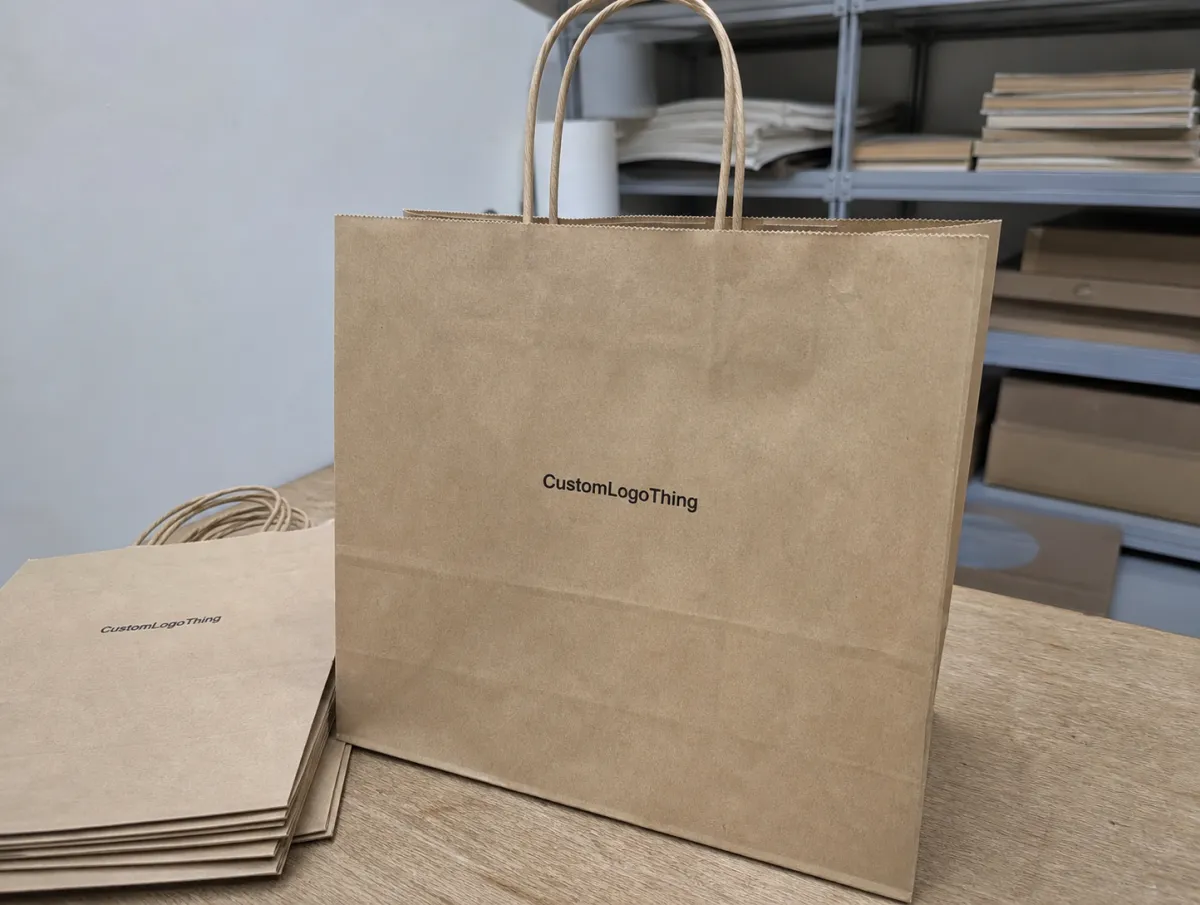
The simplest question is also the most useful: does the bag feel like it can do the job? A Twisted Handle Paper bag can look clean in a rendering and still fail under real conditions. The handle seam can split. The bottom can bow. The side gusset can crease in ways that make the bag look tired before it has been used more than once.
A material sample reveals structure, not just style. That matters because structure is what customers feel first. A bag that stands upright on a table usually reads as more premium than one that slouches. A surface that resists fingerprints and scuffs will keep the pack looking sharper in retail lighting. A well-attached handle makes the whole package feel more finished, even before the product goes inside.
Buyers often overweight print beauty and underweight construction. In paper packaging, structure usually decides whether the bag feels reliable. A modest shift in board weight can change the entire experience. On fitness-related items, where the contents can be dense or uneven, that shift becomes obvious fast.
- Stiffness: Does the bag stand up cleanly or collapse when set down?
- Grip: Do the handles stay comfortable after a few minutes of carrying?
- Finish: Does the surface look sharp under store lighting or show dull patches?
- Construction: Do the seams, gussets, and bottom hold after loading?
The best way to review a sample is to treat it like a working package. Load it with the actual item weight. Carry it by the handle. Set it down. Pick it up again. Then look at it from three to six feet away, which is closer to how a shopper sees it on a shelf, at checkout, or in a delivery handoff.
Stock, GSM, and Finish: The Material Variables That Matter
Paper stock changes everything. Kraft paper gives a natural, sturdy look and usually suits eco-forward branding. White or bleached paper tends to make logo colors read brighter and can feel more polished for retail presentation. Recycled board supports sustainability messaging, but the final appearance depends on fiber mix, surface treatment, and print coverage. If a supplier says the stock is FSC certified, confirm it directly at fsc.org rather than relying on a logo dropped into a proof.
GSM is one of the easiest specs to misread. Higher GSM generally means more rigidity, but thicker is not always better. Too much weight can make the bag harder to fold, cost more to ship, and feel bulky in the hand. For many Custom Paper Bags, 120-180 GSM suits light retail use. Heavier loads may need 200 GSM or more, especially if the bag has a larger format or needs extra reinforcement at the handle and base.
Finish matters just as much as sheet weight. Matte surfaces usually hide scuffs better and look calmer. Gloss can sharpen contrast and make colors pop, but it also tends to show scratches and handling marks faster. Uncoated stock feels more tactile and can support a natural brand story, especially if the packaging team wants to point to recycled materials or post-consumer waste content. The tradeoff is ink behavior: uncoated paper often absorbs differently, so the same logo may shift a touch in tone or density.
Handle reinforcement and body construction need to be judged together. A strong bag body with a weak handle attachment is still a weak bag. The same goes for gusset depth and bottom construction. If the bag is meant to hold a compact gym item, the base should resist flex rather than ballooning. For shipping, the outer carton should protect the sample from crushed corners or bent handles, because transit damage can make a sound bag look faulty.
Material check list:
- Confirm paper weight in GSM, not vague terms like “thick” or “premium.”
- Review finish, coating, and how the surface reacts to scuffs and fingerprints.
- Inspect handle reinforcement and glue lines under direct light.
- Ask whether the full bill of materials supports biodegradable packaging claims once inks, coatings, and handles are included.
Sampling Process and Timeline
The fastest sampling jobs start with a complete spec sheet. Size, intended fill weight, handle style, print colors, finish, and the actual use case should be clear from the first message. If the request only says “send a sample,” the factory has to guess. Guessing costs time, and time costs money.
A workable process usually moves in three steps. First comes the digital proof, which confirms artwork placement, copy, and basic proportions. Then comes the physical prototype, which shows the real paper, folding behavior, and handle feel. Finally, the approved reference sample becomes the benchmark for production. A screen proof can tell you the logo is centered. Only a physical sample can tell you whether the bag holds its shape when loaded.
Lead time depends on decisions the buyer can usually control. Custom sizing, multiple ink colors, foil, spot UV, and special lamination all stretch the schedule. A new die line, a different handle style, or a revised bottom construction adds more time. In a typical run, a physical sample may take 5-10 business days after artwork approval, and freight can add another 3-7 days depending on destination and shipping method. A revision round can add several more days if the change affects tooling or assembly.
Quality control should start before the sample reaches your desk. Some suppliers run internal checks that mirror transport handling expectations, and buyers should ask how the sample was tested for compression, dropping, and corner crush before approval. Full lab certification is not required for every paper bag, but the logic still applies: if the package fails during shipping, the customer sees the failure first.
Most approval delays happen because the sample was judged against the artwork, not against the weight, handling, and transport conditions it actually needs to survive.
A complete sample request shortens the loop more than almost anything else. If the factory does not need to chase dimensions, handle details, or artwork corrections, the review cycle gets cleaner. That matters most when the sample is supposed to match production exactly instead of serving as a loose visual reference.
Cost, Pricing, and MOQ
Sample pricing and production pricing are not the same thing. A sample quote may include paper, printing, cutting, assembly, handwork, packaging, and freight. Production pricing spreads those costs across a larger quantity, so the unit economics look different. A cheap sample does not automatically point to a cheap production order.
MOQ changes the price curve in a predictable way. Smaller quantities usually push up the per-bag cost because setup is being spread over fewer units. Larger runs normally improve unit price, especially once the size and artwork are fixed. If you are testing three sizes, one handle style, and two print versions, the sampling cost can grow quickly. That is normal. The mistake is comparing only the sticker price and ignoring the cost of getting a reliable decision.
| Sample route | Typical cost | What it proves | Main tradeoff |
|---|---|---|---|
| Digital mockup only | $0-$20 | Artwork, layout, copy placement | No proof of structure, feel, or handle strength |
| Flat physical prototype | $35-$90 | Paper feel, folding, print clarity | May not match final tooling or full assembly |
| Fully finished custom sample | $80-$180 | Exact size, handle reinforcement, full build | Higher cost and longer lead time |
| Rush sample with express freight | $120-$250+ | Fast approval against a deadline | Rush charges can outweigh the sample itself |
Ask for the quote line by line. Is design included? Are revisions included? Is the sample packed in a protective carton or simply placed in a shipping sleeve? Are freight charges prepaid, or will they arrive later? Is the approval sample credited against production, or is it a separate cost? Those details often matter more than the headline number.
Eco claims need the same scrutiny as price. A kraft paper body may still be paired with synthetic reinforcement, coated inks, or a non-paper handle. If your procurement language needs to support biodegradable packaging claims, confirm the entire bill of materials, not just the sheet stock. A half-true sustainability story is hard to defend once the order leaves sample stage.
How to Judge Fit, Strength, and Brand Presentation
The most useful sample tests are usually the least glamorous. Fill the bag with the actual product weight, not a guessed equivalent. A pair of shoes, a water bottle, and a folded garment behave differently in a twisted handle bag. Real weight exposes handle strain, sidewall flex, and bottom stability far better than a hand squeeze ever will.
Then check the bag under the same conditions your customer will see. Start at eye level. Is the logo crisp? Are the colors steady across panels? Does the print stay clean near the folds, or does registration drift once the bag is assembled? Small print flaws are easy to miss on screen and hard to miss in hand.
Handle comfort matters more than many teams expect. Twisted handles should sit securely in the fingers without sharp edges or excessive tension. If the handle digs in, the bag may pass a load test and still feel unpleasant. That discomfort affects how people read the brand. In retail packaging, comfort is part of quality.
A practical internal scoring system helps. Rate the sample on structural strength, visual accuracy, user comfort, and commercial fit. The last category gets overlooked too often. A beautiful bag that doubles your landed cost may still be the wrong bag for the job. Packaging should support the product economics, not sit outside them.
Borrowing from packaging test language helps keep the review objective. Does the sample survive repeated handling? Does it resist scuffing after a few transfers? Does the shape hold after a short load cycle? Those are simple questions, but they force the team to look past the mockup and into real behavior.
A bag that tears, creases badly, or feels cheap can undercut the product inside before the customer even opens it.
One useful rule: compare the sample against the brand promise, not just the spec sheet. A premium fitness label usually needs a firmer board, cleaner edges, and a more controlled finish than a discount retail pack. If the sample does not match the brand tier, it is not ready, even if the dimensions are right.
Common Sample Mistakes
The first mistake is approving a sample without loading it properly. A bag that looks fine when empty can deform badly with real weight. The second is focusing so hard on print color that weak glue lines or uneven folds go unnoticed. Those problems are rarely visible at first glance, and they tend to show up after the order is already in motion.
The third mistake is comparing only one version from each supplier. If one supplier sends a heavier board, another sends a glossy finish, and a third changes the handle length, you are not comparing suppliers. You are comparing different products. That can produce a false winner. Ask for matched specs, the same fill weight, the same handle style, and the same carry test.
Moisture and shipping abuse also get overlooked. Paper products are vulnerable to damp conditions, rough packing, and edge wear. If a sample arrives in a crushed corrugated cardboard shipper and the corners are already warped, do not judge the material too quickly. First separate transit damage from true construction issues, then request a replacement if needed.
Environmental claims deserve skepticism too. A bag can be made from kraft paper and still fail a sustainability review if the coating, handle, or adhesive complicates recycling. Buyers should ask whether the supplier can explain recycled content, post-consumer waste input, and end-of-life claims in plain language. That is the difference between a solid eco position and a vague green label.
Small sample errors often become expensive production errors. A missing crease line, a handle that sits 5 mm off-center, or a gusset that was never checked under load can all trigger avoidable rework. Sample review should happen with the people who will actually use the bag, not only with a designer and one procurement note.
Next Steps After the Sample Arrives
Use a short scorecard. Strength, appearance, cost, lead time, and sustainability fit are usually enough to decide whether the sample is approved, revised, or rejected. If everyone reviews the same sheet, feedback becomes easier to compare and harder to blur.
When revision notes are needed, send one clean list instead of scattered comments. “Make it stronger” is too vague. “Increase board weight by one step, reinforce the handle attachment, and reduce gloss on the front panel” gives the supplier something usable. Clear instructions usually shorten the second round.
Before production, lock three items: the final spec sheet, the approved artwork file, and the reference sample. Those three should agree. If they do not, resolve the mismatch before the order moves. A clean approval trail is one of the cheapest forms of quality control available.
Keep the approved sample labeled and stored. Include date, batch, paper stock, print method, and sign-off notes. That one sample becomes the benchmark for the next reorder, the next seasonal refresh, and any conversation about whether the factory drifted from the original build. In practice, it is the easiest way to stop quality from sliding over time.
The strongest outcomes usually come from treating the fitness Twisted Handle Paper Bags material sample guide as a working tool, not a checkbox. Once the sample is tested, documented, and matched against the spec, you are in a better position to place production with confidence and keep the next run consistent.
What should a fitness twisted handle paper bags material sample include?
The sample should match the final size, handle style, and paper stock as closely as possible. It should also show the actual print finish, reinforcement details, and bottom construction. If possible, ask for a sample that reflects the real product weight you plan to pack.
How do I compare samples from different suppliers?
Use the same fill weight, lighting, and handling test for every supplier so the comparison stays fair. Check stiffness, print clarity, seam strength, and how the bag feels after repeated carrying. Review each quote line by line, because a lower sample price can hide shipping or setup charges.
What drives the cost of a sample?
Custom sizing, special handles, and new tooling can raise the sample cost quickly. Multiple print colors, coatings, and premium paper stock also increase pricing. Rush production and expedited freight are often the biggest hidden add-ons.
How long does the sample process usually take?
Digital proofs are usually faster than physical samples, but they only confirm artwork and layout. Physical prototypes take longer because the factory may need to cut, print, assemble, and ship them. Any revision round adds time, so a complete spec sheet helps shorten the timeline.
When should I approve a sample for production?
Approve only after the bag passes load testing and the print matches your brand expectations. Confirm that the final spec sheet, approved artwork, and sample reference all match. If the sample will be used as a production benchmark, keep a labeled copy for future checks.

