Hotel Performance Golf Caps unit cost is easy to underestimate because the first number on the quote is only part of the story. A cap that costs a little more at purchase can turn out cheaper over a season if it keeps its shape, holds color in sun, and avoids the soft, tired look that sends a perfectly usable product to the back room.
For hotels, golf resorts, and pro shops, the real comparison is not sticker price versus sticker price. It is landed cost, wear life, approval time, and the cost of reorders that have to match an existing program. A cap that stays consistent across properties has value well beyond the unit number printed on the quote.
That matters most in hospitality because caps are rarely bought for one purpose only. The same style may show up in a retail display, a tournament welcome bag, a staff issue kit, or a guest amenity shelf. If the product looks polished on day one and still looks acceptable after repeated wear, the buying decision gets easier. If it does not, the hidden costs show up in replacements, complaints, and extra rounds of approval.
Why hotel performance golf caps unit cost is lower than it looks
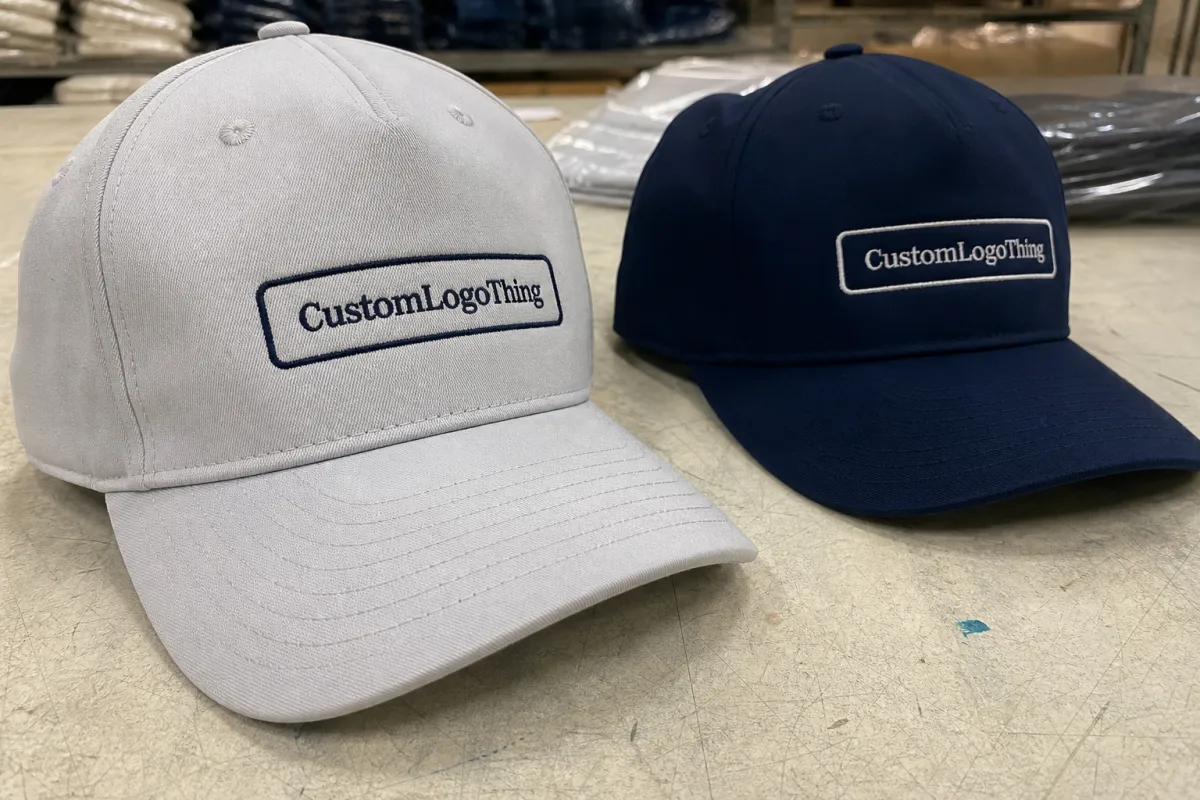
The lowest price on paper often belongs to the least forgiving cap construction. Thin cotton twill, weak front structure, and a basic sweatband can shave pennies off the initial quote, then create a different expense later when the cap loses its form or fades beside uniforms that are still in rotation. The problem is not that the cap is cheap. The problem is that it acts cheap after a short run.
Performance caps usually make more sense for hospitality because they address the failure points buyers notice first. Polyester bodies hold color better than many cotton-heavy options. Structured panels keep embroidery from sagging. Moisture-wicking sweatbands reduce the sticky feel that guests notice in warm weather. None of that is glamorous, but it is exactly what keeps a cap presentable long enough to justify the buy.
There is another layer that finance teams tend to appreciate. A stable cap spec can be reordered without starting from scratch. That reduces artwork rework, proofing time, and procurement drift from one property to the next. Over time, repeatability is worth more than a small difference in first-order price.
A cap that survives a full season without losing its shape often costs less than a cheaper one that needs replacing halfway through.
Shipping quality follows the same logic. Buyers would not accept a vague claim that cartons were “packed carefully” without any reference to transit testing or compression handling. The same standard should apply to caps. If the product is headed to multiple hotels, a warehouse, or a retail channel, the packaging needs to protect the front panel, visor curve, and decoration. Weak packing can make a decent cap look second-rate before it ever reaches the floor.
Performance fabrics and styling that still feel premium
Most hotel buyers eventually end up comparing the same few materials. The most common base is 100% polyester, followed by polyester-spandex blends and polyester caps with mesh, perforated side panels, or laser-cut ventilation. Polyester is the workhorse because it is light, prints and embroiders well, and keeps its color better than most budget cotton options. Spandex adds a small amount of stretch, which helps a cap fit a wider range of head sizes without looking tight at the seams.
Material choice affects more than comfort. It changes the way the cap presents on a shelf, in a guest gift shop, and in photographs. A cap with a crisp hand and a clean front panel reads as deliberate. A cap that collapses when it is set down reads as disposable. That difference is subtle in a sample photo and obvious in person.
Construction details carry just as much weight. A structured six-panel cap usually gives the cleanest embroidery surface and the most reliable crown shape. A five-panel build can look modern and works well for simpler graphics, though it is less forgiving if the logo is busy. Unstructured caps have a relaxed feel, but they are a tougher sell for premium hotel retail because the silhouette can look soft under showroom lighting.
Brim shape also changes the perception. A pre-curved visor feels familiar and tends to suit wider hospitality programs. A flat brim has a more contemporary retail look, but it can narrow the audience. Mid-profile caps usually work best for mixed distribution because they sit comfortably in the middle between fashion and utility. Low-profile caps lean more upscale and can fit a stronger luxury brand, though they are less universal.
Comfort details are easy to overlook until the sample arrives. A brushed sweatband feels better against the forehead than a stiff one. A moisture-wicking band matters in hot climates or on golf properties where the cap may be worn all day. Stitching around the crown should lie flat. The visor should hold its curve after handling. These are not cosmetic checks. They are the difference between a cap that gets worn and one that gets set aside.
- Most durable base: polyester with structured front panels and colorfast yarns.
- Best fit range: adjustable closures with smooth back construction.
- Best hot-weather option: mesh or perforated panels paired with a quick-dry sweatband.
- Best retail presentation: understated embroidery or a clean woven patch with limited thread colors.
Decoration should support the cap, not fight it. Small front embroidery, a restrained side mark, or a tonal patch usually holds up best in hospitality. Once the art gets oversized or too busy, the item starts moving away from premium and toward promotional. That may be acceptable for a tournament giveaway, but it is a weaker fit for a hotel gift shop or branded amenity line.
Specs to confirm before you approve a bulk quote
A solid quote depends on a locked spec sheet. If panel count, crown profile, closure, or decoration placement is still open, the final number will move later. That is where most budget surprises begin. A buyer may think they are comparing vendors, but in practice they are comparing different products.
Start with the basics:
- Panel count: five-panel, six-panel, or seven-panel construction.
- Crown profile: low-profile, mid-profile, or structured front.
- Visor shape: pre-curved, curved, or flat.
- Closure: snapback, Velcro, buckle, webbing, or fitted.
- Sweatband: standard, moisture-wicking, or treated finish.
- Size plan: one-size-fits-most or a specified head range.
Decoration requires the same discipline. Flat embroidery is usually the cleanest and easiest to repeat across orders. Woven patches can elevate the look, though they often introduce tooling or setup charges. 3D puff embroidery has shelf appeal, but it is less forgiving with fine lettering or small logos. Printed decoration can lower the front-end price, yet it tends to wear faster than stitching on a cap that sees regular handling.
Ask for the art file to be checked before sampling. Thin fonts, tiny marks, and gradient-heavy logos do not always survive embroidery cleanly. A supplier may need to simplify line work or adjust stitch density so the logo reads correctly at cap size. That is normal production work, not a defect, but it should be addressed before approval so the buyer is not paying for avoidable revisions later.
Packaging and shipping deserve the same attention as the cap itself. Does the program need individual polybags, hangtags, or retail-ready carton labels? Will the goods move through one warehouse or several hotel locations? If the caps need to arrive sorted by property, that should be part of the brief. It is much cheaper to ask for carton segmentation up front than to sort mixed boxes after delivery.
For programs using paper inserts or hangtags, FSC-certified stock may matter to the brand. That kind of detail does not change cap quality, but it does affect how the product is presented and whether the packaging fits broader sustainability claims. The same is true for transit handling. If a supplier cannot explain how cartons are protected during compression or pallet stacking, the packing process is too loose for a hospitality order.
Pricing, MOQ, and unit-cost levers that change the quote
The phrase hotel performance golf Caps Unit Cost sounds singular, but the quote is usually built from several layers: base cap cost, decoration, packaging, sample work, and freight. That separation matters. A quote that looks high may simply be honest about setup, while a low quote may be hiding charges that show up after approval.
For small orders, fixed costs carry more weight. Digitizing is usually modest, but sample fees, patch tooling, and extra proof rounds can move the first order higher than expected. On 100 units, those charges are visible. On 500 units, the same costs are diluted enough to feel manageable. This is why a program for one property can look expensive in isolation but become more attractive once several hotels are combined into a single buy.
| Unit-cost driver | What it affects | Buyer observation | Typical risk if ignored |
|---|---|---|---|
| Quantity | Spread of setup, sampling, and freight | Larger orders usually flatten the unit cost fastest | Overpaying for fixed charges on small runs |
| Decoration method | Labor, tooling, and visual finish | Embroidery often gives the best balance of durability and price | Picking a premium look that strains the budget |
| Logo complexity | Digitizing, stitch count, and setup revisions | Fine text and multi-color art need more pre-production work | Unexpected approval delays and revision fees |
| Packaging | Retail presentation and warehouse handling | Simple cartons are cheaper; segmented cartons save internal labor | Sorting costs after delivery |
| Freight mode | Landed cost and lead time | Air is faster, ocean is cheaper for larger quantities | Missing event dates or inflating landed cost |
Typical MOQ ranges for custom hospitality caps often sit around 100-300 pieces, though some stock-based programs can start lower. The precise number depends on the base cap, color count, and decoration method. A simple logo on a stock body is easier to place than a custom colorway with patch work. Buyers should ask for the price break at the next quantity tier, not just the first quote. That is where the better economics often appear.
One detail experienced buyers watch closely is the difference between first order and reorder. The first run usually includes sampling, artwork checks, and sometimes additional setup. Once the spec is frozen, the reorder may be materially cheaper because the factory already has the approved file, stitch map, and production notes. That is one reason a clear master spec is worth more than it looks. It keeps later orders from being treated like fresh projects.
Freight can erase a good unit price if it is ignored early. A low EXW or FOB quote can still land badly once shipping, duties, and domestic transfer costs are added. For tight launch windows, air freight may be justified despite the higher bill. For larger seasonal orders, ocean freight usually makes more sense if the timeline can absorb the extra weeks. The right choice depends on the event calendar, not just the cap cost.
- Highest-impact lever: order quantity, because it spreads fixed charges.
- Most visible cost swing: decoration method, especially embroidery versus patch work.
- Most common hidden cost: artwork cleanup, sample revisions, and freight.
- Most useful cost control: one master spec reused across properties.
Process and timeline from artwork proof to shipped cartons
Most cap programs follow the same path: inquiry, spec confirmation, proofing, sample approval, production, inspection, and shipping. The timeline gets longer whenever the buyer changes the spec midstream. A clean order is faster not because the factory moves magically, but because fewer variables have to be resolved.
- Inquiry: send quantity, target date, delivery location, and basic branding needs.
- Proof: review cap style, logo placement, colors, and closure in a digital mockup.
- Sample approval: check fit, decoration size, and finish before bulk begins.
- Production: sewing, decoration, and in-line quality checks.
- Inspection and packing: count verification, carton labeling, and freight preparation.
Lead times vary, but practical ranges help buyers plan. A quick digital proof may come back in one to two business days if the artwork is clean. Physical samples usually add a week or more, especially if color matching is sensitive or the decoration is not standard. Bulk production after approval often falls in the 12-20 business day range for straightforward orders, with longer timelines for specialty trims, unusual closures, or peak-season congestion. These are not hard promises; they are the kind of ranges that keep a schedule honest.
Quality control should be visible inside that schedule, not bolted on after the fact. Buyers should ask where the stitch count is checked, how cap dimensions are measured, and what happens if the logo drifts off-center. On hospitality orders, consistency matters more than a perfect one-off sample. A small batch can look fine by eye and still drift enough across a full production run to create complaints once the caps are distributed.
The same applies to packaging. Flat-packed caps can save space, but they can also crease or lose crown definition if cartons are overfilled. For structured caps, the packing method should preserve shape without creating unnecessary bulk. Final carton weight matters as much as carton count. A box that is too heavy slows handling and invites damage during internal transfer.
Rush orders deserve special caution. A compressed schedule can be done, but only if the artwork, cap spec, and destination are fully set. Last-minute closure swaps, revised artwork, or packaging changes tend to create the very delays the rush order was meant to avoid. The cleanest orders often look plain on paper because all the decisions were made before production started.
How repeat hospitality orders stay consistent across properties
Repeat orders are where hospitality sourcing either gets easier or turns into a constant reset. The difference is almost always documentation. A master spec that records the cap style, fabric, color code, closure, logo file, stitch placement, and packaging instructions removes guesswork from the next buyer, the next property, or the next season.
Without that record, small changes creep in. Navy becomes a slightly different navy. The crown gets a touch taller. The embroidery shrinks enough to be noticeable, but not enough to trigger a formal complaint. Those shifts sound minor until they are stacked across multiple properties. Then the brand begins to look inconsistent even though every order was technically approved.
Buyers who manage multi-property programs also tend to care about receiving consistency. Facility-specific carton labels, property segmentation, and clear pack counts save internal labor and prevent avoidable confusion at the warehouse dock. That does not sound glamorous, but it is where time disappears. An order that arrives correctly sorted and clearly labeled is worth more than one that needs an hour of manual checking.
The best reorder is the one that matches the approved sample closely enough that nobody has to debate it in receiving.
There is also a budget angle. A stable spec keeps future pricing comparisons meaningful. If every reorder is a new style with a new closure or a new trim detail, unit cost becomes difficult to compare. If the product stays fixed, the buyer can see whether the price moved because of material cost, freight, or simple volume changes. That kind of clarity is useful during annual planning and much easier to defend internally.
For hotel groups that use the cap across retail, amenities, and events, a single approved program also reduces brand risk. The cap on the shelf should match the cap in the golf shop and the cap handed out at a tournament. That consistency is not a luxury. It is part of the product.
Next steps: request swatches, mockups, and a line-item quote
A useful quote starts with a useful brief. Send the target quantity, cap style, logo file, delivery destination, and desired date in the first message. If the order has to be split across properties, say so early. If there is a preferred closure or packaging format, include that too. Vague requests produce vague pricing.
Ask for a line-item breakdown rather than a single all-in number. Base cap cost, decoration, packaging, setup, and freight should be visible separately. That makes it easier to compare embroidery against patch work, or printed art against stitched art, on the same page. It also helps a buyer see where a supplier is pricing aggressively and where the quote is carrying extra overhead.
Swatches and samples are worth the wait if the cap is going into a guest-facing environment. Screens flatten texture. They do not show the firmness of the crown, the feel of the sweatband, or the way the visor holds shape after handling. Those details decide whether the cap feels like part of the hotel program or a leftover promotional item.
Once the approved spec is on file, future orders become easier to manage, easier to compare, and easier to forecast. That is the practical end of the discussion around hotel Performance Golf Caps Unit Cost: not the cheapest quote, but the most reliable cost over repeated orders, with fewer surprises, fewer revisions, and fewer compromises in front of the guest.
What affects hotel performance golf caps unit cost the most?
Quantity usually has the biggest impact because it spreads setup, sampling, and freight across more pieces. Decoration method, artwork complexity, and packaging also move the number quickly, especially on smaller runs.
What MOQ should I expect for custom hotel golf caps?
Many custom programs start around 100-300 units, though stock-based caps can sometimes begin lower. Ask for the next price tier as well, since the unit cost often improves more at the second break than it does at the minimum.
Which decoration method gives the best balance of price and appearance?
Flat embroidery is usually the strongest middle ground. It is durable, reads cleanly on structured caps, and tends to feel more premium than printing without the tooling complexity of some patch builds.
How long does production usually take?
A digital proof can move in one to two business days if the art is ready. Physical samples add time, and bulk production often lands in the 12-20 business day range after approval, depending on the spec and the season.
How do I keep the same cap consistent across multiple properties?
Keep one master spec on file for fabric, closure, color, artwork, and packaging. If the order is distributed to several locations, ask for carton labeling or property-specific packing so each site receives the right count without extra sorting.