A launch can stall over a pouch. Not dramatic. Just expensive.
Buyers searching for how Buy Matte Zipper Bags lead time planning are usually trying to avoid one of three problems: a stockout, a delayed retail set, or a rush freight charge that was never in the margin model. The bag looks like a small line item until it is the only thing missing from pack-out.
Custom matte zipper bags are not always pulled from a shelf and printed overnight. Film may need to be sourced. Artwork needs a dieline. Printing, lamination, curing, pouch converting, zipper insertion, quality control, packing, and freight all need calendar space. Ignore those steps and the schedule will remind you. Rudely.
Matte zipper bags are popular for good reasons. Coffee, snacks, supplements, pet treats, apparel accessories, kits, samples, and specialty products all use them because they protect the product, reduce glare, and look controlled on shelf. The zipper extends use after opening. Custom print turns the package into a brand surface instead of a disposable container.
The expensive part is often not the pouch. It is the workaround: labels slapped onto stock bags, partial shipments, substitute materials, missed promo windows, or air freight that wipes out the savings from a cheaper unit price. Smart Lead Time Planning treats packaging as a production input, not decoration ordered after the product is ready.
The Inventory Gap That Makes Matte Zipper Bags Expensive
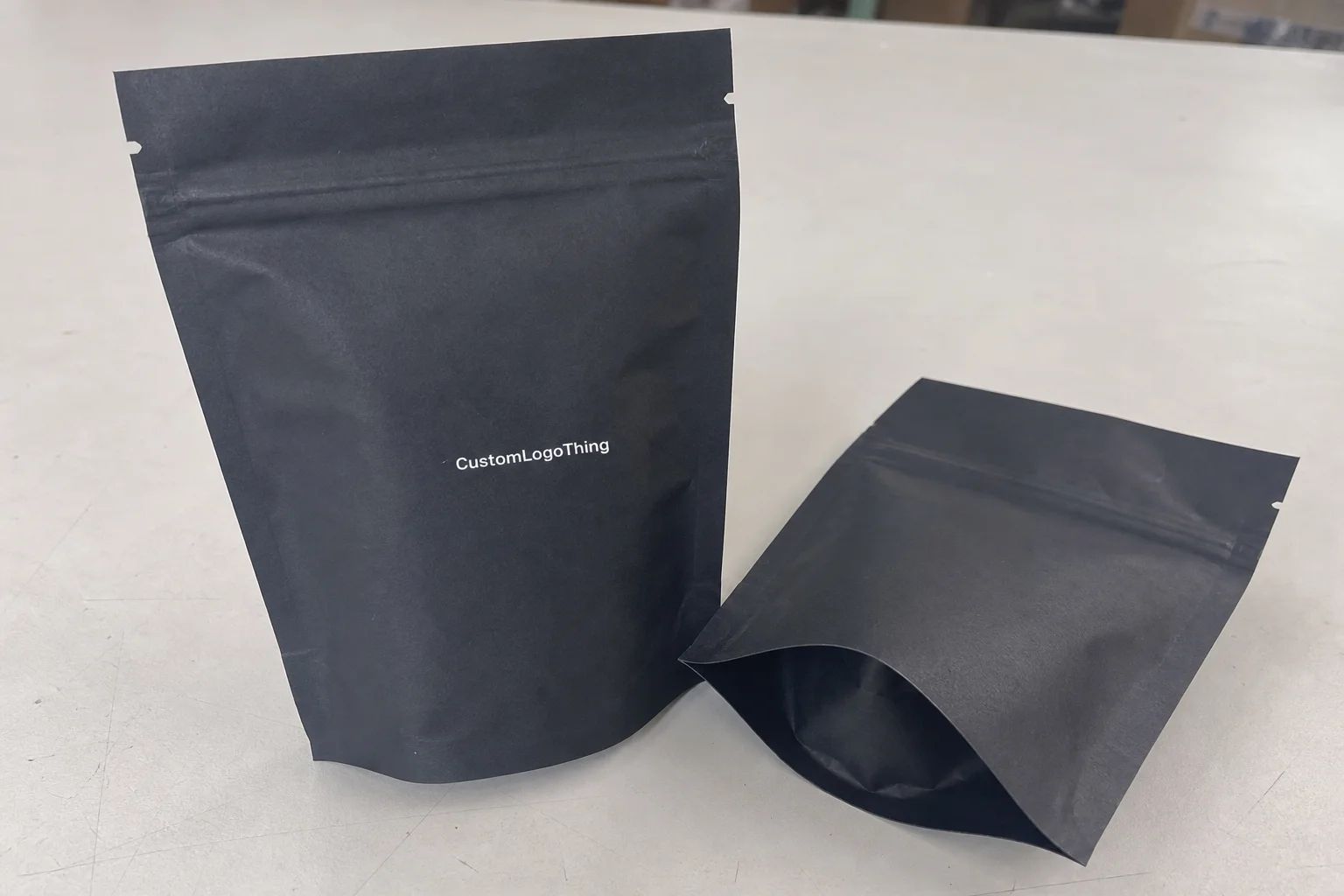
The danger zone opens between “art approved” and “bags in hand.” A lot of buyers treat custom flexible packaging like printed labels: send a file, approve a proof, receive cartons shortly after. That is not how most custom zipper pouch production works.
A supplier has to confirm structure, size, zipper type, finish, print method, artwork, packing details, and freight path. A stand-up pouch for 12 oz coffee is not built like a flat zipper bag for apparel accessories. A metallized laminate for oily snacks is not the same as a basic PE zipper bag for dry samples. Even bags with the same outside dimensions can fill, seal, stand, and ship differently.
That is why planning should start before the purchase order exists. If procurement waits until the packing line is scheduled, every revision becomes costly. One missing barcode. One late nutrition panel. One undecided matte coating. The clock keeps moving.
Planning rule: treat the in-hand date as the deadline, not the ship date. Receiving still needs time to inspect cartons, count inventory, stage materials, and release the bags to production.
The best value is not always the lowest bag price. It is the lowest total risk for the product, timeline, and sales channel. If a pouch protects shelf life, scans cleanly at retail, survives filling, and arrives before pack-out, it has done its job.
Buyers should also separate first orders from reorders. First orders carry more friction: structure decisions, artwork setup, proofing, samples, color expectations, and production notes. Reorders move faster only if the original spec was documented well. “Same as last time” is helpful. “Same as the bag we think we ordered six months ago” is less helpful.
What You’re Buying: Film, Finish, Zipper, and Structure
A matte zipper bag is a flexible bag or pouch with a low-gloss exterior and a reclosable feature, usually a press-to-close zipper. Slider closures exist, but they add cost and may need different tooling. For many food, supplement, apparel, and promotional packaging runs, a standard press zipper is the practical choice.
The format comes first. Stand-up pouches are common for shelf-ready coffee, snacks, powders, and pet treats because the bottom gusset creates display stability. Flat zipper bags suit lightweight goods, apparel accessories, samples, and kits. Three-side-seal pouches work well for small samples and single-pack components. Gusseted bags help when fill volume is high or the product is bulky.
Material choice is where buyers either overspend or under-spec. PE gives flexible utility and can be economical for simple uses. PET/PE laminates improve print clarity and strength. Metallized layers help with light, aroma, and oxygen barrier. Kraft-look matte laminates support a natural shelf position without making the package paper-only. That distinction matters. A kraft-look laminate may still include plastic layers.
If sustainability claims appear on the package, confirm them against the actual structure and disposal path. Flexible packaging recycling can be limited by laminate layers, inks, closures, and local collection rules. The EPA’s recycling guidance is a useful reference for avoiding vague or inflated claims.
“Matte” is not one specification. It can mean matte film, matte varnish, matte lamination, or soft-touch coating. Each behaves differently. Soft-touch feels premium but may scuff more easily. Matte varnish can be efficient for certain print methods. Matte lamination can improve appearance and durability, though it may add process steps and curing time.
Zipper details deserve the same scrutiny. Wider zippers, hang holes, tear notches, rounded corners, child-resistant closures, and laser scoring can improve usability. They can also affect MOQ, tooling, testing, and schedule. Coffee may need a degassing valve. Powders need strong seals and moisture control. Oily snacks need barrier protection. Apparel may care more about tactile feel, clarity, and brand presentation than oxygen transmission.
Bring facts to the quote conversation: fill weight, product dimensions, target shelf life, packing method, sales channel, and storage conditions. Custom Logo Things can then translate the product use case into a spec instead of guessing from a photo. Guessing is fast until it is wrong.
Specifications That Decide Fit, Shelf Life, and Print Quality
Good specs prevent bad surprises. Before quoting matte zipper bags, define width, height, bottom gusset if applicable, material thickness or laminate structure, zipper type, finish, print coverage, number of colors, order quantity, and packed product weight.
Outside dimensions are not usable space. The zipper sits below the top seal. Side seals consume width. A bottom gusset changes how the pouch expands. Product shape matters too. A 100 g powder fill behaves differently from 100 g of irregular pet treats, even if the net weight is identical.
Barrier requirements should be tied to the product, not copied from a competitor. Dry candy may need moisture control. Coffee may need aroma retention and degassing. Protein powder often needs moisture protection and reliable sealing. Pet treats can carry oils that challenge low-grade films. Legal cannabis or cannabis-adjacent products may need warning copy, opacity, and child-resistant features depending on the category and jurisdiction.
Print method affects cost and timing. Digital printing can support shorter runs, faster artwork changes, and lower setup costs. Flexographic or rotogravure printing often makes more sense at higher quantities, especially when artwork repeats. Plate-based methods can add setup charges and time, but the unit cost often improves once volume is high enough.
| Print Path | Best Fit | Typical Buyer Advantage | Watchout |
|---|---|---|---|
| Digital print | Shorter runs, multiple SKUs, launch tests | Lower setup burden and faster design changes | Unit cost may stay higher at scale |
| Flexographic print | Medium to high-volume repeat orders | Efficient repeat production after setup | Plate fees and color control need review |
| Rotogravure print | Large runs with consistent artwork | Strong print quality and lower unit cost at volume | Higher setup cost and longer preparation |
Artwork should arrive production-ready. That means vector logos where possible, dieline alignment, bleed, safe zones, barcode contrast, nutrition panels, warning text, batch code areas, and clear color expectations. If a brand color matters, ask how it will be controlled. A reasonable production tolerance is normal; expecting matte film to match a backlit screen exactly is asking for disappointment.
Matte surfaces photograph well, but dark matte backgrounds can show scuffs more than gloss. For premium retail, protective varnish or scuff-resistant lamination may be worth specifying. Quality checkpoints should include zipper function, seal strength, print registration, odor check, dimensions, carton labels, and sample approval. For transit testing principles, ISTA is a recognized packaging testing authority worth knowing.
Most quoting delays start with weak specifications. A supplier can price faster when the buyer sends usable details. Custom Logo Things helps turn those details into a written spec sheet, which reduces revision loops and misquotes.
Pricing, MOQ, and Unit Cost Drivers Buyers Should Compare
Matte zipper bag pricing is rarely a single-number decision. The lowest unit cost can come with the wrong MOQ, a slower print path, excluded freight, or a material structure that does not protect the product. Cheap packaging becomes expensive when it causes returns, waste, or missed delivery windows.
The main cost drivers are bag size, laminate structure, matte finish type, zipper style, print method, color count, ink coverage, tooling or plate fees, sampling, packing, and freight. A larger pouch uses more film. A heavy ink background uses more ink. A specialty zipper changes material and machine setup. A custom laminate may require sourcing time and higher minimums.
MOQ exists for practical reasons. Film, print setup, machine time, and normal production waste need to be spread across enough pieces. Custom structures and specialty finishes usually raise MOQ because a supplier cannot efficiently run a few hundred bags through a multi-step pouch process. Digital production may support smaller runs. Plate-based production usually rewards higher quantities.
Ask for tiered pricing. Comparing 5,000, 10,000, and 25,000 pieces shows whether the unit savings justify the cash, storage, and demand risk. Depending on size, structure, print coverage, finish, and freight, a custom matte zipper bag might land around $0.18 to $0.45 per unit at moderate quantities. Small specialty runs, large barrier pouches, child-resistant features, valves, or heavy ink coverage can move outside that range. A real quote should confirm it.
| Cost Driver | What Changes | Buyer Planning Tip |
|---|---|---|
| Material structure | Barrier, stiffness, clarity, strength, disposal claims | Match structure to shelf-life risk, not only appearance |
| Matte finish | Feel, scuff resistance, production steps | Ask whether matte is film, varnish, coating, or lamination |
| MOQ | Cash tied in inventory and unit cost | Compare quantity tiers against weekly usage |
| Freight | Landed cost and arrival date | Quote to destination ZIP or port, not only factory cost |
| Proofing | Approval speed and revision risk | Finalize barcode, copy, and dieline before proof review |
Misleading comparisons are common. One quote may exclude freight, duties, zipper upgrades, matte lamination, valves, or physical proofing. Another may include them. Those are not equal quotes. Ask for landed cost, estimated production timing, and freight assumptions in writing.
The best buying decision balances unit cost, lead time, product protection, and the cost of being late. That is the commercial core of buying matte zipper bags with proper lead time planning.
How Buy Matte Zipper Bags Lead Time Planning Works
How Buy Matte Zipper bags lead time planning starts before the order is placed. The schedule begins with decisions: product fit, film structure, finish, closure, artwork, approval path, and delivery method.
A typical custom order moves through inquiry and spec review, quote, artwork check, dieline confirmation, digital proof, physical sample if required, deposit, material procurement, printing, lamination or coating, curing, converting, zipper application, QC, packing, and shipping. Remove a step only if the spec allows it. Rush the wrong step and you may pay later through failed seals, wrong copy, or bags that do not stand.
Timeline variables are real. Custom size adds work. A special laminate may need sourcing. Color matching can require extra review. Physical samples add days because someone has to produce, ship, inspect, and approve them. Order quantity affects machine time. Seasonal demand can crowd production queues. Shipping method changes delivered lead time after production is complete.
Most lost time comes from proofing. Not machines. Incomplete artwork, missing barcodes, late regulatory copy, and group approvals by email can burn a week before production starts. If three stakeholders approve packaging, name one decision owner before proofing begins.
Separate production lead time from delivered lead time. Production may be complete, but freight, customs, consolidation, terminal handling, and domestic delivery still determine when bags reach the packing line. Domestic or local stock structures may move faster. First-time custom import production can take longer, especially if ocean freight is chosen to protect cost.
A useful planning method is a reverse timeline. Start with the pack-out date. Add receiving and inbound QC time. Add freight time. Add production time. Add proofing and sample time. Add artwork cleanup if files are not final. Then add a buffer, because freight and approvals do not care about your launch calendar.
Repeat orders usually move faster because the dieline, material structure, artwork, color targets, and carton details are already confirmed. That only works if the approved files and specifications were saved. If the reorder depends on digging through old email threads, the time savings shrink fast.
If there is a hard deadline, say so at the first inquiry. Custom Logo Things can recommend practical options: stock structures, digital print, simplified artwork, split shipments, or a faster freight path. Good planning is partly choosing the spec that fits the deadline, not forcing a complex spec into an impossible calendar.
Avoid These Ordering Mistakes Before You Approve Production
The first mistake is choosing by outside dimensions only. A flat measurement does not tell you fill volume, shelf stance, zipper clearance, or how the bag behaves after sealing. Ask for a dieline and confirm usable space.
The second mistake is skipping fill testing. A pouch can look perfect flat, then bulge, lean, wrinkle, or fail to stand once filled with real product. Powders settle. Granola creates edges. Pet treats vary in shape. Apparel accessories can trap air. If the bag has to stand on a shelf, test the actual fill weight and product shape before scaling production.
Barcode and compliance risks deserve more attention than they get. Matte surfaces can reduce contrast if the background and barcode color are poorly chosen. Regulated products may require exact warning placement, nutrition facts, batch code areas, country-of-origin statements, or ingredient panels. Do not approve artwork until those items are final.
Over-customization is another quiet schedule risk. Specialty coatings, metallic effects, uncommon zipper profiles, oversized hang holes, or nonstandard dimensions may be justified. Each can add cost, MOQ, and approval time. A salesperson who only pushes upgrades is not helping. The better question is simple: which options prevent damage, delay, or avoidable reorders?
Freight and storage can also surprise buyers. Flexible packaging saves space compared with rigid jars or tins, but a 25,000-piece order still arrives in cartons that need clean, dry storage. Confirm carton counts, pallet dimensions if relevant, and warehouse conditions. Films can be affected by heat, moisture, crushing, and dust before they ever reach filling.
Before production, approve a written spec sheet. Include tolerance ranges for size, color, material, thickness, zipper function, packing, and carton labeling. Tolerances matter because flexible packaging is manufactured at speed, not hand-built one pouch at a time.
- Confirm product weight and real fill volume.
- Confirm the filling method: hand fill, semi-automatic, or automated.
- Confirm shelf-life and barrier needs.
- Confirm final artwork, barcode files, and compliance copy.
- Confirm the quantity tier and approved unit cost.
- Confirm proofing requirements and approval owner.
- Confirm delivery address, freight method, and target in-hand date.
- Set a reorder trigger before the first order is consumed.
That checklist is not bureaucracy. It is evidence. Good packaging purchasing removes uncertainty before the production line finds it.
Quote and Schedule Your Matte Zipper Bag Order
To move from inquiry to quote quickly, send Custom Logo Things the details that affect price and timing. A vague request for “matte zipper Bags with Logo” creates follow-up questions. A clear request can become a quote, proofing path, and production schedule much faster.
Send the bag style, dimensions, quantity or quantity tiers, product type, fill weight, artwork files, desired finish, zipper preference, barrier requirements, delivery location, and target in-hand date. If you do not know the technical term for the look you want, send reference photos or competitor samples. A shelf photo can clarify whether you want soft-touch matte, kraft-look matte, a metallized barrier pouch, or a simple flat zipper bag.
Ask for two paths if speed and unit cost are competing: one optimized for timing and one optimized for volume economics. The difference can be material. A faster path may use a stock structure, digital print, fewer specialty effects, or split delivery. A lower unit cost path may require higher quantity, plate setup, longer production, or slower freight.
Reorders should be planned with arithmetic, not hope. If you use 1,500 bags per week and the supplier’s delivered lead time plus receiving buffer is six weeks, your reorder trigger cannot be 2,000 bags. A safer trigger includes expected usage during production plus safety stock. In that example, 1,500 bags per week multiplied by six weeks equals 9,000 bags before adding buffer for demand spikes or freight delays.
Keep the final dieline, material structure, color targets, approved artwork, carton quantity, and freight method on file. That record turns the next buy into a controlled reorder instead of a fresh investigation.
Strong lead time planning turns matte zipper bags from a last-minute purchase into a controlled production input. Send the right details early, ask for landed pricing, approve specs carefully, and give the schedule enough room to protect the product and the margin.
FAQ
How far ahead should I plan when buying custom matte zipper bags?
Start as soon as you know your pack-out date, especially for a first-time custom order. Allow time for specs, artwork review, proofing, production, QC, freight, receiving, and warehouse staging. Repeat orders are usually faster because materials, dielines, artwork, and carton details are already confirmed.
What information do I need for a matte zipper bag quote?
Provide bag dimensions, style, quantity, product type, fill weight, artwork, finish preference, zipper type, barrier needs, delivery location, and target arrival date. If the structure is unclear, share product photos, samples, or reference packaging so the supplier can recommend the right film and format.
Does matte finish increase the lead time for zipper bags?
It can. Lead time depends on whether the finish is a stock matte film, matte varnish, soft-touch coating, or matte lamination. Special coatings, scuff-resistant finishes, and custom laminate structures may add sourcing, setup, or curing time. If the deadline is firm, ask which matte option is fastest.
What MOQ should I expect when I buy matte zipper bags?
MOQ depends on bag size, print method, material structure, finish, zipper type, and special features. Digital printing may support smaller runs, while plate-based printing often becomes more cost-efficient at higher quantities. Ask for quantity tiers so you can compare unit cost, inventory risk, warehouse space, and reorder timing.
How can I reduce delays in matte zipper bag production?
Send complete artwork files, approve the dieline quickly, and confirm barcode, compliance copy, and color expectations before proofing. Test samples with the real product when fit, stand-up stability, zipper function, or barrier performance matters. For repeat orders, reorder before inventory reaches the danger point by using delivered lead time plus safety stock as the trigger.


