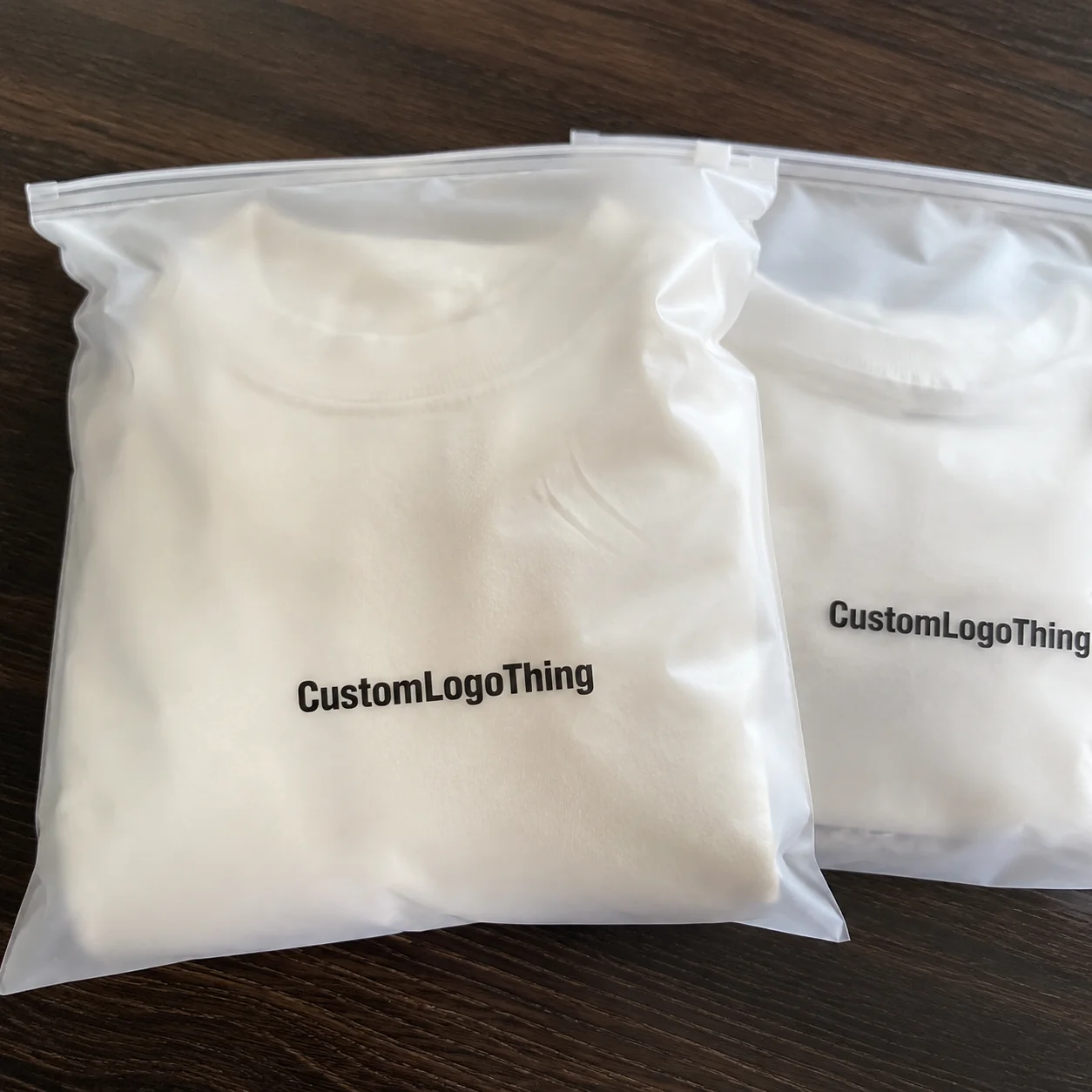
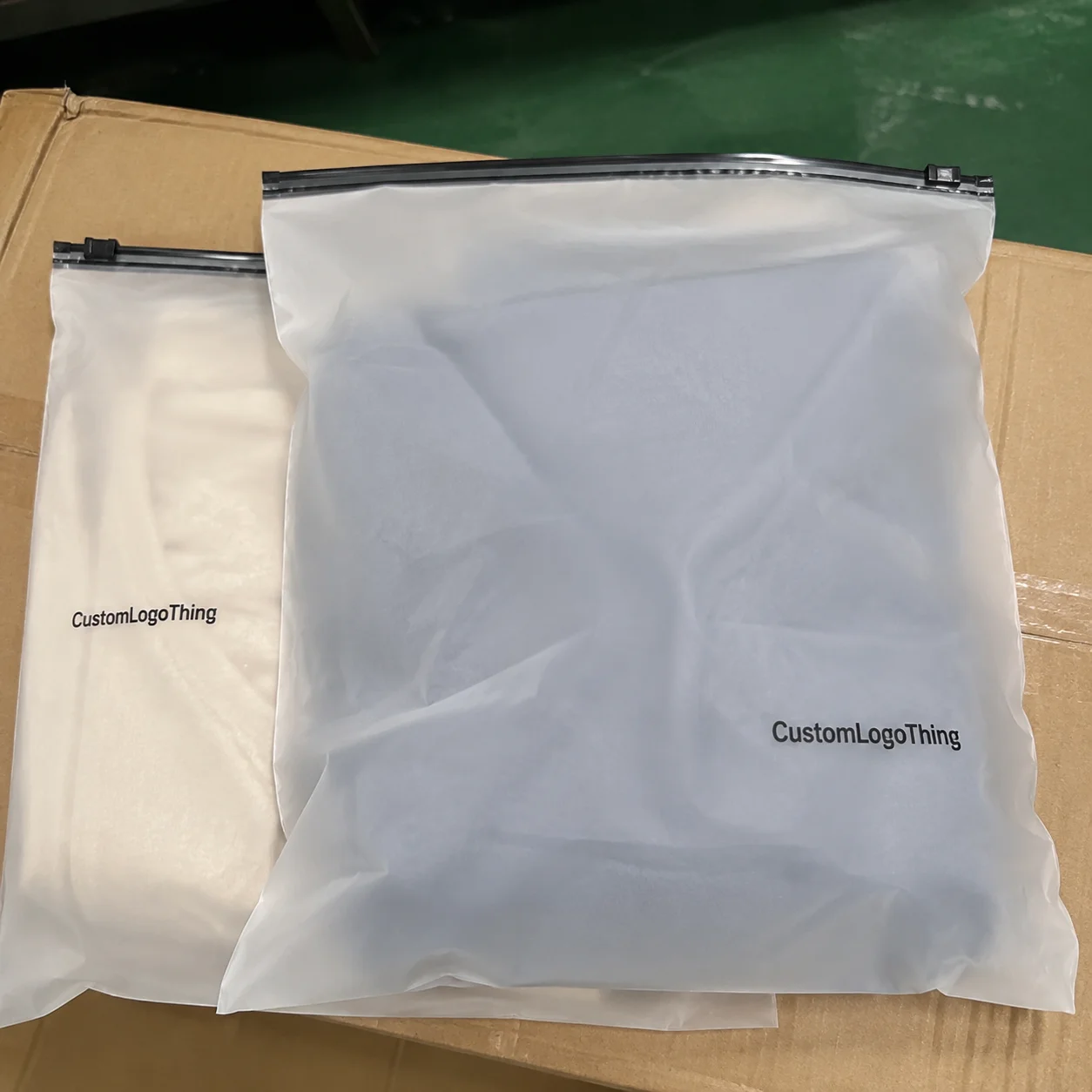
The bag is rarely the slowest part. The ugly delays usually come from artwork approval, film availability, plate setup, freight timing, and someone noticing two weeks late that the barcode is too small. That is why Get Matte Zipper Bags Unit lead time planning matters: it keeps a launch calendar grounded in production reality instead of wishful thinking and emergency labels.
Matte Zipper Bags are flexible pouches with a resealable zipper and a low-gloss surface. They show up in snacks, supplements, pet treats, cosmetics, refill packs, samples, cannabis-adjacent products, and specialty goods where the pack needs to look a little more premium than plain gloss. The finish helps. It does not fix bad specs, weak artwork, or late ordering. Packaging is still manufacturing.
Get Matte Zipper Bags Unit Lead Time Planning Basics
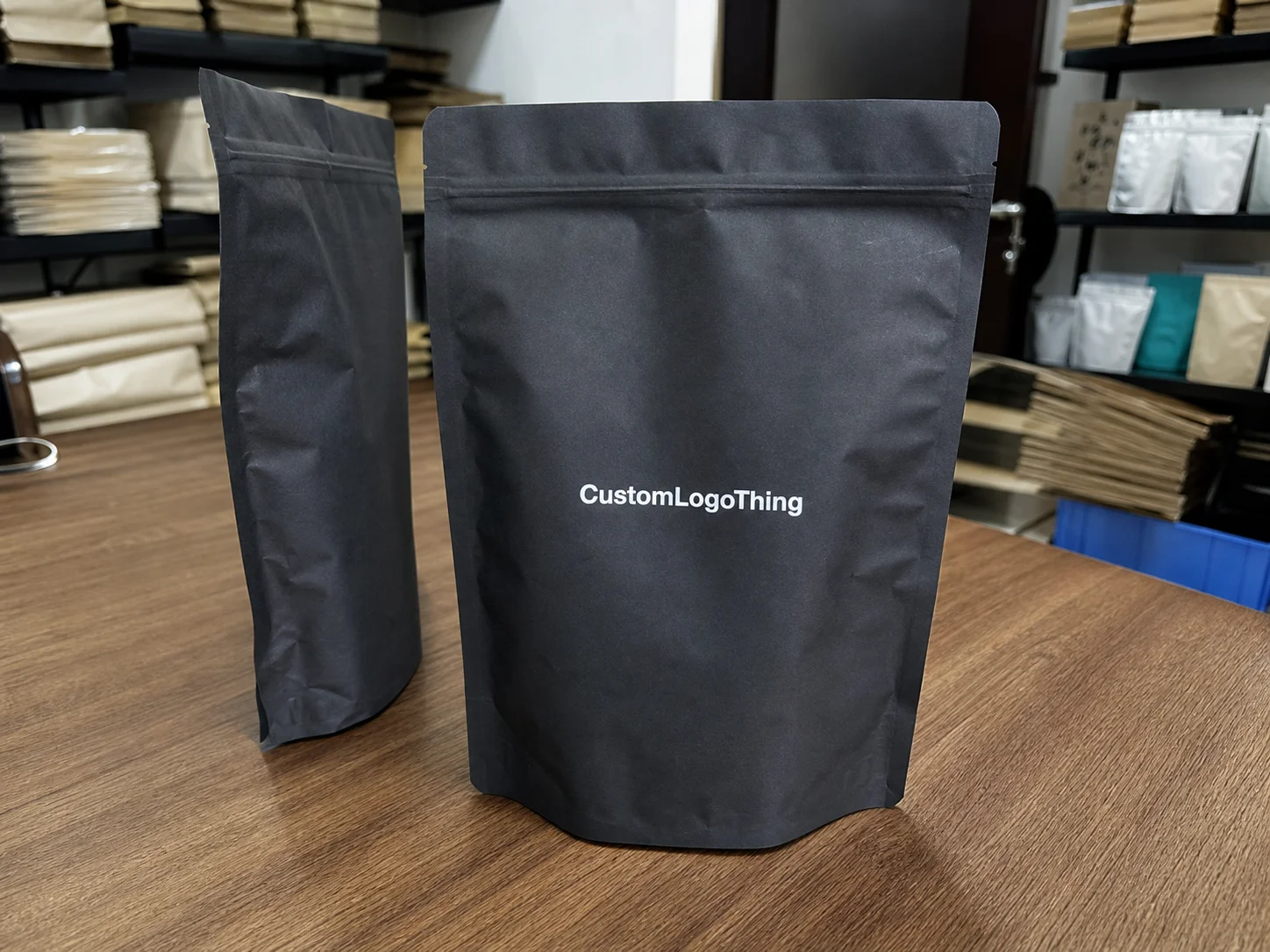
Unit lead time planning means estimating the time needed for each order from quote to delivery, then building a calendar around approvals, production slots, quality checks, transit, and reorder buffers. Not a fake calendar where every task takes one day and nobody is out sick. A real one.
For most matte zipper bag orders, buyers have three paths. Use stock matte zipper bags with labels for speed. Order digitally printed custom pouches for lower setup and moderate runs. Move into flexographic or rotogravure printing for larger quantities and better unit economics. The fourth path is paying rush fees because packaging was treated like a last-minute accessory. That one is popular. Also painful.
Custom matte zipper bags need more planning than plain poly bags because more variables can affect timing. Film structure controls barrier performance. The zipper affects usability, fill compatibility, and seal quality. Matte varnish, matte lamination, soft-touch coating, and frosted film all behave differently. Print method changes setup time, minimum order quantity, color control, and cost.
A labeled stock bag may be ready in a few business days if inventory is available and the label file is approved. A fully custom printed matte stand-up pouch can take several weeks after proof approval. Add time for specialty films, multiple SKUs, child-resistant features, physical samples, retailer review, overseas freight, or compliance documentation.
Planning rule: separate proofing time, production time, quality control time, and freight time. A single “lead time” number hides too many ways for the schedule to slip.
Your in-hand date is not the ship date. Your ship date is not the production completion date. Your production date is not the proof approval date. Each milestone needs its own buffer, especially if several departments approve packaging copy.
For a first order, ask suppliers to quote the timeline in stages. How long for dieline setup? How long for proofing? Is film already in stock? Does production time start after payment, after artwork approval, or after sample signoff? Small wording differences matter. They can move a launch by a week before anyone admits it.
How Custom Matte Zipper Bag Production Steps Work
A normal custom pouch order follows a predictable sequence: confirm specifications, quote the job, submit artwork, approve the dieline or proof, source or allocate film, print, laminate if needed, cure, convert, inspect, pack, and ship. Skip one detail early and it usually returns wearing steel-toed boots.
The first real fork is print method. Digital printing is often faster for smaller runs because it avoids plates or cylinders. It works well for pilot launches, multiple flavors, seasonal items, short promotions, and test markets. Per-unit cost is usually higher, but setup is lighter and artwork changes are easier.
Flexographic printing or rotogravure printing usually makes more sense for larger recurring volumes. Unit cost drops once setup is spread across more bags. The tradeoff is timing. Plates, cylinders, color matching, press scheduling, and longer print runs can add days or weeks. For high-volume programs, that planning is worth it. For a rushed test launch, maybe not.
The matte finish can also stretch the schedule. A matte varnish may be efficient if the supplier already runs that coating. Matte lamination can improve scuff resistance and shelf presence, but it adds another step and may require curing time. Soft-touch coating feels expensive because it is trying very hard to feel expensive, but it can mark or scuff if the coating is poorly matched to the product and handling environment. Frosted films give a muted look, though they can affect opacity and product visibility.
After printing and lamination, rollstock is converted into finished bags. The converter forms the pouch, applies the zipper, creates side and bottom seals, adds tear notches, punches hang holes if needed, and counts bags into cartons. Stand-up pouches need clean bottom gussets. Flat pouches need consistent seals and clean zipper alignment. Neither should be judged only from a pretty mockup.
Food, supplement, pet, and child-resistant applications may require more than visual approval. Ask early about food-contact materials, migration documentation, child-resistant certification, tamper evidence, lot traceability, and retailer packaging requirements. The International Safe Transit Association is a useful reference for packaged-product distribution testing, especially when filled pouches ship through parcel networks. ASTM methods may also apply for seal strength, puncture resistance, coefficient of friction, or barrier performance.
Artwork causes many preventable delays. Production should not start until barcode size, bleed, safe zones, white ink layers, nutrition panels, net weight, claims, warning statements, and regulatory copy are approved. “We will fix it later” is not a process. It is a reprint invoice warming up in the corner.
Lead Time Factors That Move Your Delivery Date
The main schedule drivers are order quantity, print method, number of SKUs, zipper type, film structure, matte treatment, proofing speed, factory capacity, shipping method, and customs clearance for international freight. Flexible packaging looks simple after it is finished. Before that, it is a stack of decisions.
Quantity matters, but not always how buyers expect. A small pilot run can move quickly if material is on hand and the print method is digital. A high-volume launch may need more scheduling time, longer print runs, more conversion hours, more cartons, and wider quality sampling. A 5,000-piece run and a 500,000-piece run do not belong in the same timeline conversation.
SKU count adds friction. Five flavors with different artwork can take longer than one design, even if the bag size is identical. Each file needs prepress review. Each proof needs approval. If the job uses plates or cylinders, each SKU can add setup complexity. A brand ordering one pouch size in eight variants should not plan like a brand ordering one plain design.
Film availability is the sleeper issue. Common structures such as matte PET/PE or matte PET/VMPET/PE may be easier to source. High-barrier films, recyclable mono-material PE or PP structures, compostable films, PCR-content films, and specialty soft-touch finishes can extend lead time. Some materials also need validation for sealability, stiffness, filling equipment, product compatibility, and shelf-life targets.
Approval speed is the buyer-controlled variable. Responding to a proof in one business day instead of one week can matter more than shaving a day off production. If legal, marketing, operations, and the founder all need to approve artwork, assign one person to consolidate comments. Otherwise the supplier gets four versions of “final_final_USE_THIS_one.pdf.” Cute file name. Terrible process.
As a working range, simple custom matte zipper bags may take about 15 to 25 business days after proof approval if materials are available and the supplier has capacity. More complex orders can run 30 to 60 business days or longer, especially with specialty film, physical sampling, multiple SKUs, overseas production, or retailer compliance checks. Domestic stock-bag-plus-label programs can be much faster, often 3 to 10 business days after label approval, but the result is not the same as direct-printed film.
Freight is not a rounding error. Ocean freight can add several weeks. Air freight is faster but expensive, especially for bulky cartons full of empty pouches. Domestic trucking can still get delayed by warehouse appointments, weather, missed pickups, and receiving rules. Split shipments can help: air freight the first 10% for launch, then move the balance by a slower method. Not always cheap. Often smarter than air freighting the entire order because the calendar caught fire.
Strong planning treats production and transit as separate risks. A supplier can finish bags on time and still miss your in-hand date if customs, port congestion, or a missed pickup eats the buffer.
Cost, MOQ, and Unit Cost Tradeoffs
Unit cost is shaped by size, material thickness, barrier needs, zipper style, print coverage, finish type, number of colors, order quantity, setup charges, and shipping method. A small 3.5-inch by 5-inch sample pouch is not priced like a 1 lb coffee-style stand-up pouch with high-barrier film and full-coverage matte printing. Obvious, yes. Still ignored constantly.
MOQ is where buyers get twitchy. Lower MOQs reduce inventory risk but usually raise unit cost. Higher MOQs improve pricing but tie up cash and storage space. If you are testing a new snack flavor, 2,500 to 5,000 pieces may be enough for validation. If you have steady weekly demand, 25,000 to 100,000 pieces may create better economics. The right number depends on sell-through, storage, cash flow, and reorder reliability. Not ego.
| Buying Path | Typical Use | Common Quantity Range | Planning Tradeoff |
|---|---|---|---|
| Stock matte bags with labels | Fast tests, small launches, emergency fill-ins | 100 to 5,000 units | Fast and flexible, but less premium than direct print |
| Digitally printed custom bags | Small-to-mid runs, multiple SKUs, seasonal products | 1,000 to 20,000 units | Lower setup, higher unit cost, faster artwork changes |
| Flexographic custom printing | Recurring programs and mid-to-large volumes | 10,000 to 100,000+ units | Better unit cost, plate setup, more planning needed |
| Rotogravure custom printing | Large volume, premium print consistency | 25,000 to 250,000+ units | Excellent print quality, higher setup cost, longer setup cycle |
For rough budgeting, labeled stock matte bags may land around $0.25 to $1.20 per finished unit depending on pouch size, label coverage, and quantity. Digitally printed matte zipper pouches often sit around $0.35 to $1.75 per unit for small-to-mid runs. Plate-based custom production can drop lower at volume, sometimes $0.08 to $0.45 per unit for common sizes, but setup, freight, storage, and waste allowance change the real math. These are planning ranges, not gospel. Material markets move. Bag size changes everything.
Setup costs can include dielines, plates, cylinders, drawdowns, proofs, sample fees, and testing. Some are one-time costs if the artwork and structure stay the same. Others repeat when you change size, film, print method, or artwork. A small front-panel claim change may require a plate change. A width change can trigger dieline revisions, new proofs, and possible tooling implications.
Do not chase the lowest unit price blindly. Weak zippers, poor opacity, scuffed matte finish, bad seals, and the wrong barrier film can destroy product value faster than a slightly higher pouch price. A matte bag for oily granola needs different thinking than a dry bath salt sample. Powders need clean seal zones. Fragranced products may need odor barrier. Sharp treats may need puncture resistance. Packaging is not decoration with a zipper attached.
Ask for two or three quantity tiers: pilot, launch, and reorder. For example, request pricing at 5,000, 15,000, and 50,000 units with the same specifications. That shows real breakpoints instead of guessing whether doubling the order saves meaningful money. Also ask what changes the price most. Sometimes the answer is film. Sometimes it is print coverage. Sometimes freight is quietly punching the budget in the ribs.
Rush production, air freight, and emergency reprints can wipe out every penny saved by ordering too late. Good Get Matte Zipper bags unit lead time planning protects the calendar and the margin. That is the point.
Step-by-Step Ordering Timeline Before You Buy
For a serious launch, start 8 to 12 weeks before the target in-hand date. Use the longer side if you need custom print, specialty film, multiple SKUs, physical samples, retailer approval, or international freight. Simple domestic stock-bag-and-label jobs may need much less time. Custom work deserves breathing room.
- Define the specs. List width, height, bottom gusset, fill weight, film type, thickness, zipper style, hang hole, tear notch, corner shape, and matte finish preference. Include whether the bag needs freezer performance, odor barrier, high oxygen barrier, moisture protection, or puncture resistance.
- Request quotes consistently. Send the same spec sheet to each supplier. Otherwise pricing comparisons become apples-to-random-plastic-oranges nonsense. One quote may include high-barrier film and freight. Another may not. Guess which one looks cheaper.
- Prepare artwork correctly. Use the supplier’s dieline. Add bleed, safe zones, barcode size, white ink layers, color references, nutrition panels, ingredient statements, net weight, warnings, and compliance copy. Check UPC scannability before approval, not after cartons arrive.
- Review proofs and samples quickly. Digital proofs should be checked by one accountable decision maker. Physical samples should be reviewed for size, fill fit, zipper feel, opacity, seal area, shelf stance, and finish. Committees are where timelines go to nap.
- Confirm production and shipping details. Lock payment terms, production slot, carton pack count, pallet details, shipping method, delivery address, and receiving hours before release. A warehouse appointment issue can burn days for no good reason.
- Build the reorder trigger. Use weekly bag usage, safety stock, and realistic replacement lead time. If you use 2,000 bags per week and replacement takes 6 weeks, do not wait until 5,000 bags remain. Math is not emotional. Inventory is.
A practical reorder formula is simple: average weekly usage multiplied by replacement lead time, plus safety stock. If you use 1,500 pouches per week, lead time is 7 weeks, and safety stock is 3,000 pouches, your reorder point is 13,500 pouches. Add more if demand spikes during promotions, retailer resets, seasonal buying, or subscription box schedules.
Treat the first order as a data point. Track proofing speed, defect rate, carton count accuracy, freight performance, and actual receiving date. Use that information to tighten the second order. Packaging planning gets much easier once the assumptions stop being guesses.
Planning Mistakes That Delay Matte Zipper Bags
The first mistake is asking for a quote without complete specifications. “Can you price a matte pouch?” is not enough. A supplier needs size, film, thickness, quantity, SKU count, print coverage, zipper type, finish, and delivery location. Without that, they guess. Guesses become revised quotes. Revised quotes become annoyed emails.
The second mistake is approving artwork before checking barcodes, ingredient panels, claims, net weight, warnings, and legal copy. If production starts and you catch an error, the best-case outcome is a delay. Worst case, you own thousands of beautiful, unusable bags.
The third mistake is assuming matte means one thing. Soft-touch coating, matte varnish, matte lamination, and frosted film look and perform differently. Some finishes scuff during packing. Some reduce gloss but still feel slick. Some look premium on a screen and dull under store lighting. Ask for samples under real lighting if shelf look matters.
The fourth mistake is ignoring product compatibility. Oily foods can stain or weaken the wrong structure. Powders can contaminate seal areas. Fragranced items may transfer odor. Sharp pet treats can puncture thin films. Products needing oxygen or moisture protection may require foil, metallized film, EVOH, or other barrier layers. The EPA’s recycling guidance is worth reviewing if sustainability claims are part of the packaging brief, because recyclable-sounding language gets messy fast.
The fifth mistake is ordering only the exact launch quantity. Extra bags get used for samples, retailer requests, damaged cartons, influencer kits, QA pulls, sales reps, photography, and demand that is better than expected. A 5% to 15% buffer is often reasonable for launch packaging. More may be needed if the product goes into several channels at once.
The sixth mistake is comparing suppliers only by unit price. Communication speed, defect tolerance, freight terms, proofing process, inspection standards, carton labeling, and ability to hit a real ship date all matter. A cheaper supplier who answers slowly can cost more than a slightly higher quote from a team that keeps the order moving.
The seventh mistake is changing bag size after artwork starts. Size changes can force dieline revisions, panel repositioning, barcode checks, and new proofs. If the pouch needs to fit a fill machine, shipper carton, peg hook, shelf tray, or case pack, confirm that before design gets precious.
For food and retail programs, ask how the supplier handles quality checks. Useful checks include seal strength, zipper function, print registration, odor, scuffing, pouch count, carton integrity, and visual defect sampling. Standards such as ASTM test methods and ISTA transit protocols can frame the conversation. You do not need to become a lab technician. You do need to ask better questions.
What to Prepare Before Requesting a Quote
Create a one-page bag brief before contacting suppliers. Include product type, fill weight, target dimensions, quantity, SKU count, matte finish preference, barrier needs, launch date, delivery location, and whether the product touches food. Add photos of similar pouches if the structure is hard to describe. Suppliers are not mind readers, despite what rushed buyers seem to believe.
Decide whether speed or unit cost matters more for this order. If speed wins, consider stock matte zipper bags with labels, digitally printed pouches, available film structures, or partial air freight. If unit cost wins, plan earlier, order higher quantities, simplify finishes, and avoid constant artwork changes.
Prepare artwork before quoting when possible. Clean files help suppliers spot costly issues early: missing bleed, weak contrast, tiny barcodes, unsupported claims, white ink confusion, or artwork that conflicts with zipper and seal zones. Fixing those before the production clock starts is cheap. Fixing them after approval is not.
Ask for lead time in stages: proofing time, sample time, production time, QC time, and transit time. A vague delivery estimate is cute. It is not a plan. Also ask what could change the date: material stock, plate timing, production capacity, freight availability, customs documents, payment release, or late artwork corrections.
Request pricing at multiple quantities and ask what changes the price most. Material structure, print method, matte coating, zipper type, and freight can all swing the quote. If a supplier can explain the cost drivers clearly, that is usually a good sign. If every answer is “best quality, fast delivery,” keep walking.
Set a reorder point using actual weekly bag usage plus a safety buffer, then calendar the next order before inventory gets dramatic. For recurring programs, review usage every month. If demand is growing 20% per month, last quarter’s reorder point is already stale.
The cleanest path is boring in the best way: complete specs, clean artwork, fast approvals, realistic freight choices, and reorder math that does not rely on luck. Smart Get Matte Zipper Bags Unit lead time planning starts there, and it keeps a launch from turning into an expensive packaging fire drill.
FAQ
How early should I get matte zipper bags for unit lead time planning?
Plan 8 to 12 weeks ahead for custom printed matte zipper bags if you have a firm launch or retailer deadline. A shorter window can work when specs are simple, artwork is ready, materials are available, and the supplier confirms capacity. Add buffer for specialty films, multiple SKUs, physical samples, compliance review, or international freight.
What affects matte zipper bag lead time the most?
The biggest factors are proof approval speed, material availability, order quantity, print method, finish type, SKU count, and shipping method. Buyer delays often matter more than factory delays, especially when artwork files are incomplete or approvals bounce between too many people. Always separate production lead time from transit time when comparing quotes.
Do matte zipper bags cost more than glossy zipper bags?
They often cost slightly more if the matte effect requires lamination, specialty film, soft-touch coating, or extra finishing steps. The price gap depends on quantity, material structure, print coverage, and whether the matte finish is standard for that supplier. For budget control, compare matte varnish, matte film, and labeled stock matte bags before committing to a full custom run.
What MOQ should I expect for custom matte zipper bags?
MOQ varies by print method and material. Digital runs usually allow lower quantities, while plate-based flexographic or rotogravure production usually needs higher volume. Ask for pilot, launch, and reorder quantity tiers so you can see real unit cost breakpoints. Do not choose the lowest MOQ automatically if setup fees, freight, or high unit cost make the order inefficient.
Can I speed up matte zipper bag turnaround without ruining cost?
Yes, if you lock specs early, submit clean artwork, approve proofs fast, use available materials, and avoid unnecessary custom features. Split shipments can help when you need some bags urgently but do not want to air freight the whole order. The fastest path is usually simplifying the bag, not pressuring the supplier after avoidable delays have already burned the schedule.