Matte Zipper Bags Look Premium, But Bad Specs Make Them Look Cheap
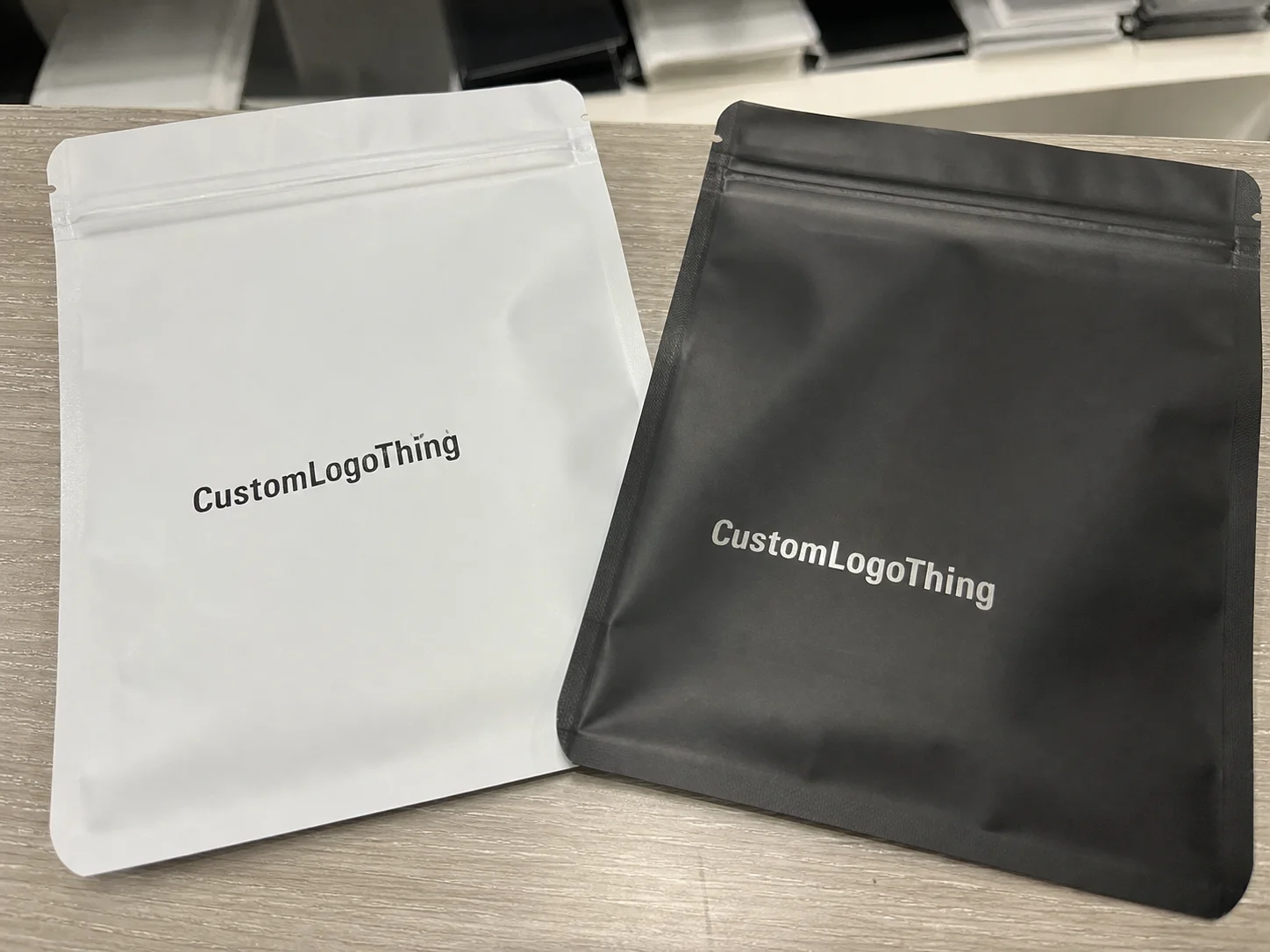
Matte Zipper Bags can make coffee, supplements, snacks, tea, powders, pet treats, and small retail goods look polished fast. This how Buy Matte Zipper bags low MOQ quote guide is for buyers who need usable specs, realistic price expectations, and fewer quote revisions. Not a mood board pretending to be a purchasing plan.
The appeal is clear. A matte stand-up pouch gives shelf presence, resealability, light shipping weight, and a clean branded surface without jumping straight into tins, jars, boxes, or molded packaging. For many brands, that is the practical middle ground: better than a sticker slapped on a blank bag, but not so expensive that every new SKU needs a finance meeting.
Here is the common mistake. A buyer asks for “a matte bag with my logo” and maybe includes a size. Then the quote comes back with questions about film thickness, zipper type, barrier structure, print method, setup charges, plate or cylinder costs, MOQ, samples, and freight. Packaging is not one line item unless you enjoy unpleasant surprises.
Matte finish is not just decoration. It changes fingerprint visibility, color depth, scuff resistance, perceived quality, and sometimes cost per piece. Matte black can look sharp and premium. It can also look muddy if the file, film, and ink setup are wrong. Soft-touch matte feels expensive in hand, but it may scuff faster during packing, fulfillment, and parcel shipping.
Low MOQ is possible. Just do not confuse possible with magically cheap. Smaller runs usually mean higher unit cost, fewer material choices, and tighter limits on color control. Cheap, custom, fast, and flexible rarely sit at the same table.
Choose the Right Matte Zipper Bag Style Before Asking for a Price
Bag format affects price before ink enters the conversation. The main choices are stand-up pouches, flat zipper bags, three-side-seal zipper bags, and side-gusset bags with resealable closures. Pick the wrong structure and the pouch may hold the product but look awkward, tip over, or waste film.
Stand-up pouches are the default retail choice for coffee, snacks, powders, tea, supplements, pet treats, and ecommerce product photos. They use a bottom gusset so the pouch can stand after filling. For small brands, this format often gives the best balance of shelf impact and manageable pricing.
Flat zipper bags are better for lighter products and refill-style packs. Think sample packs, apparel accessories, stickers, craft supplies, small hardware kits, or products that do not need to stand upright for display. They usually use less material than stand-up pouches, which can help on simple low MOQ runs.
Bottom gussets deserve attention. A round bottom works for many lighter retail fills. A K-seal often gives better support for heavier products. A plow bottom is common on larger formats where stability matters. You do not need to become a pouch engineer. You do need to tell the supplier your fill weight, product density, and how the bag will be displayed so it does not sag like a bad trade show banner.
Matte finish options include full matte lamination, spot gloss over matte, soft-touch matte, and matte varnish. Standard matte lamination is usually the practical choice. Spot gloss can highlight a logo, flavor name, or product feature. Soft-touch gives that velvety feel buyers like to touch twice, but it can increase price and show rub marks faster in rough handling.
Quote add-ons from the start: press-to-close zipper, child-resistant zipper, slider zipper, tear notch, hang hole, euro slot, rounded corners, clear window, degassing valve, and laser scoring. Adding them after artwork is built usually means revised dielines, file cleanup, and another email chain. Nobody needs more email chains.
Material Specs That Decide Strength, Barrier, and Shelf Life
Matte Zipper Bags are usually laminated films, not one magic sheet of plastic. Each layer has a job: print surface, stiffness, barrier, puncture resistance, heat seal performance, and finish. If a quote only says “matte pouch” without a structure, ask again.
Common structures include PET/PE, matte BOPP/PE, PET/VMPET/PE, kraft paper laminate/PE, and PE-based recyclable structures. PET helps with stiffness and print quality. PE usually provides the sealing layer. VMPET adds a metallized barrier layer for oxygen, aroma, and light protection. Kraft laminate gives a natural look, though many kraft pouches still rely on inner plastic layers for sealing and product protection.
The product drives the material. Dry snacks may need moisture barrier more than oxygen barrier. Coffee needs aroma retention and may need a degassing valve. Powders need strong seals and clean zipper function because fine particles love to collect exactly where they should not. Oily products need compatibility testing. Sharp products need puncture resistance, especially near corners and gussets.
Thickness varies by format and fill weight. Small sample bags may use laminated structures around 80–100 microns. Common retail stand-up pouches often sit around 100–140 microns. Heavier products, larger bags, or rougher shipping conditions may need 140–180 microns or more. Those are practical ranges, not universal laws.
Barrier requirements should not be guessed. Moisture barrier, oxygen barrier, aroma retention, light blocking, grease resistance, and seal integrity all affect shelf life. Guessing here is a good way to buy returns. Actually, no. Nobody enjoys returns.
For food, supplements, pet treats, or regulated goods, ask about food-contact materials and documentation. Depending on your product and sales market, you may need FDA-compliant film, child-resistant certification, recyclable-claim support, or testing data. For paper-based sourcing claims, the Forest Stewardship Council publishes standards buyers often reference. For packaged-product transport testing, ISTA is a useful authority.
Practical test: request samples with a similar material structure, fill them with your actual product, seal them, rub the matte surface, stand them on a shelf, open and close the zipper 20 times, and ship a few to yourself. A pouch can survive a PDF review and still fail in real use.
Print, Artwork, and Finish Choices That Affect the Quote
Digital printing and gravure printing both have a place. Digital is usually better for low MOQ orders, faster setup, multiple SKUs, test launches, and seasonal products. Gravure makes more sense for larger runs where tooling fees are justified by lower unit cost and stronger long-run color consistency.
Artwork complexity does not always change pricing as much as buyers expect. A detailed full-color design may cost about the same to print digitally as a simple two-color layout, depending on coverage and production method. Bigger quote movers are print method, bag size, material structure, finish effects, white ink layers, number of SKUs, and total quantity.
Color needs planning. CMYK is common for digital work. Pantone matching can improve brand control, but exact matching depends on film, ink, finish, and printing method. White ink layers matter on clear windows, metallic films, kraft backgrounds, and dark designs. Matte black can look premium; poor setup can make it look dull, washed out, or oddly brown. Very avoidable.
Dielines are not optional decoration. A pouch dieline shows zipper position, tear notch, seal zones, gusset panels, bleed, safe margins, hang hole, valve placement, window shape, and fold areas. Put key text too close to the zipper or bottom gusset and it may look fine on a flat PDF proof, then terrible after filling. Packaging has depth. Revolutionary concept.
Proofing can mean several things. A digital PDF proof checks layout, copy, and placement. A physical printed sample checks scale, finish feel, and general color. A pre-production sample is closer to final production, but it costs more and adds time. Even then, production color tolerance still exists, especially across repeat runs or different print methods.
Send editable artwork files, logo files, Pantone references, nutrition panels, barcode placement, warning copy, ingredient copy, and legal text before quoting if you want fewer revisions. Low-resolution logos and missing fonts slow everything down. Barcode size matters too; a barcode that scans on a screen may fail after printing on matte film and wrapping around a filled pouch.
Low MOQ, Quote, and Unit Cost
Low MOQ matte zipper bags are usually available, especially with digital printing. Still, the lowest quantity is rarely the best value if you already know you will reorder in six weeks. A 500-piece test run may be smart for a new SKU. It may also carry a much higher unit cost than 2,500 or 5,000 pieces because setup, proofing, packing, and shipping are spread across fewer bags.
The main cost drivers are bag size, film structure, thickness, print method, number of designs, zipper type, finish, windows, valves, hang holes, samples, freight, and duties if applicable. Oversized bags cost more than buyers expect because they use more film, take more ink, create larger cartons, increase shipping volume, and may run slower in production.
Low MOQ digital runs may start in the hundreds to low thousands of pieces, depending on bag size, material, and design split. Custom gravure usually makes better financial sense at higher quantities because cylinders or plates can be expensive, while the unit cost drops as volume increases. Digital may have lower setup costs. Gravure may win once demand is proven.
SKU splitting matters. Five flavors at 500 pieces each is not the same as one design at 2,500 pieces. Shared bag size, material, zipper, and finish can help control cost, but artwork changes still affect print planning and price tiers. If every flavor uses a different window, valve, finish, and color system, congratulations, you built five separate projects.
| Order Scenario | Typical Fit | Cost Behavior | Buyer Watchout |
|---|---|---|---|
| 500–1,000 bags, 1 design | Digital test run, launch sample, pilot retail order | Higher unit cost, lower upfront spend | Limited material and finish choices may apply |
| 2,500–5,000 bags, 1–3 designs | Small brand reorder or ecommerce launch | Better cost per piece, still flexible | SKU splits can weaken the price break |
| 10,000+ bags | Proven product, retail rollout, larger production | Stronger bulk pricing, tooling may make sense | Inventory risk if demand is not proven |
| Specialty closures or valves | Coffee, regulated products, child-resistant packs | Adds component cost and review time | Certification and testing may be needed |
Ask for tiered pricing at three quantities: test run, reorder quantity, and scale quantity. For example, request pricing at 1,000, 2,500, and 5,000 pieces with the same specs. That gives you a real cost curve instead of one lonely number pretending to be a strategy.
A useful quote should show unit cost, setup or tooling charges, sample cost, freight estimate, lead time, payment terms, included proofing, and price validity. It should also confirm material structure, thickness, zipper style, finish, dimensions, and number of artwork versions.
Process and Timeline From Quote Request to Delivered Bags
The normal buying process is quote request, spec confirmation, artwork review, proof approval, optional sample, production, quality control, packing, shipping, and delivery. The timeline starts after approvals, not after the first vague email that says, “Need bags, how much?” That is not a production brief. That is a riddle.
A serious quote request includes bag dimensions, product weight or volume, product type, quantity, number of SKUs, material preference, finish, zipper style, print requirements, and delivery location. If you do not know the exact structure, say that. A good supplier can recommend options, but they still need to know what the bag must hold and how it will be sold.
Simple low MOQ digital jobs can move faster, especially if the material is standard and artwork is clean. A practical expectation is often around 10–20 business days after proof approval for straightforward digital work, plus shipping. Custom laminated structures, specialty finishes, exact color sampling, or gravure production can add several weeks because materials, tooling, and proofing steps are involved.
Sample timing varies. Existing blank samples are fastest and may ship in a few business days. Digitally printed samples or mockups take longer. Exact-material and exact-color pre-production samples add time and cost, but they can be worth it for food, supplements, premium products, or any launch where the pouch is the main retail presentation.
Artwork is the usual bottleneck. Missing bleed, low-resolution logos, unoutlined fonts, incorrect barcode size, last-minute copy changes, and nutrition panels still being rewritten after proof approval all slow the job. Proof approval should mean “produce it,” not “we might change the ingredients after lunch.”
Shipping has tradeoffs. Air freight is faster and more expensive. Ocean freight is better for larger orders and lower landed cost, but it requires more planning. Domestic delivery still needs carton counts, pallet planning for larger runs, and a realistic receiving address. If your launch date is fixed, build in buffer time for compliance review, sample approval, freight delays, and final packing.
Treat time as part of the cost. Rush production can narrow your choices and raise freight spend. Planning two to four extra weeks for regulated food, supplement, or pet products is usually cheaper than paying emergency freight later.
How Custom Logo Things Keeps Matte Bag Orders Practical
Custom Logo Things focuses on clear specs, realistic MOQs, useful print options, and quotes that show what is included. That matters because packaging quotes can look cheap until freight, proofing, setup charges, and add-ons appear after the buyer has already planned a launch around one number.
The team can help match the bag structure to the product instead of forcing every buyer into the same pouch. Coffee, pet treats, powders, gummies, hardware kits, and apparel accessories do not need the same film, zipper, or gusset. Treating them the same is lazy sourcing.
Low MOQ support is useful for testing new products, seasonal flavors, influencer kits, retail pilots, subscription drops, and ecommerce launches. A brand may need professional packaging before committing to thousands of bags sitting in storage. Smaller runs give room to test design, fill volume, reorder timing, and actual demand.
Multiple production paths help. Digital print can support smaller runs and SKU testing. Larger-run production can improve unit cost once demand is proven. That lets buyers start with a practical quantity, then move into better bulk pricing without rebuilding the pouch from scratch.
Custom Logo Things can also help with dielines, artwork checks, finish recommendations, window placement, zipper selection, and quote comparisons across quantity tiers. If you need to compare a standard matte PET/PE option against a higher-barrier PET/VMPET/PE option, ask for both. If you need child-resistant closure guidance, say that before artwork approval.
The goal is not magic packaging. It is getting matte zipper bags that look right, hold product correctly, arrive on a usable timeline, and make financial sense. Use the Custom Logo Things FAQ for common production questions, or send a quote brief through Contact Us if your specs are ready.
Build a Quote Request That Gets a Real Answer
Before contacting a supplier, gather the basics. You do not need a perfect technical spec, but you do need enough information for a real estimate. Vague requests create vague pricing. Specific specs get useful answers.
- Product type: coffee, snack, powder, supplement, pet treat, accessory, refill, or other item.
- Fill weight or volume: for example, 100g, 250g, 500g, 1 lb, or a measured volume sample.
- Bag dimensions: width, height, bottom gusset, and any competitor size used as a starting point.
- Quantity: request at least two or three tiers, such as 1,000, 2,500, and 5,000 pieces.
- Number of designs: include flavor, scent, size, or language variations.
- Finish: standard matte, soft-touch matte, spot gloss, kraft look, or windowed matte.
- Barrier needs: moisture, oxygen, aroma, light blocking, grease resistance, or recyclable preference.
- Closure and add-ons: zipper type, tear notch, valve, hang hole, euro slot, rounded corners, or laser scoring.
- Artwork status: final files, rough layout, logo only, or dieline needed.
- Delivery location: ZIP code or country for freight estimates.
Measuring a competitor bag is fine as a starting point. Do not assume it fits your product. Fill volume, product density, branding space, zipper clearance, and shelf presentation can all change the final size. A pouch that works for 250g of granola may be wrong for 250g of powder because the product settles differently.
Request samples before production when possible, especially for powders, oily products, coffee, pet treats, or anything with sharp edges. If shelf life matters, ask for at least two material options: a practical standard structure and a higher-barrier or specialty structure. The cheaper film is not cheaper if product quality fails before the customer opens the bag.
Ask for tiered pricing and timeline options at the same time. Compare a test order against a scale order before you commit. If you want a cleaner quote from Custom Logo Things, send the details through Contact Us and include artwork if available.
Use the details above as your quote brief. Send the information once, and you are more likely to get a clear price instead of twenty follow-up questions.
FAQ
What is the lowest MOQ for matte zipper bags?
Low MOQ depends on bag size, print method, material structure, and number of designs. Digital printing can often support smaller test runs than gravure printing. If you split one order across several SKUs, each design may need its own minimum or price tier. Ask for tiered pricing so you can compare a small launch quantity against a larger reorder quantity.
How do I get an accurate quote for custom matte zipper bags?
Send bag size, product type, fill weight, quantity, number of artwork versions, finish, zipper type, and delivery location. Include artwork or a rough layout if you have it, plus any window, valve, hang hole, or tear notch requirements. Tell the supplier whether you need food-contact material, high-barrier film, recyclable structure, or child-resistant closure.
Are matte zipper bags more expensive than glossy zipper bags?
They can be slightly more expensive depending on the matte film, lamination, varnish, or soft-touch finish used. Standard matte lamination is usually more cost-effective than specialty soft-touch or spot gloss effects. The bigger cost drivers are often material structure, print method, bag size, and quantity, not matte finish alone. If cost is tight, ask for a standard matte option and a premium matte option to compare.
How long does production take for low MOQ matte zipper bags?
Timeline depends on proof approval, print method, material availability, sampling, and shipping method. Low MOQ digital jobs are usually faster than fully custom larger-run production. Production timing starts after artwork and specs are approved, not when the first inquiry is sent. Build in extra time if you need physical samples, exact color matching, food compliance review, or ocean freight.
Can I order matte zipper bags for several flavors or scents in one low MOQ order?
Yes, but each flavor, scent, or design variation can affect price and minimums. Keeping the same bag size, material, zipper, and finish across all versions helps control cost. Digital printing is usually better for multiple SKUs at lower quantities. Ask for pricing by total quantity and by design split so you know exactly where the cost changes.


