Buy Wholesale Poly Mailer Bags for Ecommerce Shipping
Why Wholesale Poly Mailer Bags Fix More Than Postage Costs
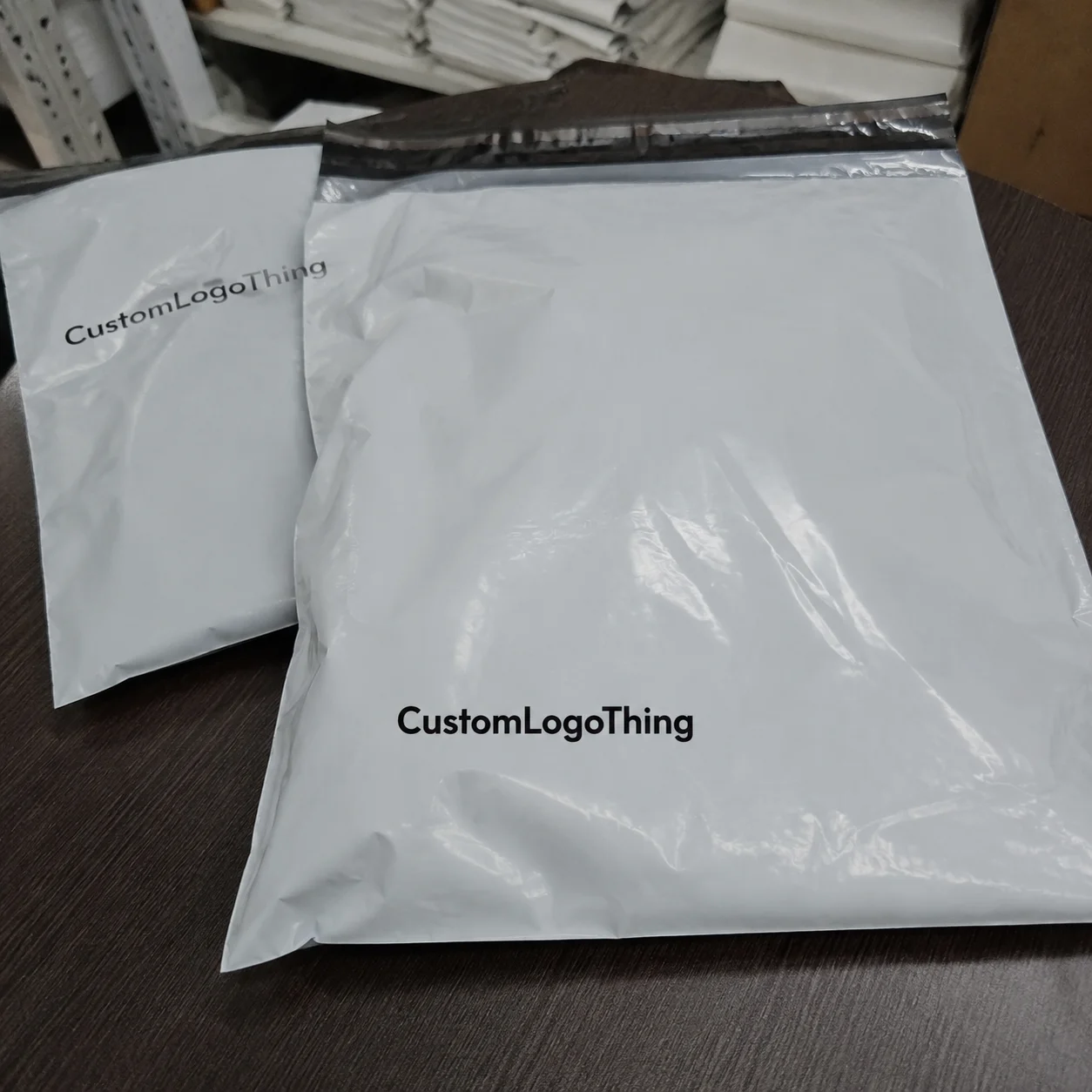
Wholesale poly mailer bags are often purchased to reduce unit cost, but their bigger value is shipping consistency. The right mailer can speed packing, reduce dimensional weight, save storage space, and lower the risk of split seams, exposed contents, or replacement shipments.
Poly mailers work best for products that can bend, fold, or compress without damage. Apparel, socks, soft accessories, subscription refills, documents, samples, and many non-fragile ecommerce orders fit the profile. If the product does not need rigid protection, a box may add unnecessary corrugated board, void fill, tape, labor, and warehouse space.
The useful buying conversation starts with the specifications that decide whether the mailer survives: film thickness, seal strength, opacity, label surface, barcode readability, carton packing, and reorder reliability. Branding matters, but the bag still has to handle conveyors, courier bins, moisture, rubbing, compression, and repeated handling.
Quick buyer filter: if your product bends, folds, or compresses without damage, a poly mailer probably belongs in your packaging mix. If it cracks, dents, crushes, leaks, or has sharp edges, test carefully before replacing a box.
For ecommerce teams shipping hundreds or thousands of parcels per month, the right mailer size can also reduce packing time. Saving 5–15 seconds per order becomes meaningful across large monthly shipment volumes.
Product Details That Matter Before You Order
Most poly mailers use co-extruded polyethylene film, usually with an opaque exterior layer and an inner privacy layer that may be gray, black, white, or another color. A standard ecommerce mailer includes a permanent adhesive strip with a peel-off liner. Some versions add a perforation line for easier opening.
Common formats include plain white mailers, gray-interior privacy mailers, full-color Custom Printed Mailers, returnable dual-seal mailers, bubble-lined mailers, and recycled-content options. For branded ecommerce programs, Custom Poly Mailers usually make sense once order volume is stable enough to justify printing setup, inventory space, and repeat purchasing.
Closure type affects both packing speed and return handling. A single adhesive strip works for one-way shipments. A dual adhesive strip gives customers a built-in return option, useful for apparel and footwear categories with higher return rates. Tamper-evident seals are better for higher-value goods, although they do not replace rigid or locked packaging.
Print options range from a one-color logo to flood coat backgrounds, edge-to-edge artwork, spot printing, QR codes, care icons, return instructions, and shipping instruction graphics. One or two colors often provide strong brand recognition at a lower cost. Full-coverage artwork can support launches or subscription programs, but it may increase proofing time, ink coverage, setup sensitivity, and minimum order quantity.
Poly mailers are not rigid protection. They do not replace cushioning for fragile goods. Thin film can look weak in larger sizes, where wrinkles show more. Poor print registration can make branded packaging look cheap. Choose the smallest size that fits without stretching; oversized mailers wrinkle, waste material, catch more abuse in transit, and make labels harder to place cleanly.
Size, Thickness, Film, and Print Specifications
Typical mailer sizes start around 6 x 9 inches for small accessories, documents, or sample kits. Mid-range ecommerce sizes include 10 x 13 inches, 12 x 15.5 inches, and 14.5 x 19 inches for apparel and soft goods. Larger mailers may run around 19 x 24 inches for bulky hoodies, bedding accessories, or multi-item orders. Custom sizing is useful when standard sizes create too much slack, stretching, or postage waste.
Thickness is measured in mils, with 1 mil equal to 0.001 inch. For lightweight apparel, 2.0 mil can work if the product has no sharp corners and the shipping lane is not especially rough. For general ecommerce, 2.5 mil is a practical common range. For heavier goods, dense bundles, sharper product corners, or tougher carrier handling, 3.0 mil or higher is usually safer. Over-specing raises cost; under-specing raises complaints.
| Specification | Typical Range | Best Use | Buying Note |
|---|---|---|---|
| Small mailer size | 6 x 9 in to 9 x 12 in | Accessories, samples, documents | Leave room for insertion without stretching the seal area |
| Mid-size mailer | 10 x 13 in to 14.5 x 19 in | T-shirts, leggings, soft goods | Most ecommerce apparel programs live here |
| Large mailer | 19 x 24 in and similar | Hoodies, bundles, bulky textile orders | Use thicker film if packed weight climbs above 2–3 lb |
| Film thickness | 2.0–3.0+ mil | Light to heavier ecommerce shipments | Test with real product weight, not estimates alone |
Opacity should be tested before approval. A dark inner film or multi-layer construction helps hide contents, supports privacy, and can reduce casual theft risk. If your product is colorful, valuable, personal, or giftable, check opacity under warehouse lighting and daylight.
Artwork files should be production-ready. Send vector logos, clean CMYK color builds, Pantone targets where needed, bleed allowance, and safe zones near folds, seals, and cut edges. QR codes and barcodes need testing at actual printed size.
Finish options may include matte, gloss, and soft-touch style effects depending on film and print method. Gloss can make color feel brighter but may show scuffs under rough handling. Matte often suits apparel brands, although darker matte backgrounds can reveal rub marks. Soft-touch effects should be checked for availability, MOQ, and durability before they become part of a campaign requirement.
Sustainability should be handled with specific material choices rather than broad claims. Options can include recycled-content films, thinner gauges where appropriate, right-size mailers, and recyclable polyethylene streams where local programs accept them. The EPA recycling guidance is a useful reference because local acceptance varies.
Pricing, MOQ, and Unit Cost Tradeoffs
Pricing depends on size, thickness, order quantity, print coverage, number of colors, recycled content, closure type, and whether the bag is stock-size printed or fully custom. Stock blank mailers usually have the lowest minimum order quantity. Simple one-color custom mailers often start in the low thousands. Full custom sizing, heavy ink coverage, specialty finishes, or recycled-content requests usually need higher production runs.
For planning, blank stock mailers can often be purchased by the case, commonly in 500 to 1,000 piece increments depending on size. Simple custom printed mailers may start around 2,500 to 5,000 pieces. More involved custom production commonly starts around 10,000 pieces or more. Unit pricing varies widely, but many ecommerce buyers see rough ranges from $0.08–$0.18 for smaller stock-type mailers, $0.15–$0.35 for mid-size custom printed mailers, and $0.30–$0.70+ for larger, thicker, or heavily printed options. Freight and film markets can change those numbers.
Unit cost drops as quantities rise because setup, plates, ink preparation, production scheduling, and machine time are spread across more pieces. The risk is ordering too much of the wrong size because the unit price looks attractive. Compare price breaks against monthly usage, storage capacity, product fit, and reorder flexibility.
Cheapest is not always cheaper. A thin mailer that tears, exposes contents, or causes returns can erase quote savings quickly. A stronger film, better adhesive, or better-fitting size may add $0.02–$0.06 per unit and still save money through fewer repacks, less tape, lower postage exposure, and fewer customer service issues.
A complete quote should include size, gauge, material, print method, number of colors, adhesive type, carton quantity, freight terms, proofing process, sample policy, and estimated lead time. If a supplier only gives a headline unit price and no specs, confirm that each quote is describing the same bag.
For ecommerce brands building repeat programs, Wholesale Programs help organize volume breaks, reorder planning, carton counts, and staged shipments. Compare quotes on landed cost per usable bag, not just unit price. Freight, defects, overpacking, repacks, and warehouse handling can change the real cost.
Custom Poly Mailer Process and Production Timeline
The order process works best in sequence: confirm product dimensions, choose mailer size and thickness, submit artwork, review the dieline or mockup, approve the proof, move into production, inspect the run, pack cartons, and ship. Skipping early details usually creates rework later.
For stock-size printed mailers, production can often move faster because the bag dimensions already exist. A straightforward one-color logo on a stock size may land in the 10–20 business day range after proof approval, depending on quantity and capacity. Custom size, full-coverage print, recycled-content material, or larger volume runs may need 20–40 business days or more. Import freight, port handling, and peak-season production can add time.
Proofing normally starts with a digital proof for layout, print placement, scale, and safe zones. For brand-sensitive color, provide Pantone references or approved CMYK builds. Physical samples are useful when material feel, opacity, adhesive behavior, or color accuracy matters. Color on polyethylene film will not behave exactly like ink on coated paper.
Common delays include late artwork, missing Pantone references, unclear shipping addresses, payment timing, and size changes after production files are approved. A size change can affect the dieline, print layout, carton count, and sometimes tooling.
Logistics should be reviewed before production finishes. Ask about carton dimensions, pieces per carton, palletization, carton labels, warehouse receiving rules, split shipments, and staged releases. If importing, destination port, customs paperwork, and final delivery access can affect timing and cost.
Order before the last carton is open. If monthly usage is 8,000 mailers, a reorder trigger around 6–8 weeks of inventory is usually safer than waiting until stock is nearly gone. Rush orders cost more, limit material options, and leave less room for quality checks.
Quality Checks That Protect Your Shipments
Quality control should cover the specs that affect shipping, not just whether the logo is centered. Incoming and in-process checks usually include film thickness verification, seal strength, adhesive performance, print registration, opacity, sizing tolerance, and carton count accuracy. For high-volume programs, request inspection standards before production.
Practical stress testing is simple. Stretch the bag around the real product. Check tear resistance near corners. Rub the print to see whether ink scuffs too easily. Peel and reseal a closure sample if the design uses a return strip. Pack the actual product, apply a shipping label, stack several units, and see whether barcode areas stay flat enough to scan.
Label compatibility is a major ecommerce issue. Shipping labels need a smooth printable area, enough flat surface, and no major seam or wrinkle under the barcode. If the bag is too small, the product bulges under the label. If the bag is too large, the label may fold around a corner. The International Safe Transit Association provides testing resources for packaged products at ista.org.
Color tolerances matter because poly film, ink coverage, opacity layers, and finish all affect final appearance. A navy logo on white film will not behave like the same navy on kraft paper, coated boxboard, or a website screen. If exact brand color is critical, pay for proofing and confirm acceptable variance before the run starts.
Presentation also affects operations. Consistent folding, clean carton packing, no crushed edges, and clear carton labels make fulfillment teams faster. A carton that states size, gauge, color, artwork version, and quantity saves receiving time and reduces the chance that the wrong mailer gets used during a busy shift.
Next Steps to Order Without Overbuying or Under-Specing
Start with the highest-volume SKU or order type. Packaging programs scale better when one proven size becomes two or three proven sizes. For many ecommerce brands, the first target is the mailer used for 50–70% of orders.
Build a basic ordering checklist before requesting a quote:
- Product dimensions after folding or inner packing
- Packed product weight and corner sharpness
- Monthly mailer usage by size or order type
- Preferred mailer size, thickness, and opacity
- Artwork file, print colors, and Pantone targets if needed
- Required delivery date and shipping destination
- Return requirement, including whether a second adhesive strip is needed
If you are between sizes, request two or three recommendations. A slightly better fit can reduce material waste, improve presentation, and lower postage exposure. Test with real packed products, not flat measurements from a spreadsheet. Product depth changes everything, especially with hoodies, bundled apparel, and soft goods that compress unevenly.
Choose stock custom printing if you need speed, lower complexity, and a practical first order. Choose full custom production when volume is stable and the fit improvement saves meaningful money. If a custom size reduces postage, cuts film waste, improves label placement, and removes packing frustration, it can pay for itself quickly. If volume is low or demand is uncertain, stock sizing is usually safer.
For broader packaging alignment, review related Custom Packaging Products such as boxes, tissue, stickers, inserts, and labels. Mailers, labels, inserts, and returns handling should work together so fulfillment teams are not solving packaging problems during pick-and-pack.
To get a clean quote, send desired quantity, size, thickness, print design, material preference, closure type, and target in-hands date. Include photos or samples of the product if fit is uncertain. Ordering Custom Poly Mailers is straightforward when size, film, print, MOQ, and timeline are handled before production starts.
FAQ
What MOQ should I expect for custom wholesale poly mailers?
Blank stock mailers can often be ordered in smaller case quantities, commonly 500 to 1,000 pieces depending on size and supplier program. Custom Printed Poly Mailers usually start in the low thousands, often around 2,500 to 5,000 pieces for simple stock-size printing. Full custom sizes, heavy ink coverage, specialty films, or recycled-content requests usually require higher MOQs, sometimes 10,000 pieces or more. The right MOQ depends on monthly usage, storage space, and confidence that the size works across your product range.
How thick should poly mailer bags be for ecommerce shipping?
Most apparel and soft goods ship well in the 2.0 to 2.5 mil range. Heavier products, sharp edges, dense bundles, or rough carrier handling may justify 3.0 mil or higher. Thickness should be chosen after checking packed product weight, corners, mailer size, shipping distance, and whether the item is already protected by inner packaging. Test before committing to a large run.
Can wholesale mailing bags be printed in full color?
Yes. Wholesale mailing bags can be printed with logos, patterns, instructions, QR codes, care icons, and full-coverage artwork depending on the print method and order quantity. Vector artwork is preferred because it keeps logo edges clean and gives production better control. Color on plastic film may not match paper exactly, so Pantone targets, digital proofs, and physical samples matter for brand-sensitive orders.
How long does production take for custom poly shipping bags?
Lead time depends on size, quantity, print complexity, material availability, and proof approval speed. Stock-size printed mailers are usually faster than custom-size mailers because dimensions and tooling are already established. Buyers should add buffer time for artwork revisions, sample approval, freight, warehouse receiving, and peak-season capacity. A practical planning range is often 10–20 business days for simpler stock-size printed projects and 20–40 business days or more for larger custom runs.
Are poly mailer bags cheaper than shipping boxes?
For flexible, non-fragile products, poly mailers usually cost less per unit and can reduce dimensional weight compared with boxes. Boxes are still better for fragile, crushable, sharp, or premium products that need rigid protection. The real comparison should include container cost, labor, postage, damage rate, storage space, return handling, and customer presentation.