Candle PVC Garment Bags Bulk Order Planning for Retailers
Retail candle packaging can look straightforward until the first cartons arrive with scuffed film, a bag that is 5 mm too narrow at the lid, or a closure that slows packing by seconds per unit. Those seconds add up. That is why candle PVC Garment Bags bulk order planning should start with fit, handling, and shelf behavior, not artwork or a low quote number. The bag has to protect the candle, show it clearly, and survive the trip from production to receiving to fixture without turning cloudy or awkward.
Candle PVC Garment Bags Bulk Order Planning That Fits Retail Calendars
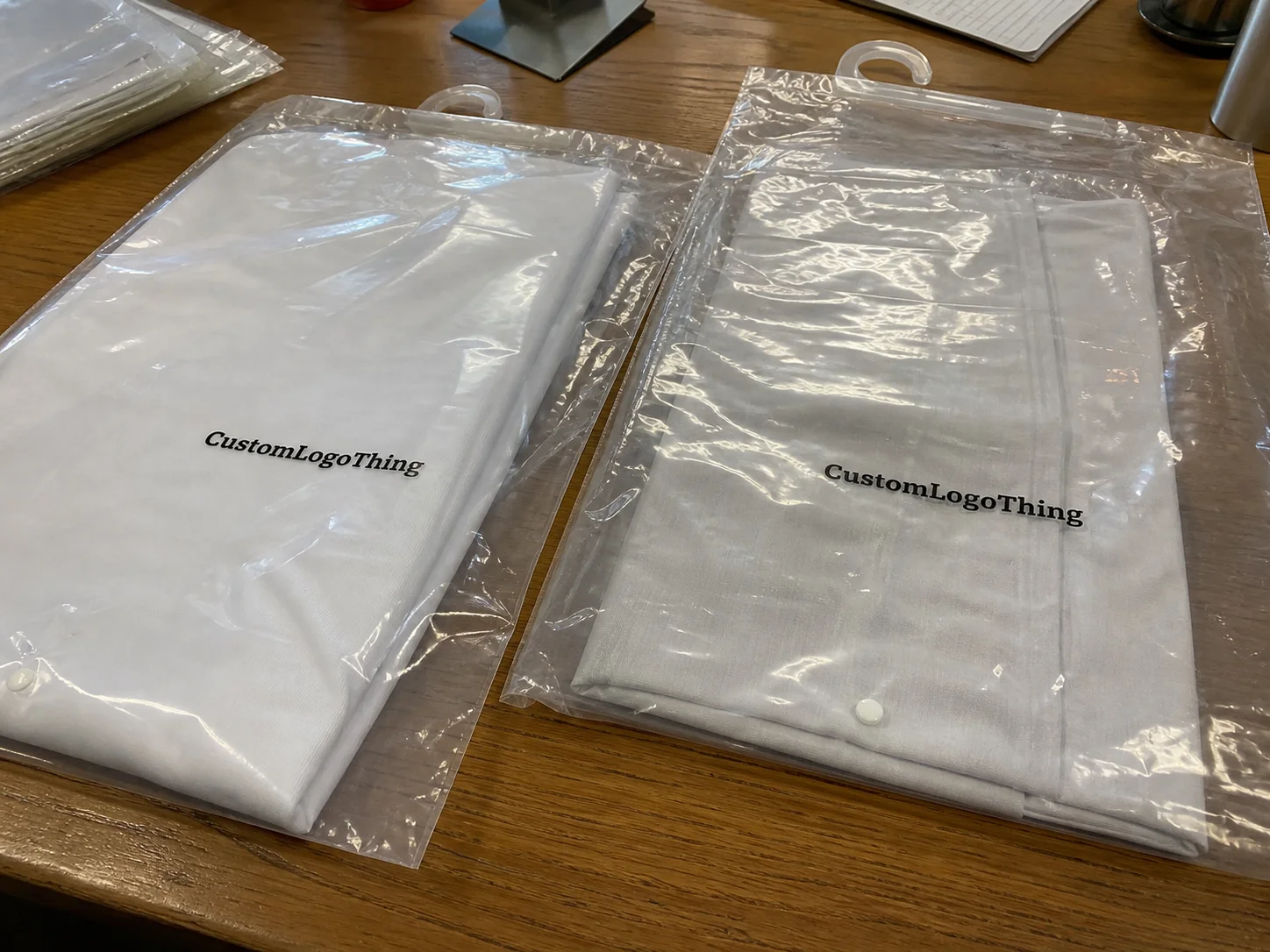
A candle display can look premium on the shelf and still create problems in receiving if the film hazes, the opening is tight, or the bag folds in a way that makes the product look compressed. The practical starting point is the candle itself: jar height, widest diameter, lid profile, label bulk, and how the unit will be packed. A clear PVC garment bag is doing three jobs at once: display, protection, and easy handling.
That is where many bulk programs go wrong. Teams often approve a sample based on appearance alone, then discover later that the closure takes too long, the seam placement interferes with stacking, or the bag needs a second hand to open cleanly on the line. A good retail package has to move quickly through fulfillment and still look controlled under store lighting.
Retail timing matters just as much as fit. Holiday resets, spring gifting, private-label launches, and promotional endcaps all run on fixed dates. If a buyer has to revise dimensions after sampling, the schedule can slip past the shelf window. That is why the first quote should be based on confirmed measurements, pack-out method, shipping destination, and the date the product actually needs to be in hand.
Think of the bag as part of the retail system, not a decorative sleeve. If the dimensions are right, the product presents well and the receiving team has fewer reasons to rework cartons. If they are wrong, the package becomes a hidden source of labor.
Material Details That Decide How the Bag Performs on Shelf
Clear PVC is a broad category, not a single material standard. Softer film tends to drape more naturally and can suit a gift-style presentation. Stiffer constructions hold their shape better and can look cleaner in a squared retail display. The choice should follow the selling environment. A hanging display, a shelf set, and an e-commerce prep bag all behave differently.
Clarity is the first quality issue buyers see, even if they do not name it that way. Haze, waviness, or fine surface scratching becomes obvious under bright retail lighting. A sample can look excellent on a desk and still show fingerprinting or scuffing after folding, packing, and carton compression. For that reason, film finish and handling resistance should be checked in conditions that resemble the actual shipping method.
Build details matter as much as the film itself. Seam strength, weld consistency, zipper or flap style, gusset depth, and hang-hole placement all affect how the bag behaves in transit and on shelf. A reinforced seam can reduce split risk on heavier jars. A slightly heavier gauge can keep the profile crisp without making the package feel bulky. Those are small changes on paper, but they are visible at retail distance.
It is also worth separating product claims from packaging claims. If the outer carton or insert needs an FSC-certified paper component, that is a paper decision, not a PVC decision. For buyers checking shipping durability, ISTA test methods are still a useful benchmark because they describe how cartons respond to drop, vibration, and handling stress. The point is not to over-engineer the package. The point is to match material behavior to the way the order will actually move.
In practical terms, the material should be chosen for the real use case: display only, display plus repeated handling, or packed retail with distribution risk. That distinction often decides whether a run stays clean or starts generating avoidable complaints.
Sizes, Thickness, and Build Specs Buyers Need to Lock Down
The fastest way to avoid quoting mistakes is to define the finished size in plain measurements. Finished width, finished height, gusset depth, opening style, and tolerance range should all be written down before the order is priced. A few millimeters can change whether the candle sits neatly or wrinkles the corners of the bag. That difference is noticeable immediately on a retail fixture.
Film thickness should be selected around product weight and handling frequency, not on habit. Many candle packaging programs start in the 0.20 mm to 0.35 mm range, then adjust up or down after checking jar weight, lid shape, and the level of rigidity the buyer wants. A thinner bag may be fine for low-touch shelf display. A heavier gauge is usually safer when the bag will be packed, shipped, restocked, and handled more than once before sale.
Several structure choices should be fixed early because they change both cost and manufacturing flow. Closure type, print method, anti-scratch treatment, bottom insert, and whether the bag needs to hang flat or hold a squared silhouette all belong on the spec sheet. If branding is required, it should be specified as a production requirement, not added later as a loose note.
Candle jars are deceptively variable. Glass walls, metal lids, thick decorative labels, embossed wax tops, and unusual silhouettes all change the true outer dimensions. Buyers often measure only the jar body and miss the added height of the lid or the width created by a label wrap. That is the sort of oversight that produces a bag that technically fits, but not in a way that looks finished.
For repeat orders, the spec sheet should read like a manufacturing instruction. If the bag needs the same fit in six months, the document has to be detailed enough to reproduce it without guesswork.
Cost, Pricing, MOQ, and Quote Variables That Change the Unit Price
Bulk pricing for candle bags is driven by a handful of variables buyers can actually control: size, thickness, print coverage, closure style, packing method, and total order quantity. Keep those stable and the quote stays more predictable. Change them repeatedly and the cost moves with each revision.
Volume helps because setup cost gets distributed across more units, but only if the design runs efficiently and material waste stays low. A plain clear bag with a standard closure will usually cost less than a custom-printed version with reinforced seams and special finishing. That price gap is not just ink. It also reflects setup time, inspection, and the extra labor needed to keep the run consistent.
For planning, plain clear PVC Garment Bags are often quoted around $0.24-$0.36 per unit at 5,000 pieces. Printed or reinforced versions commonly land around $0.38-$0.68 per unit, depending on size, gauge, and finishing. Those are directional ranges, not fixed market prices. A larger bag, a heavier film, or a more complex closure can push the number upward quickly.
MOQ usually follows the amount of setup involved. A simple clear bag may start at a lower minimum because the production line is easier to run. A custom-printed retail version usually needs a higher floor because of material waste, color setup, and changeover time. Buyers who need a lower minimum generally get there by simplifying structure rather than asking for more options.
| Option | Best For | Typical MOQ | Indicative Unit Price | Notes |
|---|---|---|---|---|
| Plain clear PVC | Basic retail display and clear shelf visibility | 1,000-3,000 units | $0.24-$0.36 | Best when the candle itself carries the visual impact |
| Heavier gauge with reinforced seams | Higher handling and a more rigid presentation | 2,000-5,000 units | $0.31-$0.52 | Adds durability and helps the bag hold a cleaner shape |
| Custom printed retail version | Branded shelf sets and gift programs | 3,000-8,000 units | $0.38-$0.68 | Print coverage, color matching, and proofing affect cost |
Quote comparisons should also be checked for what is included. Freight, cartons, inserts, sample charges, plate fees, and color matching can all change the landed cost. A low unit price is not useful if the shipping line doubles the total or if the quote leaves out the packaging configuration the retailer actually needs.
For repeat programs, it is smart to review pricing before every reorder. Material markets move, freight changes, and a bag that was stable at one size can behave differently after a slight spec change. candle PVC garment Bags Bulk Order Planning only works well when the buyer treats the quote as part of an ongoing control process, not a one-time transaction.
Process and Lead Time From Spec Sheet to Ship Date
The cleanest production run usually follows a fixed sequence: requirement review, spec confirmation, sample approval, material procurement, production, inspection, packing, and freight booking. If one of those steps is compressed or skipped, the schedule tends to pay for it later. Speed helps only when the decision path is already clear.
Lead time is shaped by two things more than anything else: production capacity and approval speed. Buyers who answer dimension questions quickly and turn around sample feedback without delay often save more time than any urgent request can recover. That difference is especially visible on first-time custom programs, where fit, closure feel, and print placement still need to be settled.
As a planning baseline, sample approval may take 5-10 business days, production may run 12-18 business days after approval, and freight can add another 5-10 days by air or several weeks by ocean depending on the lane. Domestic trucking may be the easiest option when inventory is already in-country, but it still needs pallet space, dock timing, and receiving coordination.
Shipping method should never be guessed at the end of the process. If the goal is a store reset or promotional launch, the freight plan should be known before the purchase order is issued. Otherwise the product can finish on time and still miss the shelf date, which is a different kind of failure but just as costly.
"A clean sample is inexpensive. A late correction on 10,000 bags is not."
That difference is why production calendars matter. A buyer does not need a dramatic quote. The buyer needs a date that holds.
Supplier Checkpoints for Retail Packaging That Has to Arrive Clean
Bulk packaging fails in small ways long before it fails in obvious ways. One pallet is clear, the next shows haze. One carton holds its shape, the next arrives compressed. One run closes cleanly, the next needs extra handwork. Buyers notice that variation immediately, and store teams notice it even faster. Consistency is the real standard.
The best way to evaluate a supplier is to look at the details that protect consistency. Dimensional accuracy within a sensible tolerance, visual clarity across the entire batch, seam integrity, and carton packing method all matter. If a supplier cannot explain how they protect against scratches during packing, the film itself may not be the whole problem.
Sample quality is useful, but only if it is treated as a test of the process rather than a display piece. Ask how the sample was made, whether the same material will be used in production, and whether the closure method is standard or specially assembled for the sample. A lot of bad runs begin with a sample that was better than the factory’s normal output.
Another useful check is reorder discipline. If the first run is documented properly, later runs should move faster because the structure, artwork, and tolerances already exist. That kind of memory is valuable in retail, where a buyer may need the same bag again with very little warning.
The strongest supplier signal is often a practical question asked early: candle dimensions, closure method, display environment, freight destination, target date. Those are not sales questions. They are production questions. They show whether the quote is being built around the actual use case or just around the lowest visible number.
What to Send for a Fast Quote and First Production Run
To get a useful quote quickly, prepare the candle dimensions, preferred bag style, closure preference, print or no-print decision, and target quantity tiers. If the product is irregular, send a photo or a sample measurement. That small step usually prevents a bad size recommendation on the first pass.
The next items matter because they shape freight and timing: destination ZIP or port, required in-hand date, and whether delivery needs to be split or palletized. A quote without those details is incomplete, even if the unit price looks attractive. Freight can change the total faster than many buyers expect.
Approval speed matters more than most teams estimate. Sample signoff, artwork confirmation, and purchase order timing are the main gates that move the order from concept to production. If those are delayed, the manufacturing slot can move even when the line itself is available.
Use a short checklist and keep it complete:
- Candle height, width, and full outer dimensions
- Bag style, closure type, and whether hang holes are needed
- Print artwork or confirmation that the bag stays clear
- Target quantity by tier, not just one number
- Shipping destination and required delivery date
Once those points are clear, candle PVC Garment Bags Bulk order planning stops being trial and error. The quote is cleaner, the sample is more likely to fit, and the production calendar has a better chance of matching the retail calendar.
FAQ
What do I need before requesting a quote for candle PVC garment bags in bulk?
Have the candle dimensions, preferred bag style, closure type, and target quantity ready before you ask for pricing. If the candle is irregular or heavily decorated, send a photo or sample measurement so the size recommendation reflects the real product. Include your required ship date and destination so freight is priced against the correct timeline.
How do I choose the right PVC thickness for candle retail packaging?
Choose a lighter film for low-handling display use and a heavier film when the bag will be packed, shipped, and restocked often. If the candle has a glass jar, metal lid, or sharp edge, use enough thickness to reduce puncture risk and keep the package looking crisp. The right thickness balances clarity, stiffness, and protection instead of chasing the thickest option available.
Can candle PVC garment bags be custom printed for store displays?
Yes, many bulk orders can include logo printing, warning text, or branded panels if the order size supports the setup. Printing affects lead time, color matching, and unit cost, so it should be confirmed early in the quote stage. Simple print layouts usually produce the cleanest shelf presentation and the most consistent reorders.
What MOQ should I expect for a custom candle bag order?
MOQ depends on the bag size, film specification, and whether the order is plain clear stock or custom printed. More complex bags generally require higher minimums because setup time and material waste are built into the run. If you need a lower MOQ, simplify the structure and keep the spec consistent across quantities.
How long does production usually take after approval?
Production starts after the sample, artwork, and specification sheet are approved, so fast approvals shorten the schedule more than any other factor. Standard orders usually move faster than first-time custom builds because the tooling and setup decisions are already locked in. Freight method also matters, since shipping time can be longer than manufacturing time on some bulk orders. That is why candle PVC garment bags bulk order planning should end with a confirmed production calendar, not just a unit price.


