The candle slider lock Bags Packaging Insert Checklist is what separates a package that feels intentionally built from one that only looks good in a flat mockup. A candle can be well made, scented correctly, and photographed beautifully, yet still feel off the moment the customer picks it up if the insert is too loose, too reflective, too thin, or positioned without enough care. Packaging is often judged in seconds, and those seconds are unforgiving.
Slider Lock Bags add another layer of pressure. The closure improves retail presentation, but it also steals usable space, changes the fit around the top edge, and makes the insert work harder to hold its shape. In other words, the insert is not just a label carrier. It affects structure, shelf read, and how finished the product feels in hand.
That matters in three places: store shelves, gift sets, and direct-to-consumer shipments. On shelf, the insert is often the first surface a shopper reads after the brand name. In a gift set, it decides whether the bundle looks curated or assembled in a rush. In transit, it can protect the candle visually by keeping the pack from looking crooked or underfilled. The bag, candle, and insert should be designed together, not handed off to separate teams.
If the insert only works in a design file, it is not ready. It needs to look right at arm’s length, through clear film, with the actual candle inside the bag.
There is also a common mismatch between what brands expect from a bag and what the bag actually reveals. A box hides small imperfections. A clear or semi-clear bag exposes them. That makes copy hierarchy, board choice, and blank space more important than many teams expect. Overdesigned artwork tends to look busy behind film; restrained layouts usually age better on shelf.
Candle Slider Lock Bags Packaging Insert Checklist: Why It Matters
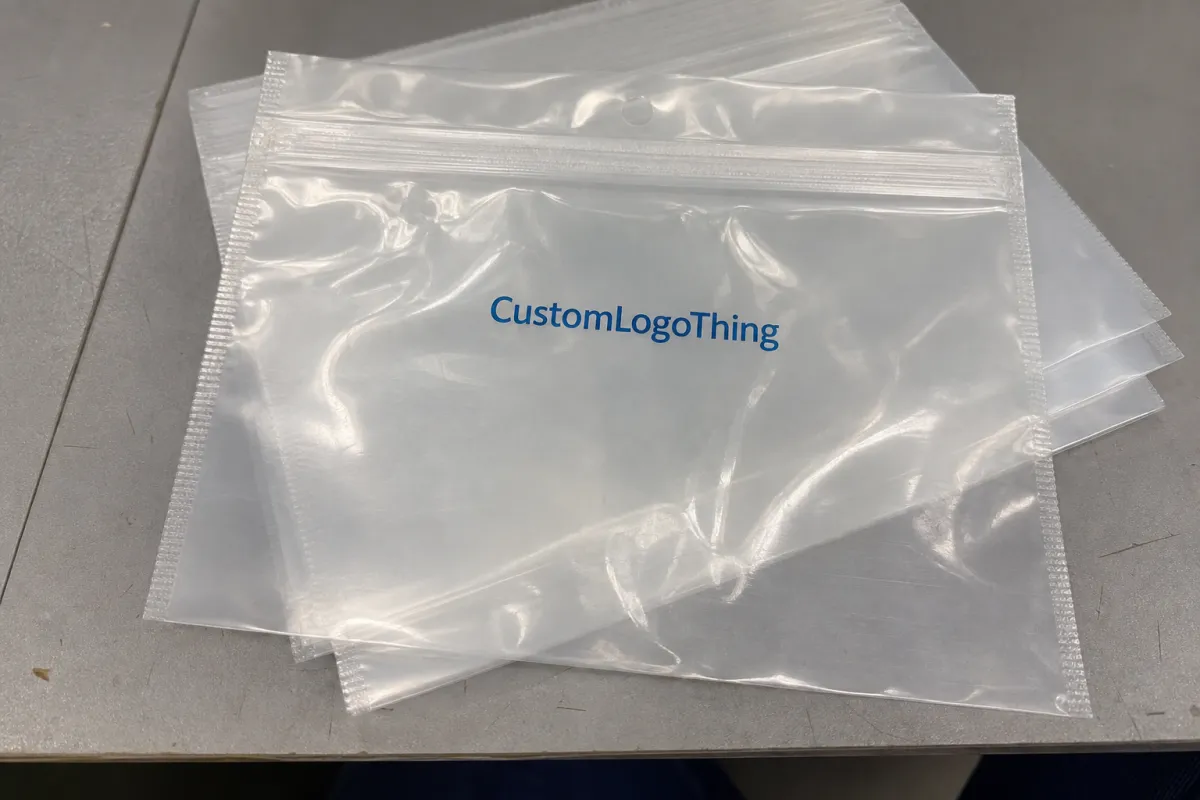
Think of the checklist as a working spec, not a paperwork exercise. It should define dimensions, board stock, fold style, print layout, warning copy, barcode location, and how the insert sits once the candle is loaded. If any of those pieces is guessed, the problem usually shows up during proofing or, worse, during packing.
The checklist also keeps the project from drifting. Candle inserts involve design, compliance, operations, and freight. Those teams do not always want the same thing. Design wants a strong visual. Operations wants an easy pack-out. Compliance wants copy space and consistency. The checklist gives all three a shared reference point.
One useful way to frame the job is to ask what the insert must do first: hold the candle visually, support the bag, or carry information. Most successful versions do all three, but not at equal weight. A premium gift set may prioritize appearance. A compliance-heavy retail line may need more copy space. A DTC launch may care most about repeatable fit and low breakage risk. The right layout depends on the channel.
How the Insert Works With the Bag, Candle, and Shelf Display
The insert should support the candle, frame the product, and prevent the bag from looking empty. That sounds simple. It rarely is. A jar candle with a tall lid reads differently from a low-profile vessel. A matte label behaves differently from a metallic one. Even the way the bag hangs can change the visual balance of the package.
Three insert formats show up most often. A backer card sits behind the candle and gives the shopper a clean face for branding and instructions. A wraparound card creates more structure and can make the front and back feel like one connected presentation. A folded insert is useful when you need more copy in a smaller footprint, especially for warnings, scent notes, ingredient statements, or multi-panel retail text.
| Insert format | Best for | Typical pros | Typical tradeoffs |
|---|---|---|---|
| Backer card | Single candle SKUs, simple shelf presentation | Lowest setup complexity, clean front-facing branding | Less room for copy and multi-language content |
| Wraparound card | Gift sets, premium candle lines, richer storytelling | Better structure, stronger shelf presence, more print space | Higher material use and tighter fit control |
| Folded insert | Compliance-heavy lines, DTC orders, multi-panel content | More room for warnings, burn instructions, UPCs, and scent notes | Can feel bulky if the fold is not calibrated to the bag depth |
Orientation matters as much as format. If the bag hangs from a peg, the top edge has to stay readable without fighting the closure. If it sits on a shelf, the front panel needs to carry the message from a lower viewing angle. That is why a dieline that looks perfect on screen can still fail in a store aisle. The customer sees the package through glare, under mixed lighting, beside other brands doing their own version of the same thing.
Testing should always use the actual filled candle. Jar height, lid profile, and label placement can change the fit enough to matter. A 2 mm shift is not trivial in this category. It can expose a gap, crowd the slider, or make the insert tilt so the bag feels loose. That is the gap between premium and merely adequate.
Key Spec Factors That Change Fit, Finish, and Performance
The core specs are straightforward, but each one changes the final result in a measurable way. Bag inner dimensions set the outer boundary. Insert size defines the visual field. Board thickness controls stiffness. Fold lines determine how the card behaves in the hand and inside the bag. Tolerance decides whether the insert slides in cleanly or catches on the slider track.
For most candle lines, paperboard in the 14pt to 24pt range is a common starting point, though the right choice depends on whether the insert is meant to stand upright, wrap around the product, or stay hidden behind the candle. SBS board gives a smoother print surface and handles fine graphics well. Cardstock can work for lighter, lower-cost runs. Recycled board is useful when sustainability is part of the brand story, especially if the line already uses FSC-certified material. Coated stock sharpens artwork; uncoated stock cuts glare and can feel more natural for earthy scent collections.
Finish choices are not cosmetic only. Soft-touch coating, foil stamping, spot UV, and die-cuts can shift cost, add setup steps, and change how the insert behaves under clear film. A foil panel can signal premium quality, but if it dominates a small jar candle, the package can feel top-heavy. A dramatic die-cut can look strong in a rendering and still become a weak point in production if there is not enough edge support.
Compliance copy needs real attention. Candle packaging often needs warning text, burn instructions, scent names, net weight, barcode space, lot code space, and retailer-specific messaging. If the line sells through multiple channels, the copy block should be planned once and reused wherever possible so the brand is not rebuilding the layout for every account. That kind of packaging discipline saves time and reduces version drift.
For shipping-oriented lines, test protocols matter. Many brands use ISTA procedures as a reference point for parcel handling, vibration, and drop risk. The standards overview at ISTA is a useful starting place. It does not replace supplier testing, but it helps teams speak the same language when the question is whether the package can survive a rough route and still look presentable.
Here is the portion of the checklist that tends to catch hidden problems before production:
- Bag inner size: confirm usable space after the slider closure is included.
- Insert height and width: leave room for closure movement and any fold that needs to sit flat.
- Board thickness: match stiffness to candle weight and the intended display effect.
- Finish: choose coated or uncoated based on glare, print detail, and brand feel.
- Copy blocks: reserve space for warnings, UPC, lot code, and scent details.
- Tolerance: confirm the acceptable variation before production starts.
Process and Timeline: From Dieline to Final Shipment
Good projects follow a sequence. The fastest approvals usually start with locked dimensions, approved copy, and one clear point of contact. Once those pieces are set, the supplier can build the dieline, estimate ink coverage, and quote the actual run instead of guessing at the final shape.
A typical workflow looks like this:
- Quote request: share candle measurements, bag size, quantity, artwork needs, and target ship date.
- Dieline creation: confirm the insert geometry, folds, and safe areas.
- Proof review: check copy, barcode, warning text, and color placement.
- Sample approval: test the insert inside the actual slider lock bag with the finished candle.
- Production: print, cut, finish, and pack the inserts.
- Inspection and freight: confirm quality, then ship or kit as needed.
Most delays come from the same few places. Artwork changes after proofing are the most common. Warning text that is still under review can stall the schedule for days. Multiple SKUs create another layer of complexity, especially when each scent has a separate colorway or copy block. None of that is unusual, but every extra revision adds time. For many custom jobs, 12 to 15 business days from proof approval is a workable planning window. Premium finishing, seasonal demand, or a crowded factory calendar can stretch that longer.
Pack-out order also matters. If the insert has to be folded before bagging, or if the candle is inserted after the card, labor changes. That detail gets ignored until the line starts moving. For teams that also order Custom Packaging Products such as display cartons or branded sleeves, aligning the pack-out logic across formats can cut rework and keep launch day from becoming a correction day.
The most reliable timeline is the one with the fewest open questions. Lock the candle dimensions first. Approve the warnings early. Pick the insert material before design polish takes over the conversation. That sequence is less exciting than a big concept presentation, but it is the one that protects the schedule.
Cost, Pricing, MOQ, and Unit Cost Tradeoffs
Pricing depends on more variables than most buyers expect. Size is the first one. Bigger inserts use more board and more press time. Ink coverage comes next, because rich full-color artwork costs more than a restrained two-color layout. Finishing then adds another layer, especially if the insert needs foil, soft-touch coating, or an unusual cut.
MOQ changes the math sharply. A smaller run usually carries a higher per-unit price because setup cost is spread across fewer pieces. A larger order lowers unit cost, but it also increases inventory risk if the candle line is still being tested. For a brand in launch mode, that tradeoff matters more than shaving a few cents off the quote.
| Insert option | Typical run size | Approx. unit cost range | Best fit |
|---|---|---|---|
| Simple SBS backer card | 5,000+ | $0.08-$0.14 | Lean retail packaging with basic branding |
| Recycled board folded insert | 3,000-5,000 | $0.10-$0.18 | Eco-positioned candle lines and multi-copy layouts |
| Full-color coated insert | 2,500-5,000 | $0.14-$0.26 | Branded packaging with stronger shelf impact |
| Foil, soft-touch, or specialty cut | 2,500+ | $0.22-$0.40 | Premium launches and giftable product packaging |
Those numbers are useful as planning ranges, not promises. They move with paper cost, print coverage, shipping method, and whether the insert ships flat or arrives pre-assembled. Freight, sampling, storage, and any kitting or bag-insertion labor should be counted separately. A lot of buyers focus on the headline quote and ignore the landed cost. That is a fast way to underbudget the launch.
A better approach is tiered pricing. Ask for quotes at several quantities, such as 2,500, 5,000, and 10,000 units. That reveals the unit-cost curve and shows where setup costs stop dominating the order. If the price drop is modest between two tiers, the lower-risk option may be the better business decision. If the drop is steep, the larger run may justify the extra inventory.
For brands building a broader packaging system, price the bag, the insert, and any matching display carton at the same time. That gives a clearer picture of what the line really costs to launch, especially if the team is sourcing custom packaging products for multiple formats in the range.
Common Mistakes That Trigger Reprints or Delays
The most expensive mistake is designing the insert before the finished candle is locked. Jar height, lid clearance, and label placement often move late in development. If that happens after the artwork is approved, the layout may need to be rebuilt. That is usually not a small correction. It is a reprint.
Another problem is trying to say too much on one panel. Overstuffed layouts bury the scent name, warning copy, and barcode in tiny type. The package may still be technically compliant, but it stops reading like premium product packaging. A better layout gives the eye a clear entry point: brand, scent, one or two benefit statements, then the required copy.
Skipping a physical fit test inside the actual slider lock bag causes more trouble than many teams expect. Bent corners, awkward folds, and misaligned hang placement often appear only after the first sample is loaded. The fix is simple: test the insert with the real candle, the real bag, and the real closure. A flat PDF cannot confirm that the closure will behave the way the bag maker intended.
Proofing errors are another repeat offender. Missed scent names happen. Wrong UPCs happen. Outdated warnings happen. So do approval delays when the compliance reviewer or channel manager is brought in too late. A clean workflow gives each person one clear review point instead of scattering comments across five email threads.
Most reprints do not come from bad printing. They come from missing information, rushed approvals, or a fit that was never tested in the actual package.
There is also a subtler mistake that affects perceived value. Some teams choose a premium finish and then crowd the insert with too many elements. The result feels busy, not refined. Good packaging design is often an exercise in subtraction. Remove one unnecessary claim. Widen one margin. Increase one line of type. The package usually improves more than a larger artwork budget would have done.
Expert Tips and Next Steps for a Cleaner Approval
The simplest way to keep the project moving is to build a one-page working checklist. It should include candle measurements, bag size, insert size, copy blocks, barcode, warning language, color targets, and pack-out order. That page becomes the source of truth for sales, design, and production. Without it, each team tends to optimize for a different version of the job.
Three practical moves help more than most people expect:
- Request two samples if the project is still fluid: one optimized for shelf impact and one optimized for cost control.
- Review at distance by checking the insert inside the finished bag from arm’s length and from shelf height.
- Keep one approval chain so warnings, UPCs, and scent names are signed off by the same final reviewer.
That last point sounds administrative, but it saves real money. A packaging line with three decision-makers and no owner usually loses time to circular edits. A line with one accountable approver moves faster. It also tends to produce a cleaner final piece because the design brief is clearer.
If the candle line sits inside a larger branded system, make the insert echo the rest of the range. Typography, icon style, and color logic should feel related to the outer carton, the shipping mailer, and any retail packaging the brand uses elsewhere. Consistency matters more than decorative novelty. Buyers notice coherence, even if they do not name it.
Before production release, confirm the material source, especially if sustainability claims are part of the pitch. Recycled content, FSC certification, and end-of-life messaging can support the story, but only if the copy is accurate and the supply chain can back it up. That is where the supplier conversation becomes more than a price discussion.
Use the candle slider lock Bags Packaging Insert Checklist to collect measurements, finalize warnings, choose the insert material, request tiered quotes, and approve a physical sample before you commit to the run. That sequence is the shortest path to fewer surprises and a candle presentation that looks finished from the first glance.
FAQ
What should a candle slider lock bag insert checklist include?
Finished candle dimensions, bag inner size, insert dimensions, and clearance for the slider closure. It should also include artwork, barcode, warning copy, scent name, retailer-specific compliance text, pack-out instructions, approval contacts, and the sample version that was signed off.
How do I size an insert for candle slider lock bags?
Measure the filled candle, not just the jar, because lids and labels can change the usable space. Leave room for the slider track, reseal action, and any fold that needs to sit flat. Then test a physical sample inside the actual bag before approving the final dieline.
What affects pricing the most on candle slider lock bag inserts?
Size, board stock, number of print colors, finishing, and the complexity of the cut or fold. MOQ has a major impact too, since smaller runs usually carry higher setup and unit costs. Freight, sampling, and kitting can matter as much as the printed insert on short runs.
What turnaround or lead time should I plan for?
Projects move fastest when dimensions, warnings, and artwork are locked before proofing starts. Custom cuts, premium finishes, and late copy changes are the main reasons schedules slip. Build proofing and sample approval into the plan so production is not rushed.
Can one insert work for multiple candle sizes in the same line?
Yes, if the jars share a consistent footprint and the branding area can stay modular. Use a fixed warning zone and a flexible product zone so the layout adapts without starting over. Verify the design against the smallest and largest jar in the range to avoid gaps or crowding.


