Tea Slider Lock Bags Packaging Insert Checklist for Buyers
Tea packaging fails in small ways that become expensive quickly. A pouch proof can look clean, a flavor name can look right, and the launch still slips because the insert uses the wrong barcode, the wrong fold, or copy that does not fit the finished size. That is why the tea Slider Lock Bags Packaging Insert checklist matters: it catches the mismatch between the bag, the insert, and the way the product is actually packed.
For tea buyers, the job is not just to order a bag. It is to order a complete pack system that can survive production, assembly, freight, and retail review. The bag protects freshness. The insert carries the message. If either one is vague, the quote becomes noisy and the schedule gets fragile.
This checklist is built for brands comparing suppliers, pushing for cleaner pricing, and trying to avoid repeat proof cycles. It focuses on the details that affect cost, MOQ, and Lead Time without turning the brief into a novel. That usually means fewer surprises and better approval behavior from everyone involved.
Tea Slider Lock Bags Packaging Insert Checklist: What It Covers
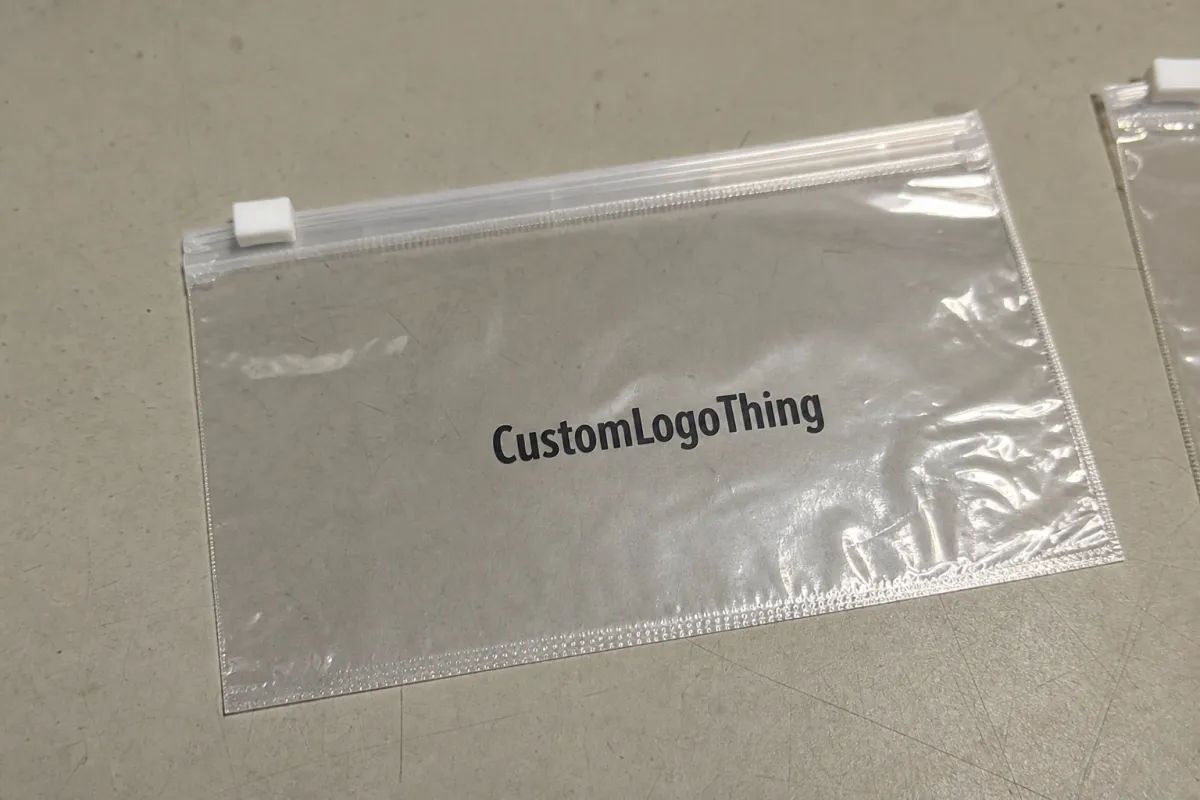
The first decision is scope. A quote for the pouch alone does not tell you what the finished pack will cost, and a polished insert file means little if the bag size is not locked. The tea Slider Lock Bags Packaging Insert checklist should define the pouch dimensions, slider style, barrier film, insert size, print coverage, barcode placement, and whether the insert is packed inside the bag or shipped separately.
That list sounds basic, but it controls almost everything that follows. Suppliers use those details to calculate material usage, setup time, inspection steps, and assembly labor. Leave out the insert and the estimate will usually be too low. Leave out the closure detail and the pouch quote will be shaky.
Tea brands use inserts for a practical reason: the bag keeps the tea protected, while the insert tells the shopper why the tea deserves attention. Origin, cultivar, oxidation level, steeping directions, ingredients, storage guidance, and compliance language all belong somewhere. The insert is not decoration. It is part of the selling system.
For buyers, the useful question is simple: are we buying a pouch, or are we buying a finished tea presentation? If the insert affects how the product is opened, read, and reshelved, it belongs in the first brief. If it is only a temporary sheet for a short promotion, that needs to be stated too. The answer changes stock choice, assembly method, and cost.
A quote is only as useful as the specification behind it. If the bag and insert are described separately, they should be priced separately too.
That principle applies across packaging categories, not just tea. A small insert can influence a large part of the production plan. Once the supplier knows the format, they can price the work instead of guessing at it.
For teams that also manage Custom Packaging Products, the same discipline helps across cartons, sleeves, and inner cards. The format changes, but the logic does not. Define the pack, define the message, then ask for pricing.
How the Slider Lock and Insert Work Together
The bag handles function. The insert handles explanation. Put them together well and the product feels complete instead of pieced together. That matters more in tea than in many categories because shoppers often compare similar-looking packs in a matter of seconds. A strong closure, a tidy print layout, and a readable insert can make a line look more premium without changing the tea itself.
The slider also affects the user experience after opening. For loose-leaf tea and premium blends, repeated resealability is part of the value proposition. A proper slider helps with convenience and supports a better freshness impression. That does not mean every tea needs the same closure, but it does mean the closure should match the product promise.
The insert earns its place by making the tea easier to understand. A good one gives the shopper enough information to make a quick decision: what the tea is, where it comes from, how it tastes, how to brew it, and what to look for in the cup. Too much copy turns the card into noise. Too little and the pack starts to feel generic, which is a bad trade in a crowded aisle.
Some brands use stickers, hang tags, or belly bands instead. Those can work for short runs or simple seasonal products. An internal insert usually feels cleaner on shelf and more organized in an unboxing because the information travels with the product instead of hanging off it. For buyers comparing product packaging options, that difference can matter more than the price gap at first glance.
Think of the bag as preservation and the insert as persuasion. The best tea Slider Lock Bags Packaging Insert checklist keeps those jobs separate on paper so they do not compete in production.
Spec Choices That Control Cost, Pricing, and MOQ
Cost begins with the film, the hardware, and the print coverage. Heavier barrier films cost more than lighter ones. A slider costs more than a simple zipper. Full-surface print costs more than a restrained layout. Finish choices such as matte, gloss, or soft-touch add another layer. The insert has its own cost drivers: paper grade, coating, print sides, folding, trimming, and whether the team packs it by hand or machine.
MOQ is where many tea buyers get caught off guard. A fully custom printed pouch usually carries a higher minimum than a stock bag paired with a printed insert. That is not a flaw in the supplier; it is a function of setup, waste, and the number of production steps. For a small launch, a stock slider bag plus insert can be the cleaner route. For a stable core SKU, the custom route may make more sense after the volume settles.
Price moves in predictable ways, which helps buyers ask better questions. More SKUs mean more version control. Foil accents and metallic inks add setup. Sustainability claims often require paperwork. A tiny copy change may trigger another proof. None of that is dramatic, but all of it adds time and cost if it appears late.
| Build path | Typical MOQ | Approx. unit cost at 5,000 | Best fit | Watchouts |
|---|---|---|---|---|
| Blank stock slider bag + printed insert | 500-2,000 units | $0.38-$0.62 | Test launches, seasonal runs, copy that changes often | Assembly labor can rise if every insert must be packed by hand |
| Custom printed slider bag + printed insert | 3,000-10,000 units | $0.55-$0.95 | Core SKUs, stronger shelf presence, consistent retail packaging | More artwork control and more approval steps |
| Custom printed bag + premium finish + insert | 5,000-15,000 units | $0.78-$1.25 | Premium tea, gifting, stronger package branding | Finish upgrades and special inks can stretch timing |
Those numbers are directional, not universal. Size, print coverage, paper choice, and assembly method all matter. A buyer who wants a real comparison should ask for tiered pricing at 1,000, 3,000, 5,000, and 10,000 units. That makes the break points visible instead of hiding them inside one average quote.
Ask for the bag, the insert, assembly, and freight on separate lines. If those are bundled into one number, you lose the ability to compare suppliers cleanly. This is one of the simplest ways to spot where a quote is low for a reason and where it is low only on paper.
Production Steps and Lead Time: From Brief to Delivery
A clean order usually moves through the same stages: brief intake, spec review, dieline confirmation, artwork prep, proof approval, sampling, production, assembly, and shipping. Problems show up at predictable points. Late copy changes. Missing barcodes. A dimension that was assumed instead of measured. A compliance signoff that sits with three departments while the launch date gets closer.
Buyers often hear one lead time and treat it like a single block. That is rarely accurate. Prepress takes time. Manufacturing takes time. Assembly takes time. Freight takes time. A supplier might quote 12-15 business days for production after proof approval, but shipping can add several days or more depending on route and mode. The schedule needs all of that written down.
Repeat orders move faster because the structure is already approved. New builds take longer, especially when the insert has multiple versions or the tea line includes several flavors with only small copy differences. If a launch is tied to a retail window or seasonal window, ask for dated milestones instead of a broad delivery promise.
Quality checks should not stop at appearance. For shipping performance, some buyers ask whether master cartons or outer shipper packs have been reviewed against ISTA methods. That matters more when the goods travel through rough channels or e-commerce fulfillment. A pouch can pass visual approval and still arrive scuffed, crushed, or opened at the seam.
Paper inserts can also benefit from sourcing clarity. If the brand wants to use certified paperboard, FSC guidance helps procurement teams understand what claims can and cannot be supported. The distinction matters. Certification documents are not the same thing as a marketing claim printed on the pack.
Build the Insert Copy and Artwork Step by Step
Start with hierarchy. The insert should answer the basic questions first: product name, tea type, origin, tasting notes, brew time, ingredients, net weight, and any required legal statements. If all of those have the same visual weight, the reader has to work too hard. Good packaging copy guides the eye instead of competing with itself.
A useful insert often works best with one main message per panel. One side can carry the story. Another can carry brew directions. A lower zone can hold compliance or barcode information. That layout is more readable than trying to fit every selling point onto the front. Tea buyers know how quickly shoppers scan. A card that reads cleanly in under five seconds has a practical advantage.
Artwork discipline prevents a lot of rework. Use correct bleed, keep a safe margin, supply the proper color mode, outline fonts, and send high-quality logo files. Barcode quality needs special attention. A weak barcode on an insert is a small mistake with an annoying price tag because it is so easy to avoid. If the piece includes photography, the image must be print-ready, not just screen-ready.
The insert should also visually belong to the pouch. Colors, typography, and claims should feel like one family. That becomes especially important when the bag is minimal and the insert carries the story. If the two pieces do not match, the product feels assembled from separate ideas rather than built as one system.
Before approval, run a regulatory pass. Organic wording, caffeine statements, origin claims, recyclable language, and ingredient listings all need a careful review. Copy changes are cheaper before print than after. A buyer who has worked through enough retail packaging knows that one small wording adjustment can trigger another proof round and shift the schedule.
The most efficient teams treat the insert like a printed product page. Clear copy. Strong hierarchy. No filler. That mindset improves legibility and keeps the pack from turning into a brochure that happens to fit inside a pouch.
Common Ordering Mistakes That Slow Tea Bag Orders Down
The biggest mistake is treating the insert like a loose leaflet rather than a packaging component. A leaflet can be flexible. An insert has to fit the pouch, fold correctly if folded, and survive packing without creasing into unreadability. That is why the tea slider lock Bags Packaging Insert Checklist should always include physical format, not just content.
Version confusion causes another set of delays. Tea ranges often include flavors that differ by only one or two words. One wrong flavor line can survive several reviews before anyone spots it. By then the production file may already be in motion. Master templates and flavor-specific variants are safer than free-form edits on every job.
Closure details are often underspecified. A supplier cannot quote with confidence if the slider type, zipper structure, or film gauge is still open. Even small differences in closure style can affect both price and user experience. If the pack is meant to feel premium, the closure should be selected on purpose, not left to interpretation.
Compliance proof is another common drag on timing. Missing barcode standards, recycled-content documentation, or importer information can hold release after the design team thinks the job is finished. Production does not move on sentiment. It moves when the paperwork clears.
Assembly labor is the quiet budget line. If each insert must be packed into each pouch, that work should appear in the quote from the beginning. It sounds obvious, but it is often missing from the first estimate. The materials may be inexpensive while the human handling time changes the total cost by a meaningful amount.
One last issue: if the same tea line also uses custom printed boxes for shipper cartons or gift sets, the wording system needs to stay aligned. The insert, pouch, and box should call the tea the same thing. Consistency is not a branding ornament. It is an operational control point.
What a Clean Supplier Brief Should Include
A clean brief gives the supplier enough information to quote accurately without returning three pages of questions. At minimum, include the bag size, slider style, film type, intended fill weight, insert dimensions, paper stock preference, print sides, finish preference, quantity breaks, ship date target, and whether the insert ships inside the bag or separately. That final point matters more than many buyers expect because it affects packing labor and carton configuration.
Ask for two proof views. First, a flat insert proof for line-by-line copy review. Second, an assembled mockup for scale, readability, and shelf impression. A flat proof tells you whether the words are right. The mockup tells you whether the piece still reads properly once it is folded, slipped, and closed with the bag.
It also helps to ask for side-by-side pricing across production paths. A stock slider bag plus insert may be the best answer for a short run. A custom printed bag may be the better long-term move if the product has stable volume. Premium finishes should be reserved for the jobs that actually need them. Otherwise the quote gets prettier while the margin gets thinner.
Approvals need ownership. The fastest launches usually have one person responsible for marketing signoff, one for compliance, and one for procurement. A committee can review the job, but someone should own the final yes. Without that, proof cycles stretch because every decision is waiting for a different desk.
Reusable templates save real time. If a tea brand introduces new flavors regularly, the structure should not be reinvented each time. Keep the same spec sheet, the same copy zones, and the same barcode rules. Then only the flavor-specific text changes. That lowers risk and makes every future quote easier to compare.
For a supplier response that is actually useful, send one complete file set: dimensions, copy deck, artwork files, quantity tiers, finish preferences, and a clear note on insert handling. The tea slider lock bags packaging insert checklist does its best work before the quote, not after the revisions start.
That is usually where pricing becomes more honest too. Suppliers can separate the materials from the labor, flag the version risks, and tell you whether the schedule is real or optimistic. Buyers who want to protect margin need that kind of clarity much more than they need another glossy mockup.
What belongs on a tea slider lock bag packaging insert checklist?
Include pouch dimensions, slider style, film thickness, insert dimensions, print specs, closure type, and whether the insert goes inside the pouch or ships separately. Add copy requirements, barcode placement, compliance text, artwork files, and approval owners so the supplier is not forced to guess. If multiple tea flavors share one format, list the version rules before quoting.
How does a tea slider lock bag insert affect pricing?
The insert adds paper stock, print work, and often manual assembly, so it changes the unit cost even if the pouch stays the same. Pricing rises further when the bag is custom printed, when special finishes are added, or when the MOQ must be increased to fit a factory run. The clearest comparison separates bag cost, insert cost, assembly, and freight.
How long does the process usually take from proof to delivery?
Lead time depends on whether the order is a reorder or a new custom build, but proofing and approvals usually take the most time. Add prepress, production, assembly, and shipping into the schedule instead of assuming one flat turnaround number. A dated milestone plan from the supplier is far more reliable than a single promised week.
Can one insert work for multiple tea flavors in the same bag format?
Yes, if the structure stays fixed and only the flavor text or color block changes. The risk is version control, especially when SKUs look similar. Use a master template and flavor-specific variants so the wrong tea does not go into production with the wrong copy.
Should the insert be printed or kept as a separate card?
Printed inserts usually feel more integrated and are easier to standardize. Separate cards can work for short runs, promotions, or products that change often. The right choice depends on volume, budget, assembly capacity, and how often the tea story needs to be updated.
Handled well, the tea slider lock bags packaging insert checklist reduces rework, clarifies pricing, and makes the finished pack feel intentional. It also gives buyers a stronger brief to send to suppliers, which usually leads to cleaner quotes and fewer last-minute corrections. In tea packaging, that kind of discipline is not cosmetic. It is what keeps a launch on schedule.


