I have lost count of the sample boxes I have opened that looked identical on screen and felt miles apart in person. That gap is exactly why the ceramic studio magnetic boxes material guide matters so much: board thickness, wrap stock, magnet placement, and insert choice all affect how the lid closes, how the box travels, and how the ceramic piece is presented the moment a customer lifts it out.
Ceramic brands tend to judge packaging more sharply than many other categories because the product is fragile, often handmade, and usually evaluated long before it is used. A mug, bowl, candle holder, or small art piece needs more than an attractive shell; it needs structure that resists crush, cushioning that holds the item in place, and a closure that stays shut during shipping, market handling, and retail display.
The ceramic studio magnetic boxes material guide becomes practical fast. A heavier board can push the box closer to gallery packaging, while a lighter core can trim cost but soften the opening experience. The right choice depends on the ceramic piece itself, the brand story, and whether the box is meant for shelf presentation, e-commerce transit, or gift-ready resale.
Material choices affect protection, branding, Pricing, and Lead time at the same time. Loose specs usually produce loose quotes. Well-matched materials, by contrast, let the box do quiet work for the brand every time someone touches it.
Ceramic Studio Magnetic Boxes Material Guide: Why the Right Board Surprises Buyers
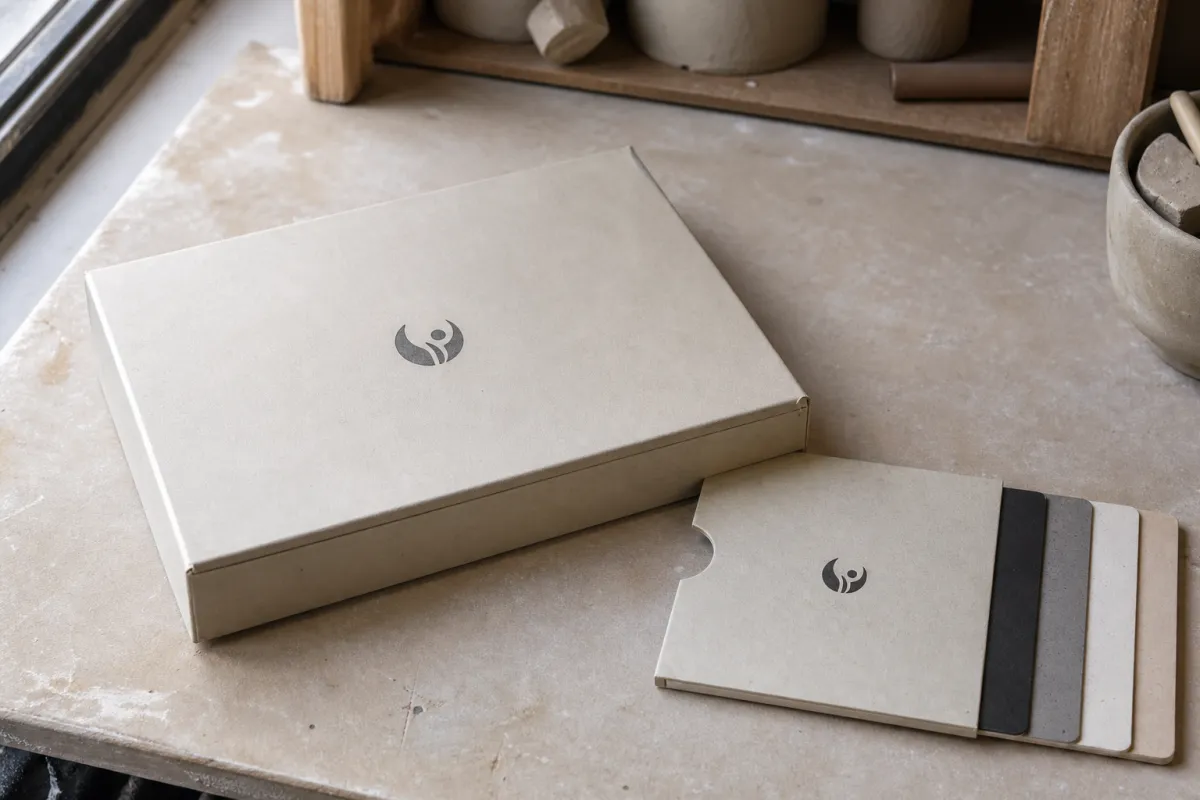
Most buyers start by judging samples visually, and that is where the surprise begins. Two rigid boxes can share the same print, the same logo, and even the same dimensions, yet one feels crisp and confident while the other feels slightly hollow. The ceramic studio magnetic boxes material guide helps explain that gap, because the hidden parts of the structure shape perceived quality far more than the artwork on top.
The core is usually a dense paperboard or chipboard layer, often in the 1.5 mm to 3 mm range for rigid magnetic packaging. On top of that core sits a wrap paper, which may be coated art paper, textured specialty paper, kraft paper, or a branded stock with a natural matte feel. For ceramic items, that wrap matters because the surface gets handled more than most people expect; it is touched in studios, moved through stores, stacked in backrooms, and opened with care, then not always returned with care.
Magnets change the story too. A pair of hidden disc magnets in the lid and front wall can give the closure a soft guided pull, a firmer snap, or, if the placement is weak, a vague flop that makes the box feel underbuilt. The ceramic studio magnetic boxes material guide is never only about the outer finish. It also covers how the closure behaves, how the box resists scuffing, and how well the insert keeps a fragile glaze surface from rubbing against the interior walls.
“A ceramic box earns its keep twice: once when it prevents a chip, and again when the closure feels calm, intentional, and premium in the buyer’s hands.”
Ceramic studios also compare sample boxes for mugs, bowls, and small sculptural pieces with unusual care. A mug with a handle needs enough lateral clearance to avoid impact. A shallow bowl needs a tighter cradle so it does not slide forward when the lid opens. A small art piece may need a custom cavity or layered insert so the top surface does not touch any hard point. That is why the ceramic studio magnetic boxes material guide is so useful: it turns a beautiful concept into a build that actually protects the ceramic.
There is another reason buyers care so much about materials. Ceramic products often sit close to the price point where packaging becomes part of the gift. A sturdier board, a richer wrap, and a precise closure can make a studio’s box feel closer to a collectible object than a shipping container. That shift can lift perceived value without changing the ceramic piece itself, which is why board choice can surprise people who assumed the artwork alone would carry the premium feel.
The smartest question is rarely “Which box looks best?” It is “Which build protects the item, supports the brand, and still fits the budget once printing, inserts, and freight are added?” That is the real lens of the ceramic studio magnetic boxes material guide, and it saves a lot of back-and-forth later.
How Ceramic Studio Magnetic Boxes Work: Materials, Magnets, and Closure Feel
A rigid magnetic box is a layered structure, not a single material. The core is usually chipboard or grayboard, chosen for its stiffness and its ability to hold a sharp panel shape. The exterior is wrapped with a printed or specialty paper that carries the brand artwork. Inside, you may see a plain wrapped cavity, a foam insert, a molded pulp cradle, or a paperboard divider system that holds the ceramic piece in place. Every one of those choices changes the final feel, which is why the ceramic studio magnetic boxes material guide keeps circling back to structure first, decoration second.
The magnet behavior is one of the most underestimated details. A lid that closes with too little pull can open in transit, especially if the box is handled repeatedly or stacked inside a shipper. A lid that closes too hard can feel awkward, and in some cases it can pinch the fingers or make the opening motion feel mechanical rather than refined. In normal production, a matched magnet pair with careful placement delivers enough hold for retail handling without turning the box into a stubborn puzzle. That balance is a key part of the ceramic studio magnetic boxes material guide because it affects both brand perception and practical safety.
Board density and wrap finish matter just as much as the magnets. A denser board resists corner crush better, which matters when the box is shipped inside another carton or placed in a display stack. A smoother coated wrap resists fingerprinting and light scuffing, while a textured stock can hide wear better and create a handmade feel that is, frankly, kind of lovely for ceramic brands. For studios using recycled materials, kraft paper or FSC-certified paper wraps can also make the packaging story more credible, especially if the ceramic line already emphasizes natural clay, hand glazing, or lower-plastic packaging choices.
For shipping validation, many teams borrow the logic of recognized transit testing rather than trusting a hand shake test alone. The general idea is simple: if the box cannot handle movement, drop shock, and vibration without opening or crushing, it is not ready for the lane it will travel. If you need a reference point, the testing guidance published by ISTA packaging test standards is a sensible place to start, especially for e-commerce or DTC shipments. For material sourcing and fiber claims, FSC certification information helps buyers verify chain-of-custody language before they print it on the box.
The ceramic studio magnetic boxes material guide should also be read with the outer carton in mind. The rigid box itself is the presentation layer, but the outer shipper still needs enough strength to protect it. In many cases, that means using corrugated cardboard around the magnetic box, especially for mail order. A beautiful interior box cannot compensate for a crushed corner during parcel transit, and buyers tend to remember the damage far more than they remember the print finish.
A practical rule helps here: the closer the box is to the product, the more it should focus on fit and finish. The farther it is from the product, the more it should focus on shipping durability. The ceramic studio magnetic boxes material guide keeps those layers distinct so a studio does not overspend on the wrong layer while underbuilding the one that actually takes the abuse.
Ceramic Studio Magnetic Boxes Material Guide for Cost, Pricing, and MOQ
Pricing is where the ceramic studio magnetic boxes material guide becomes very real, very quickly. The biggest cost drivers are board grade, wrap paper type, print coverage, foil or embossing, magnet count, insert complexity, and whether the size has to be fully custom. If a studio wants a simple black box with one-color logo printing and a standard insert, the price may stay reasonable. If that same box adds specialty paper, soft-touch lamination, foil stamping, and a custom cavity for a sculpted piece, the quote can move a lot faster than expected.
MOQ matters because rigid magnetic packaging is labor-heavy. The box usually goes through printing, cutting, wrapping, magnet installation, insert cutting, hand assembly, and quality inspection. Small runs do not spread those costs very well. That is why a 300-piece order can have a much higher unit price than a 3,000-piece order even when the design looks simple. The ceramic studio magnetic boxes material guide is useful here because it reminds buyers to judge the project on landed cost, not just on the headline per-unit number.
Here is a simple planning table for comparing common builds. These are rough working ranges for quote discussions, not fixed market prices, but they are realistic enough to help a ceramic studio ask better questions and compare options with a packaging partner.
| Build Option | Typical Feel | Typical Unit Range | Best Fit |
|---|---|---|---|
| 1.5 mm chipboard, printed art paper wrap, paperboard insert | Clean, light, and efficient | $1.10-$1.90 | Gift boxes for lighter mugs or small accessories |
| 2.0 mm grayboard, kraft paper wrap, molded pulp insert | Natural and sturdier | $1.80-$3.10 | Eco-focused lines using recycled materials |
| 2.0-2.5 mm rigid board, specialty paper, EVA foam insert | Premium and protective | $2.40-$4.20 | Fragile pieces, collector sets, or higher-value retail goods |
| 2.5 mm board, soft-touch lamination, foil logo, custom cavity | High-end and presentation-led | $3.50-$6.00+ | Limited editions, gallery pieces, and luxury gifting |
The landed price should include more than the box itself. A good quote breaks out the base box cost, insert cost, decoration cost, and freight, then shows whether the boxes ship flat or assembled. That last point matters more than many buyers think. If the units arrive fully assembled, the carton count drops but freight volume may rise. If they ship flat, the product might arrive more efficiently, but assembly labor shifts to the studio. The ceramic studio magnetic boxes material guide helps buyers see those trade-offs before they place an order they cannot comfortably receive or finish on site.
Another useful habit is asking for quote tiers at multiple volumes. A studio may discover that 1,000 pieces cost too much per unit, but 2,500 pieces finally unlock a more efficient material schedule or assembly line balance. The curve is not always dramatic, yet it can change the feasibility of a launch. That is one reason the ceramic studio magnetic boxes material guide should always be used with the real order quantity in hand, not a guess from last month’s sales.
If you are narrowing down choices, start with Custom Packaging Products and compare structure types before you settle on decoration. It is often easier to Choose the Right rigid build first and then layer the branding on top than it is to do the reverse. For studios that also sell online, a second look at our custom packaging products can help you match the box style to the shipping method, not just to the photo mockup.
Production Steps and Lead Time for Ceramic Studio Magnetic Boxes
Lead time is not random. It expands when the project has structural revisions, specialty papers, complicated inserts, or a finish that needs extra drying or curing. The typical flow starts with dieline confirmation, then material selection, then artwork proofing, then print approval, then lamination or wrap application, then magnet installation, insert cutting, hand assembly, and final quality checks. The ceramic studio magnetic boxes material guide makes sense of that sequence because each stage can introduce delays if the materials were chosen without enough thought up front.
Sampling is the step that saves time later. A structural sample reveals whether the lid height is correct, whether the magnets line up, whether the insert fit is too tight, and whether the ceramic item rattles. That is much cheaper to correct in sample form than after a production run has already started. In practical terms, the ceramic studio magnetic boxes material guide becomes a risk-reduction tool: one good sample can prevent a batch of boxes from arriving with a closure that feels weak or a cavity that pinches the product.
Magnet alignment deserves special attention. A box can look perfect on the outside and still feel off if the magnets are too close to the edge, too deep in the board, or offset by a few millimeters. Those small misses show up as weak closure, crooked pull, or inconsistent snap across the run. Ceramic studios notice this immediately because a box for a handmade object should feel deliberate, not accidental. That is why the ceramic studio magnetic boxes material guide keeps magnet placement in the foreground instead of burying it in the production notes.
Lead time also depends on how many SKUs the studio wants to combine. A single mug size is straightforward. A mixed set with two bowls, a small dish, and a note card slot is more complicated because each cavity must be protected and the insert may need multiple depths. Custom sizing adds another layer, especially when the product has a handle, a wide rim, or an uneven foot. The more custom the insert, the more care the calendar needs. For seasonal launches, it is wise to build in a buffer of at least one additional proof cycle when the box is tied to a fixed launch date.
One practical approach is to assume that a well-defined project can move in roughly 12-15 business days after proof approval, while a more customized project can take longer depending on material availability and hand assembly volume. That range is not a promise; it is a planning anchor. The ceramic studio magnetic boxes material guide is most helpful when it forces a studio to ask, early on, what could make the schedule move, rather than discovering the delay after artwork is already locked.
If the order is going to a market, gallery, or subscription program, check not only the box build but also the outer shipper plan, because transit conditions can change with each channel. A retail counter box may survive hand delivery beautifully and still fail in parcel shipping if the secondary carton is too loose. The ceramic studio magnetic boxes material guide keeps that distinction visible, which is why it remains useful long after the sample approval is complete.
Step-by-Step: Choosing Materials for Ceramic Studio Magnetic Boxes
The best material decisions start with the ceramic object, not the box. Weight, shape, fragility, glaze sensitivity, and intended channel all matter. A matte mug can tolerate a different interior contact pattern than a high-gloss bowl with a delicate rim. A gift box for boutique retail can prioritize surface feel and presentation, while an e-commerce box must prioritize shock resistance and consistent closure under vibration. That is the basic discipline behind the ceramic studio magnetic Boxes Material Guide: match the build to the object and the route it will take.
Step 1: define the item and its weakest points. A handle, spout, flange, or thin rim usually needs more clearance and a softer contact point. If the ceramic piece is heavy, the board should be stiffer, and the insert should grip the item without crushing it. If the glaze is highly polished, the interior materials should be chosen with scuff resistance in mind. In the ceramic studio magnetic boxes material guide, this is where the spec becomes honest about what must be protected rather than what merely looks elegant on a mockup.
Step 2: choose the structure before the finish. A 2.0 mm chipboard core may be enough for a lighter piece, while a 2.5 mm grayboard may feel better for a higher-value item. Then choose the wrap stock. Smooth art paper supports crisp printing, kraft paper adds a natural, earthy look, and textured specialty paper can reinforce a handmade brand voice. If a studio wants to signal recycled materials or FSC-certified sourcing, the wrap choice should support that language rather than fight it.
Step 3: decide on the insert material. Foam provides the most immobilization, but it does not always fit an eco story. Molded pulp is strong, often made from recovered fiber, and can be a very good fit for studios that want to speak plainly about lower-plastic packaging. Paperboard partitions can work well for lighter pieces or sets with multiple parts. The right insert is often the difference between a box that merely carries a ceramic and one that actually protects it. That is a central lesson in the ceramic studio magnetic boxes material guide.
- Foam inserts are best when the object needs very tight restraint and the finish can tolerate a snug cavity.
- Molded pulp works well for a more natural presentation and can support fiber-based packaging goals.
- Paperboard inserts are lighter, cleaner, and often easier to coordinate with printed branding.
Step 4: finish the box with the brand layer. That might mean a single-color logo, foil stamping, embossing, or a quiet matte lamination that resists fingerprints. For ceramic studios, less can feel more refined if the materials are doing the heavy lifting. A plain kraft wrap with a crisp logo can feel more honest than a busy design on a weak structure. The ceramic studio magnetic boxes material guide does not push one style over another; it pushes for coherence between the object, the packaging, and the promise the brand is making.
Step 5: test the opening feel in hand, not just on paper. A box that opens too freely can feel underwhelming, while one that fights back can frustrate the customer. The goal is a calm, guided release. When the lid lifts, the product should be framed, not shaken loose. That finishing touch may sound small, but it is often what makes the box memorable. The ceramic studio magnetic boxes material guide is really about that last 10% of the experience, where material choice becomes brand memory.
One more practical note: if the studio intends to ship the ceramic piece inside a larger carton, the magnetic box should not be overbuilt just to compensate for a weak shipper. Use the right layer for the right job. That keeps cost sane and makes the whole packing system easier to repeat. The ceramic studio magnetic boxes material guide works best when it separates presentation materials from transport materials instead of blending them into one oversized spec.
Common Mistakes When Specifying Ceramic Studio Magnetic Boxes
The first mistake is choosing box size before the insert dimensions are final. That almost always leads to one of two problems: the ceramic item shifts around, or the cavity gets so tight that the piece is difficult to remove cleanly. A mug with a handle, for example, often needs more functional clearance than the first rendering suggests. This is a classic place where the ceramic studio magnetic boxes material guide saves money, because a few millimeters of planning can prevent a whole batch of rework.
The second mistake is underpowered magnets. If the lid opens too easily, the box feels cheap and the product may not stay secure during transit. If the magnets are oversized or badly positioned, the opening motion can become awkward. A good sample test tells you more than the spec sheet here. The ceramic studio magnetic boxes material guide should always include a closure test with the actual ceramic weight, because a lightweight demo insert rarely tells the full story.
The third mistake is treating decorative finish as more important than surface protection. Gloss prints, foil, and soft-touch coatings can look excellent, but a rigid box that is handled often may also need lamination or a more durable wrap to resist scuffing. Studios that sell through markets, boutiques, or subscription programs should think through handling frequency, not just unboxing photography. The ceramic studio magnetic boxes material guide is at its most useful when it connects appearance with wear resistance.
The fourth mistake is ignoring outer shipping performance. A magnetic box may open and close beautifully on the studio table, then fail inside a parcel if the outer carton has too much void space or no internal cushioning. That is where corrugated cardboard, paper void fill, or a second protective layer earns its keep. There is no elegance in a cracked bowl arriving in a pretty box. That damage becomes the story, and the packaging loses the argument.
- Do not lock the box size before the insert is finalized.
- Do not assume a mockup tells you anything about magnet strength.
- Do not skip transit testing if the box ships to customers.
- Do not choose a decorative finish that cannot tolerate frequent handling.
There is also a quieter mistake: forgetting that the box should match the brand voice of the ceramic itself. A rustic clay cup in kraft paper feels coherent. A glossy, minimal vessel in a soft-touch black rigid box can feel equally right. Mixing the wrong materials can make the whole package feel unsure of itself. The ceramic studio magnetic boxes material guide is useful because it forces coherence, and coherence is what buyers often describe as “premium” even when they are really reacting to consistency.
One last caution. Small production runs can tempt buyers to simplify everything except the printed surface. That is not always the right trade. If the box protects fragile ceramics better with a slightly thicker board or a better insert, it may be smarter to save money elsewhere, such as on an extra print effect or a more complex interior layout. The ceramic studio magnetic boxes material guide helps protect the part of the project that matters most: the object inside.
Expert Tips and Next Steps for a Stronger Ceramic Box Quote
If you want a more accurate quote, ask for material swatches and a structural sample before you place the full order. Touch matters here. A board that feels solid in the hand can justify a higher cost because it changes the first impression immediately. A wrap that looks fine on screen may feel too slick or too plain in person. The ceramic studio magnetic boxes material guide is easiest to apply once you have a physical sample to compare against the ceramic piece itself.
It also helps to request two or three board grades in the same quote. A small change in board thickness can shift the closure feel, the freight weight, and the durability in meaningful ways. Sometimes the middle option is the real winner. It may look nearly identical to the premium version while keeping the landed cost lower. For many ceramic studios, that balance is the sweet spot: enough structure to feel special, enough discipline to keep margins intact. That is a practical lesson from the ceramic studio magnetic boxes material guide, not a theory.
Share the ceramic item, the target shipping method, and the expected order volume early. Those three inputs let a packaging partner make a quote that reflects reality instead of guesswork. If the box is for retail display only, the priorities are different than for mail order. If the studio plans to ship during a holiday launch, the buffer needs to be bigger. If the piece is heavy or fragile, the insert has to do more work. The ceramic studio magnetic boxes material guide is most effective when it starts with those specifics.
Here is a simple next-step sequence that works well for buyers:
- Measure the ceramic piece with enough room for clearance and handling.
- Choose the protection level first, then choose the wrap and finish.
- Request samples that show magnet pull, opening feel, and insert fit.
- Ask for pricing at more than one quantity level.
- Confirm freight, assembly expectations, and outer carton requirements.
For studios that want a packaging partner rather than a one-off purchase, it can help to review the broader catalog of Custom Packaging Products after the first sample comes in. That makes it easier to compare rigid box structures, insert styles, and finishing options in a way that matches the actual ceramic line instead of a generic packaging idea. The ceramic studio magnetic boxes material guide works best when it turns sample feedback into a clear spec.
If you are still deciding, remember the basic order of operations: product first, protection second, presentation third, freight last. That sequence keeps the project grounded. It also keeps the quote from drifting into flashy but unnecessary features that do not improve the box in use. In practice, the strongest ceramic studio magnetic boxes material guide decisions are the ones that respect how people will actually pick up, open, store, and ship the box.
Choose the structure that protects the piece, choose the wrap that tells the right story, and choose the insert that stops movement without damaging the glaze. Do that well, and the ceramic studio magnetic boxes material guide becomes more than a sourcing exercise; it becomes the foundation for packaging that feels considered, reliable, and worth keeping.
What materials work best for ceramic studio magnetic boxes with fragile pieces?
Rigid paperboard or chipboard gives the box its structure, while a wrap paper or printed outer layer carries the branding. For the interior, foam, molded pulp, or fitted paperboard inserts are the usual choices because they stop the ceramic piece from shifting. The right material depends on the weight of the item, the sensitivity of the glaze, and whether the box is mainly for shipping or display. In a good ceramic studio magnetic boxes material guide, the insert is chosen after the product dimensions are finalized, not before.
How strong should the magnets be in a ceramic studio magnetic box?
The magnets should hold the lid securely closed without making the box hard to open. Heavier lids or larger formats usually need stronger or more strategically placed magnets, while smaller boxes may need only a modest pull. The best way to confirm the closure is a physical sample test with the actual ceramic weight inside. That is a core lesson in the ceramic studio magnetic boxes material guide, because magnet behavior changes once the full structure is assembled.
What affects pricing the most in ceramic studio magnetic boxes material guide projects?
Board grade, wrap paper, magnet count, print coverage, and insert complexity are usually the biggest drivers. Small runs also tend to cost more per unit because rigid boxes rely on labor-intensive assembly and more handling. Special finishes such as foil, embossing, or soft-touch lamination can raise the price quickly. If you want a better quote, ask for a few quantity levels so the ceramic studio magnetic boxes material guide can be compared against real break points rather than a single number.
How long does production usually take for custom magnetic boxes for ceramics?
Lead time depends on sampling, artwork approval, material availability, and how complex the insert is. Custom sizes or specialty papers can add time, especially if the structure needs revision after sampling. A well-prepared order may move in roughly 12-15 business days after proof approval, while more complex projects often take longer. The ceramic studio magnetic boxes material guide works best when the launch schedule includes a buffer for test samples and final sign-off.
Can I order a small MOQ for ceramic studio magnetic boxes?
Yes, but very small orders may have a higher unit cost because setup and hand assembly are still required. It helps to ask for pricing at a few quantity levels so you can see where the cost per box becomes more efficient. If the budget is tight, simplify the finish or insert design before reducing structural quality. That is usually the safer move in a ceramic studio magnetic boxes material guide plan, especially for fragile work that should not be underprotected.
Before you Request a Quote, write down three things: the ceramic’s exact dimensions, the route it will travel, and the finish you can afford to replace if it scuffs. That short spec is usually enough to steer a packaging partner toward the right board, wrap, magnet, and insert on the first pass. That is the most useful action item in the ceramic studio magnetic boxes material guide, because it keeps the order grounded in the object instead of the mockup.

