Ceramic Trucker Caps Bulk Order Planning: Buy Smarter
Ceramic Trucker Caps Bulk Order Planning starts with price, but the final result depends on the spec, proof, packing, freight, and inspection. Those are the places where budgets slip and ship dates move.
Buyers usually compare unit cost first. That only works when the build is simple, the artwork is clean, and the timeline has slack. In most bulk orders, a low quote can turn expensive after a second proof, a relabeling charge, or a rush shipment.
For runs of 500, 750, or 1,000 pieces, the better question is: what is the landed cost, and how much risk is built into the order? If you want quantity-tier references, the Wholesale Programs page is a useful starting point.
Why the Cheapest Cap Quote Usually Costs More Later
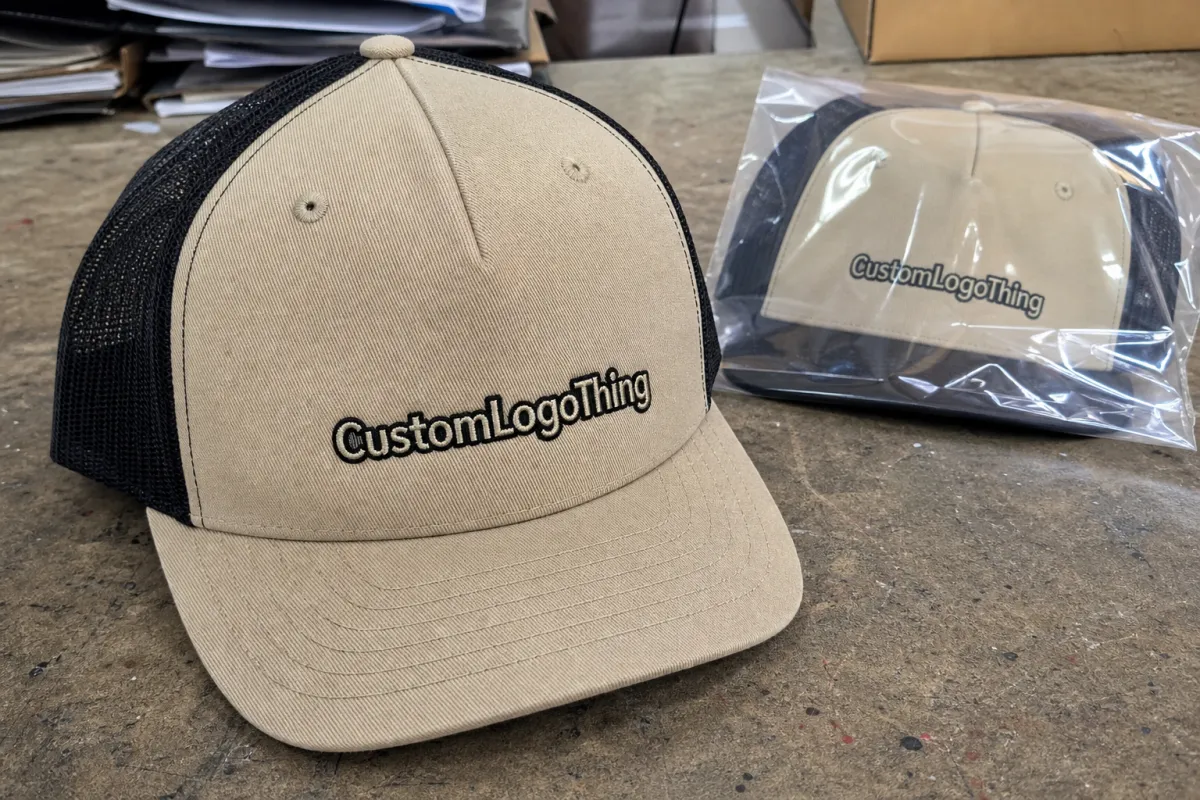
The lowest quote often leaves out setup, sampling, freight, or correction time. The base cap price may be real, but the rest of the order is priced as if nothing changes after approval.
That is where promotional orders go wrong. A team needs caps for a launch or trade show, the mockup is vague, the logo is placed too high, and the mesh color is only “close.” By the time the proof is corrected, the ship window is tight and the savings disappear into rush freight.
Price the cap for the job it has to do. A retail run needs cleaner presentation and tighter color control. An event giveaway may tolerate a simpler build if it protects margin and arrives on time. Those are different buying decisions.
“The cap is rarely the expensive part. The corrections around the cap usually are.”
That includes artwork revisions, carton labels, packing slips, and any detail that creates a second pass through the production line. A good quote makes those risks visible early. A weak one hides them until receiving opens the cartons.
Cap Build Choices That Affect Fit, Look, and Sell-Through
Trucker caps are not all the same. Crown height, panel count, mesh density, brim curve, and closure type all change fit and presentation. A six-panel structured crown gives the front logo more support. A lower-profile build feels softer and can wear more like retail headwear than a promo item.
Front panel construction should be settled early. Foam fronts are light and shape well, but they can read more retro. Cotton twill and brushed chino twill feel more substantial and are often better for embroidery. Polyester fronts are practical when color consistency matters and the run needs to stay efficient. The right choice depends on the brand, the budget, and the look the cap needs to carry.
Decoration method changes both appearance and cost. Direct embroidery is durable, but tiny text can fill in. Woven patches hold detail better and usually look more finished. Printed patches handle gradients and full-color art, though the patch size has to fit the panel cleanly. Woven labels work well for simple branding and lower-cost programs.
| Decoration option | Typical setup cost | Unit cost impact | Best use | Main risk |
|---|---|---|---|---|
| Direct embroidery | $20-$60 | Low to moderate | Simple logos, durable wear | Fine detail can fill in |
| Woven patch | $35-$90 | Moderate | Sharper detail, cleaner retail look | Patch size must match panel space |
| Printed patch | $30-$80 | Moderate | Full-color art, gradients | Large patches can look less premium |
| Woven label | $15-$45 | Low | Simple branding and faster runs | Limited visual impact |
Placement matters as much as decoration type. If the logo crosses a seam or sits near the edge of a curved panel, registration gets harder and the proof needs to reflect the actual build. A mockup should show the real cap layout, not a generic art board.
Wearability affects sell-through. A cap that sits awkwardly, overheats quickly, or feels stiff may still look good in a rendering and still underperform in the field. That is a product decision, not just a style choice.
Spec Sheet Checks: Sizing, Materials, Decoration, and Packaging
Lock the spec sheet before asking for the quote. The most useful details are head circumference range, crown height, brim curve, mesh color, panel count, and closure type. If the cap runs narrow or tall, that needs to be visible before production starts.
- Head circumference: usually listed as a range, such as 56-60 cm or 22-23.6 in.
- Crown height: changes the fit profile and logo position.
- Brim curve: flat, lightly curved, or pre-curved changes the silhouette.
- Mesh color: should be matched against the panel color, not approximated.
- Closure: snapback, strap, or Velcro affects adjustability and perceived quality.
Material choices carry real tradeoffs. Polyester mesh is common because it is light, breathable, and consistent. Cotton fronts can feel better in hand, but they may show shade variation more clearly. Brushed twill is a solid option for embroidery. Foam fronts can lower cost, though they can also look dated if the build feels too thin elsewhere.
Ask for a sample or pre-production proof when the order is large enough to justify it. Color, stitch density, patch size, and placement are easier to correct before the run starts. Once production begins, every change costs time and money.
Packaging deserves the same attention. Bulk cartons keep unit cost down, but they can scuff caps if the stack is too high or the carton is packed too tightly. Individual polybags add labor and material, yet they protect retail presentation and reduce dust. If the caps are going into a shelf set or influencer kit, insert cards or belly bands may be worth the added cost because they affect weight, carton count, and freight.
For shipping stress and carton durability, ISTA is a useful reference. If inserts or hang tags matter, FSC certification is worth asking about when sourcing standards matter to the brand.
Color mismatch is common. A navy panel can lean purple, thread can be too glossy, or a patch border can land warmer than expected. Ask for Pantone references whenever possible and put them in writing. Memory is not a specification.
Quality-Control Checks That Prevent Rework
Bulk cap orders usually fail by drifting, not by breaking. A stitch line lands a few millimeters off center. A carton label uses the wrong SKU. Mesh color looks fine alone but wrong beside the rest of the order. Small misses add up.
A proper QC process checks more than one approved sample. It should include logo placement, stitch tension, patch adhesion, panel symmetry, closure function, and color consistency across the run. One good sample only proves one good sample.
For embroidery, inspect edges for pull, puckering, and thread breaks. For patches, check border finish and whether the patch sits flat enough to avoid curling in transit. For printed elements, confirm the artwork still reads at the actual cap size.
Carton counts and carton labels matter too. A shipment that is short by one carton can create unnecessary receiving delays. Packing lists should match the production count, the label count, and the order record before the boxes leave the floor.
Cost, Pricing, MOQ, and Unit Cost Drivers
Pricing becomes clearer once it is broken into parts. Quantity, decoration method, number of colors, packaging level, and any custom labels or inserts drive most of the cost. MOQ matters because setup work only starts to make sense when it is spread across enough units.
Ask for four line items: sample cost, setup cost, unit cost, and freight. Rush charges should sit outside the base quote. If a supplier folds everything into one number, the quote may look simple, but it hides the real risk points.
Typical finished pricing for basic trucker caps can land roughly in the $1.10 to $3.50 range before freight, depending on material, decoration, and quantity. Add patches, inserts, or premium packaging and the figure climbs.
Quantity breaks matter. Moving from 500 to 1,000 units can cut unit cost by 10% to 25%, depending on decoration and packaging. That does not mean the larger run is always better. It means the buyer has to compare landed cost against sell-through and storage capacity.
A simple way to judge the tradeoff:
- If demand is uncertain, keep the run lean and avoid expensive extras.
- If the caps are for a launch kit or retail program, spend more on appearance and proofing.
- If the order will repeat, negotiate setup once and protect repeat pricing.
Teams that buy apparel and promo goods in volume should compare all-in pricing, not just the cap line. That makes it easier to see whether a quantity break is really saving money or just creating inventory. If you need a fast reference for recurring buying questions, the FAQ page is a useful place to start.
Process and Timeline: Quote, Sample, Production, Shipping
A clean order usually follows the same path: request, artwork review, quote approval, proof or sample approval, production, inspection, packing, and delivery. Skip one step and the timeline gets vague. Skip two and the budget starts absorbing surprises.
Lead time depends on complexity, but a normal bulk order often needs 12 to 20 business days after proof approval for production and inspection, with shipping on top of that. First-time orders usually need more cushion. If the event date is fixed, build time for artwork corrections, color adjustment, and freight delay.
Shipping method changes the math. Air freight is fast and expensive. Sea freight is cheaper for larger runs but needs planning room. Domestic delivery is easier when the goods are already in country. Confirm the shipping method before approving the order, not after.
Approval should happen only after logo placement, color match, carton count, and packaging details are right. Once the order is released, changes always cost time and usually cost money too.
What a Reliable Supplier Should Show Before You Pay
A good supplier does more than send a low number. They provide an itemized quote, a clear proof-approval process, documented QC, and delivery milestones that can be tracked without guesswork.
Fast response time helps, but only if the answers are specific. Clean mockups help, but only if they show the actual panel layout and placement. Realistic production dates help, but only if the supplier will say the schedule is tight when it is tight.
Ask whether decoration is handled in-house or outsourced. In-house work usually gives better timing control and a cleaner QC chain. Outsourced decoration can still work, but it adds another handoff and another chance for file errors or missed notes.
Trust should feel operational. A reliable supplier gives early warning on problems, does not hide fees behind vague wording, and provides enough detail for a real buying decision. If the quote reads like a riddle, the order probably will too.
Next Steps to Lock the Order, Artwork, and Ship Date
Gather the basics first: target quantity, delivery zip, artwork files, preferred colors, packaging needs, and the required in-hands date. If the cap style and decoration method are already decided, include them. That shortens the quote cycle and improves pricing accuracy.
Send a clear breakdown if the order needs multiple colors or variants. A 600-piece run split across three colorways is not the same job as a 600-piece single-color run. Each variation can affect setup, packing, and MOQ behavior.
Do not approve the proof until logo placement, color match, packaging details, and any text on inserts are checked carefully. Once the proof is signed off, changes are rarely free.
The simplest way to keep the process clean is to treat ceramic trucker Caps Bulk Order Planning like a checklist: confirm the spec, compare the landed cost, inspect the proof, verify QC, and lock the ship date only when the timeline still works.
How many ceramic trucker caps should I order for a first bulk run?
Start at the supplier MOQ or the next pricing tier, then add a buffer for defects, samples, and replacements. If demand is uncertain, reduce the number of colors or design variants before cutting the core quantity too far.
What affects the unit cost most in ceramic trucker caps bulk order planning?
Quantity, decoration method, color count, and packaging usually move the price more than the base cap itself. Rush production, complex artwork, and custom inserts can raise the total quickly, especially if extra proofing is needed.
How long does production usually take after approval?
A normal bulk order often needs time for proof approval, production, inspection, and shipping, so plan for a multi-step timeline. First-time orders usually need extra cushion because artwork corrections or sample changes can add days before mass production starts.
Can I mix colors or logos in one bulk order?
Usually yes, but each variation may trigger its own setup cost, MOQ, or packaging requirement. Ask for a quote that separates each variant so you can see whether the mix is actually worth the added complexity.
What should I send to get an accurate quote?
Send vector artwork, Pantone references, quantity breakdown, delivery destination, target date, and packaging instructions. If you already know your preferred cap style and decoration method, include that too so the quote is based on the right build.

