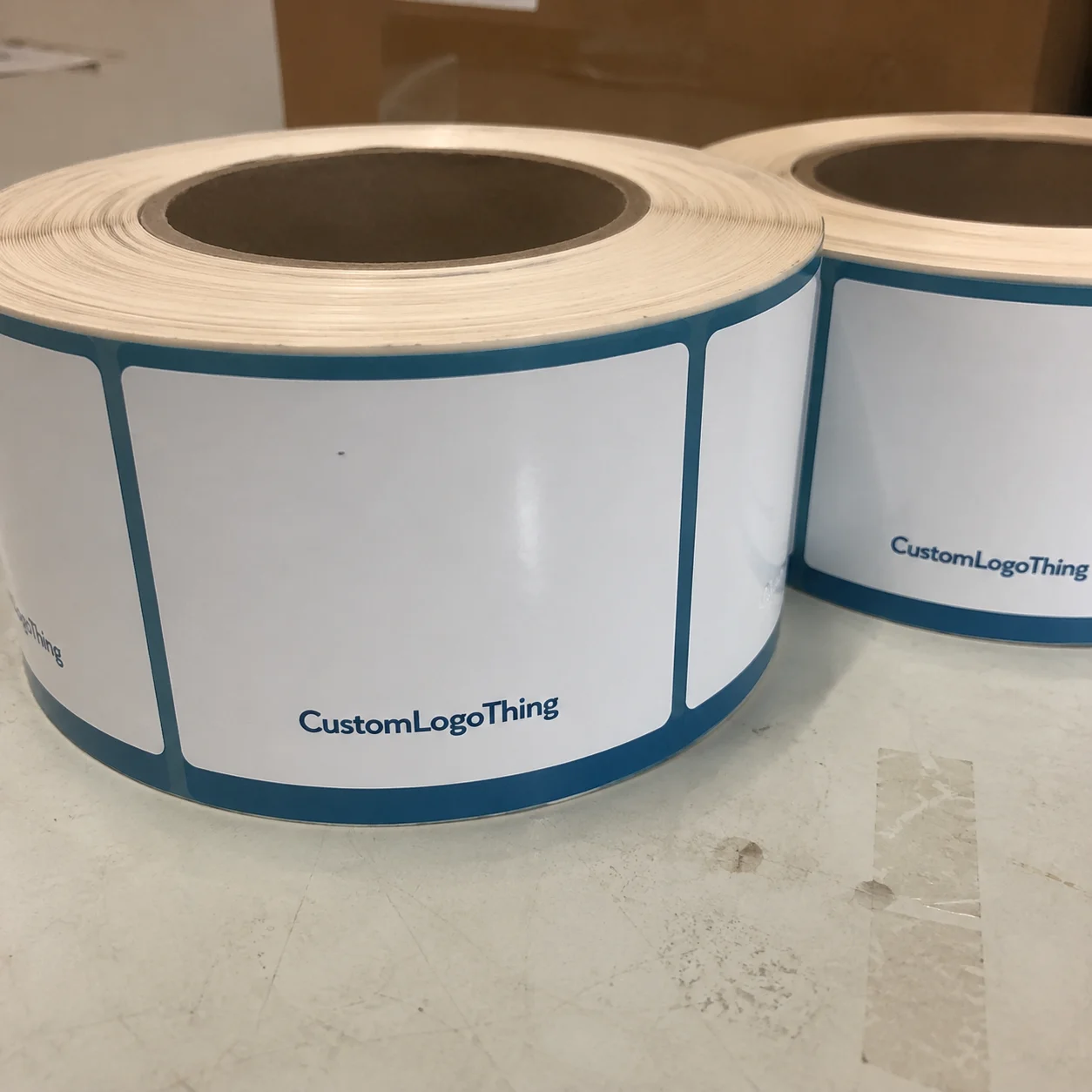
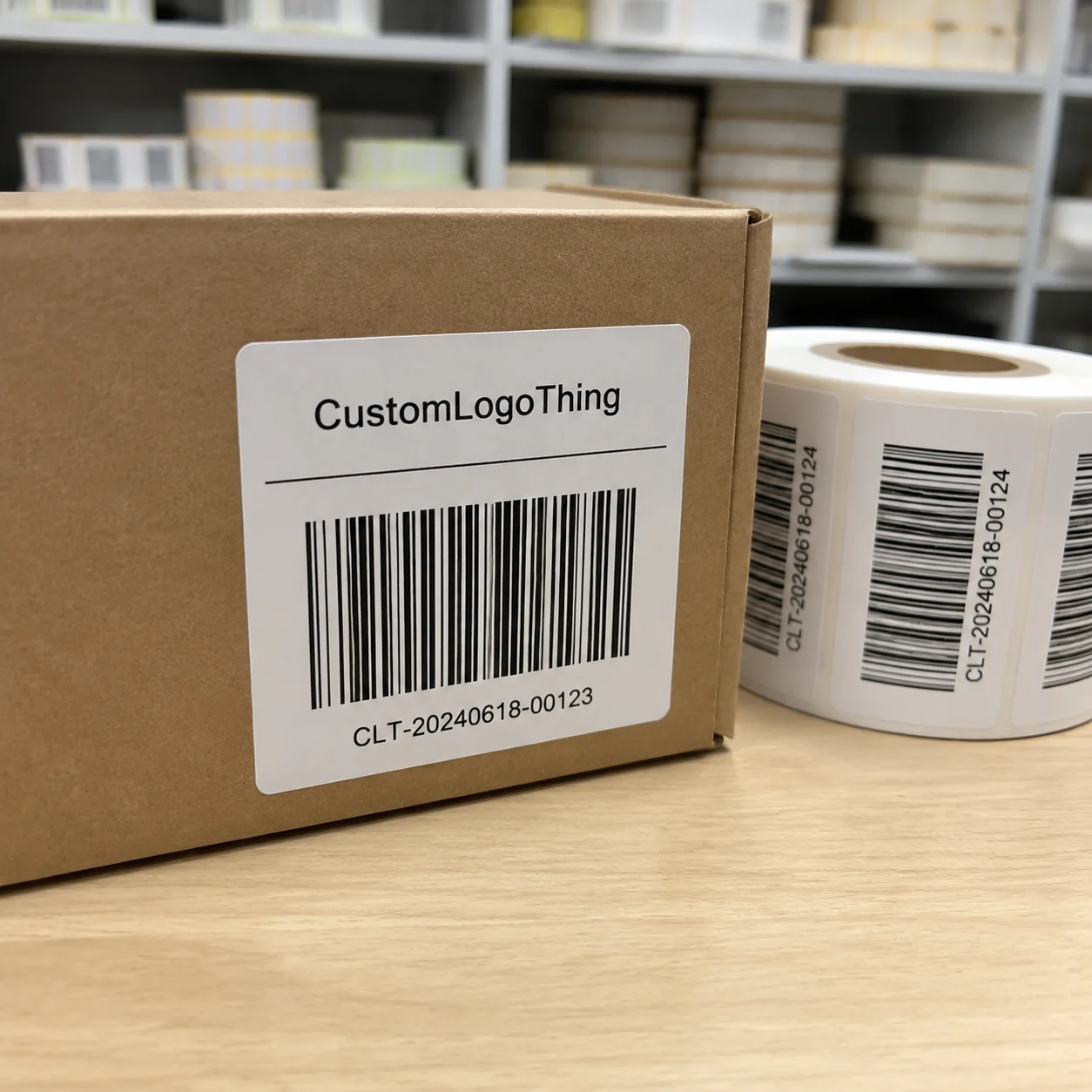
If you are searching for custom Return Address Labels staples, you probably want a straightforward answer: a label with your brand name, return address, and enough durability to survive the trip from pack table to mailbox. That sounds simple until the label has to perform on a poly mailer, a kraft box, tissue wrap, or a glossy insert card. The material that looks fine on a desktop sample can fail fast once it meets dust, pressure, friction, and a few hours of handling.
That is the real divide between office labels and packaging labels. Office labels are often judged by print clarity. Packaging labels are judged by whether they stay put, stay legible, and still look intentional after shipping. A return address label is small, but it carries more weight than it seems. It is one of the first brand signals a customer sees and one of the last things a carrier handles.
For apparel brands, that matters. A return label is not only a routing tool. It also influences how polished the package feels, whether returns are easy to sort, and how much cleanup the operations team has to do later. The right spec saves time. The wrong one creates little annoyances that add up.
Why store-bought labels fail on real packaging
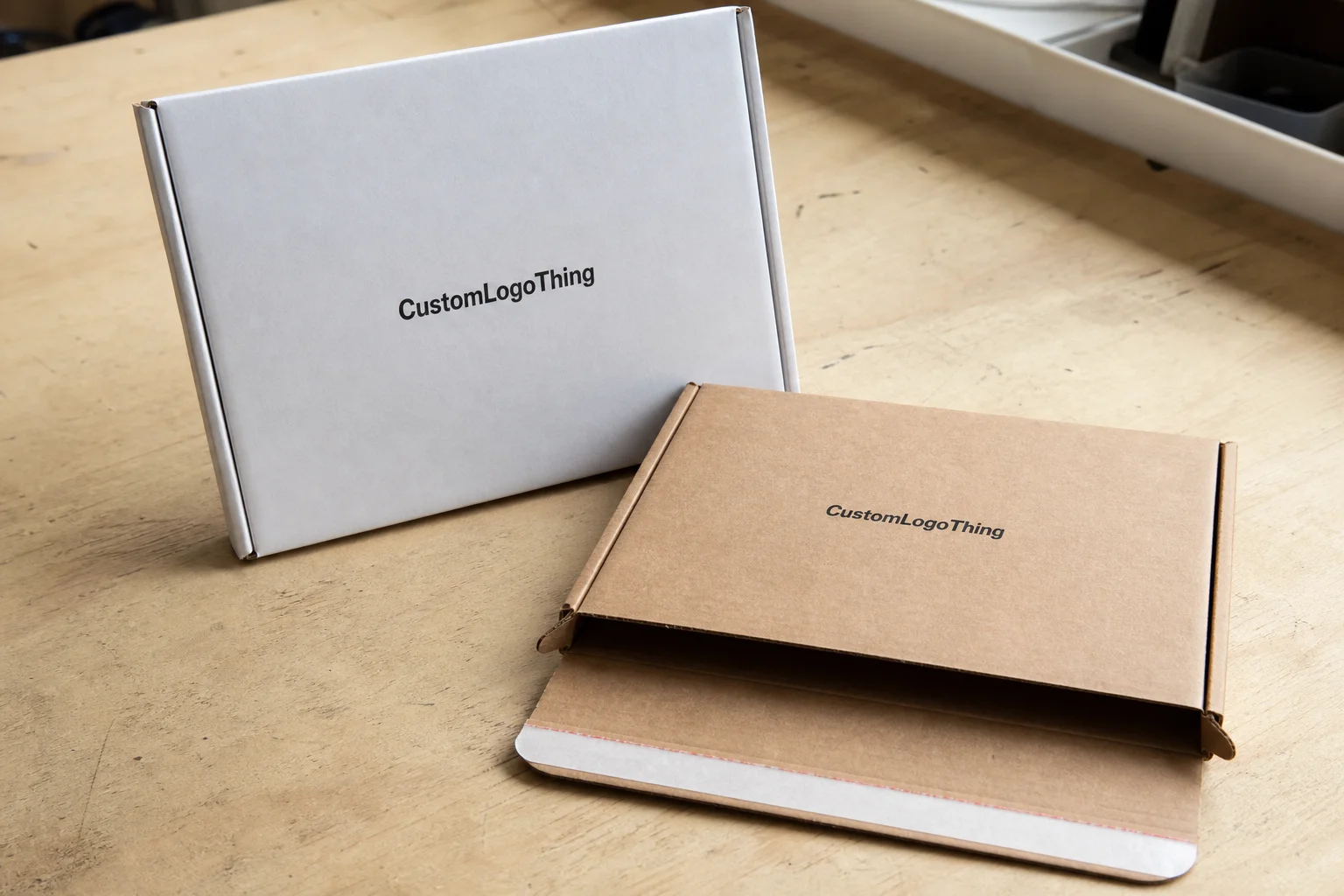
The most common failure pattern is familiar. A buyer prints labels at home or buys a standard sheet pack, tests one on a flat surface, and assumes the job is done. Then the first shipment goes out. The label peels at a corner, the ink scuffs, or the adhesive struggles on a textured carton. Nothing dramatic. Just enough failure to look sloppy.
That happens because packaging surfaces behave differently. A paper envelope is absorbent and smooth. A poly mailer is slick and low-energy. Corrugated board has texture, dust, and pressure points. Tissue paper is thin enough to wrinkle under handling. Each one changes how the adhesive bites and how the face stock holds up. A label can be perfectly usable on one substrate and unreliable on another.
For clothing brands, the return address label often sits at the intersection of branding and logistics. It supports package identification, helps returns move through the system, and keeps sender information visible if a parcel is misrouted. If the label falls off, curls, or smears, the package still ships, but the process around it gets messier. That is where hidden cost shows up.
People usually search for custom Return Address Labels staples because they want a quick, familiar buying path. That is understandable. The better question is not where to buy them first, but what the label has to survive. Surface, handling, volume, and turnaround should drive the spec.
A label that works on a smooth test sheet is not automatically ready for shipping. It is only ready for the test sheet.
In practice, Return Address Labels show up in three common places: on shipping boxes, on outer mailers, and inside packaging as part of a returns or care system. A label that sits on the outside of a mailer needs a different level of toughness than one that only lives inside the box. The application site matters more than the marketing name on the label stock.
Custom return address labels Staples buyers actually get
Custom return address labels are prePrinted Adhesive Labels that carry a sender name, return address, and often a logo or design element. Some orders also include QR codes, sorting notes, or batch identifiers. In a basic office context, the format is usually small and practical. For a clothing brand, the label needs to feel like part of the packaging system, not an isolated mailing supply.
The buyers who search for custom return address labels staples usually want three things: speed, simple reordering, and minimal setup friction. Those are reasonable priorities. Even so, the order still needs a few decisions before it will work well in production. Size, shape, adhesive, finish, quantity, and format all affect the result.
Labels are commonly supplied in three formats:
- Sheets: useful for low-volume use, simple storage, and hand application.
- Rolls: better for higher volume, faster packing, and label dispensers or applicators.
- Die-cut individual labels: practical when labels need to move quickly through a hand-applied workflow.
A return address label is not one universal product. A label sized for an envelope can look lost on a mailer panel. A bold, branded label that works on a retail box may be too large for a slim insert card. The right size depends on the packaging surface, the visual hierarchy, and how much information the brand wants visible at a glance.
Custom Labels & Tags can be set up to match brand typography, colors, and packaging surface. If the label is part of a larger packaging system, the supporting components should be consistent as well. A clean label on top of mismatched packaging can still look improvised. If you are building a coordinated setup, Custom Packaging Products can keep the look and production requirements aligned.
One practical point gets overlooked: retail-store shopping behavior tends to favor convenience, but packaging still has to go through actual production steps. That means file prep, proofing, and small technical details like safe margins and contrast. Even a simple address label needs enough breathing room to stay readable after trimming and application. A clever layout that falls apart at 1.25 inches wide is not clever.
Materials, adhesive, and finish choices that affect durability
Most of the real-world performance comes from material selection. Paper labels are inexpensive and work well for envelopes, light inserts, and low-touch uses. Coated paper improves print clarity and gives a cleaner edge. Synthetic stocks, such as polypropylene or polyester face stocks, cost more but handle moisture, abrasion, and rougher shipping conditions much better.
For clothing brands shipping in poly mailers or cardboard boxes, three options tend to make sense:
- Uncoated paper: easy to write on and inexpensive, but more prone to smudging and edge wear.
- Coated paper: a solid middle ground with better print quality and improved surface protection.
- Synthetic: the most durable option, especially where moisture or handling friction is a concern.
Adhesive choice can matter as much as the face stock. A permanent adhesive is the default for shipping and return labels because it is meant to stay attached. A removable adhesive is useful only when the label has to be taken off later without residue, which is not the typical requirement for outbound packaging. Weak tack on a mailer is usually a bad trade.
Finish changes both appearance and performance. Matte reduces glare and helps text remain easy to read. Gloss deepens color and can suit more polished retail packaging, though it may show scuffs more readily. Writable surfaces are helpful if staff needs to add notes or batch marks by hand, but they generally sacrifice some visual refinement.
For brand-facing packaging, coated matte and matte synthetic stocks are common choices because they look deliberate without feeling too glossy or fragile. If your brand also uses custom printed boxes, the label should support that design language rather than sit awkwardly on top of it.
Testing matters more than the sample sheet suggests. A label should be applied to the actual packaging surface, pressed down firmly, and left to settle before handling. Poly mailers, tissue, coated cartons, and uncoated kraft board behave differently. A spec that passes one surface may not survive another. There is no shortcut around that.
| Label option | Best for | Typical tradeoff | Price impact |
|---|---|---|---|
| Uncoated paper | Envelope use, light inserts | Lower durability, more smudge risk | Lowest |
| Coated paper | Most small-brand shipping and packaging uses | Better print quality, still limited in wet handling | Moderate |
| Synthetic matte | Poly mailers, boxes, high-handling parcels | Higher cost, stronger durability | Higher |
Packaging and transit performance are often discussed in relation to standard testing methods, and that is a useful frame if your team wants to compare options more systematically. For broad packaging guidance, the Packaging Machinery Manufacturers Institute is a good reference point. If sustainability is part of the buying criteria, FSC-certified paper options may also be relevant; see FSC.
Cost, MOQ, and unit cost basics
The price of custom return address labels staples style orders is shaped by more than the label size. Material, finish, color count, quantity, format, and setup all change the quote. The cheapest line item is not always the cheapest purchase. Once shipping, prep, and waste are included, the total picture can look different.
Common price drivers include:
- Size: larger labels use more stock and often print slower.
- Stock: synthetic stock usually costs more than paper; coated paper sits in the middle.
- Colors: black-only work is usually less expensive than full-color brand printing.
- Quantity: larger runs lower the unit cost.
- Format: rolls can cost more up front but reduce handling time later.
For rough planning, smaller custom label runs often land around $0.08 to $0.20 per label depending on size and finish. Larger quantities can drop below that, especially when the print is simple and the material choice is economical. A 5,000-piece run with black print on coated paper will usually cost less per unit than a 500-piece run with full-color branding. That is normal. Setup costs get spread across more labels.
MOQ, or minimum order quantity, is not arbitrary. It reflects press setup, die cutting, proofing, and the efficiency of the production run. Some jobs may start at 500 labels. Others may require 1,000 or more, especially if the format is custom or the finish is specialized. Lower MOQ helps when the design is still evolving. Higher MOQ helps when the artwork is stable and the brand will use the labels quickly.
Extra charges deserve attention. Setup fees, proofing, shipping, and rush production can shift the real total enough to change the decision. A low per-label quote with high freight and handling is still a high-cost order. That is especially true for smaller businesses where the quantity is modest and every overhead item gets amplified.
A clean way to compare quotes is to calculate landed cost:
- Add the label total, setup, and any proofing charges.
- Include shipping and any rush fee.
- Divide by the actual number of usable labels.
- Check whether the format fits your application method.
That last step matters more than many buyers expect. A roll may cost more than sheets but save labor in a busy packing line. A sheet format may look cheaper on paper but slow down a team that handles a lot of outbound parcels each day. The right choice depends on volume, labor, and how often the design changes.
Process, proofing, and turnaround time
The ordering flow for custom return address labels staples buyers is usually simple once the art file is ready. A buyer submits text or artwork, the vendor checks dimensions and layout, proofing happens, production follows, and then the order ships. The process is ordinary. The delays are usually not.
Proofing is where most preventable mistakes are caught. A good proof should verify:
- Label size and shape
- Font legibility at final size
- Logo placement and safe margins
- Bleed and trim area
- Correct return address and contact details
If the artwork is low resolution, the proof will reveal it. If the type is too small, the proof will show that too. If the layout is crowded, the proof is the moment to fix it. Proofing is not a formality. It is the cheapest quality-control step available.
Realistic turnaround depends on the print method and whether the file is ready to go. Straightforward digital orders can often move in about 5 to 10 business days after proof approval. More customized jobs, specialty finishes, or larger runs may need 10 to 15 business days. Shipping time sits on top of that, which buyers sometimes forget until the cartons are still in transit.
Common causes of delay are predictable:
- Missing vector files or low-resolution artwork
- Late text changes after proof approval
- Unclear quantity or format requirements
- Slow responses during the proofing stage
- Rush requests that require queue changes
If the labels are tied to a seasonal drop, launch window, or inventory refresh, build in buffer time. A delayed label can stall a packing line. A stalled packing line can delay a launch. Small components cause large headaches when the schedule is tight, which is why packaging teams usually care about lead time more than the catalog description suggests.
Common mistakes that cause peeling, smudging, or reprints
Size errors are the easiest to make and the easiest to miss. A label that is too large will wrinkle near seams or edges. A label that is too small can look crowded or disappear visually on a busy package panel. Measure the usable flat area, not the whole face of the box or mailer. Leave room for folds, seams, postage, and any nearby barcode or return instructions.
Design clutter creates another common problem. Too much text, weak contrast, thin fonts, and oversized logos can all reduce readability. A return address label should be readable at a glance. That usually means clean type, enough white space, and enough contrast to survive low light or fast handling.
Smudging usually comes from one of three issues: the wrong stock, a print method that does not suit the material, or handling before the ink is fully set. Peeling usually points to adhesive mismatch or poor surface prep. Dust, oil, moisture, and texture all weaken the bond. The sample on a desk is not the same as the package in motion.
Testing should happen before the full order is placed. Put samples onto the surfaces you actually ship on:
- A poly mailer if that is your main outbound packaging
- A corrugated box if that is your outer carton
- An insert card if the label also appears inside the package
Quantity planning is another place where buyers get caught. Many teams order for the current month only, then a promotion or a rebrand changes demand. If the design will stay stable for a few months, a slightly larger run can lower the unit cost and reduce the risk of running out mid-cycle. That is not glamorous inventory planning, but it usually works.
The cheapest label is not always the one with the lowest quote. It is the one that does not need to be replaced, reprinted, or babysat during packing. Spending a little more on adhesion and finish can save a lot in avoided rework.
Next steps for ordering the right label spec
Start with the use case. Is the label going on a mailer, a shipping box, a return envelope, or an insert card? That answer should determine the adhesive and finish before anything else. Then measure the usable area. Not the whole panel. The actual space that stays flat after folds, seams, and branding elements are accounted for.
If a brand uses both boxes and mailers, test on the least forgiving surface first. If the label stays put there, the rest of the packaging line is usually easier. If it fails there, the issue is visible before a full production run makes it expensive.
Request a proof or sample before committing to a larger order. Then check it under the conditions the packages will actually face: handling, stacking, transit abrasion, and a little time before application. A label that looks good in a clean mockup but fails on the packaging surface is not a finished spec.
Use this checklist before ordering:
- Use case defined: shipping, returns, internal sorting, or retail use
- Surface measured: poly mailer, box, envelope, or insert card
- Material chosen: paper, coated paper, or synthetic
- Adhesive selected: permanent or lighter tack
- Proof approved: layout, font size, and color checked
- Quantity matched: enough for the launch, not just the current week
If the label is part of the brand presentation, treat it as part of the packaging system rather than a separate office supply. That means aligning it with custom printed boxes, inserts, and any other custom packaging products so the package holds together visually and operationally. Small labels can do a lot of work when they are designed with the rest of the pack in mind.
So yes, custom return address labels staples is a useful search phrase if it gets the buying process moving. The better purchase, though, is the label spec that matches the actual packaging surface, the actual production volume, and the actual turnaround window. Buy for the package you ship, not the office version of it. That is how you get Labels That Stick, print cleanly, and hold up in real use.
Are custom return address labels Staples-style orders good for clothing brands?
Yes, as long as the labels are matched to the packaging surface and the adhesive is strong enough for shipping. They work best when the goal is a clean sender mark on mailers, boxes, or insert cards rather than general office filing.
What size should custom return address labels be for poly mailers?
Most brands use a compact size that stays readable without dominating the panel, often around 2 x 3 inches or a similar format. Measure the flat area first and leave enough margin so the label does not wrinkle near an edge or seam.
How much do custom return address labels usually cost?
Price depends on size, stock, finish, quantity, and whether the labels are sheeted or rolled. Unit cost usually drops as quantity increases, but setup and shipping can change the total enough to matter.
How long does the process take from proof to delivery?
A simple order can move quickly if the artwork is ready and the proof is approved without changes. Delays usually come from file fixes, revisions, or shipping time rather than the print run itself.
Can I use these labels on both envelopes and shipping boxes?
Yes, but the adhesive and finish need to match the surface texture and handling conditions. If one label has to work across multiple packaging types, test it first on the least forgiving surface.