Chocolate Slider Lock Bags Packaging Insert Checklist: What Buyers Miss First
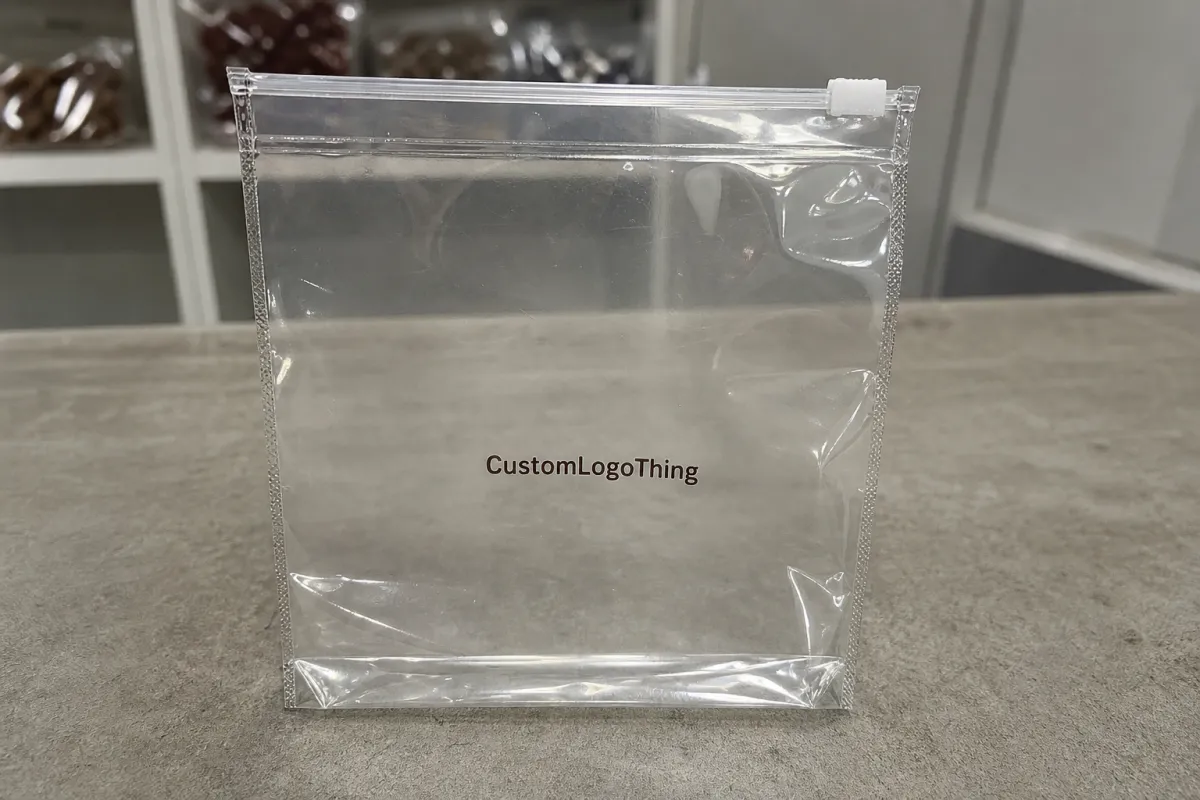
A chocolate Slider Lock Bags Packaging Insert checklist looks like a small procurement tool. In practice, it decides whether the final pack survives filling, handling, shipping, and a few rounds of shelf inspection without looking tired. The most common mistake is treating the bag, the insert, and the product as separate approvals. They are not. Once the chocolate goes in, the geometry changes, the closure sits differently, and weaknesses show up quickly.
That is why the checklist has to cover more than artwork. It should capture finished size, bag construction, closure style, insert function, print method, food-contact concerns, and the production limits that affect both price and lead time. Chocolate is less forgiving than dry snacks. Fat bloom, warmth, condensation, and light grease transfer can turn a clean mockup into a dull retail pack in a matter of days.
The other thing buyers miss is the real role of the insert. Sometimes it is informational. Sometimes it carries branding. Sometimes it stabilizes assortments so the pieces do not move and mark the finish. The right answer depends on the form of chocolate, the shelf environment, and the budget. A simple carrier card and a premium printed insert are not the same order, even if the outside bag looks identical.
For teams comparing formats, it helps to review related packaging structures at the same time so the bag, insert, and any companion carton stay aligned. That matters most when the chocolate is part of a broader product line and the packaging system has to look consistent across retail channels.
A pack can look finished on a screen and still fail on the line if the insert and slider were never tested together with the real chocolate inside.
The best checklist reduces rework, cuts sample churn, and keeps the approved spec close to what production can actually build.
How the Bag and Insert Work Together for Chocolate
Think of the slider lock bag as the outer protection and the insert as the part that organizes the product and frames the presentation. In some projects the insert is a plain carrier card. In others it carries ingredients, a flavor map, storage instructions, or a short brand message. For assortments, the insert may also stop pieces from sliding around and rubbing against one another.
Fit is where many projects drift off spec. The insert has to clear the slider track, stay out of the seal zone, and still sit flat enough that text and graphics read cleanly. If it is too wide, it buckles at the shoulders. Too tall, and it crowds the closure. Too soft, and it loses shape after handling. These are small errors on paper and obvious failures on shelf.
Chocolate adds its own constraints. Heat softens edges. Condensation can mark an uncoated insert. Oils can dull print or create visible staining on lighter stocks. A good package uses a film with enough barrier and an insert stock that still looks presentable after a week of handling, not only on approval day. For most buyers, that means balancing clarity, stiffness, scuff resistance, and moisture tolerance instead of chasing the cheapest material.
The insert also affects perceived value. A clean edge, good registration, and a readable information hierarchy make a pack feel deliberate. Cramped type, wavy folds, or a visible mismatch between the insert and the bag immediately pull the package down a tier. The chocolate may be excellent; the pack can still read as low-grade if the insert looks improvised.
Cost, Pricing, and MOQ: What Changes the Quote
Pricing usually moves with five variables: bag dimensions, film gauge, slider hardware, print coverage, and insert construction. Add a heavier barrier film, a coated insert, or a custom shape, and the number climbs quickly. That is normal. The useful question is not whether the quote changed, but which line item caused the change.
MOQ follows the same pattern. Higher volumes spread setup cost over more pieces, so the unit price usually falls as quantity rises. Small runs, especially under 2,000 units, carry more setup, proofing, and handling overhead per piece. If the insert is folded by hand, packed separately, or assembled in a nonstandard way, labor can matter as much as print coverage.
There are also hidden costs buyers should expect in the quote process: plate or tooling charges, sampling, freight, premium finishes, and any rework that comes from fit changes. A low headline quote can turn expensive once those items appear. Comparing one vendor’s full-color insert against another vendor’s black-only insert is a false comparison, even if the totals look close.
| Build Option | Typical Use | Indicative Unit Cost at 5,000 pcs | Notes |
|---|---|---|---|
| Clear slider bag + plain paper insert | Simple retail presentation | $0.18-$0.28 | Good for straightforward specs and limited print coverage |
| Printed slider bag + one-sided insert | Branded packaging with moderate detail | $0.24-$0.42 | Common for launches and mid-range seasonal programs |
| Heavy-gauge film + coated insert | Premium shelf appeal and stronger handling | $0.32-$0.58 | Better clarity, better scuff resistance, more finishing options |
| Small run under 2,000 pcs | Test market or seasonal release | $0.45-$0.90 | Setup cost has a larger effect on the unit price |
If the program also needs sleeves, labels, or custom printed boxes, keep the spec consistent across every format before requesting bids. That avoids mismatched finishes, inconsistent copy, and separate approvals that slow the launch.
Production Process and Timeline: From Spec Sheet to Shipment
The cleanest projects follow a predictable path: spec collection, dieline or layout review, artwork proofing, sample or preproduction approval, manufacturing, quality control, and shipment. Each stage can move quickly if the information is complete. Each stage can stall if the team is still debating what the insert should do, or if the dimensions were measured only from a rough drawing.
Most delays happen for the same reasons. Artwork is not print-ready. The bag and insert were approved separately but never checked together. The chocolate sample shipped to the vendor is not the same size as the product that will actually go to market. Or a physical sample was skipped, so nobody noticed that the insert curls when it is folded into the bag.
Lead time depends on print complexity, finishing, whether the order is domestic or imported, and whether a physical approval sample is required. For a clean spec with standard materials, 12-15 business days after proof approval is a realistic planning range. Add a preproduction sample, and a few more days is normal. If the job uses specialty film, multiple print passes, or tighter inspection, 18-30 business days is more honest.
Transit matters too. Delicate chocolate packaging that will move through rough distribution routes may justify shipping validation or an ISTA-style test plan. That is not necessary for every order, but it is worth discussing when the pack needs to hold up under vibration, stacking, or temperature swings before it reaches retail.
Key Factors That Decide Fit, Freshness, and Shelf Appeal
The technical checklist starts with the actual product, not the marketing description. Measure the finished chocolate bar, molded piece, truffle tray, or assorted set. Record the count per bag, orientation, total weight, and how much headspace the pack needs. A spec built from CAD alone often misses what happens after the chocolate is actually filled and the package settles.
Material choices matter in practical ways. For the bag, buyers usually balance clarity, barrier needs, seal performance, and whether the film has enough body to protect the shape. For the insert, the decision often comes down to matte paperboard feel versus a coated stock that prints sharper and resists scuffing better. Common insert stocks include 14pt-24pt SBS or 300-400 gsm C1S, while bag films often fall in the 3.5-5 mil range depending on the structure and the product weight.
Freshness is not only about oxygen and moisture. Odor transfer, grease resistance, and warm-display behavior matter too. Chocolate does not forgive a flimsy spec. If the insert absorbs moisture or oils, the package can look stale before the product is actually old. For paper-based inserts, FSC certification can help when procurement requires documented sourcing.
Shelf appeal is tied to small visual cues that buyers notice even if they cannot name them. A level slider, a straight insert edge, and clean print registration make a pack feel finished. A bowed insert, uneven closure, or visible wrinkling pushes it toward “budget” faster than most brands expect. That is why visual checks and dimensional checks need to happen together.
Step-by-Step Checklist for a Quote-Ready Spec
A useful checklist should be short enough to use and detailed enough to prevent surprises. Keep it to the facts that affect build, price, and approval.
- Document the product - record finished dimensions, total weight, piece count per bag, and whether the chocolate is a bar, molded piece, truffle, or assortment.
- Define the insert job - decide whether the insert supports the product, carries branding, explains ingredients, adds instructions, or holds a promotional message.
- Set the finished size - note insert width, height, fold lines, and where it sits inside the bag so the slider path stays clear.
- Choose the bag construction - film type, thickness, transparency, slider color, and any print coverage should be set before pricing starts.
- Confirm food-contact needs - identify whether the insert is direct-contact, indirect-contact, or purely informational, then request any required declarations.
- Prepare artwork correctly - supply print-ready files, barcode artwork if needed, and copy that is locked before proofing begins.
- Request a flat proof and a filled sample - especially if the fit is tight, because the real test is how the package behaves with product inside.
If the packaging line also includes cartons, sleeves, or labels, use the same data set for every format. That keeps the artwork, dimensions, and approval notes aligned instead of creating separate versions for each item.
Common Mistakes That Slow Approvals or Raise Waste
The first mistake is sizing from the chocolate alone and forgetting the insert thickness, closure clearance, and the way the package settles after filling. A bag that looks roomy on paper can still be tight once the insert is inside. The opposite is just as common: a bag that is too generous allows the insert to drift and makes the whole pack look loose.
The second problem is vague artwork direction. If the hierarchy, bleed, and copy lockup are not clear, the printer has to guess where elements should sit. That guess can cost a revision cycle or produce a layout that prints fine but does not match the brand’s intended feel. The closer the copy is to final before proofing, the fewer surprises later.
The third issue is skipping sample testing with actual chocolate. Room temperature, surface oil, and humidity change the behavior of both the bag and the insert. A card that looks stiff and clean in a dry office may curl once it meets a warm production room. A filled sample catches that before stock is committed.
Price-only buying creates another kind of waste. The lowest quote is not the lowest cost if it causes reprints, hand corrections, or finished inventory that cannot be sold. Good buying discipline means comparing the full package: materials, finish, setup, sample time, and risk.
The expensive mistake is rarely the extra cent on the unit price; it is the finished stock that cannot go to market because one measurement was guessed instead of checked.
Expert Tips and Next Steps for Ordering with Confidence
Ask for one approved sample built from the exact bag, insert, and closure combination you plan to buy. A single physical sample tells you more than a stack of mockups. Check whether the insert sits flat, whether the slider closes cleanly, and whether the package still looks tidy after it is handled a few times.
Keep a one-page spec sheet on file. It should list dimensions, stock, print notes, quantity, approval contact, shipping address, and any food-contact or compliance notes. When design, sales, and operations all use the same sheet, the back-and-forth gets shorter and the approval path is easier to manage.
Ask for alternate quote options as well. A different insert stock, a smaller print area, or a slightly lighter film can change price without forcing a redesign. That flexibility matters if the pack is part of a wider branded packaging program or if seasonal budgets are tight.
The practical sequence is simple: measure carefully, sample early, approve the fit, then release the order. If the team treats the chocolate Slider Lock Bags Packaging Insert checklist as a production tool rather than paperwork, the package is far more likely to land on shelf looking deliberate, tidy, and ready to sell.
What should be on a chocolate slider lock bags packaging insert checklist before I ask for a quote?
Start with finished product size, weight, and count per bag. Add the insert purpose, finished size, stock, and print needs. Then note bag material, slider color, any food-contact or barrier requirements, target quantity, approval deadline, and shipping destination so the quote reflects the real build.
How do I size the insert for chocolate slider lock bags packaging?
Measure the actual filled product, not just the empty chocolate piece. Leave room for the slider track, top seal area, and easy insertion. Test the insert with a real sample so it does not buckle, curl, or shift, and confirm whether it sits loose, tabs in place, or needs a carrier.
Which materials work best for the insert in chocolate packaging?
Choose a stock that is stiff enough to hold shape but not so thick that it crowds the bag. Use moisture- and grease-resistant options when the chocolate may warm in transit or on shelf. Match the finish to the brand, such as matte for a natural feel or coated stock for sharper print and easier wipe resistance.
What affects MOQ and unit cost most on this type of bag order?
Run quantity, number of print colors, and whether the insert is printed or plain make the biggest difference. Special materials, thick film, custom slider colors, premium finishes, proofing, freight, and any manual assembly also move the price. The closer the package is to a standard size, the lower the setup pressure usually is.
How long does production usually take after artwork approval?
Proofing usually moves fastest when dimensions and copy are already locked. Sample or preproduction checks can add time if the fit needs refinement. Production length depends on print complexity, stock availability, and order quantity, while shipping time is separate. For a final buying decision, keep the chocolate Slider Lock Bags Packaging Insert checklist in view so the schedule, sample, and shipment all line up cleanly.


