Hotel Slider Lock Bags Packaging Insert Checklist for Buyers
A hotel slider lock bag can look polished on a proof and still fail in service. The bag may be the right size, the insert may be on brand, and the quote may look competitive, yet the first real test happens on a housekeeping cart under time pressure. If staff cannot identify the contents, open the closure cleanly, and restage the kit without slowing down, the packaging system is already costing more than it should.
That is why the hotel Slider Lock Bags Packaging Insert checklist deserves the same attention as the bag spec itself. It is not an attachment that gets filled in at the end. It is the control document that keeps procurement, branding, operations, and production aligned before money is spent on plates, film, freight, or reprints.
Practical rule: if a staff member can recognize the bag, read the insert, and put the kit back into service in under 10 seconds, the packaging is doing real work.
For buyers comparing suppliers, the same discipline that applies to Custom Packaging Products applies here too: define the structure, the copy, the count, the proof process, and the handoff points before quoting begins. A vague request is the fastest route to a vague result.
What the Hotel Slider Lock Bags Packaging Insert Checklist Covers
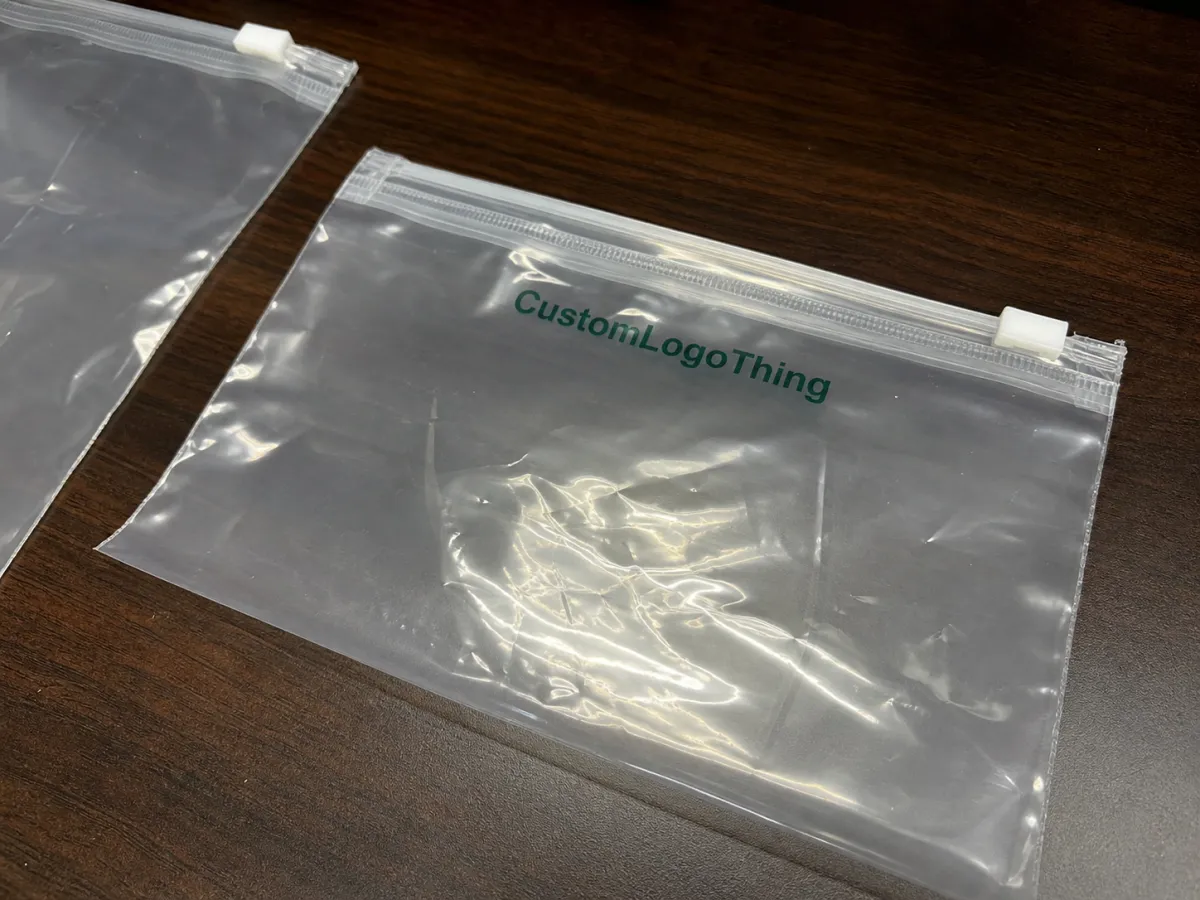
A useful hotel Slider Lock Bags Packaging Insert checklist removes ambiguity before production starts. In hospitality, ambiguity shows up as wrong room labels, missing amenity counts, inconsistent restock rules, and instructions that look fine in a PDF but fall apart once printed, folded, and packed.
Start with the bag. Record finished width, height, and gusset depth if there is one. Note the opening style, slider color, film gauge, seal type, and whether the bag is meant for guest-facing presentation or back-of-house handling. The finish matters too. A clear, glossy bag gives a different signal than a softer matte or frosted film.
Then define the insert with equal precision. Capture the finished size, fold direction, stock, print sides, language versions, barcode or QR placement, and the exact copy that will appear on the final approved version. If the insert needs room coding or housekeeping instructions, write those rules in plain language, not in shorthand that only one team understands.
- Bag size: finished dimensions, tolerance, gusset depth, and opening style.
- Closure: slider color, closure feel, and whether one-hand operation matters for staff.
- Insert: size, stock, fold type, copy, barcode, QR code, and room-code logic.
- Artwork: brand colors, logo clear space, font hierarchy, and legal text.
- Quantity: per bag, per carton, and per property or property group.
Good checklists also prevent hidden collisions. If the hotel is rolling out matching amenity labels, custom printed boxes, or other product packaging, the visual hierarchy should stay disciplined across the set. Different type styles, different logo treatments, and different tone of voice can make one property feel like three unrelated vendors touched the job.
For buyers who want a standards reference, organizations such as Packaging Alliance, testing groups like ISTA, and certification bodies such as fsc.org help frame the questions to ask. They will not choose the package for you, but they do help separate marketing language from usable specs.
The checklist should also make ownership visible. Who approves dimensions? Who checks copy? Who confirms color? Who signs off on carton counts? If those answers are not listed, the order will move slower than expected, because every missing answer becomes a new email thread.
How the Slider Lock Mechanism and Insert Work Together
The closure and the insert should function as one system. The slider must open without sticking, close with a consistent feel, and survive repeated handling by staff who may open, fill, reseal, and restage the same format many times in a day. A closure that binds, drifts, or feels flimsy undermines the whole package, no matter how polished the artwork is.
The insert has a different job. It turns the bag from a container into a communication surface. Housekeeping needs to know what is inside, what room type it belongs to, or what restock rule applies. Guests, if they see it, need to understand the purpose fast. That means the insert has to be readable at a glance, not merely attractive in a proof.
Placement matters more than most buyers expect. In clear-film packaging, copy can disappear if the typography is too light, the margins are too tight, or the artwork sits too low behind the product. A strong system usually puts the key instruction in the upper third, the brand mark in a separate zone, and enough white space around both so the information remains legible when the bag is slightly compressed.
There is a simple field test for this. Hold the packed sample at arm's length. Then look at it again under the lighting used in corridors, carts, and storage areas. If the message still reads cleanly in both conditions, the bag and insert are working together. If not, the design needs revision before approval.
The use case also matters. A guest-facing retail kit needs a different tone from a replenishment pack in the back of house. One can be more polished and brand-heavy. The other should move faster, with fewer words, stronger cues, and less decorative detail. The same bag format can serve both, but only if the insert is written for the actual job it has to do.
Materials, Sizes, and Print Details That Matter
Material choice changes both the look and the handling of the package. For many hotel programs, a clear PE bag in the 2.0-3.0 mil range gives enough clarity and flexibility without feeling weak. Higher-touch kits, heavier contents, or repeated handling may call for 3.5 mil film, a thicker gauge, or a laminated structure. Too thin looks temporary. Too thick starts to feel overbuilt and can raise cost without adding practical value.
The right size comes from the contents, not from a preferred bag template. Measure the stacked items first, then allow enough room for the seal, the insert, and easy handling when staff open or close the pack quickly. If the package includes folded literature, sachets, or a welcome card, ask for a packed sample instead of relying on dieline math alone. Paper and CAD drawings can both be persuasive. Real product is less forgiving.
The insert should be specified with the same rigor. A common starting point is 120-170 gsm matte paper for a lighter insert or 14pt stock for a firmer card feel. If the insert carries multilingual instructions, room codes, legal text, or a QR code, the layout needs more breathing room than a simple promotional card. Dense paragraphs create proofing problems, and they create even bigger problems once the insert is under film.
Print detail matters because the insert is often the primary brand surface when the bag is clear. Typography should stay legible under warm hotel lighting. Margins need to remain consistent after folding. Ink coverage should not be so heavy that the sheet curls or shows rub marks. A soft-touch coating can look elegant, but if it reduces contrast or turns cloudy under low light, it is the wrong finish for that property.
A few questions help separate a usable spec from a nice-sounding one:
- Can the supplier state film type, gauge, and closure method in one sentence without hedging?
- Does the insert still read cleanly after folding and packing?
- Will the paper stock hold up to storage, sorting, and cart handling without curling?
- Does the artwork leave enough room for a barcode, QR code, or compliance line?
- Is the finish compatible with the lighting where the package will be seen?
For more formal sustainability claims, ask for specific paper sourcing rather than a vague environmental claim. FSC-certified paper may be appropriate, but only if the supplier can document it where required. That is more useful than broad language about being "eco-friendly." Buyers need traceability, not adjectives.
One more practical point: if the hotel uses matching labels, sleeves, or custom printed boxes in other guest touchpoints, keep the visual language consistent. Repeating the same logo treatment in one place and changing it in another weakens the system. Guests may not describe the mismatch, but they feel it immediately.
Pricing, MOQ, and Quote Drivers to Compare
Pricing for hotel Slider Lock Bags is driven by more than film cost. Size, gauge, print coverage, insert complexity, carton configuration, shipping lane, and minimum order quantity all move the number. A low unit price does not help much if the run is too large for a pilot or if freight and setup absorb the savings.
Buyers should ask for quotes that separate unit price, setup, proofing, tooling if any, and freight. Otherwise the cheap-looking number may hide a higher landed cost. That problem shows up often when a quote includes rush production, multiple delivery points, or an insert that needs extra proof rounds because the copy was not frozen early enough.
| Option | Typical Price Range | Best Fit | Tradeoff |
|---|---|---|---|
| Standard clear slider bag + one-color insert | $0.22-$0.38 per set at 5,000 units | Simple amenity kits and repeat hotel programs | Limited visual impact, but efficient to buy |
| Heavier film + two-sided insert | $0.34-$0.58 per set at 5,000 units | Guest-facing branded packaging with stronger shelf presence | Higher material and print cost |
| Multilingual insert + premium stock | $0.45-$0.75 per set at 5,000 units | Multi-property hotels or international guest programs | More proof rounds and tighter copy control |
| Short-run pilot with custom sizing | $0.60-$1.10 per set at 1,000-2,000 units | New launches, renovations, and test markets | Higher unit cost, but lower inventory risk |
Those figures are directional, not universal. Prices move with print colors, film thickness, carton counts, and transit distance. A flexographic run with one color can behave very differently from a digitally printed short run. The quote that looks best on paper may not be the best choice if it quietly drops film gauge, shortens the insert stock, or adds handling fees later.
MOQ matters. A supplier that can support a smaller minimum may be more valuable than one with a slightly lower unit price, especially for pilots, seasonal programs, or properties with different room categories. On the other hand, if a chain is standardizing across many locations, a higher MOQ can unlock better economics and fewer reorder headaches.
Use the checklist to decide where to spend. Sometimes the right choice is premium print and a simpler bag. Sometimes the smarter move is stronger film and a leaner insert. And sometimes the best decision is to buy a smaller quantity, test the package in service, then scale only after the details hold up.
Production Steps, Lead Time, and Approval Milestones
A clean production flow usually starts with the spec sheet, then moves through dieline review, digital proofing, sample approval, production approval, and final pack-out confirmation. Each step reduces the chance of a surprise later. Skip one, and the surprise often lands on the receiving dock.
Lead time depends on the insert as much as the bag. Straightforward repeat work may move in 12-15 business days after proof approval. New artwork, multilingual copy, a different film gauge, or a change in structure can push that to 20 business days or more. Add legal copy, compliance review, or hotel-brand sign-off, and the schedule needs even more breathing room.
Approval milestones should be named before the quote is accepted. Decide who signs off on dimensions, who signs off on copy, who confirms color, and who approves carton counts. In hospitality rollouts, a two-day delay on content can matter more than a two-cent change in unit price. Once the artwork is frozen, every revision has a production cost attached to it.
Quality control should not stop at the proof. Ask for a pre-production sample with the actual hotel content inside the bag, not a blank mockup that only shows the outer structure. Check seal strength, slider motion, insert alignment, and whether the pack holds up after being opened and closed several times. If the order ships long distance or through rough handling points, ask whether the supplier has tested against relevant transit methods such as ISTA methods. For material behavior, some suppliers will reference ASTM-style test language. The point is not paperwork for show. The point is knowing whether the package can survive normal handling without crushed corners, stress marks, or an insert that shifts out of place.
Timing matters because hotel programs rarely live in isolation. They are often tied to renovations, seasonal launches, amenity changes, or a wider packaging design refresh. A change to the insert today can create a mismatch with labels, boxes, or welcome collateral next month if the rollout calendar is not managed as a system.
Common Mistakes That Trigger Reprints or Delays
The most expensive mistake is treating the insert like a late-stage add-on. Once copy is squeezed into too little space, the result is usually unreadable instructions, clipped logos, or a paragraph that looks acceptable in a proof but fails once printed. A tight checklist prevents that by forcing the content to be defined before layout starts.
Another common problem is approving a sample without testing the actual contents. A bag may appear correct on screen and still fail once the full kit is inserted. That happens when the stack is thicker than expected, the fold direction is wrong, or the slider sits too close to the load line. One extra millimeter can matter more than a page of email notes.
Teams also underestimate how fast the package has to work during busy turnover periods. Staff may need to open, inspect, reseal, and restage a kit quickly. If the closure feels awkward or the insert shifts when handled, labor time rises. Packaging does not exist only to look neat on a shelf. It has to move through a real operating environment.
Vague specs create repeat failures. "Make it premium" is not a spec. Neither is "match the brand." Buyers need actual definitions: 2.5 mil film, matte insert stock, black slider, one-sided print, 3 mm logo clear space, and a final pack-out of 50 units per carton. If the checklist does not define the answer, every stakeholder invents one.
Watch for copy drift too. The room code, amenity description, and property name should match across the insert, the order form, and the proof. One typo can trigger a reprint. A reprint can push the whole launch off schedule, especially when multiple properties are waiting on the same shipment.
There is also a quieter problem that shows up in warmer climates and long transit lanes: thin paper inserts can curl, and heavy ink coverage can scuff. If a supplier never mentions storage conditions, stack orientation, or carton compression, ask again. Those details sound minor until a pallet arrives with edge damage and the schedule is already tight.
Expert Checks and Next Steps Before You Order
Before placing the order, compare a real sample against the checklist line by line. Check the feel of the film, the ease of the slider, the readability of the insert, and the final packed count. Do not rely on the digital proof alone. It can confirm layout, but it cannot tell you whether the insert sits too low or the bag feels soft in the hand.
Ask for a pre-production mockup that includes the actual hotel content. That simple step often reveals issues a standalone art file hides. If the insert disappears behind the product stack, move the key copy upward or change the fold. If the bag looks cloudy under warm lighting, revise the film spec. If the insert fights the film with poor contrast, simplify the palette.
For multi-property rollouts, a short pilot is usually money well spent. Run a limited batch, gather staff feedback, and update the checklist before the larger order. The feedback does not need to be elaborate. Was the package fast to open? Was the copy readable? Did the bag restage cleanly after use? Did the insert hold its position during handling? Those answers are enough to guide the final version.
Keep the visual and operational rules aligned across the full assortment if the order sits alongside labels, sleeves, retail packaging, or companion custom printed boxes. Consistency lowers training time and reduces service errors. It also makes the line feel like one system instead of a stack of separate purchases that happen to share a logo.
The best buyers tend to ask the sharpest questions before the first print run starts. Lock the hotel Slider Lock Bags Packaging Insert checklist, verify the sample in real use, and only then commit to scale. That order of operations saves more money than chasing the lowest quote ever will.
Frequently Asked Questions
What should be on a hotel slider lock bags packaging insert checklist?
Include bag dimensions, film thickness, slider color, insert size, print copy, barcode or QR placement, and final pack-out count. Add approval owners and due dates so procurement, branding, and operations sign off before production starts.
How do I choose the right size for hotel slider lock bags with inserts?
Measure the actual contents first, then add clearance for sealing, folding, and easy handling. Ask for a sample with real product inside, because a bag that looks correct on paper can be too tight once packed.
What affects pricing for custom hotel slider lock bags packaging inserts?
Main cost drivers are bag size, material gauge, print colors, insert complexity, order quantity, and special finishing. Compare quotes on a landed-cost basis so setup, freight, and rush fees do not hide the true price.
How long does production usually take for a custom order?
Simple repeat jobs can move faster than new artwork or structural changes, but approvals still control the schedule. Expect longer timelines when the insert needs multilingual copy, regulatory review, or multiple proof rounds.
Can one insert work across multiple hotel room types or properties?
Yes, if the copy is written for shared standards and the branding rules are consistent across locations. If room types differ by amenity set or compliance language, create a modular insert system instead of forcing one version to fit everything.


